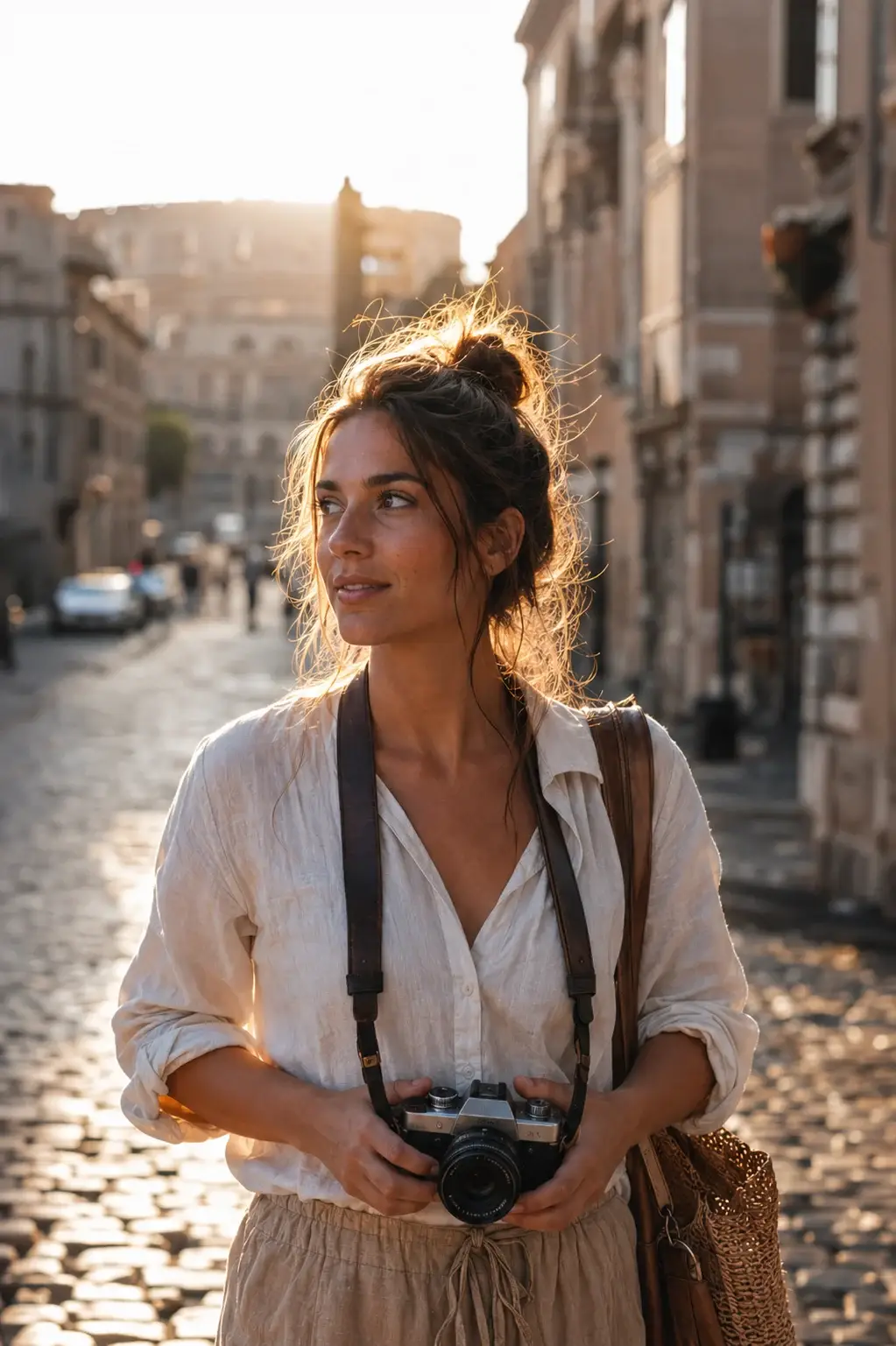
I still remember the first time I set off for a long-term trip. I was heading to Europe, and my suitcase felt like it weighed as much as a small boulder. I had clothes for every possible weather condition, four pairs of shoes, and enough toiletries to last through a zombie apocalypse. By the third day, dragging that monstrosity over cobblestone streets in Rome, I realized something vital: I hadn’t brought a suitcase; I had brought a cage. My heavy bag wasn’t keeping me safe or prepared; it was keeping me from moving freely.
Back then, I was still stuck in that “corporate mindset” where I felt like I needed to be ready for every boardroom meeting or gala event. But the road has a way of teaching you what actually matters. When I left my 9-to-5 job in New York to pursue a life of travel, the first thing I had to master was the art of the light pack.
Learning how to pack small but take everything you need isn’t about deprivation. It is about liberation. It is about understanding that your gear should support your adventure, not define it.
The Mental Shift: Why We Overpack
We overpack because we are afraid of the unknown. We fear that if we forget an extra sweater, we will be cold. If we don’t bring five backup outfits, we won’t look “put together.” I spent years thinking like this. But when I lived with a family in Ghana, I saw how little people actually needed to live a full, vibrant life. That experience changed me.
To pack small, you have to stop planning for your fears and start planning for your reality. You are not moving to a deserted island. If you forget toothpaste, you can buy it in Tokyo, Bangkok, or Paris. The world is full of stores, pharmacies, and friendly locals who are happy to help.
Before you even open your suitcase, ask yourself: “Am I packing this because I will actually use it, or because I am afraid of a ‘what if’ scenario?” If the answer is the latter, leave it at home.
The Strategy: The Capsule Wardrobe Method
The secret to packing light is the capsule wardrobe. This is a collection of essential items that can be mixed and matched to create dozens of outfits. When I was teaching English in Thailand, I lived out of one carry-on bag for months. The heat, the humidity, and the constant travel meant I needed clothes that were breathable and versatile.
Choose a neutral color palette—think blacks, whites, navys, or earth tones. If everything matches everything else, you don’t need five different shirts for five different occasions. I usually pack three tops, two bottoms, and one layer for warmth. That is it.
When you are researching your next destination, it is always a good idea to check the official destination guide from the Tourism Authority of Thailand to see what cultural norms you should respect, as knowing the local dress code helps you pack fewer, but more appropriate, items.
Footwear: The Biggest Culprit
Shoes are the heaviest, bulkiest things we own. Most travelers take way too many. I limit myself to two pairs: one comfortable pair of walking shoes that I wear on the plane, and one pair of sandals or dressier shoes that pack flat.
If you are hiking, you don’t need specialized gear for every single trail. Your main walking shoes should be versatile enough for city streets and dirt paths. If I am visiting a place like a massive temple complex, I make sure my walking shoes are slip-on or easy to remove, as most sacred sites require you to take them off. You can often find great information about visiting specific UNESCO World Heritage sites on their official portal, which will give you a heads-up on footwear requirements and site rules before you go.
Mastering Your Tech and Gear
In my New York sightseeing guide days, I used to carry an entire camera bag. Now, I travel with a lightweight setup that fits in my daypack. Do you really need the full-sized laptop? Can you get by with a tablet and a Bluetooth keyboard?
The same logic applies to adapters and cords. I use one universal adapter that covers the whole world and one high-quality power bank. These items save so much space. If you are ever unsure about the safety or entry requirements for your next destination, always check the official travel advisories from the US Department of State before you book, as they often have the latest info on what tech or items might be restricted in certain countries.
Toiletries and Health: Keeping It Simple
I see so many travelers carrying massive toiletry bags. You don’t need the full-sized shampoo. You can buy travel-sized containers and fill them up, or better yet, use solid bars of shampoo and soap. They don’t leak, they don’t count as liquids, and they last forever.
As for health, I keep a small, focused medical kit. A few bandaids, some pain relief, and any personal prescriptions. That is it. If you are heading somewhere with unique health requirements, it is vital to check the latest destination-specific health advisories provided by the CDC Travelers’ Health to ensure you have the right vaccinations and safety info on hand.
Practical Navigation: Getting Around Light
Traveling light changes how you navigate. Because I don’t have a giant bag, I can walk to my hostel or guesthouse instead of waiting for a taxi. This saves money and lets me see the city on my own terms.
In many parts of the world, apps have made life so much easier for solo travelers. For instance, knowing how Grab works for travelers has saved me countless times when I needed a reliable ride in Southeast Asia without having to haggle with local taxi drivers. Using your phone to manage your transport means you can leave those bulky paper maps and heavy guidebooks at home.
The “What If” Safety Net: Insurance
Sometimes, the best way to travel light is to have the right support systems. I never travel without insurance. It allows me to carry less because I know that if I lose my bag, get sick, or have an emergency, I have help. You can read more about traveler safety and insurance guidance at World Nomads to understand why having a plan is part of being a prepared, light traveler.
When you have insurance, you don’t feel the need to carry your entire life with you. You realize that you can replace almost anything you lose, and that realization is incredibly freeing.
My Culinary Tip: Pack Your Appetite, Not Your Kitchen
I used to pack snacks, but I learned that half the joy of travel is eating what the locals eat. In Thailand, I lived on street food. In Italy, I went to local markets. When you pack small, you have more room for memories, and more money to spend on local food experiences.
If you are in a new city, don’t look for the “best-rated” restaurant on an app. Walk away from the tourist center. Find the place where the locals are sitting on plastic stools eating dinner at 7:00 PM. Order what they are eating. That is the true way to learn about a culture, and it doesn’t require you to pack anything but your sense of adventure.
Why This Matters
When I was a sightseeing guide in New York, I watched hundreds of tourists struggle with their luggage. They were so focused on their bags that they missed the beauty around them. Don’t be that person.
Learning how to pack small but take everything you need is the first step to becoming a confident solo traveler. You will find that you move faster, you are less stressed, and you are more open to the world. When your hands are free, you can wave to a local. When your back isn’t breaking, you can walk that extra mile to find a hidden garden or a quiet square.
The weight you carry is a choice. Choose to be light. Choose to be mobile. Choose to see the world without being tied down by the things you think you need. Once you do it, you will never go back.