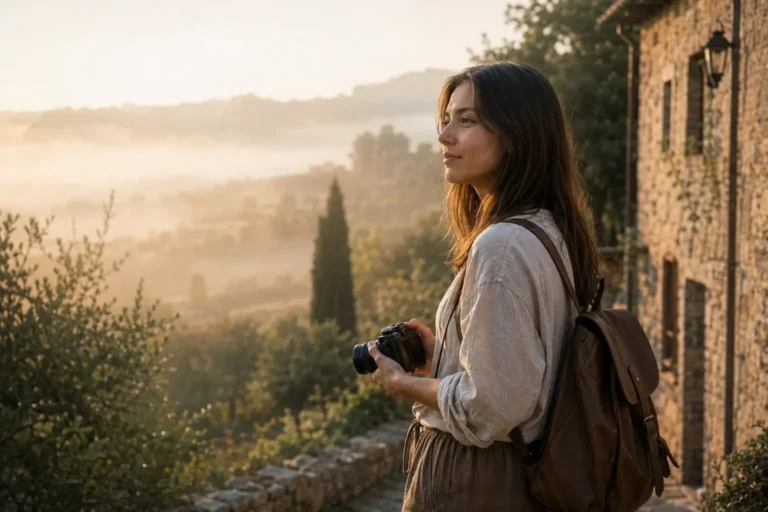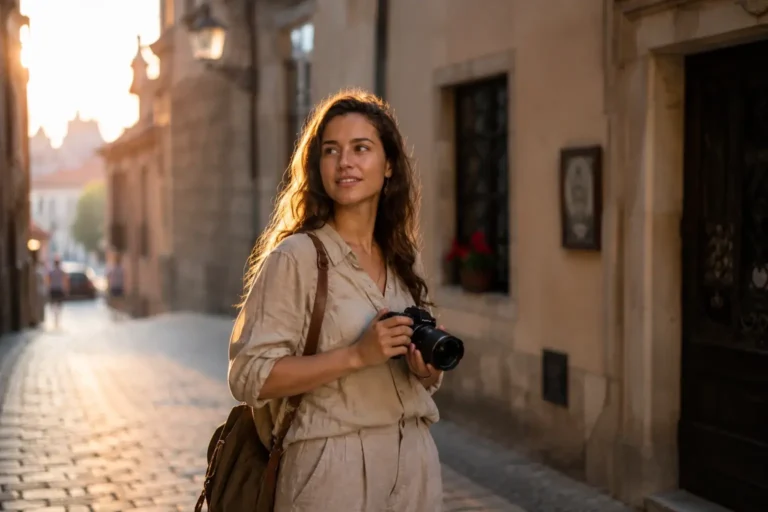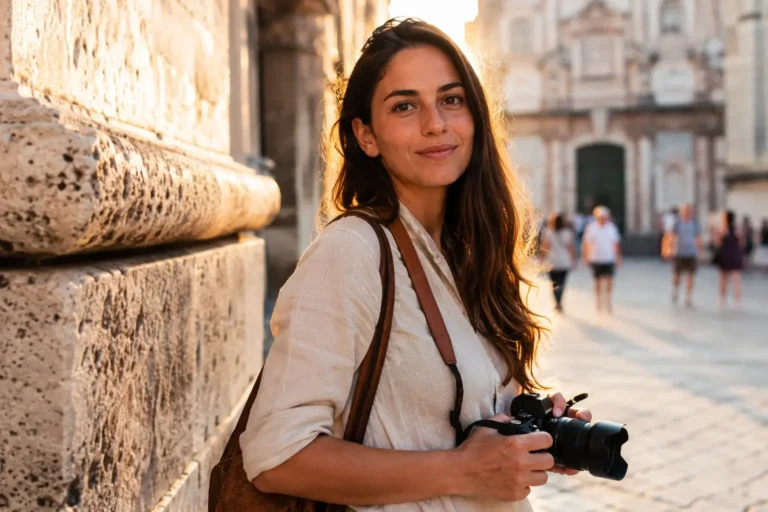
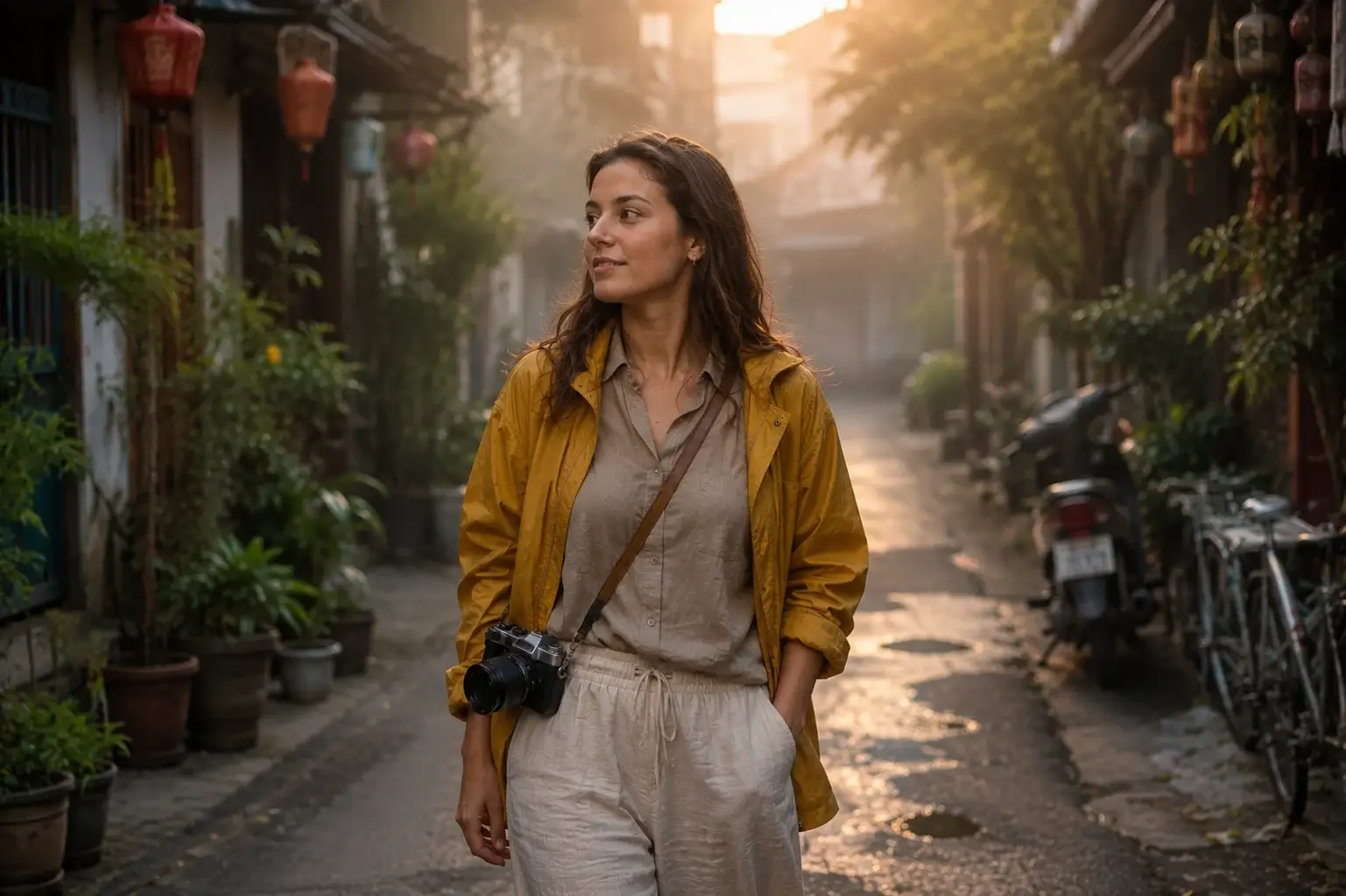
When I left my rigid 9-to-5 office desk to travel the world, I made a massive mistake on my first big solo backpacking trip. I stuffed a massive, heavy winter coat into my luggage. I was terrified of being cold. Within two weeks of moving between trains and hostels, that giant coat felt like a concrete brick on my shoulders. I ended up donating it to a local shelter and realized a vital truth: bulky gear steals your freedom.
To explore with absolute confidence, you need to pack light. And the secret weapon of any smart, independent traveler is a versatile outer layer. Finding the best lightweight travel jackets means looking for pieces that offer weather protection, breathability, and packability without screaming “clueless tourist.”
In this comprehensive guide, we will break down the absolute best lightweight travel jackets for every type of environment. I will show you how to choose the right fabrics, avoid major gear mistakes, and select a jacket that keeps you moving freely.
Why a Lightweight Travel Jacket Changes Everything
When you are solo traveling, your entire life sits on your back. If your bag is too heavy, you will feel tired, stressed, and stuck. A solid, compact jacket keeps you nimble.
The Freedom of One Backpack
During my early days working as a certified sightseeing guide in New York City, I spent hours watching tourists drag giant, wheels-broken suitcases over cracked curbs. They looked miserable. When I saved up enough money from waitressing tips to start traveling full-time, I vowed to stick to a single carry-on backpack.
The best lightweight travel jackets compress down to the size of an apple or a small sandwich. This means you can easily toss your outer layer into your daypack when the sun comes out. You will never have to tie a heavy, wet coat around your waist while trying to read a subway map or order local street food.
Staying Safe and Looking Local
When you wear massive, technical mountain gear in the middle of a historic city, you stand out. Pickpockets look for people who look overwhelmed by their possessions. A clean, simple, low-profile jacket helps you blend right into the crowd.
Whether you are navigating the ancient streets of a classic destination or hailing a ride using the official Grab app platform to get to your hotel safely, a sleek jacket gives you an air of quiet confidence. It keeps you warm, dry, and subtle.
The Core Types of Lightweight Travel Jackets
Not all jackets are built the same way. The right one for you depends entirely on where you are heading and what you plan to do. Let’s look at the three main types that deserve a spot in your pack.
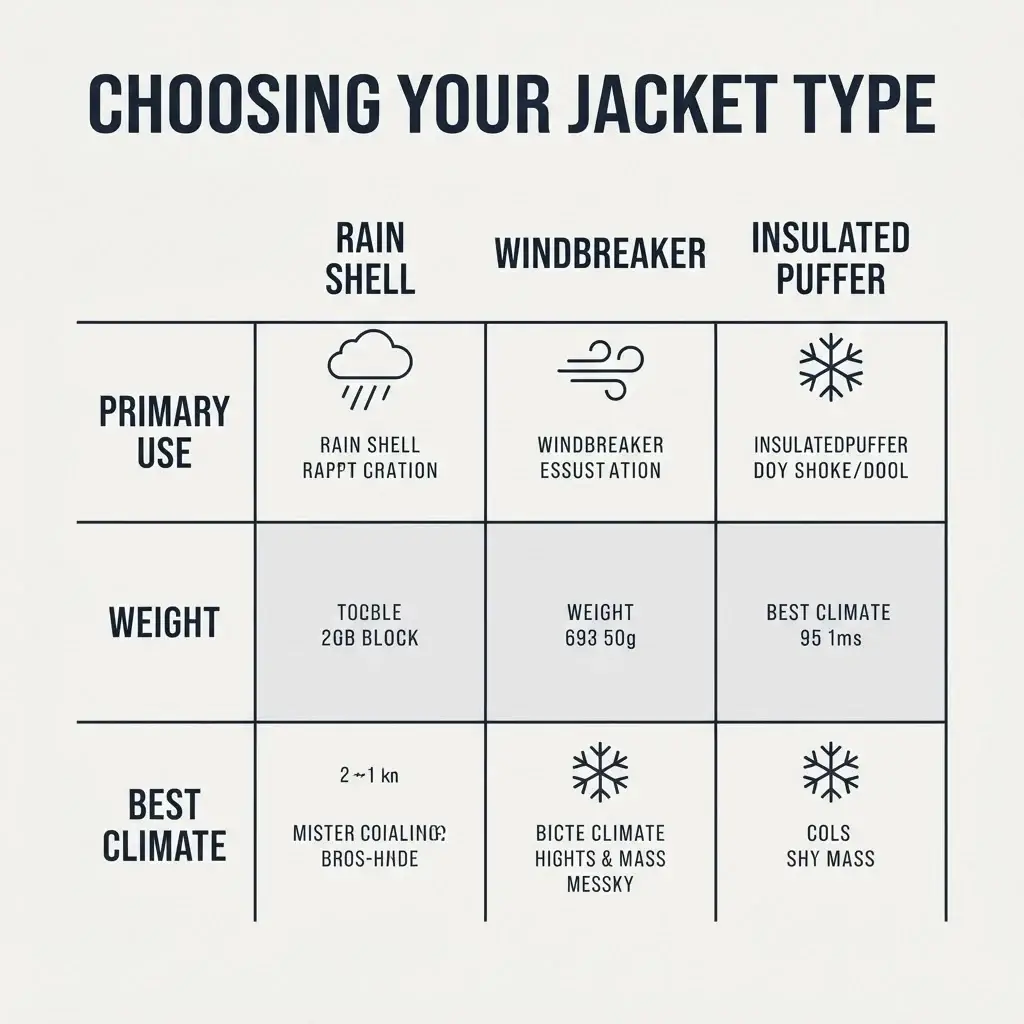
1. High-Performance Rain Shells
If you are heading into unpredictable weather, a waterproof rain shell is non-negotiable. These jackets use special membranes to keep rain out while letting your body heat escape.
- What to Look For: Look for taped or sealed seams, waterproof zippers, and adjustable hoods with structured brims.
- Where to Use It: Essential for wet climates, sudden tropical storms, or windy ferry rides across choppy coastal waters.
2. Packable Windbreakers
Windbreakers are thin, incredibly light, and highly breathable. They do not offer heavy rain protection, but they block chilly gusts of wind with ease.
- What to Look For: Choose a nylon or polyester windbreaker that stuffs directly into its own pocket. It should weigh less than six ounces.
- Where to Use It: Ideal for warm-weather trips where evenings get brisk, or for long, air-conditioned bus rides through rural regions.
3. Insulated Lightweight Puffers
When temperatures drop into the chilly zone, you need insulation. Modern lightweight puffers use synthetic materials or treated down to trap your body heat without adding bulk.
- What to Look For: Look for a jacket with a high warmth-to-weight ratio. Synthetic insulation is usually best for travel because it still keeps you warm even if it gets damp.
- Where to Use It: Perfect for shoulder-season travel, high-altitude mountain towns, or evening walks through chilly night markets.
How to Choose the Right Jacket for Specific Destinations
Let’s look at how to match the best lightweight travel jackets to specific global environments, along with real practical tips for navigating these regions comfortably.
Navigating Southeast Asia: Tropical Rain and Hot Transit
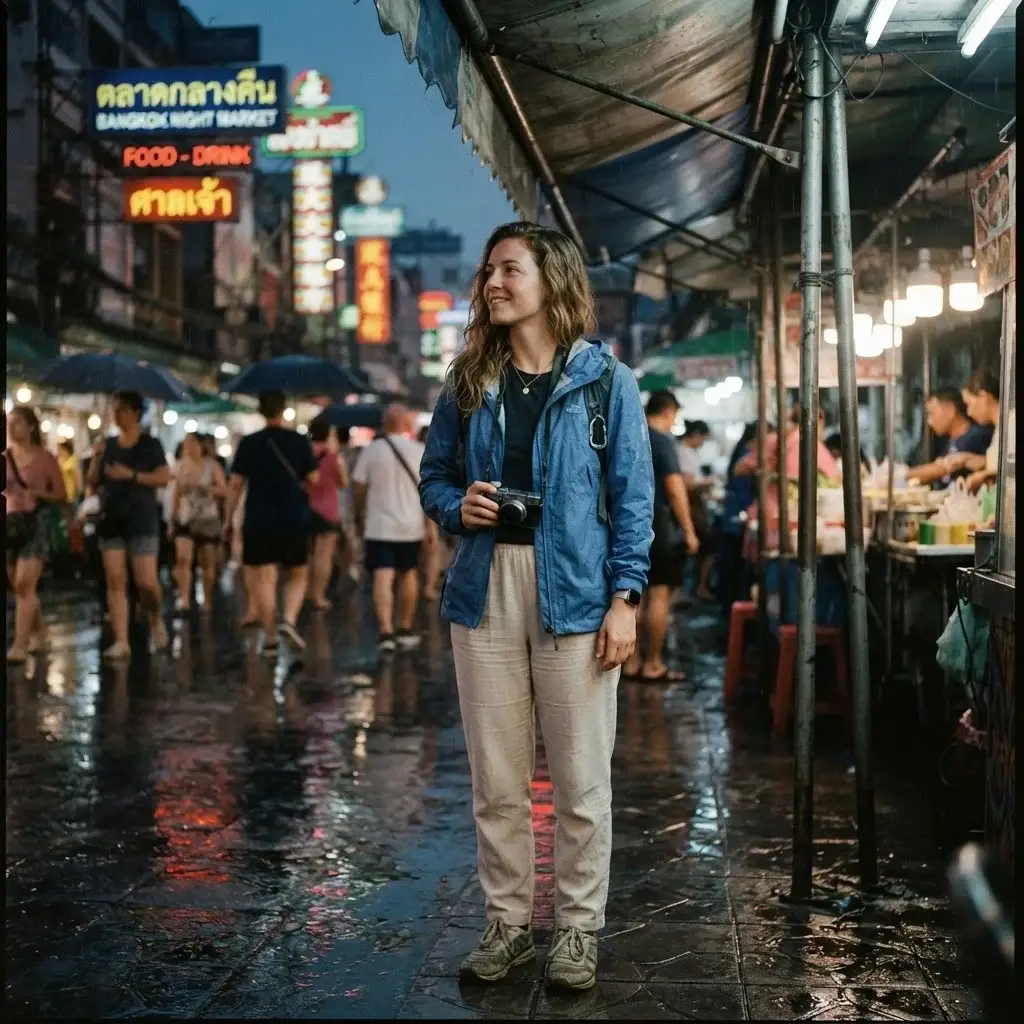
When I was teaching English in Thailand, I quickly learned that the weather can flip from scorching sun to a torrential downpour in minutes. You need a jacket that keeps the water out but does not turn into a personal sauna.
What to Wear
A highly breathable, 2.5-layer waterproof shell is your best bet here. Avoid heavy linings at all costs. Look for jackets with underarm zippers (often called pit zips) to maximize airflow when the humidity hits 90%.
Insider Culinary and Navigation Tips
When running from a sudden downpour in Bangkok, duck into a local alleyway stall for a warm bowl of Kuay Teow Reua (boat noodles). To make sure you are traveling safely during the monsoon season, always check the local weather updates and health guidelines via the official CDC Travelers’ Health site before heading to remote island regions.
When navigating the city, skip the unmetered tuk-tuks in heavy rain. Use public transit lines like the BTS Skytrain or secure a fixed-price ride through your phone to avoid getting stranded in flash floods.
Exploring European Cities: Autumn Wind and Cobblestone Streets
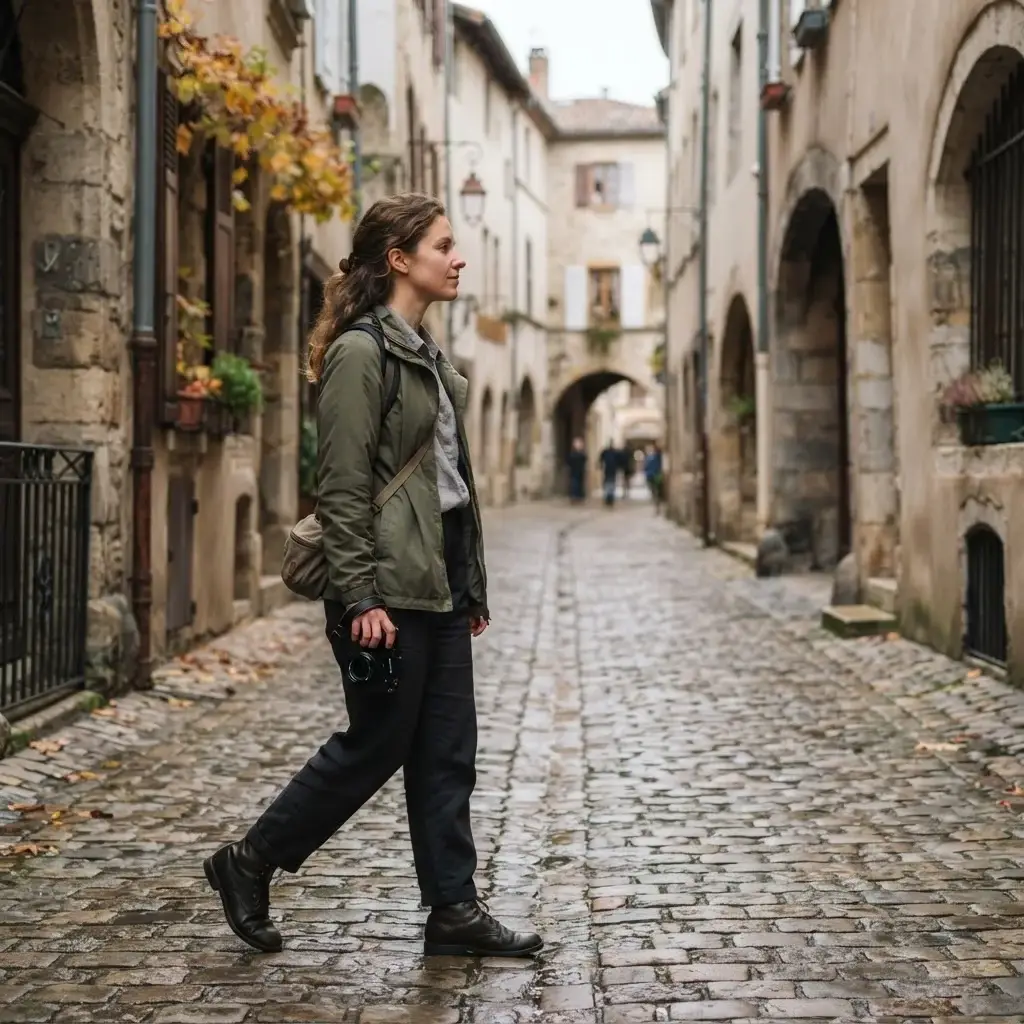
Backpacking across Europe during the crisp autumn months requires a layer that looks sharp enough for a Parisian café but stands up to cold coastal winds.
What to Wear
A versatile, windproof jacket with a clean design works beautifully here. Neutral colors like navy, olive, or black allow you to mix and match with a limited travel wardrobe. A jacket with hidden interior zippered pockets is a massive plus for keeping your daily transit passes and cash safe from wandering hands.
Insider Culinary and Navigation Tips
If you find yourself wandering through historic districts, grab a fresh, warm pastry or a savory local cheese tart from a neighborhood bakery to keep your energy up. Walking is the absolute best way to discover old cities, but keep an eye on local conditions.
Before booking long train routes across borders, check the US Department of State Travel advisories to stay informed on current entry rules, transport strikes, or safety notices for specific European regions. Stick to official train station kiosks for transit tickets rather than buying from unauthorized street sellers.
High-Altitude Adventures: Mountain Air and Changing Elevations
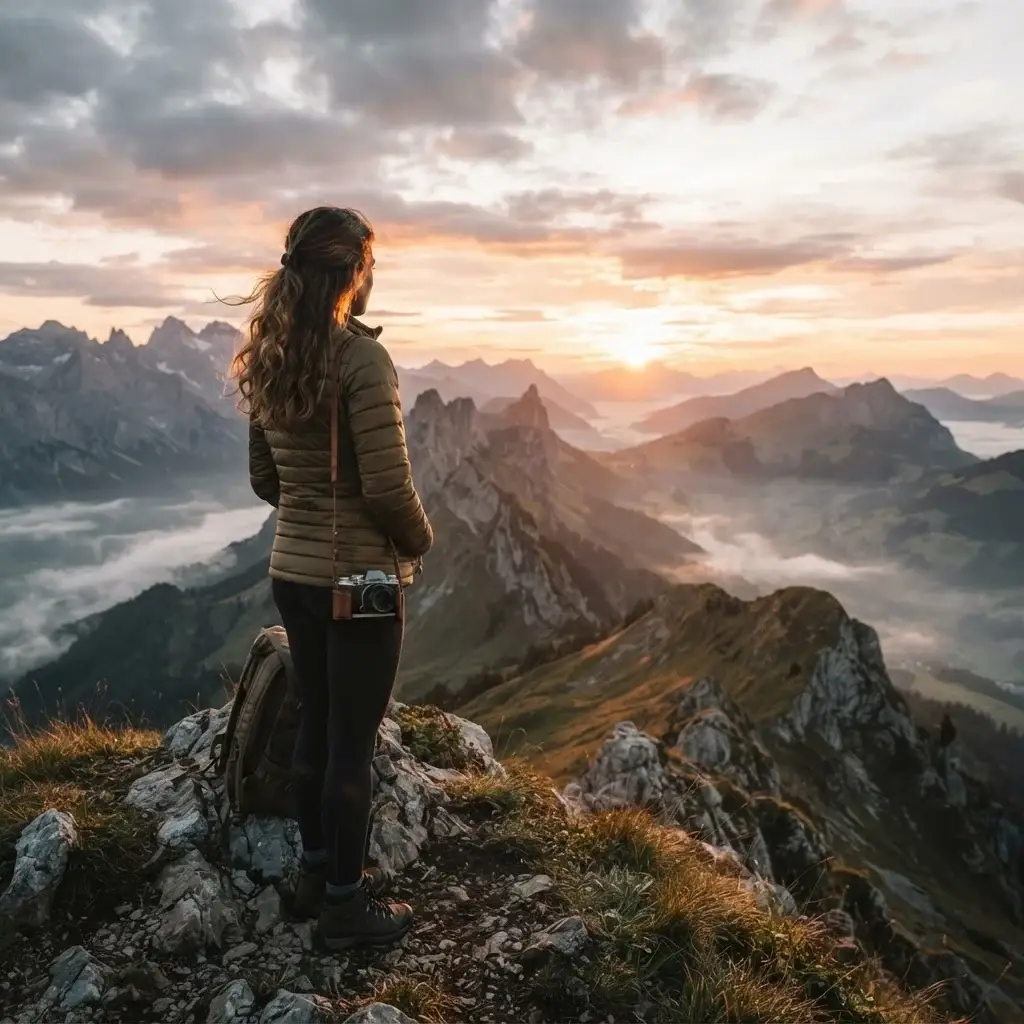
Whether you are hiking through rugged terrain or visiting high-altitude historic settlements, temperatures plummet rapidly as you climb higher.
What to Wear
An insulated lightweight puffer is mandatory here. It compresses down flat in your bag during the sunny valley hike but provides instant warmth the moment you reach a windy summit or a shaded mountain pass.
Insider Culinary and Navigation Tips
At high altitudes, keep your body fueled with simple, warm carbohydrates like local lentil stews, fresh flatbreads, or hot ginger tea. When visiting a culturally significant mountain landscape, like an ancient town or a protected UNESCO World Heritage site preservation, always stick to marked paths.
Walking off-trail can damage fragile alpine ecosystems and put you at risk of getting lost. Hire a registered local guide at the park entrance to understand the historical context and stay on the safest routes.
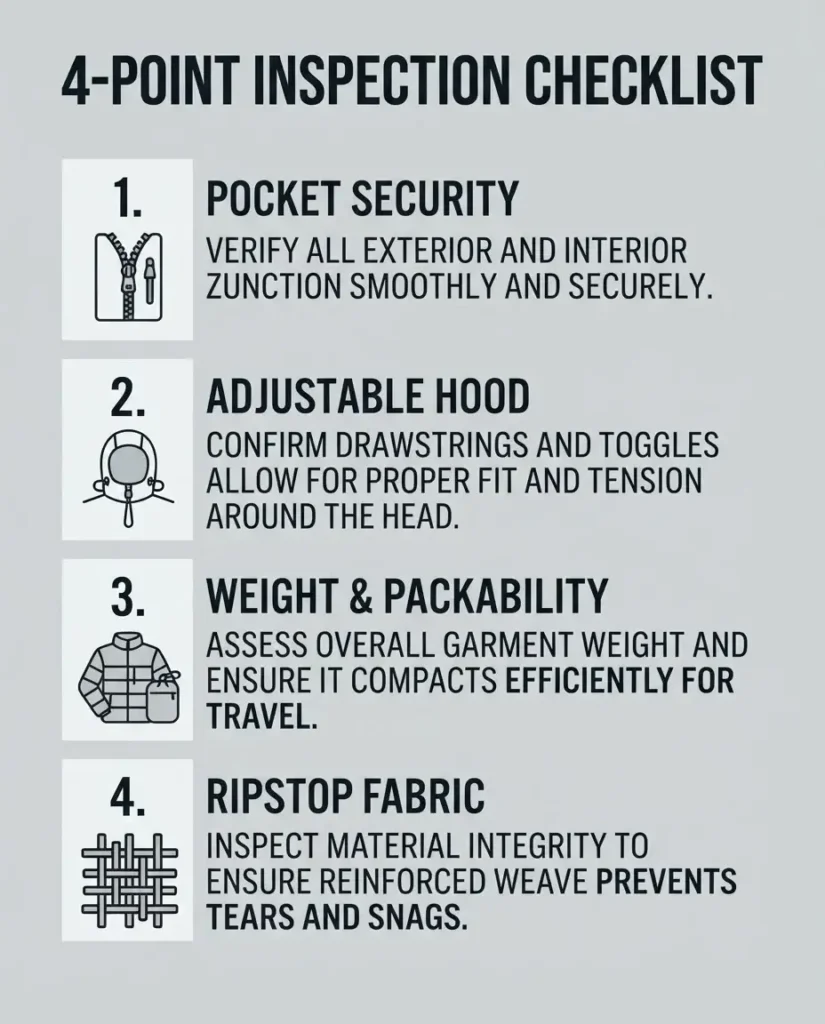
4 Crucial Features to Inspect Before You Buy
Before you spend your hard-earned money on an outer layer, check these four mechanical details. They make the difference between a frustrating piece of clothing and a reliable travel companion.
1. Pocket Placement and Security
When you are carrying a daypack, the waist belt will often block standard jacket hand pockets. Look for jackets with chest pockets or high-set hand pockets. At least one pocket must have a secure zipper to hold your phone or hostel key card.
2. Hood Adjustability
A bad hood will blow right off your head the moment a strong gust of wind hits. Make sure the hood has drawcords at the back or sides so you can cinch it tight around your face. A small, built-in stiff brim helps keep driving rain out of your eyes.
3. Packability and Weight
If a jacket weighs more than 12 to 14 ounces, it is too heavy for a dedicated lightweight list. The best lightweight travel jackets often have a double-sided zipper on one of the pockets, allowing the entire jacket to turn inside out into a self-contained pouch.
4. Fabric Durability (Ripstop Nylon)
Look closely at the fabric weave. You want to see a subtle grid pattern in the material. This is ripstop nylon, which prevents a small snag on a sharp tree branch or a rustic hostel door from tearing open into a massive hole.
Emma’s Rule of Thumb: If you cannot comfortably wear your travel jacket over a light fleece or sweater, size up. Layering is the secret to surviving wide temperature swings without packing a heavy coat.
Common Travel Jacket Mistakes to Avoid
When you are buying gear, it is incredibly easy to get distracted by fancy marketing terms. Avoid these pitfalls to keep your packing list smart and lightweight.
- Buying Full Waterproofing When You Only Need a Windbreaker: Heavy waterproof coatings can make a jacket stiff, crinkly, and hot. If you are visiting a dry, windy desert, a simple windbreaker is vastly more comfortable.
- Choosing Loud, Neon Colors: Bright neon jackets are great for emergency rescue situations on remote glaciers, but they make you look incredibly out of place in a quiet city museum or a local neighborhood restaurant. Stick to classic, muted tones.
- Ignoring the Wash Care Instructions: When you are living out of a backpack for months, you need clothes that can handle basic laundry setups. Avoid jackets that require specialized dry cleaning. Choose fabrics that can dry quickly on a clothesline in a hostel bathroom.
Moving Beyond Fear and Packing with Courage
Choosing the right gear is about more than just staying dry. It is about removing the tiny friction points that cause anxiety before a trip. When you know you can handle a sudden rainstorm, a chilly mountain evening, or a windy transit day with just the small pack on your back, your fear begins to melt away.
You stop worrying about the weather forecasts and start focusing on the incredible people you are meeting, the rich history you are absorbing, and the stunning cultures you are exploring. Invest in a solid, lightweight layer, leave your heavy baggage behind, and step out onto the open road with open arms.