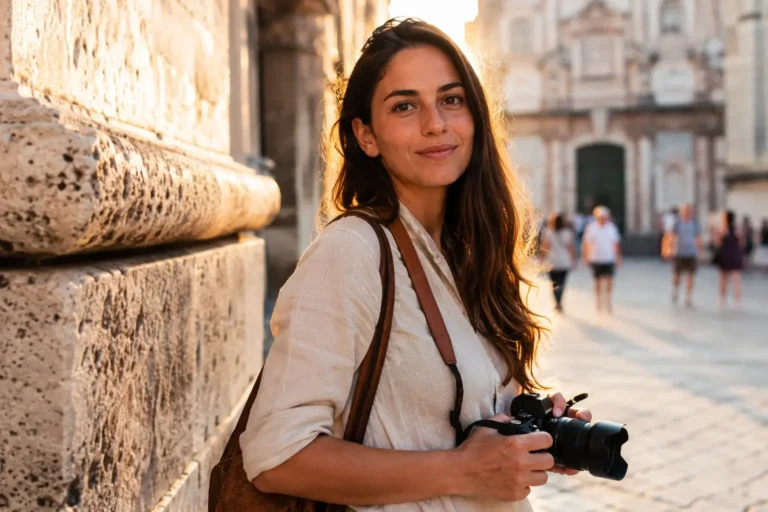

I still remember the first time I felt the cold, sinking dread of a dying phone in a foreign city. It was years ago, during my first solo backpacking trip through Europe. I had been relying on a digital map to navigate the winding, cobblestone streets of an old neighborhood, feeling incredibly proud of my newfound independence. Then, the screen flickered, darkened, and died. Just like that, the “independent traveler” persona vanished, replaced by a frantic sense of being lost and alone in a place where I didn’t speak the language.
That moment taught me a lesson I’ve carried through every adventure since: when you are on your own, your phone isn’t just a device—it is your navigator, your translator, your emergency contact, and your connection to safety. This is why choosing the best power banks for travelers is not just about convenience; it is about building the confidence to explore without fear.
When you leave behind the comfort of the 9-to-5 grind or that steady office routine, you realize quickly that you are your own IT department, security team, and logistics manager. You don’t have a colleague to ask for directions or a company laptop to fall back on. You have your pack, your wits, and whatever power you can carry in your bag. If you are currently daydreaming about your next trip but feeling that whisper of doubt, let’s get your gear sorted so you can focus on the journey itself.
Understanding Your Power Needs on the Road
Before you rush out to buy the biggest, heaviest battery on the shelf, take a breath. Travel is about movement. Every ounce in your bag counts. If you’re hiking through the mountains of Thailand or navigating the train systems of Europe, you want equipment that helps you, not weighs you down.

To truly understand what you need, think about how you actually travel. Are you a “city hopper” who returns to a hostel or hotel every night to plug in, or are you a “long-haul nomad” who spends 12 hours a day on buses and trains?
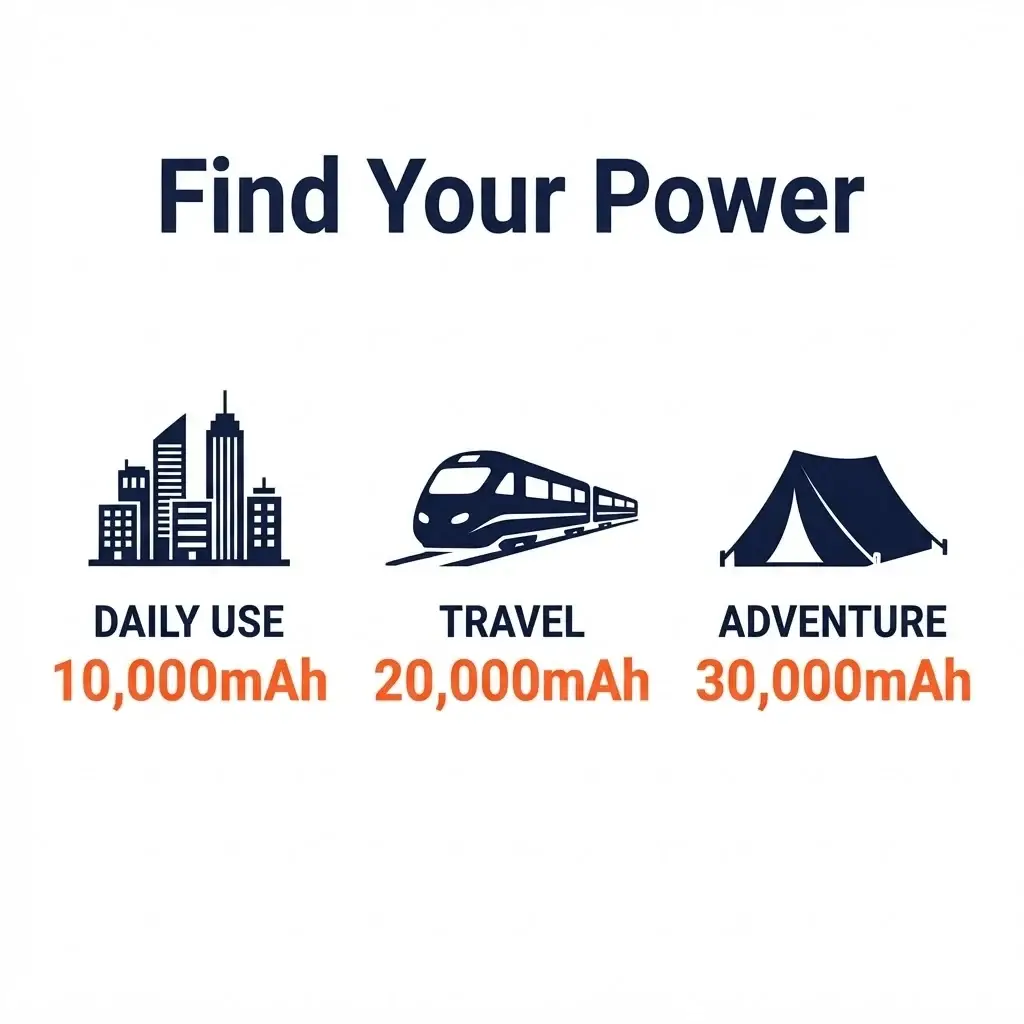
For most day-to-day explorers, a 10,000 mAh capacity is the sweet spot. It is enough to charge a standard smartphone two or three times over. It is lightweight, fits in the pocket of a daypack, and won’t make you feel like you are lugging around a brick. If you are doing longer stints—like a three-day camping trip or an overnight train journey through rural landscapes—stepping up to a 20,000 mAh bank gives you that extra cushion. Beyond 20,000 mAh, you start getting into heavy territory, and you’ll need to be much more careful about airline regulations.
The Real-World Safety Rules for Your Battery
Safety isn’t just about keeping your phone alive; it’s about making sure your gear is safe to carry across borders. Lithium-ion batteries can be temperamental. I’ve seen fellow travelers get their gear pulled aside at security checkpoints because they didn’t know the rules.
Always keep your power banks in your carry-on luggage. Never check them. Because they are lithium-based, they are potential fire hazards in the cargo hold of an aircraft where they can’t be monitored by the crew. It’s also wise to check the US Department of State Travel website before you fly to ensure you’re up to speed on current international entry requirements and any specific transit advisories that might impact how you move through airports.
When you are out in the world, treat your power bank like a fragile friend. Don’t leave it baking in the sun on a beach towel or buried under heavy gear where it might get crushed. If you notice it bulging or getting unusually hot while charging, stop using it immediately. These are not permanent items; they have a lifespan, and respecting that is part of the travel philosophy of staying prepared and responsible.
Powering Up Your Solo Confidence
I remember living with a family in Ghana—a life-changing experience that taught me so much about human connection. But it also meant I had to be self-sufficient with my gear. When you are off-grid, your phone’s battery drains faster because it’s constantly searching for a signal in remote areas. This is when your power bank becomes your most trusted companion.
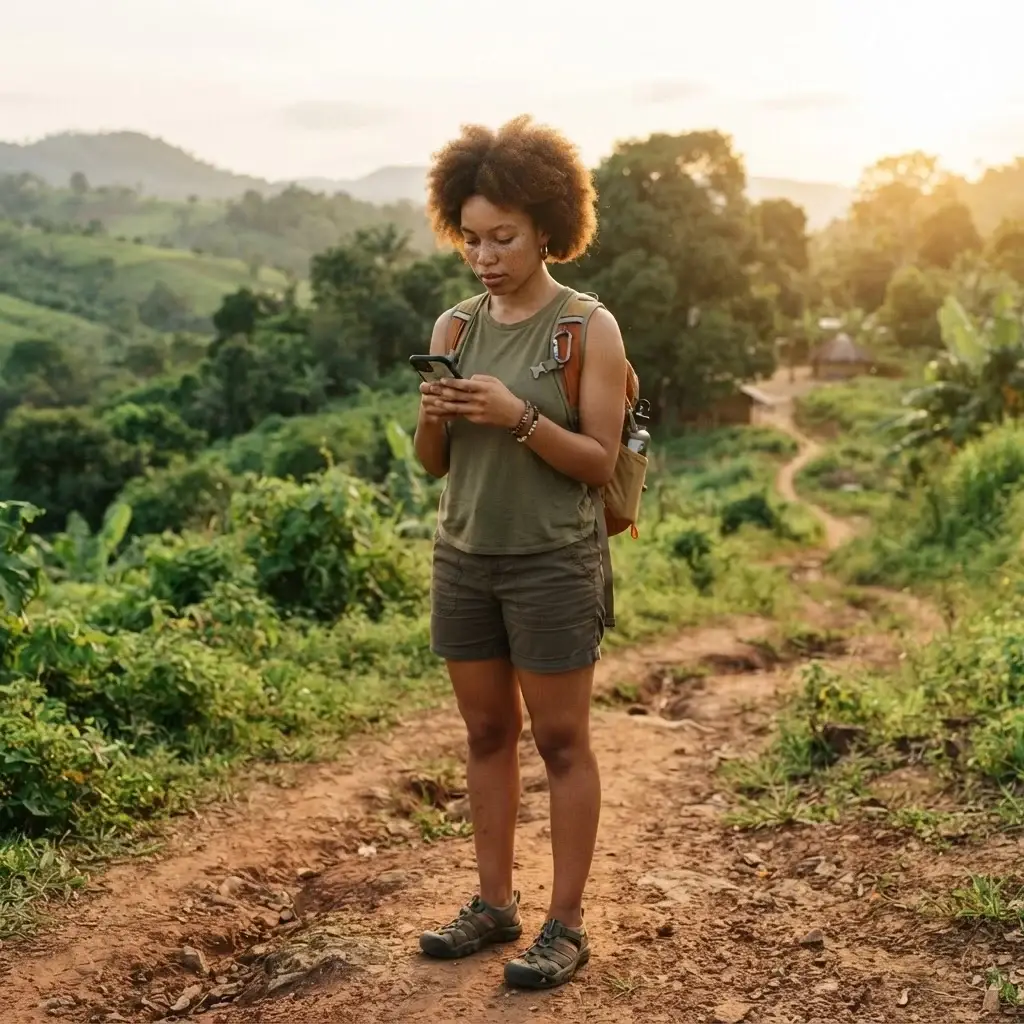
When planning for these moments, consider how you’ll manage your health and well-being. Keeping a charged phone means you can always access resources like the CDC Travelers’ Health portal, which provides essential destination-specific health advisories and vaccine recommendations. Being able to look up local food safety tips while sitting in a bustling night market gives you the confidence to try local dishes without the anxiety of a “what-if” scenario.
I’ve spent many nights reading about my next destination’s cultural etiquette and history on the UNESCO World Heritage site. Having that knowledge right at my fingertips during a long bus ride helps me feel like a participant in the culture, not just a tourist passing through. If you are planning to travel through Southeast Asia, it is incredibly helpful to spend time on the Tourism Authority of Thailand website to understand local customs and festival dates before you arrive. This preparation makes you a more respectful traveler and opens up deeper experiences.
Navigation and Digital Logistics
We live in a world where we rely on apps for everything. I use ride-hailing apps constantly to avoid the stress of negotiating taxi fares in languages I don’t speak. Before you head to a new city, it’s worth reading up on how Grab works for travelers so you aren’t fumbling with your phone in the middle of a busy station.

The biggest mistake I see beginners make? Relying solely on data. You should always have offline maps downloaded. Even if you have the best power bank, sometimes you just won’t have signal. My strategy is to charge my phone fully at night, keep the power bank in my daypack for backup, and keep my navigation apps in “offline” mode as much as possible.
Don’t forget to protect yourself with the right coverage. I always recommend spending some time looking at World Nomads Travel Insurance to understand how to handle unexpected travel mishaps. It adds an extra layer of security to your trip, ensuring that if something does go wrong—beyond just a dead battery—you have a support system in place.
Practical Tips for the Road
- The “Short Cable” Secret: Don’t carry a six-foot-long charging cable. Get a short, high-quality six-inch cable that stays in your bag. It’s cleaner, easier to use while walking, and much less likely to get tangled.
- Charging Habits: Don’t wait until your phone hits 5% to charge it. If I’m sitting down for a coffee or a long lunch, I’ll top off my phone. It’s easier to keep a battery at 80% than it is to resuscitate a dead one.
- Temperature Matters: Batteries hate extreme cold and extreme heat. If you’re hiking in the snow, keep your power bank in an inside pocket close to your body heat. In the desert, keep it in the shade inside your pack.
- Check the Ports: Make sure your power bank has the right output for your phone. USB-C is the standard now, and it is much faster. If your phone supports “fast charging,” look for a power bank that matches that wattage.
Choosing the Right Gear
When you look for the best power banks for travelers, look for reputable brands. Avoid those cheap, no-name batteries you see in random airport kiosks. They often lie about their capacity and can be dangerous. A good, reliable 10,000 mAh battery from a recognized brand will last you for years.
Think of this gear as an investment in your independence. Every time you charge your phone using a device you researched and packed yourself, you are building a small layer of confidence. You are proving to yourself that you can handle the logistics of the world. You aren’t just “visiting”; you are navigating.
Final Thoughts on Staying Powered
Solo travel is the most rewarding thing I’ve ever done, but it is not without its challenges. There will be days when the train is delayed, the language barrier feels high, and you just want to get back to your room. Having a reliable, charged phone changes those moments from “crises” into “inconveniences.”

You don’t need to be a tech expert. You don’t need the most expensive gear. You just need a setup that works for you. Pack your power bank, download your maps, and go explore. The world is waiting, and you have exactly the power you need to see it.