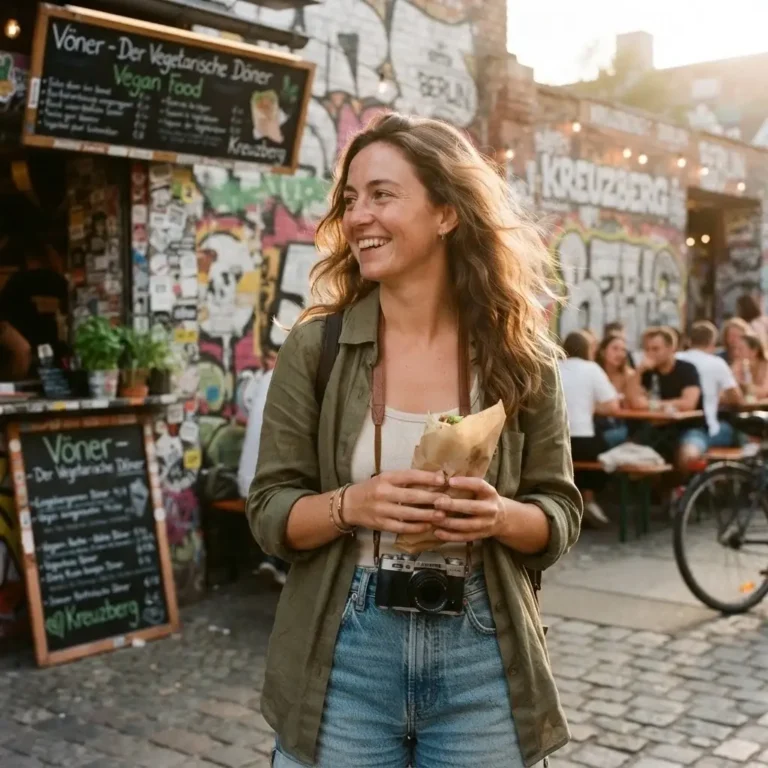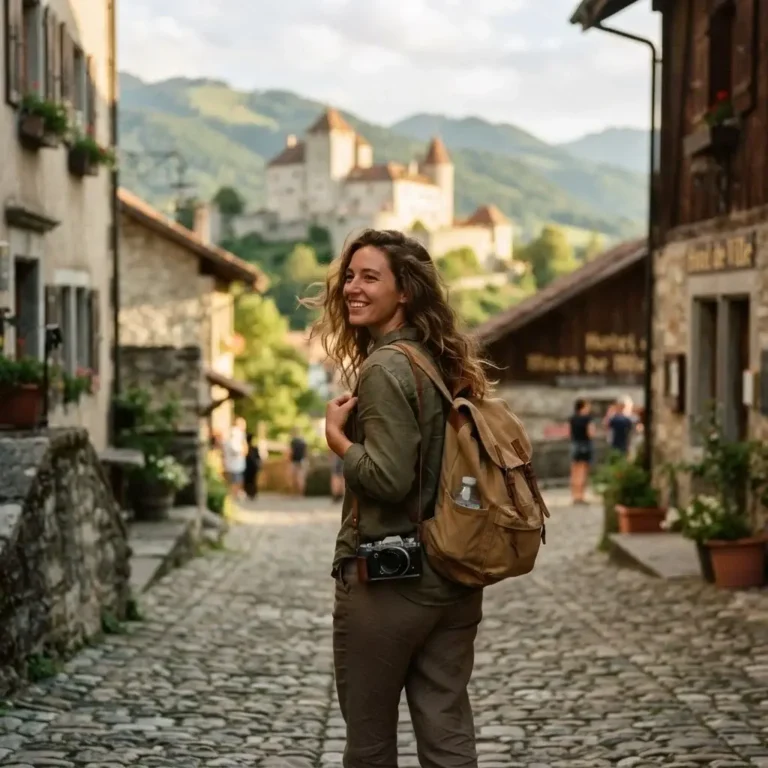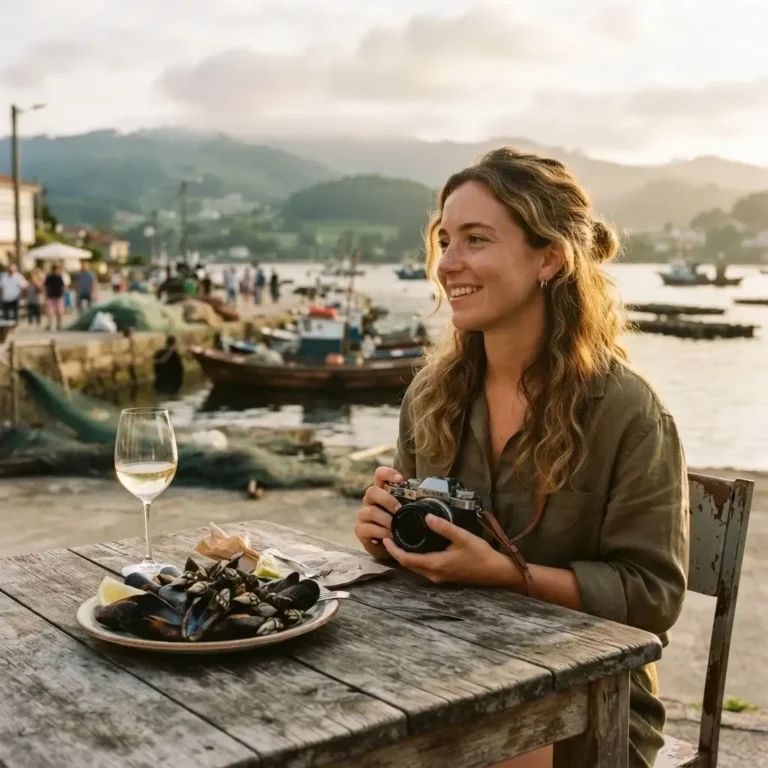
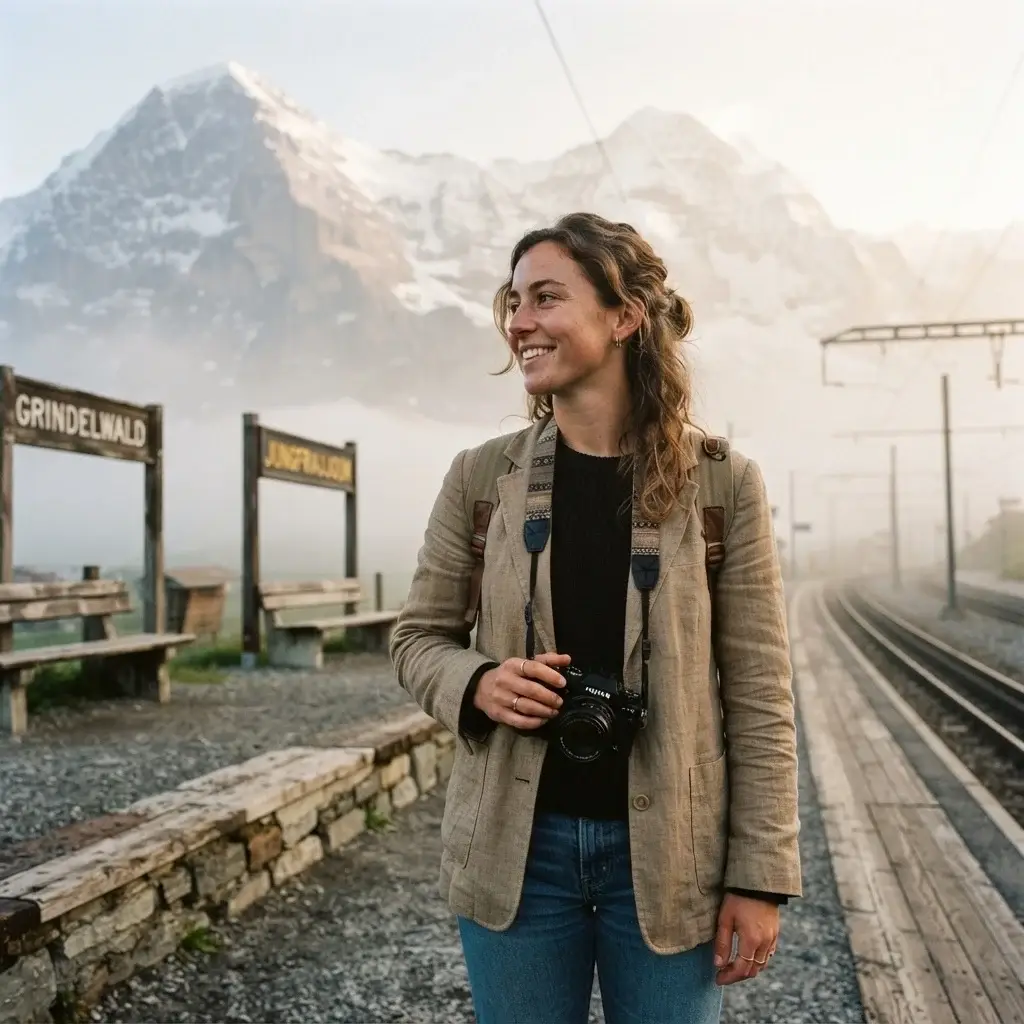
I still remember the first time I stood in a train station in Europe. I had a heavy backpack, a paper map that was failing me, and a knot of anxiety in my stomach that wouldn’t quit. Back then, I was still transitioning away from my office job in New York. I was used to the “right path”—university, career, stability. But that stable path didn’t give me the thrill of watching the world blur past a train window or the quiet confidence that comes from navigating a foreign transit system on your own.
I chose the train for a reason. It is the most human way to travel. Unlike a plane, which feels like you are teleporting from one bubble to another, a train lets you see the landscape change. You see the villages, the mountains, and the way the light hits the fields. And for a solo traveler? It is a sanctuary. It is safe, it is rhythmic, and it is the best way to feel the pulse of a new place.
If you are reading this, you are probably like I was: curious, a little nervous, and ready for a change. You don’t need a massive travel budget or a group of friends to see these places. You just need to know how to start. Let’s talk about how to plan the most scenic train journeys in Europe so you can stop scrolling through photos and start buying your ticket.
Why Train Travel is the Solo Traveler’s Secret Weapon
When I was working as a sightseeing guide in New York, I saw how much people missed by rushing. They wanted to see everything in a day. That is the opposite of how I travel now. I believe in slow travel. I believe in stopping to have a coffee in a small station café instead of sprinting to a gate.
Trains offer something unique: accessibility. You don’t have to worry about renting a car, driving on the wrong side of the road, or finding parking in a crowded city center. You simply show up, find your seat, and let the scenery do the work. It builds your confidence. Every time you successfully navigate a platform or validate a ticket in a new country, you prove to yourself that you are capable.
Before you start picking your routes, you should take a quick moment to ensure your plans are solid. I always start by checking the official requirements for my destination. It’s a good habit to keep an eye on the current entry requirements and travel advisories via the US Department of State Travel website. It saves you from showing up at a border with the wrong paperwork. It’s boring, yes, but it is the kind of practical care that makes your trip stress-free.
The Most Scenic Train Journeys in Europe: My Top Picks
There is no “best” route, but there are definitely routes that stick with you long after you’ve gone home. These are the journeys that moved me, taught me, and reminded me why I left that desk job in the first place.
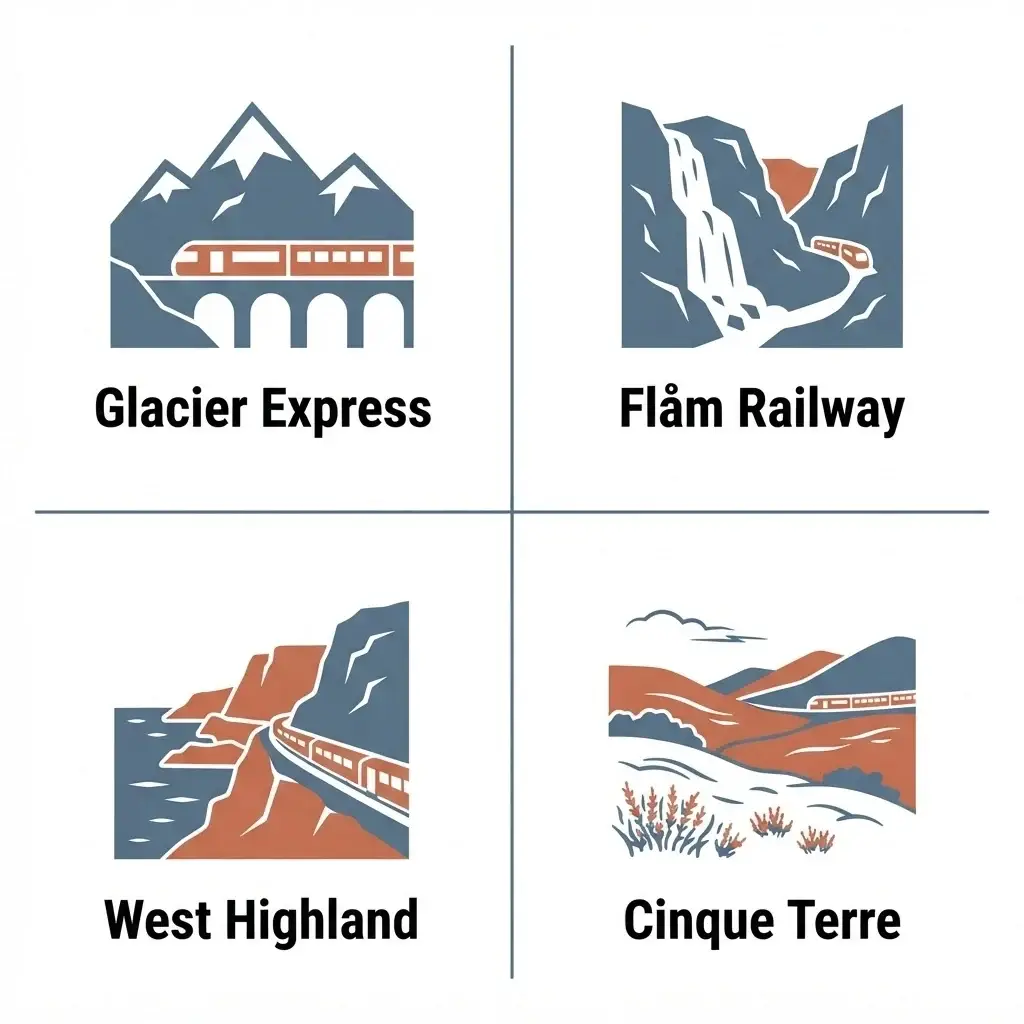
1. The Glacier Express, Switzerland
If you have ever daydreamed about snow-capped peaks and valleys that look like a postcard, this is it. The Glacier Express is slow, steady, and visually stunning.
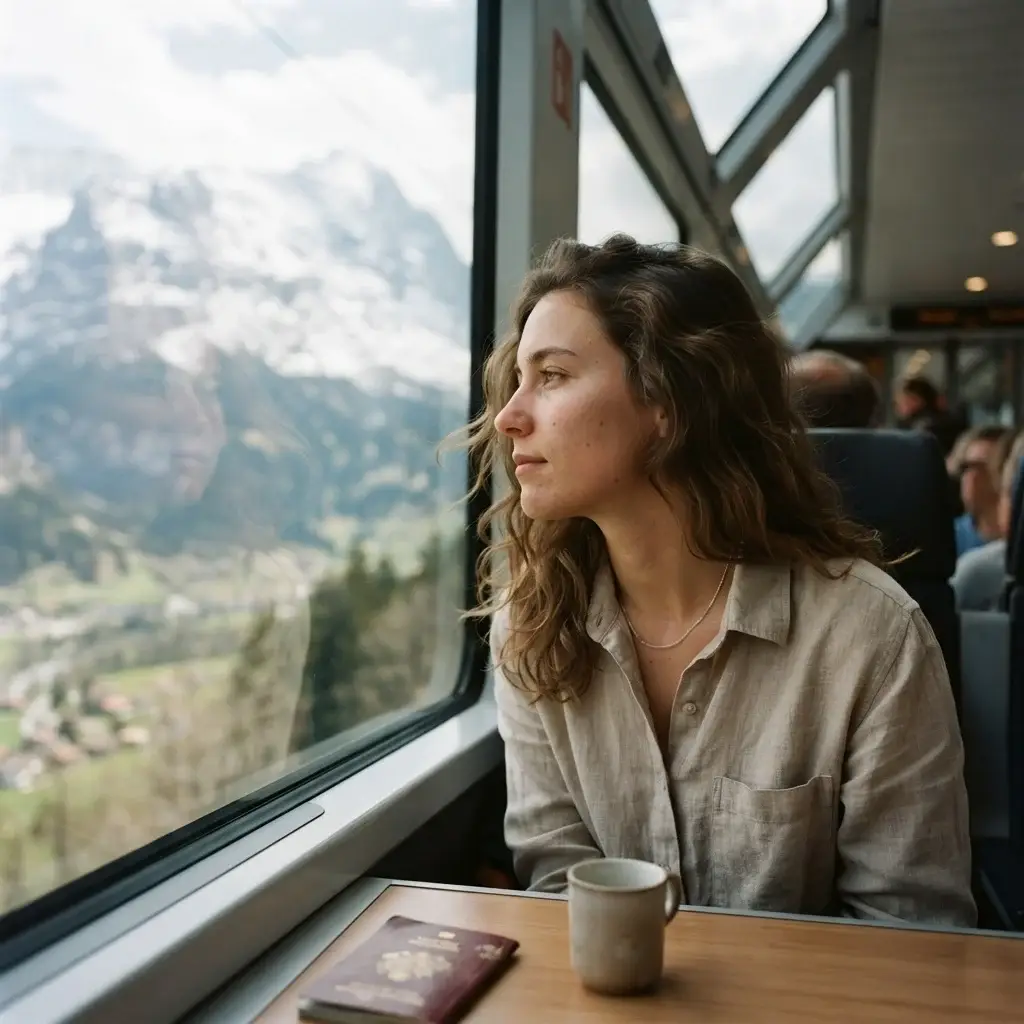
It connects Zermatt to St. Moritz.
What to expect: You will pass through the Oberalp Pass, the highest point on the line. It is a slow, steady climb. The windows are huge, almost panoramic.
My advice: Don’t just look at the view—listen to the train. The sound of the tracks in the Swiss Alps is almost musical. Bring your own snacks. Swiss train food is good, but it is pricey. I usually grab a local cheese, some fresh bread, and an apple from a supermarket near the station before I board.
Solo traveler tip: If you are worried about feeling lonely, this is a great train for you. People on this route are usually there for the scenery, just like you. It is easy to strike up a conversation with someone else who is staring out the window with a look of awe on their face.
2. The Flåm Railway, Norway
I went to Norway not knowing what to expect. I left knowing that nature has a way of making you feel small in the best way possible. The Flåm Railway (Flåmsbana) runs from Myrdal down to the village of Flåm. It is steep, and it is magical.
What to expect: Waterfalls. So many waterfalls. You will travel through the mountains and descend into the deep green of the fjords.
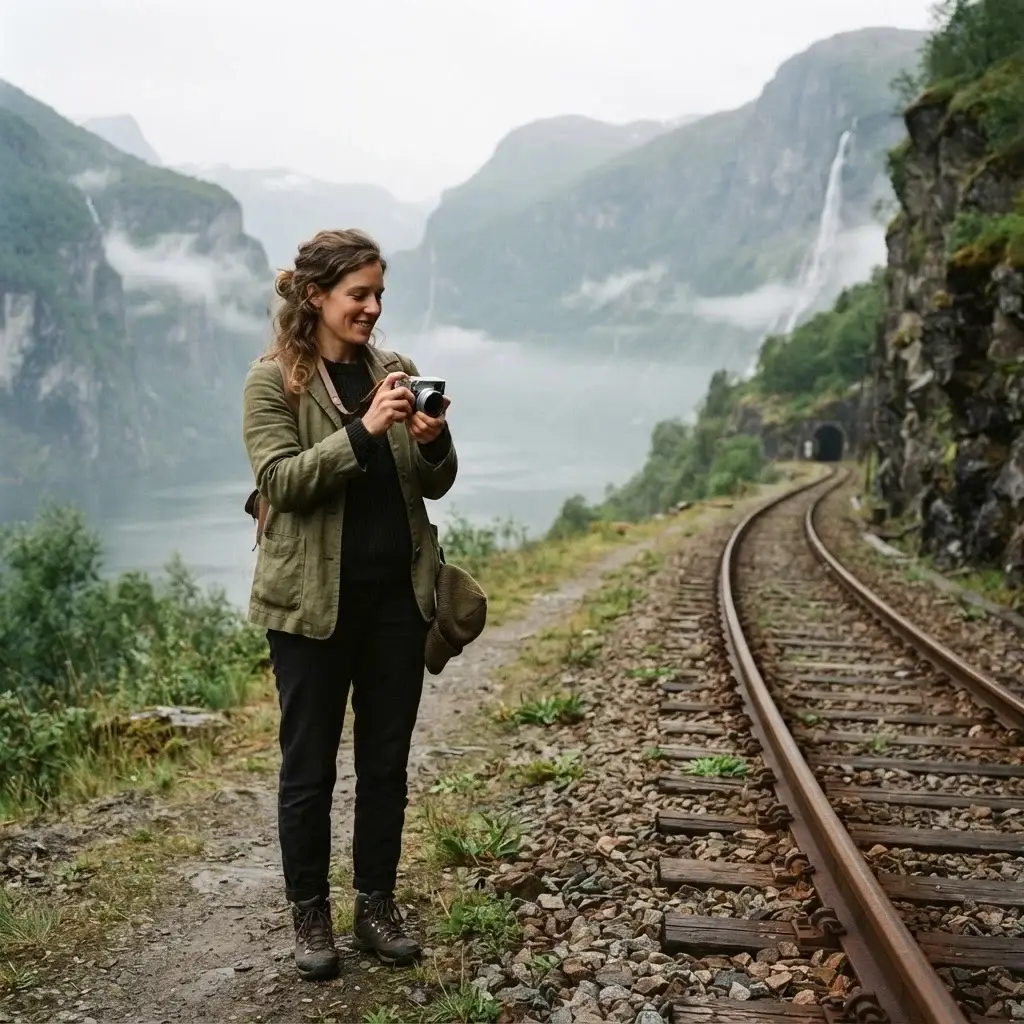
It feels like a fairytale.
Practical tip: This is a popular line. It is not a commuter train; it is a tourist attraction. Book your tickets in advance. If you travel off-peak—like early spring or late autumn—you get the mountains almost to yourself. Wear layers. Even if it is summer, the air up in the mountains is crisp and cold.
Food: When you arrive in Flåm, find a local bakery. Eat a skillingsboller (a cinnamon bun). It is life-changing.
3. The West Highland Line, Scotland
Scotland stole my heart, and this train route finished the job. It runs from Glasgow to Mallaig.
What to expect: This is raw, wild beauty. You will see moors, lochs, and the famous Glenfinnan Viaduct. It is moody and dramatic.
Solo traveler note: This route feels very safe. The train staff are friendly, and the pace is relaxed. It is the perfect place to write in your journal or read a good book.
Safety: Traveling solo requires a specific kind of awareness, especially when you are moving between rural areas. I always recommend having a solid safety net. A great way to stay protected is to review the traveler safety tips and insurance guidance available at World Nomads before you leave. It gives you that extra layer of peace of mind so you can just enjoy the view of the Highlands.
4. The Cinque Terre Express, Italy
Italy is vibrant, loud, and full of life. The Cinque Terre line hugs the coastline. It connects five stunning, colorful villages perched on the cliffs.
What to expect: You are in a tunnel one second, and the next, you are looking straight down at the sparkling blue Mediterranean Sea. It is short, punchy, and incredibly beautiful.
The History: These villages are a UNESCO World Heritage site, and for good reason. They have maintained their traditional structure for centuries. Please be a respectful traveler. Stick to the marked paths, keep your noise level down in the residential areas, and support the local shops.
Cultural tip: Don’t just stay on the train. Get off at each stop. Spend an hour in Riomaggiore, then take the next train to Manarola.
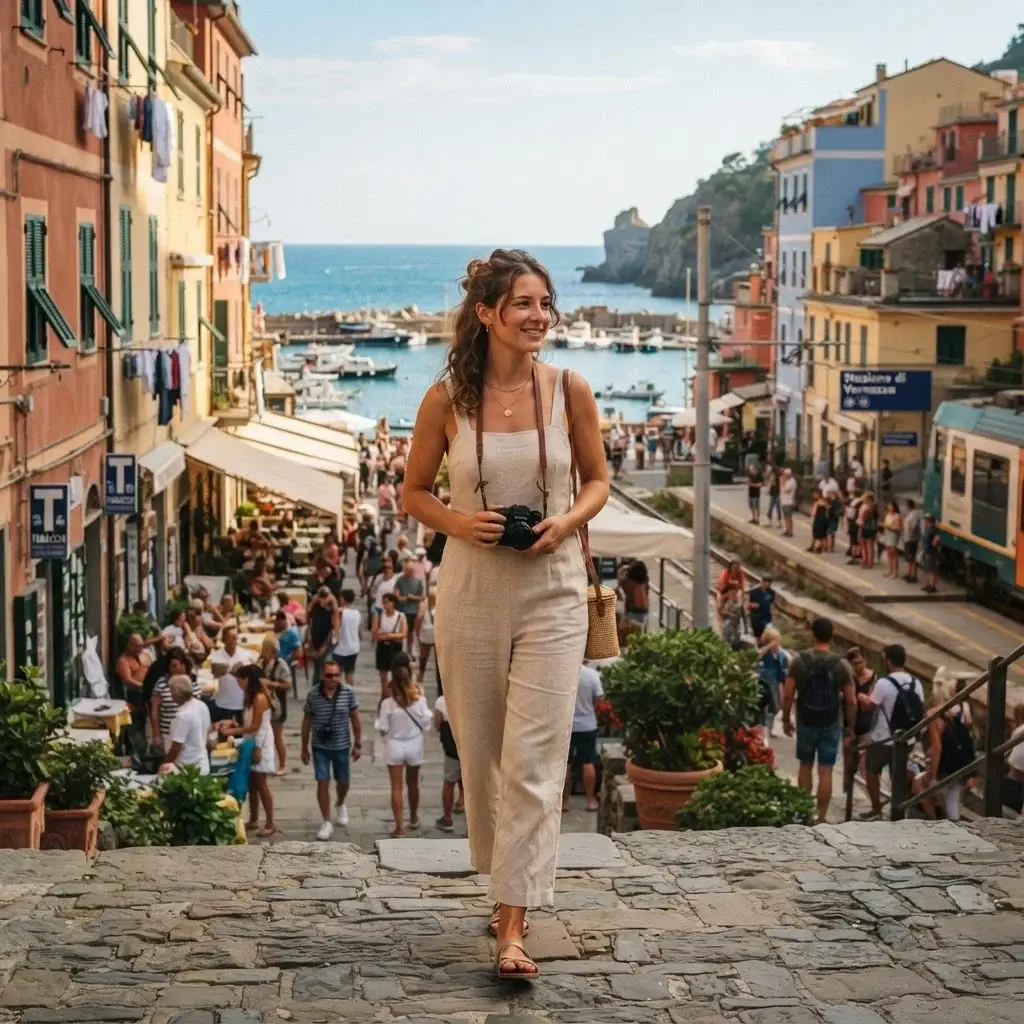
Eat the focaccia. Drink the local wine. The train is just your transport; the villages are your classroom.
5. The Douro Line, Portugal
I think Portugal is one of the most underrated countries for rail travel. The Douro Line runs from Porto into the heart of the wine country.
What to expect: The river follows you the whole way. It is a slow, winding journey through vineyards that stretch up the hillsides.
Planning: If you are curious about the region, check out the general destination overview for Portugal at Lonely Planet to get a sense of the culture and the timing of the harvest seasons. Planning for the “shoulder season” (spring or fall) is best here. You avoid the peak summer heat and the massive crowds, which makes the solo travel experience much more intimate.
How to Plan Like a Pro (Without the Stress)
I get emails from readers all the time asking, “Emma, how do you not get lost?”
The secret isn’t that I never get lost. The secret is that I know how to handle it when I do. Planning the most scenic train journeys in Europe requires a mix of preparation and “go-with-the-flow” attitude.
1. Booking Your Tickets
You do not need an expensive travel agent. Most European rail networks have excellent apps. Download the app for the specific country you are visiting (like SBB for Switzerland or Trenitalia for Italy).
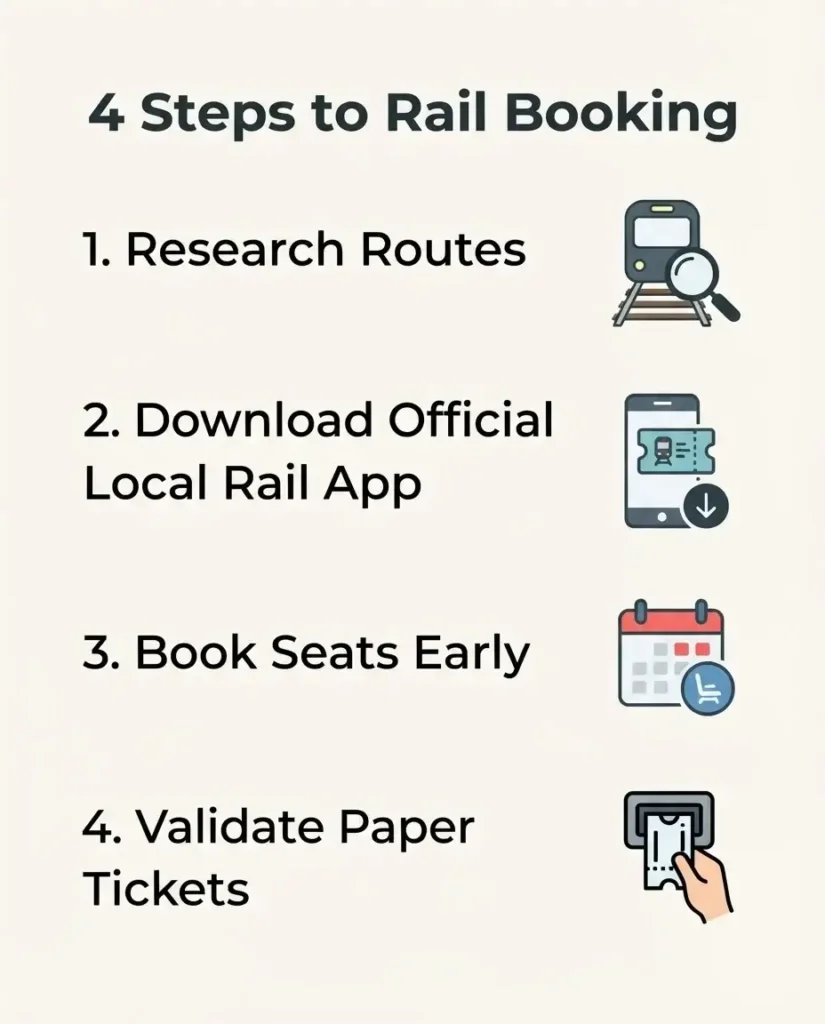
- Pro-tip: Book your long-distance trains in advance to save money. Regional trains (the ones that run the scenic routes) are often cheaper and can be bought on the day.
- Validation: In some countries (like Italy), you must validate your paper ticket in a machine before you board. If you forget, you might get a fine. Always look for the green or yellow boxes on the platform.
2. Luggage: The Solo Traveler’s Nightmare
If you cannot carry your own luggage up a flight of stairs, you have packed too much. I promise you this. When you are on a train, you are responsible for your bags.
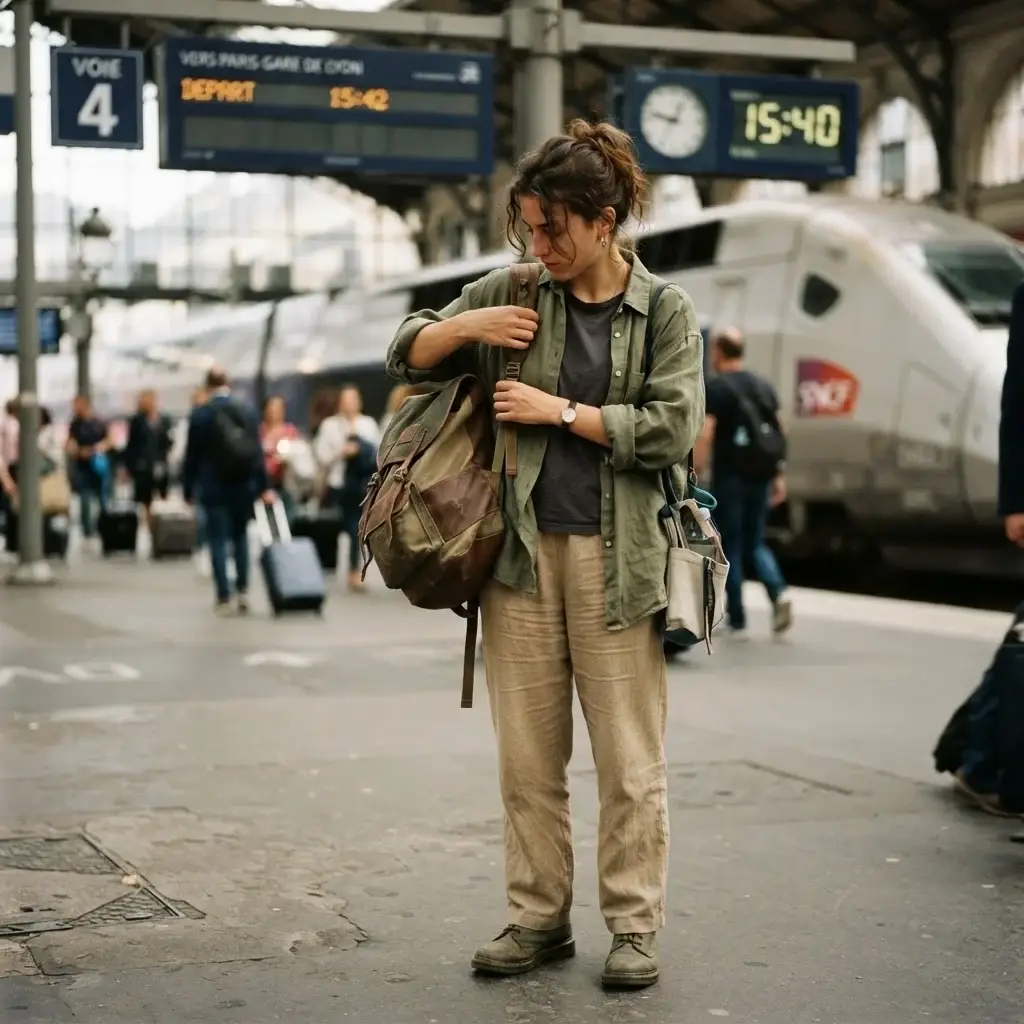
- Limit yourself: Use a carry-on size backpack or a small suitcase.
- Security: Keep your bag in sight or locked to the rack if you are in a crowded carriage. When I am on a long journey, I keep my valuables (passport, phone, wallet) in a small cross-body bag that I never take off, even if I fall asleep.
3. Staying Healthy
Traveling changes your routine. It changes what you eat and when you sleep. It is easy to get run down. I always keep a small kit with basic medicine, vitamins, and hand sanitizer. It sounds simple, but it keeps you in the game.
Before you go, it is always a smart move to look at the latest health advisories and food safety tips at CDC Travelers’ Health. It isn’t just about vaccines; it is about knowing what is safe to eat and drink in the regions you are visiting. A little bit of knowledge goes a long way toward keeping your energy up.
4. Navigating the Language Barrier
You do not need to be fluent in five languages to travel by train. Most conductors speak English, and the train announcements are almost always in English too.
- Learn the basics: Learn to say “Hello,” “Please,” “Thank you,” and “Where is the platform?” in the local language. It earns you respect.
- The universal language: A smile and a polite nod go a long way. If you are ever confused, find someone who works for the railway and show them your ticket. They will point you in the right direction.
Dealing with the Fear of Solo Travel
I know that the biggest hurdle isn’t the train schedule. It’s the voice in your head telling you that you can’t do it.
When I was in Thailand, teaching English, I had a moment of pure panic. I was in a place where I didn’t know the rules, the language, or the people. I wanted to pack my bags and go back to New York. But I stayed. And that week taught me more about my own strength than any promotion I ever got at my office job.
Traveling alone on these scenic trains is a form of active meditation. You are sitting there, watching the world move, and you have nowhere else to be. You don’t have to manage anyone else’s expectations. You don’t have to compromise on which train to take or where to get off. You are the captain of your own adventure.
If you are scared, let yourself be scared. That is fine. But do it anyway. Start small. Pick a short route, maybe three or four hours. Get on the train. Look out the window. Have a sandwich. Get off at the end. You will realize that the world is much friendlier and much more accessible than you imagined.
The “Emma” Philosophy: Why This Matters
Why do I write about this? Why did I leave a secure career to write about trains and travel?
Because I believe that the world rewards curiosity. Every time you step onto a train in a foreign country, you are choosing to learn. You are choosing to see a mountain that you didn’t grow up near. You are choosing to eat food that you have never tasted.
Travel isn’t about collecting stamps in a passport or getting the perfect photo for social media. It is about the version of you that comes home. The version of you that is a little more confident, a little more patient, and a little more aware of how big and beautiful this planet is.
So, stop waiting for the “perfect moment.” The perfect moment is an illusion. It is a fairy tale we tell ourselves to stay comfortable. You have enough. You know enough. You can learn the train schedule, you can pack a bag, and you can buy a ticket.
The rails are waiting for you. The scenery is changing right now, even while you are sitting here reading this. Don’t let another season pass by from behind a screen. Pack your bag, book that seat, and go see what the view looks like from the other side of the window. I promise you, you will never regret the journey.