Let me tell you what nobody warns you about ancient ruins. The ruins themselves are almost never the hard part. The hard part is the ticket you bought from the wrong website, the noon sun with zero shade, the line that wraps around the block, and the little voice that whispers “what if I get there and it’s just a pile of old rocks.”
I know that voice well. When I left my office job in New York and started backpacking Europe on a shoestring, working odd flexible jobs to keep myself moving, I skipped a few famous sites because I was scared of exactly those things. Big mistake. Standing inside something built two thousand years ago does something to you. It shrinks your problems and stretches your sense of what’s possible. You do not need to be a history buff to feel it. You just need to show up prepared.
So this is the guide I wish I’d had. Not a dry list of dates and dead emperors, but the best ancient ruins to visit in Europe paired with how to actually enjoy them: when to go, what it costs in 2026, how to buy real tickets, and how to make each visit feel like the highlight of your trip instead of a hot, crowded chore.
First, Are Ancient Ruins Even Worth It?
If you have ever wondered whether ruins are worth your limited travel days, here is my honest answer: yes, but only if you visit them right. A rushed, overheated, crowded visit will leave you cold. A well-timed, well-planned one can be the memory you talk about for years.
The trick is a mindset shift. Do not treat ruins as a photo stop to tick off. Treat them as a place to slow down, which fits how I love to travel anyway. Read one good story about the site before you go, arrive early or late to dodge the crowds, and give yourself permission to just sit somewhere and imagine the life that once filled those stones. That single habit is the difference between “old rocks” and goosebumps.
The Colosseum and Roman Forum, Rome, Italy
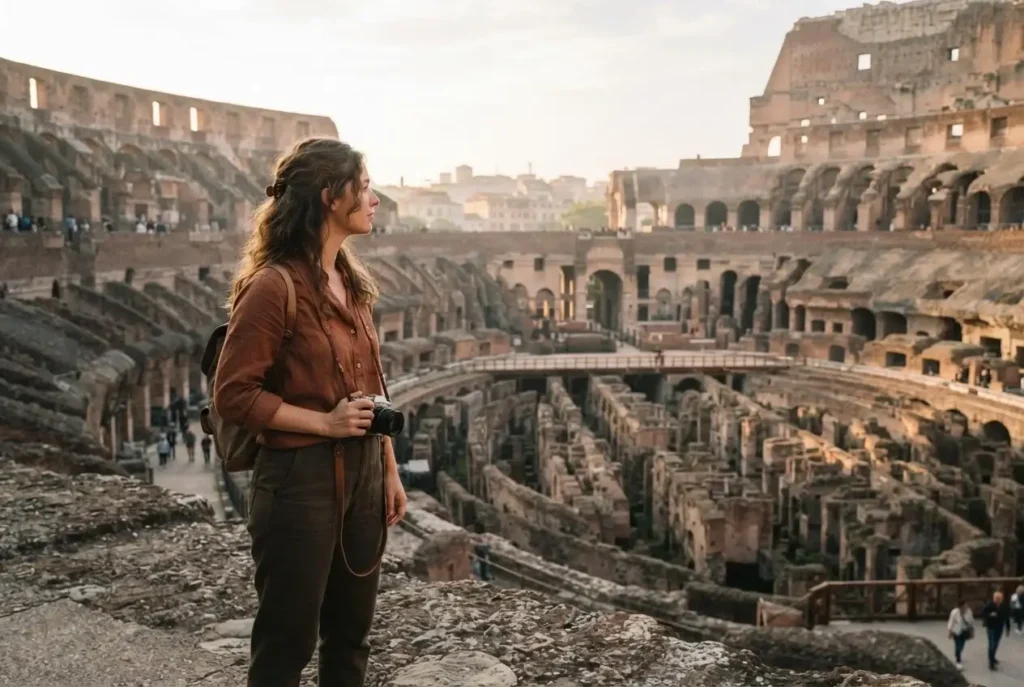
If you visit one ancient ruin in Europe, this is the one that converts skeptics. The Colosseum held 50,000 roaring spectators. Standing in the arena, you feel the scale in your chest.
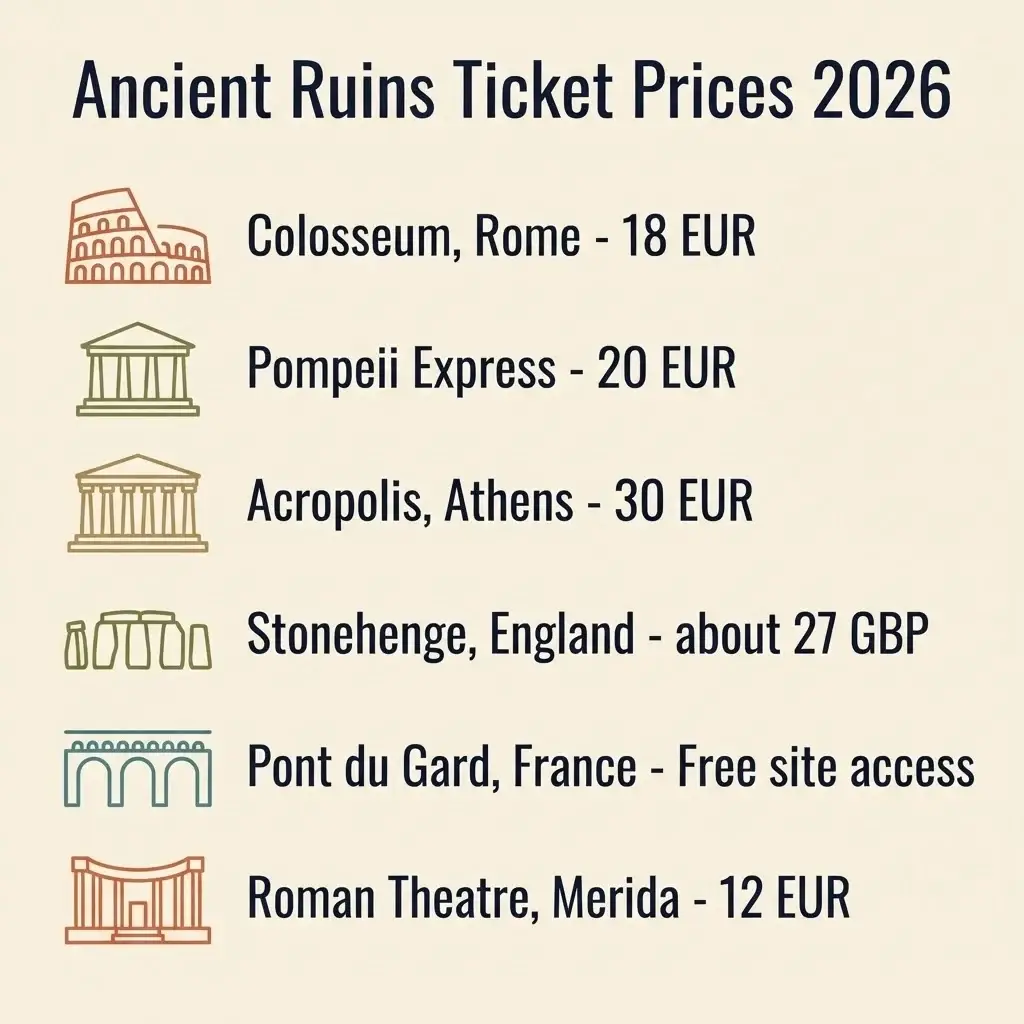
Here is the practical part that trips people up. Tickets are timed and they sell out, especially in summer. Buy directly from the official source rather than a random reseller. When I point friends to the real thing, I send them straight to the official Parco archeologico del Colosseo ticketing page, where a standard ticket runs €18 and the Full Experience with the Underground and Arena floor is €24. That Full Experience is worth the upgrade if you can get it, because walking out onto the arena floor where gladiators fought is a completely different feeling from looking down from the stands.
Your Colosseum ticket usually bundles the Roman Forum and Palatine Hill, and please do not skip them. The Forum is where daily Roman life actually happened, and Palatine Hill gives you a breezy, less crowded view over the whole thing.
Insider tips: go right at opening or in the last two hours before closing. Midday in July is brutal and shadeless. Wear real shoes, the Forum’s ancient stones are uneven. Afterward, walk ten minutes into the Monti neighborhood for a proper plate of cacio e pepe and a scoop of gelato, away from the overpriced tourist traps ringing the monument.
Pompeii, Italy: A Whole City Frozen in Time
The Colosseum wows you with scale. Pompeii wrecks you with intimacy. This is an entire Roman city, buried by Vesuvius in 79 AD and preserved down to bakery ovens, painted walls, and the ruts worn into the streets by cart wheels. You walk the actual roads. You peer into actual homes.
The 2026 ticketing changed in ways worth knowing before you go. According to the official Pompeii Archaeological Park ticket page, the Pompeii Express ticket for the ancient city is €20, the Pompeii Plus ticket that adds the suburban villas is €25, and there is a daily cap of 20,000 named tickets, so buying ahead genuinely matters now. If you travel on the first Sunday of the month, entry is free, though expect it to be busy. EU citizens aged 18 to 24 pay a reduced €2, which is a lovely deal if you qualify.
Pompeii is huge and mostly unshaded, so this is not a casual stroll. Bring water, a hat, and sunscreen, and honestly, download a map or hire a guide because it is easy to wander for hours and miss the highlights. Do not miss the Villa of the Mysteries and its astonishing frescoes, the eerie plaster casts of victims, and the ancient fast-food counters. Getting there is easy and cheap from Naples or Sorrento on the Circumvesuviana train to the Pompei Scavi stop. Eat afterward in Naples, home of the pizza, and yes, it really is that much better there.
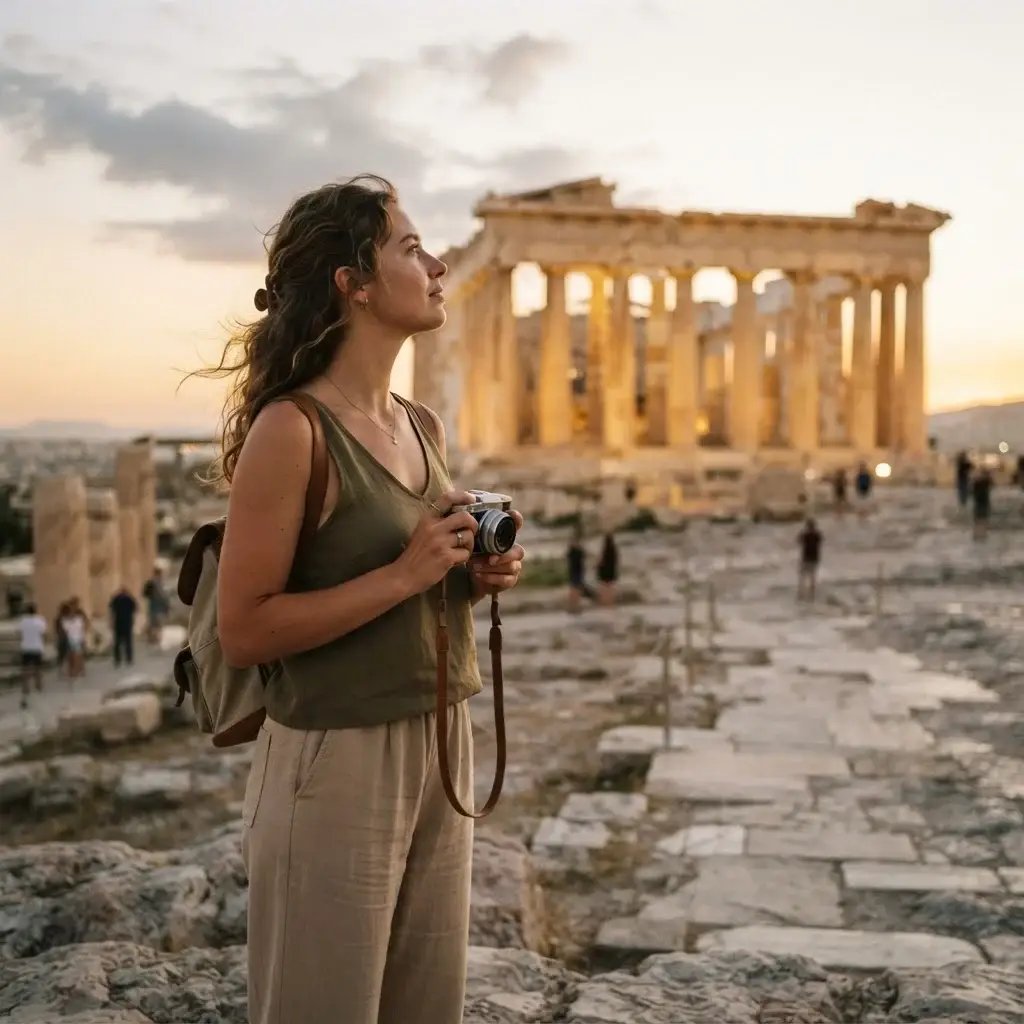
The Acropolis, Athens, Greece
No list of the best ancient ruins to visit in Europe is complete without the Acropolis. The Parthenon crowning the hill above Athens is one of those sights that looks unreal in person, glowing gold at sunset.
Tickets are sold by the Greek state, and I always steer people to the official Greek e-ticketing platform rather than a marked-up reseller. A standard single-entry Acropolis ticket is €30 year-round, with a reduced €15 rate for eligible visitors. Buy a timed slot in advance, because the queues at the gate in high season are punishing.
My biggest tip here is timing, and I mean it more than usual. The Acropolis is white marble with almost no shade, and it gets fiercely hot. Go for the very first entry slot of the morning or the last couple of hours before close. Not only is it cooler, the light is far better for photos and the crowds thinner. Wear shoes with grip, the marble underfoot has been polished slick by millions of feet. When you come down, wander into the Plaka neighborhood for souvlaki and a fresh Greek salad, then climb Areopagus Hill nearby for a free sunset view over the whole city.
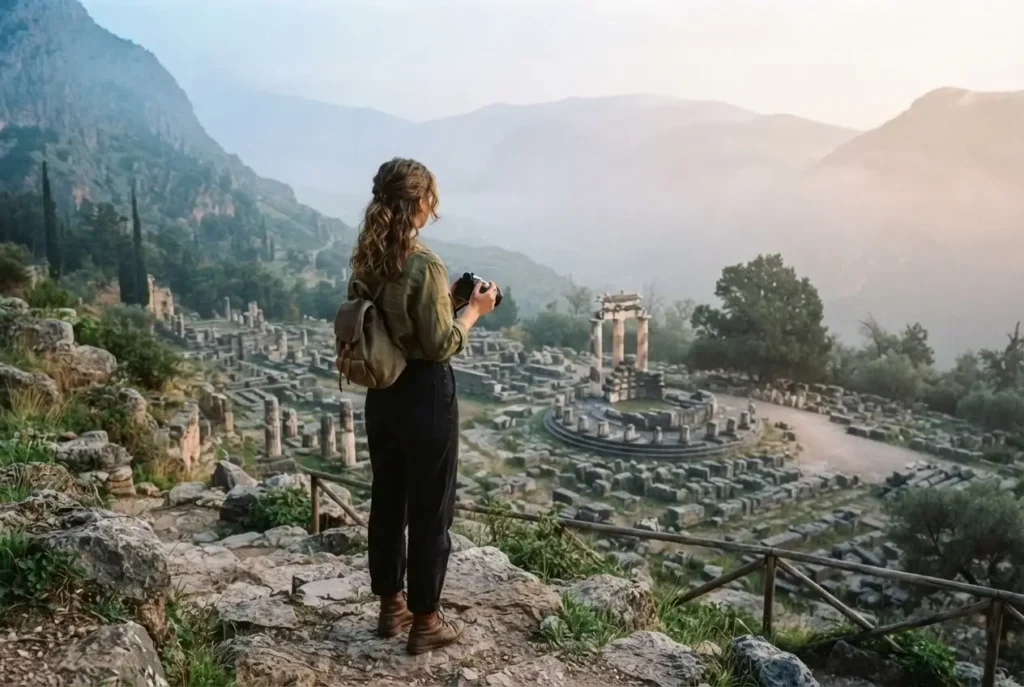
Delphi, Greece: The Center of the Ancient World
If Athens is the headline, Delphi is the soul. The ancient Greeks believed this mountainside sanctuary was the center of the world, the home of the Oracle who kings traveled for days to consult. Perched on the slopes of Mount Parnassus with valleys tumbling away below, it is one of the most atmospheric places I know of in all of Europe.
Hours shift with the season, so check before you go. The Greek Ministry of Culture’s official Delphi page lists winter site hours of 08:30 to 15:30 with last admission at 15:10, running later in summer. Delphi is about two and a half hours from Athens, and while you can do it as a long day trip, I’d gently push you to stay overnight in the little town of Delphi if you can. Waking up in those mountains and reaching the site before the tour buses arrive is worth rearranging your plans for.
This site involves a real uphill walk, so bring water and take it slow. Save time for the on-site museum, which holds the famous bronze Charioteer, one of the finest surviving statues from the ancient world. For food, the town’s tavernas serve hearty mountain cooking, and a plate of grilled meat and local greens after that climb tastes incredible.
Stonehenge, England
Stonehenge is different from everything else on this list, and that is the point. These are not Roman columns or Greek temples. This is a circle of colossal standing stones raised around 4,500 years ago by people who left no written records, hauling multi-ton rocks across the country with technology we still don’t fully understand. The mystery is the magic.
Book ahead through the official English Heritage Stonehenge page, where booking in advance saves you about 15 percent off the gate price, and note that English Heritage and National Trust members get in free. Standard admission puts you on a path a respectful distance from the stones. If you want to walk right into the circle, look into the separate Stone Circle Experience, which runs before or after normal hours in small groups and is genuinely special.
Practical notes: the site is windswept and exposed, so dress warmer than you think even in summer. It sits about 90 minutes from London and works well as a day trip, often paired with the beautiful city of Bath. If you drive, the nearby town of Amesbury has pubs for a classic British lunch afterward.
Ephesus, Turkey: The Best-Preserved Ancient City
I know Turkey sits at Europe’s edge, and geographers argue about it, but leaving Ephesus off a list of Europe’s great ancient sites would be a real loss. This is one of the best-preserved ancient cities anywhere, and its inclusion on the UNESCO World Heritage list reflects just how remarkable it is. The two-story facade of the Library of Celsus is jaw-dropping, and the vast marble Grand Theatre once seated around 25,000 people.
Ephesus is well set up for visitors and easy to reach from the nearby town of Selçuk or the resort town of Kuşadası, which is a common cruise stop. From what solo travelers consistently report, the terraced houses with their preserved mosaics are worth the small extra ticket, and going early beats both the heat and the tour groups pouring off the buses. Bring water and sun protection, because like most of these sites it is hot and open. Afterward, Selçuk is a relaxed, affordable base with excellent Turkish food, and it sits close to the last remnants of the Temple of Artemis, one of the Seven Wonders of the Ancient World.
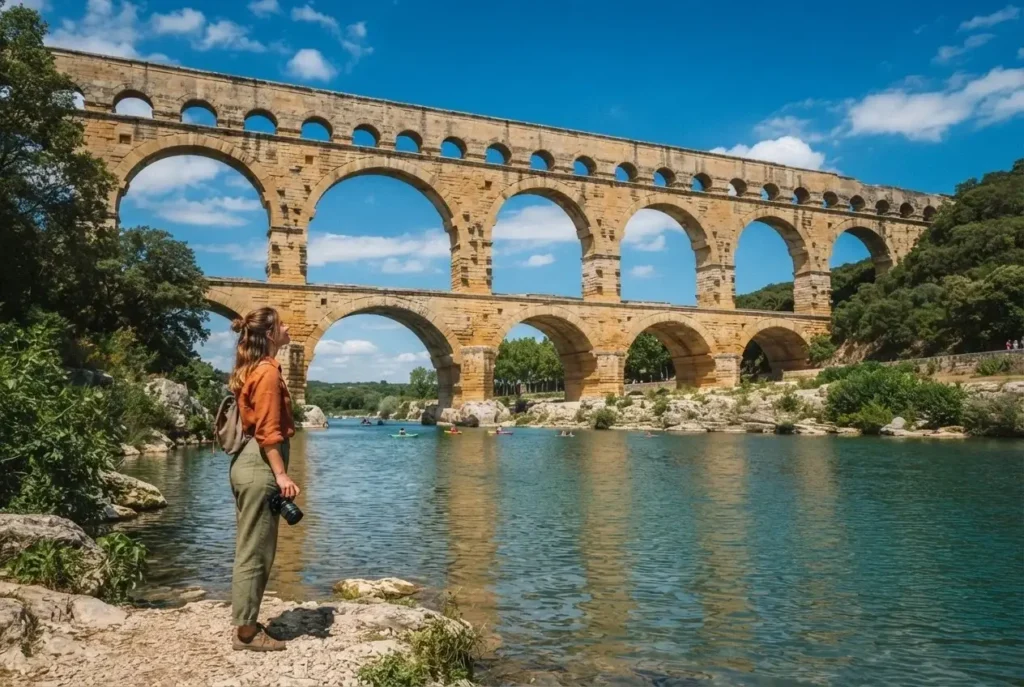
Pont du Gard, France: Roman Engineering You Can Visit for Free
Here is a wonderful surprise for budget travelers. The Pont du Gard, a three-tiered Roman aqueduct bridge in the south of France, is one of the most impressive engineering feats of the ancient world, and access to the site itself is free. As the official Pont du Gard visitor information explains, you pay only for parking and certain extras like the museum or guided tours, not to see the bridge.
Nearly 50 meters tall and built without mortar in the first century, it carried water to the Roman city of Nîmes. What makes it special for a slow traveler like me is that you do not just look at it behind a rope. You can walk across the surrounding site, swim in the river below on a hot day, and picnic on the banks with that ancient marvel towering over you. Bring a swimsuit and lunch and make an afternoon of it. It pairs beautifully with a trip through Provence, and the nearby cities of Nîmes and Avignon are packed with more Roman history and superb southern French food.
Roman Theatre of Mérida, Spain: The Ruins Without the Crowds
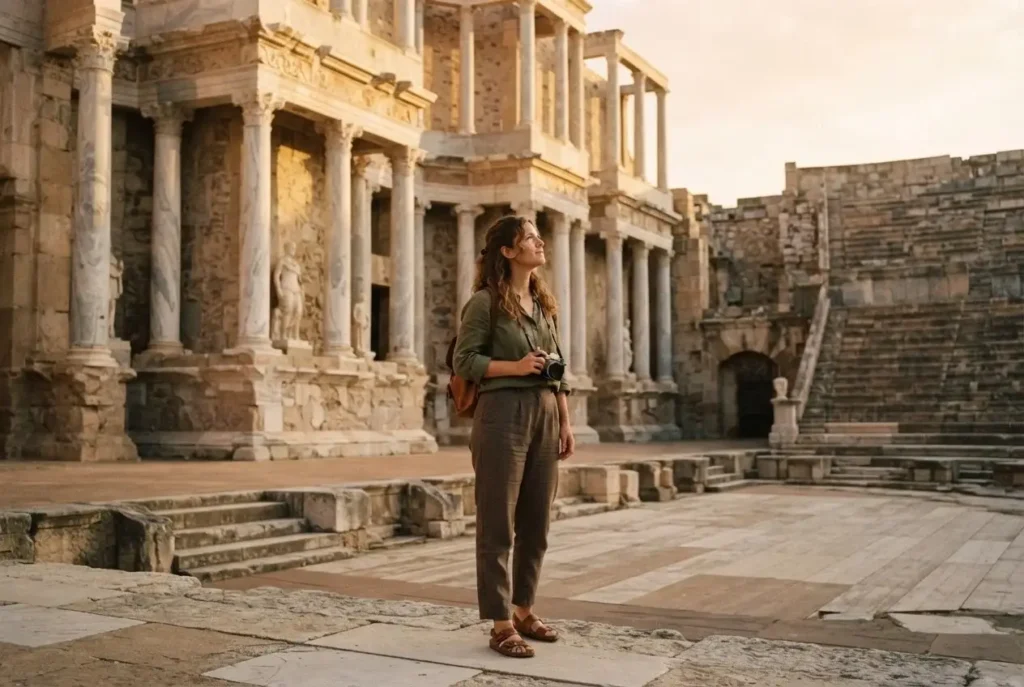
If you want spectacular ancient ruins without the crush of tourists, go to Mérida in western Spain. Most travelers overlook it, which is exactly why I love recommending it. The Roman Theatre here, built around 15 BC, is so well preserved that it still hosts a summer festival of classical plays performed on the ancient stage.
The city’s official tourism site for the Roman Theatre lists an individual theatre and amphitheatre ticket at €12, with a reduced €6 rate, and combined tickets that cover the wider monumental complex, including the circus and the remains of an aqueduct scattered around town. You can spend a full, uncrowded day here wandering between Roman sites, then eat like royalty on Extremadura’s famous jamón and local wine for a fraction of what you’d pay in Rome or Athens. For a solo traveler wanting to feel the awe of the ancient world without elbowing through crowds, Mérida is a quiet triumph.
How to Plan Your Ancient Ruins Trip the Smart Way
You do not need to see all of these on one trip, and trying to would exhaust you. Pick a region and go deep. Italy alone gives you the Colosseum and Pompeii. Greece hands you the Acropolis and Delphi. The south of France and Spain give you Pont du Gard and Mérida with far smaller crowds and smaller bills.
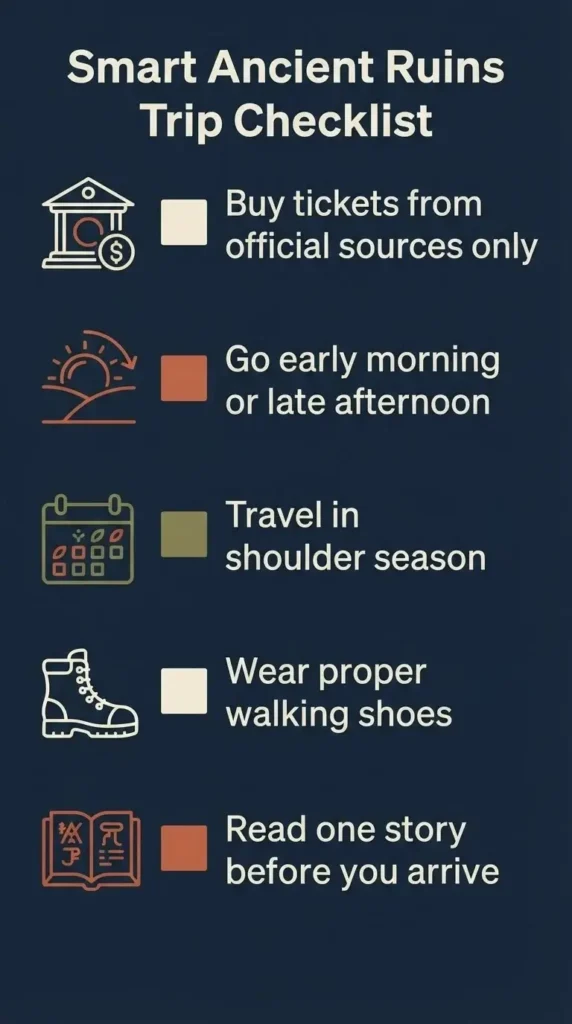
A few habits will make every single visit better. Buy tickets from official sources only, since resellers charge more and sometimes sell tickets that do not work. Go early or late in the day to escape both heat and crowds, which is the single best piece of advice in this whole guide. Travel in shoulder season, roughly April to early June or September to October, when the weather is kind and the lines are short. Wear proper shoes, because ancient stone is uneven and slippery. And read one good story about each place before you arrive, so the ruins speak to you instead of standing silent.
What Traveling to Ancient Ruins Actually Gave Me
The first time I stood inside something built thousands of years before I was born, all my usual worries about money, timing, and doing things “right” went quiet. That is the real gift of these places. They remind you how brief and precious your own time is, which is a strange and beautiful thing to feel on a vacation.
So if you have been waiting for the perfect moment to plan a trip like this, I’ll tell you what I always tell myself. The perfect moment does not exist. The best ancient ruins in Europe have stood for two thousand years, and they are not going anywhere, but your courage to go is a now-or-never thing. Pick one site, book that real ticket, set your alarm early, and go stand somewhere ancient. You will come home changed. You always do.