I still remember the exact moment I decided to leave my office job. I was staring at a spreadsheet, counting down the minutes until my lunch break, and scrolling through photos of friends on vacation. I felt stuck. I thought travel was something you did once a year, or something reserved for people with huge savings accounts. I believed the lie that seeing the world was an expensive luxury I couldn’t afford.
When I finally took that leap and started traveling on my own, I learned the truth: Europe isn’t just Paris, London, and Rome. It is a vast, incredible continent filled with places where your money goes further, the people are warmer, and the experiences are often more authentic.
If you are waiting for a perfect moment with a fat bank account, stop waiting. That moment rarely comes. Instead, let’s talk about how to get you out there now. Here is how I navigate the cheapest countries to visit in Europe without sacrificing the magic of the journey.
Why Budget Travel is More Than Just Saving Money
When people talk about the cheapest countries to visit in Europe, they usually just want to know where to find the lowest hostel prices. But there is a deeper layer to this. When you travel on a budget, you are forced to step off the “tourist conveyor belt.” You aren’t eating at the expensive restaurants right next to the main cathedral. You are eating at the small family-run cafe three blocks over, where the menu is written in the local language and the coffee tastes like a hug.
Budget travel builds confidence. It forces you to figure out local bus systems, to communicate with gestures when you don’t speak the language, and to trust your gut. It turns a “trip” into a “life experience.” It makes you a traveler, not just a tourist.
Before we dive into the specific countries, take a look at your own documentation. I make it a habit to check the latest entry requirements on the official government travel portal before I book anything. It saves me from stress later. Being prepared is the first step toward being confident.
1. Albania: The Hidden Gem of the Balkans
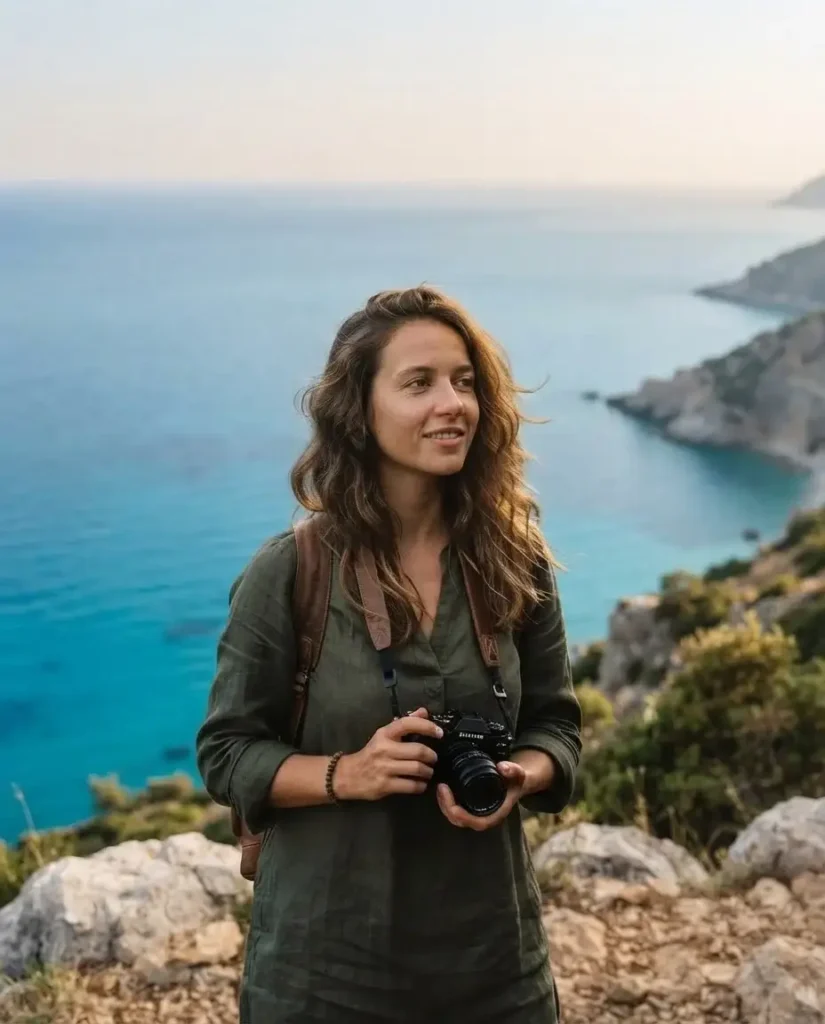
Albania is my top pick for anyone who wants high adventure for a very low price. A few years ago, I spent weeks exploring the Albanian Riviera and the Accursed Mountains in the north. I was stunned. It felt like I had stepped back in time.
The coast is beautiful, with water that rivals Greece, but at a fraction of the cost. In the north, the hiking is rugged and wild.
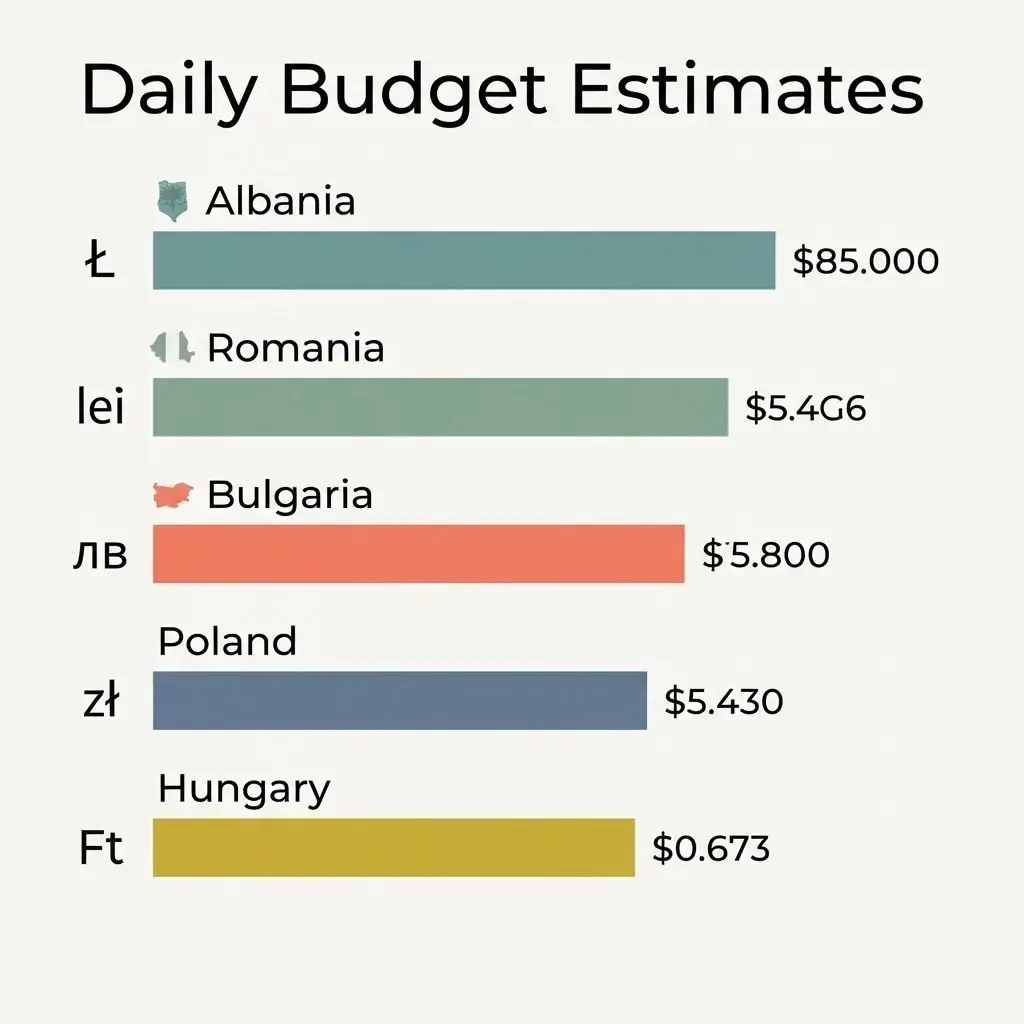
What you will spend: You can easily survive here on $30 to $40 a day if you are careful. A bus ride across the country might cost you less than a fancy cocktail in New York.
How to get around: Forget about trains; they don’t really exist for tourists in the way you expect. You will use “furgons.” These are private minibuses that don’t always have a strict schedule. You show up at the bus station, ask for your destination, and wait for the van to fill up. It’s an adventure in itself.
What to eat: Try byrek. It is a flaky pastry filled with cheese, spinach, or meat. It costs almost nothing and it is the perfect fuel for a long day of walking.
Pro-tip: Don’t try to plan every minute. Albania runs on “island time.” If the bus is late, it’s late. Grab a coffee, watch the street life, and breathe.
2. Romania: Fairytale Castles and Wild Forests
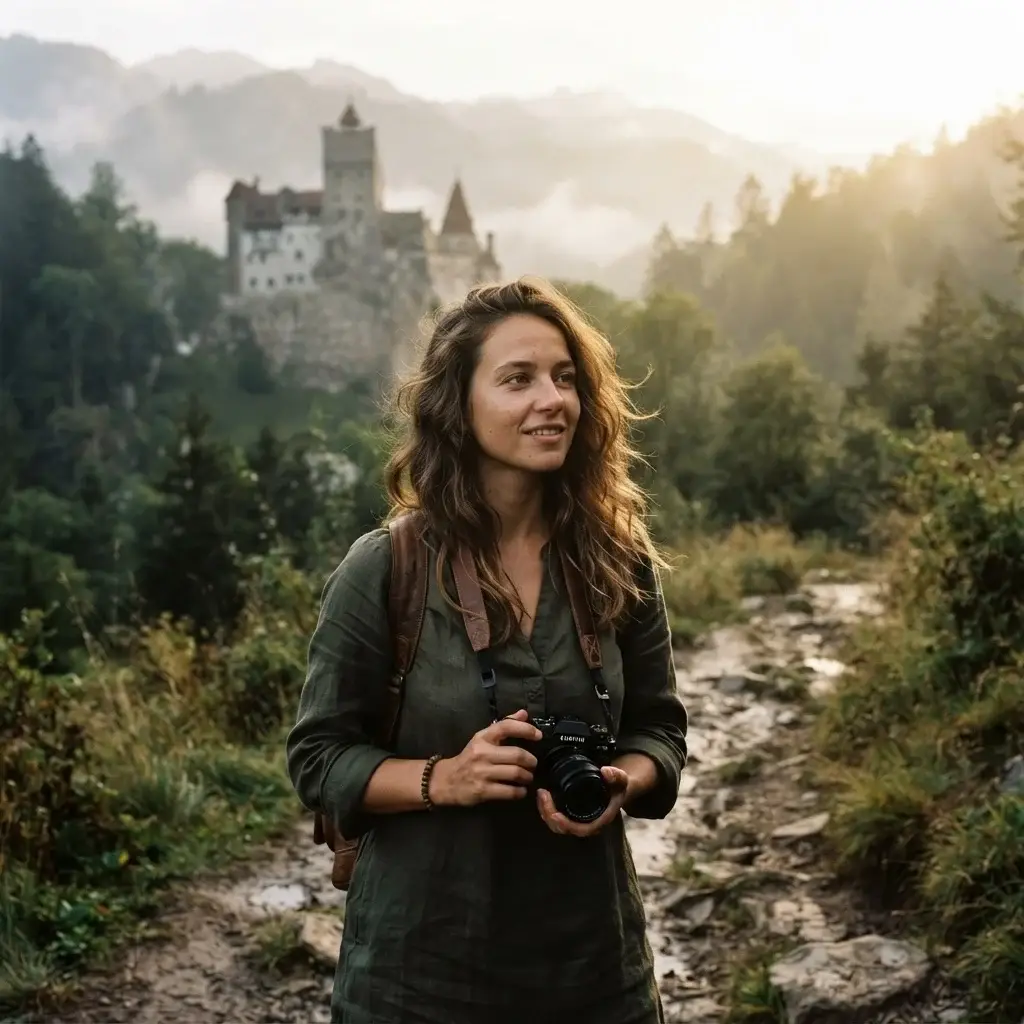
Romania stole my heart the first time I visited. It is home to the Carpathian Mountains, medieval villages that feel like they belong in a book, and some of the friendliest people I have ever met.
If you love history, you could spend a month here just wandering through castles. I suggest looking up the official pages for the many UNESCO World Heritage sites in the region before you go. It helps you prioritize which historical spots are worth the entry fee and which are best viewed from the outside.
What you will spend: Romania is very affordable. Outside of the main hub of Bucharest, prices for accommodation and food drop significantly. You can find beautiful guesthouses for the price of a cheap hotel room in the US.
How to get around: The train system is extensive but slow. I love it because it’s a great way to see the countryside. Bring a book, look out the window, and enjoy the rolling hills.
What to eat: Eat mamaliga. It is a cornmeal porridge that is often served with cheese and sour cream. It’s warm, filling, and deeply comforting.
Solo traveler note: Romania is generally very safe. I felt completely comfortable walking through small villages at dusk. Just keep your wits about you, as you would in any new place.
3. Bulgaria: History Meets Nature
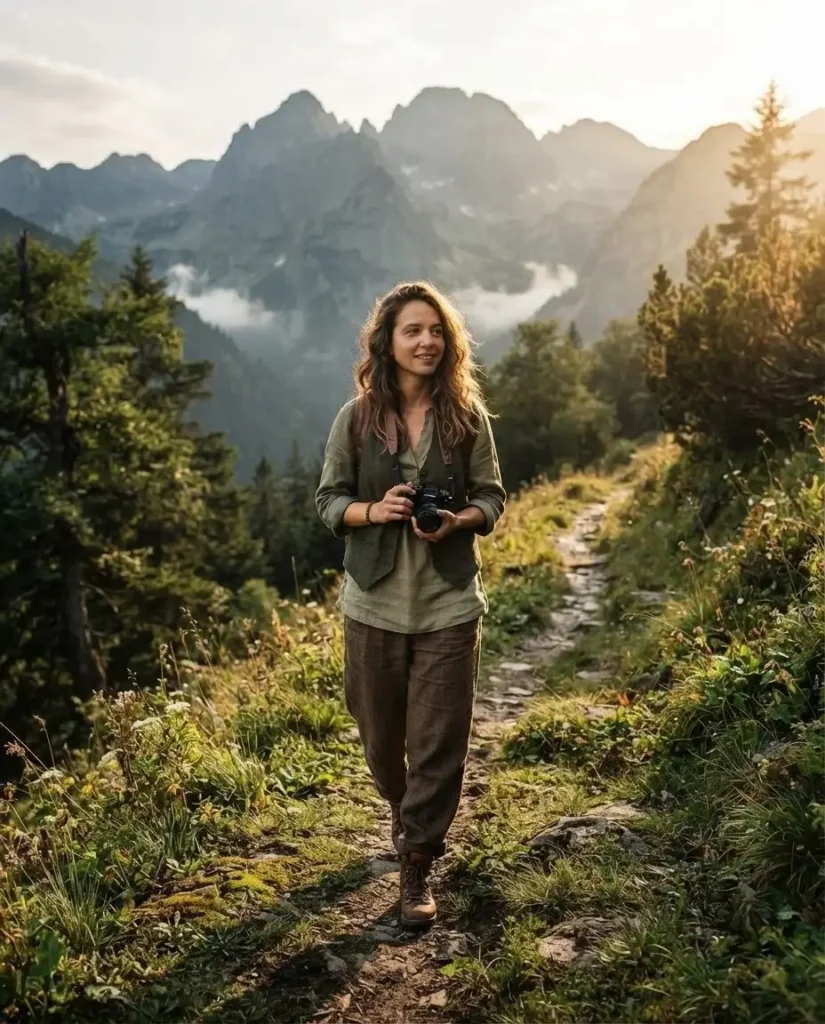
Bulgaria is one of the oldest countries in Europe, and it feels like it. It has a mix of dramatic mountains, Roman ruins, and a coastline on the Black Sea.
It is often overlooked, which means you won’t be fighting through crowds of tourists. That is a huge win for your budget and your sanity.
What you will spend: Sofia, the capital, is cheap, but the smaller towns are even cheaper. If you are a fan of hiking, you can spend days in the Rila Mountains for very little money.
Health and Safety: Before you head into the mountains or out to the coast, check the traveler’s health advice for the region. It’s not just about vaccines; it’s about knowing what common health issues to watch out for, like food or water safety. Being informed means you spend more time hiking and less time worrying.
How to get around: Buses are the way to go here. They are reliable and cover almost every town. Download a translation app if you are worried about the bus schedule, but usually, asking someone at the station works wonders.
What to eat: Banitsa. It is a savory pie made with eggs and cheese. It is a breakfast staple, but I’ve eaten it for dinner more times than I can count.
4. Poland: Deep Culture and Value
Poland has a special place in my heart because of the energy. The cities are vibrant, the history is heavy but important, and the food is incredible.
Warsaw and Krakow are the main draws, but the smaller cities are where you save the most.
What you will spend: Your money goes a long way here. A hearty meal in a milk bar (a traditional, cafeteria-style restaurant) will cost you just a few dollars.
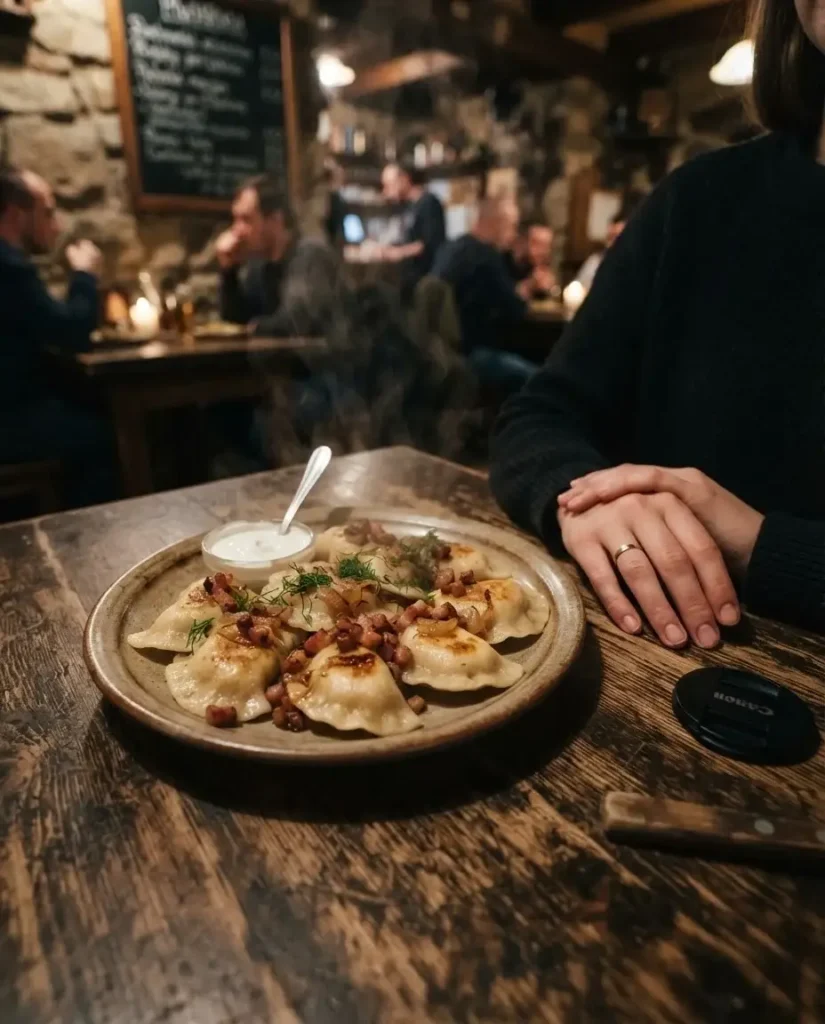
How to get around: Poland has a fantastic train network. It is clean, fast, and very affordable compared to Western Europe. You can move between major cities quickly, leaving you more time to explore.
What to eat: Pierogi. You cannot go to Poland and not eat pierogi. They are dumplings filled with potato, cheese, meat, or fruit. They are the ultimate comfort food.
Traveler’s Safety: Always keep your travel insurance information handy. I never travel without it. If you need a refresher on why it matters or how to choose the right coverage, I often suggest reading the guides provided by World Nomads because they break down safety and insurance in a way that’s easy to understand for solo travelers. It’s better to have it and not need it than to need it and not have it.
5. Hungary: Beyond the Budapest Bubble
Most people go to Budapest, love it, and leave. But if you take the train a few hours in any direction, you find a different side of Hungary. You find vineyards, small thermal towns, and people who are genuinely happy to see a visitor.
Yes, Budapest has become more expensive, but it is still a massive value compared to cities like Vienna or Munich.
What you will spend: If you stick to the local markets and avoid the tourist traps on the main street of Váci utca, your money will last a long time.
How to get around: Budapest is the hub, so use it as your base. Trains and buses radiate out from the capital to the rest of the country.
What to eat: Lángos. It is a deep-fried dough topped with garlic water, sour cream, and shredded cheese. It is messy, delicious, and cheap.
Confidence Tip: Don’t be afraid to sit in a cafe for an hour with one cup of coffee. That is a local pastime. It helps you soak in the culture and makes you feel less like a rushing tourist.
The Art of Budget Planning: How I Do It
Now that we have talked about where to go, let’s talk about how to keep your wallet happy. Many people think the “cheapest” country is the only factor, but how you travel matters more.
1. The Grocery Store is Your Best Friend I used to think that traveling meant eating out for every meal. That is the fastest way to drain your bank account. Instead, I find a local market. Walking through a foreign supermarket is actually one of my favorite cultural activities.
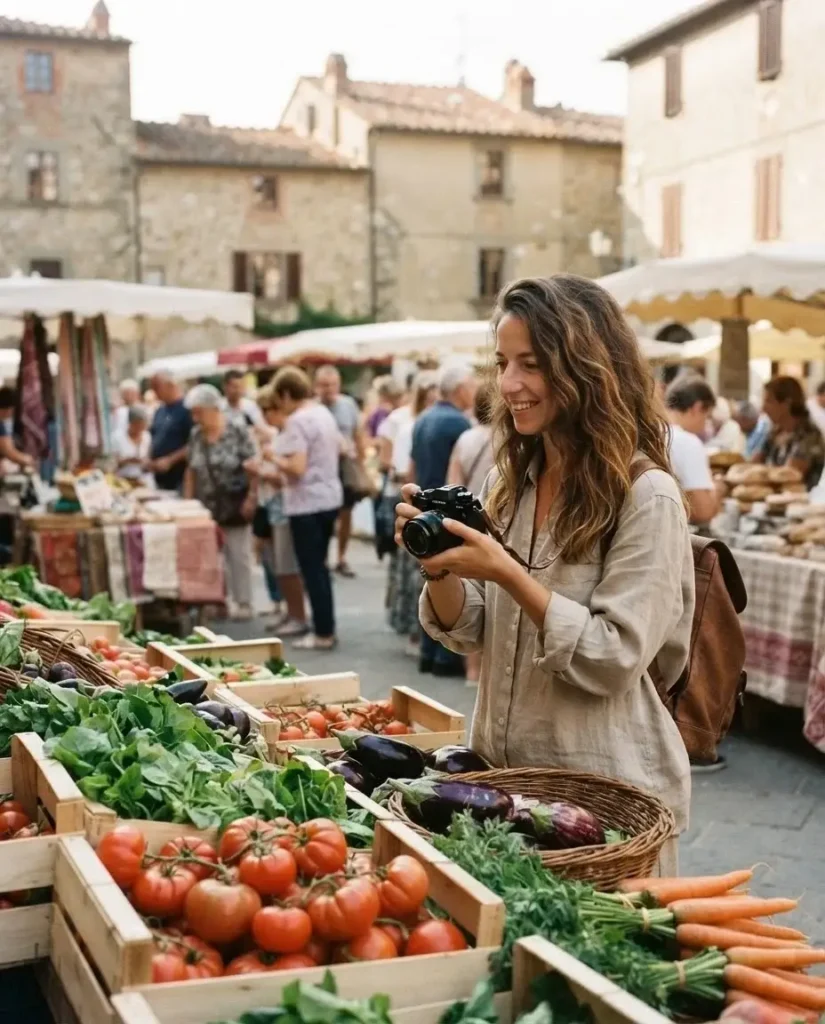
You see what the locals eat, you learn about the local produce, and you save a fortune. I buy bread, cheese, fruit, and yogurt for breakfast and lunch, and then I treat myself to one nice local meal at dinner.
2. Walk Everywhere In every city I visit, my first rule is: walk until you are tired. You save money on transport, and more importantly, you see the things that don’t make it into the guidebooks. You find the cool street art, the quiet park where the older locals sit, and the small bakery with the line out the door.
3. Use Free Walking Tours Almost every major city in Europe has a “free” walking tour. They are run by locals who work for tips. It is the best way to get oriented in a new place. You learn the history, get insider tips on where to eat, and meet other travelers. Just remember to tip your guide!
4. Carry Your Own Water Bottle In many European countries, the tap water is delicious and safe. Buying a plastic bottle of water every time you are thirsty is a waste of money and bad for the environment. Carry a reusable bottle and refill it.
Common Budget Mistakes to Avoid
We all make mistakes. I remember paying way too much for a taxi because I was too tired to figure out the bus. It happens. But here are a few things to avoid so you can travel longer.
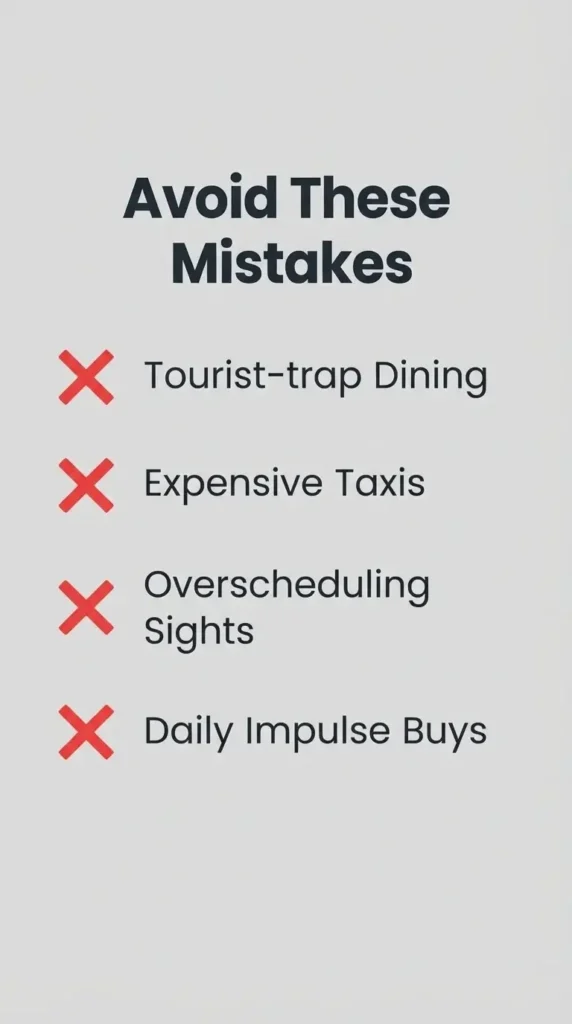
- Eating near the main attractions: If a restaurant is within 100 meters of a famous cathedral or monument, keep walking. The prices will be higher, and the food will likely be lower quality. Walk five minutes in any direction, and you will find better food for half the price.
- Assuming you need to see everything: You do not have to go to every museum and cathedral. If you are “churched out” or “museumed out,” stop. Take a day to just sit in a park or read a book. Travel is not a job. You don’t have to hit a quota of sights to prove you were there.
- The “I’m on vacation” trap: It is easy to justify extra spending because you are away from home. But if you want to travel for a long time, you have to treat your travel budget like your real-life budget. That extra glass of wine every night adds up.
How to Overcome the Fear of Solo Travel
The biggest barrier for many of you isn’t the cost; it’s the fear. The fear of being lonely, the fear of getting lost, the fear of not knowing what to do.
I have been there. My first solo trip was terrifying. I sat in a train station in a country where I didn’t speak the language, holding a paper map, wanting to cry and just fly home.
But I didn’t. I asked for help. I figured out the bus. I bought a sandwich. And I felt a spark of pride. That pride is the secret to solo travel. You learn that you are capable of handling whatever the road throws at you.
When you go to these cheaper countries, you are often surrounded by other solo travelers. It is very easy to strike up a conversation in a hostel common room or on a walking tour. You don’t have to be alone the whole time unless you want to be.
My Final Thought on Choosing a Destination
When you look at this list of the cheapest countries to visit in Europe—Albania, Romania, Bulgaria, Poland, Hungary—don’t just pick one because it’s the cheapest. Pick the one that makes you curious.
Do you love mountains? Go to Albania. Do you love fairy tales and history? Go to Romania. Do you love hearty food and deep history? Go to Poland.
The money part is just the logistics. The real goal is to go
somewhere that makes you feel alive. Stop waiting for the perfect moment. The perfect moment is just a moment you decide to take. You don’t need a massive fortune to see the world. You need curiosity, a little bit of planning, and the courage to get on that first bus.
You have everything you need to start. Your adventure is waiting, and honestly? It’s probably much more affordable than you think. Start small, stay curious, and go see what’s out there.