I remember standing in my tiny apartment in New York City, staring at my bank account and then at a map of Europe. I was working as a sightseeing guide, talking all day about places I couldn’t afford to visit. I had this nagging feeling that I was missing out on the “real” world. I thought Europe was reserved for people with trust funds or those who booked those frantic, expensive, multi-country bus tours.
I was wrong.
When I finally took my first real solo trip, I realized that the “expensive Europe” narrative is just a story we tell ourselves to stay comfortable. You don’t need a luxury budget to experience the history of Rome or the mountains of Albania. You just need to be willing to look past the capital cities and the tourist traps.
When I speak about the most affordable travel destinations in Europe, I am not talking about cutting corners on your experience. I am talking about finding places where your money goes further, yes, but more importantly, where your soul feels more at home. These are places that teach you patience, curiosity, and the true meaning of adventure.
The Mindset Shift: Why Budget Travel Matters
Before we look at the map, we need to talk about your mindset. If you want to travel cheap, you have to be willing to trade convenience for discovery.
When I lived in Thailand, I learned that a plastic stool on a sidewalk serves the same purpose as an expensive restaurant chair, and the food served there is often better. Europe has this too. It is not about “saving money” to buy more things; it is about saving money to stay longer.
Slow travel is the secret to an affordable trip. When you stay in one place for two weeks instead of two days, your costs drop. You stop paying for trains every other day. You find a local grocery store. You make friends with the person running the coffee shop. You stop being a tourist and start being a resident. This is how you really see the world.
Albania: The Raw and Beautiful Frontier
If you asked me where to start your journey, I would point you toward the Balkans. Albania is, without a doubt, one of the most underrated and affordable places I have ever walked through.
For a long time, Albania was a mystery to the rest of the world. Now, it is opening up, but it still feels like a secret. The coast, specifically the Albanian Riviera, is stunning. The mountains in the north—Theth and Valbona—are a hiker’s dream.
Why it is affordable: You can get a hearty, fresh meal for a few dollars. Local transport is cheap, though it requires patience. You aren’t paying for “brand name” tourism.
What to eat: Try Byrek. It is a savory pastry filled with spinach, cheese, or meat. You can grab one for breakfast for almost nothing. It is warm, greasy in the best way, and keeps you full for hours of walking.

How to navigate: Don’t expect fancy digital schedules for buses here. You walk to the bus station (which might just be a parking lot), ask for your destination, and wait. It is frustrating at first, but it is also how you meet people. To understand the safety landscape and current conditions before you go, you should always check the latest travel advisories provided by the US Department of State Travel website. It keeps you informed without causing unnecessary panic.
Poland: Resilience and Heart
I have a soft spot for Poland. It is a country that has been through so much, and that history is written into every building, every stone, and every face you meet. Krakow is the obvious choice, and while it can get busy, it is still incredibly affordable compared to Paris or London.

But my advice? Go to Wroclaw or Gdansk. Gdansk, with its port history and proximity to the Baltic Sea, feels like a completely different world.
Why it is affordable: Poland has a strong local economy that isn’t built solely around tourism. You are paying local prices for local goods. The public transport system is excellent, clean, and very affordable.
What to eat: Pierogi. You will eat them every day. They are dumplings filled with potato, cheese, sauerkraut, or meat. They are the definition of comfort food.
How to navigate: Use the trams. They go everywhere. Buy a ticket from the machine at the stop or inside the tram. Do not forget to validate it. I once got a fine for forgetting this simple step—a painful and very avoidable lesson in being a responsible traveler.
Portugal: The Slow Path
Portugal is popular, yes. If you go to the center of Lisbon, it is expensive. But Portugal has a massive heart outside of the capital. Look toward the interior or the northern regions like Braga or Guimarães.
Portugal is about coffee culture and cobblestones. It is about taking an hour to sip an espresso and watch the world go by. That is not laziness; that is cultural immersion.
Why it is affordable: Outside of the major hubs, the cost of living drops significantly. You can find beautiful guest houses for the price of a hostel bed in London.
What to eat: Pastel de nata. It is a custard tart. You will likely eat more than one.
How to navigate: The train system is fantastic. If you want to get an overview of the region and understand the vibe before you arrive, browsing the destination overview pages on Lonely Planet can give you a great sense of the layout, culture, and history without making you feel like a salesperson is trying to book you a package tour.
Bosnia and Herzegovina: A Cultural Crossroads
If you want your perspective to shift, go to Sarajevo. Walking through the city, you see signs of the Ottoman Empire, the Austro-Hungarian Empire, and the deep scars of the 1990s war. It is a heavy place, but it is also a hopeful one.
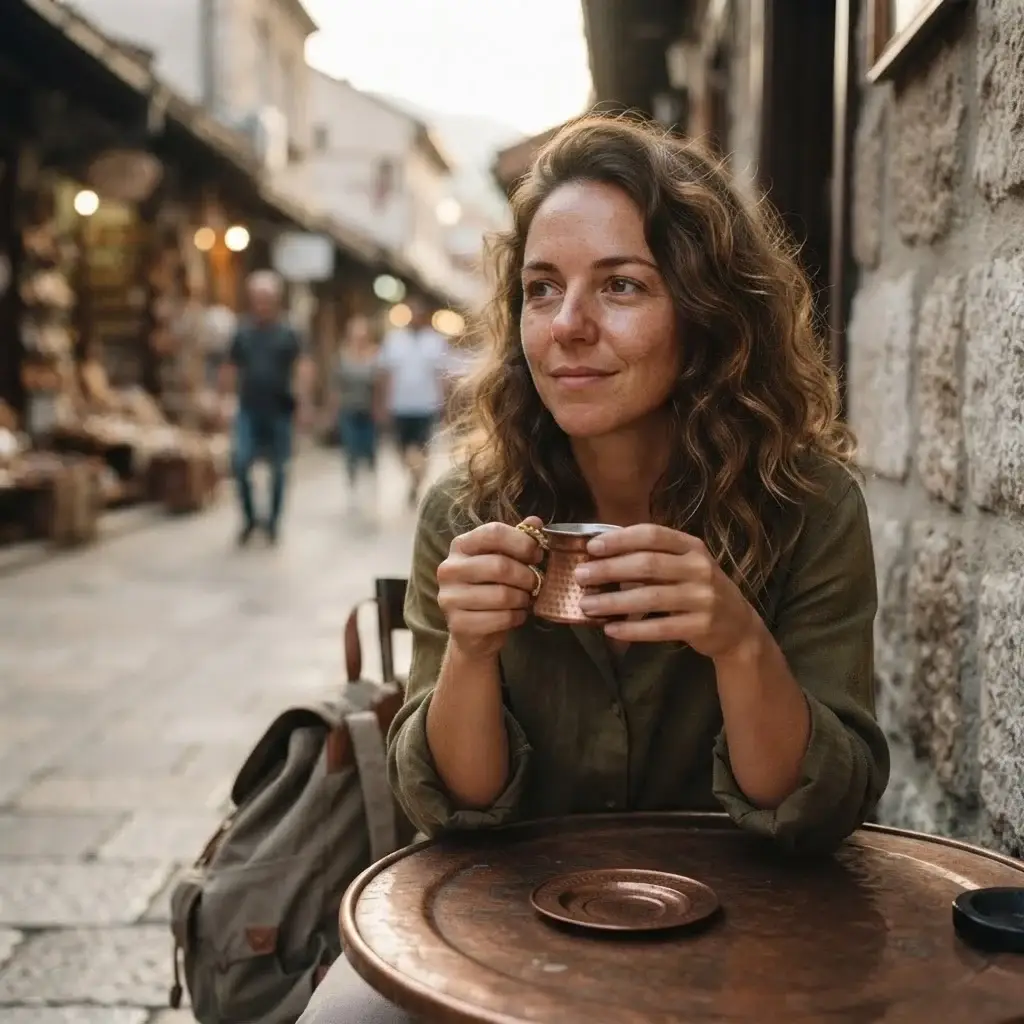
Why it is affordable: Your money goes incredibly far here. A cup of Bosnian coffee takes an hour to drink, costs pennies, and comes with a side of conversation.
What to eat: Ćevapi. These are small, grilled minced meat sausages served with flatbread and onions. It is simple, delicious, and deeply satisfying.
Cultural Tip: This is a place where you should tread with respect. Many people you meet have lived through significant trauma. Listen more than you speak.
Why You Shouldn’t Fear the “Budget” Label
I hear people say, “I don’t want to be a budget traveler; I want to have a nice time.”
Here is the truth: being a budget traveler does not mean you are having a “lesser” time. When you travel on a budget, you are forced to interact with the world. You use the bus instead of the taxi, so you see the neighborhoods regular people live in. You eat at the local market instead of the tourist café, so you taste what the locals actually eat.
You are not observing culture from behind the glass of a luxury hotel; you are walking through it. That is where the growth happens. That is where you realize you are capable of handling a missed bus, a language barrier, or a wrong turn. You start to trust yourself. That self-trust? You cannot buy that at a resort.
Practical Tips for the Savvy Traveler
If you are going to pick one of these places, you need to be smart about your logistics. Budget travel is not about being reckless; it is about being efficient.

Health and Safety
Before you leave, check your health needs. I have seen too many travelers get sick because they didn’t take basic precautions. Whether it is a routine vaccine or understanding food safety in rural areas, the CDC Travelers’ Health information page is my go-to source for this. It is honest, factual, and doesn’t sugarcoat anything. You need to know what you are walking into.
Insurance
I know, I know. It sounds boring. But if you are a solo traveler, you are your own safety net. If you get sick or have an accident, you are the one who has to handle it. Having insurance gives you the peace of mind to actually enjoy your trip. I always look at guidance on travel insurance and safety from World Nomads because it speaks to the specific needs of independent travelers who aren’t just lounging by a pool.
The “UNESCO” Factor
I often use the official UNESCO World Heritage Centre website to plan my routes. Not because I want to check off a list of “must-visit” monuments, but because these sites are usually the historical anchors of a city. If you base your trip around these areas, you are guaranteed to see the most historically significant parts of the destination, which often leads to the best walking areas, the most interesting architecture, and the most vibrant local life.
Navigating the “I’m Scared” Phase
I get emails from readers all the time. They say, “Emma, I want to go to Poland or Albania, but what if I get lost? What if I don’t speak the language?”
Here is my answer: You will get lost. You will struggle to communicate. And it will be fine.
Getting lost is how you find the best café in the city. Struggling to communicate is how you learn to use your hands and your smile, which are universal languages.
The fear you feel is just excitement in disguise. It is your body telling you that you are about to do something brave.

When I was in Thailand, teaching English, I didn’t know the language. I didn’t know the culture. I was terrified on my first day. But by the end of the week, I had a favorite street vendor, I knew how to navigate the local market, and I felt more capable than I ever did sitting in my cubicle in New York.
How to Plan Your First Budget Trip
- Pick one region. Don’t try to see all of Europe in two weeks. Pick Poland. Pick Albania. Pick Portugal. Stay there. Immerse yourself.

- Budget for the “un-budgetable.” Set aside money for the things you didn’t plan for—a train ticket you missed, an extra night in a hostel, a pharmacy run. This removes the stress when things go wrong.
- Pack light. A heavy suitcase is the enemy of a budget traveler. If you have to take an expensive taxi because you can’t carry your bag, you have failed the budget test. Pack for a week, do laundry, and keep your hands free.
- Talk to people. The locals know where the best, cheapest food is. The other travelers know which bus routes are a scam. Talk to people in your hostel common room. Ask the woman selling fruit at the market where she goes for lunch.
Embracing the Imperfect Trip
You might read travel blogs that show perfect, curated photos of people having “the best time ever.” That is not real life. My trips have included missed trains, rainy days where I stayed in bed reading, meals that were just bread and cheese, and moments of intense loneliness.
But those moments are the ones that shaped me. When you are sitting in a train station in a foreign country, watching the rain fall, you realize you are resilient. You realize that you can handle yourself. That is the true gift of travel.
The most affordable travel destinations in Europe aren’t just affordable because the exchange rate is good. They are affordable because they offer you the chance to see the world without the barrier of “luxury” keeping you away from the people and the culture.
Start small. Maybe it is just a weekend in a neighboring country. Maybe it is a week in Poland. Just start. The world is waiting for you, and it doesn’t care how much you spent on your flight. It only cares that you showed up, that you were curious, and that you were open to the lesson.
You are capable of this. You don’t need a massive career break or a pile of savings. You just need a backpack, a bit of curiosity, and the courage to step out the door. The rest? The rest happens on the road. And I promise, it is worth every single step.