How to Explore Europe by Campervan Without Losing Your Mind

The first time I seriously pictured myself exploring Europe by campervan, I was sitting at my old office desk in New York, watching the clock and quietly plotting my escape. I had already backpacked solo across Europe by then, hauling everything on my shoulders and sleeping in hostels. The idea of doing it again but with my own little rolling home, my own kitchen, and the freedom to change plans on a whim, felt almost too good to be real.
Here is the honest truth I want to lead with: van travel in Europe is absolutely doable, even solo, even if you have never driven anything bigger than a hatchback. But it is not the effortless, golden-hour fantasy that shows up on social media. It comes with rules, costs, and a learning curve. The people who love it are the ones who understand what they are getting into before they go. So that is what this guide is for. Let’s get you from daydreaming to genuinely ready.
First, Get Clear on What You Actually Want
Before you look at a single van, answer one question. Are you taking a two-week holiday, or are you chasing a longer, slower life on the road?
This matters more than anything else, because it changes every decision after it. A short trip almost always means renting. A long trip might mean buying. Your budget, your route, and even the legal limits on how long you can stay all flow from this one choice.
I learned the value of slowing down the hard way. When I first started traveling, I tried to cram too much into too little time, and I came home more tired than when I left. Van travel rewards the opposite instinct. The magic is in the unplanned afternoons, the tiny village you stop in because it looked pretty, the extra night somewhere that surprised you. Build your trip around fewer places and more time, and you will enjoy it far more.
Campervan or Motorhome? Know the Difference
People use these words interchangeably, but they are not the same. A campervan is smaller, usually a converted van, easier to park and drive, tighter on space. A motorhome is bigger, often with a proper bathroom and separate sleeping and living areas, more comfortable but harder to maneuver and more expensive to run.
If you are nervous about driving, or traveling solo, I genuinely think a smaller campervan is the friendlier place to start. You will fit in normal parking spaces, thread through medieval town streets without panic, and burn less fuel. You give up a bit of comfort, but you gain confidence, and confidence is the whole game when you are new.
The Money Talk Nobody Makes Clear Enough
Let’s be real about cost, because vague answers help nobody. When I was saving to leave my desk job, I worked flexible jobs and tracked every dollar, so I have zero patience for guides that pretend travel is cheaper than it is.
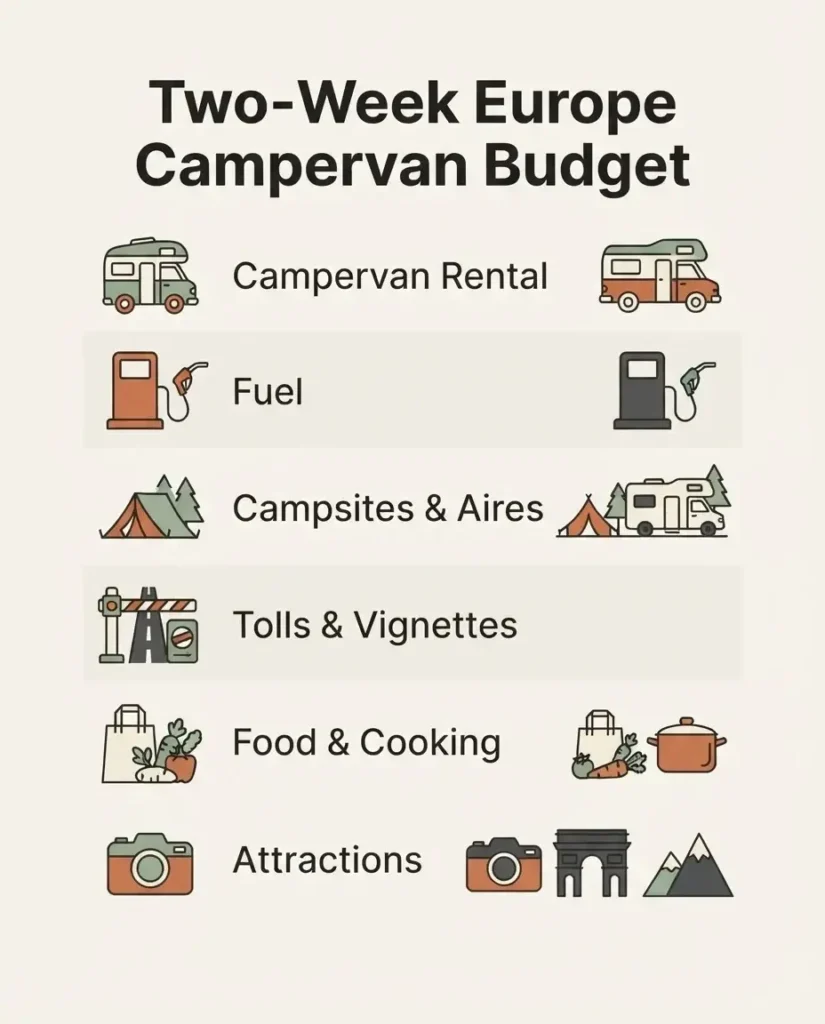
Renting a campervan in Western Europe typically runs somewhere in the range of 60 to 160 pounds per day, with smaller campervans at the lower end and full motorhomes at the top. Longer bookings usually bring the nightly rate down. That is just the van. On top of it you are paying for fuel, which is expensive in Europe, plus campsite fees, tolls, food, and the occasional attraction.
For a realistic two-week trip, I would tell any friend to budget for the rental, then add a solid daily amount for fuel and campsites, then a comfortable food budget on top. Cooking your own meals in the van is where you save real money, and honestly it is one of my favorite parts. There is something grounding about buying vegetables at a local market, learning what is in season, and making a simple dinner while parked somewhere beautiful.
Rent or Buy?
For anything under a couple of months, rent. Full stop. Buying a van in Europe as a visitor is a bureaucratic maze of registration, insurance, and resale headaches that is rarely worth it for a short trip. For a genuine long-haul adventure of many months, buying can pencil out, but only if you are comfortable with paperwork, mechanical surprises, and selling it again at the end.
The Rules That Quietly Catch People Out
This is the section most inspiration-focused guides skip, and it is the one that can cost you real money or even derail your whole plan. None of it is scary once you understand it. You just have to know it exists.
Low Emission Zones
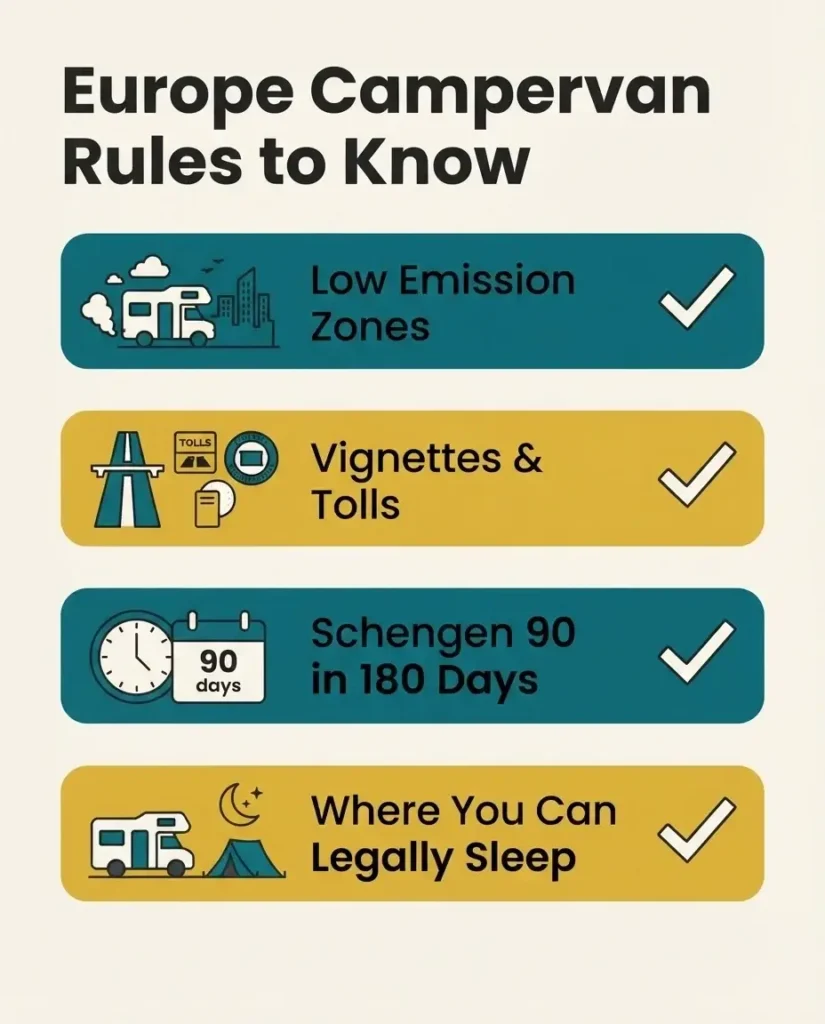
Dozens of European cities now have Low Emission Zones, and driving an older or larger vehicle into one without the right permit or sticker can earn you a fine that arrives by mail weeks later. Rules differ city by city, which is maddening, so before I route through any major city I check it against the official Urban Access Regulations in Europe database, which is the most reliable single source for who can drive where. Sort this out before you go, not when you are already idling at a zone boundary with nowhere to turn around.
Tolls and Vignettes
Some countries charge tolls per distance, and others make you buy a vignette, which is basically a pass to use the motorways. Austria and Switzerland are classic vignette countries. For Austria you can buy a digital vignette straight from the official toll operator, and I always point people to the real source at the ASFINAG toll shop rather than the copycat sites that charge a markup. A short Austrian vignette costs only a handful of euros, but driving without one is a much bigger and entirely avoidable expense.
The 90/180 Schengen Rule
This one surprises a lot of non-EU travelers, and it is the single biggest constraint on long trips. If you hold a passport like mine, from the US, you are generally limited to 90 days within any 180-day period across the whole Schengen Area combined. Crossing from France into Italy into Spain does not reset the clock, because they are all one zone for this purpose. Before committing to a long itinerary I always run the numbers through the official European Commission short-stay calculator so there are no ugly surprises at a border. If you want to stay longer, you build in time in non-Schengen countries, or you look into a longer-stay visa.
Where to Actually Sleep
Here is the myth I most want to bust. “Wild camping,” meaning parking your van to sleep wherever you like, is not freely legal across Europe. In some countries it is allowed, in some it is tolerated in rural areas, and in others it is genuinely banned with fines. The rules change the moment you cross a border, so never assume what worked in one country works in the next.
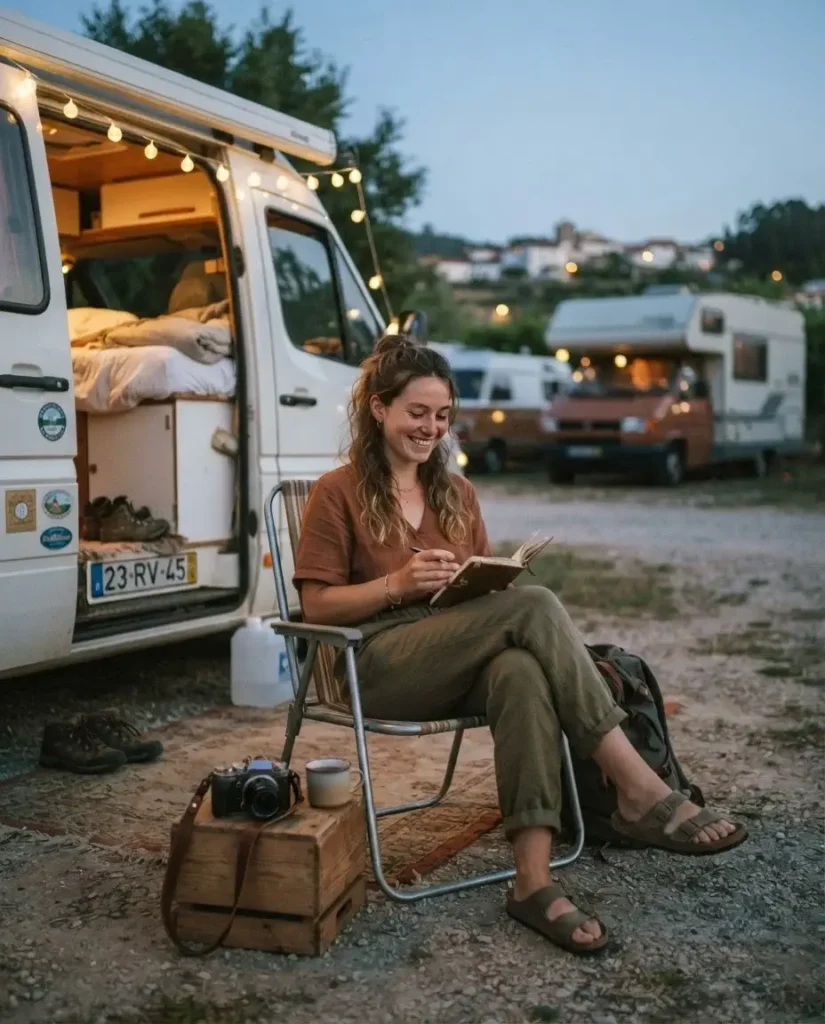
The good news is you rarely need to wild camp anyway. Europe has a wonderful network of dedicated motorhome stopovers, called aires in France, stellplätze in Germany, and similar names elsewhere, that are cheap or free and built exactly for vans. To find them, most van travelers I know live inside the Park4Night app, which shows overnight spots, services, and honest user reviews. I would download it and one backup app before you leave.
As a solo traveler, I will add this. There is a real comfort in choosing a proper campsite or busy aire over an isolated lay-by, especially for your first nights. You get security, other travelers around, showers, and often power and water. Freedom does not have to mean sleeping alone in the dark in the middle of nowhere, and there is no shame in prioritizing the setup that lets you actually sleep.
Routes That Are Kind to Beginners
You do not need an epic cross-continent plan to have the trip of your life. Some of the best van routes are compact and forgiving.
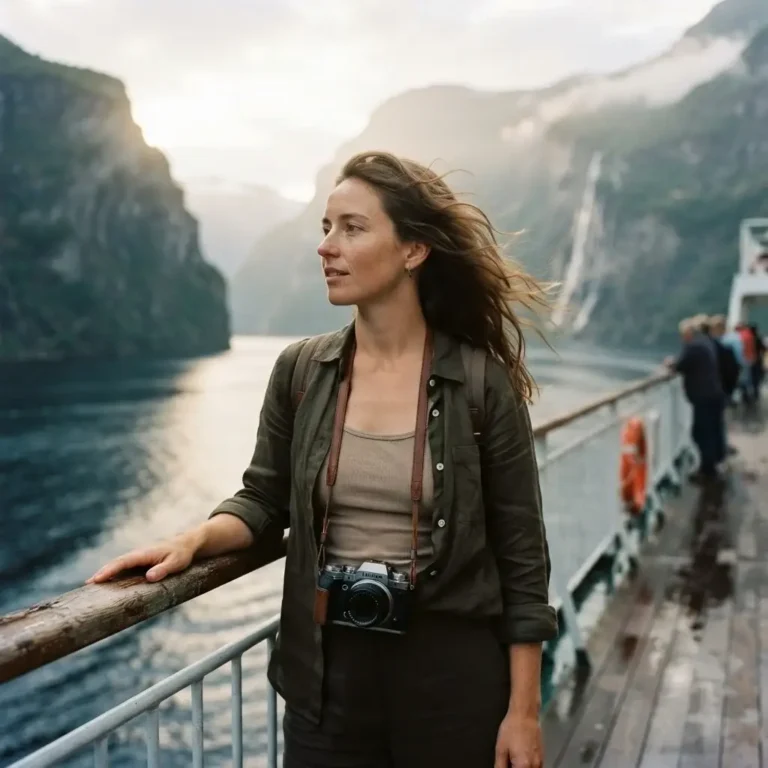
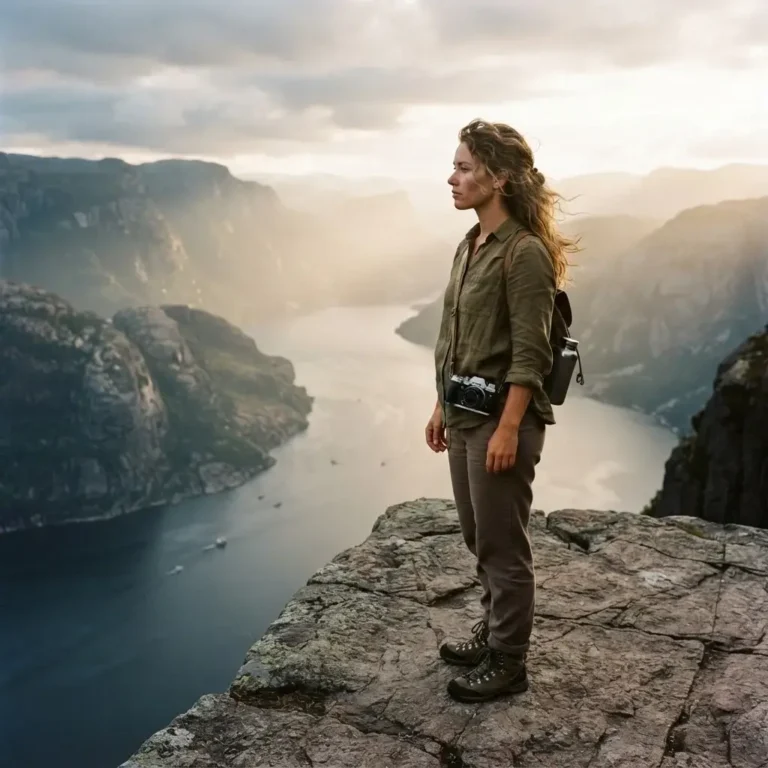
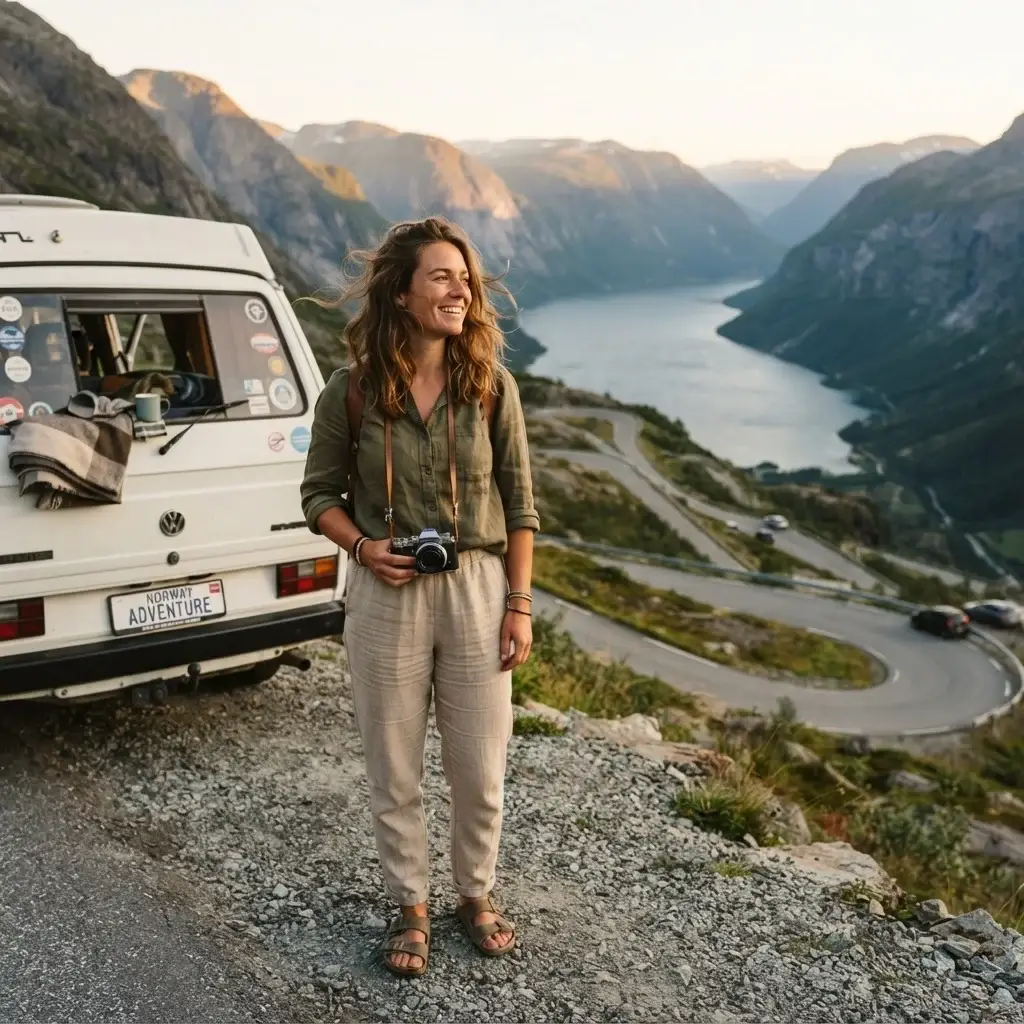
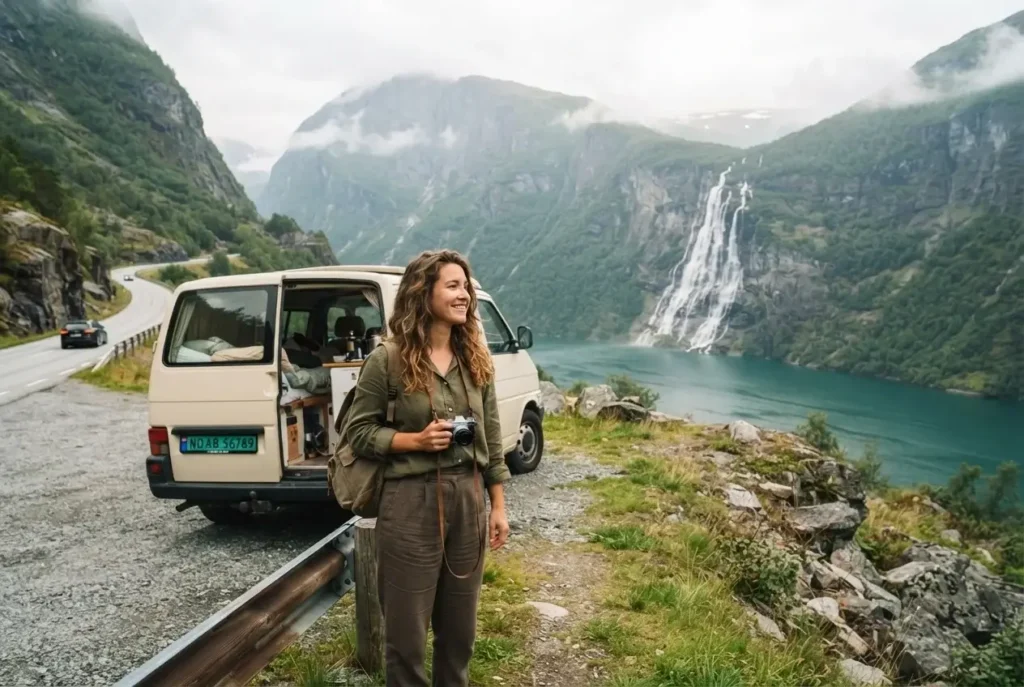
If you want jaw-dropping scenery with excellent infrastructure, Norway is hard to beat, and its official Norwegian Scenic Routes network lays out carefully designed drives past fjords, waterfalls, and mountain passes, complete with viewpoints and facilities. The famous Geiranger to Trollstigen stretch is the kind of road that makes you pull over just to breathe. Norway is not cheap, but the roads are well kept and the stopover culture is strong.
For gentler first trips, I often steer people toward Portugal’s coast for surf-town relaxation and warm weather, the French countryside for that unmatched aire network and incredible food, or a loop through Slovenia and northern Croatia for green mountains and turquoise water without the crowds of the big-name cities. Pick one region, go slow, and resist the urge to see everything.
Wherever you go, eat locally and simply. In France I would fill up at village bakeries and markets. In Portugal, grilled fish and pastries near the coast. Half the joy of a van kitchen is that you can pull into a market town, buy whatever looks freshest, and turn it into dinner parked somewhere with a view. That, to me, beats any expensive restaurant.
Driving Without Fear
If you have never driven a large vehicle, I promise it is more approachable than it feels. Vans are slower and taller than a car, so you drive gently, brake earlier, and give yourself room. Spend your first hour in an empty parking lot getting a feel for the size before you hit real roads.
A few things that genuinely help. Aim to drive no more than a few hours a day, because tired driving on unfamiliar roads is where mistakes happen. Fuel up before you are desperate. Watch your height near old bridges and parking garages. And if you are coming from a country that drives on the opposite side, take it slow through roundabouts and give yourself grace. Everybody wobbles at first.
The Solo Reality, Honestly
I built my entire life around solo travel because of what it did for me. It taught me that I could handle far more than I believed, and van life amplifies that. You make every decision, you solve every small problem, and you come out the other side quietly proud of yourself.
It is also, at times, lonely and a little nerve-wracking, and pretending otherwise would be dishonest. Some nights the wind rocks the van and you feel very aware that you are alone. What helps is routine and preparation. Park before dark so you are not searching for a spot at night. Trust your gut about a location, and if a place feels off, simply drive on. Keep your phone charged and let someone know your rough plan. Choose sociable stopovers when you want company, because van travelers are some of the friendliest people you will meet, and a shared coffee at an aire can turn a lonely evening around.
The nerves fade faster than you expect. By the end of my first solo stretches, the independence had turned into something I craved rather than feared.

A Few Practical Things That Make Life Easier
Sort out your connectivity before you go. A regional eSIM keeps you online for maps and stopover apps without hunting for wifi. Learn your van’s water system on day one, meaning where fresh water goes in and where grey and toilet waste comes out, because nobody enjoys learning that in a panic. Pack light and pack soft, since van storage is tight and hard suitcases are the enemy. And confirm exactly what insurance your rental includes, especially cross-border cover, before you sign anything.
None of this is complicated. It just needs doing once, calmly, before you leave, so that on the road you can actually be present instead of anxious.
You Are More Ready Than You Think
If there is one belief I have built my whole life around, it is that the perfect moment never arrives. You do not need to feel fully qualified to start. You need enough of a plan to feel steady, and the willingness to figure out the rest as you go, which you will.
Exploring Europe by campervan is not about having everything perfect. It is about waking up somewhere new, making a coffee in your tiny kitchen, and realizing the whole day is yours to shape. That feeling is worth every bit of the planning. So do the boring homework, book the van, and go. The road is a lot friendlier than your fear is telling you.