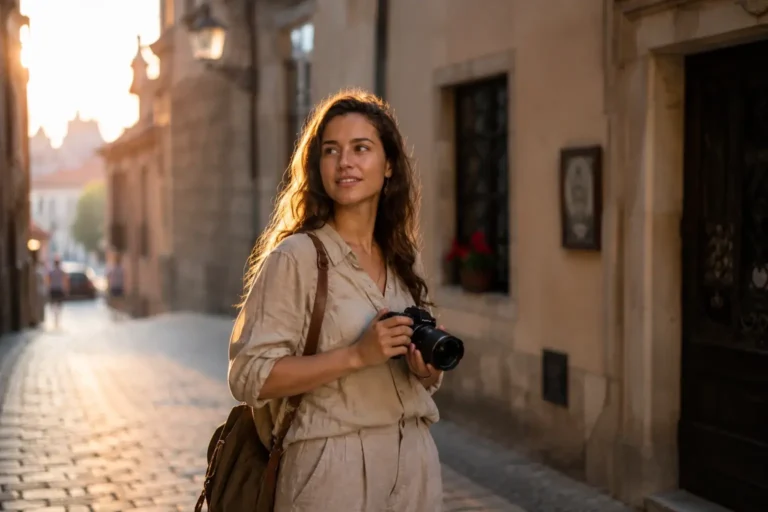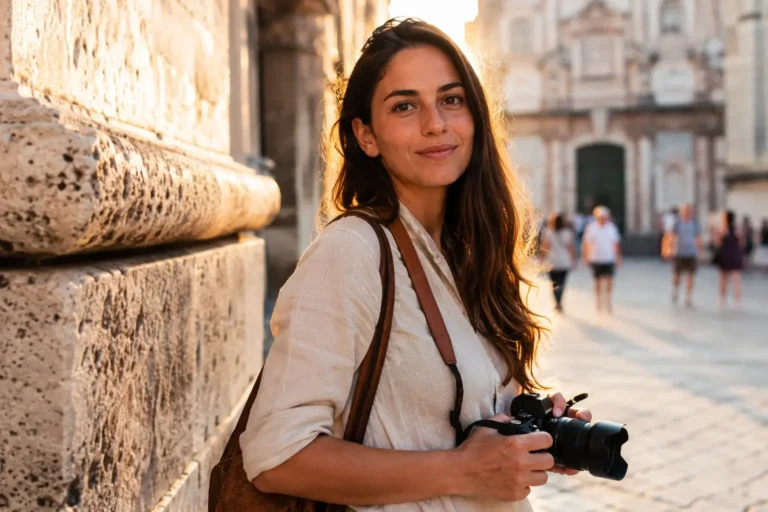
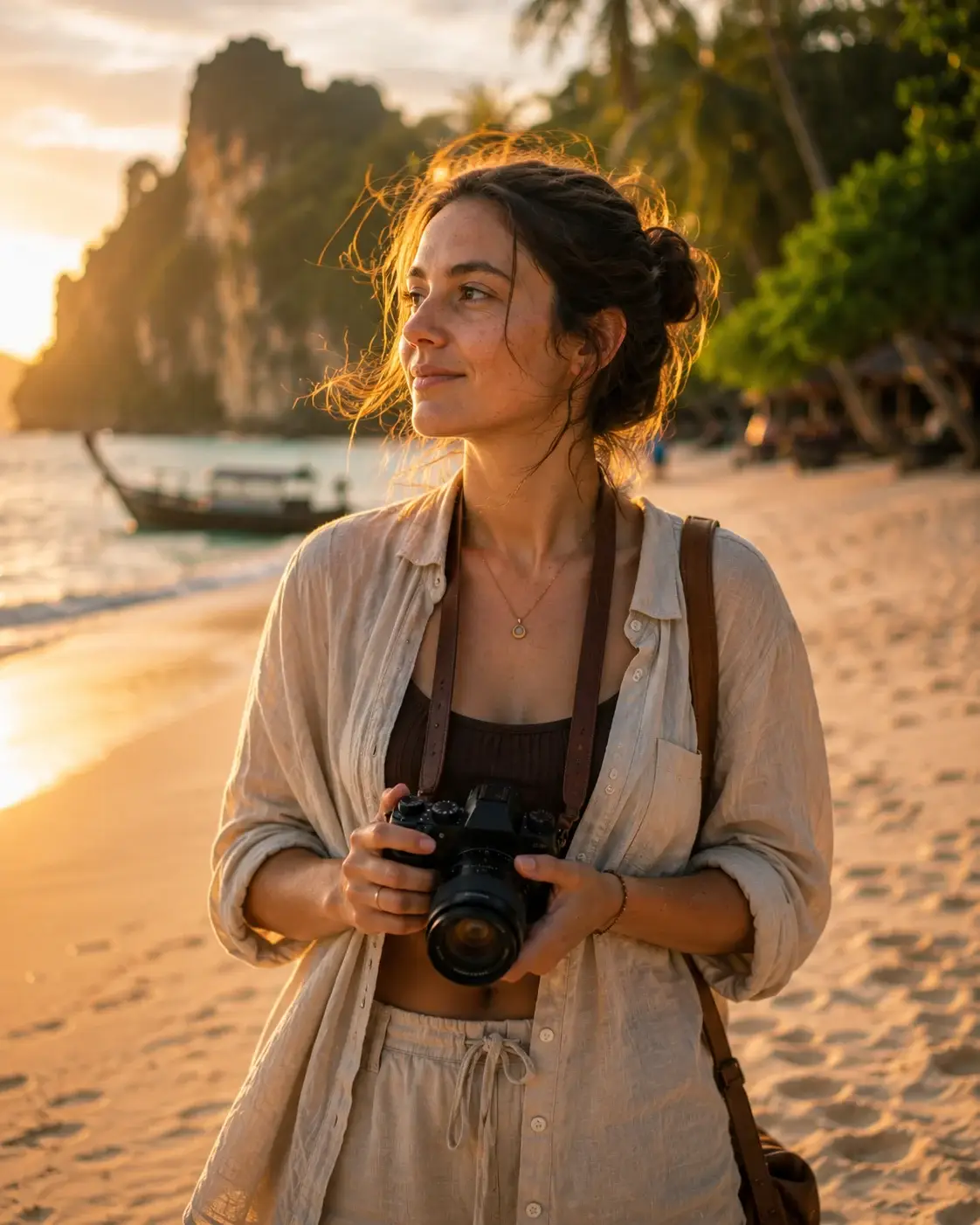
I still remember my first real island escape. I was living in Thailand, teaching English, and I decided to hop over to Koh Lanta on a whim. I packed a massive, heavy suitcase that felt like it held my entire life inside. Dragging that thing through the sand, sweating in the tropical humidity, and struggling to fit it onto a tiny long-tail boat, I realized something important: I was carrying way too much “stuff” and not enough freedom.
That was years ago. Since then, I have learned that the island lifestyle isn’t about having a different outfit for every single hour of the day. It’s about movement, ease, and being ready for the surprise of a sudden rainstorm or an invitation to a local village dinner. If you are feeling nervous about your first solo trip, let me be the first to tell you that what you bring matters, but how you pack it matters more. Let’s break down the best packing list for island getaways so you can spend less time managing your gear and more time watching the tide come in.
The Foundation: Choosing the Right Luggage
Before we even talk about what goes inside, we have to talk about how you carry it. On islands, paved roads are often more of a suggestion than a rule. You will likely deal with sandy paths, wooden boardwalks, and bumpy tuk-tuk rides. Forget the hard-shell suitcase with tiny wheels.
I advocate for a high-quality travel backpack. It keeps your hands free, which is essential for solo travelers navigating unfamiliar ferry terminals or bustling local markets. You want something around 40 liters—large enough for a two-week trip, but small enough to count as a carry-on for most airlines.
Organizing Your Essentials for Peace of Mind
The secret to staying sane while traveling solo is knowing exactly where everything is. I live by packing cubes. They keep my clothes compressed and organized by type—tops in one, bottoms in another, and “beach gear” in a third. If you are headed to a destination where health and safety protocols might be new to you, it is vital to keep your documentation organized. I always recommend that before you finalize your packing, you check the latest entry requirements and safety ratings on the official government site for your specific destination to ensure you have all your travel documents and visa information ready in a dedicated, waterproof folder.
Clothing Strategy: The Art of Versatility
When you are planning your wardrobe, think about “layers and light.” Island weather can be deceiving. You might be sweltering in the sun at noon, but the moment the sun dips below the horizon or you hop on a boat, the breeze can turn chilly.
- Breathable Fabrics: Linen and lightweight cotton are your best friends. They dry quickly if you get caught in a shower and keep you cool in the heat.
- The “One Good Outfit”: Even if you are a budget traveler, having one slightly nicer outfit—perhaps a simple sundress or a crisp shirt and trousers—will help you feel confident if you find yourself at a nice seaside cafe or a local cultural event.
- Footwear: Keep it simple. One pair of comfortable walking sandals (that can get wet) and one pair of lightweight slip-on shoes are usually enough. I have learned the hard way that heavy sneakers are just dead weight in a tropical climate.
Essential Health and Safety Gear
Solo travel is incredibly empowering, but it requires being your own advocate. You aren’t just packing for a vacation; you are packing for your well-being. Before you leave, I suggest spending some time reading about the vaccination recommendations and food safety tips for the region you are visiting so you can pack a small, smart medical kit.
What Goes in Your Medical Kit:
- Rehydration Salts: Dehydration sneaks up on you in the tropics.
- Antiseptic Wipes: For those inevitable scrapes from rocky shores or boat ladders.
- Personal Medications: Always bring more than you think you need, and keep them in their original packaging.
- Sun Protection: Not just sunscreen, but a high-quality hat that covers your neck.
While you are preparing for your health, don’t overlook the importance of being covered if things don’t go according to plan. I always keep a digital copy of my travel insurance guidance and safety information stored in my phone, which helps me feel secure knowing that if a flight gets cancelled or a minor injury occurs, I have a roadmap to support.
Tech and Connectivity: Staying Grounded
We travel to disconnect, but having a few tools can make solo travel feel much safer. My tech kit is minimal: a universal adapter, a portable power bank, and a waterproof phone pouch.
Navigation and Transport
You will often find yourself needing to get from a harbor to a remote beach. I love using local apps to get around. If you are in Southeast Asia, for example, knowing how to use the ride-hailing app Grab can save you from the stress of negotiating taxi fares in a language you don’t fully speak. It brings a sense of comfort knowing that your route is tracked and the price is set before you even get into the car.
Cultural Sensitivity and Local Etiquette
One of the biggest mistakes travelers make is thinking that “island time” means anything goes. Many islands have rich, traditional cultures. When you are visiting sacred sites, especially those that may be on the list of UNESCO World Heritage locations, it is respectful to dress modestly. Always have a lightweight sarong or scarf in your day bag. It can double as a beach towel, a sun shield, and a cover-up for when you decide to step away from the water to explore a local temple or village.
Eating Like a Local
Part of the joy of island travel is the food. Don’t be afraid to try the street food, but follow the locals. If there is a long queue of local people at a stall, the food is likely fresh and turnover is high. I always carry my own reusable stainless steel straw and a collapsible bowl. It reduces plastic waste—something that is vital for preserving the fragile island ecosystems we love to visit—and ensures I am always ready to grab a snack on the go.
The Emotional Side of Packing
I know it sounds strange to talk about the emotions of a packing list, but it is real. When I look at my backpack, I am not just seeing clothes and gear. I am seeing the promise of the stories I am about to live.
If you are feeling afraid, remember that the “perfect” gear won’t solve your anxiety, but being prepared will. Being prepared means you can focus on the sunrise, the conversation with a local shopkeeper, or the feeling of salt on your skin. When you pack, ask yourself: “Does this item serve my journey, or does it hold me back?” If it doesn’t serve you, leave it at home.
Lessons from the Road
I once spent a week on a remote island where there was no electricity after 8:00 PM. I had brought a heavy laptop I didn’t need, but I had forgotten a simple headlamp. I spent that entire week stumbling around in the dark. That taught me that the best packing list for island getaways isn’t about tech; it’s about anticipating the simple, real-world rhythms of where you are going. Always pack a reliable light source, a physical journal, and a good pen. These are the tools that will help you document your growth and process the incredible things you will see.
Final Thoughts on Your Adventure
Your journey is yours alone. You don’t need the most expensive gear or the latest trendy gadgets to have a life-changing experience. You need a bit of preparation, a lot of curiosity, and the courage to step onto that boat. Trust yourself. You are capable of handling whatever comes your way, whether it’s a beautiful afternoon on a quiet beach or a rainy morning in a bustling market. Pack light, keep your heart open, and enjoy the discovery.