When I first left my corporate desk job, I spent a lot of time staring at maps. I was terrified of being “bored” or lonely. I thought travel had to be a constant stream of adrenaline-pumping activities to be worth the price of a plane ticket. But then I landed in Montevideo, and everything changed.
Montevideo is not a city that screams for your attention. It doesn’t have the frantic energy of New York City or the overwhelming scale of Tokyo. It is a city that invites you to breathe. It is a city of slow walks along the water, long conversations over mate, and a kind of quiet beauty that rewards the patient observer.
If you are a solo traveler looking for a place where you can find your footing, explore at your own pace, and actually hear yourself think, you have found it. Spending four days here is the perfect amount of time. It is enough to settle into the local rhythm without feeling like you are rushing to check things off a list.
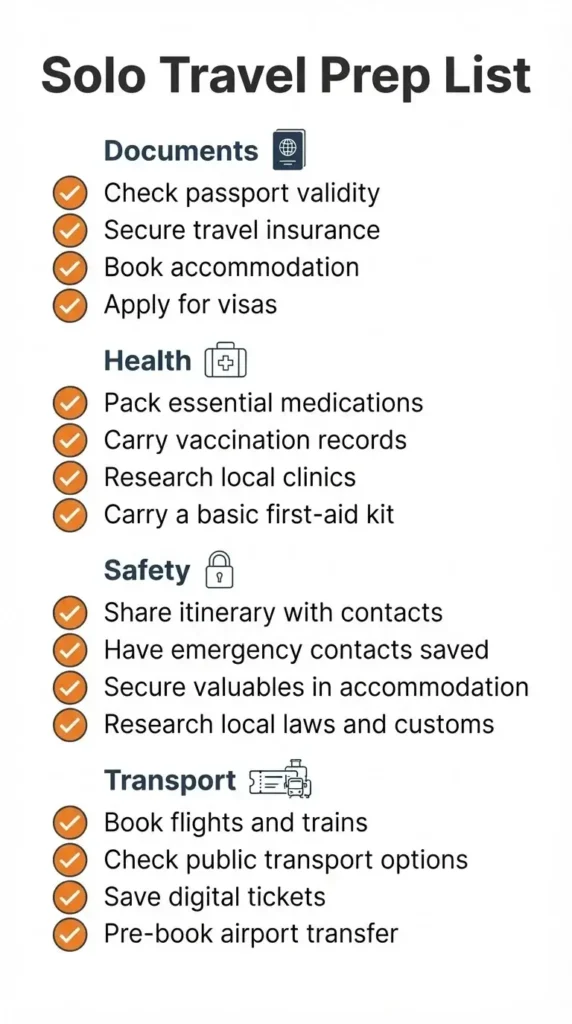
Before You Go: The Practical Essentials
Travel can be daunting, especially when you are doing it alone. Before I head anywhere, I always double-check the US Department of State Travel website to keep myself updated on entry requirements and safety alerts for my destination. It’s a simple step that helps me feel much more grounded before I step on the plane.
Next, I look at the CDC Travelers’ Health page. Even for places like Uruguay, which is generally very safe and stable, I like to check if there are any specific local health advisories or vaccine recommendations I should keep in mind. Knowing you are prepared helps you relax and actually enjoy the trip.
Finally, I never travel without coverage. I rely on the guides at World Nomads to help me understand my options for travel insurance. Being a solo traveler means you are your own backup plan, so having a safety net is one of the most confidence-building things you can do for yourself.
Day 1: The Soul of the City – Ciudad Vieja
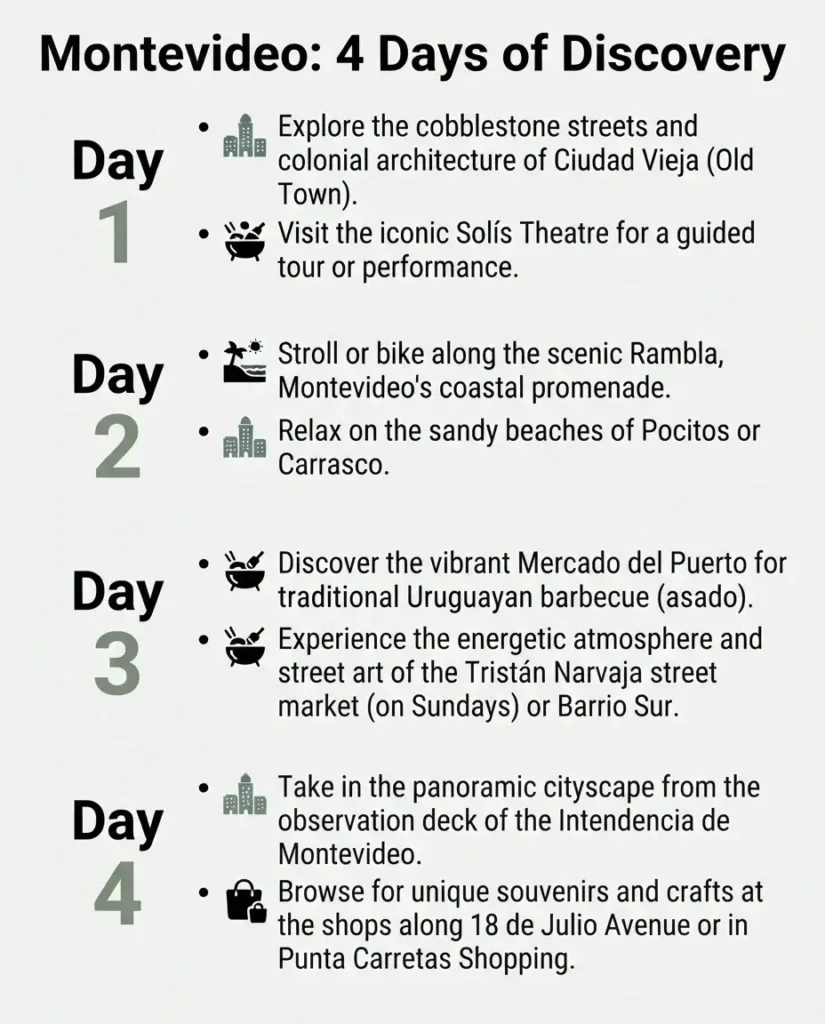
Start where the city started: Ciudad Vieja (The Old Town). This is where the colonial history of Montevideo lives, breathed into life by old stone buildings and grand plazas.
I always recommend starting your first morning here. Head straight to Plaza Independencia. This is the gateway between the old and the new city. You will see the Artigas Mausoleum, which houses the remains of Uruguay’s national hero, José Artigas. It is underground, quiet, and a bit humbling.
From there, walk down Sarandí Street. It’s a pedestrian street, so you don’t have to worry about traffic. Take your time. Watch the locals heading to work, the shopkeepers opening their doors, and the stray cats sunning themselves on old concrete steps. This is the “real” city.
For lunch, you have to go to the Mercado del Puerto. This isn’t your typical tourist food court. It is a cathedral of meat.
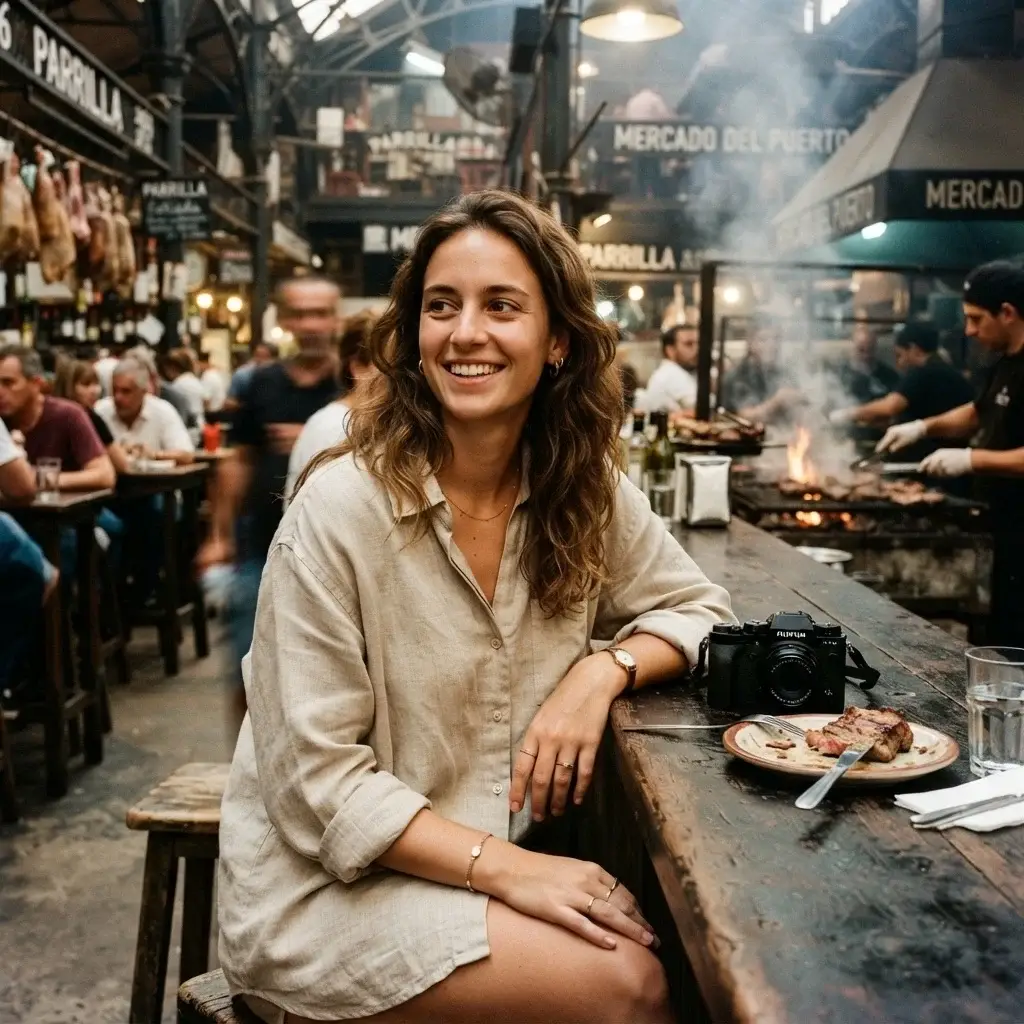
The smell hits you the moment you walk in—woodsmoke and grilling beef. It can be a little overwhelming if you are shy about eating alone, but don’t be. Grab a seat at one of the bar counters. Order an asado (barbecue) and a glass of local Tannat wine. The cooks are usually busy and friendly; if you catch their eye and smile, you will feel right at home.
After lunch, wander toward the port. The architecture here is a mix of faded grandeur and gritty reality. You’ll see old colonial buildings that need a coat of paint standing right next to modern structures. That contrast is Montevideo. It’s not trying to be perfect for Instagram; it’s just being itself.
Day 2: The Rambla – Finding Your Rhythm
If the Old Town is the city’s history, the Rambla is its heartbeat. This is a 22-kilometer-long coastal avenue that stretches along the Rio de la Plata.
Do not try to walk the whole thing in one day. Instead, pick a section. I love starting in the Pocitos neighborhood. The beach there is iconic, with its white sand and beautiful, curved bay. This is where you really see how Montevideanos live. They come here to jog, to walk their dogs, to fish, and most importantly, to drink mate.
You will see people everywhere carrying a thermos under their arm and a mate cup in their hand. It is a ritual, not just a drink. If you are sitting on the sand, watch how they share it. It is communal, a way of connecting.
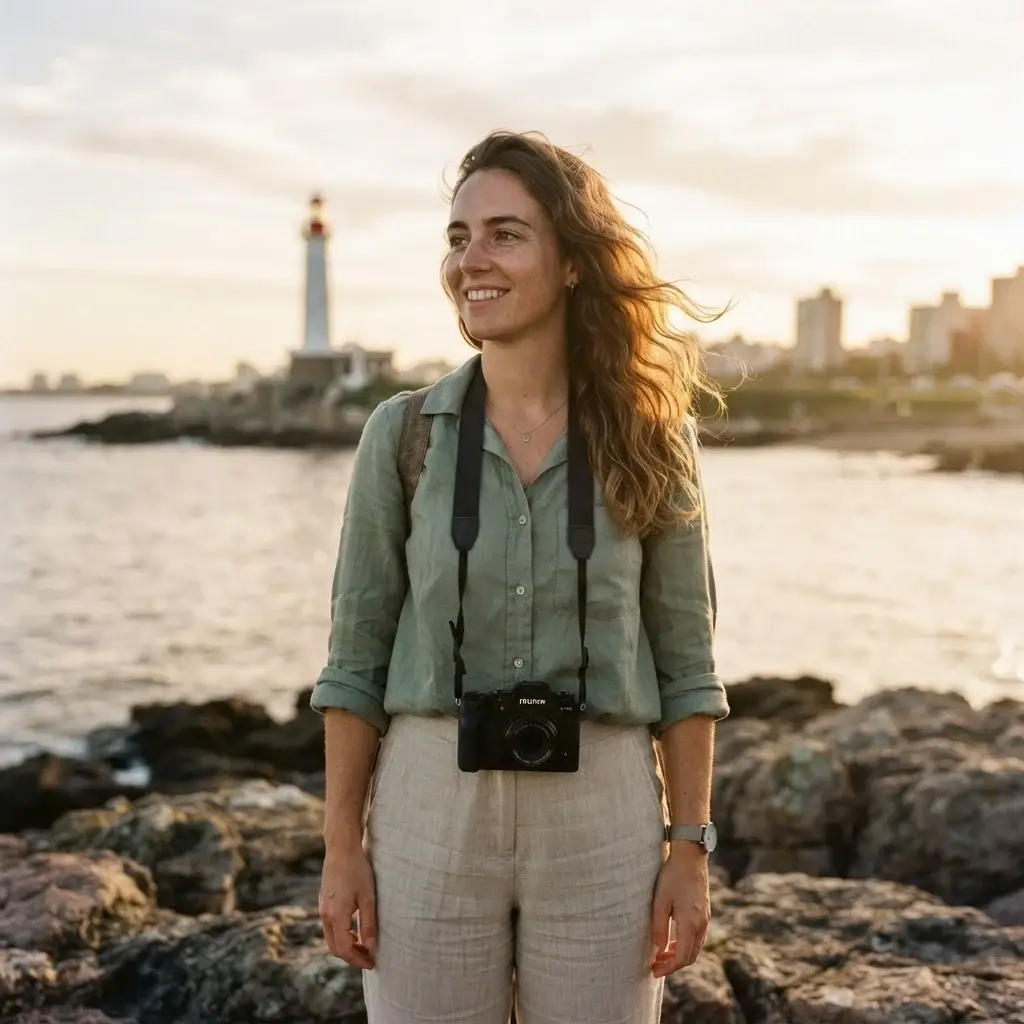
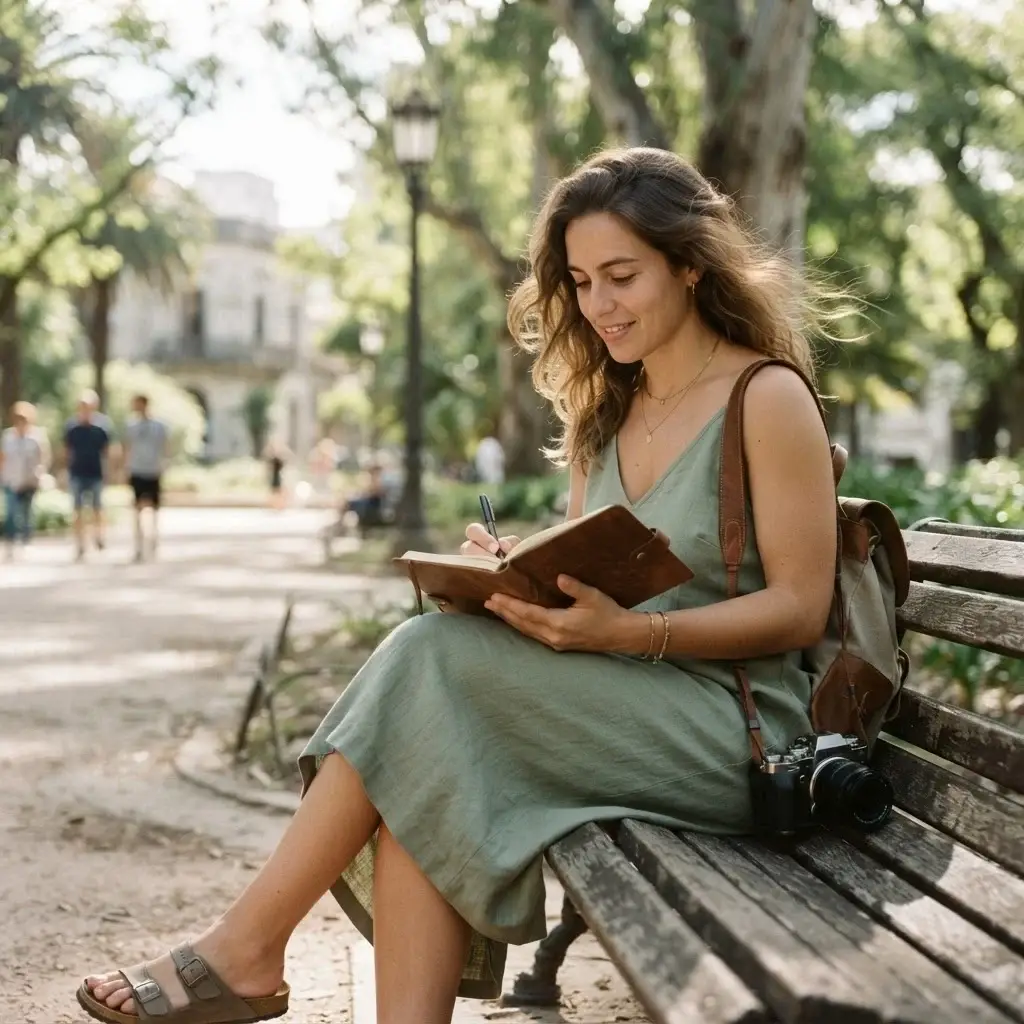
As a solo traveler, this is a great day to rent a bike. Most of the Rambla has a bike lane. Riding along the water with the wind in your hair is one of the most liberating feelings in the world. Cycle from Pocitos toward Punta Carretas. When you get to the lighthouse at Punta Carretas, stop. Lock your bike, walk out onto the rocks, and just watch the water. The Rio de la Plata is so wide here it looks like the ocean. Take a journal. Write down what you see. Use this time to practice being alone without being lonely.
For dinner in this area, try finding a small pizzería. Pizza in Uruguay is different—it’s thick, sometimes served with fainá (a chickpea flour flatbread) on top. It’s cheap, comforting, and perfect for a solo meal.
Day 3: Parks, Culture, and Local Life
By day three, you should start feeling a bit more comfortable navigating the buses or taxis. If you want a good overview of what the city has to offer, you can always check out the Lonely Planet destination page for Montevideo to see if there are any specific art exhibits or local festivals happening during your stay.
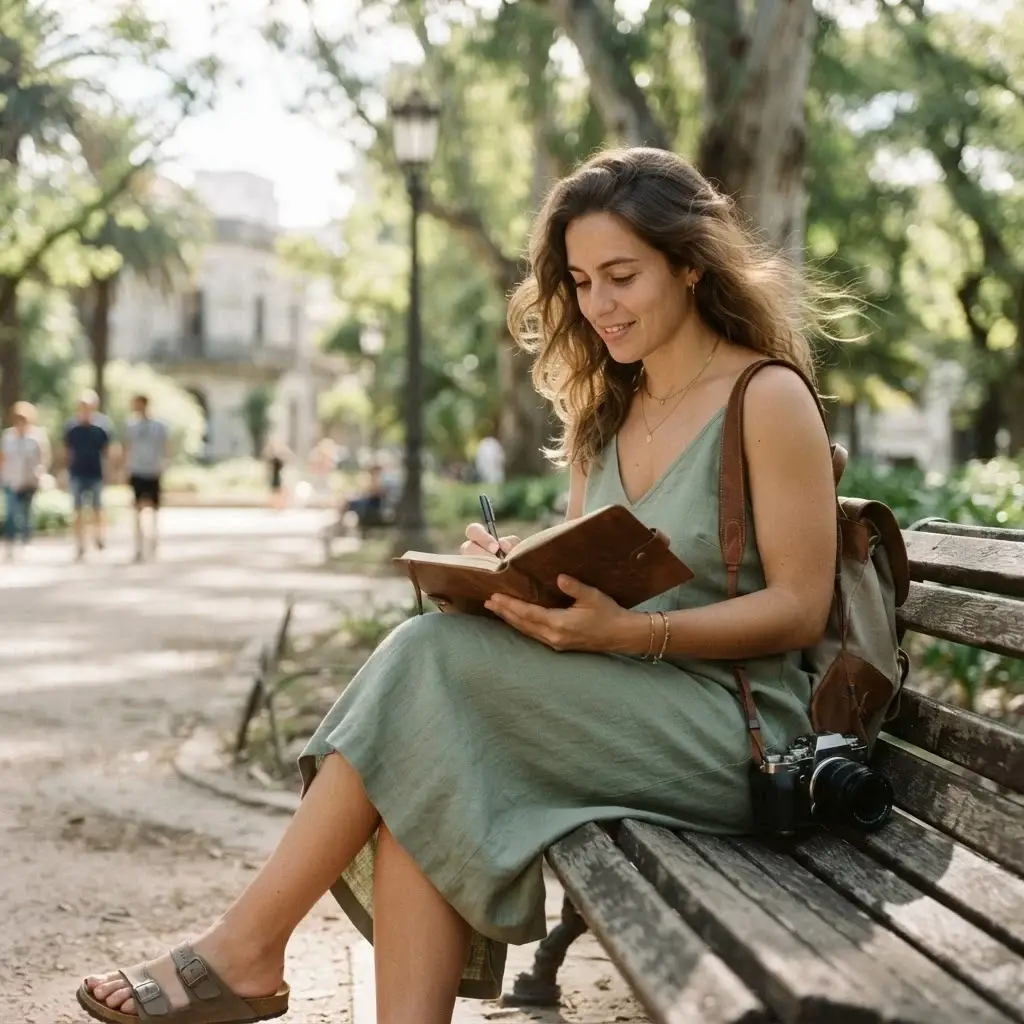
Head to Parque Rodó. This is a massive green space that feels like the city’s living room. It’s where families go on weekends. There is an artificial lake, a small carnival for kids, and lots of trees. It is a fantastic place to just sit on a bench and people-watch.
Right next to the park is the National Museum of Visual Arts (Museo Nacional de Artes Visuales). It is free to enter, which is great for the budget-conscious traveler.
The art here will give you a deeper look into the Uruguayan identity—themes of landscape, solitude, and national history.
In the afternoon, head to the neighborhood of Cordón. This is where the younger, more bohemian crowd hangs out. There are street murals, small cafes, and bookstores. This is the perfect place to grab a coffee and actually talk to someone. If you see a bookstore, go in. Browse the shelves. If you feel bold, ask the shopkeeper for a recommendation for a Uruguayan author. Even if you don’t read Spanish, it’s a great conversation starter and a way to engage with the culture beyond just looking at buildings.
Day 4: Immersion – Tristán Narvaja
If your four days happen to include a Sunday, you absolutely must go to the Tristán Narvaja street market. It is an institution. It goes on for blocks and blocks.
You can find everything here: antique books, old records, tropical fish, fresh fruit, handmade leather goods, and weird trinkets that probably shouldn’t be for sale. It is chaotic, noisy, and completely authentic.
As a solo traveler, I love places like this because no one is looking at me. Everyone is busy looking at the stuff on the tables. It’s a low-pressure environment to practice your Spanish, even if it’s just ordering a fruit juice or asking the price of a souvenir.
If it is not a Sunday, take this day to go deeper into a neighborhood you liked earlier. Maybe go back to the beach in Pocitos and bring a book. Or explore the Prado neighborhood, which is further north and full of beautiful historic mansions and a wonderful botanical garden.
The goal of this fourth day is not to see more things. It is to stop being a “tourist” and start being a “resident.” Buy groceries at a local shop. Walk the same route twice. Notice the change in the light as the sun goes down.
This is when you realize you aren’t just visiting a place—you are experiencing it.
Practical Tips for the Solo Traveler
I know that solo travel can be scary. I have been there. I remember sitting in a hostel common room, too nervous to talk to anyone, wishing I was back at my office desk where I knew everyone. But that fear is exactly what makes the growth happen.
- Safety: Montevideo is generally safe, but like any city, keep your bag in front of you. Don’t flash expensive cameras or jewelry. At night, stick to the main streets where there are other people. If you feel uncomfortable, don’t be afraid to take a taxi or a ride-share instead of walking.
- Getting Around: The bus system is great and very cheap.
- You pay with cash when you board. Don’t be afraid to ask the driver, “Va al centro?” (Does it go to the center?). People are generally helpful.
- Eating Alone: This is the biggest hurdle for many. My trick? I bring a book or a notebook. It gives me a prop. I sit at the bar or a small table. I engage with the staff. Most of the time, the fear of eating alone is all in our heads. No one is watching you, and honestly, eating a good meal in silence is a luxury you rarely get in day-to-day life.
- The Language: You don’t need to be fluent in Spanish, but learning a few phrases goes a long way. “Buen día” (Good morning), “Gracias” (Thank you), and “Por favor” (Please) are the basics. If you try, people will appreciate it.
The Pinverse Perspective
Travel is not about the places you check off your list. It is about who you become when you are in those places. When I was teaching English in Thailand or hiking in China, I wasn’t just seeing new sights. I was learning that I could handle unexpected challenges. I was learning that I was stronger than I thought.
Montevideo might not be the most famous city in the world, but that is exactly why it is perfect for you. It allows you to focus on the quiet work of solo travel: finding your rhythm, trusting your instincts, and realizing that you can be happy, independent, and curious in a place where no one knows your name.
You don’t need a perfect plan. You don’t need to do everything on this list. You just need to show up. Be curious, be kind to yourself, and let the city reveal itself to you in its own time. You are capable of this, and I promise you, the memories you make in those four days—the smell of the rain on the Rambla, the taste of the mate, the feeling of walking down a street that was a total mystery just a few days ago—will stay with you long after you fly home.