
I remember the exact moment I decided to change my life. I was sitting at a grey desk in a grey office in New York, staring at a spreadsheet and wondering if this was really it. I had a decent salary, but I felt trapped. I wanted to see the world, but I thought travel was a luxury reserved for people with trust funds or massive savings accounts.
When I finally quit that job to pursue travel writing, I had almost no money. I was terrified. I thought that “budget travel” meant sleeping in dirty rooms and eating instant noodles on a curb. I was so wrong.
Over the years—from my time teaching English in Thailand to backpacking through Europe—I learned the truth. Budget travel isn’t about deprivation. It is about intelligence. It is about making choices that allow you to stay on the road longer and experience more of the local reality than the average tourist ever will.
You do not need a fortune to see Europe. You just need a different approach. Let’s break down exactly how to do it.
The Mindset Shift: Luxury vs. Authenticity
Before we talk about trains or hostels, we have to talk about what travel actually is. If you go to Paris to take a photo of the Eiffel Tower from an expensive hotel balcony, you are paying for the status of travel, not the experience of it.
I’ve learned that the most profound moments—the ones that change you—rarely happen in five-star lobbies. They happen when you get lost in a neighborhood market, when you strike up a conversation with a shopkeeper, or when you sit in a public square for three hours just watching life unfold.
If you are just starting your research, you might want to look at a comprehensive destination overview to get a sense of what different countries offer, but do not let that list dictate your worth. You define your trip. When you stop trying to “check off” expensive tourist sites and start looking for the heartbeat of a place, your budget instantly stretches further.
Timing Your Trip: The Shoulder Season Strategy
The biggest mistake people make is traveling when everyone else does. If you go to Italy in August or London in July, you are competing with every tourist on earth for limited beds and tables. Prices skyrocket, and the quality of your experience drops because you are surrounded by crowds.
I always travel in the “shoulder season.” This usually means late spring (May to early June) or early autumn (September to October).
- Why it works: The weather is still beautiful—often better than the peak of summer—but accommodation prices drop significantly.

- The culture benefit: You aren’t just seeing the “tourism version” of a city. You see the locals living their real lives because the city isn’t overwhelmed by visitors.
If you can be flexible with your dates, you win. Mid-week travel is also cheaper. Flights on Tuesdays and Wednesdays are almost always less expensive than Friday or Sunday flights.
Accommodation: Beyond the Hotel
If you spend all your money on a hotel room, you have less money to spend on experiences. I learned early on that a room is just a place to sleep. My best memories were made while walking the streets, not sitting on hotel sheets.
Hostels Aren’t Just for Party Kids
When I say hostels, some people think of loud, messy dorms. That isn’t always the case. Many modern hostels are clean, boutique, and centered around community.
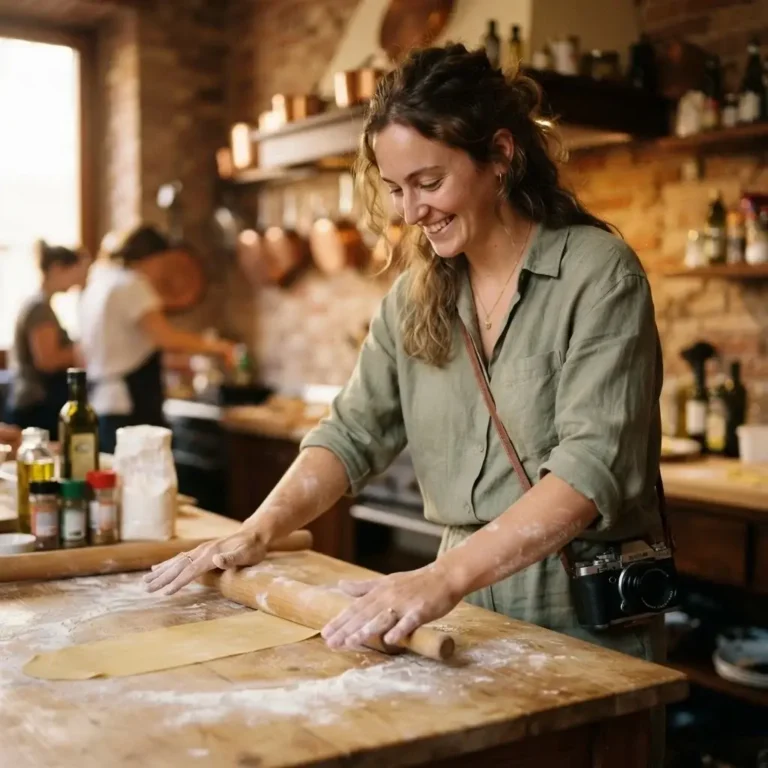
- The Kitchen Benefit: This is my number one budget tip. If you stay in a place with a kitchen, you can cook breakfast and dinner.

- Eating out for every meal is the fastest way to drain your wallet.
- The Social Aspect: You meet other solo travelers. I’ve found some of my best travel partners in hostel common rooms.
House Sitting
When I want to slow down, I look into house sitting. There are platforms where you can stay in someone’s home for free in exchange for watching their house or pets. It gives you a kitchen, a local neighborhood, and a sense of “home” that a hotel never provides. It’s authentic, it’s quiet, and it costs nothing.
Eating Like a Local (And Why It’s Cheaper)
In New York, I worked as a sightseeing guide, and I saw so many tourists pay $30 for a mediocre meal right next to a major landmark. It broke my heart.
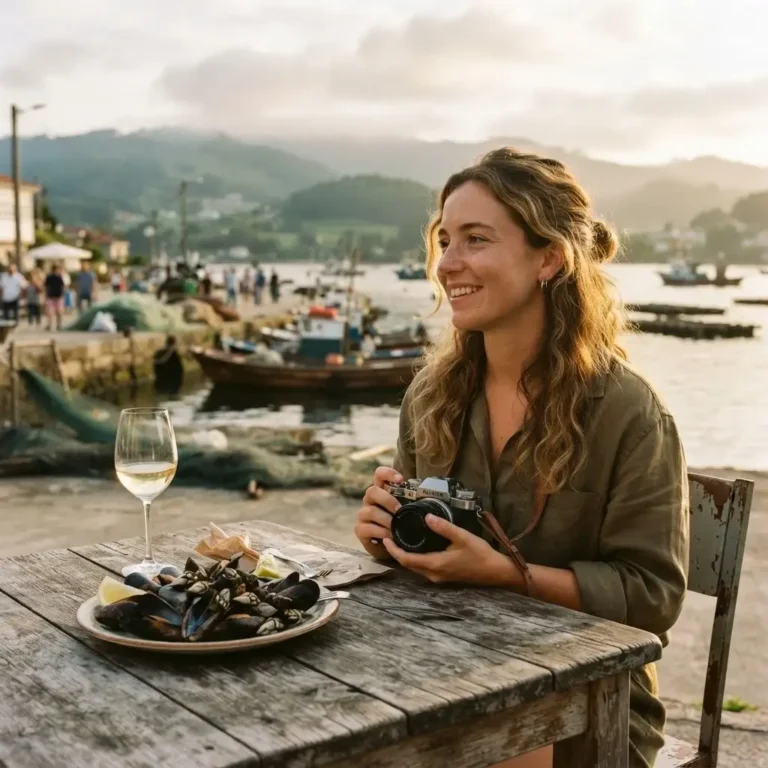
The secret to eating well on a budget is simple: walk three blocks away from the main tourist area. Restaurants right next to famous monuments are almost always designed for people who don’t know any better.

The Picnic Culture
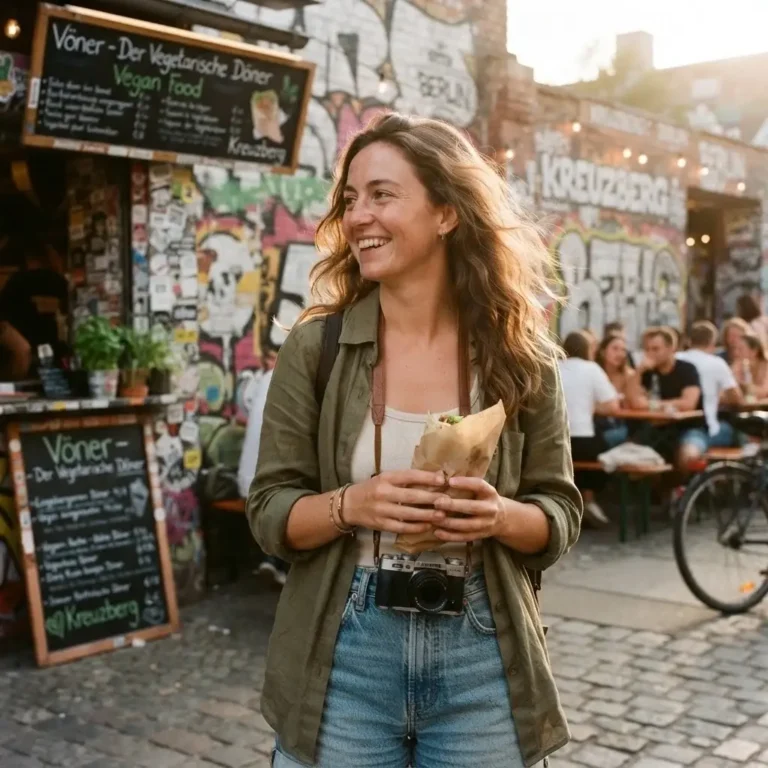
Europe has a beautiful, established culture of “picnics.” Go to a local grocery store or a fresh market. Buy a baguette, some local cheese, a piece of fruit, and a bottle of wine (which is often cheaper than water in places like France or Italy). Find a park, a riverbank, or a quiet bench.

This isn’t “cheap.” This is how the locals spend their afternoons. You get a better meal for five dollars than you would at a tourist trap for forty.
Transportation: Slow Down to Save
High-speed trains are fast, but they are expensive. If you have the luxury of time, take the bus. Companies like FlixBus offer routes all over Europe for a fraction of the cost of a train.
The Romance of the Night Train
I love night trains. You save the cost of a hotel room for one night, and you wake up in a new city. It’s an adventure. It feels like real travel. You aren’t just moving between points; you are covering distance while you dream.
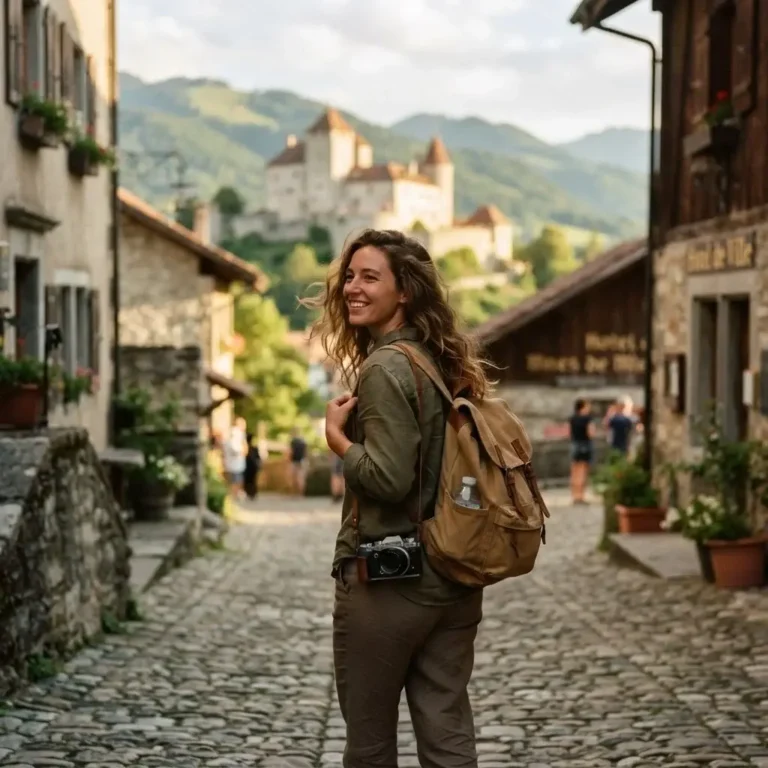
Also, get comfortable with walking. I have walked across entire cities in Europe. You see the street art, the small cafes, and the hidden courtyards that you would completely miss if you were sitting on a tourist bus.

Plus, it’s free.
Cultural Immersion: Finding the Value
You don’t need a guided tour to understand a city. Before I arrive, I read. I look for the history, the stories, and the local customs.
UNESCO Sites
I am a huge fan of visiting UNESCO World Heritage sites. They are the most important historical and natural places on the planet. Many of them are free or have very low entry fees. They offer incredible educational value and a deeper connection to the history of the region.
Walking Tours
If you really want a tour, look for “free” walking tours. These are run by local guides who work for tips. It is a fantastic way to get the lay of the land, learn the history, and ask a local for recommendations on where to eat. Just be sure to tip fairly at the end—usually, five to ten euros is plenty.
The Reality of Safety and Preparation
Budget travel doesn’t mean being careless. In fact, when I travel on a budget, I have to be more careful because I don’t have a safety net of money to solve problems if things go wrong.
Health and Insurance
Before you go, it is vital to know the risks. I always check the destination health advisories on the CDC website. They provide essential information on food safety, water quality, and necessary vaccinations. It might sound boring, but getting sick abroad is expensive and can ruin your trip.
Also, never skip insurance. People think insurance is a luxury, but it is actually a budget tool. If you lose your bags, have a medical emergency, or need a last-minute flight home, insurance covers it. I always look into travel insurance guidance to understand exactly what is covered before I leave. It gives me the peace of mind to explore confidently.
Documentation
Make sure your paperwork is in order. It sounds basic, but I have seen people get turned away at borders because of a small mistake in their travel documents. Always double-check the latest entry requirements on the State Department’s website for every country you plan to visit. It takes ten minutes, and it could save you thousands of dollars.
Managing Your Money
Don’t carry cash, but don’t rely only on credit cards either. Get a bank account that doesn’t charge foreign transaction fees. These fees add up fast. Also, always choose to pay in the “local currency” if an ATM or card reader asks. If you choose your home currency, the machine applies a terrible exchange rate that acts as a hidden fee.
Final Thoughts: The Cost of Waiting
I spent years waiting for the “perfect” amount of money to save. I thought if I saved another five thousand dollars, I would be “safe.” But the truth is, the world is unpredictable. The perfect time to travel is now.
Travel is not about how much you spend. It is about how much you are willing to step out of your comfort zone. It is about the courage to board that bus, the curiosity to try the strange food, and the confidence to navigate a new city alone.
If you are waiting for a sign, this is it. Pack your bag, book the bus ticket, and go. You won’t regret the money you spent, but you will regret the experiences you didn’t have because you were waiting for a bank account that was “big enough.”
The culture, the history, and the growth are all waiting for you. You are more capable than you know. Start small, keep it simple, and enjoy the adventure of being a traveler in the real world.