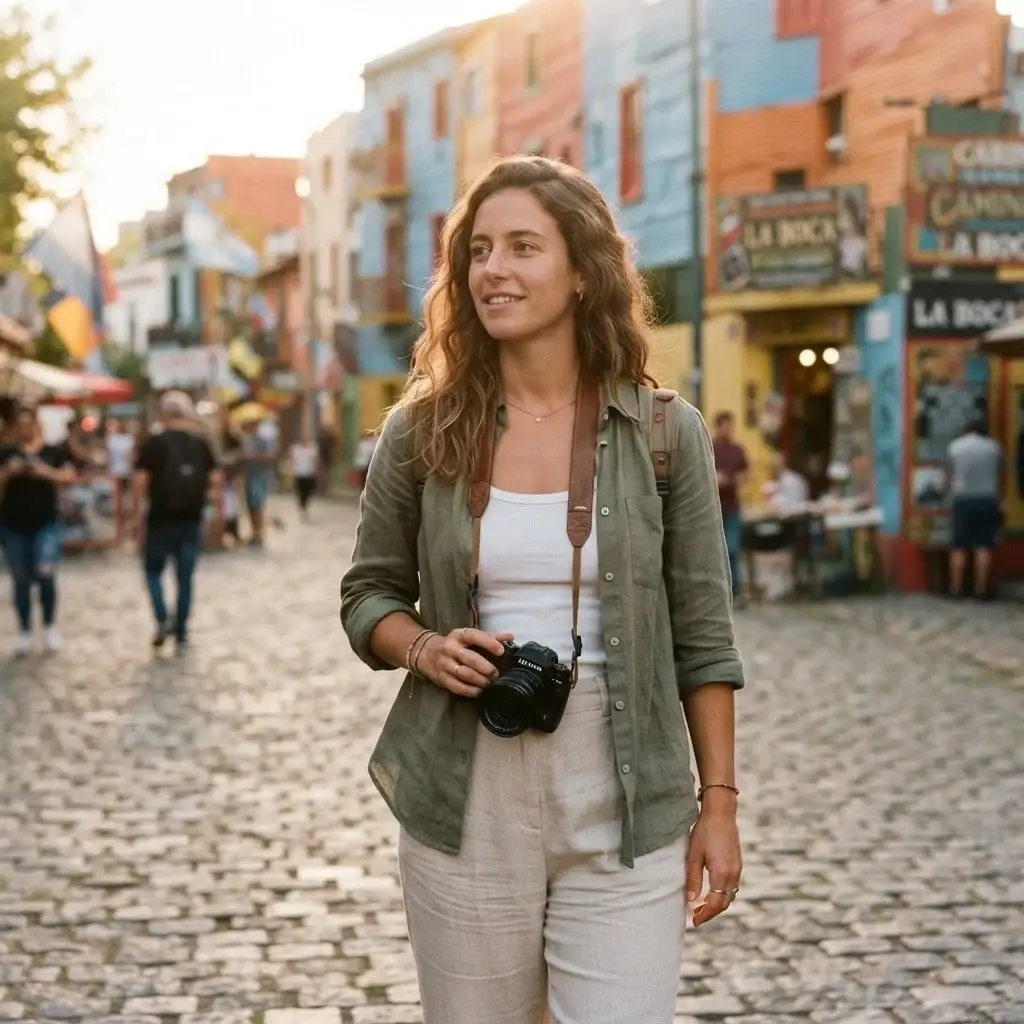
I still remember the exact moment I decided to quit my office job. I was staring at a spreadsheet, counting the days until my measly two weeks of vacation renewed. I wanted to see the world, not just a screen. I started picking up extra waitressing shifts, stashing my tip money in a shoebox, and dreaming of places that felt alive.
Buenos Aires was one of those places.
When you first start planning a trip to the capital of Argentina, it is easy to feel totally overwhelmed. The city is massive. It is loud, proud, and sprawling. You might look at a map and think you need weeks to see it all. But what if you only have a few days? You might worry that you will spend your whole trip rushing from one spot to the next, missing the actual magic of the city.
I promise you, you do not need to stress. You just need a solid plan.
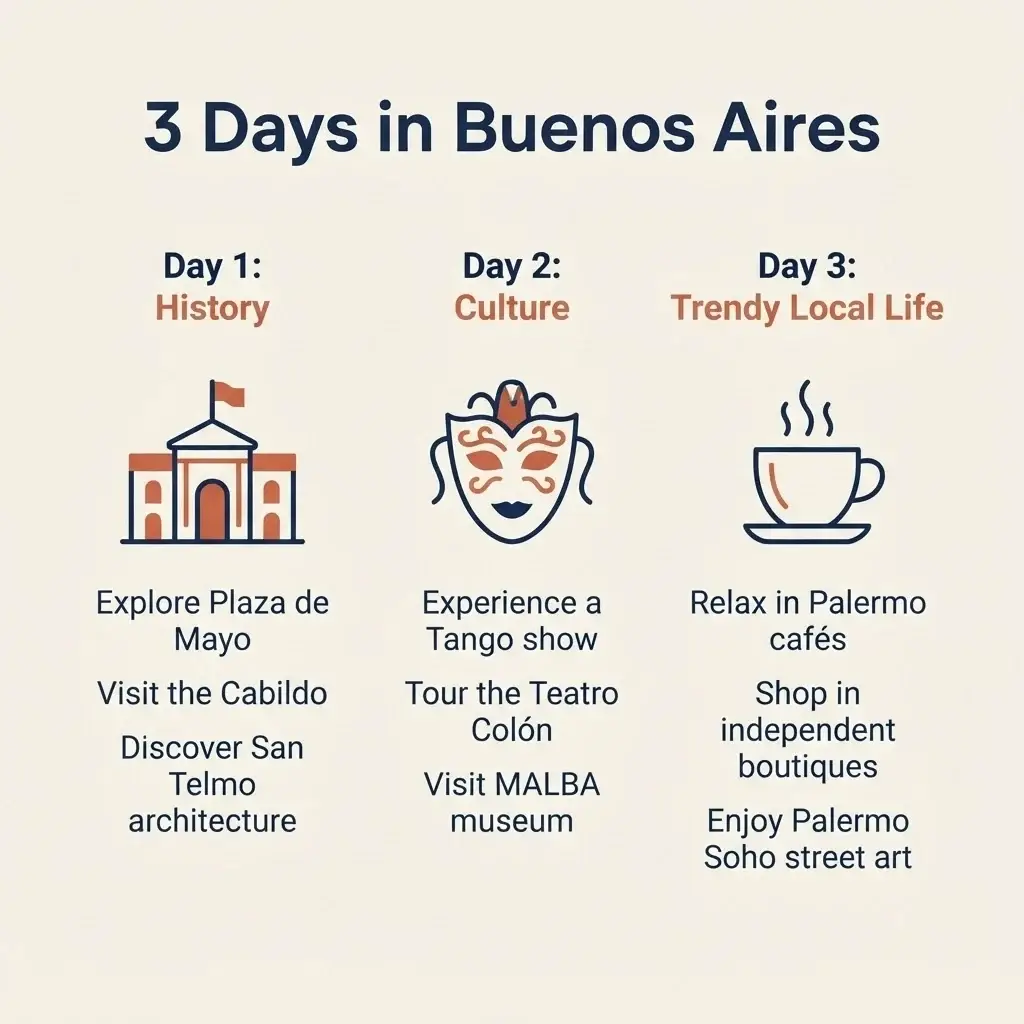
That is exactly why I put together this completely realistic 3-day itinerary for Buenos Aires, Argentina. This is not a crazy, jam-packed bucket list. We are not going to sprint through museums or stress over perfect photo ops. Instead, we are going to embrace slow travel. We will sip coffee on street corners, get slightly lost in beautiful neighborhoods, and eat far too many empanadas.
Let’s break down exactly how to spend your time, how to get around, and what to eat, so you can build your confidence and actually enjoy the adventure.
Important Things to Know Before You Land
Before we get into the day-by-day plan, we need to cover some basic ground rules. Taking care of the boring stuff at home gives you the freedom to be totally carefree once you arrive.
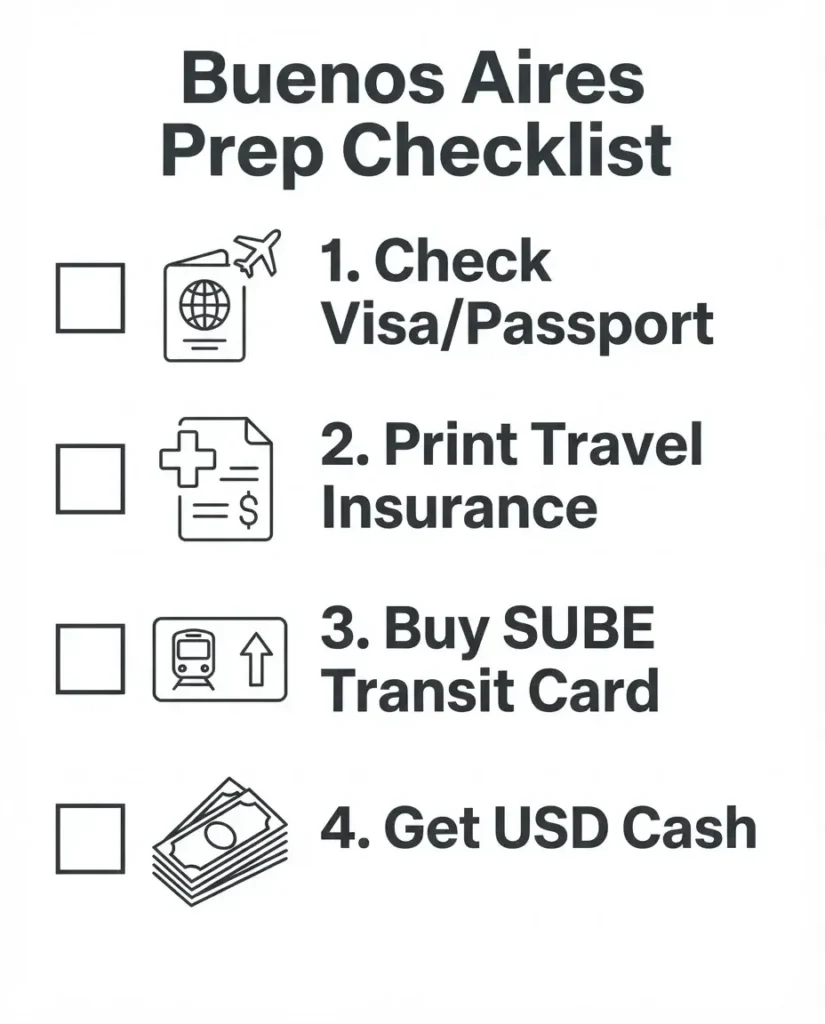
First, let’s talk about getting into the country. Before I even pack my bags, I always check the U.S. Department of State’s official entry requirements to make sure I understand any specific visa rules or safety alerts. Being prepared is the easiest way to build your solo travel confidence.
Next up is your health. You do not want to spend your trip stuck in a hotel room with a bad stomach. I always suggest looking over the CDC health advisories for travelers just to see if you need any routine vaccine updates or specific food safety advice for South America.
Finally, let’s talk money. Argentina has a unique money situation with different exchange rates (often called the official rate and the MEP or “blue” rate). The easiest way to handle this right now is to bring a widely accepted foreign credit card (like Visa or Mastercard). These cards now automatically give you a very good exchange rate, almost equal to the blue rate. You should also bring crisp, clean 100-dollar bills to exchange for cash at local exchange houses (called “cuevas”) for small street purchases. Do not stress over this; it sounds confusing, but it is very easy once you are there.
To get around, you will need a SUBE card. This is the local transit card for buses and the subway (the Subte). You can buy one at kiosks or subway stations. Load it with some cash, and you are ready to navigate like a local.
Day 1: The Heartbeat of the City
On your first day, we are going to dive straight into the history and soul of Buenos Aires. Wear your most comfortable walking shoes. When I used to work as a sightseeing guide in New York City, I learned that the best way to understand a city is by walking its oldest streets.
Morning: Plaza de Mayo and Casa Rosada
Start your morning at Plaza de Mayo. This is the main public square in the city, and it is surrounded by massive, beautiful buildings. The most famous one is the Casa Rosada (the Pink House). This is where the president’s offices are, and yes, the building is actually bright pink.
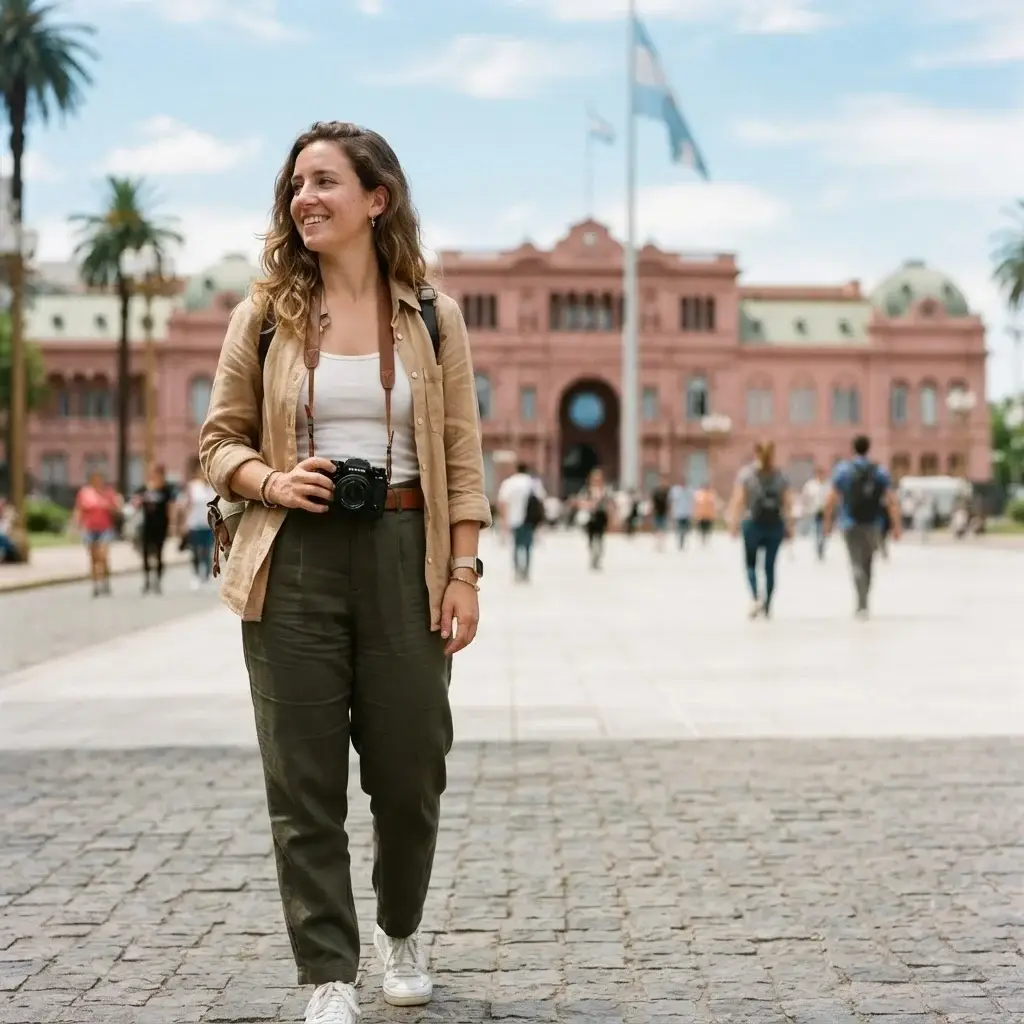
Take your time walking around the square. Notice the palm trees and the historical statues. This plaza has been the center of almost every major political event in Argentina’s history. You do not need a fancy tour guide to feel the energy here. Just sit on a bench, watch the locals walking to work, and soak it all in.
Navigation tip: You can take the Subte (Subway Line A) directly to the Plaza de Mayo station. The trains are old, beautiful, and very easy to use with your SUBE card.
Lunch: Authentic Empanadas
By noon, you will probably be hungry. It is time for your first real Argentine meal: empanadas. Do not sit down at a fancy restaurant today. Find a small, local bakery or a casual corner spot. You want the places with a line of locals out the door.
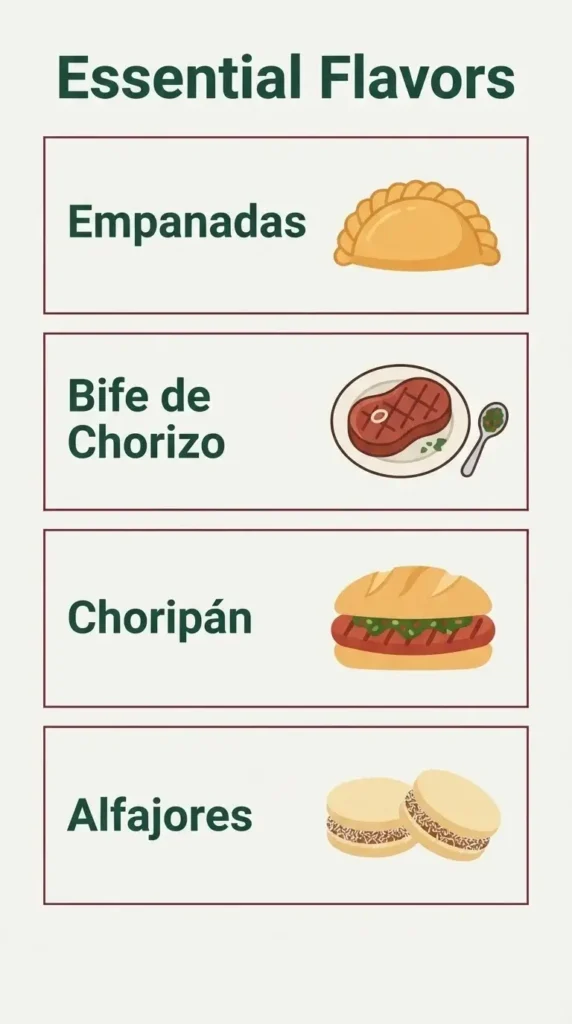
Order at least three. Get one beef (carne), one ham and cheese (jamón y queso), and one sweet corn (humita). They are cheap, filling, and incredibly delicious. Grab a napkin, because the good ones are super juicy.
Afternoon: Cobblestones and Antiques in San Telmo
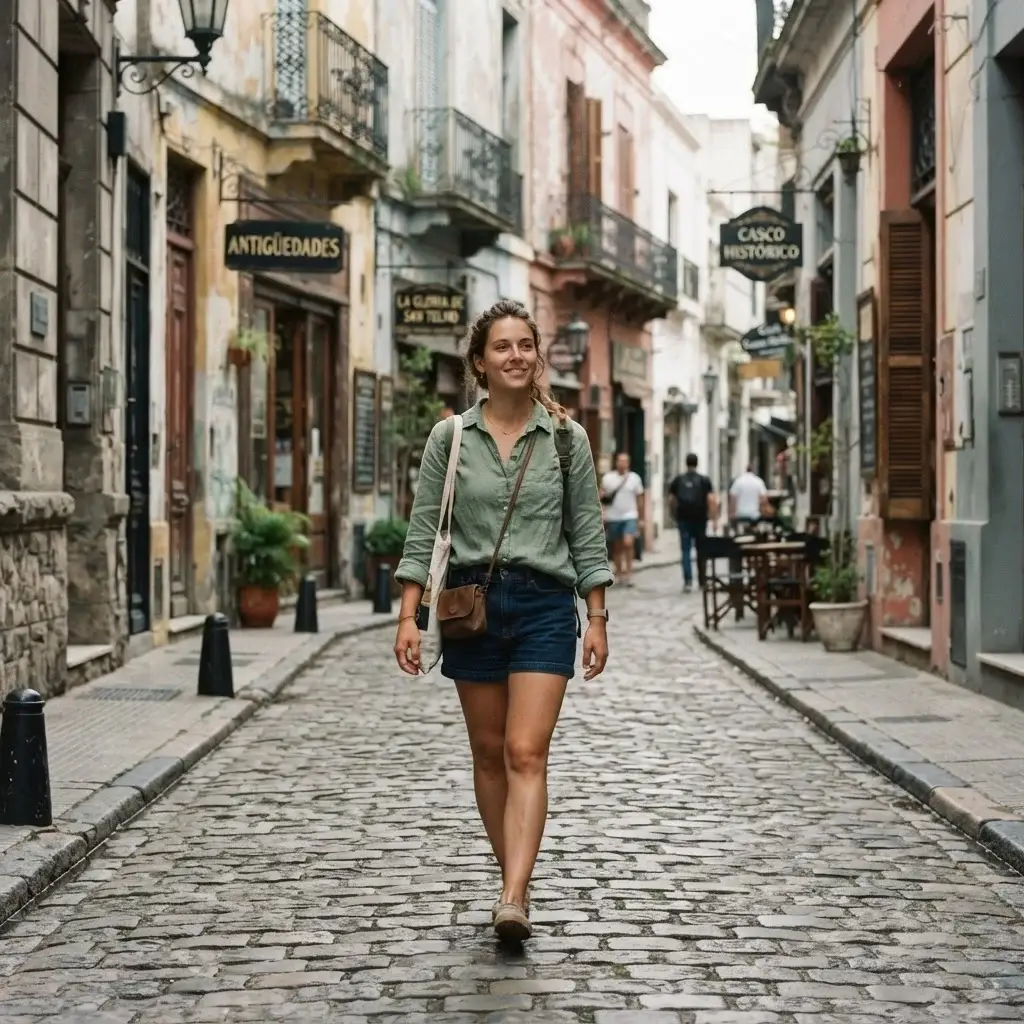
After lunch, start walking south from Plaza de Mayo until you reach the San Telmo neighborhood. This is the oldest part of Buenos Aires. The streets turn into cobblestones, and the buildings look like they belong in an old movie.
San Telmo is famous for its antique shops and street art. If you are here on a Sunday, the streets explode with a massive open-air market called the Feria de San Telmo. But even on a weekday, it is magical. Wander down Calle Defensa. Do not worry about a map. Getting a little turned around in San Telmo is part of the fun.
If you want a deeper look into the history of the area before you wander, you can always read the Lonely Planet guide to Buenos Aires to get a feel for how this neighborhood shaped the city’s culture.
Evening: A Classic Parilla Dinner
For dinner, we are going to a “parilla” (a traditional Argentine steakhouse). Vegetarians, do not worry—you can order incredible grilled cheeses (provoleta) and salads. But if you eat meat, you must order a steak.
Ask for a “bife de chorizo” (sirloin) or “ojo de bife” (ribeye). Pair it with a glass of local Malbec wine. Remember that people in Buenos Aires eat late. Do not show up for dinner at 6:00 PM; the restaurants will be empty or closed. Plan to eat around 8:30 PM or 9:00 PM. Eat slowly. Chat with the waiter. Enjoy the fact that you are finally here.
Day 2: Colors, Culture, and Quiet Spaces
Today is all about contrasts. We are going to see the brightest, most colorful street in the city, and then we are going to spend the afternoon in a very quiet, beautiful cemetery. It sounds strange, but it is the perfect balance.
Morning: The Bright Walls of La Boca
Wake up early and take a taxi or a rideshare app down to La Boca. This is a working-class neighborhood near the old port. Back in the day, immigrants used leftover boat paint to paint their houses, resulting in a wild mix of bright blues, reds, and yellows.
You are heading specifically to a street called Caminito. It is an outdoor museum of colorful houses, street art, and tango dancers.
Solo Travel Safety Tip: Caminito is very safe during the day because there are tourist police everywhere. However, do not wander far outside the main tourist streets in La Boca. Stick to the bright areas, take your photos, enjoy the music, and then head to your next spot. Solo travel is about being adventurous, but also being smart. If anything unexpected does happen, it helps to know you are protected. I always travel with a safety net, and checking World Nomads for travel insurance guidance is a great way to ensure your trip stays stress-free.
Lunch: Choripán on the Go
While you are near La Boca, you have to eat a choripán. This is the ultimate Argentine street food. It is a thick, juicy sausage (chorizo) split down the middle and served on crusty bread (pan).
The secret is the sauce. You must cover your choripán in chimichurri (a mix of parsley, garlic, oregano, and oil). Eat it standing up on the street. It is messy, greasy, and absolutely perfect.
Afternoon: The Elegance of Recoleta
From the bright, loud streets of La Boca, we are moving to the quiet, wealthy neighborhood of Recoleta. Take a taxi; it is the easiest way to cross the city quickly.
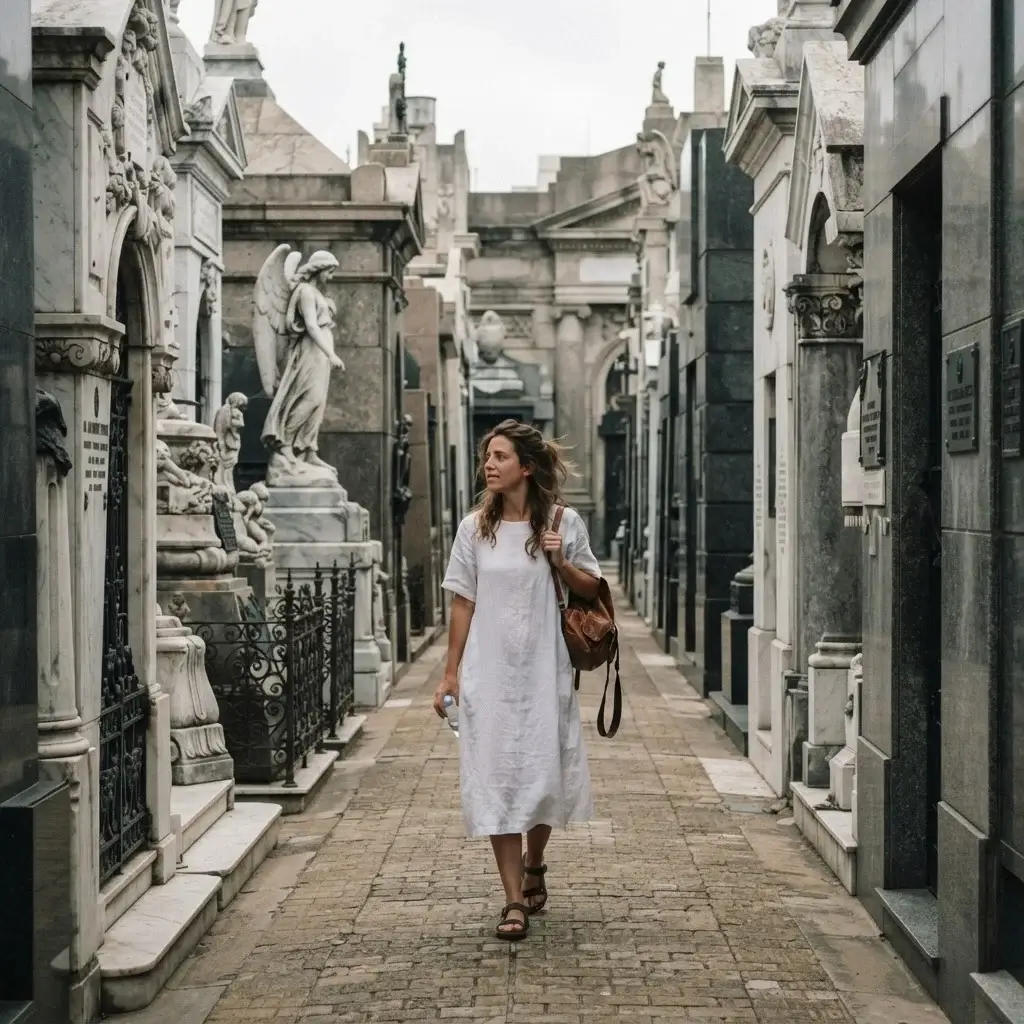
Your main stop here is the Recoleta Cemetery. I know visiting a cemetery sounds dark, but this place is a work of art. It is basically a mini-city of giant, beautiful marble tombs and statues. The most famous person buried here is Eva Perón (Evita).
Take an hour just to walk the narrow paths between the tombs. Notice the details on the stone doors. It is quiet, peaceful, and a great place to reflect.
Evening: Spontaneous Tango
You cannot leave Buenos Aires without seeing tango. You have two choices tonight. You can book a fancy, sit-down dinner show with professional dancers. Or, you can find a “milonga.”
A milonga is a local dance hall where normal people go to dance tango. It is not a show; it is real life. You can just sit at a table in the back, order a beer, and watch locals of all ages dancing closely to old music. It is incredibly romantic and deeply authentic. I always choose the milonga.
Day 3: Trendy Vibes and Green Parks
On your final day, we are going to slow things down. We have done the heavy history and the big sights. Today is about living like a local in the trendiest part of the city.
Morning: Coffee and Medialunas in Palermo
Start your day in the neighborhood of Palermo. This area is huge, but you want to focus on “Palermo Soho.” This is the Brooklyn of Buenos Aires. It is filled with boutique shops, street art, and amazing cafes.
Find a corner cafe with outdoor seating. You are going to order a “café con leche” (coffee with milk) and three “medialunas.” Medialunas are small, sweet croissants. They are sticky, soft, and melt in your mouth.
Sit outside for at least an hour. Watch the dogs walk by. Write in your journal.
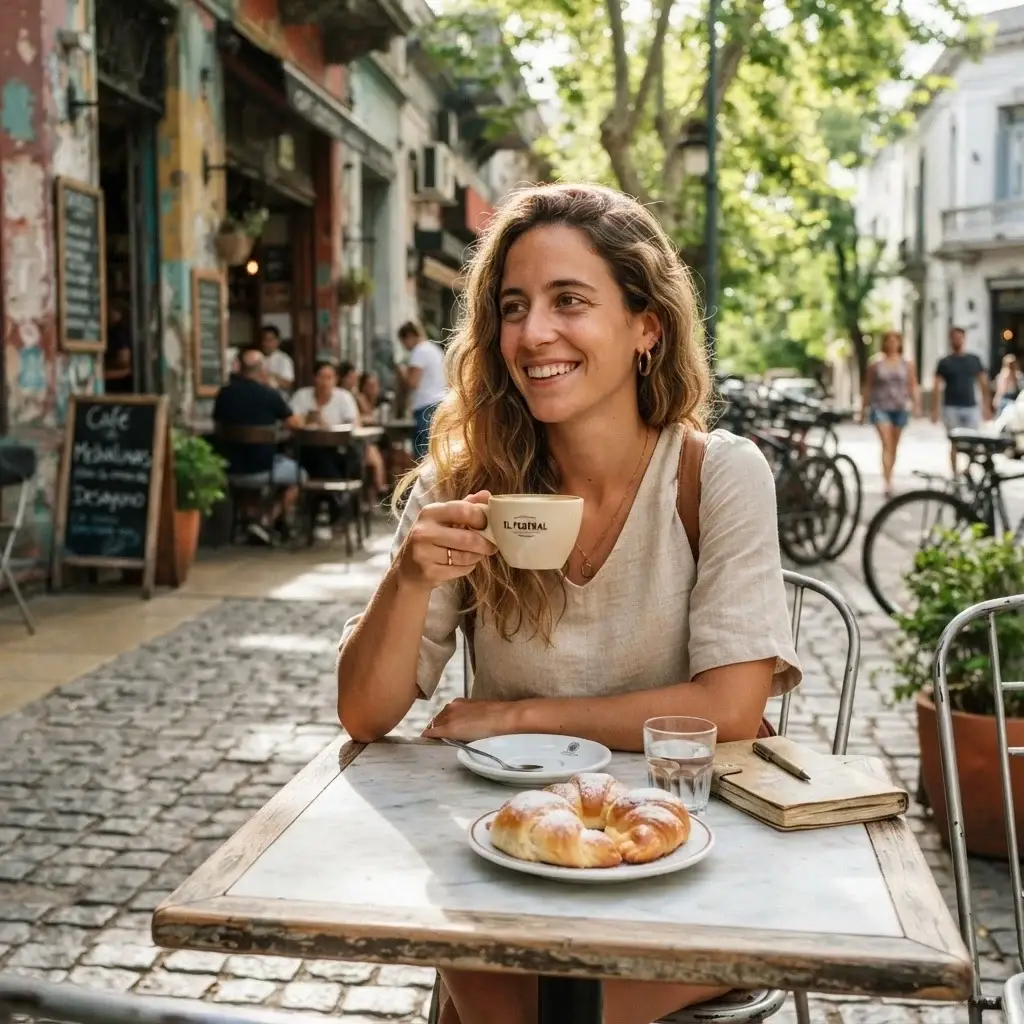
When I finally left my corporate job, sitting in a cafe on a Tuesday morning with nowhere to rush to was the greatest feeling in the world. Soak that feeling in.
Lunch: Alfajores and Slow Cafe Culture
Keep exploring the shops in Palermo. For a light lunch or a heavy snack, you need to try an alfajor. This is a traditional cookie sandwich filled with dulce de leche (thick caramel) and usually covered in chocolate.
Stop at a bakery, grab an alfajor, and maybe a small sandwich. There is no need for a heavy, formal lunch today.
Afternoon: Bosques de Palermo
In the late afternoon, walk over to the Bosques de Palermo (the Palermo Woods). This is a massive park system in the middle of the city. It feels like Central Park in New York.
Walk through the Rosedal (the Rose Garden). There are thousands of roses, a beautiful lake, and white bridges. It is the perfect place to sit on the grass and rest your feet. Take this time to reflect on your trip. Think about the fears you had before you got on the plane, and look at how well you handled everything. You navigated a foreign city, tried new foods, and built your own confidence.
Evening: Final Reflections and Farewells
For your last night, stay in Palermo. The neighborhood comes alive at night. The streets fill with young people, the bars open their doors, and the restaurants light up.
Find a casual spot serving pizza or empanadas. Yes, Argentine pizza is a real thing, and it is very unique. It has a thick crust and an absolute mountain of cheese on top.
Raise a glass of local beer or wine to yourself. You did it. You followed a realistic 3-day itinerary for Buenos Aires, Argentina, and you made it your own. You didn’t just check things off a list; you actually experienced the city.
Travel is not about being perfect. It is about showing up, trying your best, and learning along the way. Have a safe flight home, and never stop exploring.