
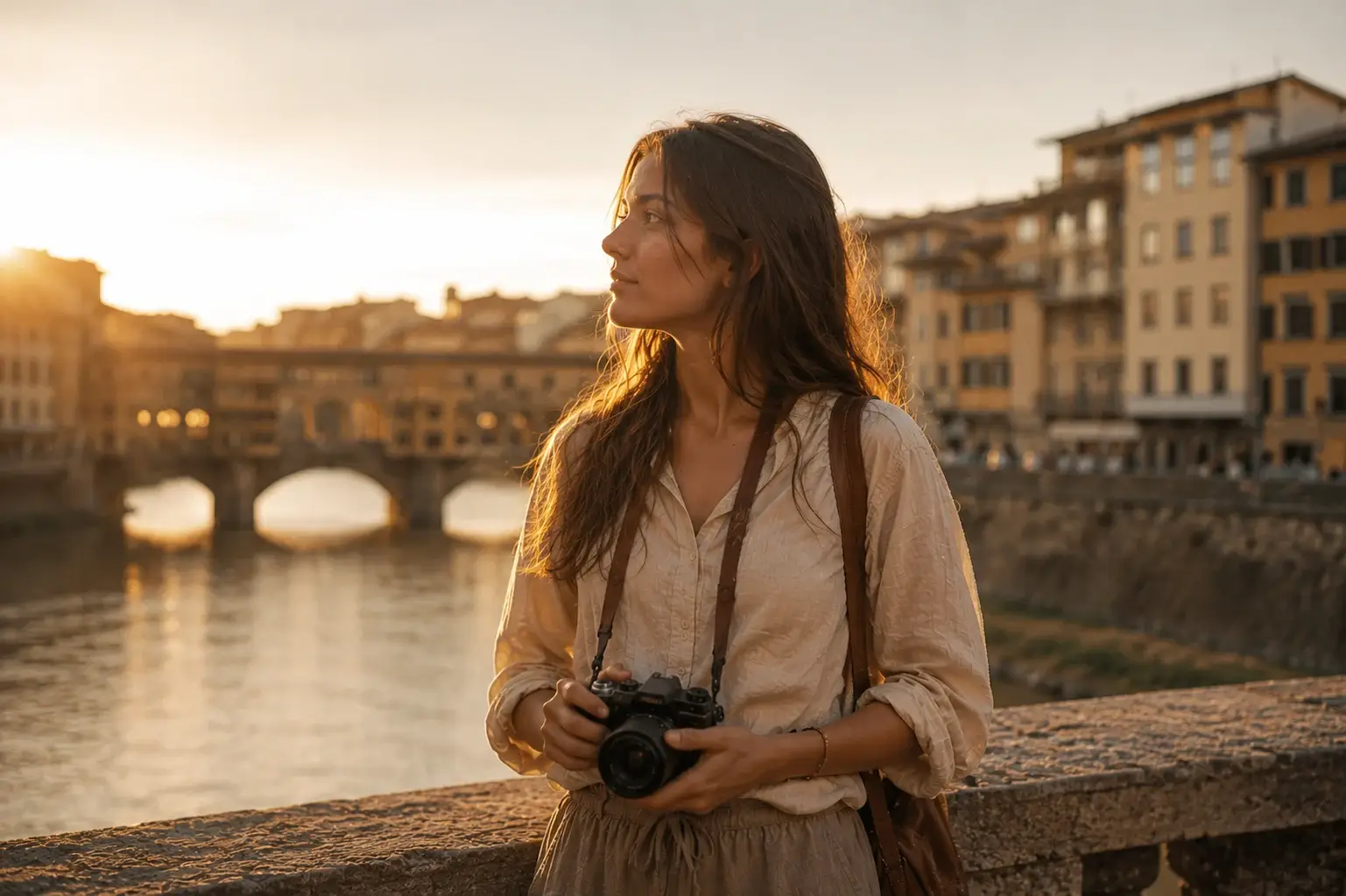
When I first started traveling solo, the thought of landing in a massive, sprawling city like Shanghai or Rome left me dizzy. I spent hours staring at maps, terrified that if I didn’t plan every single minute, I would get lost, miss the “best” parts, or somehow end up sitting in my hotel room feeling lonely and defeated. Back then, I thought a “perfect” itinerary meant a packed spreadsheet with timestamps. I was wrong.
I spent years learning the hard way, eventually working as a professional sightseeing guide in New York City, where I saw thousands of visitors get paralyzed by their own rigid schedules. I’ve realized that planning isn’t about control; it’s about creating a safety net that gives you the courage to wander. When you have a solid plan, you have the confidence to take risks. If you are ready to stop waiting for the “perfect moment” and start creating your own adventure, here is my deep-dive guide on how to plan the perfect city itinerary that helps you grow.
Understanding the “Freedom-Structure” Balance
Many people approach travel planning like a high-stakes business project. They want to see every museum, eat at every top-rated cafe, and cross off every landmark before their flight home. The result? They come back more exhausted than when they left.
The key to a perfect itinerary is balance. You need enough structure to feel safe and guided, but enough “white space” to let the city surprise you. When I was teaching English in Thailand, I learned that the most beautiful moments—the ones that actually changed my perspective—were never on my original list. They were the afternoons I spent drinking tea with a local shopkeeper or getting lost in a side alley that turned out to be a local food market.
To build your own confidence, start by choosing one “anchor” activity per day. That’s it. Whether it is a visit to a famous cathedral or a walking tour of a historic neighborhood, one solid plan gives you a purpose. The rest of your day should be left open. This isn’t laziness; it is strategic flexibility. It prevents burnout and ensures that you aren’t just a spectator of a city, but an active participant.
Safety and Research: The Foundation of Confidence
You cannot be bold if you are constantly worried about basic logistics. The most confident travelers I know are also the best prepared. Before you even look at flight prices, take a moment to understand the reality of where you are going.
It is vital to check the latest travel requirements and health guidelines well before you pack your bags. Whenever I am heading to a new region, I always take a look at the official entry requirements and safety ratings provided by the US Department of State to get a clear, unbiased picture of the local environment. This isn’t about fear; it’s about knowing what to expect.
Similarly, if you are planning to travel to areas where specific health precautions are needed, you should always check the latest destination-specific health advisories at the CDC Travelers’ Health website to ensure you are up to date on any necessary vaccinations or food safety advice. When you know you’ve done your homework, that background anxiety melts away. You aren’t just “winging it”; you are traveling with a foundation of knowledge that makes you feel unstoppable.
Mapping Your Days: The “Anchor and Orbit” Method
When I’m in a city, I use the “Anchor and Orbit” method. An anchor is your one must-do experience for the day. It’s the thing you are most excited about. Maybe it is the Colosseum or a specific art museum.
Once your anchor is set, you look at the “orbit.” These are the smaller, quieter spots nearby that don’t require tickets or long waits. If you are going to a major site that is a UNESCO World Heritage location, it is worth browsing the official site details to understand the history behind the site, which makes your visit feel much more personal and meaningful.
Don’t try to visit two sites on opposite sides of a city in one day. That is how you end up spending four hours in a taxi or on a crowded bus. Instead, pick a neighborhood and explore its depth. If you are in Bangkok, don’t try to hit the Grand Palace and then rush across town for an evening market. Stay in the Old City. Visit the temples in the morning, grab some street food for lunch, and then spend your afternoon walking through the smaller, lesser-known side streets. For those navigating cities in Southeast Asia, learning how to use the Grab app for safe, reliable transport can be a total game-changer, giving you the confidence to zip around without worrying about negotiating fares or getting lost.
Navigating Local Culture and Etiquette
One of the biggest sources of travel anxiety is the fear of being “that tourist”—the one who accidentally offends someone or breaks a cultural rule. But here is the secret: locals usually appreciate it when you try to learn their customs, even if you are not perfect.
If you are planning a trip to a country with a rich, unique heritage like Thailand, it helps to study the official cultural etiquette and festival guides on the Tourism Authority of Thailand website to understand the nuances of how to act in temples or interact with locals. This simple bit of research will make you feel like you are walking through the city with an insider’s secret.
Confidence comes from respect. When you know that you are acting respectfully, you don’t feel like an outsider anymore. You feel like a guest. And when you are a guest, people open up. They are more likely to recommend that hole-in-the-wall noodle shop or tell you about a local music venue that isn’t in any of the guidebooks.
Food as an Itinerary Component
I never plan a perfect city itinerary without planning my meals. Food is the fastest way to understand a new culture. But please, step away from the tourist traps near the major landmarks. Those restaurants are designed to feed people who don’t know any better.
My rule is simple: walk three blocks away from the main attraction. If you see a place filled with locals, wait in line. If you are stuck on where to start, looking at comprehensive destination overviews on Lonely Planet can give you a great sense of the regional culinary specialties you should be on the lookout for.
Try to make one meal a day an “adventure.” If you are in a city where you don’t speak the language, just point to what the person next to you is eating. I’ve had some of the best meals of my life by doing exactly that. It might feel a little scary the first time, but that’s the point. That little spark of nerves is actually your confidence growing.
Budgeting for the Unexpected
There is nothing that ruins a city itinerary faster than a budget that is too tight to allow for a mistake. If your plan hinges on taking the cheapest, most unreliable bus across town and it breaks down, your whole day is gone.
Build a “buffer” into your budget. If you want to take a taxi because you are tired or it is raining, you should be able to do it without guilt. I remember when I was working as a waitress to save for my first big solo trip; I was so obsessed with counting every penny that I missed out on some amazing experiences because I was too afraid to spend a little extra.
Protect your trip with good travel insurance advice from World Nomads to understand your coverage options before you go. Having that peace of mind means that if you get sick or have a travel mishap, it’s a minor inconvenience, not a trip-ending disaster. When you know you are covered, you can stop focusing on what could go wrong and start focusing on what could go right.
Why Your First “Perfect” Itinerary Will Never Be Perfect
Here is the truth: your itinerary is a living document. It will change. You will arrive in a city and realize that you hate the museum you thought you’d love, or you will find a park bench and decide to sit there for three hours just to watch the world go by.
That is not a failure. That is the point.
The goal of learning how to plan the perfect city itinerary is not to create a rigid set of instructions. It is to create a sense of capability. When you know you have the tools to navigate a city, read a map, find a safe place to eat, and understand the local vibe, you stop being a tourist and start being a traveler.
Take a deep breath. Pick one anchor. Do your research. And then, for heaven’s sake, be brave enough to deviate from the plan if the day asks you to. You are out there to see the world, but more importantly, you are out there to see what you are truly capable of.



