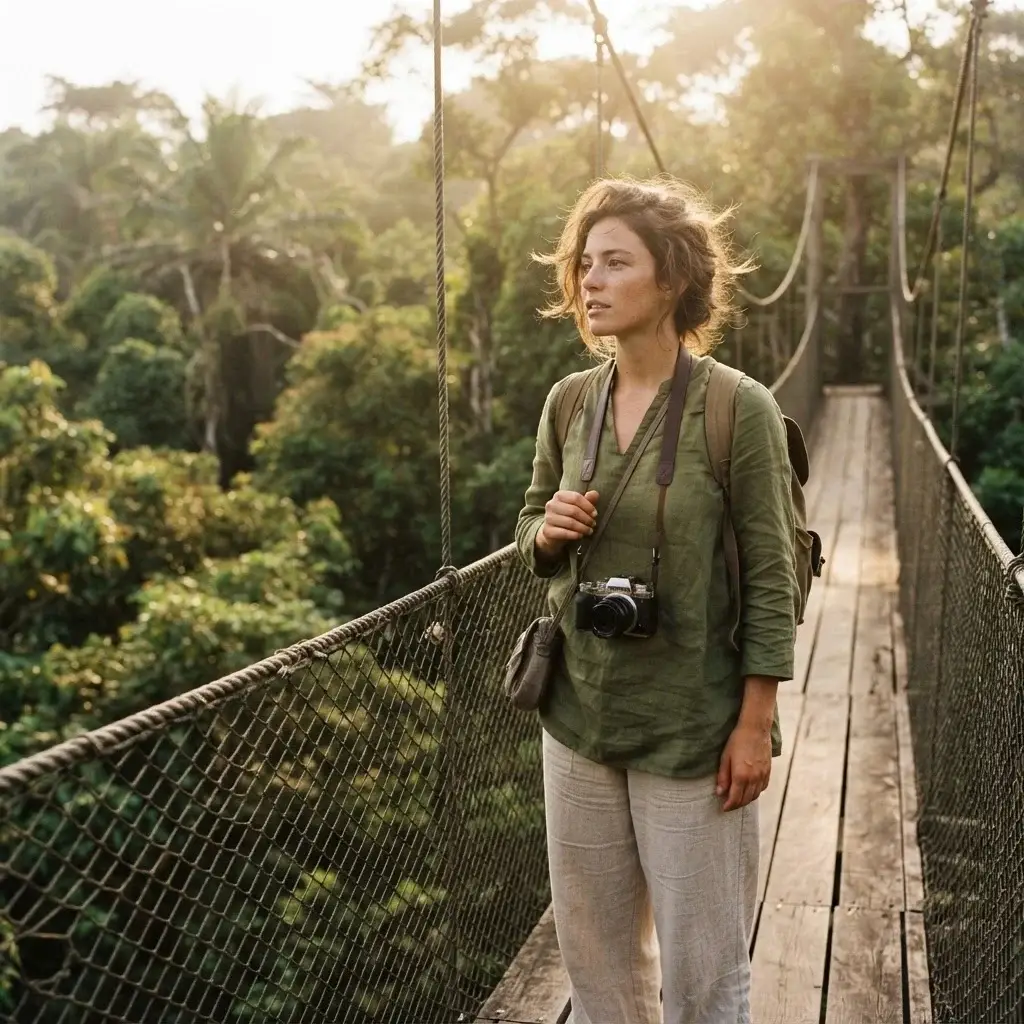
When I was hustling as a New York sightseeing guide, I thought I knew what a chaotic, high-energy city felt like. I spent my days herding distracted tourists through the neon glare of Times Square, entirely convinced that nowhere on earth could match the sheer volume of human motion. Then I stepped off a plane at Murtala Muhammed International Airport into the thick, electric humidity of Lagos. My previous definition of “busy” was instantly rewritten.
I remember folding my apron after a brutal double shift waitressing back home, stuffing my hard-earned cash into a jar labeled “Freedom Fund,” and dreaming of places that would push me far beyond my comfortable, predictable reality. Leaving the 9-to-5 corporate grind behind was the most terrifying decision of my life, but it led me to a profound realization: the world simply does not reward hesitation. If you want to experience the vibrant, unrelenting pulse of West Africa, you cannot wait for the perfect moment. You simply have to go.
Lagos is a city that demands your full attention. It is loud, unapologetic, and fiercely entrepreneurial. It is also deeply welcoming, historically rich, and incredibly rewarding for anyone willing to embrace its unique rhythm. If you are trying to figure out the best places to visit in Lagos, Nigeria in 3 days, you might be staring at a map feeling a sudden wave of anxiety. That is completely normal. I felt the exact same way before my boots hit the ground.
Today, I am going to walk you through exactly how to structure an unforgettable solo adventure. We are going to bypass the generic tourist advice and dive directly into the cultural heart of the city. You will learn how to navigate the notorious traffic, what to eat when the roadside food stalls fire up their grills, and how to stay safe while wandering through one of the most dynamic mega-cities on the African continent.
Stepping Out of the Corporate Grind and Into Lagos
Many people ask me why I chose a complex West African metropolis as a solo travel destination. The truth is, my soul craved intense friction. After years of sitting in a climate-controlled cubicle answering mundane emails, I wanted to shatter my own preconceived notions of how the world operates. I wanted a destination that could not be easily summarized on a glossy, highly edited postcard.
When I was teaching English abroad, relying on resources like the official Tourism Authority of Thailand destination guides taught me how crucial it is to understand local etiquette before you arrive in a drastically different culture, a lesson I carried directly into West Africa. Adapting to new social norms in Asia prepared me for the direct, highly spirited communication style of Nigerians. The people here do not sugarcoat their words, and once you adapt to that raw honesty, you realize it is rooted in genuine warmth.
Lagos operates on its own specific frequency. Geographically and culturally, the city is split roughly into two main sections: the Mainland and the Islands (primarily Victoria Island, Ikoyi, and Lekki). The Islands represent the affluent, commercial hub filled with high-rise luxury hotels, upscale oceanfront restaurants, and massive gated communities. The Mainland is the historic, densely populated heart of the city where everyday life unfolds in a vibrant blur of yellow buses, sprawling markets, and lively street corners. To truly understand this mega-city, your itinerary must deliberately bridge the gap between these two very different worlds.
Why Lagos is the Ultimate Test for Solo Travel Confidence
There is a specific, unshakable kind of confidence that comes from successfully navigating a place that initially intimidates you. Lagos will test your patience, especially when you find yourself sitting dead still in the notorious “go-slow” traffic jams on the Third Mainland Bridge while motorcycles weave perilously between cars. But it will also reward you with moments of profound human connection.
While I love wandering without a strict agenda, reading through the Lonely Planet overview of Nigeria helped me understand the stark contrasts between the affluent island districts and the energetic mainland neighborhoods before I ever booked my flight. That foundational knowledge is the primary difference between feeling completely overwhelmed by your surroundings and feeling equipped to handle the unexpected.
Solo travel here means you will be approached. Nigerians are exceptionally social, outgoing, and curious. People will ask you where you are from, why you are traveling alone without family, and what you honestly think of their country. As a solo female traveler, maintaining a polite but firm boundary is essential, but leaning into these spontaneous conversations is where the absolute magic happens. You will quickly discover that the intimidating, chaotic exterior of the city hides a remarkably hospitable culture.
Essential Pre-Trip Planning for Nigeria
You cannot simply book a flight to Lagos on a whim and figure out the details when you land. This is a destination that requires meticulous, unglamorous logistical preparation.
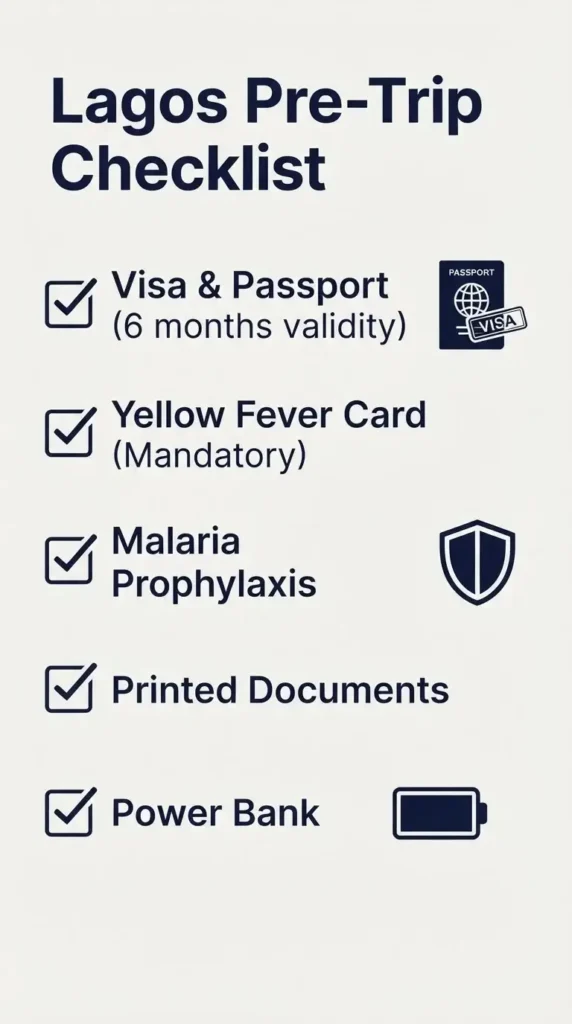
The more time you spend planning the boring details at home, the more mental bandwidth you will have to actually enjoy the chaos once you arrive.
Visa and Entry Requirements
Nigeria has strict entry requirements, and navigating the visa process can be a heavy bureaucratic hurdle. Most foreign nationals must secure a visa well prior to arrival. The Nigerian Immigration Service offers an online application portal, but depending on your nationality, you may still need to physically mail your passport or visit a local embassy to provide mandatory biometric data.
Before making any concrete plans, I always make it a habit to check the US Department of State travel advisory page for Nigeria to stay updated on visa policies and regional security alerts. Ensure your passport has at least six months of validity remaining from your date of entry and a minimum of two completely blank pages. You will also be required to provide verifiable proof of accommodation and a confirmed return flight ticket at the border. Print physical, hard copies of every single document. Do not rely on showing a PDF on your smartphone to border officials.
Health and Safety Logistics
Your health preparation must begin at least six weeks before your departure date. The Nigerian government heavily mandates that all incoming travelers present a valid Yellow Fever vaccination certificate (the infamous “yellow card”). Without this physical card tucked into your passport, you will be denied entry at the airport and put on the next flight home.
You absolutely must consult the CDC’s health recommendations for Nigeria a few months before departure to arrange your mandatory yellow fever vaccination and malaria prophylaxis. Malaria is a serious, daily risk year-round in Lagos. I traveled with a full prescription of Malarone, applied heavy-duty DEET insect repellent religiously every evening, and ensured my hotel room had adequate air conditioning to keep mosquitoes at bay.
Tap water in Nigeria is absolutely not safe to drink under any circumstances. Rely strictly on sealed bottled water, even for brushing your teeth in your hotel bathroom. Avoid ice in your drinks unless you are dining at a high-end international hotel where they explicitly state they use purified water systems.
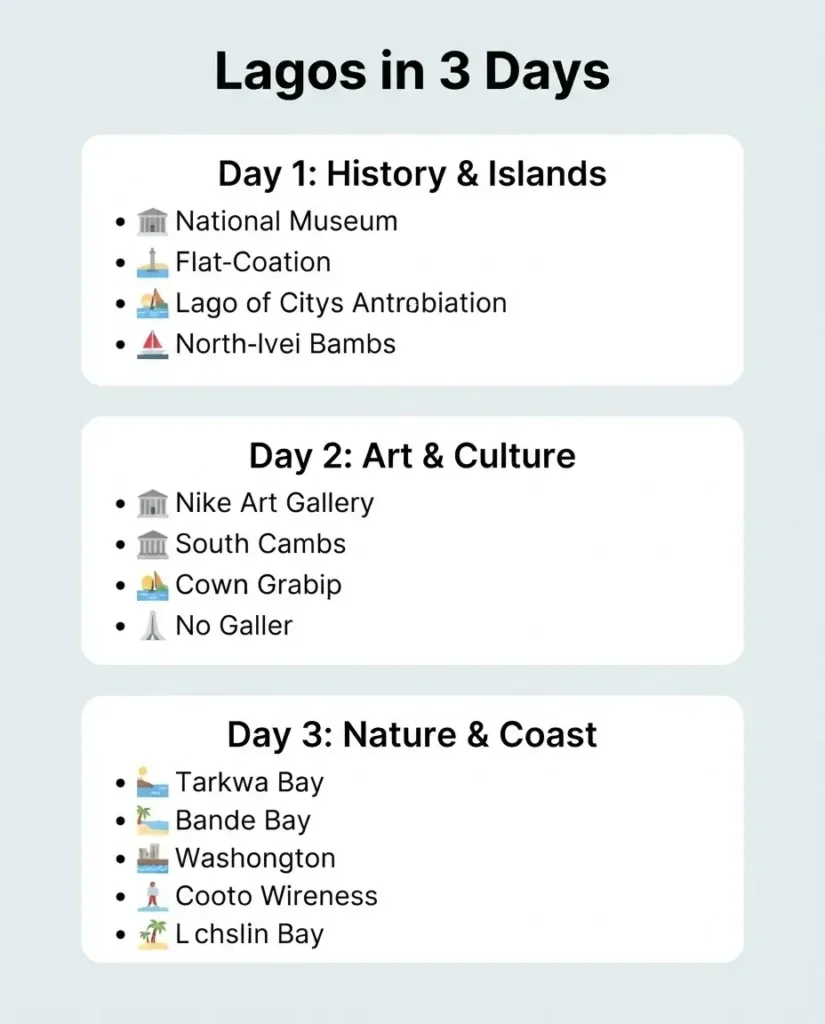
Day 1: Exploring the Heart of Victoria Island and Lagos History
When mapping out the absolute best places to visit in Lagos, Nigeria in 3 days, your first day should be entirely dedicated to grounding yourself in the city’s complex history and getting a feel for the upscale island districts.
Morning: The Nigerian National Museum
Start your morning early, right after breakfast, before the brutal midday heat turns the air into a heavy, wet blanket. Head directly to the Nigerian National Museum located in Onikan, just off the edge of Lagos Island. The entrance fee is incredibly modest, but the sheer historical value housed inside those aging walls is immeasurable. The museum contains spectacular collections of ancient Nok terracottas and the world-famous, intricately carved Benin bronzes.
Take your time walking slowly through the exhibits that chronicle the cycle of life in traditional Nigerian societies, from elaborate birth and initiation rites to death and deep ancestral reverence.
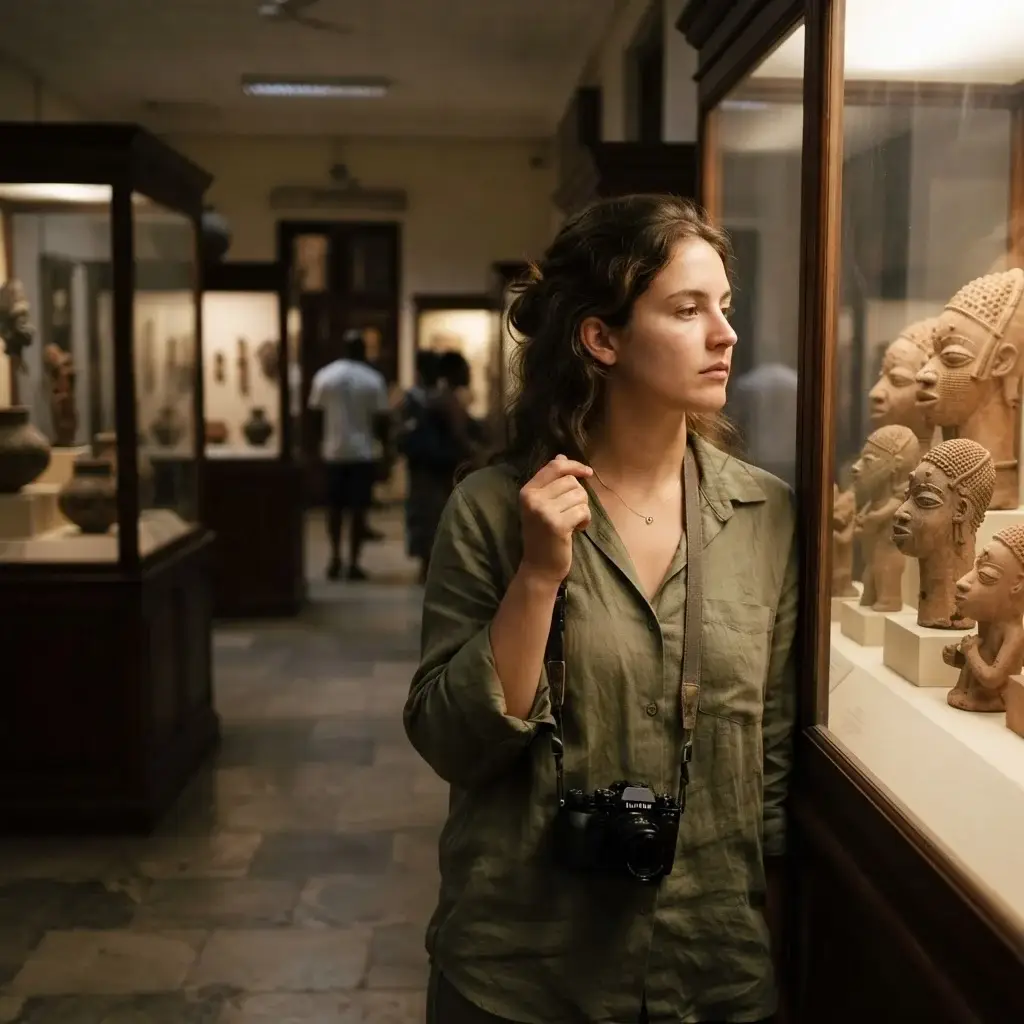
The museum is not the most modernized facility—do not expect flashy interactive digital touchscreens—but the raw historical weight of the physical artifacts speaks entirely for itself. Look specifically for the bullet-riddled black Mercedes Benz in which General Murtala Muhammed was assassinated in 1976. It sits quietly in the courtyard, acting as a stark, haunting piece of modern political history.
Navigation Tip: Order an Uber or Bolt directly to the museum entrance from your hotel. Do not attempt to negotiate with a local street cab for your very first outing.
Afternoon: Freedom Park and Broad Street
Just a short, highly scenic ride from the museum lies Freedom Park. This specific site represents an incredible urban and historical transformation. During the brutal British colonial era, this exact ground was the site of His Majesty’s Broad Street Prison, where political dissidents and local leaders were heavily guarded. Today, it has been beautifully transformed into a lush, serene cultural park honoring Nigeria’s painful but triumphant journey to independence.
Walking quietly through the park, you can still easily identify the footprints of the old prison cell blocks, which have been thoughtfully preserved as memorials. The juxtaposition of a dark colonial past against the vibrant, artistic present is profound. You will find brilliant modern art installations, calming water fountains, and small open-air cafes scattered randomly across the grounds.
Find a shaded wooden table at the park’s outdoor food court and order your first real, authentic plate of Nigerian Jollof rice. Do not let anyone on the internet tell you otherwise: Nigerian Jollof, with its incredibly deep, smoky tomato and pepper flavor profile, is an absolute culinary masterpiece. Pair it with heavily fried sweet plantains (known locally as dodo) and a massive, freezing cold bottle of Star Lager.
Evening: Authentic Suya and Sunset at Victoria Island
As the sun begins to dip and the temperature finally breaks, make your way back across the bridge to Victoria Island.
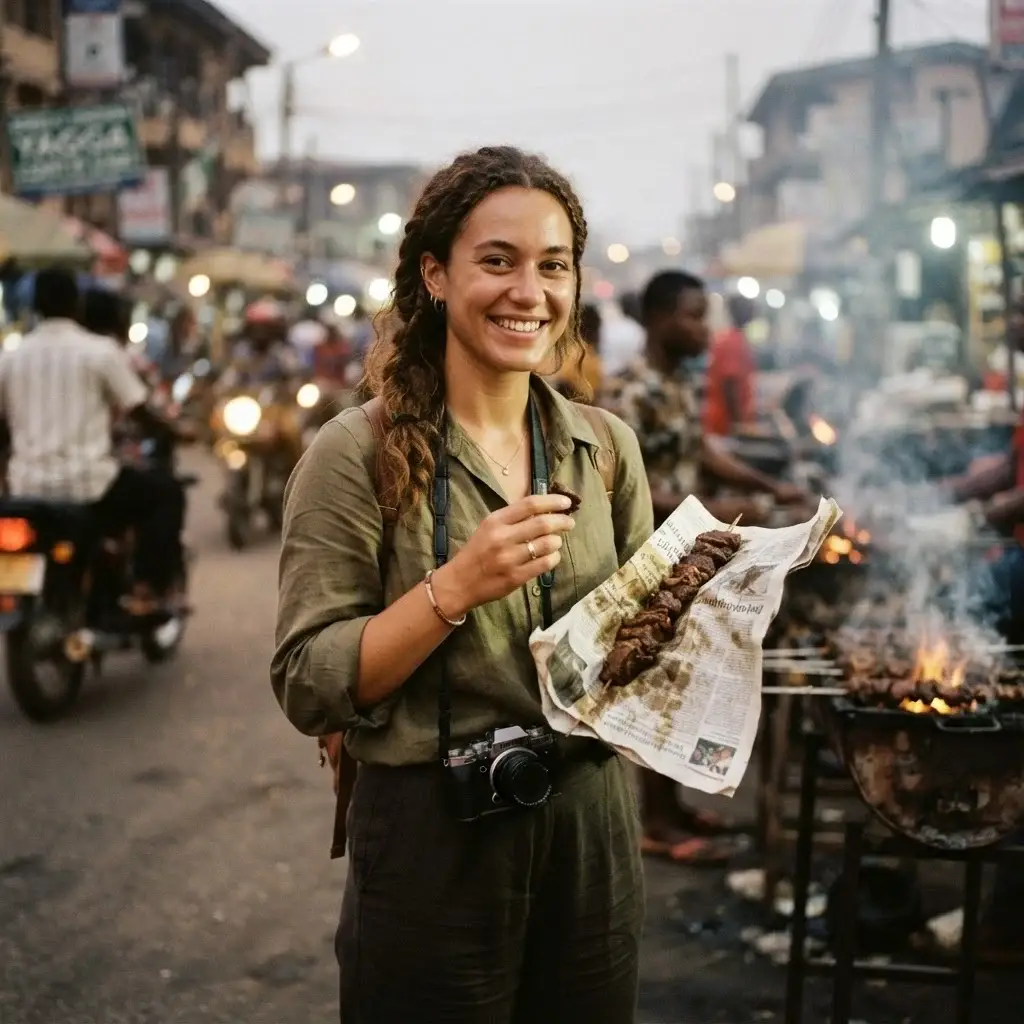
Victoria Island is the gleaming financial and entertainment center of the nation. The wide streets here are lined with luxury fashion boutiques, heavily fortified embassies, and high-end fusion restaurants.
However, your evening meal should not be eaten inside a sterile dining room with silver cutlery. You are searching for the ultimate street food: suya. Suya is thinly sliced beef, ram, or chicken heavily marinated in a complex, fiery peanut spice blend (called yaji) and roasted slowly over an open charcoal flame. You will smell the rich smoke billowing from roadside stalls long before you actually see them.
Head directly to the famous Glover Court Suya in Ikoyi. Watch the local grill masters rapidly fan the flames, order a massive portion of beef suya wrapped traditionally in old newspaper with freshly sliced sharp red onions, and let the incredible heat of the spices wake up every single nerve ending in your body.
Day 2: Art, Culture, and the Pulse of the Mainland
Your second day shifts the focus to the massive creative energy of Lagos. Nigerian contemporary art, Afrobeats music, and bold fashion are currently heavily influencing global culture, and you need to see exactly where that raw creativity originates.
Morning: Nike Art Gallery
Located deep in Lekki Phase 1, the Nike Art Gallery is an absolute visual masterpiece and undoubtedly one of the best places to visit in Lagos, Nigeria in 3 days. Founded by the legendary Chief Nike Davies-Okundaye, this towering four-story white building stands as the largest privately-owned art gallery on the entire African continent. It currently holds over 7,000 incredible pieces of authentic Nigerian art.
As soon as you walk through the heavy wooden front doors, you are completely engulfed in a dizzying kaleidoscope of color. The walls are covered entirely from floor to ceiling in intricate, heavy beadwork, massive sweeping oil paintings depicting rural village life, stunning welded metal sculptures, and hand-dyed adire textiles.
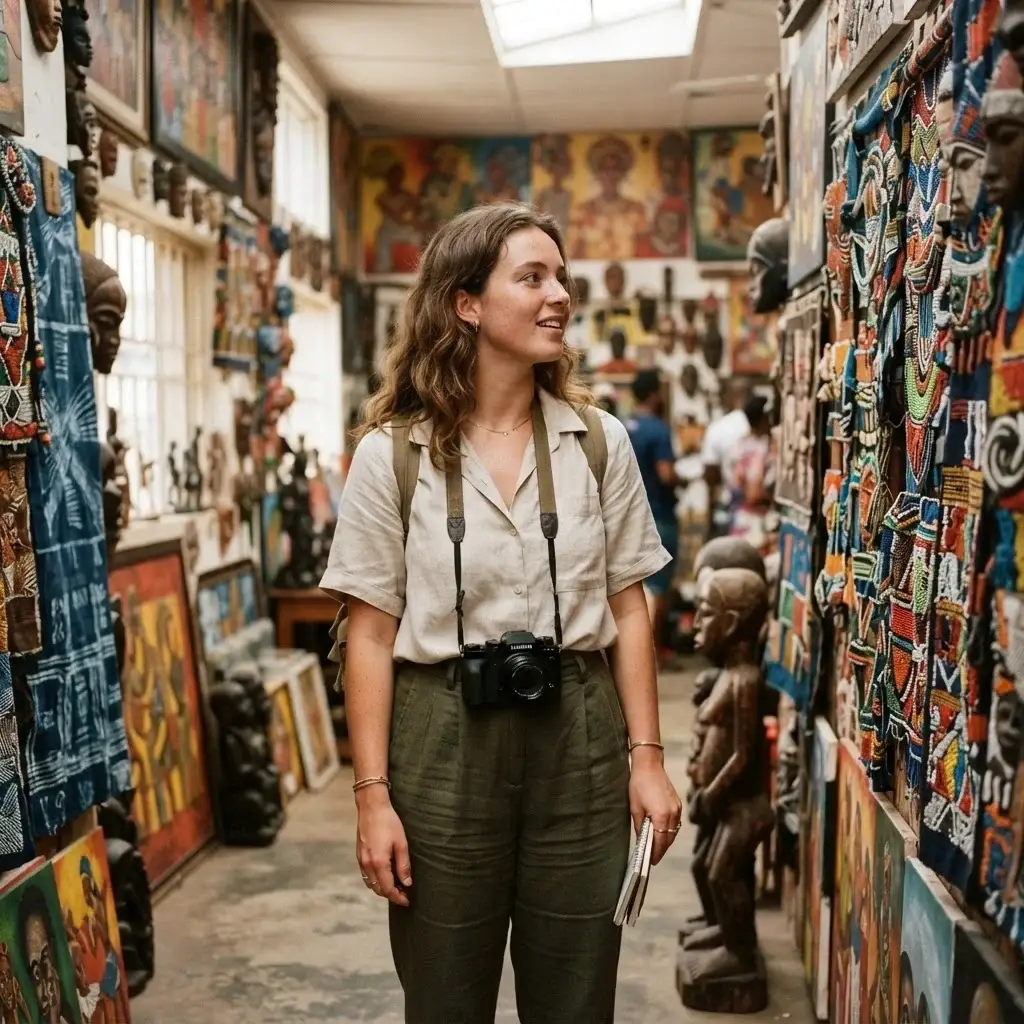
If you are incredibly lucky, Chief Nike herself might be working in the gallery. She is legendary for welcoming foreign guests with immense warmth, massive hugs, and sometimes even a traditional Yoruba song.
There is absolutely no pressure from the staff to buy anything, though it is the perfect environment to pick up a truly authentic, hand-crafted souvenir rather than a mass-produced airport trinket. Spend at least two full hours getting completely lost wandering the quiet upper floors.
If your itinerary eventually expands beyond the city limits, exploring the country’s profound historical roots on the UNESCO World Heritage official site will introduce you to magnificent protected landmarks like the Osun-Osogbo Sacred Grove, which shares much of the exact same spiritual and artistic heritage you see depicted on the gallery walls.
Afternoon: The Kalakuta Republic Museum
Cross the long bridge over to the Mainland and head deep into the bustling neighborhood of Ikeja to visit the Kalakuta Republic Museum. This is a mandatory pilgrimage site for global music lovers. It is the former heavily guarded home and revolutionary headquarters of Fela Kuti, the legendary pioneer of Afrobeat music and a fierce, relentless political activist.
The museum curators have preserved the multi-story house almost exactly as it was when Fela lived there. You can walk right through his personal bedroom, see his massive wardrobe of brightly colored, skin-tight stage outfits, and view his personal collection of brass saxophones. The interior walls are plastered top to bottom with old, yellowing newspaper clippings detailing his endless, violent clashes with the military government.
Your local guide will tell you harrowing stories of the infamous 1977 military raid on the compound, explaining the sheer, unimaginable bravery Fela showed in the face of brutal government oppression. Afterward, head up to the rooftop terrace where there is a small, breezy bar. Order a cold malt drink, listen to the blaring horns of Fela’s classic, ten-minute-long tracks, and look out over the sprawling, tin roofs of Ikeja.
Evening: Dinner at Terra Kulture
Take a ride back to the relative calm of Victoria Island for a late dinner at Terra Kulture. Founded by visionary Bolanle Austen-Peters, Terra Kulture is an iconic, multi-purpose cultural hub that houses an upscale art gallery, an intimate theater space, a massive bookstore focusing on African authors, and a fantastic, highly authentic restaurant.
This is the perfect, hygienic environment to safely explore more complex Nigerian traditional dishes without worrying about street-level food safety. I highly recommend ordering a massive, steaming bowl of Egusi soup. Made from ground melon seeds, fresh spinach, and rich red palm oil, it is intensely rich and flavorful. It is always served with pounded yam, a dense, heavy, dough-like staple.
Eating it requires a specific, traditional technique: wash your hands thoroughly, pinch off a small piece of the pounded yam with your right hand (always your right hand, never your left), roll it into a slight ball, create a small indentation with your thumb, and use it to scoop up a generous portion of the Egusi soup.
Always check the schedule before you arrive. Terra Kulture frequently hosts incredible, high-energy stage plays and musical performances in their attached theater, providing a perfect end to an immersive cultural day.
Day 3: Nature, Canopy Walks, and Coastal Escapes
On your final day, you need to completely escape the concrete towers and the endless traffic gridlock. Lagos is geographically framed by the rolling Atlantic Ocean and expansive, quiet lagoons, offering beautiful natural retreats just outside the urban core.
Morning: Lekki Conservation Centre
Wake up incredibly early to beat the oppressive midday heat and drive far down the Lekki-Epe Expressway to the Lekki Conservation Centre. Managed expertly by the Nigerian Conservation Foundation, this 78-hectare sprawling nature reserve serves as a vital green lung in an otherwise heavily industrialized, smog-filled city.
The absolute highlight of the entire reserve is the incredible, heart-pounding canopy walkway. Suspended dangerously high above the tree line, it holds the record as the longest canopy walk in all of Africa. Walking across the heavily swinging wooden bridges requires a solid, deep dose of personal courage. When you look down past your shoes, you can see the dark, dense swamp forest floor far below.
As you carefully navigate the wooden planks, keep your eyes peeled for wild Mona monkeys swinging effortlessly through the branches. They are completely unafraid of humans and might even follow you closely along the trail hoping for snacks. You might also spot massive, ancient giant tortoises slowly grazing near the shaded picnic areas.
Navigation Tip: The walkway can get extremely busy with loud local school groups and large families on weekends. Arrive exactly when the heavy metal gates open at 8:30 AM to experience the forest in total, peaceful silence.
Afternoon: Boat Ride to Tarkwa Bay Beach
After sweating profusely through the humid jungle canopy, it is time for the ocean breeze. You cannot drive a car to Tarkwa Bay Beach; it is a secluded peninsula accessible strictly by water. Head to the Mekwe Jetty near Bonny Camp on Victoria Island, or the bustling CMS bus stop dock, and hire a private speedboat.
The bumpy, high-speed ride across the massive Lagos harbour takes about fifteen minutes. As the boat cuts aggressively through the dark water, you get a phenomenal panoramic view of the gleaming Lagos skyline positioned right against the massive, rusting cargo ships entering the commercial port. Tarkwa Bay is a highly sheltered beach, meaning the water is calm, flat, and safe for swimming, unlike the highly dangerous, deadly rip currents found on many other Atlantic-facing beaches in the region.
Rent a shaded wooden cabana and a plastic lounge chair from one of the incredibly persistent local vendors. Spend the entire afternoon watching the local surfers catch small waves, drinking fresh, sweet coconut water straight from the heavy green shell, and listening to the distant hum of portable speakers playing the latest upbeat Burna Boy tracks.
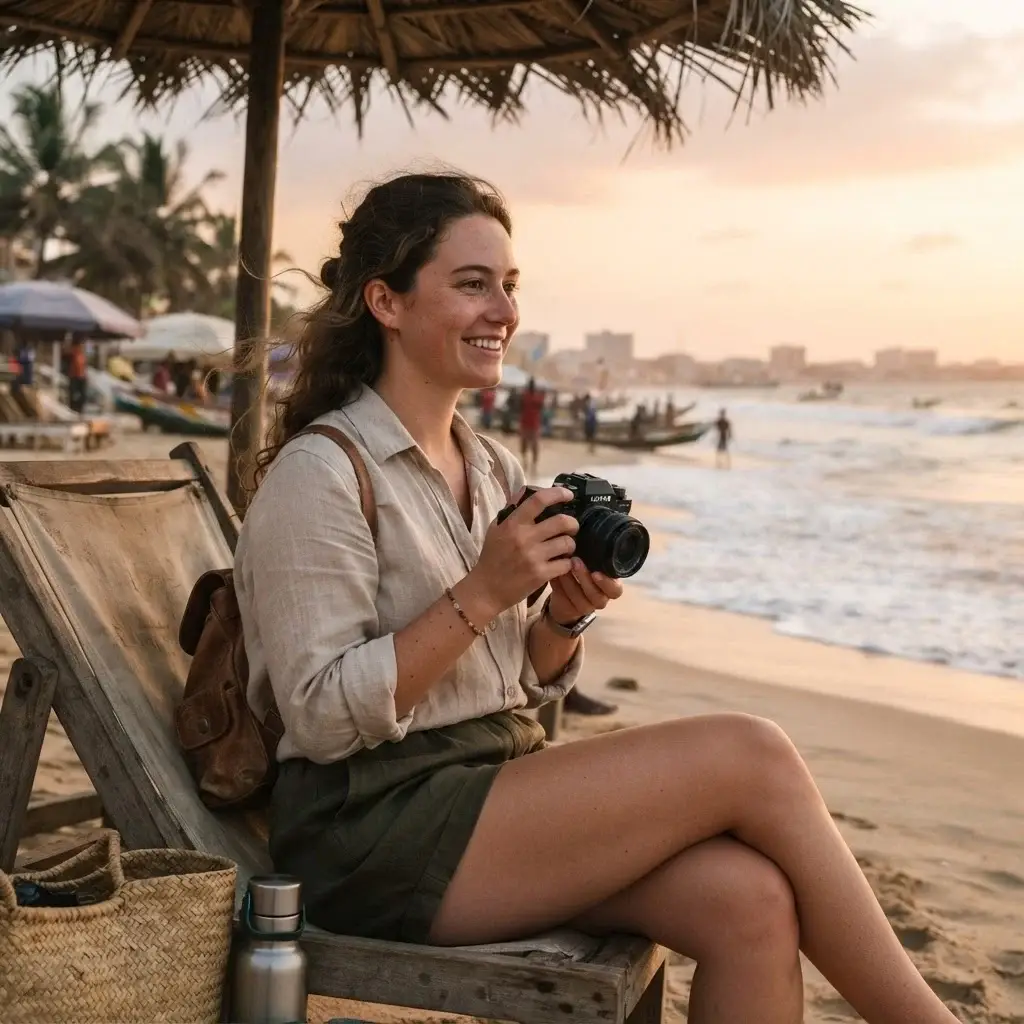
It is a surprisingly tranquil, relaxed oasis that feels a million miles away from the honking horns of the mainland.
Evening: A Farewell Seafood Feast
For your final night in the city, treat yourself to the absolute freshest seafood Lagos has to offer. The coastal waters provide an incredible abundance of massive, delicious fish. Find a reputable, highly rated open-air restaurant right near the water in Lekki or Victoria Island and order a massive whole grilled croaker fish.
The fresh fish is typically marinated deep to the bone in a fiery, nose-clearing blend of scotch bonnet peppers, fresh ginger, and raw garlic, then charred to absolute perfection on a rusted outdoor grill. Pick the tender, flaky white meat apart with your fingers, dragging it heavily through the spicy pepper sauce left on the plate. As you sit there, listening to the dark waves crash loudly against the rocky shore and feeling the warm, sticky night breeze on your face, take a long moment to reflect on everything you have navigated over the past 72 hours. You have successfully conquered one of the most intense, overwhelming cities in the world entirely on your own.
Navigating Lagos: Transportation Tips for First-Timers
Getting around Lagos safely and efficiently is arguably the most intimidating aspect of the entire trip. The traffic is globally legendary, and the local driving style is highly aggressive, fast, and opportunistic.
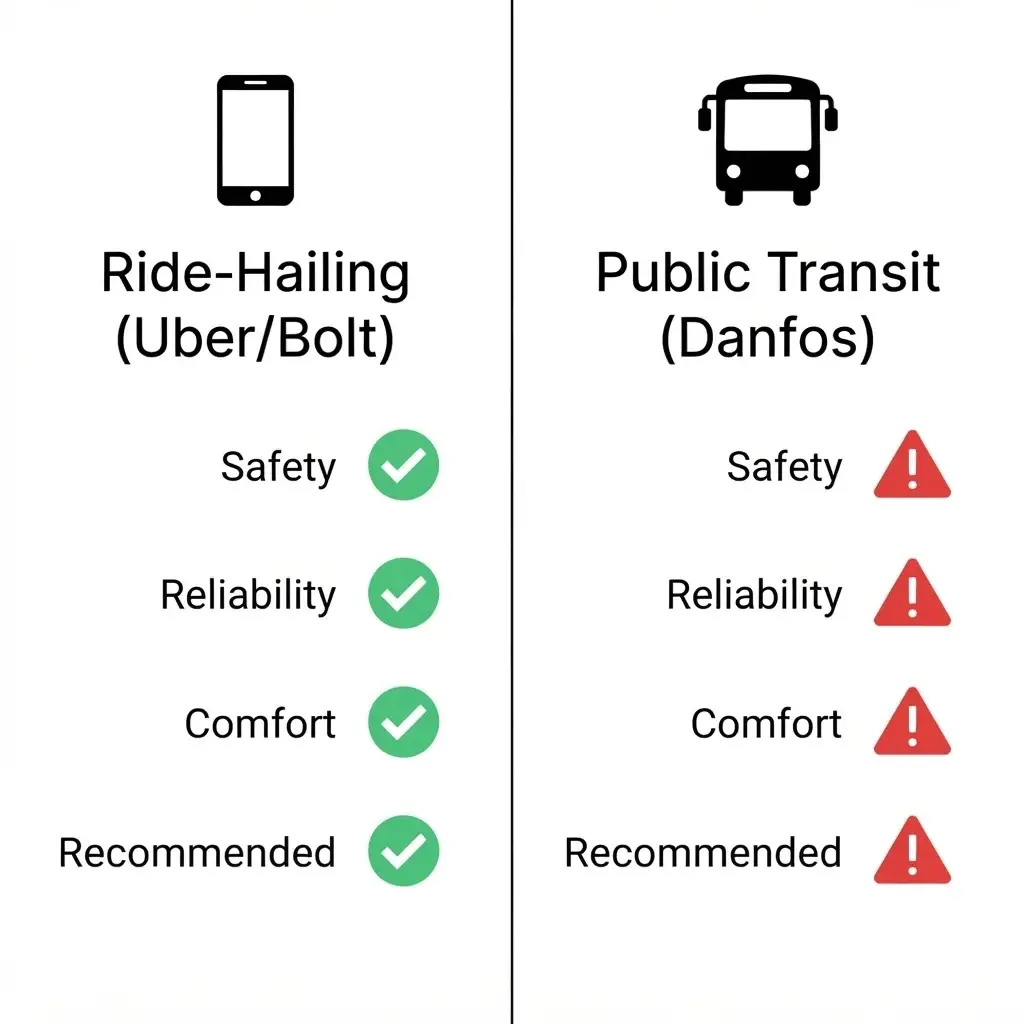
Do not attempt to rent a car and drive yourself under any circumstances. As a first-time solo visitor, your primary modes of transportation should be reputable ride-hailing apps. Both Uber and Bolt operate extensively and reliably throughout the city. They are affordable, GPS-trackable, and completely eliminate the stressful need to aggressively haggle over inflated fares with angry street taxi drivers.
Always verify the license plate numbers and the driver’s name before ever getting your luggage into the vehicle. Traffic can be wildly unpredictable, so a journey that takes twenty easy minutes on a quiet Sunday morning might take two agonizing hours on a Wednesday afternoon. Build massive, flexible time buffers into your daily schedule. Do not try to pack five different activities into a single day.
You will constantly see the iconic yellow minibuses, known locally as danfos, weaving erratically through the crowded streets with young conductors hanging dangerously out the open side doors shouting local destinations. While they are a vital, fascinating part of the city’s lifeblood and deeply incredible to watch from afar, they are highly discouraged for a first-time solo traveler due to genuine safety concerns, unpredictable routing, and incredibly cramped, uncomfortable conditions. Stick strictly to private, trackable rides.
What to Pack for 3 Days in Lagos
The climate in Lagos is aggressively hot, sticky, and heavily humid year-round, punctuated by intense, street-flooding tropical downpours during the long rainy season (April to October). Your travel wardrobe needs to prioritize heavy breathability and cultural modesty.
Pack loose-fitting, extremely lightweight linen or thin cotton clothing. While Lagos is highly cosmopolitan, wealthy, and deeply fashionable, Nigeria is still fundamentally a conservative country. Avoid overly revealing clothing like short shorts or crop tops when wandering through the busy mainland markets or religious historical sites. Long, flowing maxi dresses, breathable wide-leg trousers, and light tops covering your shoulders are absolutely perfect.
Bring a heavy-duty, fully charged portable power bank. Random power outages (locally referred to playfully as “up NEPA” or simply “light out”) are a daily, unavoidable reality in Nigeria. While all decent hotels have massive diesel generators that kick in within seconds of a blackout, you do not want to be stranded in dead-stop traffic with a dead phone, completely unable to contact your Uber driver or check your map.
Carry a small, sturdy cross-body bag that zips securely shut across your chest. Like any major global mega-city, petty theft and quick pickpocketing can easily occur in deeply crowded market areas. Keep your expensive smartphone completely out of sight when walking along busy streets, and never flash large wads of colorful Naira cash when paying for small items.
The Honest Truth About Traveling Solo in Nigeria
I am not going to sugarcoat this or sell you an unrealistic fantasy: Lagos is simply not a beginner-friendly travel destination. It entirely lacks the streamlined, easy tourist infrastructure of popular cities like Bangkok, Rome, or Paris. It requires hyper-vigilance, deep adaptability, and a remarkably high tolerance for sudden, frustrating changes in your daily plan.
Medical care for foreigners here absolutely requires massive upfront cash payments at luxury private clinics, so I strongly urge you to review World Nomads’ guide to travel insurance safety to ensure your specific policy explicitly covers emergency medical evacuation flights. Do not ever risk traveling to West Africa without an airtight, verifiable safety net.
You will absolutely encounter moments of deep frustration. The ATM might suddenly swallow your debit card without warning, the power might cut out entirely while you are showering in the dark, or the crushing traffic might bring your entire day’s itinerary to a grinding, permanent halt. But these exact, difficult challenges are precisely what make the experience so profoundly transformative.
Travel is not just about finding a flawless, perfectly frictionless paradise to take photos in. It is about actively proving to yourself that you are fully capable of handling the great unknown. When you finally learn how to plan your first solo trip without feeling overwhelmed, you unlock a version of yourself that is highly resilient, deeply curious, and profoundly independent.
Lagos will push your personal boundaries harder than you expect, but it will also embrace you with a vibrant, raw energy that is impossible to replicate anywhere else on earth. Stop waiting for the perfect moment to arrive. Book the flight ticket, pack your malaria pills, and let the beautiful chaos of West Africa change your life.