Have you ever stared at your computer screen at work, watching the clock tick down to five o’clock, and felt like you were wasting your life away?
I know that exact feeling. Before I started this blog, I sat at a boring office desk in New York City. My bosses told me I had to wait six whole months just to take a few days off. When I finally got vacation time, it was only two weeks a year. Two weeks! That is not enough time to see this beautiful world. It felt like a cage. My heart wanted wild adventures, deep connections, and quiet places that are not on regular tourist maps.
So, I did something scary. I quit that job. I took a job waitressing full-time and worked crazy overtime hours just to pay off my bills and save every dollar. People told me I was making a huge mistake. But I wanted freedom. Later, I worked as a certified sightseeing guide in New York and taught English abroad. Those jobs taught me that the best places in the world are the ones that take a little extra work to reach.
Today, we are talking about those exact places. We are looking at remote and untouched islands in Asia. These are spots where the internet is slow, the beaches are empty, and the local culture is completely real. If you are scared to travel solo or waiting for the “perfect” moment, let me tell you a secret: the perfect moment does not exist. You just have to pack your bag and go. Let’s look at seven incredible islands that will make you want to buy a plane ticket right now.
1. Koh Rong Sanloem, Cambodia
This island is like a dream. It sits in the Gulf of Thailand, just a short boat ride away from the busy beach town of Sihanoukville. While the main Koh Rong island has big parties and loud music, Koh Rong Sanloem is quiet and peaceful. There are no roads here. There are no cars. You walk everywhere on soft white sand.
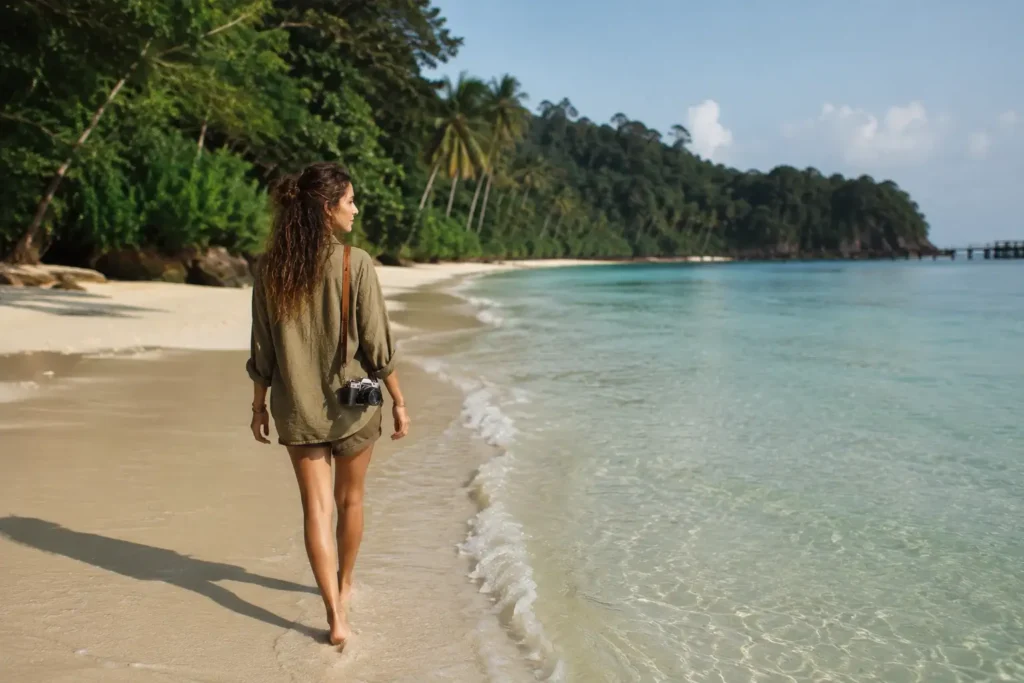
When I first arrived on Saracen Bay, the main beach, I felt my stress melt away. The water is so clear you can see your toes in the sand even when the water is up to your chest. The jungle comes right down to the edge of the beach. At night, the island gets very dark because there are not many lights. This is actually a wonderful thing. If you swim in the ocean at night, you can see glowing plankton. Every time you move your arms, the water lights up with tiny blue sparks. It feels like magic.
How to Get There and Navigate
To get here, you must first travel to Sihanoukville. You can take a bus or a short flight from Phnom Penh. From Sihanoukville, you need to buy a ticket for a speed ferry.
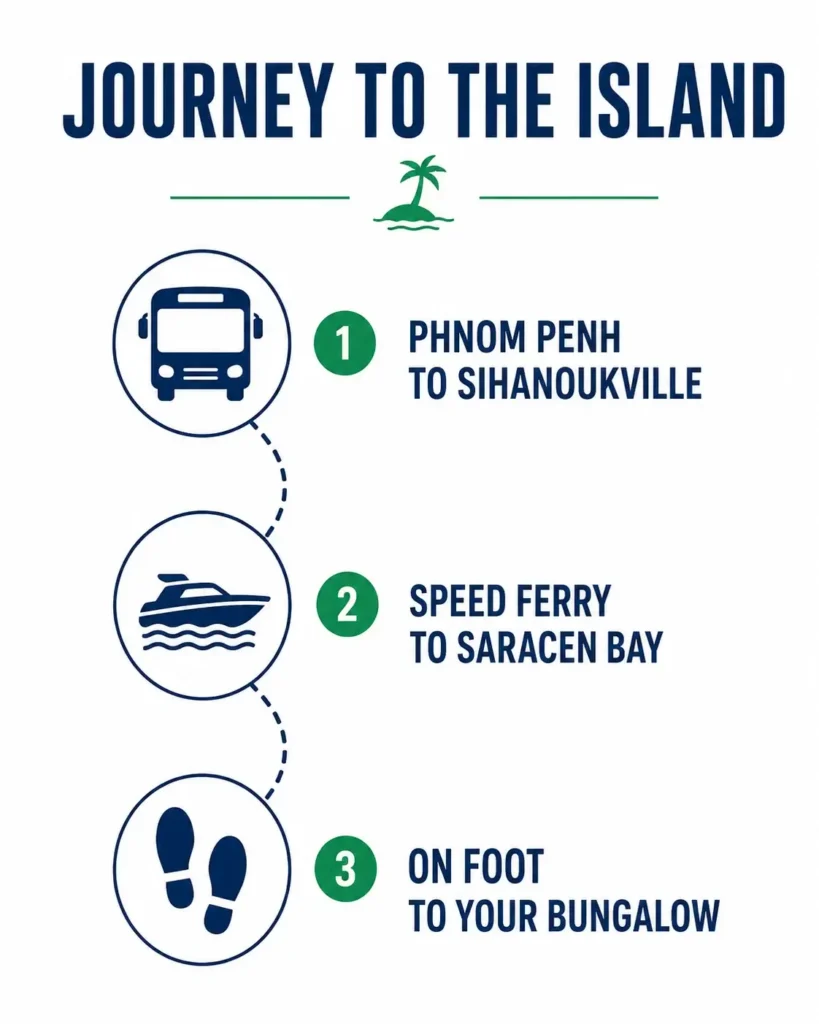
The boat ride takes about 45 minutes. Make sure you tell the boat captain which beach your guest house is on, because the boat stops at a few different piers. Once your feet touch the sand, your only transportation is your own two legs. If you want to visit the other side of the island, like Lazy Beach, you have to hike along a dirt path through the thick jungle for about 40 minutes. Wear good shoes because the path has rocks and tree roots.
Local Culinary Secrets
You must try the fresh seafood cooked with local Kampot pepper. The pepper from this region is famous all over the world because it tastes bright, sharp, and slightly sweet. Every evening, small family restaurants set up wooden tables right on the sand. They grill fresh fish caught just hours before. Order the fish amok, which is a traditional Cambodian curry made with coconut milk, lemongrass, and turmeric, steamed inside a banana leaf. It is warm, comforting, and not too spicy. For a sweet treat, look for the small shacks selling fresh mangoes with sticky rice.
Insider Solo Traveler Advice
The internet on this island can be very weak, and power outages happen almost every day. Do not panic when your phone loses its signal. Use this time to unplug your brain and talk to people. Before you head out to these quiet shores, I highly recommend checking the latest safety ratings and regional travel alerts on the official US Department of State travel advisory page so you can travel with a clear and confident mind. Also, there are no ATM cash machines on the island. You must bring enough US dollars or Cambodian Riel with you to pay for your food, drinks, and room.
2. Pulau Weh, Indonesia
Pulau Weh sits at the very top tip of Sumatra. It is a volcanic island that marks the edge of Indonesia. Because it is far away from the big tourist cities, it stays clean and wild. The island is covered in green hills, and the coastline is full of black volcanic rocks and hidden bays.
This island is a paradise for people who love the ocean. The underwater life here is incredible because the Andaman Sea meets the Indian Ocean right here. The water is full of deep currents that bring lots of nutrients, which means there are millions of fish and beautiful corals. When you look out at the water, you will see deep blue waves crashing against high cliffs. It feels like you have reached the absolute end of the earth.
How to Get There and Navigate
Your journey starts with a flight to Banda Aceh, a city in northern Sumatra. From the airport, take a local taxi to Ulee Lheue harbor. At the harbor, you can choose between a fast ferry, which takes 45 minutes, or a slow car ferry, which takes around two hours. The boat brings you to Balohan harbor on Pulau Weh. The best way to get around the island is to rent a small motorbike. The roads are paved but very steep and curvy. If you do not feel safe driving a motorbike, you can hire a local three-wheeled vehicle called a becak. It is loud and bumpy, but it is a fun way to see the villages.
Local Culinary Secrets
The food here is rich and full of spices. You must try Mie Aceh, which is a thick, spicy noodle soup flavored with curry paste, garlic, and hot peppers. You can get it with fresh crab or squid. It will make your tongue burn in the best way possible! After your meal, sit down at a local coffee shop and order Kopi Khop. This is traditional coffee served in an upside-down glass on a small plate. You use a plastic straw to gently blow air into the glass so the coffee leaks out onto the plate, and then you sip it up. It is a fun, social ritual that lets you connect with the friendly local people.
Insider Solo Traveler Advice
Pulau Weh is located in Aceh, which is a very conservative religious region. This means you need to respect the local customs. When you are walking through the villages or buying food in town, make sure your shoulders and knees are covered. Women should wear loose clothes. Save your swimwear for the quiet beach areas like Iboih or Gapang.
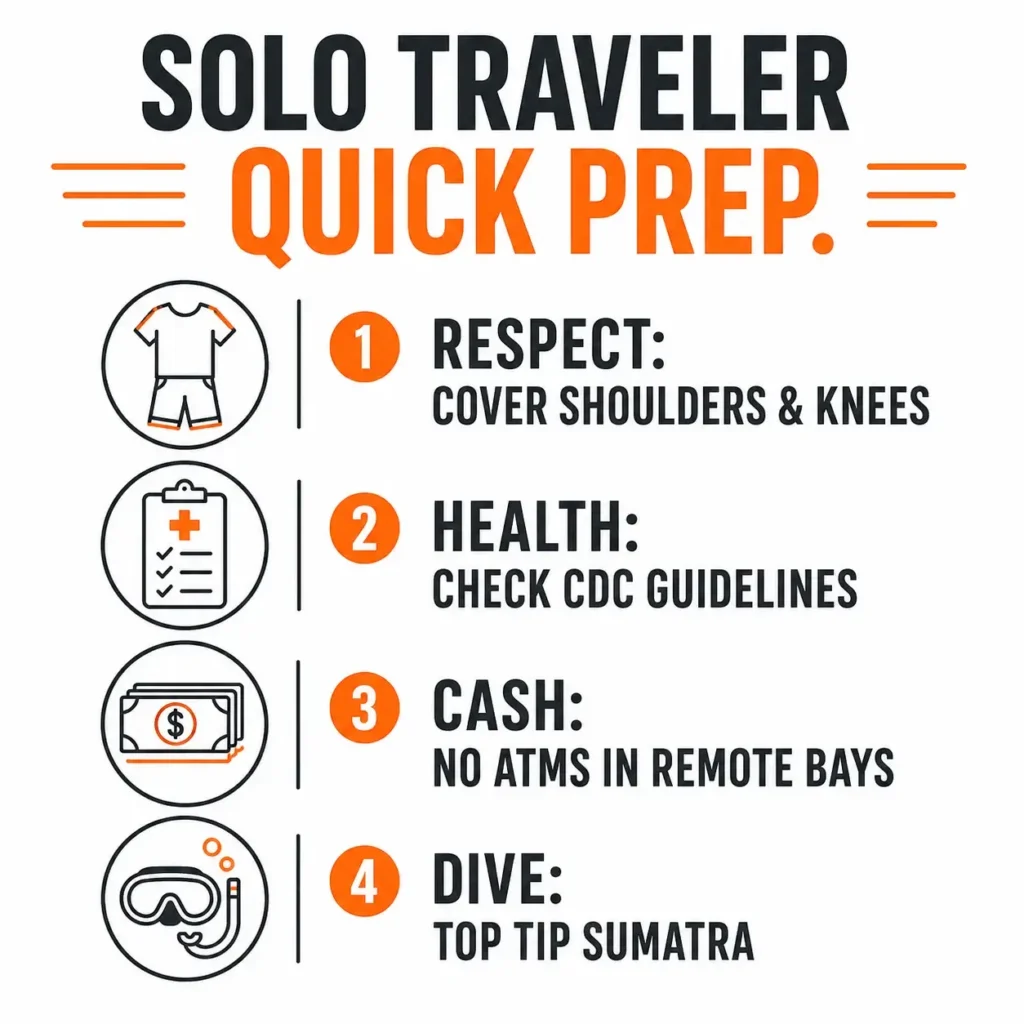
To keep your body healthy while exploring these remote areas, take a look at the destination health guidelines and vaccine recommendations on the CDC Travelers’ Health website before you pack your bags.
3. Koh Kood, Thailand
Thailand has many famous islands, but many of them are now crowded with big hotels and souvenir shops. If you want to see what Thailand looked like thirty years ago, you need to go to Koh Kood. It is the easternmost island in Thailand, sitting very close to the border of Cambodia.
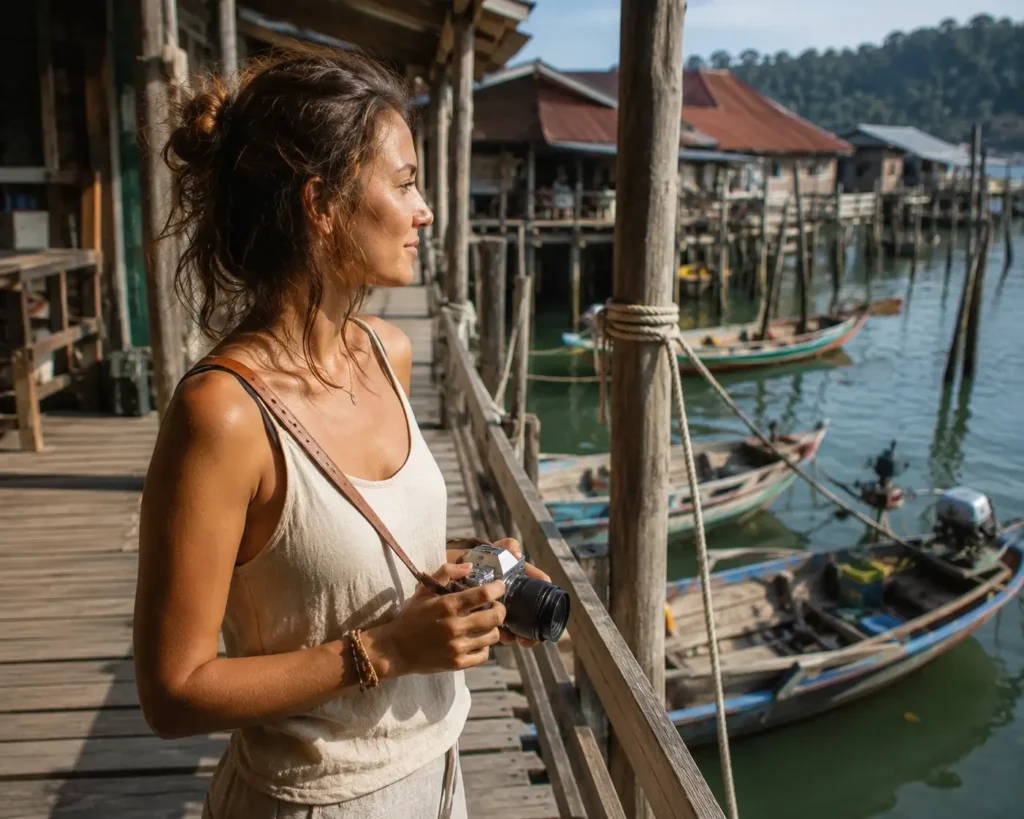
Koh Kood is an island of pure luxury for your soul. It has some of the softest, whitest sand I have ever walked on. The water looks like liquid glass. What makes Koh Kood special is that the island elders have worked hard to keep big developments away. You will not find loud rows of bars or bright neon lights here. Instead, you will find old coconut plantations, small fishing villages built on wooden stilts over the water, and cool, hidden waterfalls hidden deep inside the jungle.
How to Get There and Navigate
To reach this peaceful island, you must travel to the city of Trat in eastern Thailand. You can catch a flight from Bangkok or take a six-hour public bus. From Trat, you travel to the Laem Sok Pier, where high-speed catamarans wait to take passengers to the island. The boat ride takes about one hour and fifteen minutes. The ticket price usually includes a ride in a shared pickup truck taxi, called a songthaew, to your resort or bungalow. The island has one main concrete road that runs from north to south. It has very little traffic, which makes it a wonderful place to ride a bicycle or a rental scooter past rubber tree forests and quiet valleys.
Local Culinary Secrets
You cannot leave Koh Kood without eating at Ao Yai, a traditional fishing village built entirely on stilts over the ocean. Walk along the wooden pathways and choose a small restaurant. Order the garlic stir-fried mantis shrimp or the blue swimming crab. The seafood is kept alive in wooden nets under the restaurant floors, so it is as fresh as food can get. Pair your meal with a bowl of Tom Yum Goong, a sour and spicy soup filled with local herbs, lemongrass, and juicy prawns.
Insider Solo Traveler Advice
This island is very safe for solo travelers, and the local people are incredibly kind. However, because it is so pristine, you must help keep it that way. Be careful with your plastic waste and try to bring a reusable water bottle. To learn more about how to respect the local culture, see beautiful community maps, and discover local holiday times, you can explore the official trip planning guides on the Tourism Authority of Thailand website before setting off. There are a couple of ATMs on the island now, but they often run out of cash during storms, so always keep some extra Thai Baht in your pocket.
4. The Mergui Archipelago, Myanmar
If you want a true, untouched expedition, the Mergui Archipelago is the ultimate destination. Located in the far southern part of Myanmar, this area is made up of more than 800 islands scattered across the Andaman Sea. Most of these islands are completely uninhabited. They have no names, only numbers given to them by mapmakers.
For many years, this area was completely closed to foreigners. Because of this isolation, the islands are regular time capsules of nature. The beaches are backed by dense rainforests that are home to wild hornbill birds, gibbons, and sea eagles. The only people who live here permanently are the Moken people, who are also known as “Sea Gypsies.” They live on traditional wooden boats for most of the year, moving from island to island and diving for fish without any modern gear.
How to Get There and Navigate
This is not an easy trip to plan, but it is worth every single step. You must first travel to Kawthaung, a border town in southern Myanmar. You can get there by taking a domestic flight from Yangon, or by crossing the river on a small longtail boat from the Thai border town of Ranong.
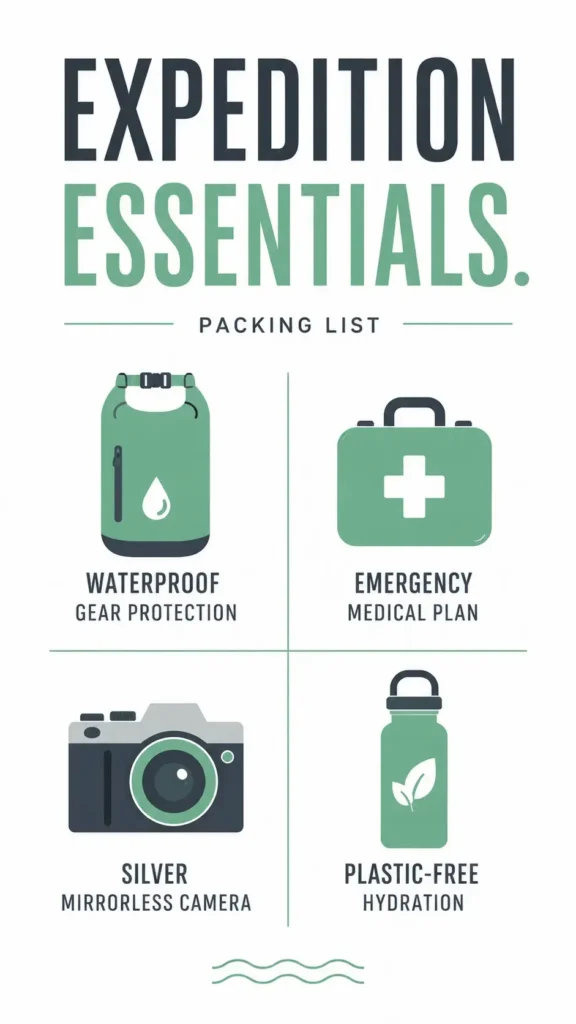
Because the islands are so remote and protected, you cannot just hire a public ferry to take you there. You must book a spot on a liveaboard boat or join an official guided eco-tour. These tours use large sailing yachts or speedboats to move between the islands. You will sleep on the boat or in small, temporary eco-tents on the beaches.
Local Culinary Secrets
Since you will be traveling by boat, most of your meals will be prepared by a cook on board using ingredients bought directly from Moken fishermen. You will eat simple, healthy dishes like grilled red snapper with lime juice, squid stir-fried with wild ginger, and warm bowls of coconut rice. If you stop at a small village on one of the larger islands, look for a local tea shop. Try Myanmar tea leaf salad, called Lahpet Thoke. It is a unique dish made from fermented tea leaves, fried garlic, crunchy nuts, toasted sesame seeds, and chopped tomatoes. It gives you a great burst of energy for exploring.
Insider Solo Traveler Advice
Because this area is so isolated from the modern world, you must be fully prepared for any emergency. There is absolutely no telephone signal or internet out on the water. You should always travel with comprehensive medical protection. If you are wondering how to protect yourself on an extreme expedition like this, read through the comprehensive emergency medical plans on the World Nomads travel insurance site to make sure you are covered for remote boat rescues. Bring a high-quality dry bag to protect your camera equipment when moving from the big boat to the shore on small plastic kayaks.
5. Cat Ba Island, Vietnam
Cat Ba Island sits on the edge of the world-famous Lan Ha Bay and Ha Long Bay in northern Vietnam. While many tourists crowd into the main city of Ha Long, Cat Ba offers a much wilder and more rugged experience. More than half of this large island is a designated national park, filled with limestone mountains that rise straight up out of the emerald green water.
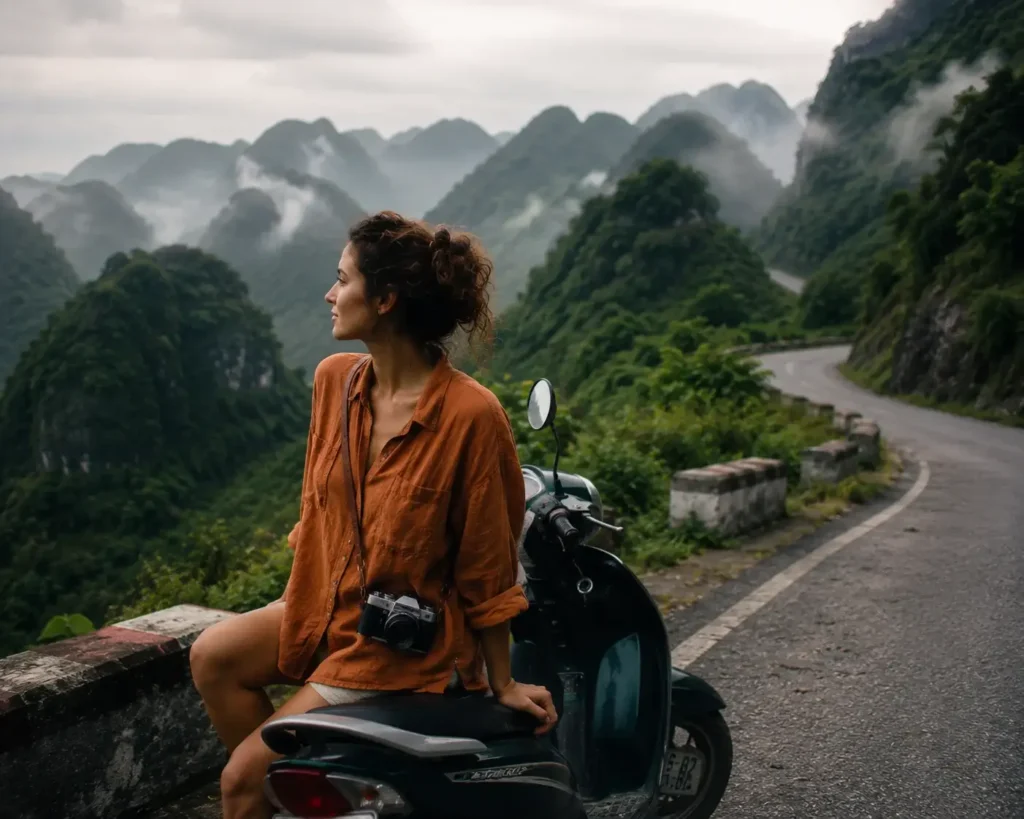
The landscapes here will take your breath away. The cliffs are covered in thick vines and deep green trees. The island is also home to the Cat Ba Langur, which is one of the rarest monkeys in the world. As you kayak through the quiet waters of the bay, you will pass hidden lagoons, ancient limestone caves, and small floating villages where local families have lived on wooden rafts for generations, farming fish and keeping watch over the sea.
How to Get There and Navigate
To get to Cat Ba, you should take a bus from Hanoi to the city of Hai Phong. This journey takes about two hours. From Hai Phong, you can board a fast hydrofoil boat that takes you straight to Cat Ba Town pier in 45 minutes.

Alternatively, you can take a scenic cable car ride across the sea from the mainland. Once you are on the island, the best way to explore the interior valleys is by renting a scooter. The roads are well-paved and wind through beautiful mountain tunnels. If you want to explore the surrounding water and hidden beaches, you can rent a traditional wooden junk boat or a plastic kayak from the main harbor.
Local Culinary Secrets
Cat Ba is famous for its fresh sea snails, known locally as Oc. You can find them at small street-side stalls in the evening. The snails are steamed with lemongrass, ginger, and hot chili peppers, and you use a small metal pin to pull them out of their shells. They are chewy and bursting with flavor. You should also try Geoduck, which is a very unique-looking, long-necked clam. The locals grill it with green onions, crushed peanuts, and a drizzle of sweet fish sauce. Wash it down with a glass of fresh Bia Hoi, a light, cold local draft beer that costs less than fifty cents a glass.
Insider Solo Traveler Advice
The climbing and hiking trails in the national park can be very slippery and steep, with sharp limestone rocks that can easily cut your hands. Always wear tough hiking shoes, not sandals, when exploring the trails. This spectacular island is recognized globally for its incredible natural beauty and geological history. To understand why this area is so precious and protected, you can read the official environmental history details on the UNESCO World Heritage Center profile for Ha Long Bay and Lan Ha Bay before your trek.
6. The Yaeyama Islands, Japan
When people think of Japan, they usually think of fast bullet trains, bright lights in Tokyo, and ancient temples in Kyoto. But if you travel all the way to the southern end of the country, closer to Taiwan than to Tokyo, you will find the Yaeyama Islands. This is Japan’s secret tropical paradise.
The main islands in this group are Ishigaki and Iriomote. Iriomote is especially wild. It is covered in 90 percent dense jungle and ancient mangrove swamps. There is only one proper road on the whole island. This is a place where you can see a completely different side of Japanese culture. The local Ryukyu culture has its own distinct music, food traditions, and deep respect for the spirits of the forest and the sea.
How to Get There and Navigate
To reach this remote archipelago, you must catch a flight from Tokyo or Naha (Okinawa) to the New Ishigaki Airport. From the airport, take a local bus to the Ishigaki Ferry Terminal. From there, modern, high-speed public ferries run multiple times a day to Iriomote and Taketomi islands. To explore Iriomote Island, you absolutely need to rent a car or a scooter at the ferry pier, as public buses only run a few times a day. To make your travel easier when arriving at the main ports, you can check if local ride services are available. For an idea of how app-based transport helps open up destinations for travelers, you can explore the digital transport guides on the Grab official application homepage to learn about regional app usage patterns.
Local Culinary Secrets
The food here is very different from regular Japanese sushi or ramen. The most famous dish is Yaeyama Soba, which features thick, square flour noodles served in a hot, savory broth made from pork bones and dried fish, topped with sweet stewed pork belly and local fish cakes. You must also try Ishigaki beef, which comes from cows that graze on the green grass of the island’s ocean cliffs. The meat is incredibly tender and melts in your mouth like butter. For dessert, try a scoop of purple sweet potato ice cream or a piece of brown cane sugar candy.
Insider Solo Traveler Advice
Iriomote Island is home to the Iriomote Yamaneko, a wild mountain cat that lives nowhere else on earth. There are fewer than 100 of these cats left in the wild. When driving your rental car at night, you must look out for the yellow animal crossing signs and drive very slowly to protect these rare creatures. The island has very strict rules about recycling and protecting nature. Always carry your trash back to your hotel, as you will not find any public garbage cans along the jungle trails or beaches.
7. Camiguin, Philippines
Camiguin is known as the “Island Born of Fire.” It is a small, pear-shaped island located in the Bohol Sea in the southern part of the Philippines. What makes Camiguin so incredible is its density of wonders. It has more volcanoes per square kilometer than any other island on the planet.
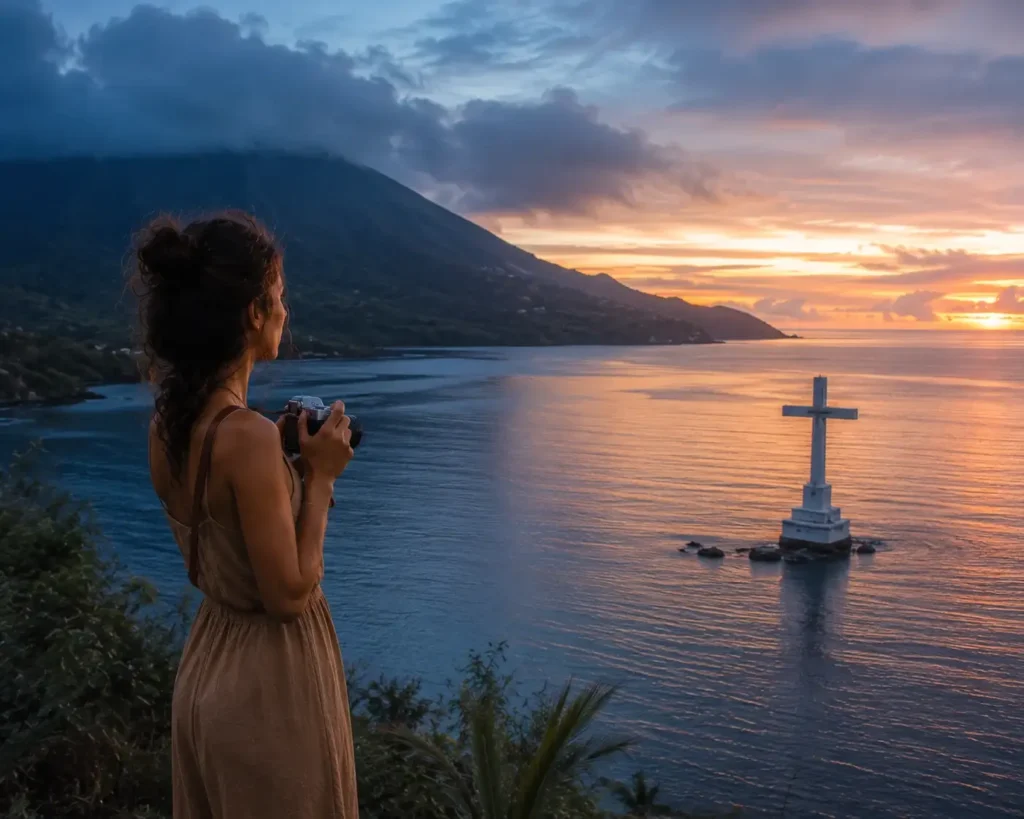
Because of all this volcanic activity, the island is packed with natural wonders. It has bubbling hot springs, icy cold mountain springs, crashing waterfalls hidden by giant ferns, and unique black sand beaches. The most famous sight is the Sunken Cemetery, where an old graveyard sank into the ocean during a massive volcanic eruption in the 1870s. Today, a giant white cross stands out in the water to mark the spot, and you can snorkel over the old stone structures which are now covered in beautiful coral reefs.
How to Get There and Navigate
To get to Camiguin, you can catch a direct commercial flight from Cebu City to the Camiguin Airport in Mambajao. Another popular option is to fly into Cagayan de Oro, take a bus to the Balingoan Port, and then board a public car ferry for a one-hour ride to the Benoni Port on Camiguin. The best way to travel around the island is to rent a semi-automatic motorbike or hire a local driver with a motorela, which is a unique regional version of a large tricycle. The island has one main 64-kilometer ring road that circles the entire coastline, making it impossible to get lost.
Local Culinary Secrets
You must try the Pastel de Camiguin. These are soft, sweet bread rolls filled with a rich, creamy custard made from milk and eggs. They are baked fresh every morning and make the perfect snack to carry in your daypack. For lunch, stop at a local roadside eatery and order Surol. This is a traditional chicken soup made with native chicken, coconut milk, ginger, and a unique local herb called koli. It is rich, aromatic, and deeply filling after a long day of swimming in the ocean.
Insider Solo Traveler Advice
When visiting the Sunken Cemetery, it is best to hire a local guide at the shore. They will take you out in a small wooden paddle boat and show you exactly where to snorkel to see the beautiful giant clams and old structures without damaging the coral. The currents around the cross can become very strong when the tide changes, so always wear a life jacket even if you are a strong swimmer. The island people are very proud of their clean environment, so never leave plastic bottles or wrappers behind on the volcanic beaches.
Your Adventure Is Waiting
When I was waitressing double shifts in New York, tired and sore, I used to close my eyes and dream about places like these. I used to worry that I didn’t have enough money, or that traveling alone as a woman was too dangerous. But those fears were just excuses keeping me inside my comfort zone.
The world is much kinder than the evening news makes it seem. These remote and untouched islands in Asia are not just places on a map; they are reminders that life can be simple, slow, and beautiful. You do not need a massive bank account or a group of friends to go with you. You just need the courage to pack your bag, buy that first ticket, and step out into the wonderful unknown.
Stop waiting for the life you want. Pack your bags, leave the routine behind, and go find your own paradise #BeyondTheMap.