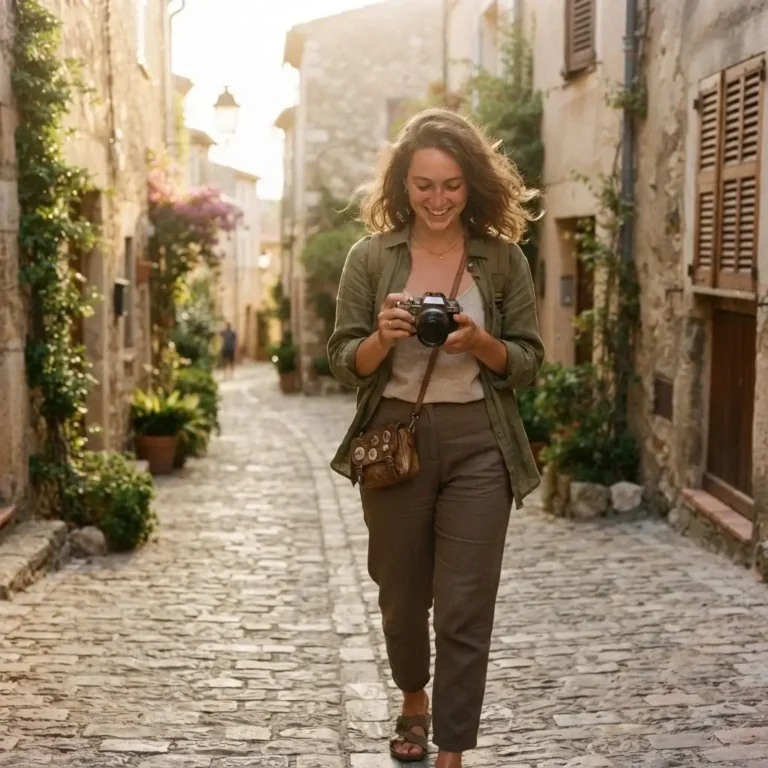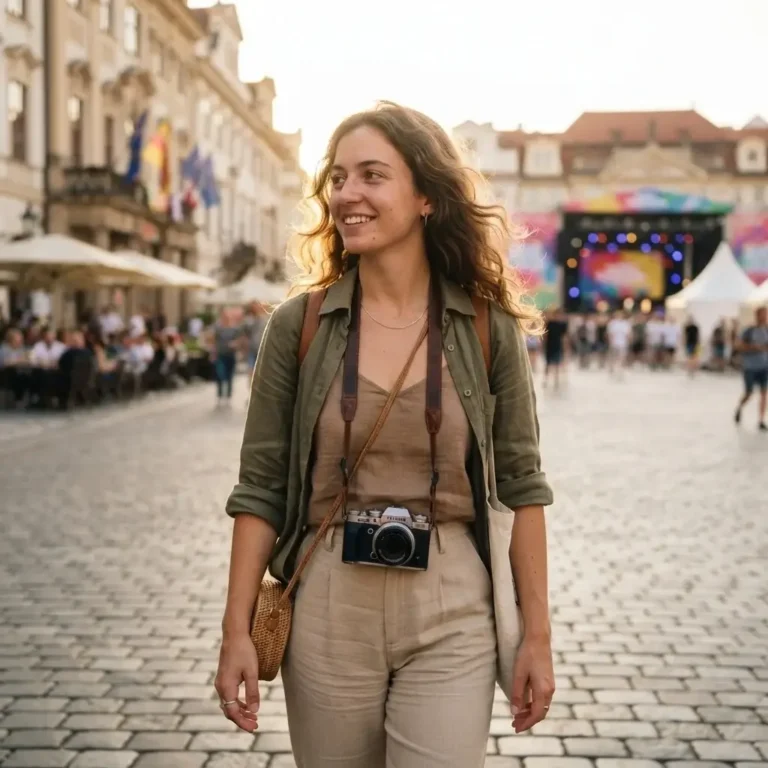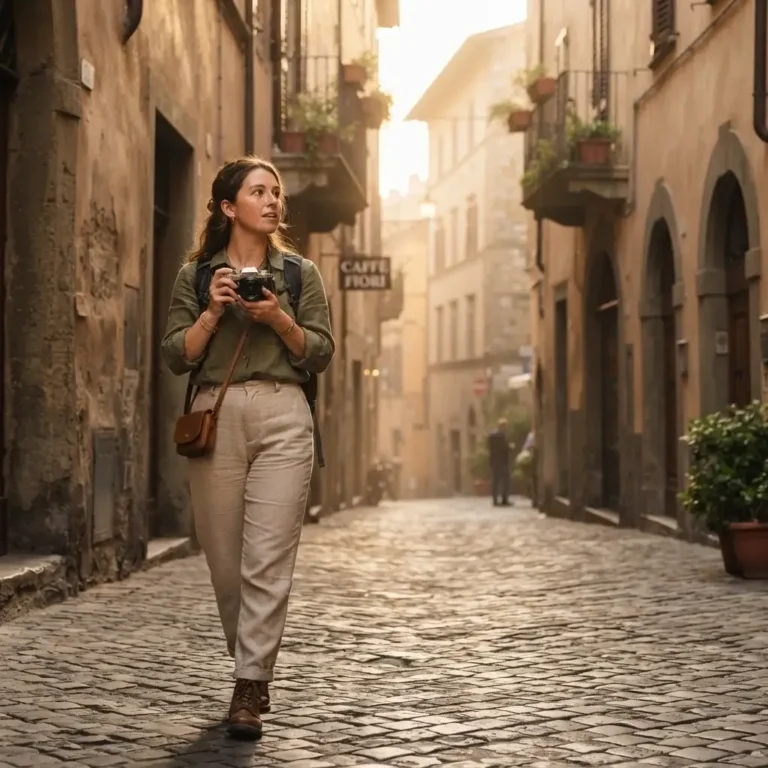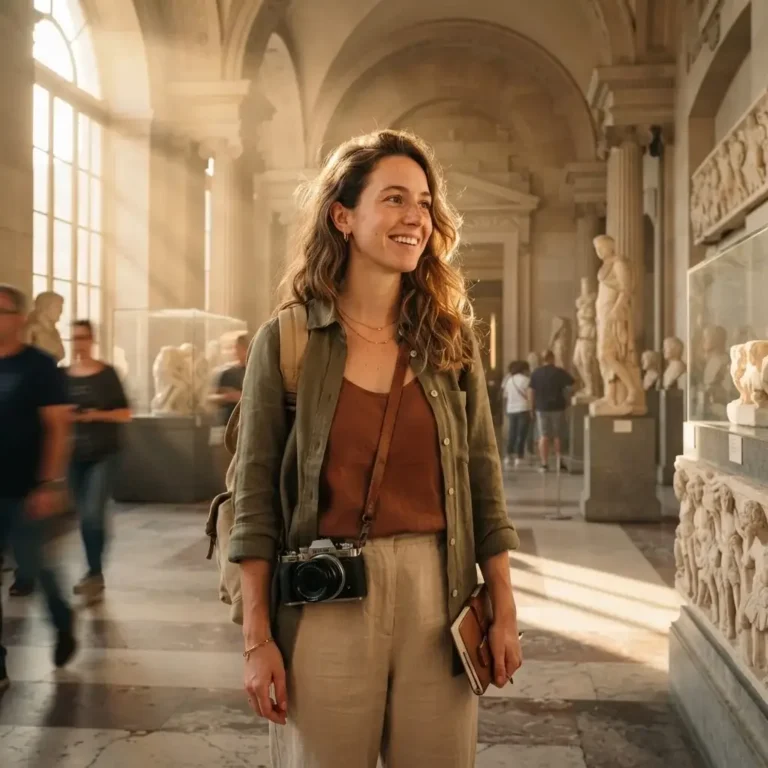
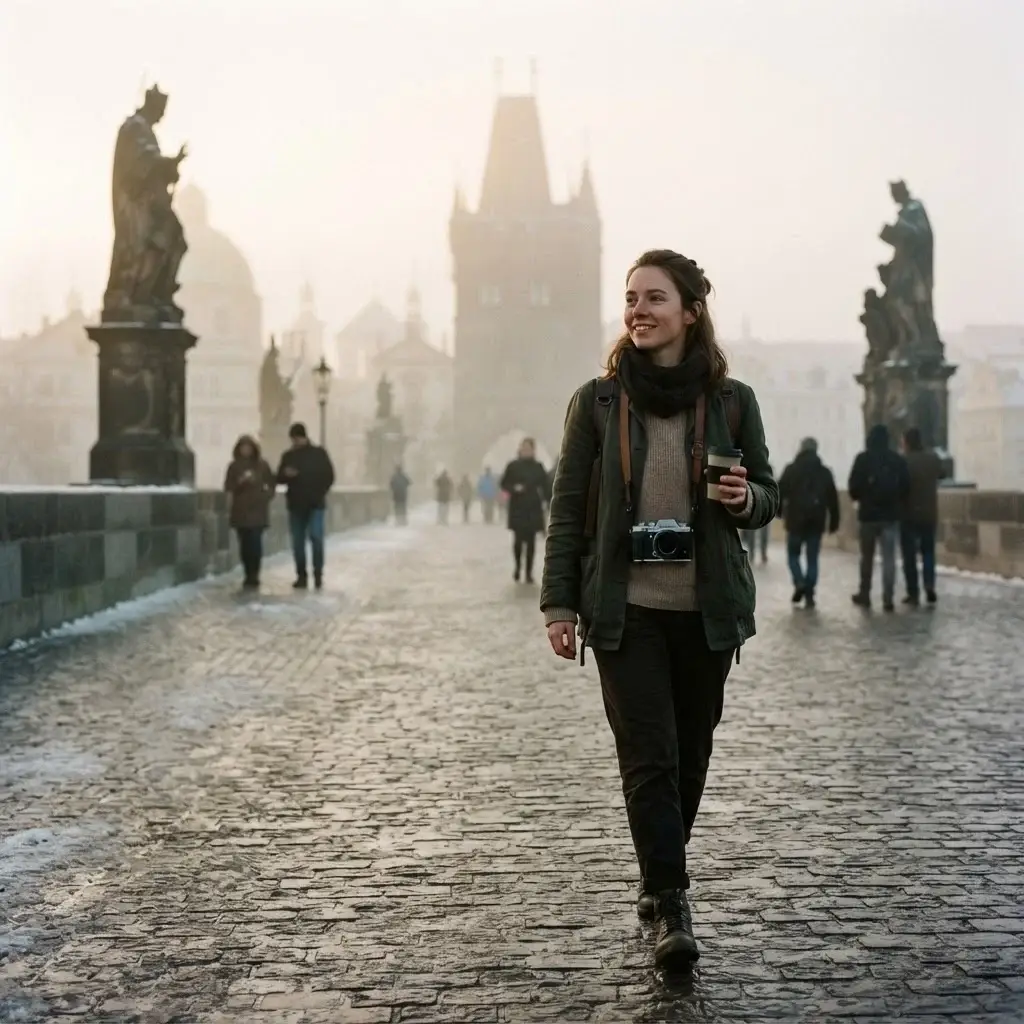
I used to hate the cold. Back when I lived in New York and worked as a sightseeing guide, my days were spent standing outside in the freezing January wind. I would wear three pairs of socks, shift my weight from foot to foot on the icy pavement, and watch tourists complain about the weather. During those long shifts, I dreamed of warm beaches and tropical escapes.
Then, I started traveling solo.
When I sat in my gray office cubicle during my short-lived 9-to-5 corporate grind, I saved my pennies in a jar on my desk. I realized pretty quickly that flights and hotels in July were way too expensive for my budget. If I wanted to travel longer and farther, I had to change my mindset. I booked a cheap flight to Europe in the dead of February. I had no idea what to expect, but that trip completely changed my life.
I learned that winter is when a city takes off its tourist makeup and shows you its real face. There are no massive cruise ship crowds. There are no hour-long lines to get into museums. Instead, you find locals packed into corner cafes with foggy windows, sharing hot drinks and real conversations.
If you have been daydreaming about a trip but letting the weather hold you back, I am here to help you pack your bags. We are going to break down exactly how to explore cities in winter. You do not need to be a fearless wilderness explorer to do this. You just need some confidence, a good coat, and the right game plan.
Why Winter is the Best Time for Authentic Travel
We have been trained to think that travel only happens in the summer. But if you want to grow as a person and see how the world really works, winter is your golden ticket.
Beating the Summer Crowds Have you ever tried to walk across a famous bridge in July? It is exhausting. You are bumping shoulders with thousands of people, dodging selfie sticks, and feeling completely overwhelmed. Winter changes all of that.
When you bundle up and step outside in January or February, the streets belong to you. You can take beautiful photos without fifty strangers in the background. You can walk right into famous galleries and have famous paintings all to yourself.
- Insider Secret: Winter mornings are incredibly quiet. If you wake up early and go for a walk while the snow is still fresh, you will experience a deep, peaceful silence that summer travelers never get to feel.
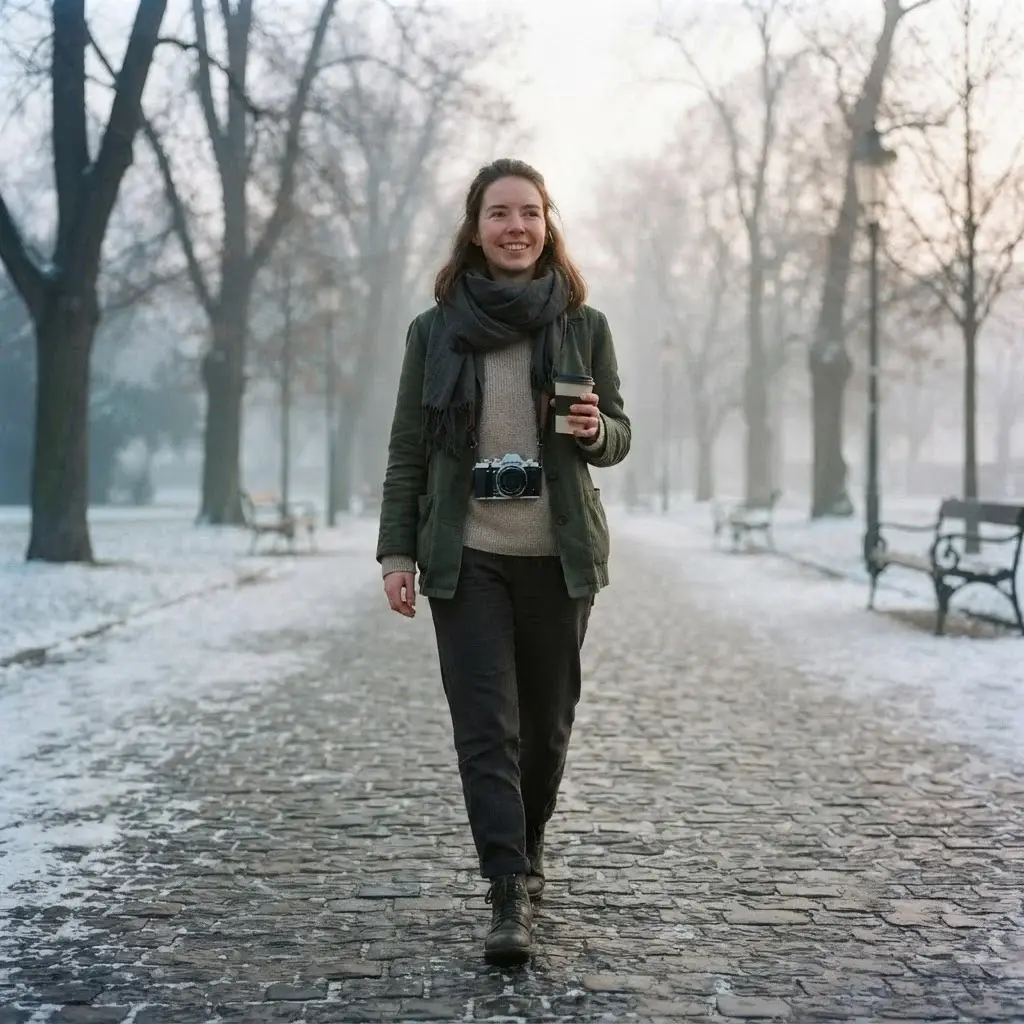
Seeing How Locals Actually Live During the warm months, many locals leave their own cities to go on vacation. The people you meet in the city center are mostly other tourists. But in the winter, the locals are right there. They are rushing to work, buying bread at the corner bakery, and meeting friends after a long day.
If you want to feel like you have stepped back in time, walking through the snowy streets of historic World Heritage sites without the summer crowds bumping into you is pure magic. You get to see the architecture exactly as it was meant to be seen. You get to watch shop owners shovel their sidewalks and nod to you as you walk past. That is real cultural connection. That is what travel is all about.
The Mindset Shift: From Surviving to Thriving
The biggest mistake first-time winter travelers make is trying to travel like it is summer. If you try to stay outside for ten hours straight, you will be miserable. You have to change the way you think about your days.
Embracing the Shorter Days In many northern cities, the sun sets by 4:00 PM in the winter. Instead of feeling sad about this, use it to your advantage! Shorter days mean you do not have to stay up until 10:00 PM to see the city lights.
You can watch the sunset, see the street lamps flicker on, take some stunning photos of the glowing city, and then go have a hearty dinner by 6:00 PM. As a solo traveler, this is a huge confidence booster. You can enjoy the beauty of the city at night without actually staying out late.
- Navigation Advice: Plan your outdoor walking tours for the middle of the day. Save indoor activities, like long dinners or museum trips, for after the sun goes down.
Leaving the 9-to-5 Expectations Behind When I left my corporate job, I had to unlearn the idea that I always had to be productive. Travel is not a race. You do not need to see twenty landmarks in one day.
Winter forces you to slow down. It forces you to stop and warm up. It forces you to take a breath. Embrace this slower pace. If you only see three things in a day, but you take the time to really understand them, your trip will be a massive success.
How to Pack and Dress for All-Day Exploration
If you are wondering how to explore cities in winter without freezing your toes off, the secret is in your suitcase. Do not pack bulky sweaters. Pack smart layers.
The Three-Layer Rule You will be walking outside in the cold, and then stepping into heavily heated museums, trains, and shops. If you are wearing one massive sweater under a coat, you will sweat inside and then freeze when you go back outside.
- The Base Layer: This goes against your skin. Never wear cotton. Cotton traps sweat and makes you cold. Wear merino wool or thermal leggings and long-sleeve tops. They are thin, soft, and keep you incredibly warm.
- The Mid Layer: This is your insulation. Think of a light fleece jacket or a wool cardigan. You can easily take this off and tie it around your waist if a cafe is too hot.
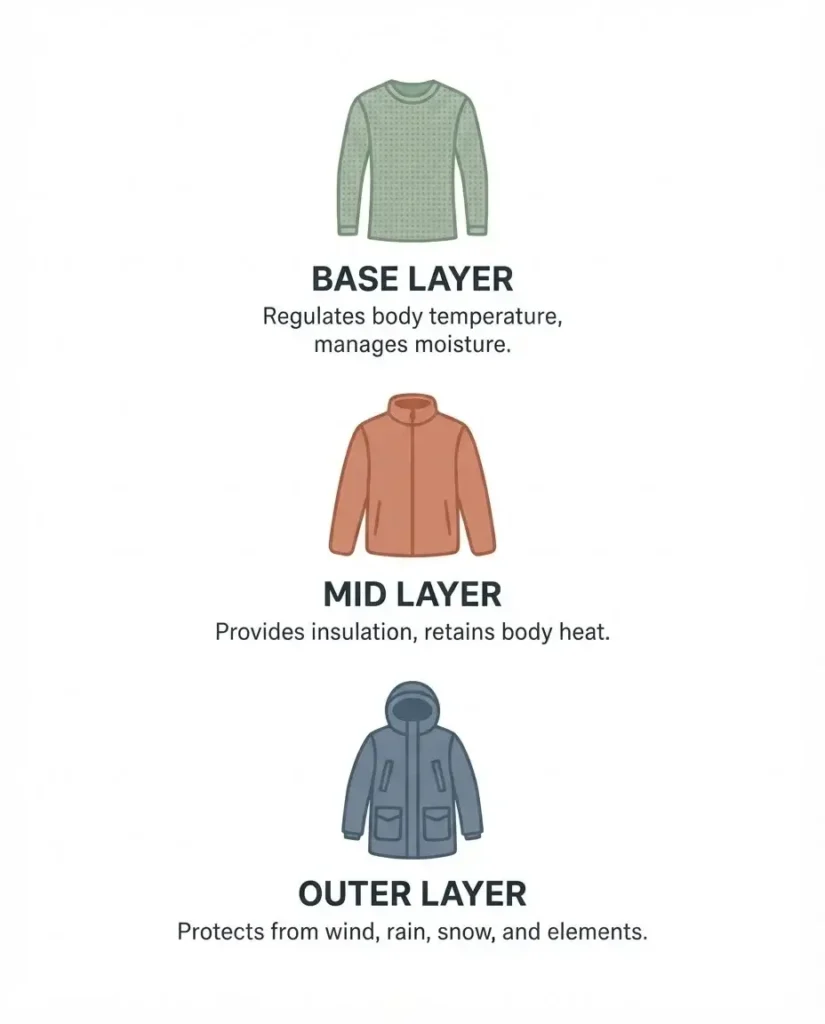
- The Outer Layer: You need a coat that stops the wind. It should be long enough to cover your hips, and it must have a hood. A hood blocks the wind from hitting your neck, which is a lifesaver.
Footwear That Will Save Your Trip Your shoes will make or break your trip. Period. When I was saving my waitress tips for my first trips, I refused to buy cheap shoes.
You need boots with thick rubber soles. The cold from the concrete pavement travels up through your shoes. If your soles are thin, your feet will freeze in ten minutes. Make sure your boots are completely waterproof. Buy them half a size larger than your normal size so you have room to wear thick wool socks without cutting off your blood flow.
- Insider Secret: When crossing the street in a winter city, always look down at the corners. The snow melts and creates deep puddles of slush exactly where you need to step off the curb. Step wide to avoid soaking your socks.
Accessories You Cannot Forget Your phone battery will drain twice as fast in the cold weather. You absolutely must bring a portable power bank and keep it in an inside pocket close to your body heat.
You also need touchscreen gloves. Taking your gloves off every time you need to check your map app is a fast way to get frozen fingers. Bring a thick scarf that you can pull up over your nose when the wind blows. Finally, pack a heavy lip balm and a small tube of hand cream. The winter wind will dry your skin out very quickly.
Structuring Your Winter City Itinerary
You cannot just wander aimlessly in the freezing cold. You need a loose plan.
The 10 AM to 3 PM Golden Window This is your prime time. The sun is at its highest, the air is slightly warmer, and the city is wide awake. When I am mapping out my daily walking route, I always start by reading the destination overviews on Lonely Planet to figure out which neighborhoods are best explored on foot. I pick one specific neighborhood and I spend my golden window exploring it.
- 10:00 AM: Start your outdoor walking. Look at the monuments, walk through the parks, and take your photos while the light is good.
- 1:00 PM: The sun might already be starting to dip depending on where you are. This is a great time to do a neighborhood walking tour or visit an outdoor market.
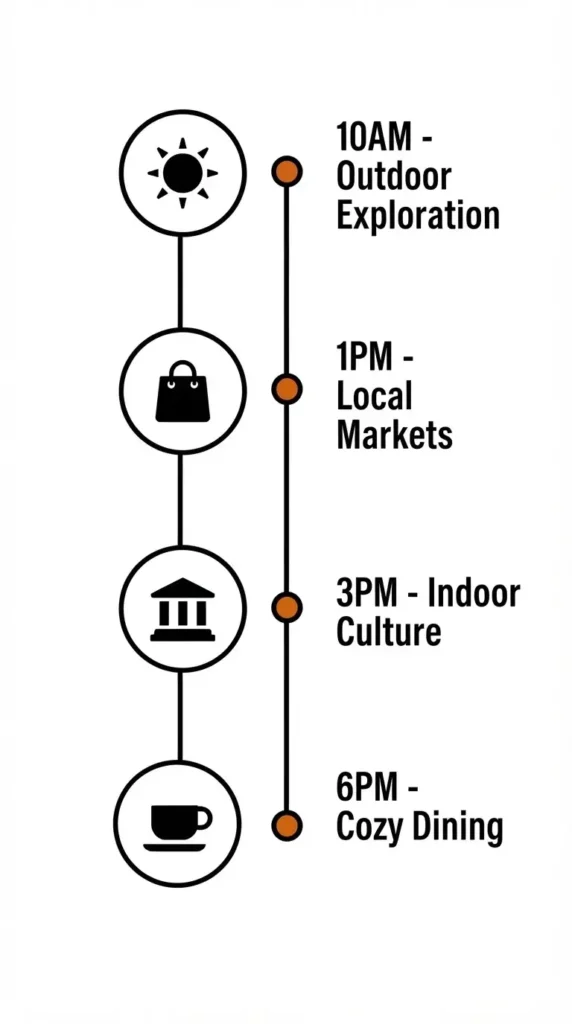
- 3:00 PM: Head toward your indoor activities as the temperature begins to drop.
Planning Around Warm-Up Stops I use the “90-Minute Rule.” I never plan to be outside for more than 90 minutes at a time without a planned stop.
A warm-up stop does not have to be expensive. You can step into a free public library to look at the architecture. You can walk through a large department store just to feel the heat. You can duck into a grand train station and grab a cheap cup of tea. Knowing you have a warm place waiting for you gives you the confidence to keep walking.
Navigating Winter Transit Like a Pro Taking the bus or the subway is a great way to warm up. But you have to know how to use them.
- Navigation Advice: In many cities, you need to buy transit tickets at outdoor kiosks. Take your gloves off, buy a daily or weekly transit pass all at once, and put it in an easy-to-reach pocket. This way, you do not have to fumble with cold coins or freeze your hands every single time you want to board a tram.
- Subway vs. Bus: Subways are usually warmer and faster. But buses let you see the city through the windows while staying warm. I love taking a long bus ride from one end of a city to the other just to watch the local life pass by from a heated seat.
Culinary Deep Dive: Eating Your Way to Warmth
Eating in the winter is completely different than eating in the summer. You do not want light salads. You want rich, heavy, beautiful comfort food. This is the time to eat exactly what the locals eat to survive the long winters.
Street Food That Tastes Better in the Cold Street food is a winter traveler’s best friend. It warms your hands while you hold it, and it gives you a quick burst of energy.
Look for carts selling roasted chestnuts. The smell of the smoke and the sweet nuts is incredible. In many European cities, you can find small stalls selling hot spiced wine or hot apple cider. Holding a steaming paper cup of hot wine while you walk down a snowy street is a memory you will never forget.
Try the local fried pastries. Whether it is a fresh doughnut, a warm pretzel, or a fried dough topped with cheese, the extra calories will actually help your body stay warm as you walk.
Finding the Perfect Cozy Cafe Cafe culture was basically invented for winter travel. But do not go to the shiny, modern coffee chains. Look for the older spots.
- How to Spot a Good Cafe: Look for foggy windows. If the windows are steamed up, it means the cafe is full of people and full of heat. Look for places with reading lamps, wooden tables, and locals reading actual newspapers instead of just staring at laptops.
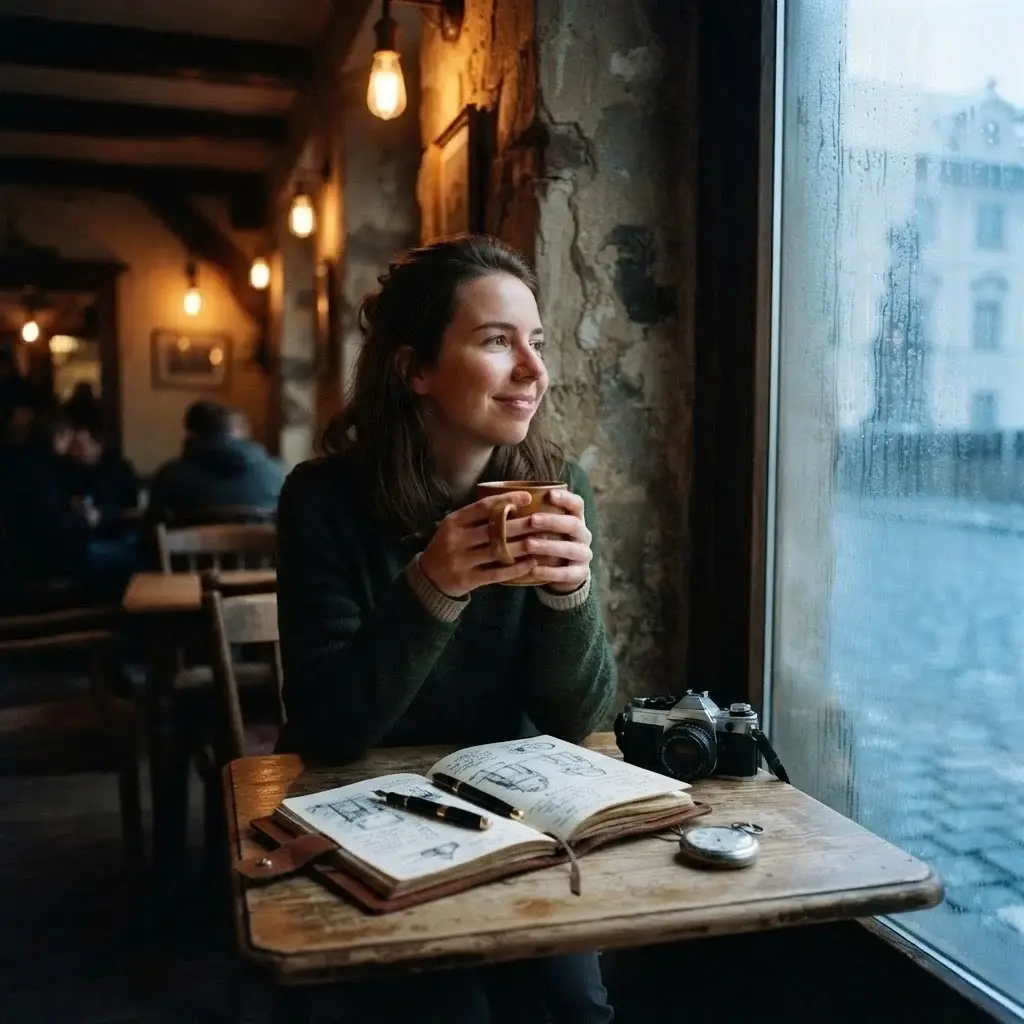
- What to Order: Order the thickest hot chocolate they have. In many countries, winter hot chocolate is not a thin syrup; it is melted chocolate served in a cup. Pair it with a slice of heavy cake. Sit near the window, write in your travel journal, and watch the people outside hurrying through the cold.
Hearty Dinner Traditions You Must Try Dinner is your reward for a long day of exploring. Winter food is deeply cultural.
Look for thick stews, roasted root vegetables, and slow-cooked meats. In Eastern Europe, order big bowls of goulash served with heavy bread. In Western Europe, look for melted cheese dishes like fondue or raclette. In Asian cities, find a tiny shop selling steaming bowls of spicy noodle soup that will clear your sinuses and warm your chest.
- Navigation Advice: Restaurants fill up fast on cold nights because nobody wants to walk around looking for food. Ask your hotel or hostel host to call and make a dinner reservation for you earlier in the day.
Finding Authentic Cultural Experiences in the Cold
You do not need summer festivals to find culture. Winter has its own special rhythm, and it is usually much more authentic.
Local Markets Beyond the Holiday Glitz Everyone knows about December holiday markets. They are beautiful, but they are also packed with tourists buying expensive souvenirs.
If you travel in January or February, the holiday markets are gone. Instead, you find the real, everyday farmers’ markets. Go to the indoor food halls. Watch the local grandmothers buying fresh cabbage, smoked sausages, and winter root veggies. These indoor halls are loud, full of life, and give you a fantastic look at how normal people feed their families. Buy some local cheese and fresh bread for a cheap, authentic lunch.
Indoor Museums and Lesser-Known Galleries Winter is the time to soak up art and history. Because the crowds are gone, you can actually stand in front of a painting and look at it for ten minutes without anyone rushing you.
Instead of just visiting the one massive, famous museum, look for the smaller, highly specific galleries. Visit the local history museum to learn how the city was built. Visit a small photography gallery.
- Insider Secret: Always use the coat check. Almost every museum has one. Hand over your heavy wet coat, your scarf, and your gloves. Walking around a heated museum while holding a giant winter coat is miserable. Pay the one dollar to check your coat and enjoy the art freely.
Winter Festivals and Neighborhood Gatherings Cities do not just shut down because it is cold. They throw local neighborhood parties to keep their spirits up.
Look for community ice skating rinks. You do not even have to skate! Just buy a hot tea, stand by the edge, and watch the teenagers laughing and the families helping their kids learn to skate. It is a wonderful way to feel connected to the daily life of the city. Look for local winter music nights in small pubs. When it is freezing outside, people gather tightly inside, and the energy in a small live music pub is incredibly warm and welcoming.
Staying Safe, Healthy, and Insured
Traveling in the winter comes with a few extra bumps in the road. Being prepared is how you build your solo travel confidence.
Avoiding the Winter Travel Bug When everyone is packed together in heated trains and cafes, winter colds spread fast. Before you pack your bags, it is a smart habit to check the latest travel health advisories to see if you need flu shots or specific medical prep for your destination.
Once you are there, wash your hands every single time you sit down to eat. Drink lots of water. Cold air is very dry, and heating systems dry you out even more. If you let yourself get dehydrated, you will get tired faster and get sick easier. Go to a local pharmacy and buy some local vitamin C packets to mix into your water bottle.
Why Proper Cover is Non-Negotiable Winter weather causes delays. Snowstorms ground flights. Icy roads delay buses. This is just a fact of winter travel.
Because icy sidewalks and delayed snowstorm flights are real risks, getting solid travel insurance for your trip gives you the peace of mind to focus on the fun parts of your adventure. If your flight is delayed for two days because of a blizzard, you do not want to be crying over the cost of a hotel room. You want to know you are covered so you can go enjoy an extra day in the city.
I also make it a rule to review the current country safety ratings and alerts so I know exactly what to expect regarding local laws or sudden travel warnings. Knowledge is your best defense against travel anxiety.
Walking Safely on Icy Streets This sounds silly, but you have to learn how to walk on ice.
Do not walk with your hands in your pockets. If you slip, you need your hands free to catch yourself. Wear your gloves so your hands stay warm while they are out of your pockets. Do the “penguin walk.” Take short, flat steps. Keep your center of gravity right over your front leg. Do not take long, confident strides on a snowy sidewalk, or you will end up flat on your back.
3 Winter City Profiles to Inspire Your Next Trip
If you are ready to take the leap, here are three fantastic cities that truly shine when the temperature drops.
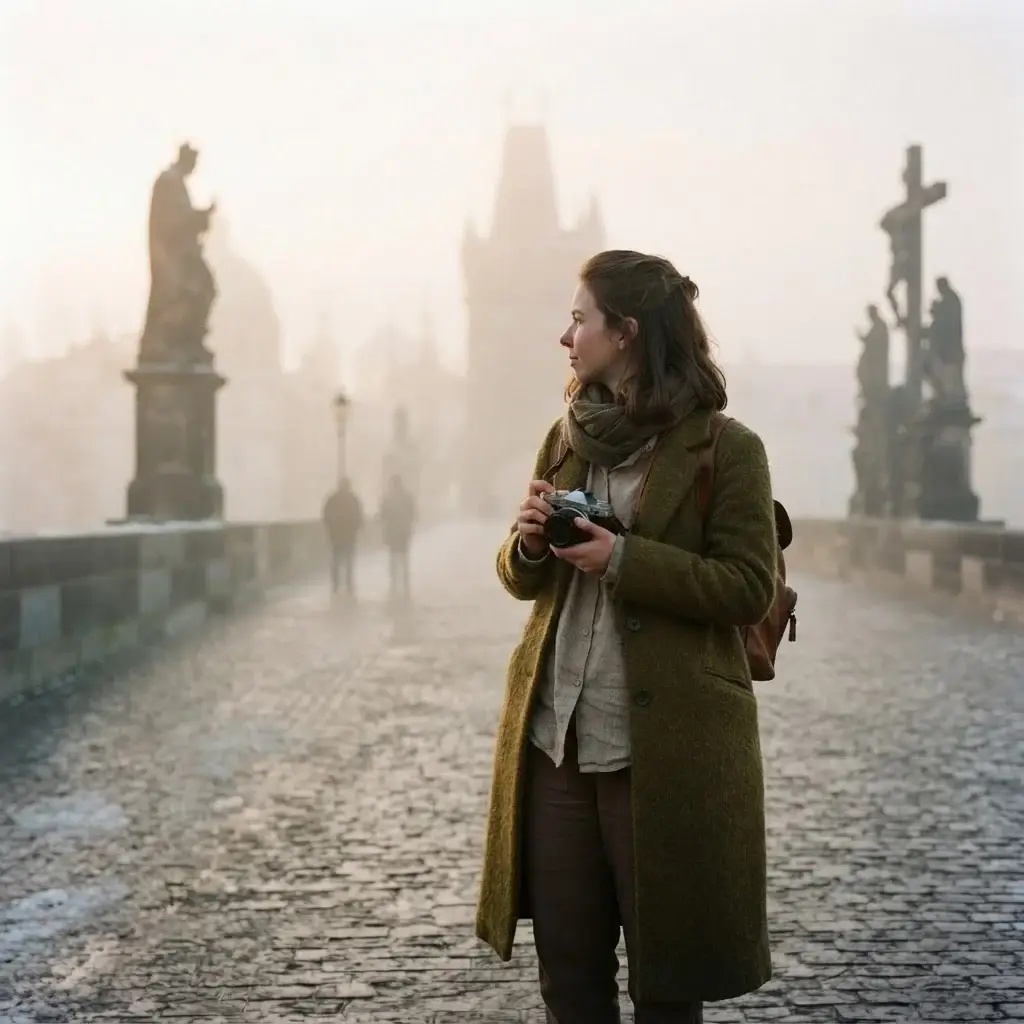
Prague, Czech Republic Prague in the winter feels like you have walked onto the set of a dark, beautiful fairy tale. The gothic spires look incredible against a gray winter sky.
- The Vibe: Mysterious, historical, and deeply cozy.
- What to Eat: You must buy a Trdelník (chimney cake) from a street vendor. It is dough wrapped around a stick, roasted over open coals, and rolled in cinnamon sugar. Eat it while it is hot. For dinner, find a traditional pub and order Svíčková—a heavy dish of roast beef with a creamy vegetable sauce and bread dumplings.
- Navigation Advice: The streets in the Old Town are made of cobblestones. In the winter, these stones get very slippery. Walk slowly. Use the city’s amazing tram system. Tram number 22 is famous—it acts like a cheap sightseeing bus that takes you right up to the Prague Castle gates so you do not have to walk up the steep, icy hill.
- The Perfect Day: Start at the Charles Bridge at 8:00 AM before anyone else is awake. Watch the fog lift off the river. Spend the late morning walking the castle grounds. Warm up in a historic cafe with a slice of honey cake at 2:00 PM.
Montreal, Canada Montreal embraces the freezing cold better than almost any city on earth. It has a beautiful European feel mixed with tough, North American winter survival skills.
- The Vibe: Energetic, artistic, and fiercely proud of the snow.
- What to Eat: Poutine is mandatory. Hot french fries, fresh cheese curds, and thick, boiling brown gravy. It is the ultimate winter survival food. You should also find a bagel shop. Montreal bagels are boiled in honey water and baked in wood-fired ovens. Buying a bag of hot bagels on a cold morning is heaven.
- Navigation Advice: Montreal has a massive “Underground City” (RESO). It is a huge network of heated pedestrian tunnels that connect shopping malls, subway stations, hotels, and office buildings. You can travel across the city center for hours without ever stepping outside into the snow. It is a lifesaver on bitter cold days.
- The Perfect Day: Bundle up and hike to the top of Mount Royal park in the morning for a stunning view of the snowy city. Head into the Underground City in the afternoon to warm up and browse the shops. Eat a massive bowl of poutine for dinner.
Vienna, Austria Vienna does winter with pure elegance. It is the city of classical music, palaces, and some of the best cafe culture in the world. Even after teaching English in the sweaty heat of Thailand, I realized my favorite travel memories happened right here in the crisp, cold air of Austria.
- The Vibe: Grand, artistic, and sophisticated.
- What to Eat: Wiener Schnitzel (thin, breaded, pan-fried veal) served with warm potato salad. For a sweet treat, you have to try Sachertorte, a dense chocolate cake with apricot jam.
- Navigation Advice: The city center (Innere Stadt) is very compact and perfect for walking. When your nose gets cold, duck into a coffee house. In Vienna, a coffee house is considered a public living room. You can order one coffee (try the Melange) and sit there for three hours reading a book, and the waiter will never rush you.
- The Perfect Day: Walk the grounds of the Schönbrunn Palace in the morning light. Spend the afternoon in the warm, quiet halls of the Albertina art museum. End your day sitting in a corner booth at Cafe Central, writing down your thoughts while listening to the hum of local conversations.
Take the First Step
Traveling in the winter is not about having perfect weather. It is about proving to yourself that you can step out into the world, handle a little bit of a chill, and find the warmth and beauty that most people sleep through.
Do not wait for July. Do not wait for the perfect moment. Put on a good pair of boots, zip up your coat, and go see what the world looks like when the snow falls. You are going to do great.