

I still remember the crisp autumn morning I handed in my corporate badge, walked out of my Manhattan office tower, and traded my rigid 9-to-5 routine for a beat-up station wagon and an open map. After years of feeling trapped behind a desk, counting down the days to a tiny two-week vacation, I decided I wanted a life where exploration and slow travel were the main events, not an afterthought. I worked extra shifts as a city sightseeing guide, poured coffee until midnight, and saved every dollar to fund my independence.
But my very first long-distance road trip taught me a hard lesson. I had packed three pairs of cute boots, a heavy camera tripod, and four thick novels. Yet, three hours into the Catskills, my phone battery died, my paper map was three years out of date, and I didn’t even have a basic pressure gauge to check a low tire. I had focused so much on the romance of the open road that I completely missed the actual, practical gear that keeps a trip moving forward.
When you are planning a journey, it is easy to fall into the trap of over-packing unnecessary gear while leaving behind the small, unglamorous tools that keep you safe, comfortable, and self-sufficient. Missing these items does not just cause a minor annoyance; it can halt your trip completely.
Let us break down the exact, real-world items that split the difference between a stressful breakdown and a smooth, life-changing adventure. Here are the missed must-have essentials for road trips, the common packing traps you need to avoid, and the insider strategies to help you hit the highway with total confidence.
1. The Electrical and Navigation Backups We Always Forget
When I was guiding tourists through the busy streets of New York, I learned that technology fails the exact moment you need it most. Out on the highway, relying entirely on your car’s built-in screen or your smartphone dashboard mount is a major gamble.
The Low-Tech Map That Saves Lives
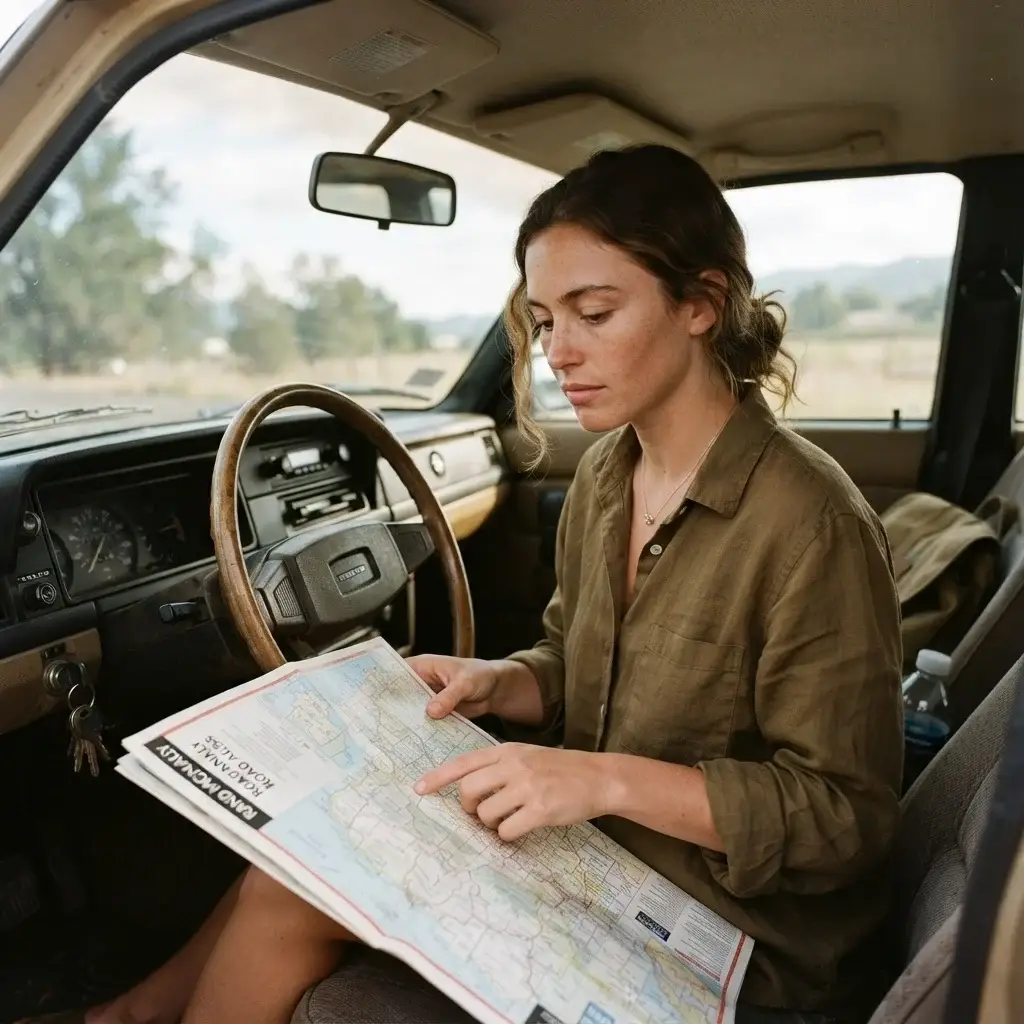
We live in an era of live satellite updates, but cell towers disappear the moment you enter deep canyons, high mountain passes, or vast desert stretches. A physical, up-to-date road atlas is a non-negotiable tool. When you buy a paper map, look for topographic versions that clearly display public land boundaries, elevation changes, and small dirt access roads.
Before you start your engine, open your digital mapping app and download the entire regional map area directly to your device storage. This allows your phone’s internal GPS chip to track your vehicle even when you have zero cellular data service.
Power Management Beyond the Dashboard
Your vehicle’s USB ports are often low-voltage connections. They might keep a phone alive, but they charge devices incredibly slowly, especially if you are running navigation and streaming music simultaneously.
- The Solution: Pack a dedicated 12V cigarette lighter adapter that features quick-charge ports.
- The Backup: Keep a fully charged, heavy-duty external power bank tucked inside your glove compartment.
Choose a power bank with a capacity of at least 20,000 mAh. This ensures you can recharge your phone, your headlamp, and your e-reader multiple times if your car battery drains or you decide to camp out unexpectedly.
2. Mechanical Self-Sufficiency: Moving Beyond the Spare Tire
Most people know they should have a spare tire, but very few check if that spare is actually usable before they leave. A flat tire on a dark, rainy state highway will turn into a nightmare if your tools are rusted shut or missing entirely.
The True Roadside Toolkit
A factory-issued vehicle jack is often flimsy and difficult to use on uneven gravel shoulders. I highly recommend buying a small, hydraulic bottle jack and a solid piece of scrap wood to place underneath it for stability on soft dirt.
You must also carry a heavy-duty cross-shaped lug wrench. The small wrenches that come with cars rarely give you enough physical leverage to loosen bolts that were tightened by commercial air guns at a mechanic shop.
Tire Maintenance on the Fly
A slow leak from a stray nail can happen miles away from the nearest service station. Instead of waiting hours for a tow truck, you can resolve minor issues yourself if you pack a portable 12V air compressor that plugs into your car’s accessory outlet.
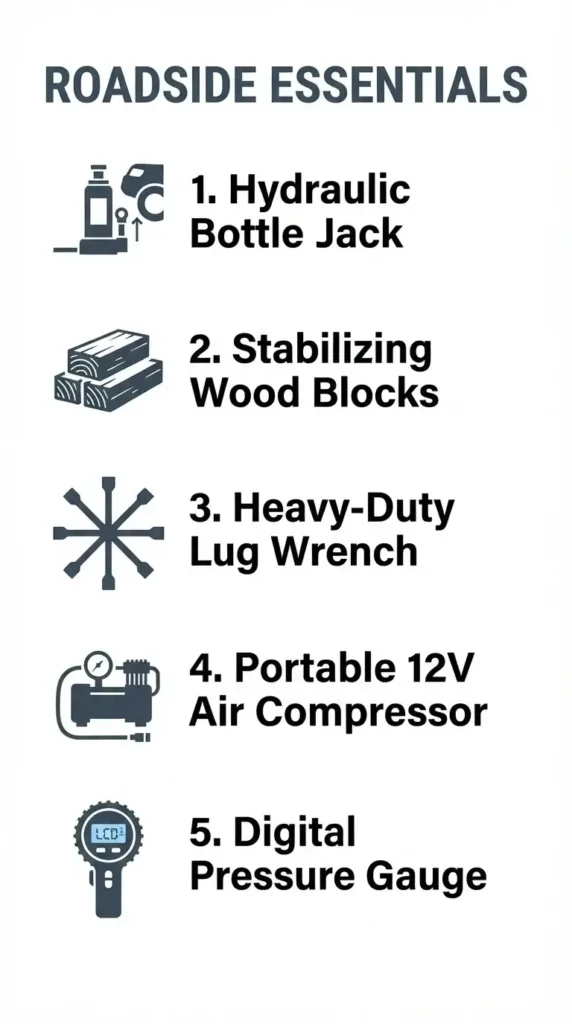
Pair this compressor with a high-quality digital tire pressure gauge. Check your tire pressure every single morning before you drive when the rubber is cold. Correct tire inflation improves your gas mileage, prevents dangerous highway blowouts, and ensures your car handles smoothly through tight, winding mountain curves.
3. Health, Wellness, and First Aid Realities
A standard store-bought first aid kit looks great on paper, but it usually contains little more than tiny adhesive bandages and a few packets of low-grade antiseptic cream. When you are hours away from a town, you need a medical kit capable of handling real road trip challenges.
Building an Active First Aid Kit
Your road trip medical kit should address the specific issues that come with sitting for long hours and exploring new environments. Pack a wide selection of blister prevention pads, heavy-duty fabric bandages, and elastic wraps for sudden ankle sprains on trail walks.
Include a variety of medications for motion sickness, digestive issues, and sudden allergic reactions. If your route takes you through remote territory, you should consult professional medical resources before packing your bags. For example, I always check the comprehensive CDC Travelers’ Health site to review specific vaccine advice, regional health warnings, and deep-dive safety tips for wilderness or cross-border travel.
Hydration and Environmental Protection
Dehydration is a sneaky enemy on long drives. The dry air blowing from your car’s air conditioning system pulls moisture from your body faster than you realize, leading to fatigue, tension headaches, and loss of concentration.
- Water Storage: Keep a solid, reusable stainless steel water bottle within arm’s reach, and store a backup five-gallon water jug in your trunk.
- Skin and Eye Care: Pack a mineral-based sunscreen with a high SPF rating, a soothing aloe vera gel for unexpected burns, and a dedicated bottle of rehydrating eye drops to soothe eyes strained by hours of staring at sunlit pavement.
4. Culinary Independence: Eating Well on the Highway
When I first started traveling full-time, I wasted a massive amount of money buying greasy fast food at highway rest stops. Not only did it drain my hard-earned savings, but it also left me feeling sluggish and tired during long afternoon stints behind the wheel. Learning how to source and store real food completely changed my travel experience.
The Art of Cool Box Optimization
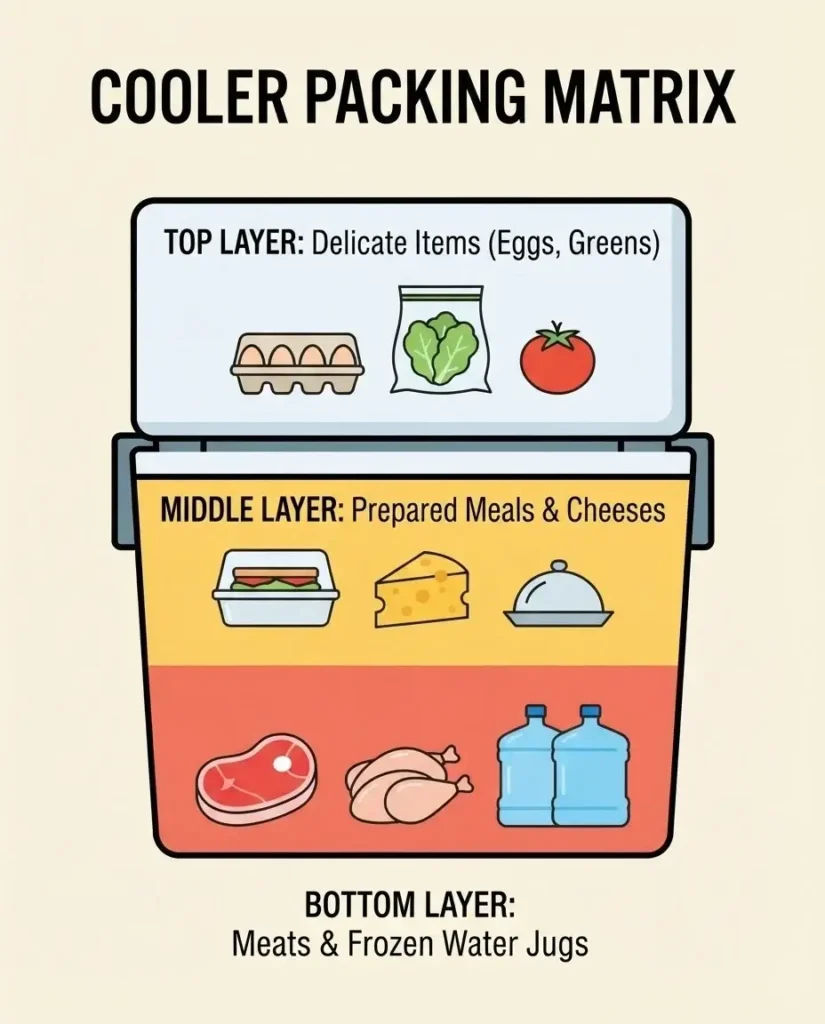
A cheap plastic cooler will let ice melt within a few hours, leaving your sandwiches soggy and your dairy products at risk of spoiling. Invest in a well-insulated, heavy-duty cooler.
Instead of buying bags of loose ice cubes that quickly melt into a pool of water, freeze half-gallon jugs of drinking water before your trip. These large blocks of ice melt at a much slower rate, keep your food perfectly dry, and provide a backup source of cold drinking water once they finally thaw.
Sourcing Fresh Local Ingredients
One of the greatest joys of a slow road trip is pulling over at roadside farm stands, country markets, and local bakeries. Skip the major grocery chains and buy seasonal fruits, local cheeses, fresh sourdough bread, and regional specialties.
If you are driving through coastal areas, look for small fish shacks selling the morning’s catch. If you are crossing pastoral country lanes, watch for signs offering fresh orchard apples or jars of raw, local honey.

This approach keeps your meals exciting, saves money, and directly supports the small communities you are driving through.
5. Solo Travel Confidence and Safety Protocols
Taking a long road trip by yourself is an incredible way to build self-reliance, but it requires an extra layer of planning and awareness. When you are the driver, the navigator, and the mechanic all at once, you must set up clear safety systems before you put the car in gear.
Check-In Schedules and Boundary Setting
Never head out into remote areas without letting someone know exactly where you are going. Establish a daily check-in routine with a trusted friend or family member. Send them a quick text message every single morning when you start driving and every evening when you reach your stopping point.
Share your digital route plan and a copy of your accommodation bookings beforehand. If your plans change because you discovered a beautiful detour or an interesting historic site, update your contact person immediately so they always know your general radius.
Vehicle Safety and Personal Security
When you pull over to sleep at a campsite, a rest area, or a small town motel, keep your vehicle locked at all times. Store all valuable items, such as your laptop, passport, and camera gear, completely out of sight beneath the seats or in the trunk.
For solo adventurers tracking across long highway networks, it is smart to consult expert safety frameworks before your departure. I frequently use the official US Department of State Travel advisories to check up-to-date regional safety ratings, local laws, and road condition alerts for international border crossings. Keeping yourself informed ensures you stay far away from known hazards and can focus entirely on the joy of discovery.
6. Cultural Curiosity: Slowing Down for Heritage and History
The biggest mistake you can make on a road trip is treating the highway as a race track. If you only look at the road ahead, you miss the incredible history, diverse communities, and rich heritage that define the landscape you are driving through.
Exploring Living History
Every region has a unique story told through its architecture, older neighborhoods, and historic preservation sites. Make it a point to divert from the multi-lane interstate highways onto old historic routes and scenic byways. Pull over to read the historical markers at the edges of small towns.
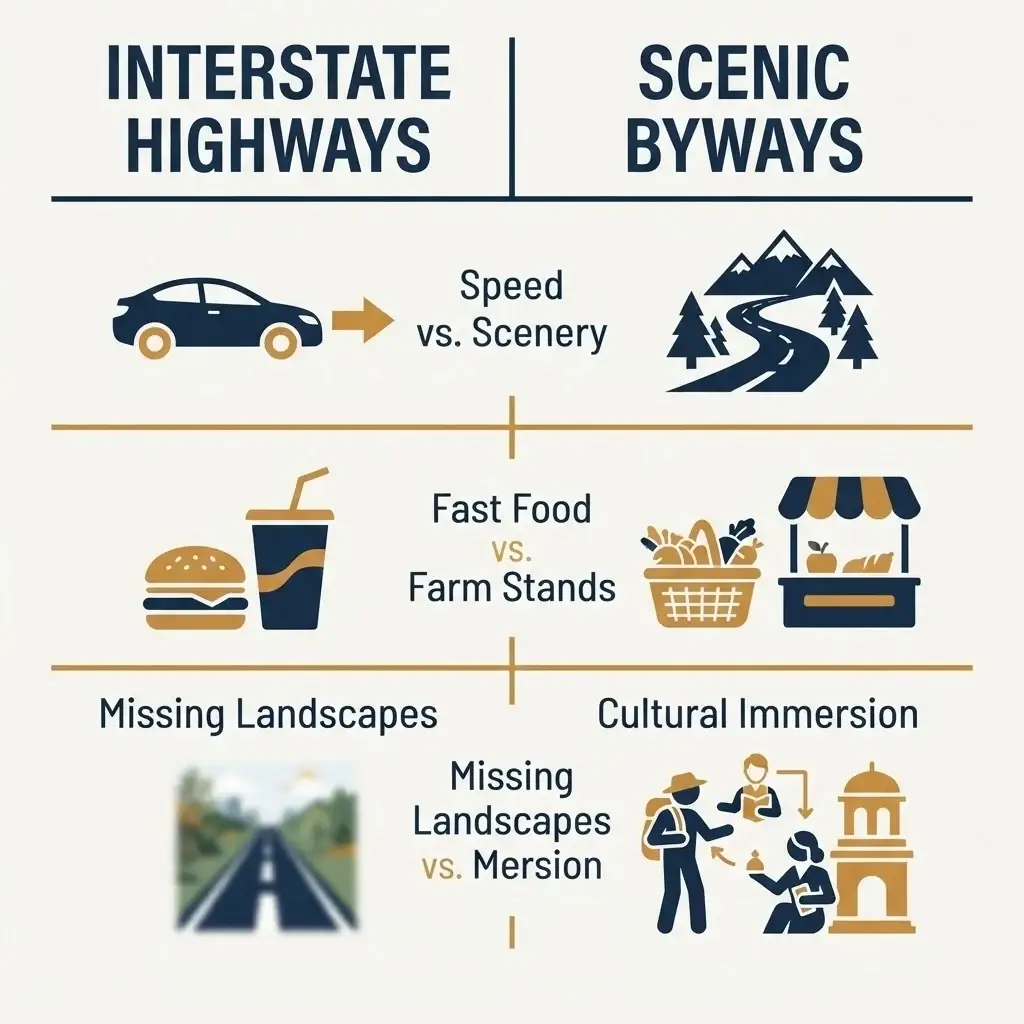
Seek out designated world heritage locations, historic monuments, and ancient cultural sites along your path. To plan my routes around these meaningful places, I rely on the detailed profiles provided by the UNESCO World Heritage convention to find globally significant cultural landmarks, ancient archaeological preserves, and pristine natural parks that are worth a slow, respectful detour.

Engaging with Local Communities
When you stop for fuel or a meal, step away from the major highway plazas and drive into the heart of the local town. Visit the regional heritage museum, walk through the community parks, and talk to local shopkeepers.
Ask the person behind the counter at a small bakery where they like to go for a weekend walk, or what local dish their town is known for. By showing genuine curiosity and respect for the places you pass through, you will often discover incredible swimming holes, quiet picnic spots, and oral histories that you would never find in a standard tourist guidebook.
7. Comfort and Cleanliness: Managing the Micro-Environment
Spending ten hours a day inside a metal box means that small messes, bad smells, and minor discomforts build up fast. Managing the cleanliness and physical comfort of your car’s interior is essential for keeping your mood high and your mind sharp.
The Sanitation Station
Never embark on a road trip without a dedicated, easily accessible cleaning kit stored right behind the driver’s seat.
- The Essentials: Pack a pack of heavy-duty wet wipes, a roll of paper towels, a small bottle of biodegradable liquid soap, and a large bottle of high-strength hand sanitizer.
- The Spill Preparedness: Keep a supply of small garbage bags on hand, and empty them every single time you stop for fuel.
- The Comfort Item: Tuck a microfiber towel into your door pocket. It is incredibly useful for wiping condensation off the inside of windows, drying your feet after a spontaneous wade in a river, or cleaning up a spilled coffee on the dashboard.
Ergonomics for the Long Haul
Driving for hours can cause severe lower back pain and neck stiffness if you do not support your body correctly. A small, firm lumbar support cushion can save you days of physical discomfort.
Keep a pair of lightweight, slip-on shoes or comfortable sneakers specifically for driving, and never drive in heavy, restrictive boots or flimsy flip-flops that can slip off the pedals. Adjust your mirrors so you are forced to sit up straight rather than slouching over the wheel, and take a mandatory ten-minute stretch break every two hours without exception.
8. Managing Unexpected Expenses and Roadside Emergencies
A great road trip requires a balance of optimism and practical realism. Financial surprises, unexpected weather events, and mechanical hitches are bound to happen at some point, and your readiness determines whether they become a fun story or a total disaster.
The Emergency Cash Stash
We live in an increasingly cashless society, but out on the rural backroads, technology can fail. Small independent gas stations, remote park entrance booths, and rural tow truck drivers might not accept digital credit cards or mobile tap payments if their satellite terminal goes down.
Hide a minimum of one hundred dollars in small, crisp bills somewhere secure inside your car, away from your main wallet. This cash can save you if you need to buy emergency fuel from a local farmer or pay a small cash fee for an unexpected ferry crossing.
Financial Protection for the Open Road
When you leave your home town behind, your regular health or auto policies might have coverage gaps that leave you exposed to high out-of-pocket costs. Securing a flexible, adventure-focused travel policy can make all the difference when things go wrong far from home.
Before I head out on any major trip, I make sure to look through the clear, traveler-focused options on the World Nomads Travel Insurance platform to find adaptable coverage plans that protect against gear theft, sudden trip interruptions, and emergency medical situations on the road. Having this financial backup allows you to explore new territories with a sense of complete freedom and security.
9. Packing Optimization: What to Leave on the Shelf
The easiest way to make your road trip miserable is to overpack your car until you cannot see out of the rearview mirror. A cluttered car creates a cluttered mind, makes it impossible to find your essential gear quickly, and forces you to play a frustrating game of luggage Tetris every time you pull into a campsite or motel.
The Overpacking Trap Checklist
Take a look at your packing pile and ruthlessly remove items that serve only one specific purpose or are carried out of pure vanity.
Remember that you are driving through living, breathing communities with stores, pharmacies, and markets. You do not need to pack as if you are launching an expedition to the polar ice caps. Keep your vehicle light, airy, and organized so that you have room to breathe, relax, and enjoy the passing views.
10. The Ultimate Mental Shift: Embracing the Unknown
When you leave the predictable boundaries of your everyday routine, you must accept that things will not always go exactly according to your itinerary. Detours will happen, weather will change, and you might miss a turn that takes you miles out of your way.
Turning Challenges into Stories
The most memorable parts of my travels have never been the moments where everything went perfectly. They were the moments when I got a flat tire in a tiny village and ended up sharing stories with a local mechanic, or when a heavy rainstorm forced me to pull over and discover a cozy, hidden diner with the best homemade pie I have ever tasted.
When you pack your bags with the true must-have essentials for road trips, you are not just packing physical tools; you are packing the confidence to handle whatever the road throws your way. Stop waiting for the perfect, flawless moment to explore the world.
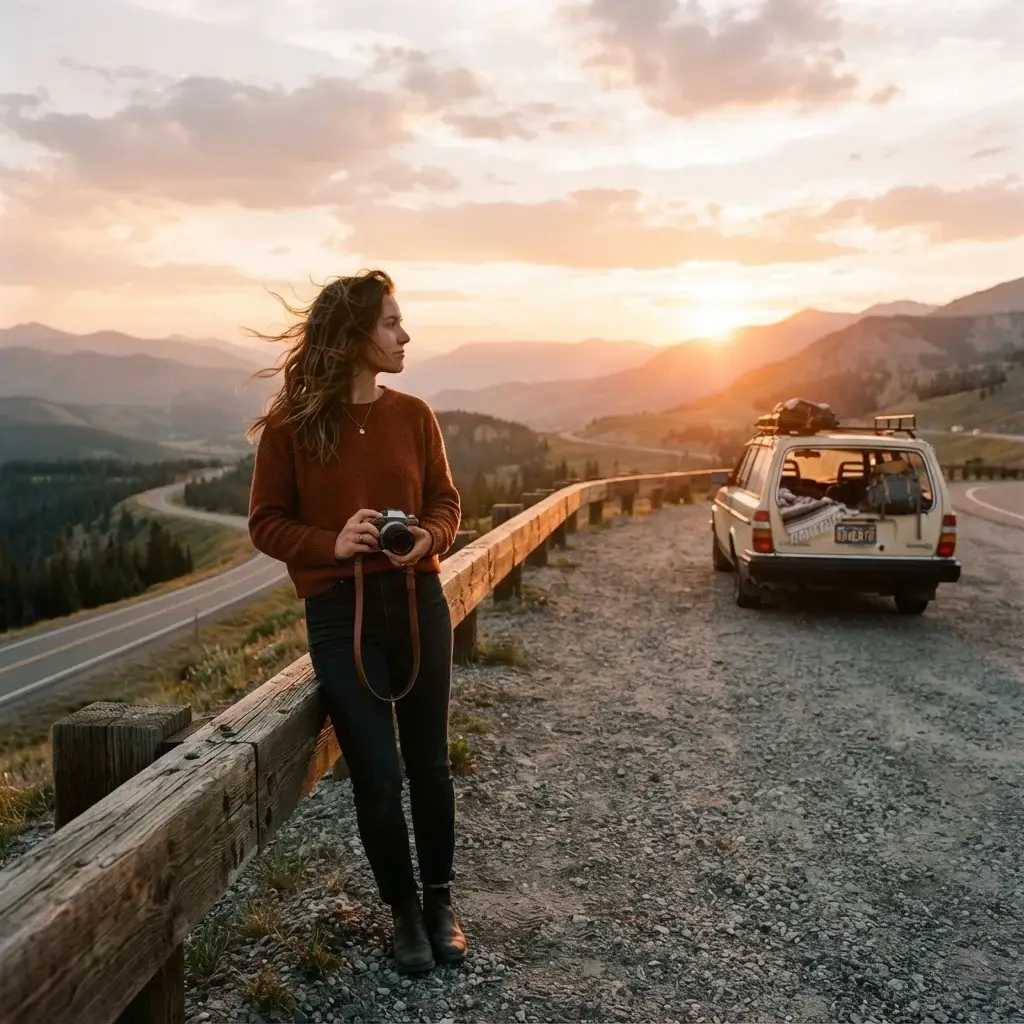
Gather your gear, check your tires, open up your map, and step out onto the highway. The world rewards courage, curiosity, and an open mind. Your adventure is waiting for you out there on the asphalt.