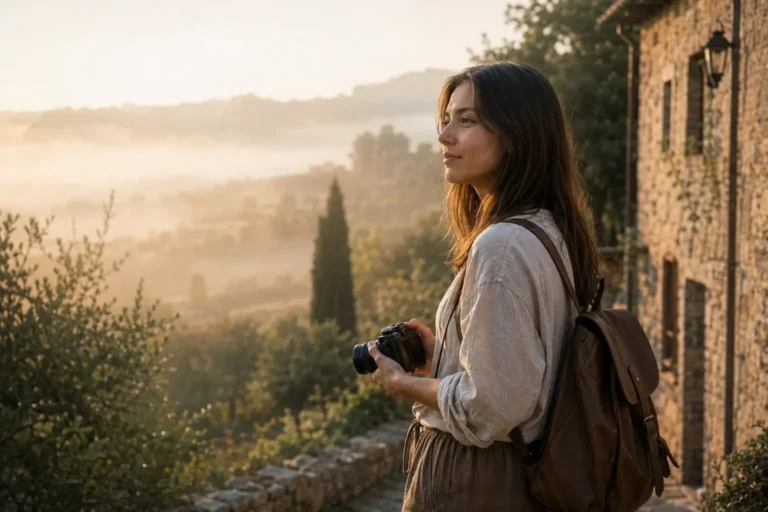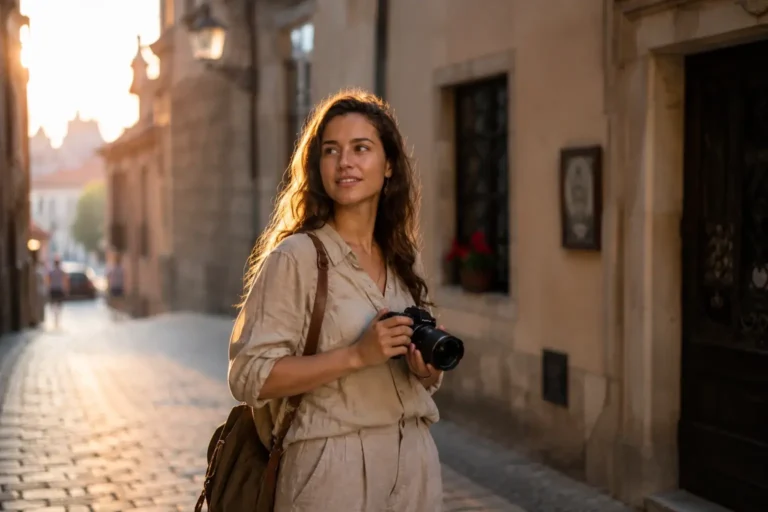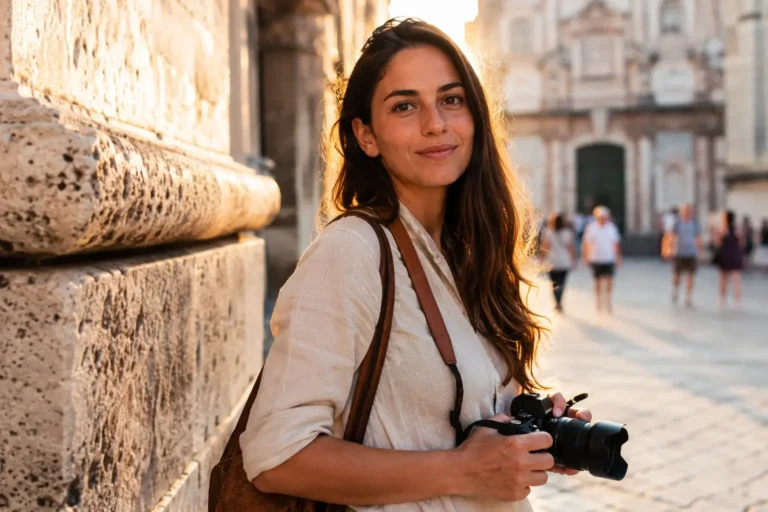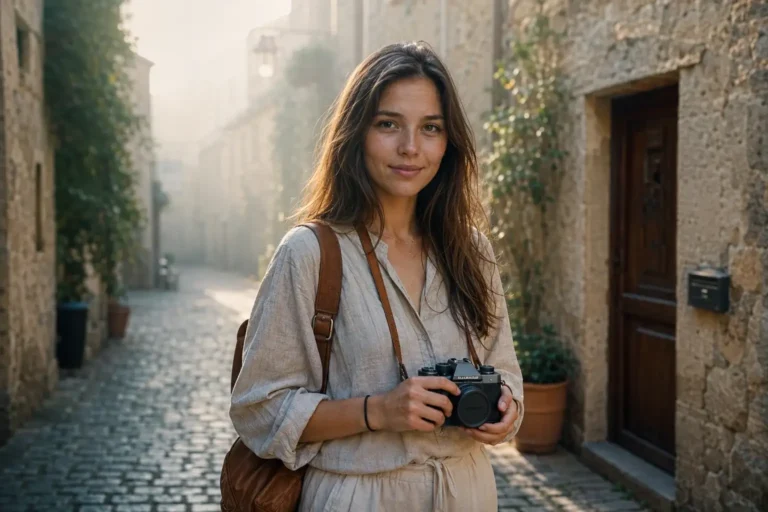
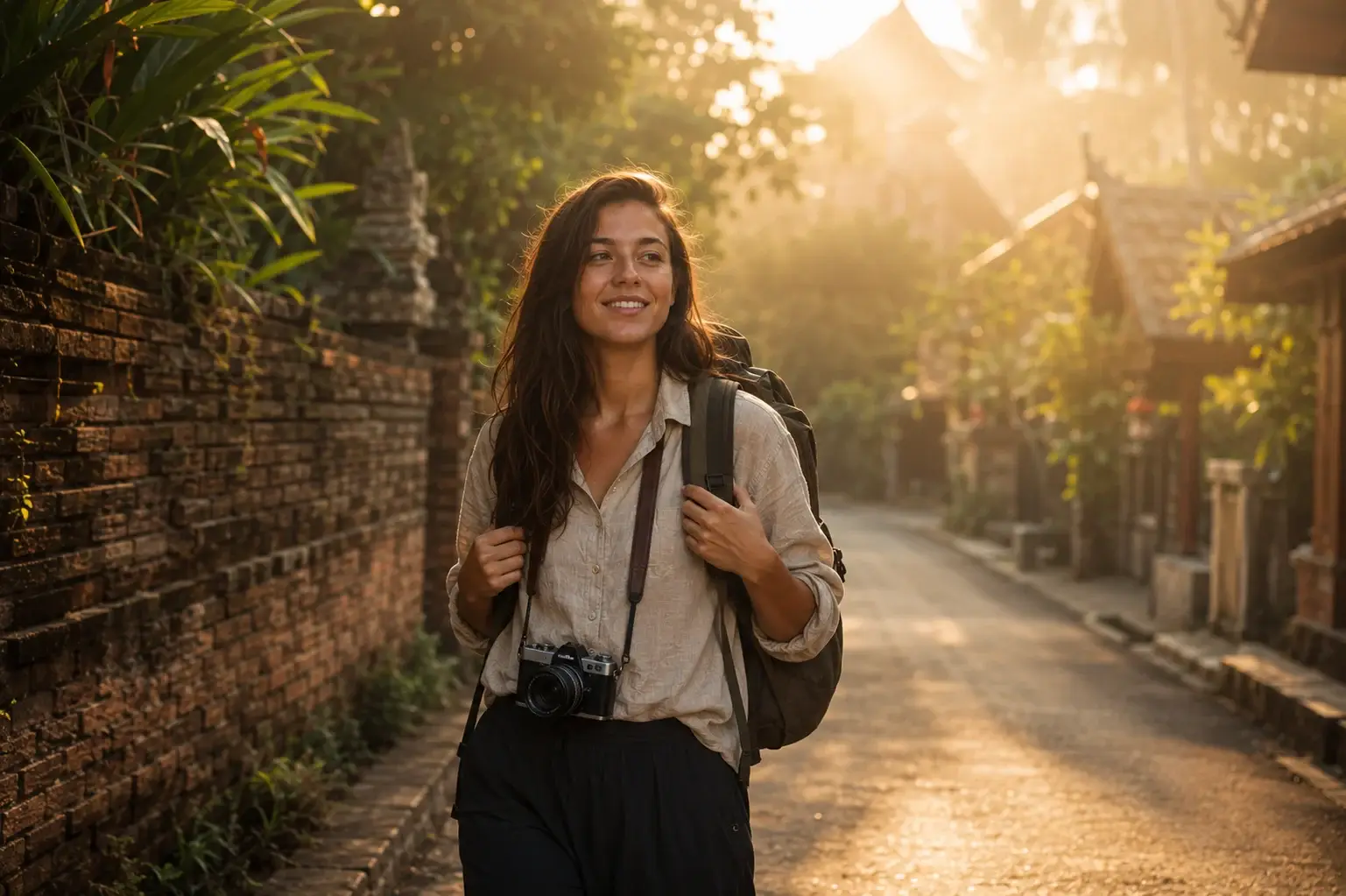
I still remember standing on the platform at the Penn Station subway stop in New York City, sweating through my clothes, trying to lift a suitcase that weighed nearly fifty pounds. It was my very first big solo trip. I had just quit my rigid corporate office job, determined to see the world on my own terms. I thought buying a massive rolling suitcase and filling it to the brim with “just-in-the-case” outfits was the smart way to prepare.
I was completely wrong.
By the time I dragged that monstrous bag up three flights of narrow stairs at a tiny guesthouse in Rome, my back ached, my arms shook, and I felt utterly defeated. I had packed five pairs of jeans, three pairs of heavy boots, a hair dryer, and enough makeup to supply a theater troupe. Within a week, I realized I only wore the same two pairs of lightweight pants and a couple of basic t-shirts. The rest was literal dead weight, dragging down my mood, slowing my pace, and making me a target for every opportunistic luggage scammer on the street.
When you travel alone, your bag is your shadow. If it is too heavy, you lose your freedom. You cannot easily jump on a local bus, change your plans at the last second, or walk through a beautiful historic neighborhood to find a hidden local eatery. Learning how to trim down your gear is the single greatest skill you can develop.
Let us dive deep into the real-world errors that almost every solo traveler makes, and how you can fix them to travel lighter, safer, and with complete confidence.
The Psychology of Overpacking: Why We Bring Too Much Stuff
Before we look at the actual gear, we need to talk about why we pack too much in the first place. Overpacking does not happen because you lack space. It happens because you feel anxious. When I left my structured 9-to-5 job to backpack solo across Europe, I was terrified of the unknown. I packed items to protect myself against hypothetical problems. I brought extra sweaters in case of an unprecedented cold wave, three backup notebooks, and a massive first-aid kit that looked like it belonged in an ambulance.
We use physical items to buy a false sense of security. If I have this extra pair of shoes, I will feel ready for a fancy dinner. If I carry this heavy book, I will never feel lonely in a cafe. But out on the road, that extra stuff turns into a physical chore. You have to pack it, unpack it, lift it into overhead bins, and watch it constantly while waiting for trains.
The secret to solo travel confidence is realizing that you do not need an item for every single scenario. You just need to know that you can handle challenges as they happen. If you arrive in France and it rains for three days, you do not need to have carried an umbrella across three continents. You can simply walk into a neighborhood shop, buy a cheap umbrella, and chat with the local shopkeeper. That mistake turns into a real human interaction.
Error 1: Choosing the Wrong Base Vessel (Suitcases vs. Backpacks)
The biggest mistake starts before you put a single shirt on your bed. It starts with the bag itself. Many first-time solo travelers walk into a department store and buy a giant, hard-shell suitcase with four wheels. They imagine rolling it smoothly through a shiny airport terminal.
But real travel does not happen in shiny airport terminals. Real travel happens on the uneven cobblestones of Prague, the dusty dirt roads of rural Thailand, and the steep, step-heavy hills of Lisbon. Those shiny plastic wheels will snap, clog with mud, or rattle so loudly that every person on the street will turn around to stare at the noisy tourist.
The Power of a Travel Backpack
For solo travelers, a carry-on-sized travel backpack between 35 and 45 liters is the golden standard. A backpack keeps your hands entirely free. This is incredibly important for your personal safety and navigation. When you step off a train in a bustling city like Bangkok, you need your hands to check your phone maps, hand cash to a local driver, or grab a quick rail to steady yourself on a bumpy public bus.
If you are dragging a heavy rolling bag behind you, you are physically anchored. You cannot move quickly if you feel unsafe, and you occupy double the space on crowded sidewalks. A backpack makes you nimble. You can walk off a plane, skip the crowded baggage claim carousel entirely, and head straight into the heart of your destination.
What to Look for in a Quality Pack
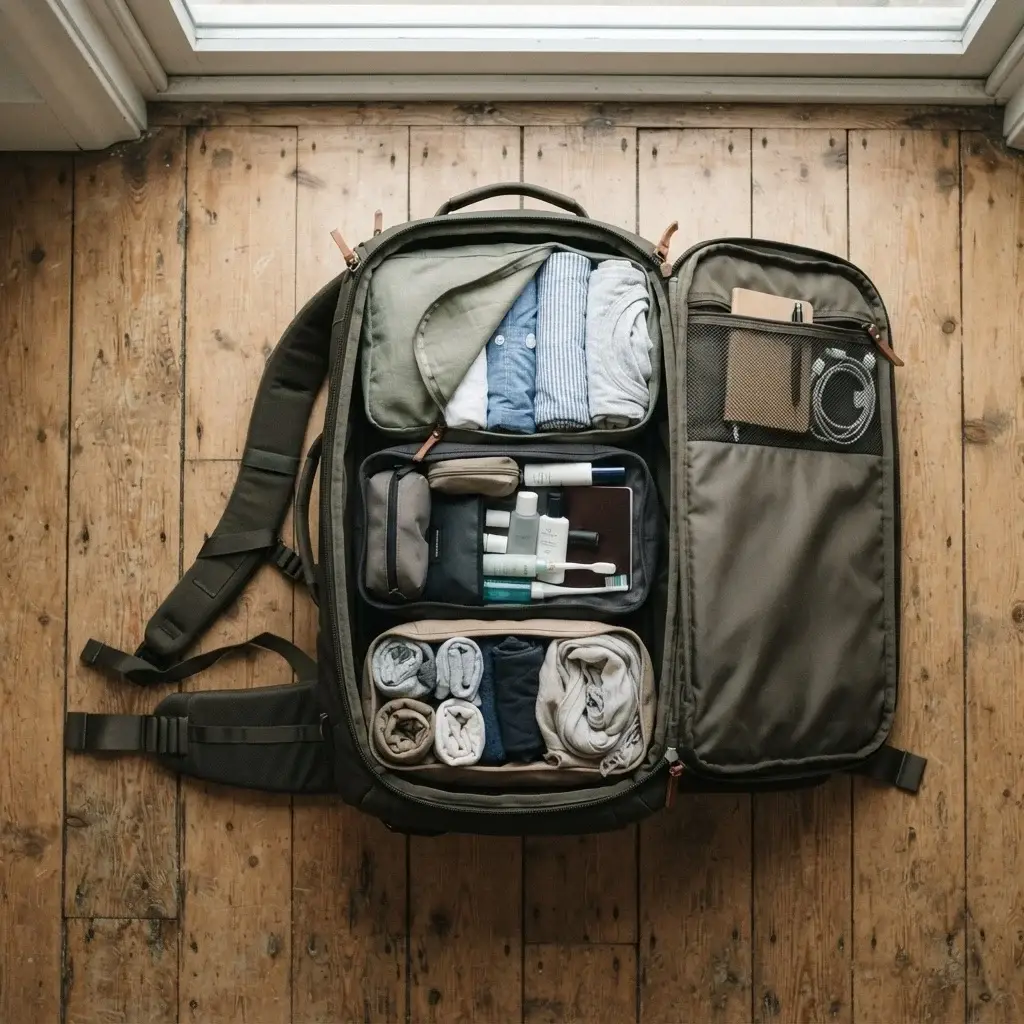
When you choose a backpack, do not just buy a school bag or a top-loading hiking pack meant for camping. Look for a travel-specific pack that opens like a suitcase. This is called a panel-loading or front-loading pack. It allows you to unzip the main section completely to see all your clothes at once, rather than digging blindly from the top down to find a clean pair of socks at the bottom of a dark nylon tube.
Make sure the pack has a thick, padded hip belt. Your shoulders should not carry the weight of your bag; your hips should bear eighty percent of the load.
When I worked as a New York sightseeing guide, walking miles every day, I learned how quickly improper weight distribution can ruin your body. The same applies to travel. Test the pack in the store with weight inside it before you commit.
Error 2: The “Just-In-Case” Clothing Trap
We have all done it. We lay out our clothes on the bed, look at a dress or a specific button-down shirt, and think, “I might need this if I get invited to a rooftop gala.” Let me tell you from years of experience on the road: you will not get invited to a rooftop gala, and if you do, you can wear your neat, basic travel clothes, and no one will care.
The “just-in-case” mindset is the absolute enemy of light travel. When you pack for a solo trip, you should only pack for the realistic, average days. If an item does not have at least three different uses, it does not earn a spot in your bag.
The 5-4-3-2-1 Packing Rule
To save myself from my own worst packing instincts, I strictly follow a simple numerical system for a week of travel. This layout works whether you are traveling for seven days or seven months, because you will be doing laundry along the way anyway:
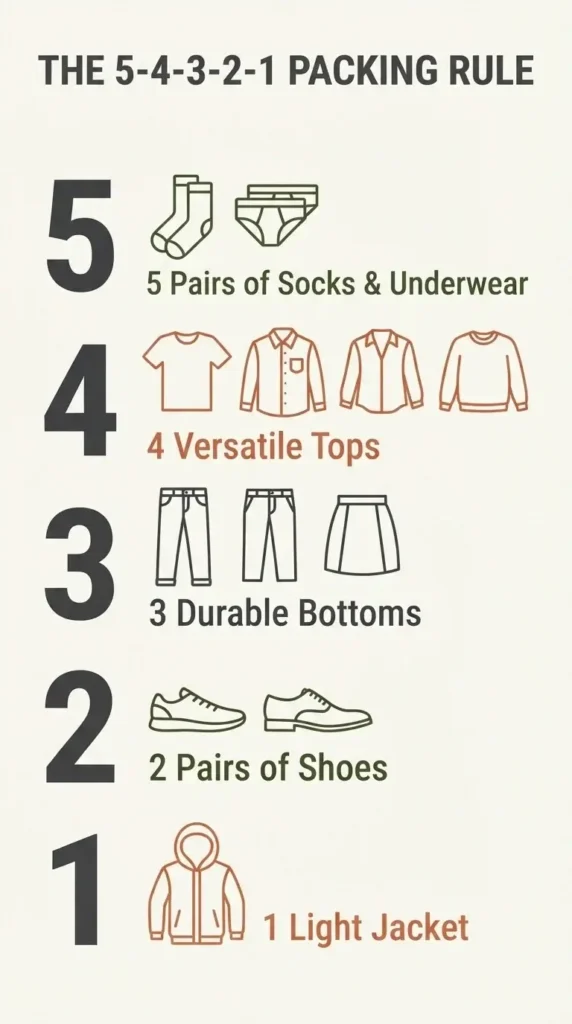
- 5 Pairs of Socks and Underwear: Choose breathable fabrics that dry overnight in a bathroom.
- 4 Tops: A mix of basic t-shirts and one long-sleeve layer for sun protection or cooler evenings.
- 3 Bottoms: One pair of durable long pants, one pair of lightweight shorts, and one casual skirt or activewear piece.
- 2 Pairs of Shoes: One supportive pair for walking all day, and one lightweight, packable pair like sandals or low-profile flats.
- 1 Jacket or Outer Layer: A light, water-resistant windbreaker or a cozy fleece that can layer over your t-shirts.
Fabric Choice is Everything
The reason most people pack too many clothes is that their clothes get dirty or smelly after one wear. Cheap cotton and heavy polyester trap sweat and odors. If you want to use the best packing tips for solo travelers, you must pay attention to fabric composition.
Invest in merino wool or high-quality nylon blends. Merino wool is a magical natural fiber. It regulates your body temperature, keeps you cool in hot weather, stays warm when it dampens, and naturally resists odors. You can wear a merino wool t-shirt three or four times during heavy walking tours without it smelling bad. This means you can pack half the amount of shirts you normally would.
Avoid heavy denim at all costs. Jeans are bulky, heavy, take up massive amounts of space, and take days to dry if you have to wash them by hand in a hostel sink. Opt instead for lightweight linen, travel chinos, or stretch-nylon hiking pants that look stylish enough for a city cafe but can handle a dusty mountain trail.
Error 3: Carrying a Mobile Pharmacy and Mega-Toiletries
Another common mistake is packing full-sized bathroom products and a mountain of medical supplies. I used to pack giant bottles of shampoo, thick tubs of body cream, and full tubes of toothpaste. Not only do these items violate airport security rules for carry-on bags, but they are also incredibly heavy. Water is heavy, and liquid toiletries are mostly water.
The Truth About Global Retail
Unless you are trekking deep into the Amazon rainforest or visiting a completely remote polar research station, people live where you are going. And because people live there, they buy shampoo, soap, and toothpaste.
When I moved to Thailand to teach English, I packed a year’s supply of my favorite American body wash. When I landed, I walked into the local convenience store down the street and found rows of incredible, inexpensive, locally made coconut oil soaps and fresh toiletries that worked better in the tropical humidity than anything I brought from home. It was a giant wake-up call.
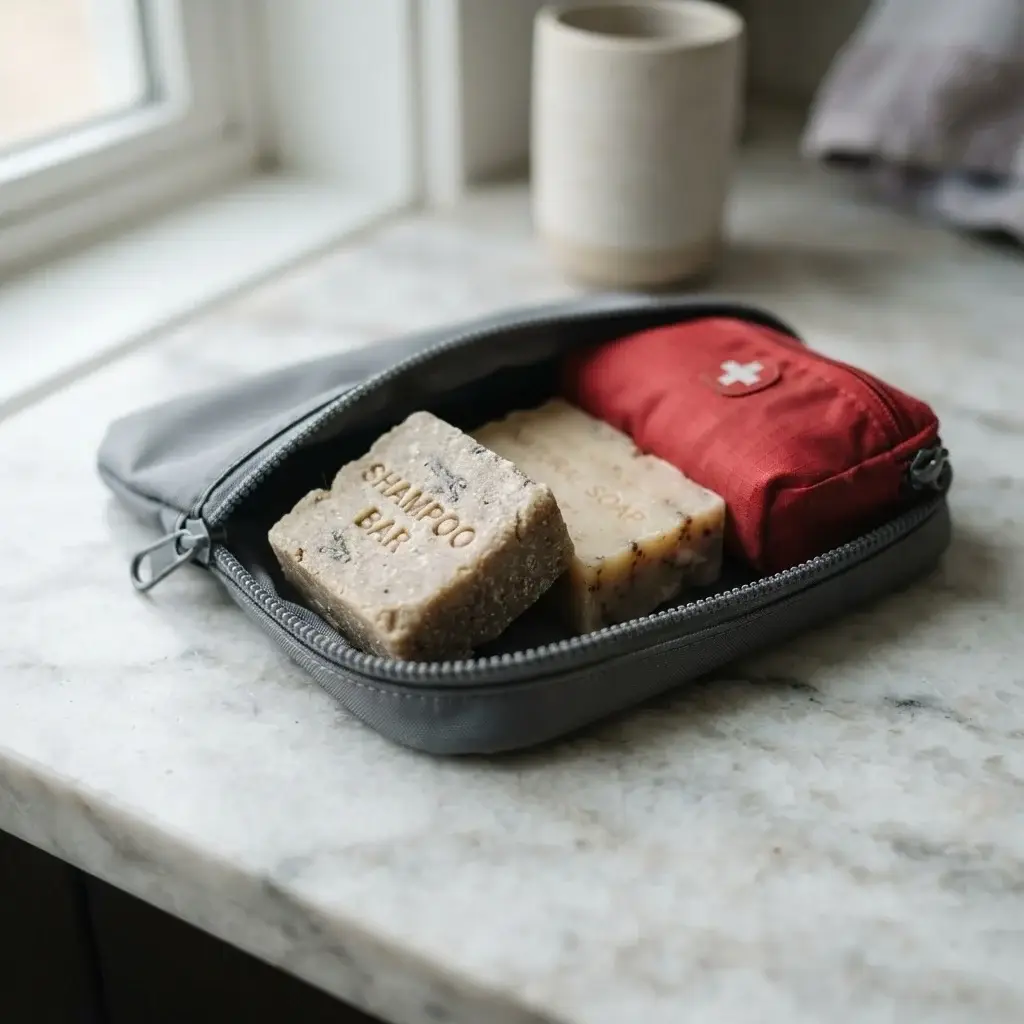
Buy small, reusable three-ounce silicone bottles and fill them from your larger bottles at home. Better yet, switch to solid toiletries. Solid shampoo bars, solid conditioner, and bar soap weigh next to nothing, cannot spill all over your clean clothes inside your bag, and easily pass through airport security scanners without a second glance.
A Smart, Minimalist First-Aid Kit
You do not need to carry a miniature hospital in your pack. A massive medical kit wastes space and causes unnecessary worry. Instead, focus on a tiny, pocket-sized pouch containing only the absolute essentials for immediate relief.
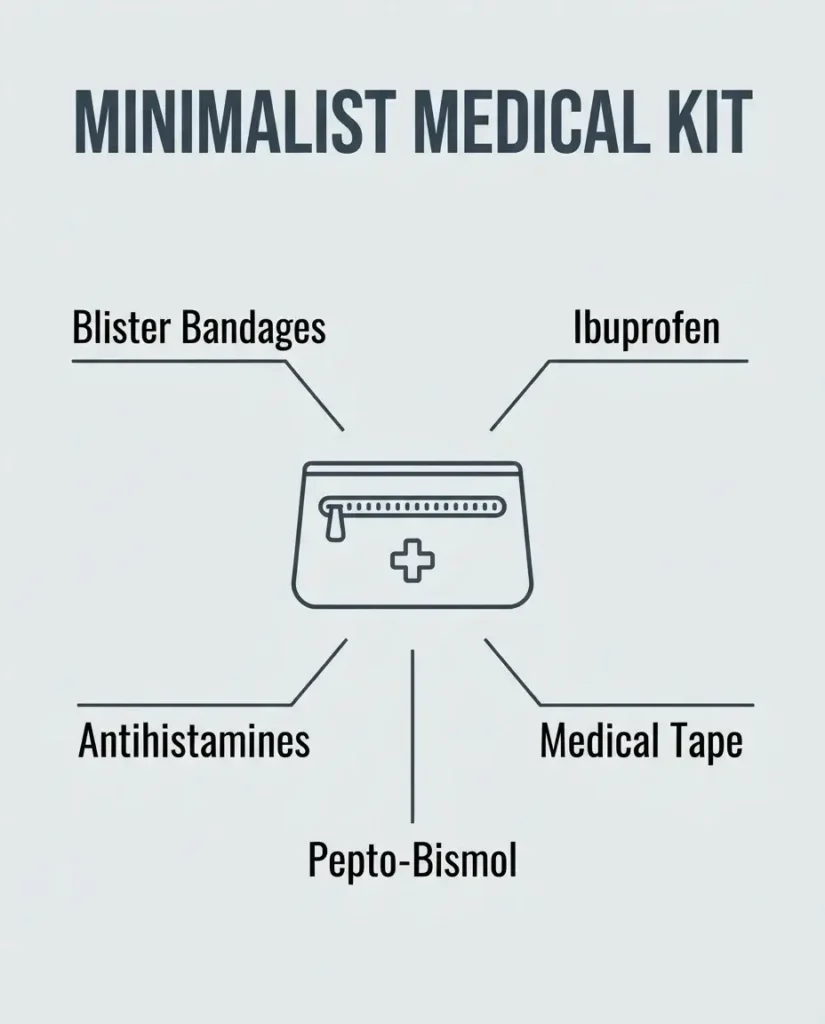
If you catch a bad cold or need a specific cream while exploring a historic European city, look for the local green cross sign of a pharmacy. Visiting a pharmacy in a foreign country is actually a wonderful, grounded cultural experience. You get to interact with a local expert, practice a few words of the language, and see how everyday health care works outside your home country.
For critical, up-to-date health information, I always make sure to review the official CDC Travelers Health destination advisories before my departure date so I know exactly what specific vaccinations or regional health precautions apply to the area I am visiting. This saves me from packing unnecessary pills or worrying about the wrong things.
Error 4: Mismanaging Electronics and Heavy Gadgets
In our digital world, it is incredibly easy to overpack technology. Many solo travelers pack a laptop, a tablet, an e-reader, a large camera with two lenses, a drone, a power bank, and a tangled ball of charging cords.
Every electronic device you bring requires its own charging brick, cable, and protective case. It also increases your stress levels. When you are alone in a busy train station, having thousands of dollars of shiny tech in your bag makes you anxious. You constantly worry about your bag getting wet, dropped, or stolen.
Consolidate Your Screens
Ask yourself honestly: do you really need a laptop to upload photos, or can you do it from your smartphone? For most travelers, a modern smartphone is a powerful travel tool. It serves as your camera, your navigation system, your flight terminal guide, your language translator, and your book reader.
If you love reading while sitting in a quiet park or waiting for a long-distance bus, bring one compact e-reader instead of five heavy paperbacks. If you must bring multiple devices, invest in a single, high-quality GaN (Gallium Nitride) wall charger. These chargers use modern tech to stay incredibly small while providing multiple USB-C ports, allowing you to charge your phone, camera, and power bank all at the same time from a single wall outlet.
The Safety Power Bank
The one piece of technology you must never leave behind is a reliable, high-capacity portable power bank (around 10,000 to 15,000 mAh). When you are traveling solo, your phone is your lifeline. It is how you call an official taxi, navigate back to your guesthouse at night, or access your digital boarding passes.
Never let your phone battery drop to zero while you are out exploring. Keep the power bank zipped safely inside an inner pocket of your daypack with a short cable running out to your phone so you can charge it on the go without flashing your electronics to the world.
Error 5: Ignoring Local Cultural Norms and Weather Realities
A major packing error is packing clothes that look great at home but are completely inappropriate or uncomfortable for the specific location you are visiting. This mistake usually leads to buying a whole new wardrobe on the road and throwing away the clothes you brought, wasting both money and space.
Dress for the Culture, Not Just the Weather
When I hiked through parts of Asia, I saw many tourists packing only short shorts and low-cut tank tops because the weather was incredibly hot and humid. However, when they tried to visit stunning historic temples or ancient cultural sites, they were turned away at the gate for not covering their shoulders and knees. They ended up having to buy overpriced, cheap synthetic shawls outside the entrance.
Packing with cultural curiosity means researching how local people dress. In many parts of the world, dressing modestly is a sign of respect. It also protects you from the harsh sun and biting insects. A lightweight, breathable oversized linen shirt and a long, flowing cotton skirt or light trousers will keep you far cooler than tight athletic gear, and it will help you blend into the local environment rather than standing out as an unaware outsider.
Before booking flights to any international destination, I always take a few minutes to check the US Department of State travel entry requirements and safety ratings for my destination to ensure I am fully aware of any local laws, dress restrictions, or regional travel alerts. It gives me a clear picture of what to expect so I can pack with respect and safety in mind.
Error 6: The Footwear Failure (Bringing Too Many Shoes)
Shoes are the heaviest, bulkiest items in any travel bag. They do not compress, they collect dirt on the soles, and they take up massive amounts of physical space. Packing three or four pairs of shoes is a guarantee that your bag will be heavy and awkward.
The biggest mistake is bringing brand-new, un-broken-in shoes on a big trip. I once bought a gorgeous pair of leather boots the day before flying to Spain. I thought I would look incredibly stylish walking through old plazas. Within two hours of walking on the hard stone streets of Madrid, my heels were covered in bleeding, painful blisters. I spent the next three days sitting on benches, unable to walk, missing out on beautiful walking tours and local markets.
The Two-Shoe Maxim
You only need two pairs of shoes for a successful solo adventure:
- The Daily Anchor: A high-quality, supportive sneaker or walking shoe with an excellent grip. This shoe should be well-broken-in months before your trip. You should be able to walk ten miles a day in this shoe without a single hot spot or ache. Wear this heavy pair on the plane so it never takes up space inside your backpack.
- The Lightweight Alternative: A packable, low-profile sandal or lightweight flat. If you are visiting a tropical location, a durable sports sandal with good arch support can double as a walking shoe and a beach shoe. If you are visiting a cold city, a sleek, flat leather bootie that can compress flat in your bag works perfectly.
Leave the high heels, heavy running shoes, and stiff dress shoes at home. No one on the road is looking at your feet; they are looking at the same incredible views you are.
Error 7: Failing to Use an Organizational System
If you throw all your clothes loosely into a backpack, your bag will quickly turn into a chaotic, tangled mess. Every time you need a clean shirt, you will have to pull everything out, wrinkling your clothes and creating frustration in small hostel rooms or train bathrooms.
The Magic of Packing Cubes
Packing cubes are lightweight fabric zippered pouches that act as drawers for your backpack. They completely transform how you travel. You can use one cube for tops, one for bottoms, and a small mesh one for socks and underwear.
By compressing your clothes into these neat blocks, you maximize the spatial efficiency of your pack. When you arrive at your accommodation, you do not need to unpack your entire bag. You simply lift the cubes out and slide them onto a shelf or into a drawer. Your backpack stays clean and organized throughout your journey.
The Dirty Laundry Boundary
Always pack a dedicated, ultra-lightweight nylon laundry bag or a simple plastic bag to separate your dirty clothes from your clean items. There is nothing worse than having the odor of a long, sweaty day hike seep into your last remaining clean outfit. Keeping a strict physical boundary between clean and dirty gear makes managing your wardrobe on the road an absolute breeze.
Insider Local Knowledge: Navigating Your Food and Transit Smoothly
When you pack lighter, you unlock the ability to travel like a local. You can navigate train systems, walk through busy food markets, and experience the real rhythm of a city without being weighed down by heavy bags. Let us look at how this applies to a few iconic locations where packing light makes all the difference.
Savoring Street Food in Bangkok
If you find yourself exploring the vibrant street food stalls of Thailand, you will want to move through crowds easily. Imagine navigating the narrow, bustling pathways of a night market while dragging a massive suitcase. It is a nightmare.
With a light backpack, you can easily walk up to a wooden stall, order a steaming plate of authentic Pad Kra Pao (basil stir-fry with a crispy fried egg), and eat it comfortably while standing up or sitting on a tiny plastic stool by the sidewalk.
For incredibly rich context on the historical backgrounds of ancient sites you might pass along the way, I love diving into the UNESCO World Heritage list of cultural properties to read the deep history behind landmarks like Ayutthaya or the historic town of Sukhothai.
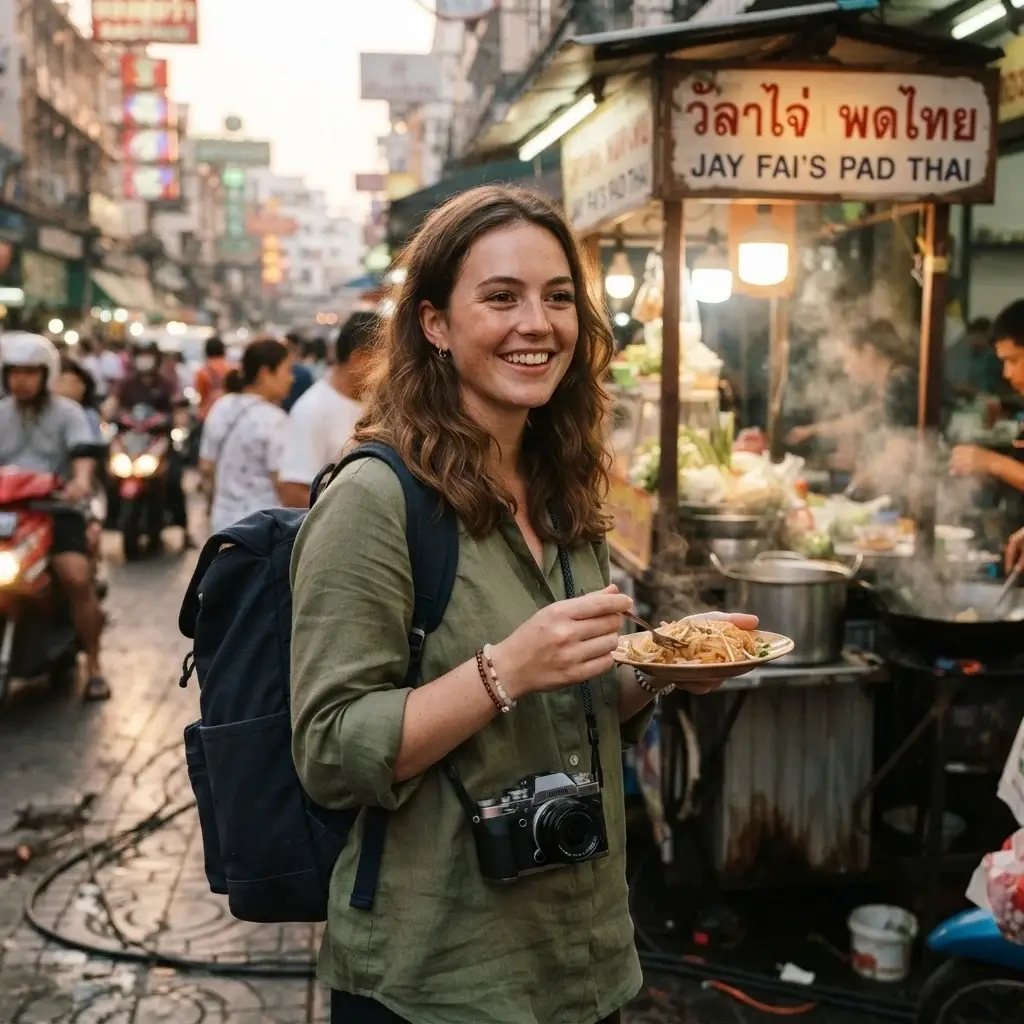
Knowing the deep cultural history makes the journey mean so much more than just taking photos.
To navigate the bustling transit system of Bangkok without stress, do not rely on expensive private tourist buses. Use the clean, elevated BTS Skytrain or download a local ride-hailing app. To understand how to get around seamlessly, you can check the official Grab app overview for international travelers to see how simple it is to book a local motorbike or car ride with clear, upfront pricing. This completely removes the fear of getting overcharged or lost in an unfamiliar neighborhood.
Walking the Historic Streets of Chiang Mai
When you head north to the mountain city of Chiang Mai, packing light becomes even more valuable. The old city is surrounded by ancient red-brick walls and a beautiful moat. The best way to experience it is by walking down the quiet side streets, known as sois.
You can stop at a tiny local cafe for a bowl of Khao Soi, a rich, coconut curry noodle soup topped with crispy fried noodles and fresh lime. The dish is creamy, spicy, and deeply comforting.
If your bag is light, you can easily walk from the local minivan drop-off point straight to your guest house without needing to negotiate with complex transport options while flustered. For excellent neighborhood overviews and detailed walking route maps through these historic streets, I highly recommend looking over the Lonely Planet Thailand destination guide to plan your daily walking tracks and find quiet, family-run stays away from the major tourist crowds.
To ensure your journey stays respectful and aligned with local traditions, it is incredibly helpful to read the Tourism Authority of Thailand official cultural etiquette guidelines before your arrival. Learning simple gestures, like the Wai (the traditional greeting with hands pressed together), and understanding temple dress codes ensures that you show genuine respect to the communities hosting your adventure.
The Solo Traveler’s Pre-Flight Pack Test
Before you zip your bag and head to the airport for your big adventure, I want you to perform a simple, physical test. This is the exact test I use to keep myself honest before every single journey.
Pack your bag completely with every item you intend to bring. Put on your walking shoes, strap the backpack onto your shoulders, adjust the hip belt, and leave your house.
Walk to a local park, go up and down two flights of stairs, and walk for a continuous twenty minutes. Do not cheat.
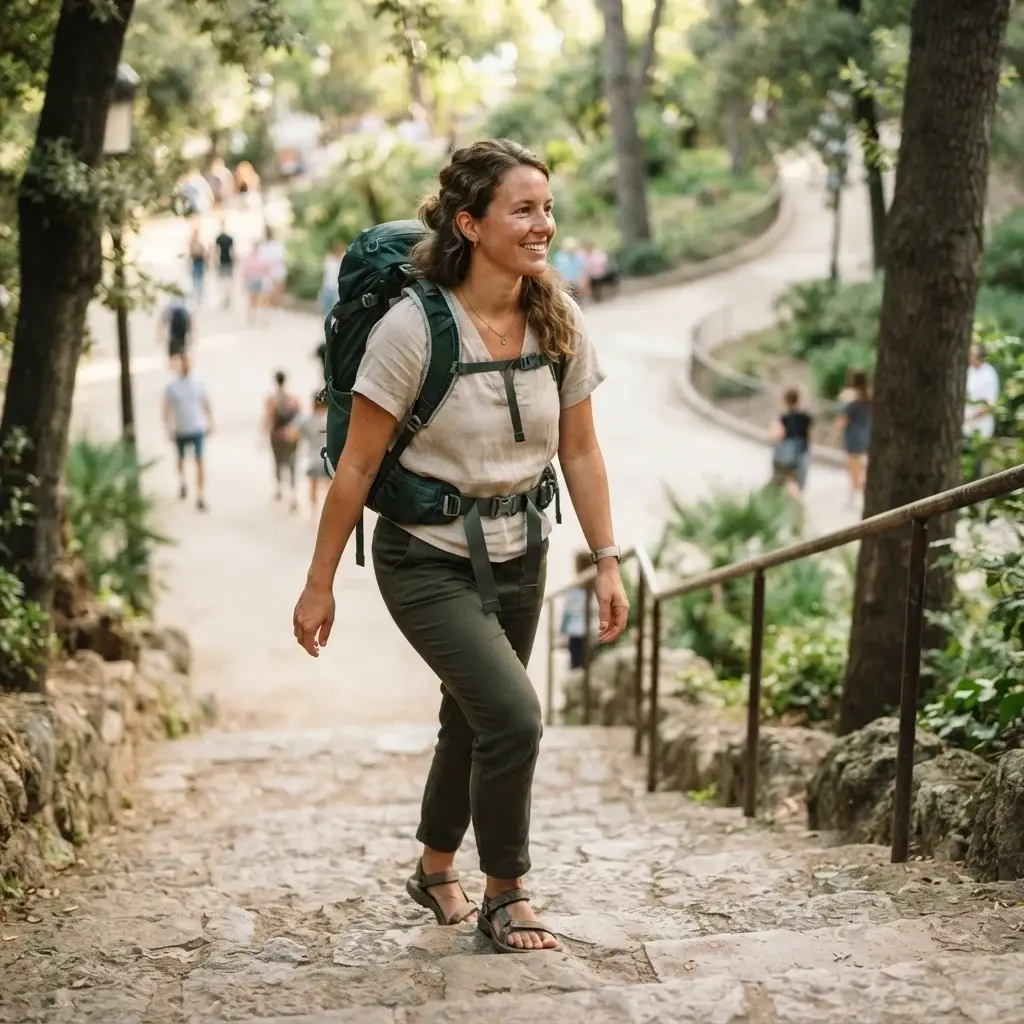
If your shoulders burn, if the straps dig into your skin, or if you feel exhausted after just twenty minutes, you are carrying too much stuff. Go back home, open your bag, and remove one-third of your clothes. Be ruthless. Remember, you are packing for your real, day-to-day freedom, not for comfort against imaginary fears.
Protecting Your Journey
Traveling light builds immense solo travel confidence, but part of being an independent traveler is being prepared for unexpected twists on the road. Luggage gets delayed, flights get rescheduled, or you might catch a sudden stomach bug while trying new foods.
For comprehensive, clear assistance with managing unexpected medical situations, travel delays, or lost gear while you are exploring solo, I always suggest exploring the World Nomads travel insurance safety guidance resources. Having that core baseline of protection allows you to step out of your comfort zone with absolute peace of mind, knowing you can handle whatever surprises the world throws your way.
The world rewards courage, curiosity, and a light load. By leaving behind the heavy baggage of your anxieties and your unnecessary gear, you create physical and mental space for the unexpected magic of travel to enter. Pack light, keep your eyes up, and step forward into your next beautiful adventure.