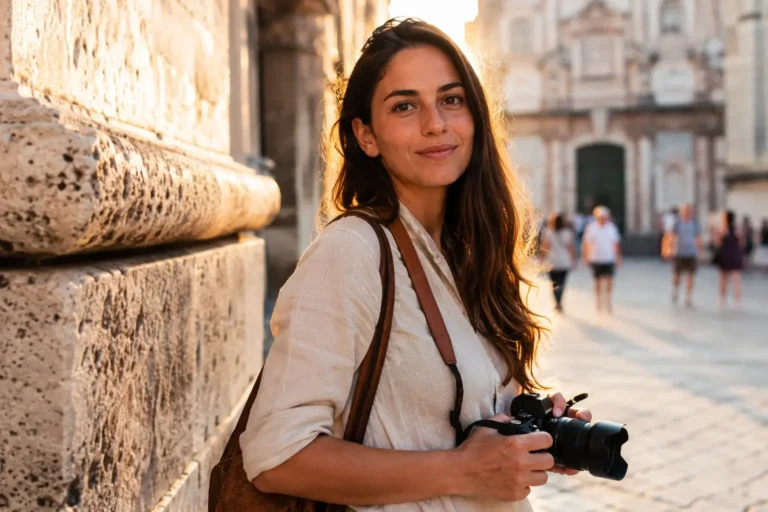

I still remember the absolute panic of my very first work trip. I was fresh out of the State University of Albany, wearing a stiff new blazer that still smelled like the department store rack, and dragging a suitcase that weighed almost as much as I did. Back then, I thought being prepared meant packing for every single worst-case scenario. I had three different pairs of dress shoes, an entire pharmacy of “just in case” medicines, and enough paperwork to fill a filing cabinet.
By the time I lugged that massive bag up the stairs of a train station, missed a tight connection, and arrived at my hotel with a broken wheel and a wrinkled suit, I knew something had to change. That stressful trip was one of the big catalysts that eventually pushed me to leave the rigid corporate 9-to-5 grind entirely. I spent years working flexible gigs—from waitressing late-night shifts in Manhattan to teaching English in Thailand and working as a licensed New York sightseeing guide—just to learn the art of movement.
Those years on the road taught me a vital lesson: heavy baggage feeds your anxiety, but packing light builds your freedom. When you travel solo for work, your luggage shouldn’t be a burden. You need to be fast, mobile, and confident.
Whether you are navigating a bustling transit hub or heading straight from the airport terminal to a high-stakes client dinner, these practical business travel packing hacks will help you strip away the weight, organize your gear, and show up ready for anything.
The Ultimate One-Bag Mindset for Solo Professionals
The biggest mistake most solo business travelers make is bringing a massive roller bag plus a separate laptop briefcase. When you are traveling alone, managing multiple bags is a recipe for stress. If you need to use a public restroom, grab a quick street food lunch, or buy a transit ticket, you have to juggle all that gear by yourself.
My golden rule is simple: everything must fit into a single, high-quality carry-on backpack or a compact wheeled suitcase that fits easily in the overhead bin.
Moving down to one bag requires a shift in how you view your clothing. You are not packing for a fashion show; you are packing a high-performance wardrobe system. When you carry less physical weight, your mental load drops instantly. You can easily hop off a train, bypass the long baggage claim lines, and walk straight into your destination with your head held high.
Selecting the Right Carry-On Base
Your bag is your mobile headquarters. If you prefer wheels, choose a soft-sided spinner suitcase with heavy-duty zippers and sturdy wheels that can handle rough European cobblestones or uneven sidewalks in Southeast Asia. If you prefer ultimate mobility, look for a travel backpack with hideaway shoulder straps and a dedicated laptop sleeve.
Make sure your bag stays within standard international carry-on dimensions, which are typically 22 inches by 14 inches by 9 inches. Keeping your bag small ensures you never get forced to check it at the gate by strict airline staff, saving you precious time and preventing lost luggage nightmares.
The Capsule Wardrobe Formula for Work and Exploration
To make one-bag travel work, every single item of clothing you pack must serve at least two different purposes. A great corporate capsule wardrobe relies on neutral colors like black, navy, grey, and white. These shades easily mix and match, allowing you to create five days of unique outfits from just a few key pieces.
For women, a sharp tailored blazer, two breathable blouses, a pair of dark trousers, and a reversible knit dress can take you from a morning presentation to a local night market. For men, a structured sports coat, two wrinkle-resistant dress shirts, a pair of chinos, and dark denim are all you need.
The secret is to choose fabrics that breathe well and dry quickly, so you can do a quick sink-wash in your hotel room if needed.
Packing Systems That Maximize Space and Eliminate Wrinkles
Once you have selected your core clothing pieces, the next step is getting them into your bag efficiently. Throwing loose clothes into a suitcase creates empty gaps, wastes valuable space, and causes items to shift around during transit, which leads to deep, stubborn wrinkles. To keep your professional attire looking crisp without relying on a hotel dry-cleaning service, you need to use deliberate packing systems.
The Rolling Method vs. The Bundle Wrap
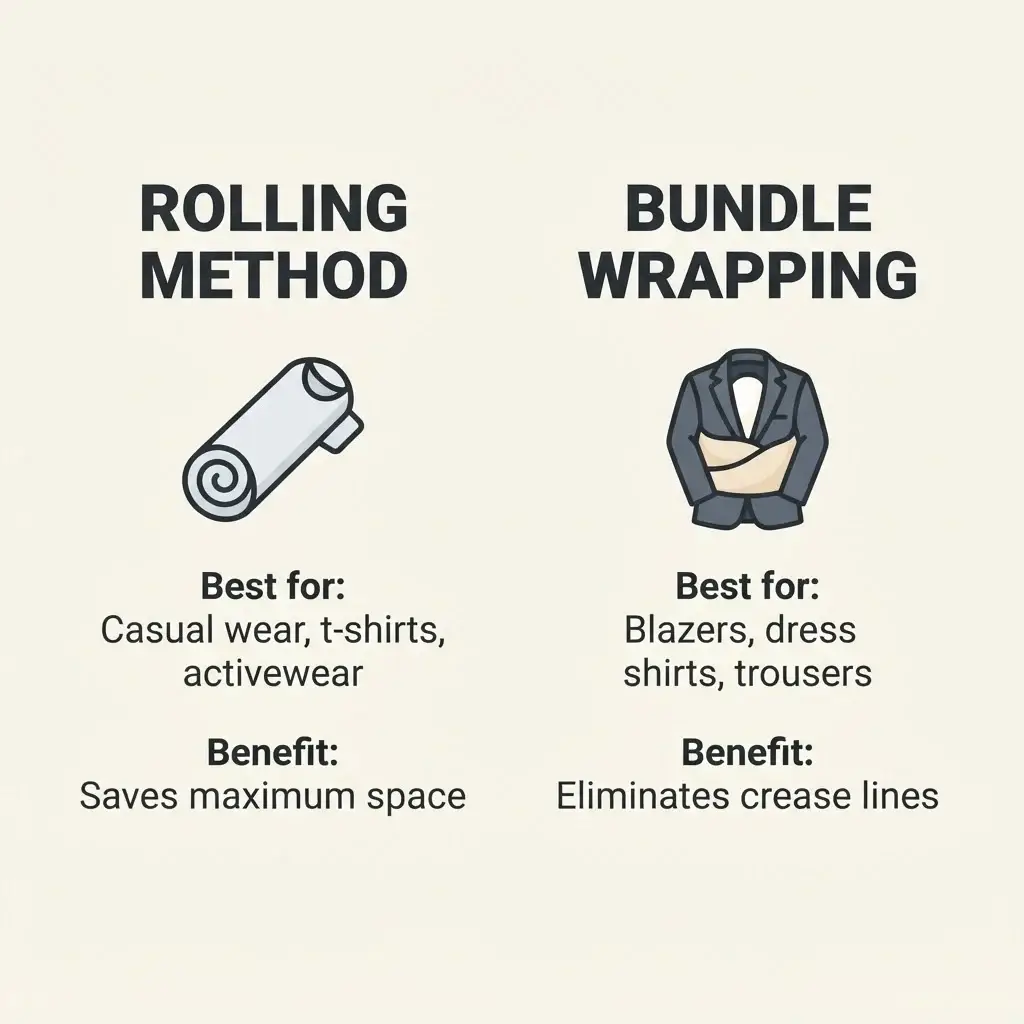
For casual clothes, t-shirts, underwear, and workout gear, the rolling method is unbeatable. Roll each item tightly into a neat cylinder to save space and prevent creases. However, for structured business clothing like dress shirts, blouses, and blazers, the bundle wrapping technique is a game-changer.
Bundle wrapping involves wrapping your delicate garments around a soft central core, such as a pouch filled with socks and underwear. Because the fabric is wrapped along its natural curves rather than folded sharply, you avoid the hard crease lines that traditional folding leaves behind.
Utilizing Compression Packing Cubes
If you are not using packing cubes yet, you are missing out on the best organization tool available. I prefer compression packing cubes, which feature an extra perimeter zipper designed to squeeze out excess air after the cube is packed.
Assign one cube for your professional shirts, one for trousers and skirts, and another smaller cube for undergarments. This keeps your clean clothes perfectly organized, makes it incredibly easy to find exactly what you need without unpacking your entire bag, and keeps your dirty laundry completely separated from your fresh outfits.
Tech and Document Management for the Solo Digital Nomad
As a solo professional, your laptop, phone, and charging accessories are your lifeline. If your tech fails, your work stops. Keeping these items safe, dry, and easily accessible during security screenings is a top priority when planning your packing layout.
Streamlining Cords, Chargers, and Adapters
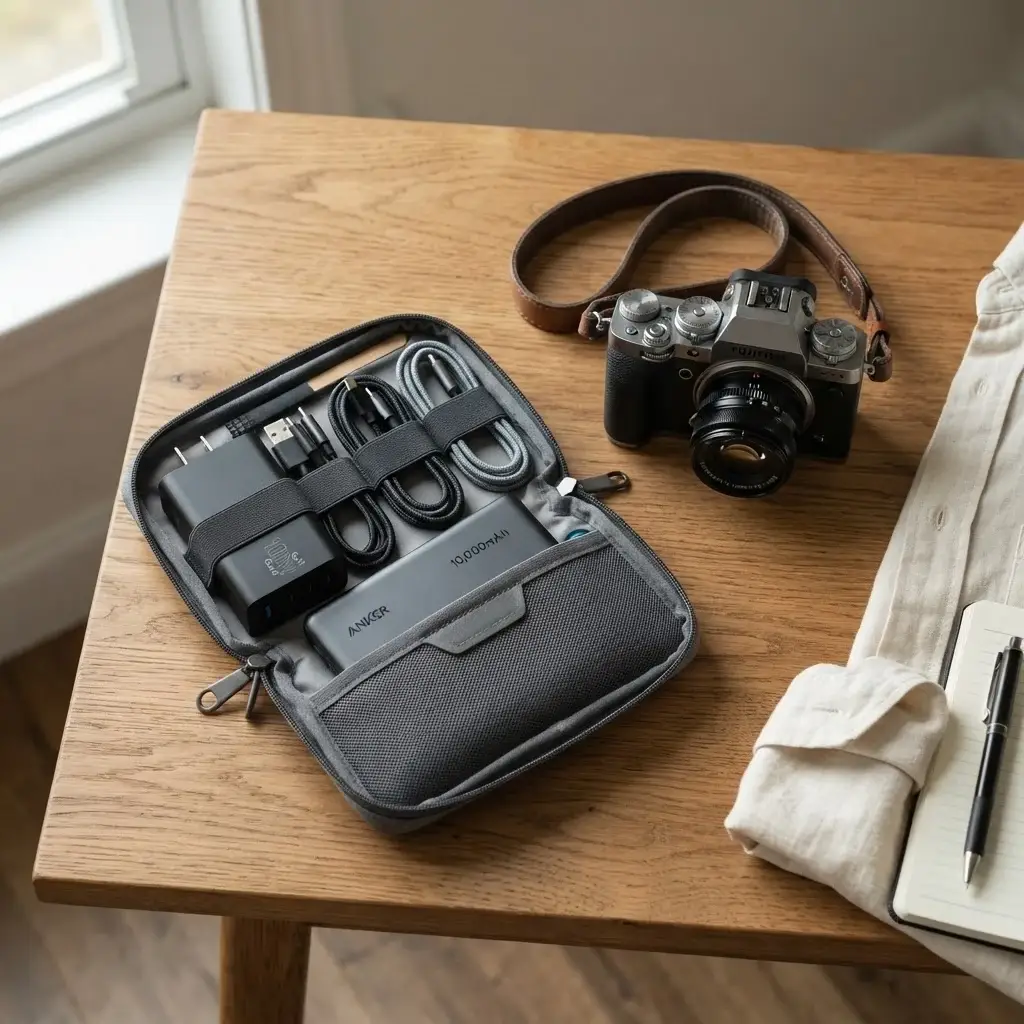
Do not throw loose charging cables into your bag where they can tangle, bend, or break. Use a small, padded tech organizer pouch to store your wires, memory cards, and external hard drives.
Instead of packing separate charging bricks for your laptop, phone, and wireless earbuds, invest in a single high-output Gallium Nitride (GaN) wall charger with multiple USB-C ports. These chargers are incredibly compact, lightweight, and powerful enough to juice up all your devices simultaneously from a single wall outlet.
Safeguarding Your Digital and Physical Credentials
Before you even think about boarding a flight, make digital and physical copies of your passport, driver’s license, corporate visa letters, and travel insurance details. Store your digital copies in a secure, password-protected cloud folder that you can access offline from your phone.
For physical safety, keep your actual passport and credit cards in a slim, RFID-blocking neck wallet or a secure internal pocket of your personal bag. To ensure you have all the necessary entry paperwork and health requirements sorted before you arrive at the airport, it is always wise to review the official entry guidelines provided by the US Department of State Travel webpage for your specific destination. Having these details verified in advance removes a massive layer of travel day anxiety.
Toiletries and Personal Care Without the Bulk
Navigating the Transportation Security Administration (TSA) liquid rules can be a major headache if you are trying to travel with a standard beauty or grooming routine. Trying to cram full-sized bottles into your luggage will result in confiscated items at the security gate and potential leaks that can ruin your expensive business attire.
Emphasizing Solid Toiletries over Liquids
The easiest way to bypass liquid limits is to switch to solid alternatives wherever possible. Solid shampoo bars, conditioner bars, solid deodorants, and toothpaste tablets work beautifully, last for weeks, and take up a fraction of the space of their liquid counterparts.
Plus, you never have to worry about a solid bar exploding inside your bag due to airplane cabin pressure changes. For the few liquids you absolutely must bring, like prescription facial serums or liquid foundation, use small, reusable silicone travel bottles and pack them into a clear, quart-sized, tsa-approved wet bag for rapid inspection.
Creating a Compact Health and First-Aid Kit
When you are traveling solo, you cannot rely on someone else to run to the pharmacy for you if you suddenly feel unwell in the middle of the night. I always pack a tiny, pocket-sized first-aid kit containing essential items like pain relievers, antacids, blister bandages, and motion sickness medication.
If your work trips take you across international borders into tropical or developing regions, it is highly beneficial to research local health considerations before your departure. You can check the latest health notices and vaccine updates on the CDC Travelers Health platform to stay fully informed on how to protect your well-being while away from home.
Navigating Transit and Local Neighborhoods with Confidence
Once you arrive at your destination, the true test of your packing strategy begins. True travel confidence comes from knowing exactly how to move through a new environment without looking lost, vulnerable, or weighed down by your possessions.
Navigating Foreign Airside Terminals and Local Transport
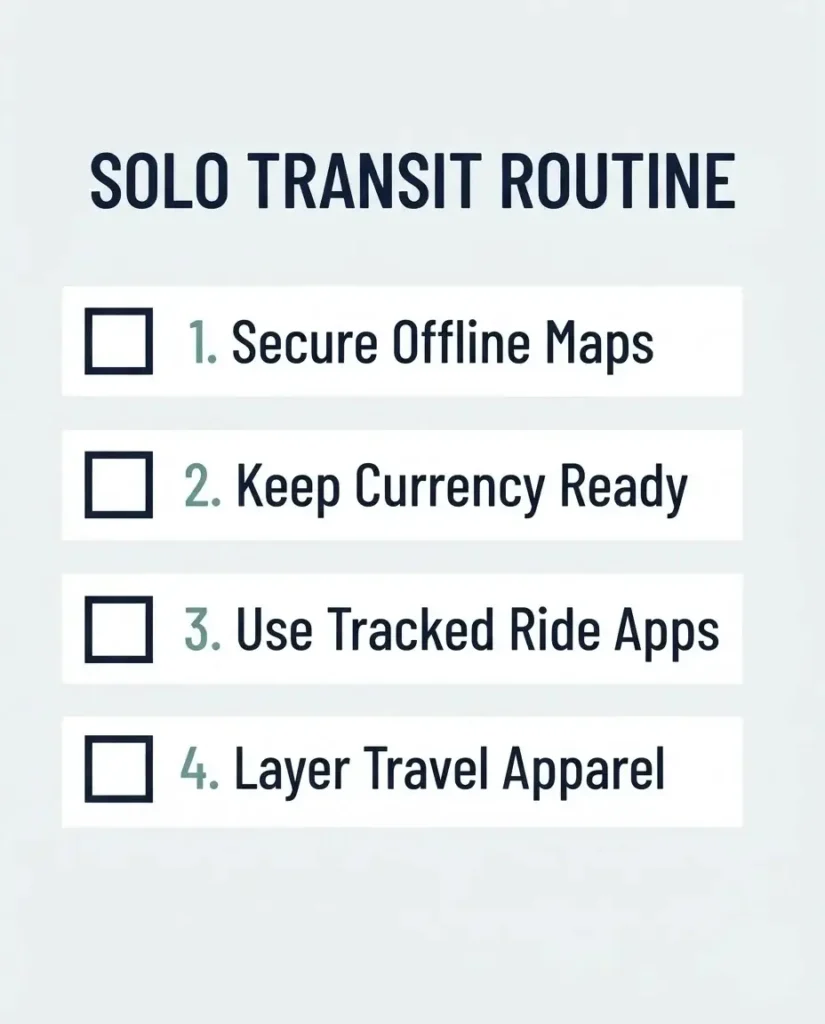
When you step off a plane in a foreign city, your first goal is to find safe, reliable transportation to your hotel or meeting venue. Avoid accepting rides from unverified drivers who approach you in the arrivals hall. Instead, look for official airport taxi ranks or use trusted regional ride-hailing applications.
For example, if your business meetings take you to major corporate hubs across Southeast Asia, you can learn how to easily book safe rides and view local transport options by reading the comprehensive safety features on the official Grab app website before your flight touches down. Using localized apps keeps your route tracked, provides transparent upfront pricing, and removes the stress of language barriers.
Balancing Business and Cultural Exploration
One of the greatest rewards of traveling for work is the opportunity to experience a new culture during your downtime. Don’t spend your entire evening ordering room service and staring at your laptop screen. Once your meetings wrap up, change into your comfortable walking shoes, grab your camera, and head out to explore.
Whether you are walking through historic downtown districts or dining at a traditional night market, remember to respect local dress codes and social customs. Immersing yourself in the local way of life—even if it is just for an hour or two over a bowl of authentic local noodles—will enrich your journey and give you a fresh perspective that no corporate boardroom can offer.
Real-World Scenarios: Packing for Diverse Environments
To help you visualize how these packing hacks come together in real life, let’s look at two completely different business travel destinations where balancing professional appearance and solo mobility is essential.
Scenario 1: A Quick Corporate Trip to London
Imagine you have a three-day conference in the heart of London. The weather is unpredictable, the financial district demands formal attire, and you plan to commute using the Underground metro system.
- What to Pack: One dark wool-blend suit (bundle wrapped), two dress shirts, one pair of high-quality leather dress shoes, a compact travel umbrella, and a lightweight trench coat.
- Transit Strategy: Wear your heaviest layers, like your trench coat and dress shoes, onto the plane to save precious space in your carry-on bag. Use a slim tech pouch to keep your oyster transit card or contactless payment method easily accessible.
- Downtime Tip: After a long day of networking, take a solo walk along the South Bank of the River Thames. Stop by a historic local pub for a plate of traditional fish and chips paired with a pint of local ale, and enjoy the views of London’s iconic architecture.

Scenario 2: A Tech Consultation in Bangkok
Now, imagine you are flying into Bangkok for a week-long consulting project with a local tech firm. The climate is intensely hot and humid, but the corporate offices are kept freezing cold by powerful air conditioning systems.
- What to Pack: Three lightweight, moisture-wicking linen or fine cotton blouses, two pairs of lightweight tailored trousers, one unlined linen blazer, and a breathable modal wrap scarf to protect against chilly office drafts.
- Cultural Consideration: In Thailand, professional environments lean conservative. Keep your shoulders and knees covered, and ensure your footwear is easy to slip on and off, as it is custom to remove your shoes before entering many offices, temples, and homes.
- Downtime Tip: Skip the expensive hotel dinner. Take a short walk down to the nearest bustling street food street and order a fresh plate of Pad Thai or spicy Tom Yum Goong from a local vendor. Eating locally is affordable, safe, and offers an unmatched taste of Bangkok’s vibrant food culture.

Protecting Your Journey and Your Peace of Mind
No matter how carefully you plan and pack, travel is full of unexpected surprises. Flights get delayed, weather patterns shift, and occasional administrative changes can pop up out of nowhere. True solo travel confidence means knowing you have a backup plan when things don’t go exactly as expected.
Embracing the Journey’s Ups and Downs
When a flight gets delayed or an unexpected downpour catches you without an umbrella, take a deep breath. These moments are not failures; they are simply part of the adventure.
During my time working as a New York sightseeing guide, I watched thousands of tourists let minor logistical hiccups ruin their entire day. The most successful, stress-free travelers are those who can laugh off a small mistake, adapt on the fly, and view every challenge as a valuable learning experience.
Securing Reliable Travel Protection
As a solo traveler, your safety and financial security are your responsibility. Never leave home without comprehensive travel insurance that covers emergency medical expenses, trip interruptions, and lost or damaged tech gear.
If you are looking for flexible coverage tailored specifically to independent creators and working professionals on the go, you can check out the comprehensive coverage plans detailed on the World Nomads Travel Insurance info page to find a protection package that matches your itinerary. Having reliable coverage gives you the ultimate peace of mind to focus on your work and embrace the beauty of exploration.