I still remember the feeling of sitting at my desk in a New York office, staring at a calendar. I was looking at my vacation days—ten measly days for the whole year. I wanted to see the world, but I felt trapped by the need to “do it all” in such a short window. The stress of trying to pack every sight and city into those ten days actually made me more tired than my job did.
When I finally left that corporate life behind, I had a realization. A month of travel isn’t just about moving from one train station to the next. It is about changing how you live, even for a short time.
If you are planning a one-month trip to Europe, you are in a lucky spot. A month is the perfect amount of time to find a rhythm. You have enough time to see the big sites, but also enough time to sit in a café for two hours with a book without feeling like you are wasting your day. Let’s strip away the stress and build an itinerary that actually lets you enjoy the ride.
The “Anchor” Strategy for Sanity
The biggest mistake travelers make when planning a month-long trip is treating it like a sprint. They think, “I have 30 days, so I can visit 15 cities.” Please, do not do this to yourself.
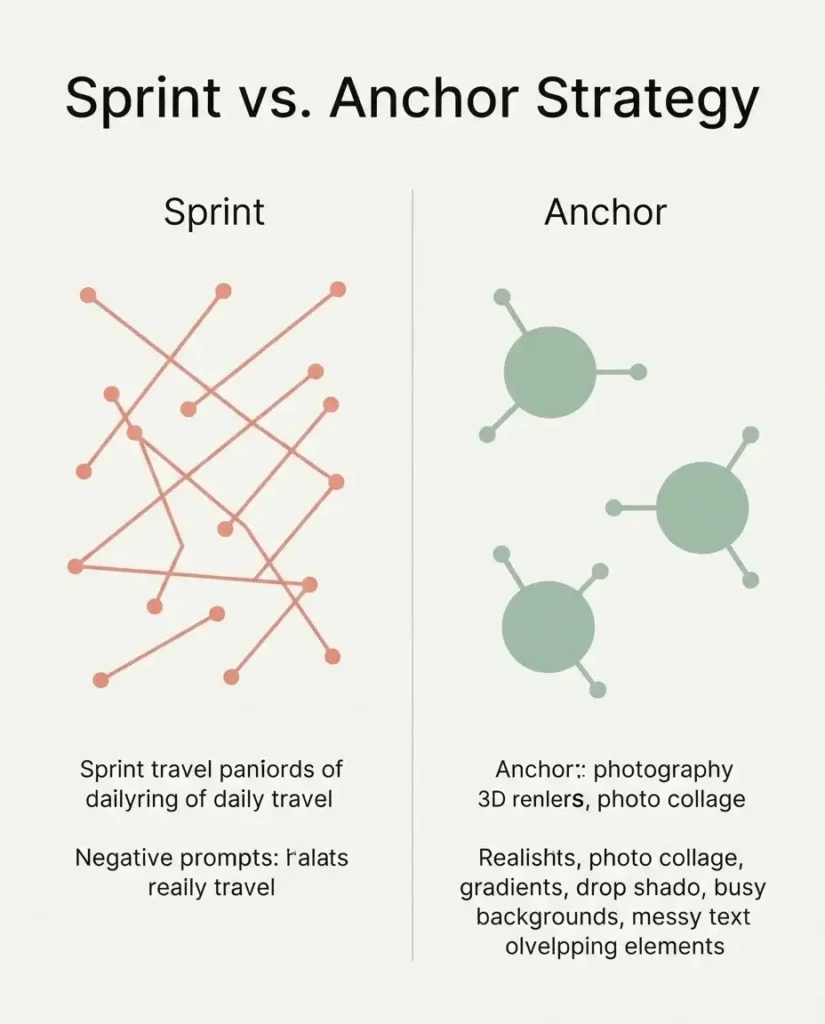
You will spend more time in transit, in security lines, and in hotel lobbies than you will actually exploring the streets.
My strategy for a stress-free month is to use “Anchor Cities.” Instead of moving every two days, pick three or four main hubs. Spend about a week in each hub. From there, you can take day trips to smaller towns or nearby spots.
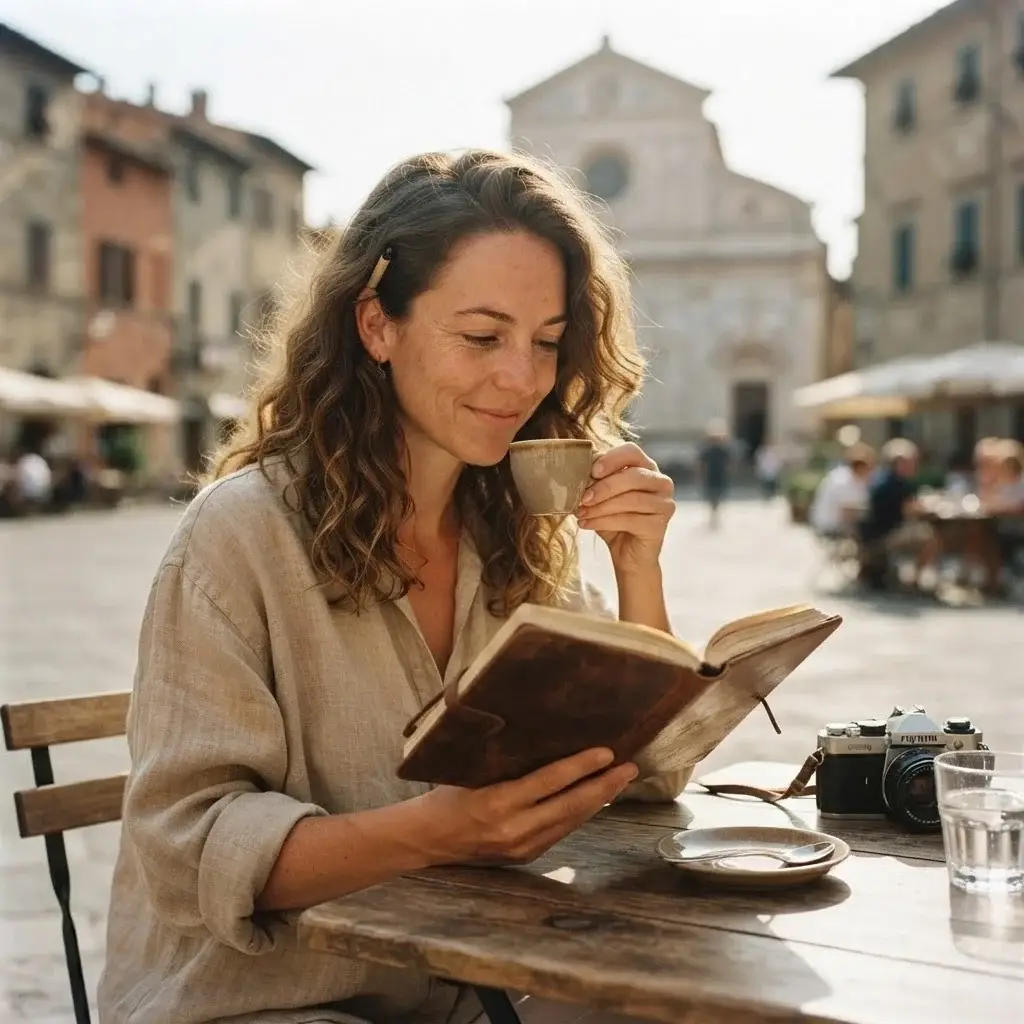
This saves you so much energy. You only have to pack and unpack your bags a few times. You get to know your local barista or the owner of the small bakery around the corner. You stop being a tourist and start being a temporary local.
When you start pulling together your paperwork, always check the US Department of State Travel website for the latest entry requirements and safety alerts for each country on your list. Keeping these logistics organized early means you don’t have to worry about them when you are actually on the road.
Week One: The Adjustment Phase
The first week of a long trip is always the hardest. You have the excitement of landing, but you also have the reality of being in a new place where you don’t know how the grocery store works or which bus gets you to the city center.
Do not plan your heaviest sightseeing for the first three days. Let yourself be a bit useless. Jet lag is real, and the adrenaline of arriving will wear off quickly.
Use this week to find your feet. If you are starting in a big, vibrant city like Rome or Paris, walk the neighborhoods. Don’t worry about the big monuments yet. Find a park. Buy a piece of fruit from a local market. Just breathe.
I once spent my first three days in a new city just sitting on a bench in a square, watching how the locals walked, talked, and drank their coffee. It taught me more about the culture than any museum could have. When you feel ready, you can start the “real” exploration.
Week Two: Finding Your Rhythm
By the second week, you will likely feel more confident. This is the time to start your deeper explorations.
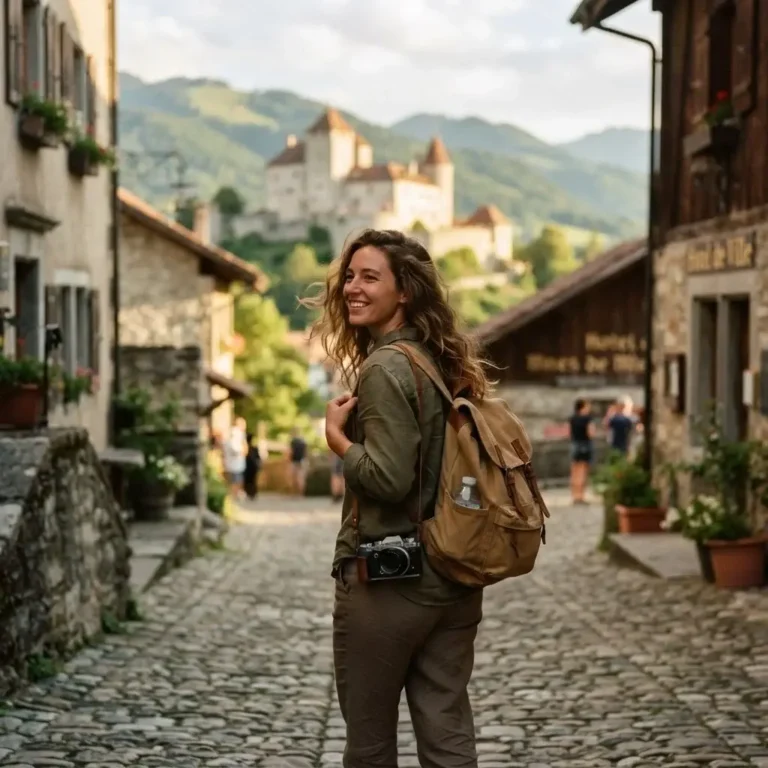
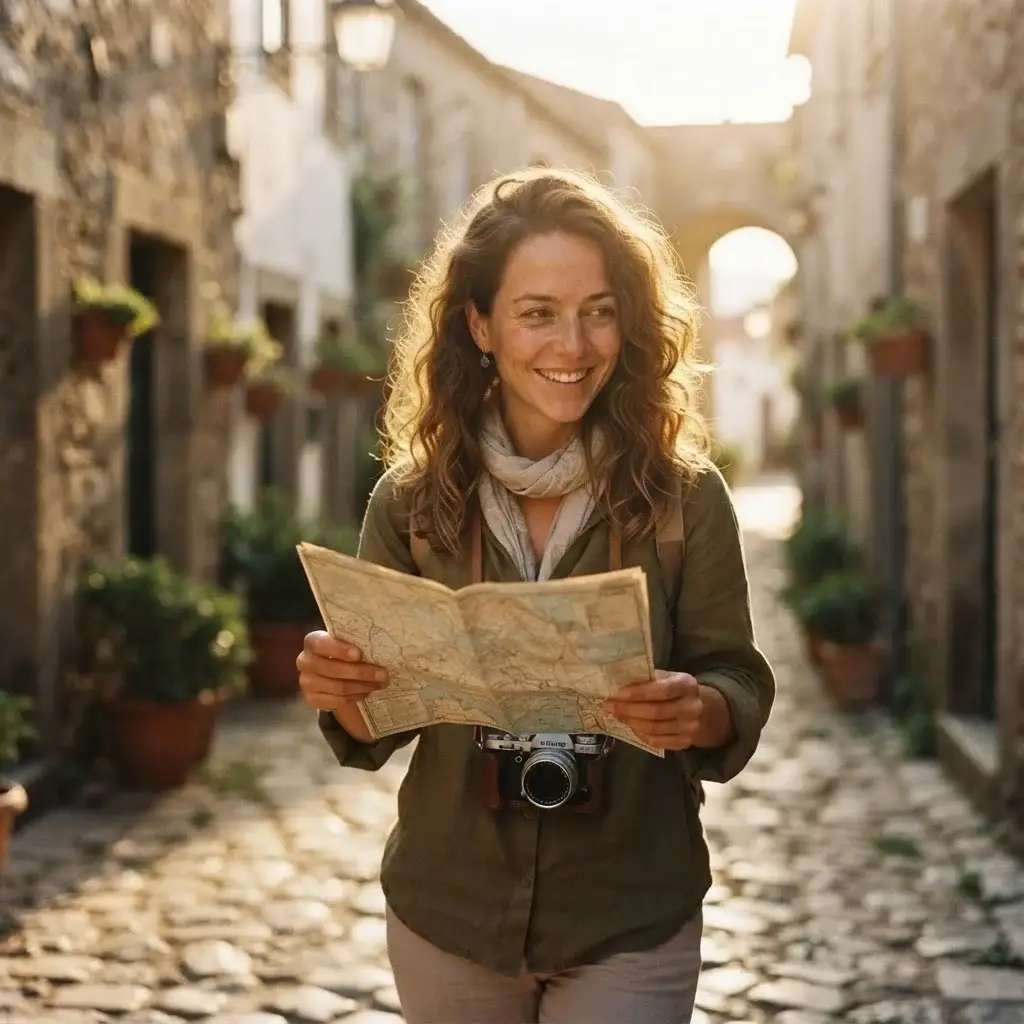
This is the perfect time to head to your second “Anchor City.” Maybe you move from the busy capital to a place that feels a bit more manageable, like a smaller town in Portugal or a mountain village in Austria.
This is where you should start looking at the history of where you are. If you want to understand the history of a site, visit the [UNESCO World Heritage](https://whc. UNESCO.org) official page to learn why these places are protected and what makes them unique. It adds so much meaning to your visit when you know the story behind the walls you are touching.
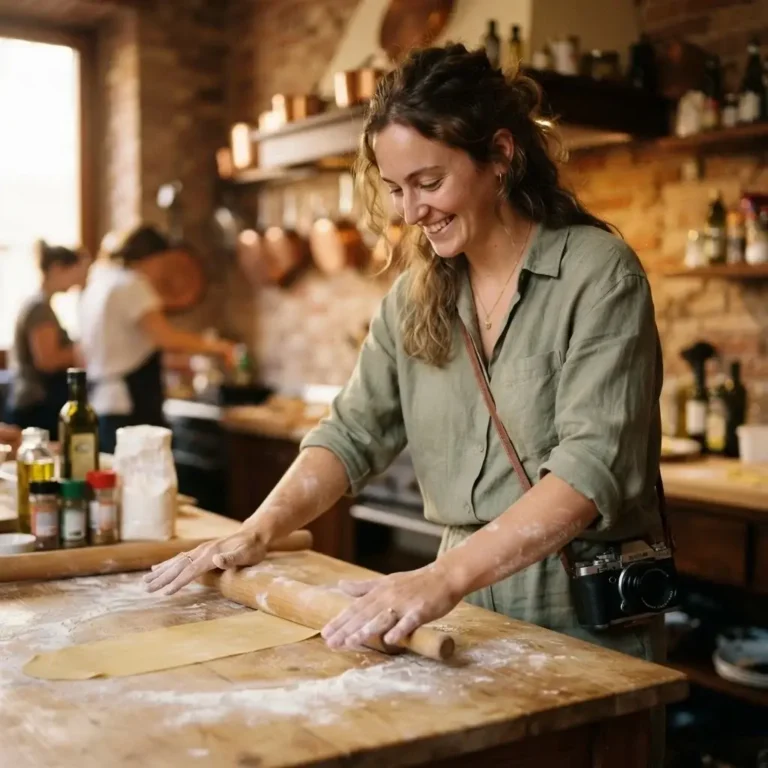
During this week, push your comfort zone. If you have been eating at restaurants, try cooking a meal with local ingredients from a market. It’s one of the best ways to connect with a culture. I remember teaching English in Thailand, and the local markets were my classroom. It’s the same in Europe. Ask a local vendor what they recommend. Be humble, be curious, and be ready for a great meal.
Week Three: The Deep Dive
In the third week, you are fully in the flow. You aren’t checking the map every five minutes anymore. You know your way around. This is when you can tackle the things that require a bit more energy, like long hikes, day trips to the countryside, or visiting those famous museums that take all day to walk through.
This is also the week where you might feel a bit of “travel fatigue.” It happens to the best of us. You might be tired of the same travel clothes, or you might just miss your own bed.
This is normal. My advice? Take a “do nothing” day. Go to a cinema and watch a movie in the local language (even if you don’t understand it). Go to a local swimming pool. Do something that feels “mundane” or normal, like doing a load of laundry at a laundromat. It sounds silly, but it grounds you. It reminds you that travel is life, and life has quiet moments too.
Week Four: Reflection and Slowing Down
Your final week shouldn’t be a rush to see what you missed. If you didn’t get to that one museum, let it go. You didn’t miss out; you chose to do something else. That is the beauty of a month-long trip.
Use this final week to slowly make your way toward your departure point. Maybe you spend these last few days in a city that you know will be easy to leave from.
Take time to write, reflect, or just sit in your favorite spot one last time. I often use this time to think about what I learned. Not just about the places I saw, but about how I handled the challenges. Did you get lost? Did you make a friend? Did you manage your money well? These are the real souvenirs.
Practical Tips for Every Traveler
Planning a month in Europe requires some smart choices. Here are the things I’ve learned from years of doing this.
Transport: Trains vs. Planes
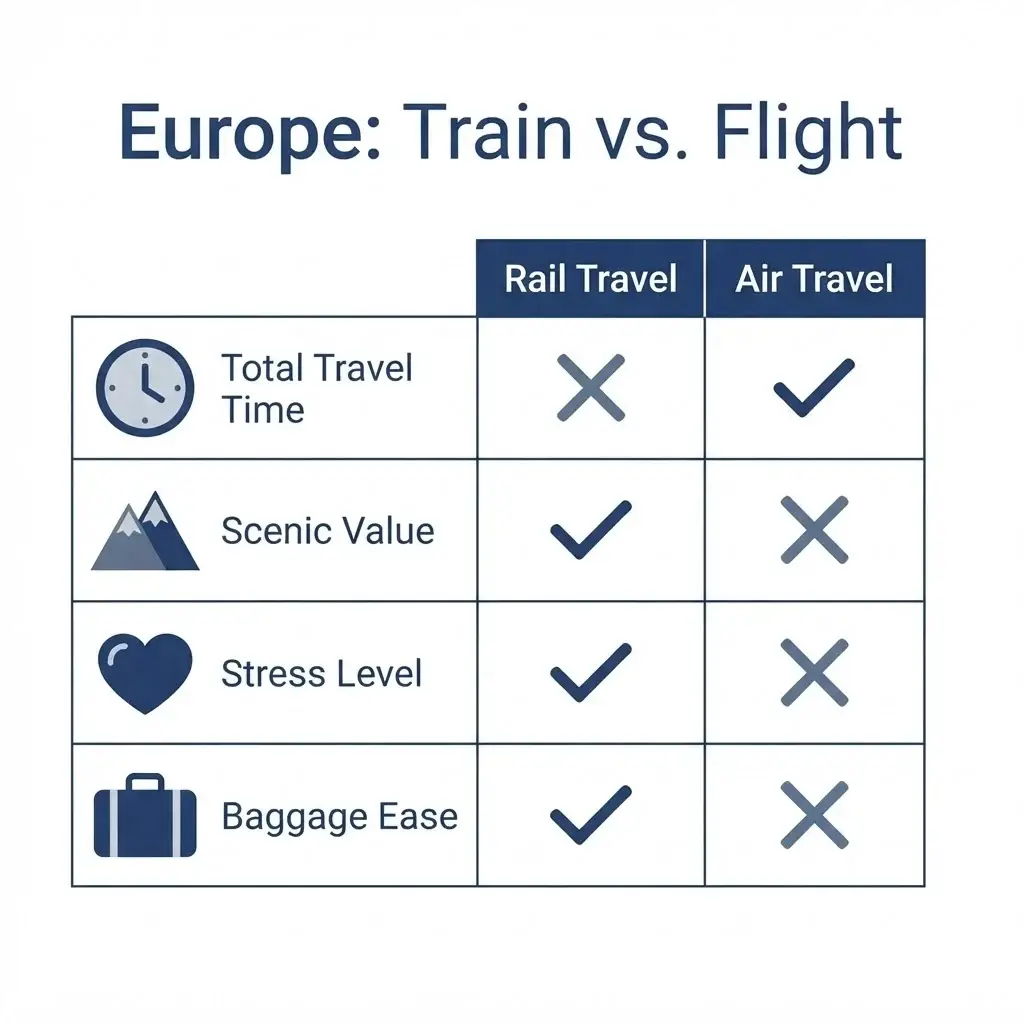
Europe is connected by a fantastic rail network. Please, try to take the train. Yes, it takes longer than flying, but you see the countryside change outside your window.
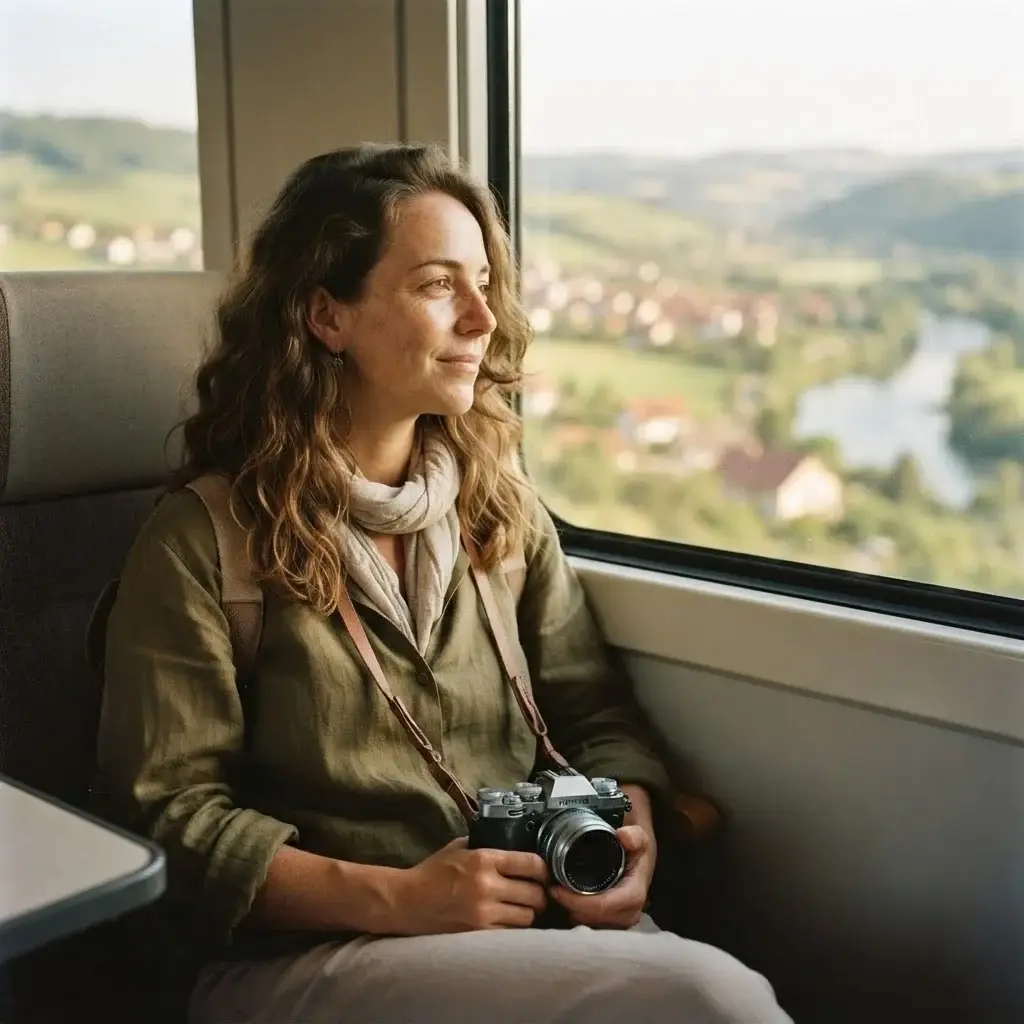
You aren’t stuck in an airport terminal for four hours.
If you are going long distances, look into a rail pass. But if you are staying in one region, individual tickets are often cheaper and easier. Use local transit apps to get around cities. It saves you from taking expensive taxis and puts you right in the middle of the local commute.
Health and Safety
Before you leave, head over to the CDC Travelers’ Health page to see if there are any specific vaccine recommendations or health tips for the regions you plan to explore. It’s just good peace of mind.
Also, be smart about your belongings. I never carry my passport in my day bag if I can help it. I keep a copy on my phone and in my email, and the real one stays locked in my accommodation. It’s just about reducing the potential stress if something goes wrong.
I always tell solo travelers not to skip this step, so read up on how coverage works through World Nomads Travel Insurance before you finalize your budget. It covers more than just medical issues; it’s a safety net for lost bags or trip disruptions that can save your entire month of travel.
Eating and Drinking
Don’t be afraid to eat alone. I used to be terrified of it. I thought everyone was looking at me. But the truth is, nobody cares.
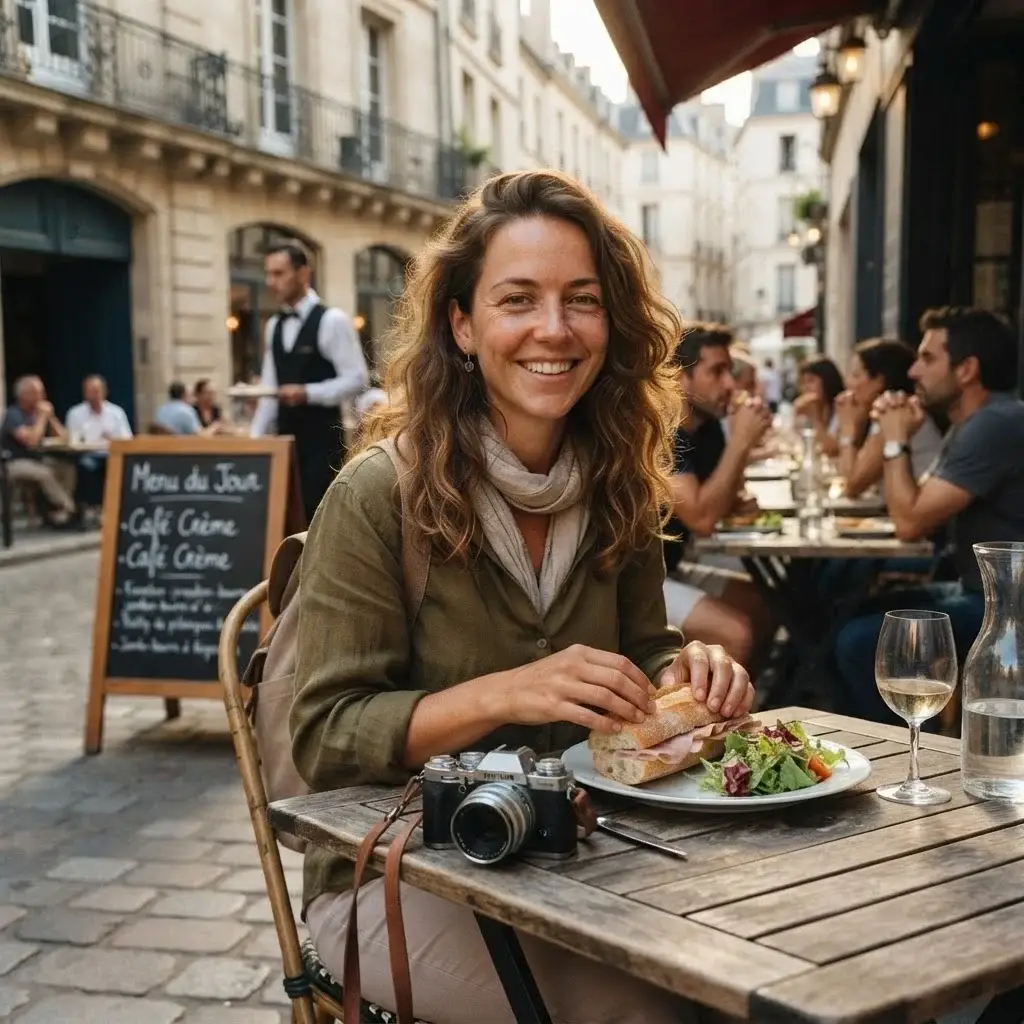
They are focused on their own conversation or their own dinner.
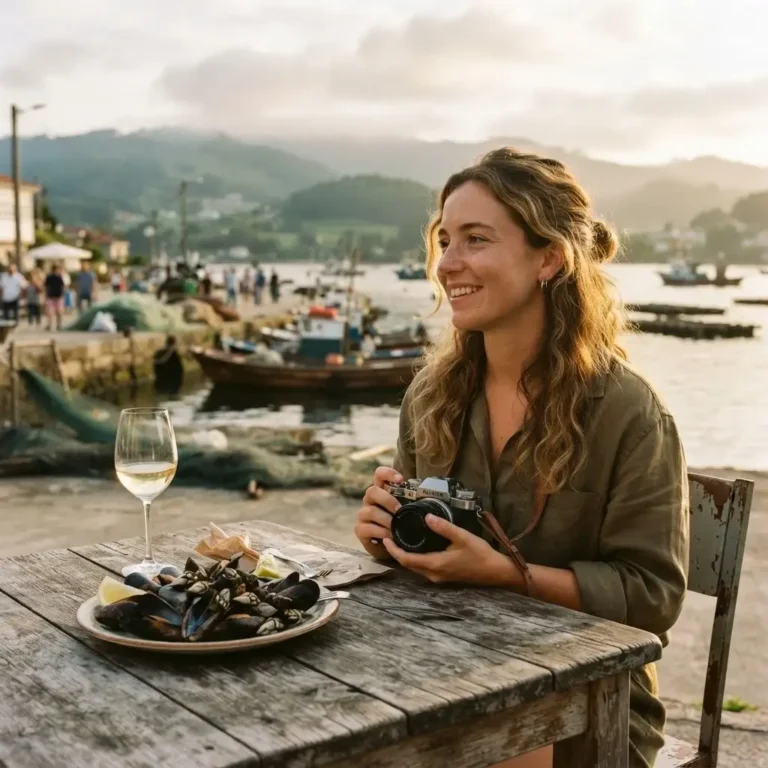
To find the best food, follow the rule of two streets. Walk two streets away from the main tourist attraction or the main square. The food will be cheaper, better, and you’ll be surrounded by locals rather than other travelers. If the menu has pictures of the food, keep walking.
Budgeting Without the Spreadsheet Anxiety
You don’t need to account for every cent, but you should know your “burn rate.” How much can you spend per day? Divide your total budget (minus flights and big accommodation costs) by 30. That is your daily limit.
If you spend a little extra on a nice dinner one night, just balance it out the next day by eating a simple breakfast or visiting a free museum. It’s a dance, not a rigid budget.
Packing: The “One-Bag” Rule
If you have to lug a giant suitcase up four flights of stairs in an old European building without an elevator (and trust me, there are many), you will regret it. Pack for one week and plan to do laundry once a week. Wear your heaviest items on the plane. If you think you need it, leave half of it at home.
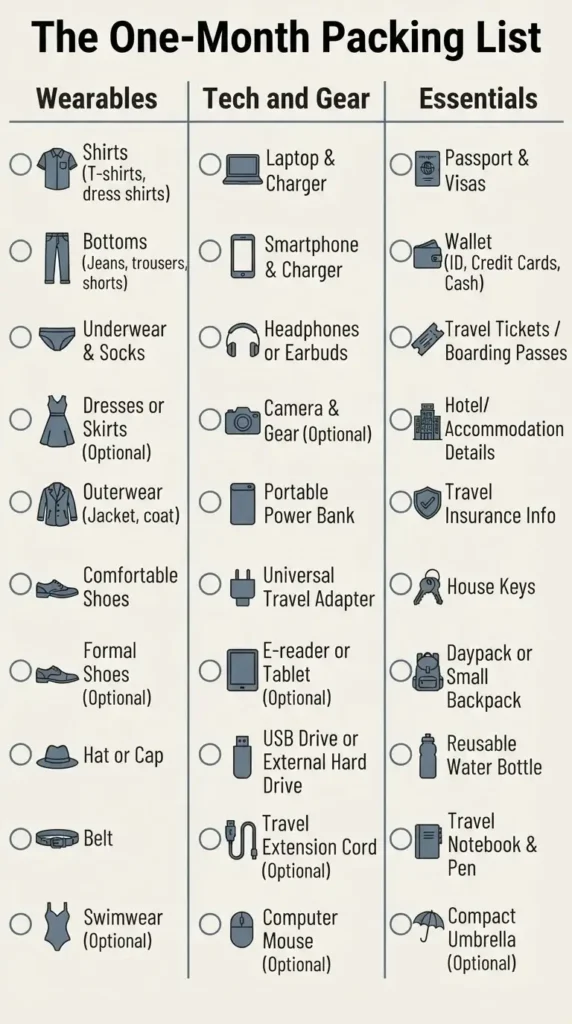
You can buy almost anything you need in Europe.
The Art of Saying “No”
This is the most important lesson. You don’t have to see every cathedral. You don’t have to go to every “best” museum. If you are in Florence and you are tired of art, go sit by the river. If you are in Paris and you don’t feel like climbing the Eiffel Tower, don’t.
Your trip is for you. If you force yourself to see things just to say you did, you aren’t really experiencing them. You are just checking a box. The joy of a month-long trip is that you have the permission to slow down.
A Note on Solo Travel Confidence
If you are worried about being lonely, let me be honest: you will feel lonely sometimes. Even in the middle of a beautiful city, the silence in your room at night can be loud.
But loneliness is not the same as being alone. Use that time to write, to process what you’ve seen, or to call a friend back home. It is in those quiet moments that you grow the most. You learn to be your own best friend. You learn that you are capable of navigating a foreign transit system, figuring out how to buy a ticket, and finding your way to a café.
If you need a quick overview of a city’s vibe before you book, check the Lonely Planet destination pages to get a feel for the local rhythm. It’s a great way to see if a place matches the kind of vibe you are looking for.
Embracing the “Messy” Parts
I used to want everything to be perfect. I wanted the perfect train connection, the perfect hostel, the perfect weather. But travel is messy. Trains get delayed. It rains. You might get a stomach bug. You might get on the wrong bus and end up in a town you’ve never heard of.
These are the moments that make the best stories. Getting lost in a small town in rural France taught me more about asking for help and trusting strangers than ten days in a big city ever could.
When things go wrong—and they will—try to laugh. Take a deep breath. Find a place to sit, buy a coffee, and figure out the next step. You are capable of handling it. That is the greatest souvenir you can bring home.
Starting Your Journey
Planning this trip is the first step toward the person you are going to become. When I was working in that office in New York, I didn’t know who I would be on the other side of my travels. I just knew I couldn’t stay where I was.
You don’t need a massive plan. You need a direction. You need a starting point, and you need to trust yourself to figure out the rest.
Don’t wait for the “perfect” time. There is no such thing. There will always be a reason to stay: a project at work, a bill to pay, a fear that you aren’t ready. You are ready. You are more capable than you think.
Grab your bag, pick your first destination, and go. The world is big, it is waiting, and it has so much to teach you. Just take the first step. The rest will follow.