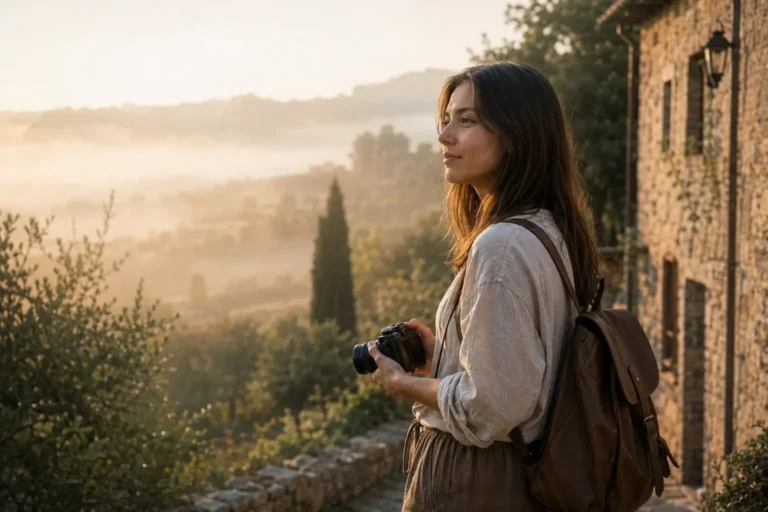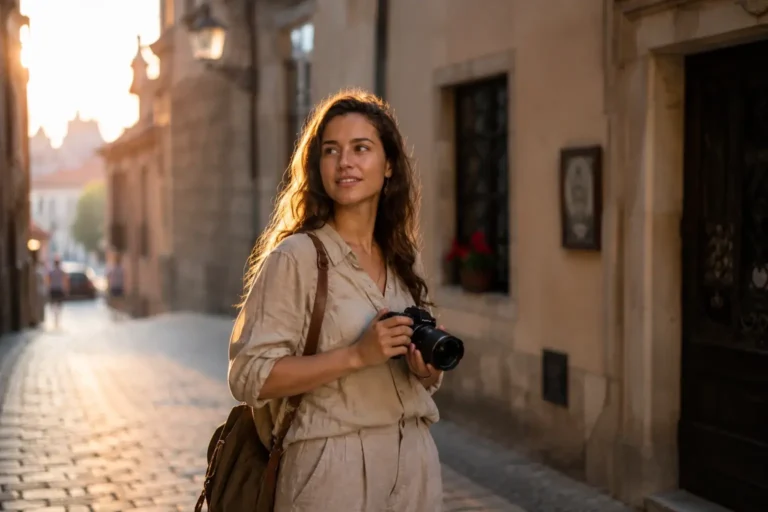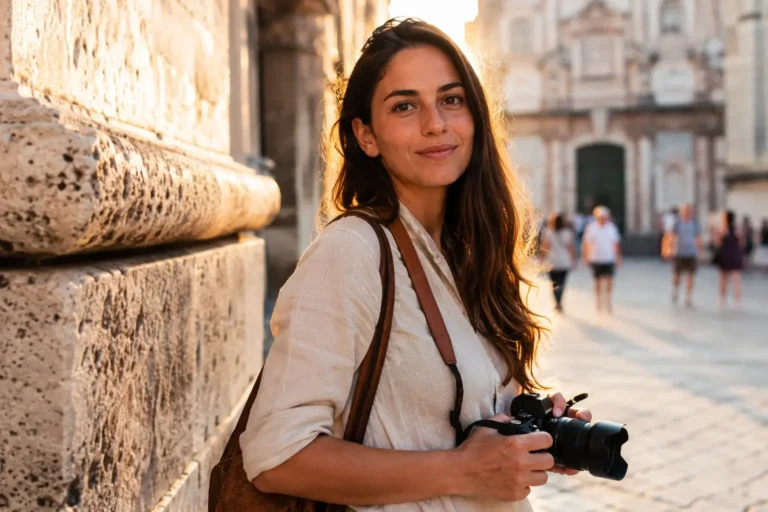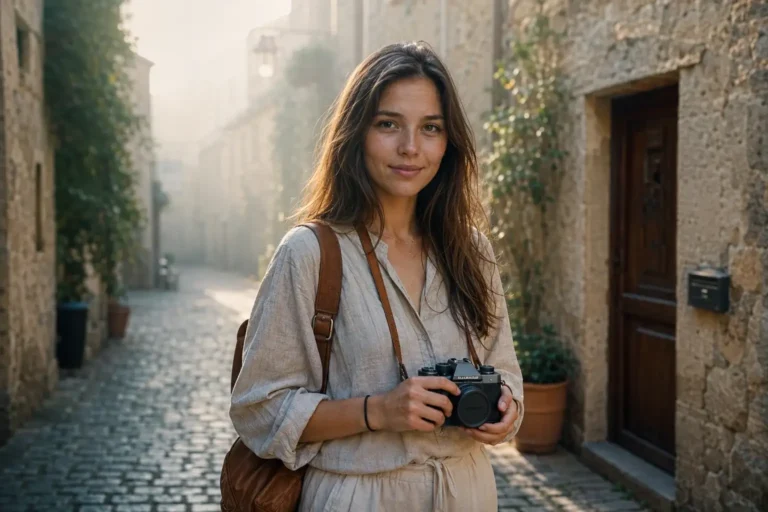
When I worked as a sightseeing guide in New York, I watched hundreds of travelers lugging massive, overstuffed suitcases down subway stairs. They looked stressed, sweaty, and overwhelmed. I felt for them, mostly because I used to be one of them. Back when I was tethered to a corporate 9-to-5, I thought that “preparedness” meant bringing three pairs of shoes for every occasion and enough outfits for a month, even if I was only going away for a week.
Everything changed when I quit my office job and traded my heels for a backpack. I started living out of a single bag while teaching English in Thailand and wandering through China. I realized that the “Pinterest-perfect” packing images we see—those beautiful, color-coded grids—aren’t just for aesthetics. They represent a mindset. If you want to stop dreading your luggage and start embracing the freedom of movement, you have to shift your perspective. You aren’t just packing clothes; you are packing the ability to say “yes” to an impromptu adventure without worrying about how you’ll drag your gear along.
The Psychology of Minimalist Packing
Packing is often where our travel anxiety begins. We fear the “what-ifs.” What if it rains? What if I’m invited to a fancy dinner? What if I get a stain on my favorite shirt? This fear leads to overpacking. When you overpack, you lose mobility. You become a prisoner to your own stuff.
To truly travel with freedom, you have to accept that you can buy almost anything, anywhere. If you are headed to a major city, you can find soap, socks, or a warm sweater. When I spent time living with a family in Ghana, I learned that the most important things I packed weren’t objects—they were my adaptability and my curiosity. I stopped looking at my suitcase as a survival kit and started seeing it as a mobile home that needed to be light enough to carry up a flight of stairs or onto a crowded bus.
The Core Logic of the Pinterest Aesthetic
You’ve likely seen those pins showing perfectly rolled t-shirts, clear pouches, and categorized gear. It looks clean, right? But the real “logic” behind that visual organization is about accessibility. When you can see everything you own, you don’t have to rummage. When you don’t have to rummage, you don’t have to destroy your organized pile every time you look for a clean pair of socks.
I use a system of modular packing cubes. I have one for tops, one for bottoms, one for undergarments, and one for tech. This keeps my bag balanced. It also makes moving through customs or checking into a hostel much easier. If I need to find my passport or an extra layer, I know exactly which pouch it’s in without dumping the contents of my bag onto the floor.
Health and Safety: Don’t Leave Home Without the Basics
While we want to be light, we also need to be responsible. I never travel without checking the latest health guidelines for where I’m headed. For instance, I always take a look at the official CDC Travelers’ Health page before I fly, just to see if there are specific vaccine recommendations or food safety warnings for the region. It’s a simple five-minute check that saves me a lot of stress once I’m on the ground.
You also need to think about your safety documentation. I keep a physical folder inside my main bag—often tucked in a flat sleeve—that contains printed copies of my visa, travel insurance, and identification. Before you leave, I strongly suggest reviewing the U.S. Department of State Travel site to get the most accurate safety ratings and entry requirements for your destination. Having these documents handy means you spend less time worrying at checkpoints and more time looking at the horizon.
The Art of the “Uniform”
One of the biggest mistakes I made early on was trying to plan an outfit for every single day. I’d pack for every social scenario, but I’d end up wearing the same three things because they were comfortable. Now, I follow the “three-color rule.” I pack items that all match. Everything goes with everything. If a shirt doesn’t match at least two pairs of bottoms, it doesn’t go in the bag.
When I lived in Thailand, the humidity was a real challenge. I had to learn how to pack lightweight, breathable fabrics that dried quickly. The Tourism Authority of Thailand website has some fantastic insights on local culture and what clothing is respectful to wear, which really helped me pack a smaller, more versatile wardrobe that didn’t offend local customs. It’s all about doing the research so you can pack less but do more.
Navigating Local Transport
Once your bag is organized, you’ll find it’s much easier to use local transit. In many parts of the world, you won’t find taxi stands or elevators in every train station. You’ll be walking, taking motorbikes, or squeezing onto local buses. I remember navigating through a busy district in Southeast Asia and being so thankful I could carry my own bag comfortably.
In many modern cities, you can use ride-sharing apps to avoid the hassle of finding a local taxi with a language barrier. For example, knowing how Grab works for travelers before you land can be a total game-changer. It helps you avoid overpaying and gives you a transparent way to get to your accommodation without having to drag a heavy suitcase through multiple transfers.
Preparing for the Unexpected
Travel is rarely perfect. Things break, flights get canceled, and sometimes you just get plain lost. That’s okay! In fact, that’s often the best part of the trip. But you need to protect your journey. I always recommend that my readers have some kind of backup plan for when things go sideways. Looking into insurance guidance and traveler safety content is something I do for every major trip. It isn’t about being paranoid; it’s about being an adult traveler who can handle the bumps in the road.
When you are organized, you have more mental bandwidth to deal with these surprises. If you aren’t stressed about your bag, you can handle a missed connection with a smile and a cup of local tea. You learn to view challenges as stories rather than failures.
The Cultural Aspect of Your Gear
Finally, remember that you are a visitor in someone else’s home. How you present yourself matters. Packing for cultural exploration means considering your destination’s heritage. If I’m heading to a place known for its UNESCO World Heritage sites, I think about what I’m wearing. Will I be doing a lot of walking? Do I need modest clothing for temples or historical sites?
When you treat your packing as a respectful part of your planning, you gain confidence. You aren’t just a tourist trying to survive; you are an active participant in the place you are visiting. And when you feel confident, you are more likely to talk to locals, try new foods, and step outside that comfort zone.
Final Thoughts on Your Journey
Organizing your suitcase isn’t about being rigid or boring. It is about clearing the path for adventure. When your bag is a reflection of your intent—light, versatile, and orderly—you give yourself the gift of presence. You stop checking your bags, you stop worrying about what you forgot, and you start looking up at the world around you.
The freedom you crave isn’t found in a 5-star hotel or a perfectly curated tour. It’s found in the courage to pack your life into a small space and head out into the unknown. Stop waiting for the “perfect moment.” The moment is now. Pack your bag, step out your front door, and go see what the world has to teach you.