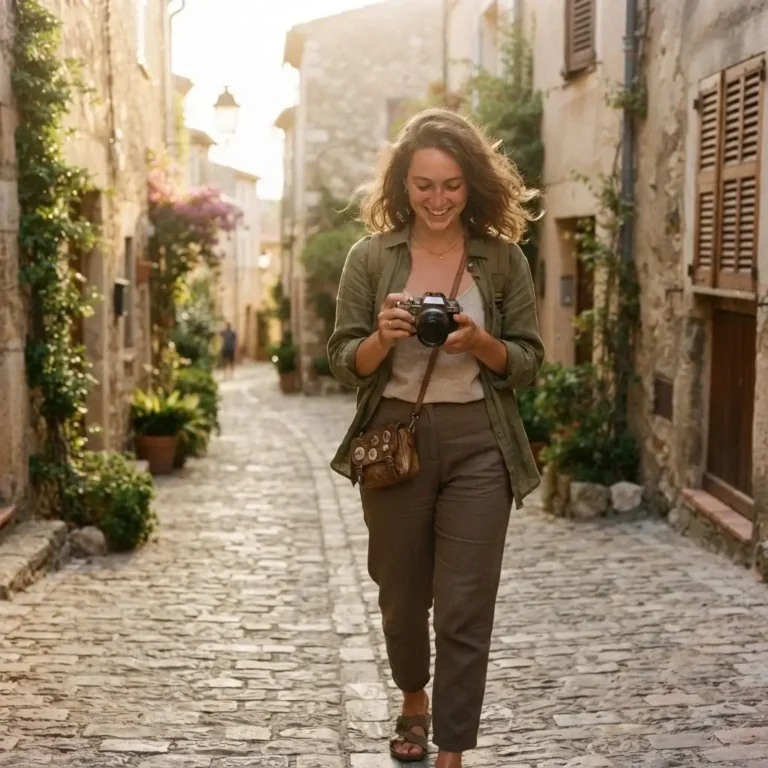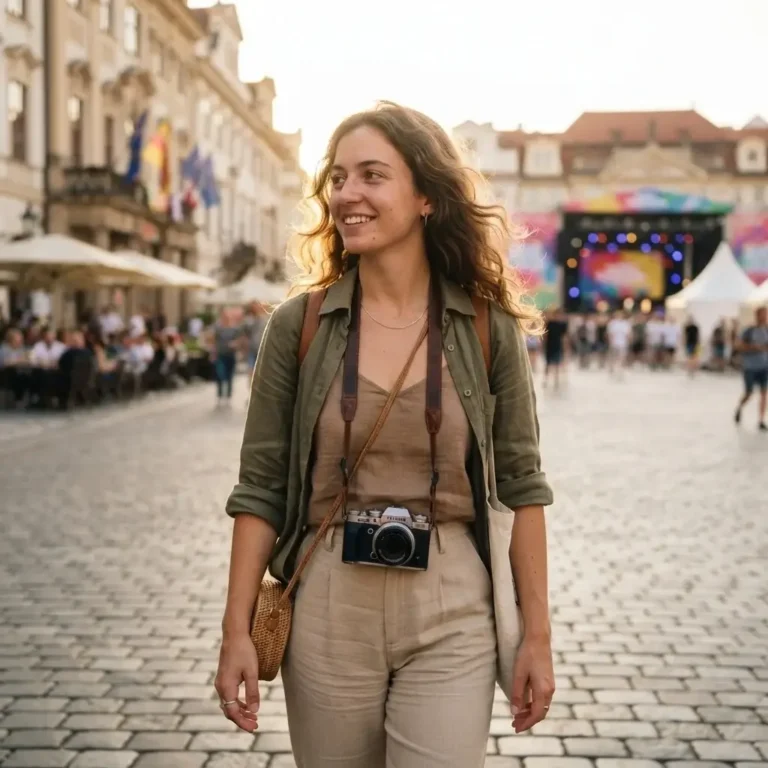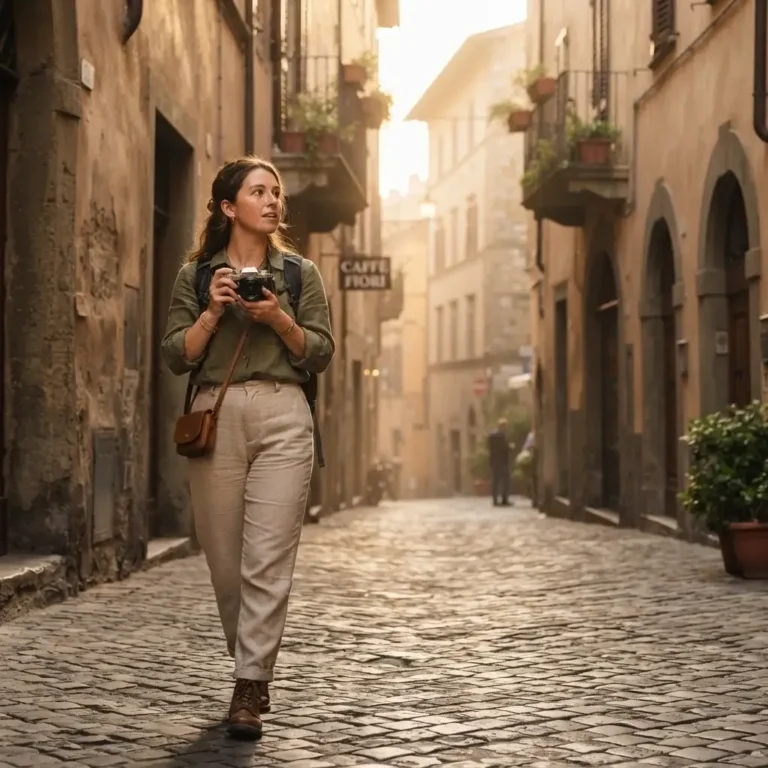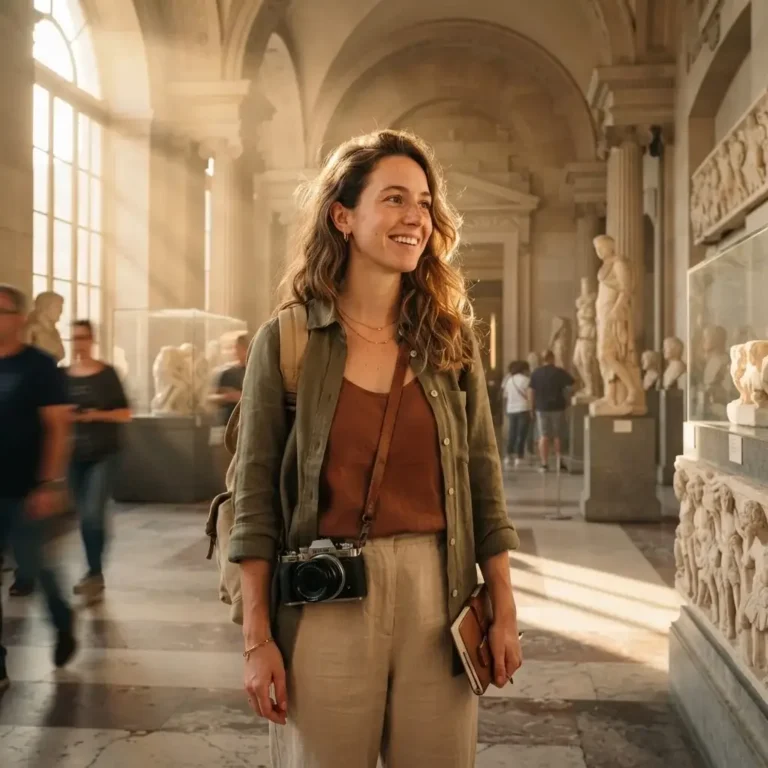
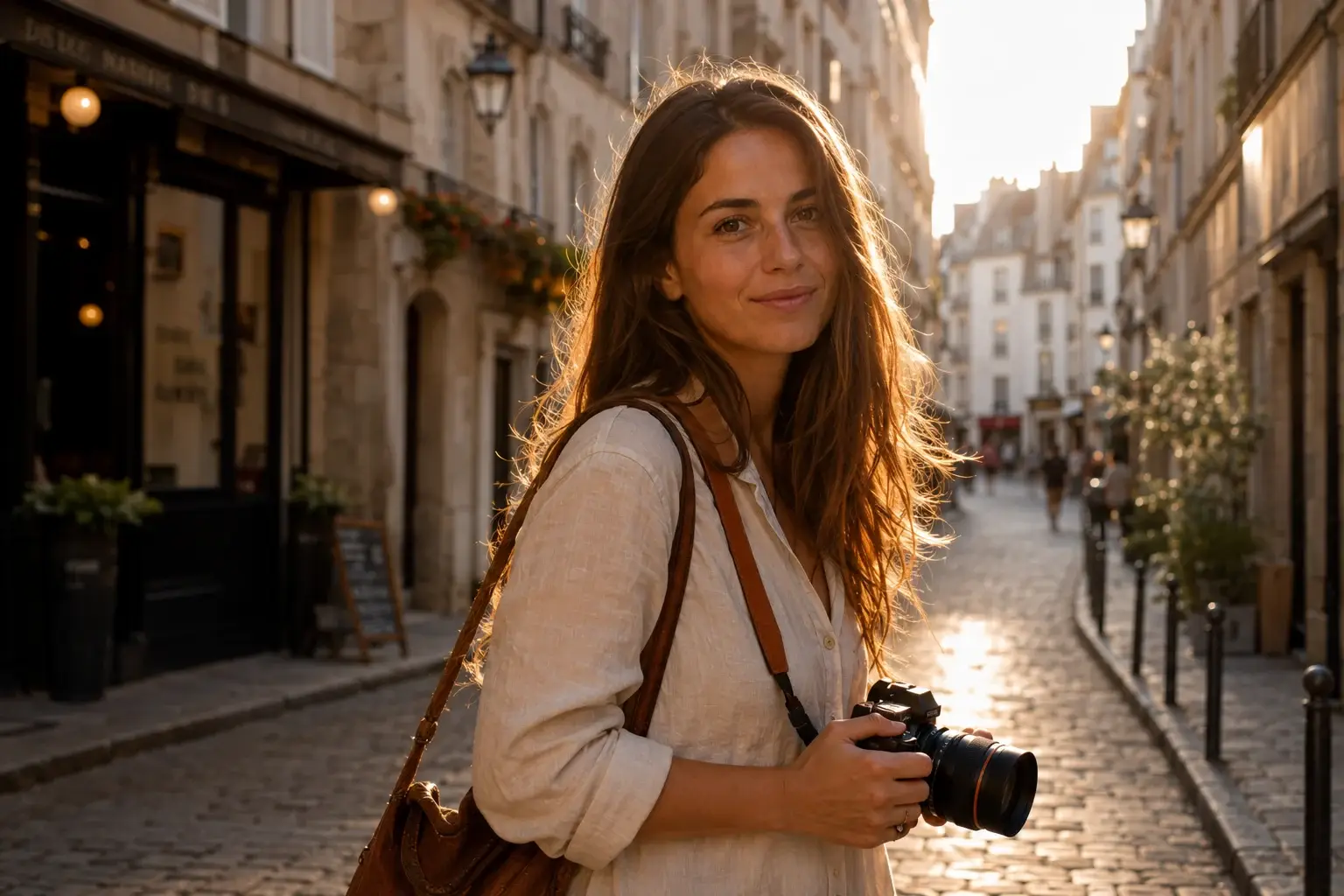
I remember sitting at my desk in New York, staring at a spreadsheet while the fluorescent lights hummed above me. I was twenty-four, I had a “good” job, and yet I felt entirely stagnant. I had spent my university years dreaming of the world, but here I was, trapped in a five-day-a-week cycle that only left me with two weeks of vacation time a year. I finally quit that job, picked up shifts at a local diner, and saved every cent to buy a plane ticket to Europe.
When I finally landed in Paris, I was terrified. My French was shaky, I was entirely alone, and the city felt like a sprawling puzzle I wasn’t sure I could solve. But that fear was exactly where the growth happened. I learned that you don’t need a massive budget or a travel companion to fall in love with the world—you just need a plan that respects your curiosity.
This is the exact guide I wish I’d had back then. It isn’t about running from one landmark to the next until your feet ache. It’s a slow-paced, honest look at how to spend five days in the City of Light as a solo traveler.
Day 1: Finding Your Rhythm in Le Marais
The biggest mistake I made on my first trip was trying to do everything on day one. Jet lag is real, and the best way to handle it is by walking. I always suggest starting in Le Marais. It’s one of the oldest districts in the city, and it feels like a village tucked inside a metropolis.
Start your morning at a local bakery. Don’t worry about finding the “best” one; look for the one with a line of locals, not tourists. Order a tradition (a classic baguette) and find a quiet bench. Once you’ve had your fill, wander toward the Place des Vosges. It’s the oldest planned square in Paris, and it is a perfect spot for people-watching.
If you are feeling nervous about being alone, this is a great day to practice just being. Carry a notebook. Sit in the park. Watch the families and the students. Because travel can sometimes feel overwhelming, it is always a good idea to check the official US Department of State travel site before you head out, just to make sure you have the latest safety alerts and entry requirements for France tucked away in your mind.
For dinner, avoid the places with photos of food on the menu. Instead, look for a small bistrot on a side street. If you feel awkward dining alone, bring a book or simply focus on the architecture around you. You are not “the person eating alone”; you are a traveler observing the world.
Day 2: The Art of Slow Observation
On your second day, you will probably feel more settled. Let’s head toward the Île de la Cité. Everyone goes here for Notre-Dame, and while the cathedral is breath-taking, the real magic is in the surrounding streets.
I suggest spending your morning at the Sainte-Chapelle. The stained glass there is honestly life-changing. After that, walk along the Seine. The river is the heartbeat of Paris. It’s where people go to talk, to sketch, and to breathe. I often spend hours just walking along the banks, watching the bouquinistes (the famous green booksellers) open their stalls.
If you love history, remember that many areas here are recognized by the UNESCO World Heritage center for their deep cultural significance, which makes the whole neighborhood feel like an open-air museum. It helps to walk slowly and appreciate that people have been walking these same paths for centuries.
For lunch, grab a crepe from a street stand, but walk two blocks away from the main tourist hubs to eat it. You’ll find the experience much more relaxing. In the afternoon, head to the Luxembourg Gardens. It is, without a doubt, my favorite place to sit with a coffee and write.
Day 3: Montmartre and the Creative Spirit
Montmartre is hilly, crowded, and absolutely worth it. To avoid the worst of the crowds, get there before 9:00 AM. Walking up the steep steps to the Sacré-Cœur basilica is a bit of a workout, but the view of the city from the top is your reward.
Once you’ve seen the church, get lost in the backstreets behind the Place du Tertre. This is where artists like Picasso and Dalí once lived and worked. It has a different energy than the rest of Paris—it feels bohemian, messy, and real.
As you walk, remember that keeping yourself healthy is part of the adventure. If you ever feel like you need extra information on how to navigate the city’s water or food standards, the CDC Travelers’ Health guide provides some very practical, no-nonsense advice for travelers.
For dinner in Montmartre, look for a crêperie that has been around for a long time. It’s hearty, affordable, and warm—perfect for a solo traveler who wants a comforting meal after a long day of walking.
Day 4: Deep Culture and Local Neighborhoods
By day four, you might be tired of the “big” sights. That’s good. That’s when the real travel begins. I recommend heading to the 11th arrondissement. It is a working-class neighborhood that has transformed into a hub for food, coffee, and independent boutiques.
This is not a place for monuments; it’s a place for life. Spend your time popping into independent bookstores or visiting the local markets. My favorite thing to do is pick up some local cheese, a piece of fruit, and a fresh pastry, and head to a neighborhood park to have a mini-picnic.
If you want to get an overview of what the city has to offer beyond these neighborhoods, browsing the Lonely Planet Paris guide can give you a great sense of the city’s layout and help you find other small pockets to explore that match your specific interests.
This is also a great day to visit a museum that isn’t the Louvre. Try the Musée de l’Orangerie. It’s smaller, quieter, and houses Monet’s Water Lilies. It’s a peaceful, meditative experience that fits perfectly with a solo itinerary.
Day 5: Your Final Reflection and Wandering
On your final day, don’t try to cram in “one last thing.” Use this day to return to the spot you liked best. Maybe it’s a specific park, or a cafe where the barista remembered your order, or a bridge where you loved the light.
Solo travel is about trust—trusting yourself to navigate a subway system, to order food in a language you’re still learning, and to enjoy your own company. By day five, you will likely realize that your initial fears have faded. You aren’t just a tourist anymore; you are a person who knows how to move through the world.
Spend your final evening watching the sunset from the banks of the Seine. It is a cliché for a reason. As the lights on the Eiffel Tower start to sparkle, don’t think about what you didn’t see. Think about the fact that you did this—you traveled, you navigated, and you grew.