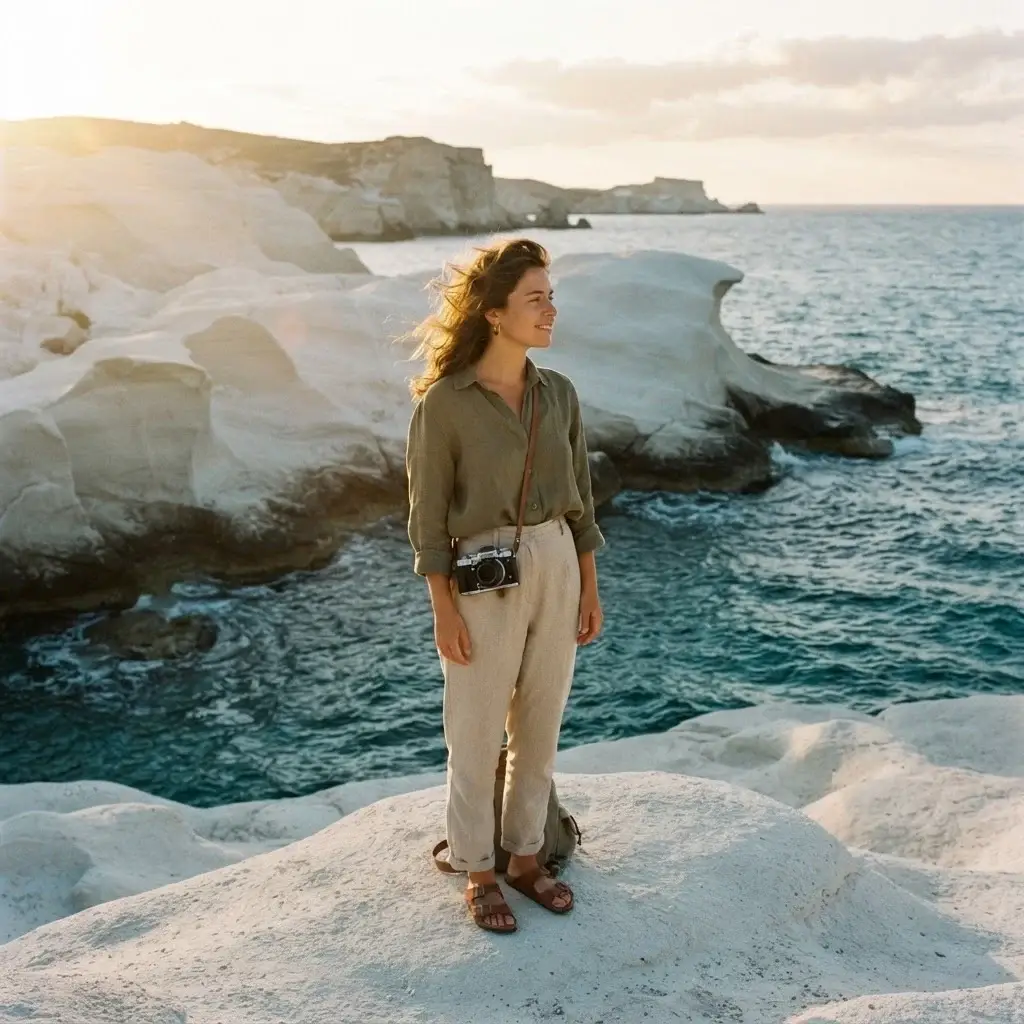
I remember sitting at my desk in New York, staring at the fluorescent lights reflecting off my computer screen, dreaming of the salt air. I was working a job that paid the bills but felt like it was draining the color out of my life. I had plenty of “vacation time” on paper, but I felt trapped in a loop. I didn’t want a luxury resort where I’d be served cocktails by a pool. I wanted to feel the grit of sand under my feet, twith sweet almonds), and swim in the Atlantic.
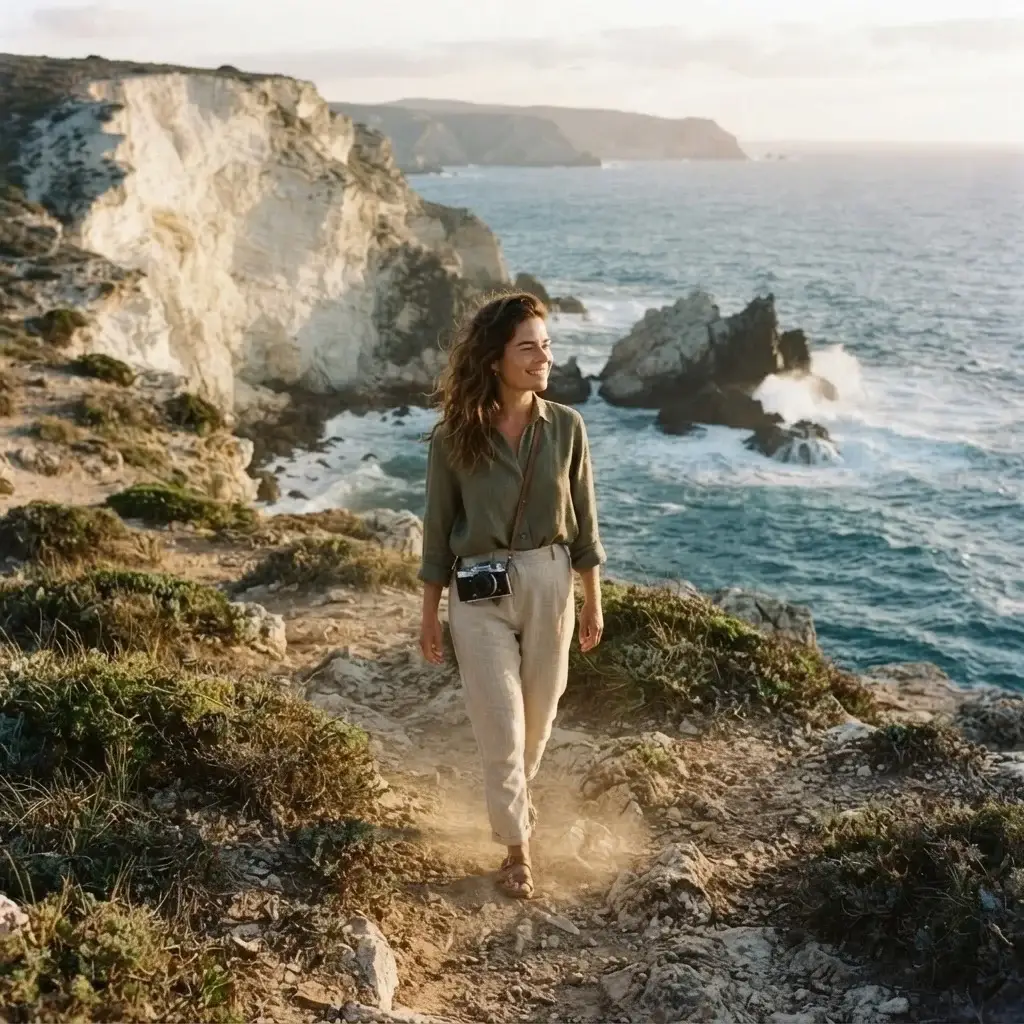
he cold shock of the Mediterranean, and the thrill of navigating a train line in a language I didn’t quite speak.
That transition—from office worker to full-time traveler—didn’t happen overnight. It was a series of choices. It was waitressing on the side, saving every extra dollar, and eventually taking that first scary step onto a plane alone. Now, when I look back at my journals from my time teaching English in Thailand or hiking through China, I realize that the best beaches in Southern Europe are not just about tanning or swimming. They are about the quiet moments of confidence you build when you are entirely on your own, thousands of miles from home.
If you are currently sitting in your own version of that cubicle, feeling that itch to go but paralyzed by the fear of “what if,” this is for you. You don’t need to be a seasoned nomad to find the best beaches in Southern Europe. You just need a little bit of preparation and a whole lot of curiosity.
Why Southern Europe is Perfect for the Solo Traveler
When I first started traveling solo, I thought I had to go to the most “exotic” places to be a real traveler. I was wrong. Southern Europe offers something unique: it is accessible, safe, and rich in history, yet it still feels wild enough to satisfy your craving for adventure.
The infrastructure here is excellent. You can easily navigate between cities, take local ferries, and find accommodation without needing a massive travel budget. But the real reason I love this region is the pace. People here understand the value of taking a two-hour lunch. They understand that life is meant to be lived, not just organized. For a solo traveler, this is a breath of fresh air. You aren’t pressured to rush through attractions. You are encouraged to sit, order a coffee, and just be.
Before you pack your bags, it is always a smart idea to check the official US Department of State Travel website for current entry requirements, safety ratings, and travel alerts for each country you plan to visit, as staying informed is the first step toward true travel confidence.
Building Confidence on the Coast
The fear of being alone at the beach is real. Will I be safe? What do I do with my bag? Will I look lonely? These questions kept me up at night before my first solo trip.
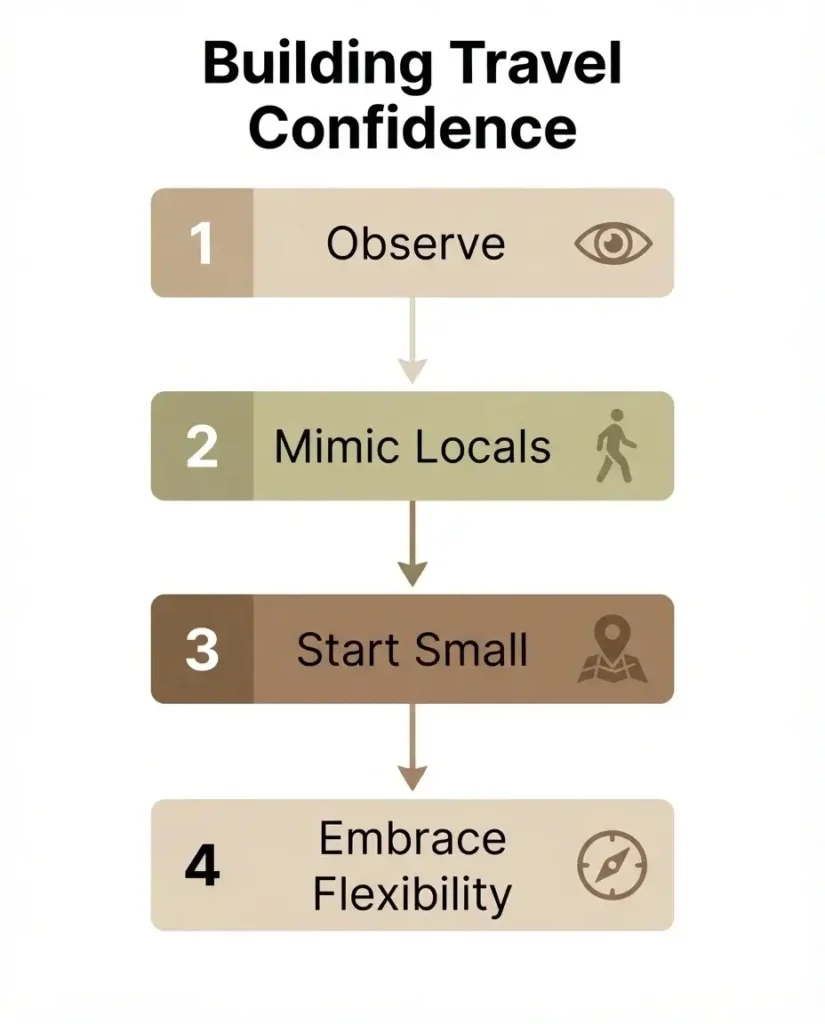
Here is the truth: nobody is looking at you. People are too busy enjoying their own lives. When you walk onto a beach in Greece or Portugal by yourself, you aren’t an oddity. You are just a person enjoying the sun. The key to confidence is the routine. When I arrive in a new coastal town, I don’t head straight to the beach. I find a cafe, I buy a bottle of water, and I watch how the locals do it. Do they rent umbrellas? Do they just lay on a towel? Do they go for a swim and come back?
Mimic the locals. It makes you invisible in the best way possible.
If you are worried about staying healthy while navigating different food cultures or climates, you should take a moment to look over the CDC Travelers’ Health website, which offers incredibly useful destination-specific advice on food safety and vaccine recommendations that will help you stay on track and keep your adventure going without any unwanted interruptions.
My Favorite Coastal Regions
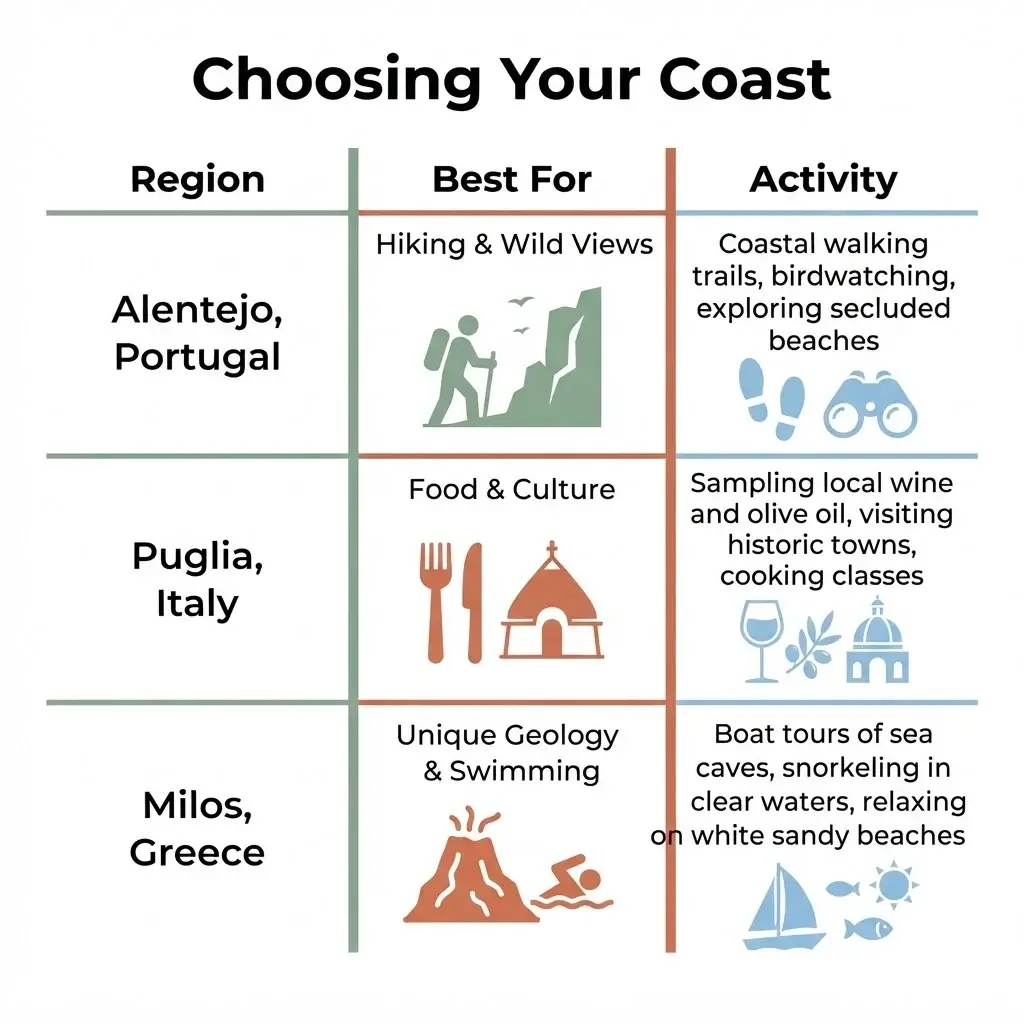
When people ask me for the best beaches in Southern Europe, I find it hard to pick just one. Instead, I like to think about what “vibe” you are looking for. Do you want to hike to reach the water? Do you want a beach surrounded by ancient history? Or do you want a place where you can sit with a book and hear nothing but the waves?
1. The Rugged Beauty of Portugal’s Alentejo Coast
If you want something a bit wilder than the crowded resorts of the Algarve, look toward the Alentejo. This region is where I truly fell in love with slow travel. The beaches are backed by tall, dramatic cliffs. The wind here is constant and refreshing.
In the Alentejo, you aren’t just finding a place to lay your towel. You are engaging with a landscape that feels ancient. I once spent a week in a small village near Vila Nova de Milfontes, walking the Rota Vicentina trail. I would hike in the morning, find a secluded stretch of sand, eat a local pastry (often filled with sweet almonds), and swim in the Atlantic.
The beauty of this region is that it is often close to sites of incredible historical significance, so I always recommend looking at the UNESCO World Heritage map before you go to see if there are protected historical centers nearby that you can combine with your coastal trip to get a fuller picture of the culture you are exploring.
Practical Tip: The water on the Atlantic side can be chilly, even in summer. Don’t go looking for the bathtub-warm water of the Mediterranean here. You go for the dramatic scenery, the fresh, grilled fish, and the feeling of complete isolation.
2. The Cultural Immersion of Puglia, Italy
If you want to combine the best beaches in Southern Europe with the best food, head to Puglia, the heel of the Italian boot. I love this area because it isn’t “perfect” in the way that glossy magazines present it. It is raw, authentic, and deeply welcoming.
In towns like Polignano a Mare, you see the houses built right into the limestone cliffs overlooking the Adriatic Sea. It is breathtaking. But don’t just stay in the tourist spots.
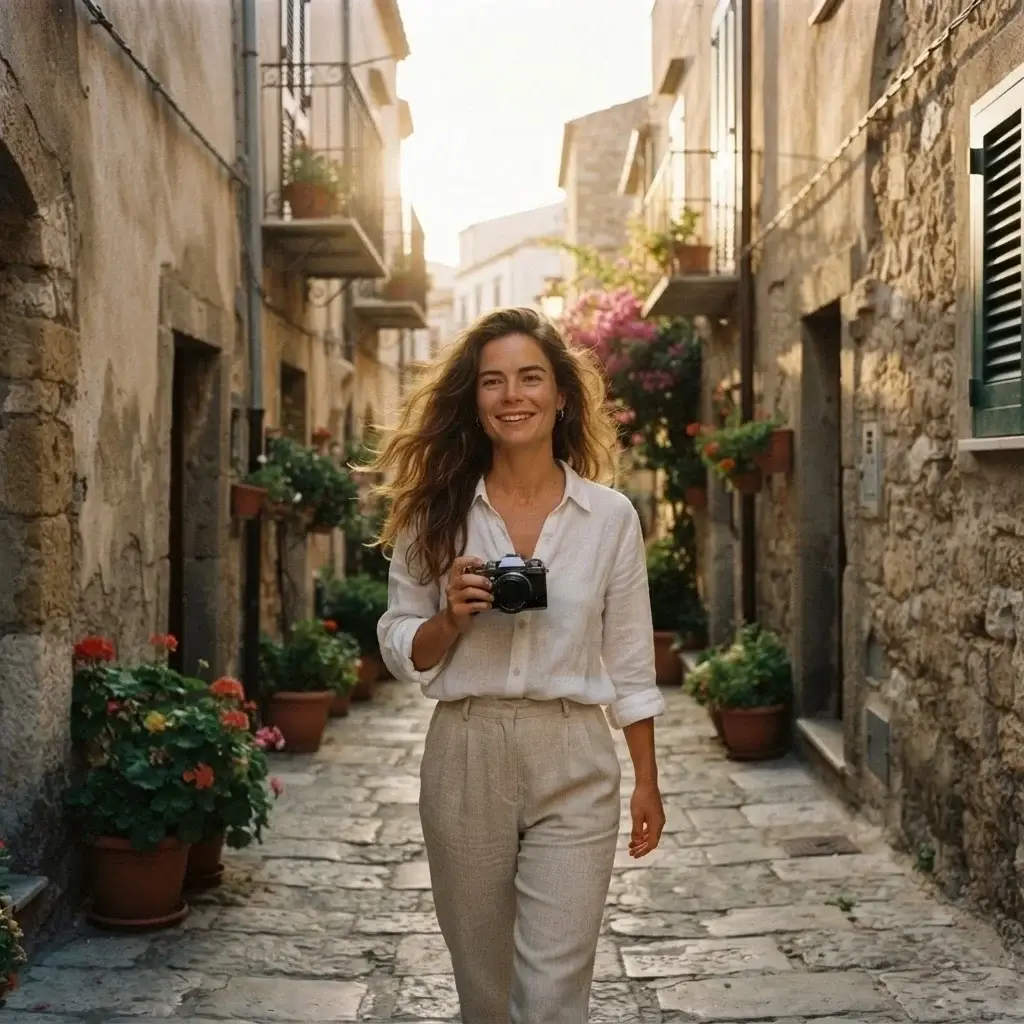
Rent a small car or use the regional trains to head south towards Salento. Here, the beaches—often called the “Maldives of Italy”—feature crystal-clear water that glows turquoise in the sun.
When you are traveling solo in Italy, the food is your friend. Don’t be afraid to sit at a table for one. In fact, if you go to a local trattoria, the staff often love chatting with solo travelers who show an interest in the local cuisine. Ask for the orecchiette pasta with turnip tops, a regional staple. It’s simple, cheap, and deeply satisfying.
3. The Island Life of Greece
Greece is a classic for a reason, but you have to know how to do it. If you go to the most famous islands in July, you will be surrounded by crowds and paying premium prices. Instead, look for islands that require a bit more effort to reach.
I spent a month in Milos a few years ago, and it changed how I viewed the “perfect” beach. The rock formations at Sarakiniko beach look like the moon. You walk across white volcanic rock that has been smoothed by the wind, and then you jump into deep, electric blue water.
Solo travel in Greece is very safe and incredibly social if you want it to be. Staying in a family-run guesthouse is the best way to get tips. The owners will likely tell you exactly which beach to visit based on the wind that day. If the wind is blowing from the north, they will tell you to go to the south side of the island. Trust them. They have lived there their whole lives.
Essential Gear for the Solo Beach Traveler
I used to pack everything I thought I might need. I would carry a massive suitcase, a daypack, and a camera bag. Big mistake. When you are alone, you are your own porter.
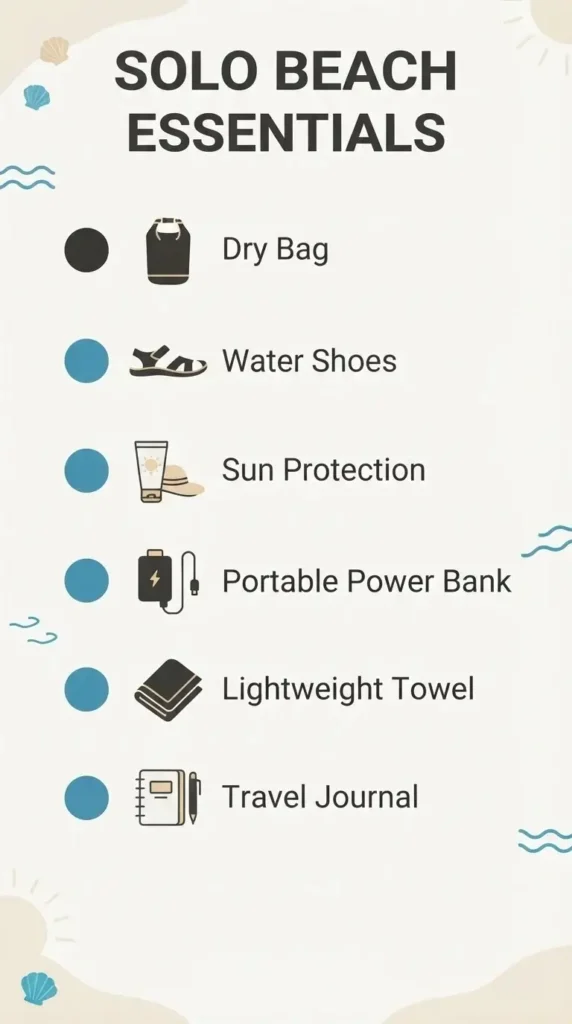
Keep it light. You only need one sturdy, quick-drying towel. You need a dry bag—this is a lifesaver. When I want to go for a swim but I am alone, I put my passport, phone, and wallet in a small, waterproof dry bag that floats, and I take it into the water with me. It gives me peace of mind, allowing me to enjoy the swim without worrying about my things back on the sand.
Footwear is non-negotiable. Many of the best beaches in Southern Europe, especially in Croatia and Greece, are pebble beaches. Do not try to walk on these with flimsy flip-flops. Buy a pair of decent water shoes. They look a bit silly, but your feet will thank you when you are walking into the water without slipping or cutting yourself on rocks.
Sun protection. The sun in Southern Europe is much stronger than what you might be used to in Northern Europe or the US. I learned this the hard way on my first trip. Wear a hat, use good sunscreen, and carry more water than you think you need. Dehydration is the fastest way to ruin a solo trip.
Handling Logistics: Getting Around Safely
Moving between coastal towns is part of the adventure. In Europe, the train systems are generally excellent, but when you get to the coast, you often have to switch to buses or ferries.
Always check the local bus schedules the moment you arrive in a new town. Don’t rely on online schedules alone; they can be outdated.
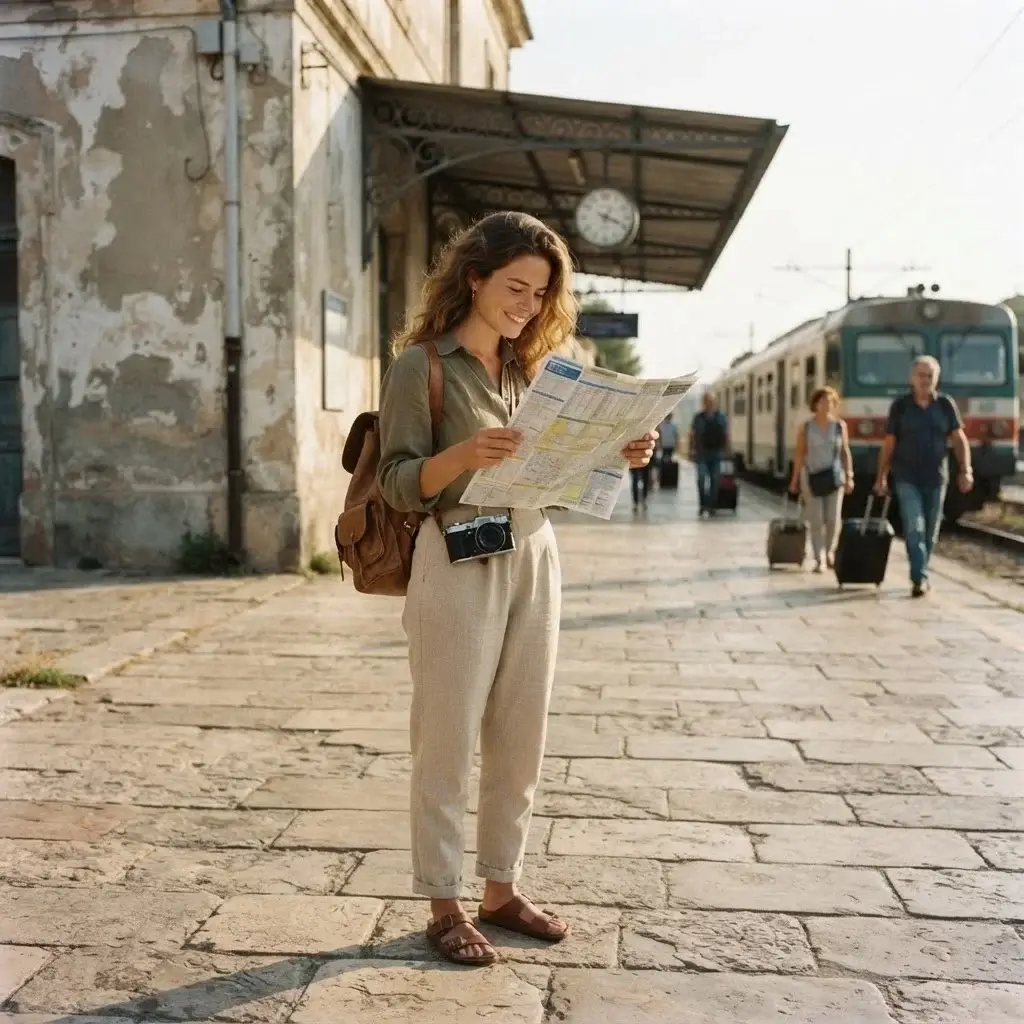
Go to the bus station, take a photo of the posted schedule, and ask the ticket agent if it is current.
If you are struggling to find your way, or if you feel overwhelmed by the transit system, don’t be afraid to ask for help. In my experience, people are generally kind to solo travelers who are respectful and try to speak a few words of the local language. Even a simple “good morning” or “thank you” in the native tongue goes a long way.
For a general overview of what you can expect in terms of culture, local customs, and transport in various countries, I find that browsing a reliable source like Lonely Planet can give you a great birds-eye view of a destination, helping you get your bearings before you even step off the plane.
Dealing with the “Solo” Moments
There will be moments when you feel lonely. It happens to the best of us. You might be watching a beautiful sunset and wish you had someone to share it with. When that happens, acknowledge the feeling, but don’t let it consume you.
Being alone is not the same as being lonely. It is an opportunity to listen to your own thoughts. I often bring a journal, a book, or a sketchpad. When I am sitting on a beach, I write down what I see. It forces me to observe the world more closely. I notice the way the light hits the waves, the sound of the seagulls, the texture of the sand. This practice has made me a better writer and a more attentive traveler.
Remember, you are there to discover the world, but also to discover yourself. The challenges you face—navigating a bus route, reading a menu, finding a safe place to swim—are the things that build your confidence. Every time you solve a small problem, you become a little bit more capable.
Safety and Insurance: The Practical Side of Freedom
I want to talk about safety, but I don’t want to fear-monger. Traveling alone is generally very safe, but being reckless is not an option. Keep your wits about you. Don’t get too intoxicated in places you don’t know well. Keep a digital copy of your passport in a secure cloud storage, and keep your physical passport in a safe place at your accommodation.
When you are out and about, be aware of your surroundings. If a situation feels “off,” trust your gut. It is better to be safe and miss a sunset than to stay somewhere that makes you feel uncomfortable.
Part of being a responsible solo traveler is ensuring that you are covered if things go wrong. Whether it’s a missed flight, lost luggage, or a minor medical issue, having a safety net is essential for your peace of mind. I always recommend looking into resources from World Nomads to understand what travel insurance can offer, because knowing you have backup helps you relax and enjoy the trip, which is exactly why you went in the first place.
Eating Alone: A Gateway to Culture
Dining alone can feel intimidating for many people, especially in countries where the culture revolves around family meals. But in Southern Europe, there is a certain dignity to eating alone.
To make it easier, go for lunch rather than dinner. Lunch in these countries is the main meal of the day.
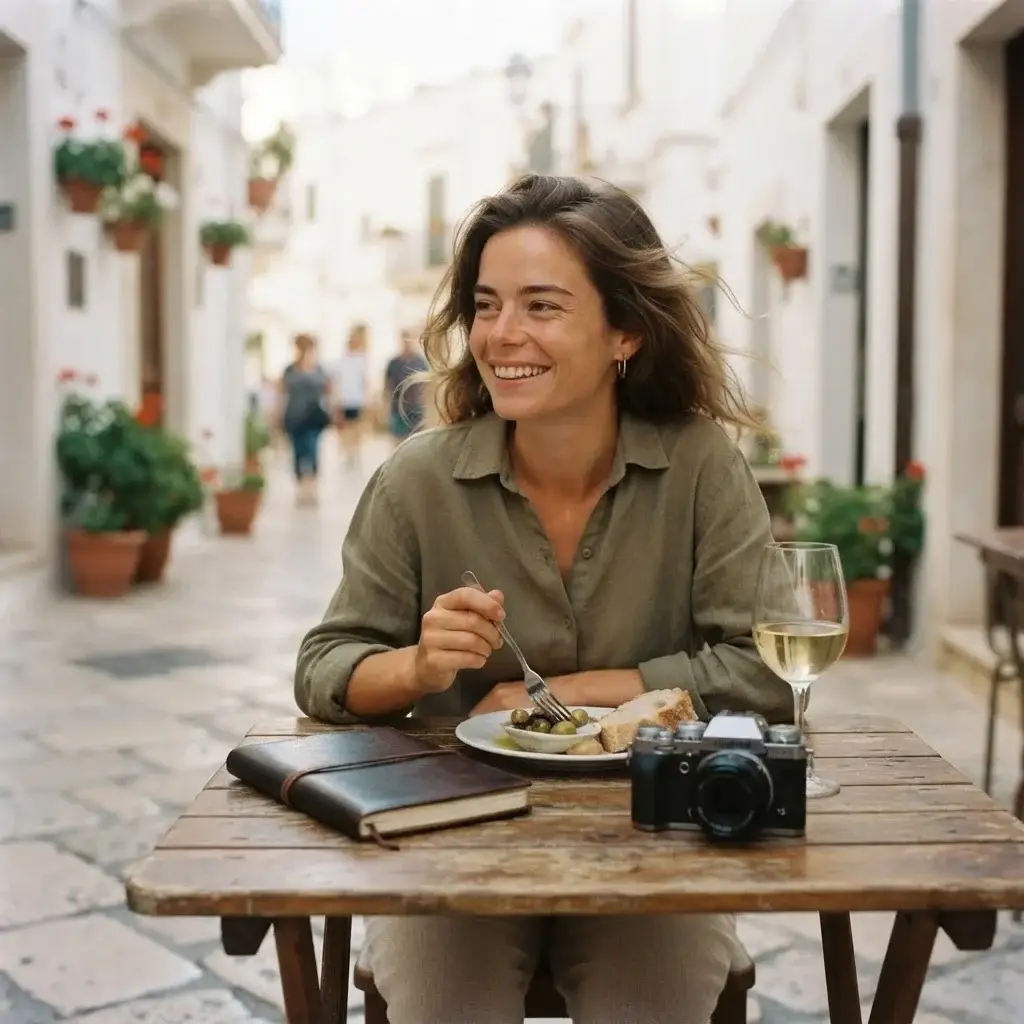
Restaurants are bustling, it is brighter, and there are often other people eating alone or quickly. It is much less pressure than a romantic, quiet dinner setting.
Also, look for places where you can sit at the bar or a counter. This allows you to interact with the staff if you want, or just observe the kitchen and the movement of the restaurant. If you order the house wine and a simple dish of the day, you are participating in the culture just as much as anyone else.
The Mindset of a Successful Solo Traveler
If you walk away with anything from this, let it be this: you are capable. You don’t need to wait for a friend to be free. You don’t need to wait for the “perfect” time.
The best beaches in Southern Europe will still be there, but your time is now.
Stop looking for the “perfect” trip. There is no such thing. There will be rainy days. You will miss a train. You will struggle to communicate at a pharmacy. And guess what? Those moments will likely be the stories you laugh about later. They are the friction that makes the diamond of your experience.
I used to think that travel was about collecting destinations. I wanted to check boxes. Now, I know that travel is about the internal shift. It is about the version of you that comes home after a solo trip—a version that is more resilient, more observant, and more confident than the one who left.
So, pick a spot. Maybe it is the cliffs of Portugal. Maybe it is the ancient rocks of Greece or the vibrant coast of Italy. Do your research, pack your bag, and go. The world is much bigger and kinder than you think, and you have exactly what it takes to explore it.