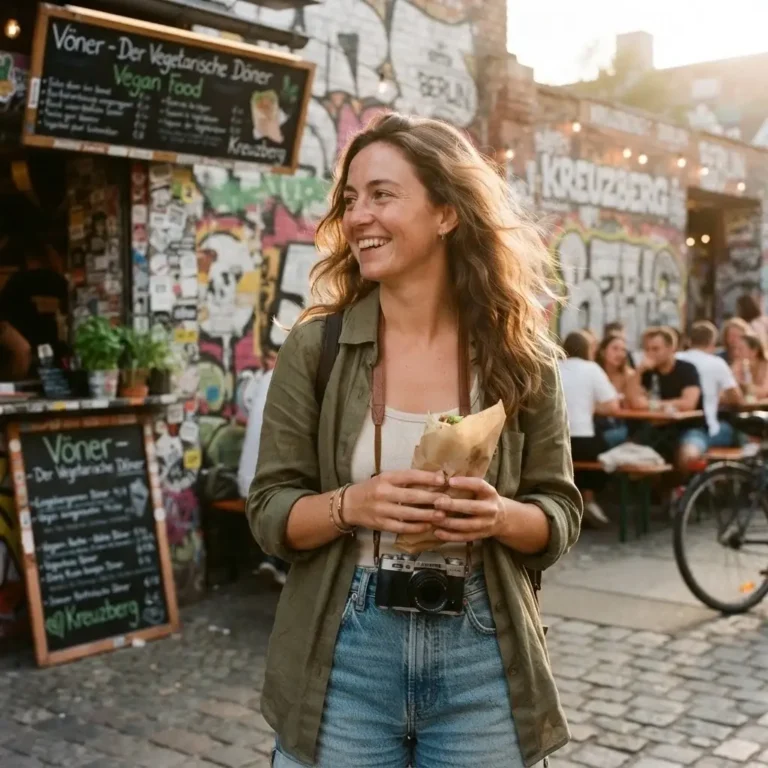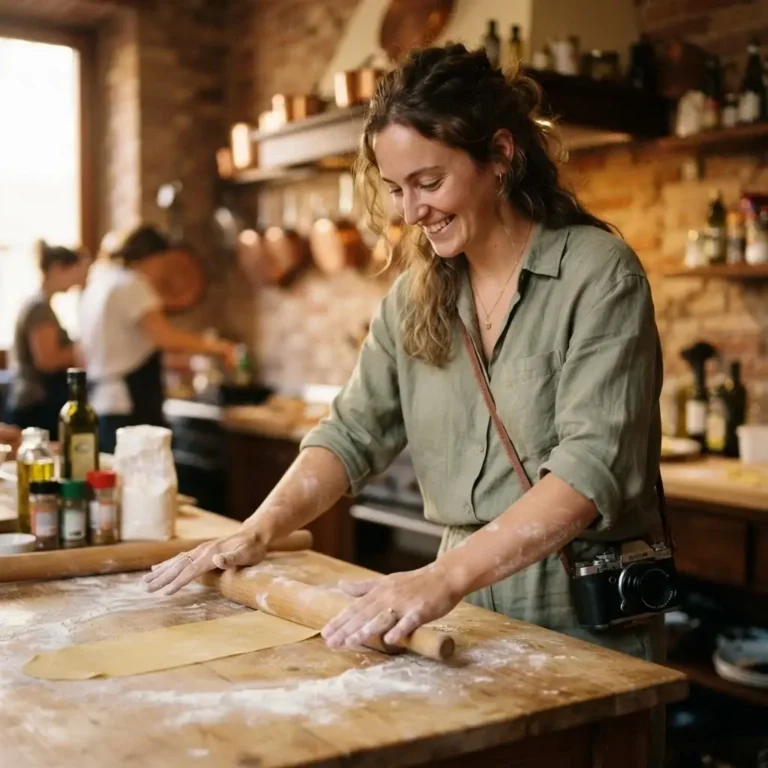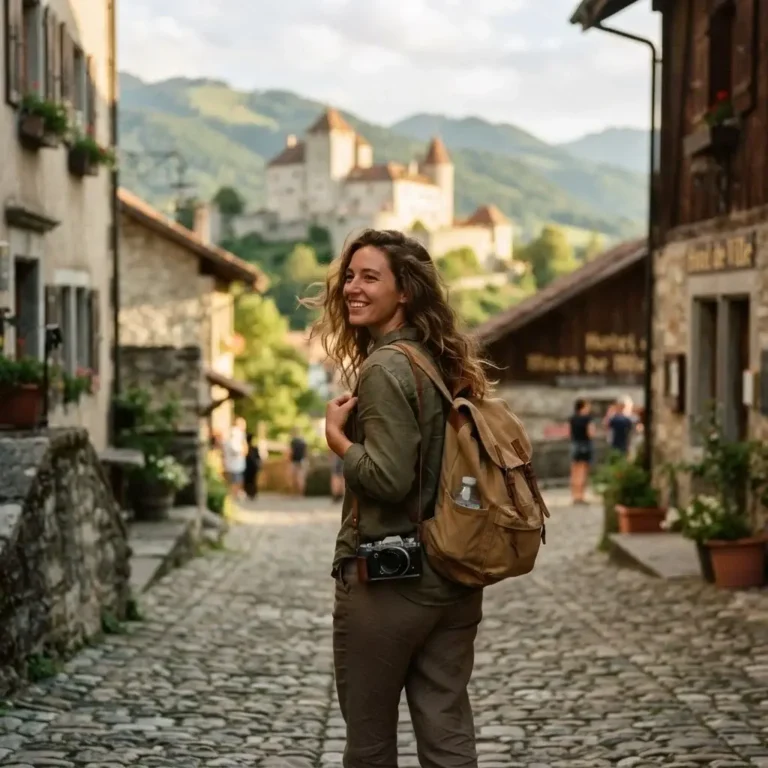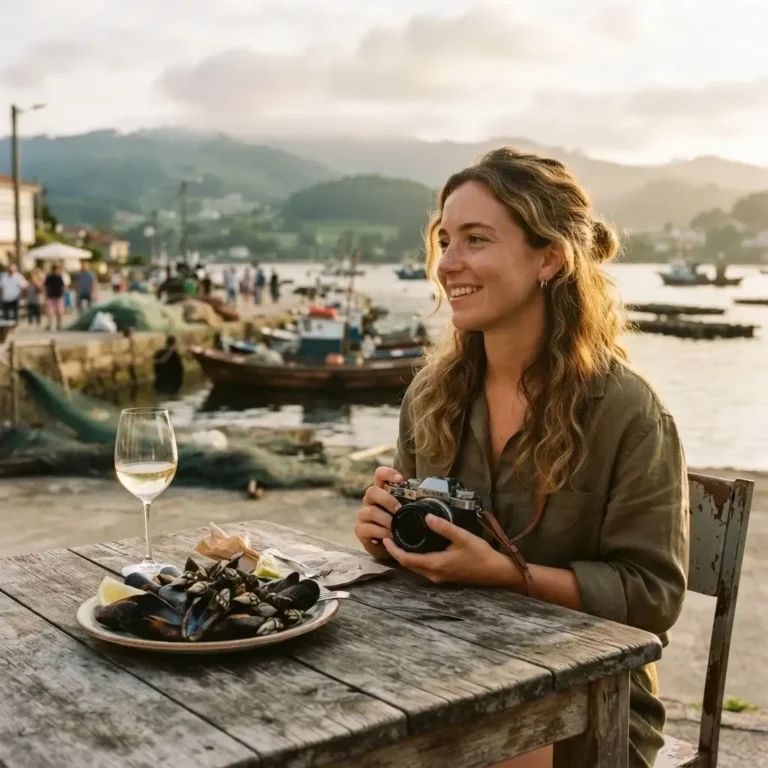
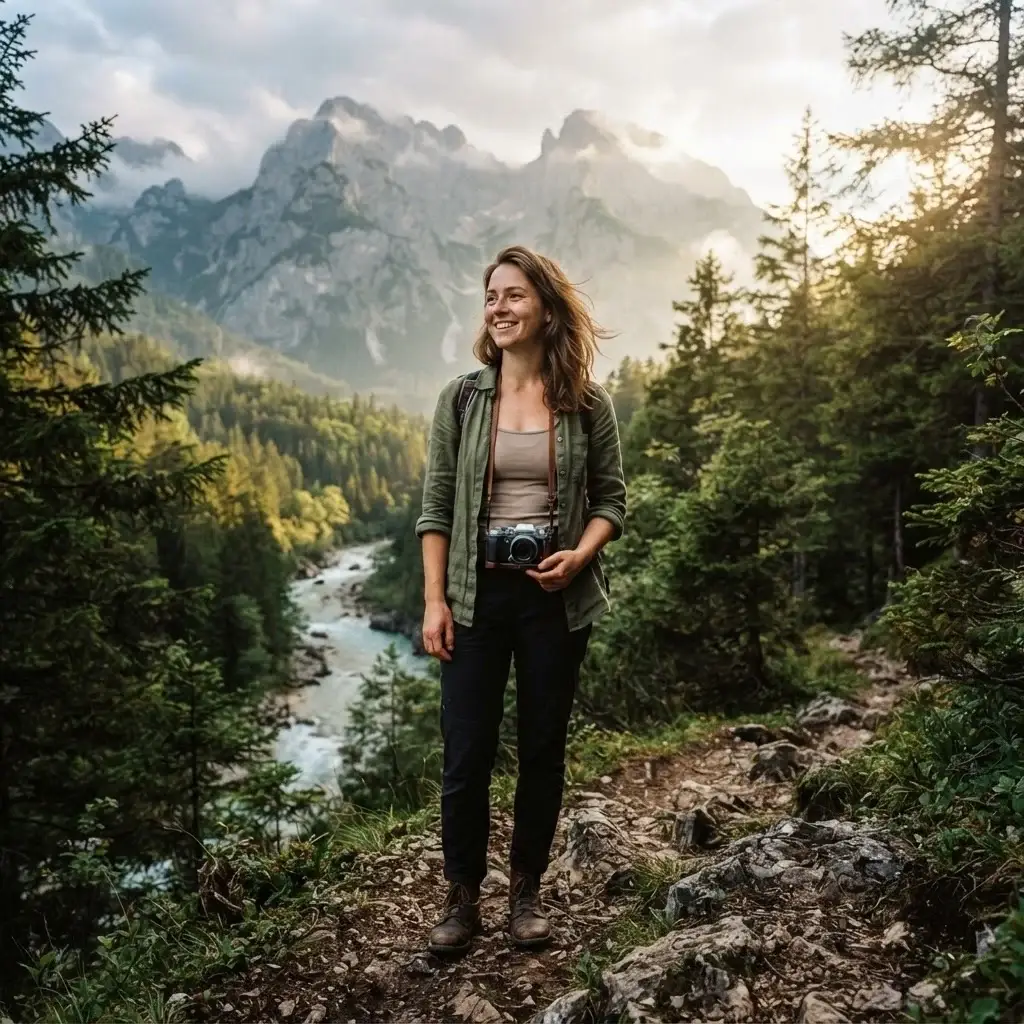
I used to spend my days pointing a microphone at the Empire State Building. Working as a sightseeing guide in New York City taught me a lot about crowds. I saw thousands of people every single day. They rushed from one famous spot to the next. They snapped the exact same photos. They looked exhausted.
When I finally quit that job and left my corporate office days behind, I made a promise to myself. I promised that my own travels would look different. I wanted slow mornings. I wanted quiet trails. I wanted to talk to the people who actually lived in the places I visited.
If you are dreaming of Europe but feeling scared of the massive summer crowds, I get it. The fear is real. You see videos of people standing shoulder-to-shoulder in European cities and think, Why even go?
But Austria is so much more than the crowded streets of Vienna or the packed boat docks of Hallstatt. The real magic happens when you step off the main train lines. When you look for offbeat travel destinations in Austria, you find a completely different world. You find farmhouses that smell like fresh pine. You find grandmothers serving homemade cheese on wooden boards. You find quiet joy.
The secret to finding these places is simple: you have to trust the locals. You have to ask questions. You have to be willing to look a little lost. In this guide, I am going to show you exactly how to do that. I will share my favorite hidden regions, what to eat, how to ride the local buses, and how to talk to the people who call these mountains home. Let’s pack our bags.
Why You Must Look Past the Famous Cities
When I was working double shifts as a waitress in New York to save up for my first solo trip, I spent my breaks flipping through travel overviews of Austria from Lonely Planet to build my dream itinerary. I bookmarked all the major palaces. I planned to see every famous museum.
But when I actually got there, I felt overwhelmed. The famous spots were beautiful, but they felt like movie sets. I wanted real life. I wanted to see where normal people bought their bread.
Stepping away from the famous spots takes a little bit of courage. You have to give up the safety net of English menus. You have to figure out regional bus schedules. But the reward is huge. When you visit places that locals love, you save money. Your budget stretches twice as far. You also get a much warmer welcome. People in rural Austria are proud of their homes. When they see a traveler taking the time to visit their small village, they are thrilled. They want to share their food, their stories, and their secret hiking trails with you.
How to Actually Connect With Local Austrians
Austrians can seem a little reserved at first. They value politeness and order. But underneath that quiet exterior, they are incredibly warm and funny people. You just have to know how to break the ice.
First, learn a basic greeting. In the countryside, nobody says “Guten Tag.” They say “Grüß Gott” (Greet God) or “Servus” (a friendly hello). When you walk into a small bakery or a local shop, say this loudly and clearly. It changes everything. It shows respect.
Second, look for the Stammtisch. This is the “regulars’ table” found in almost every traditional Austrian tavern, known as a Gasthaus. You will usually see a heavy wooden sign hanging over it. Do not sit there! That table is reserved for the local farmers, the mayor, and the town gossips. But do sit near it. If you smile and raise your glass of beer to them, you will almost certainly end up in a conversation.
Before you head deep into the countryside to make friends, it always helps to stay updated on the latest border entry rules and safety ratings from the US Department of State just so you have total peace of mind while wandering off the map. Knowing your paperwork is sorted makes it easier to relax and chat with strangers.
Let’s dive into the specific regions that locals love, but most foreign tourists completely miss.
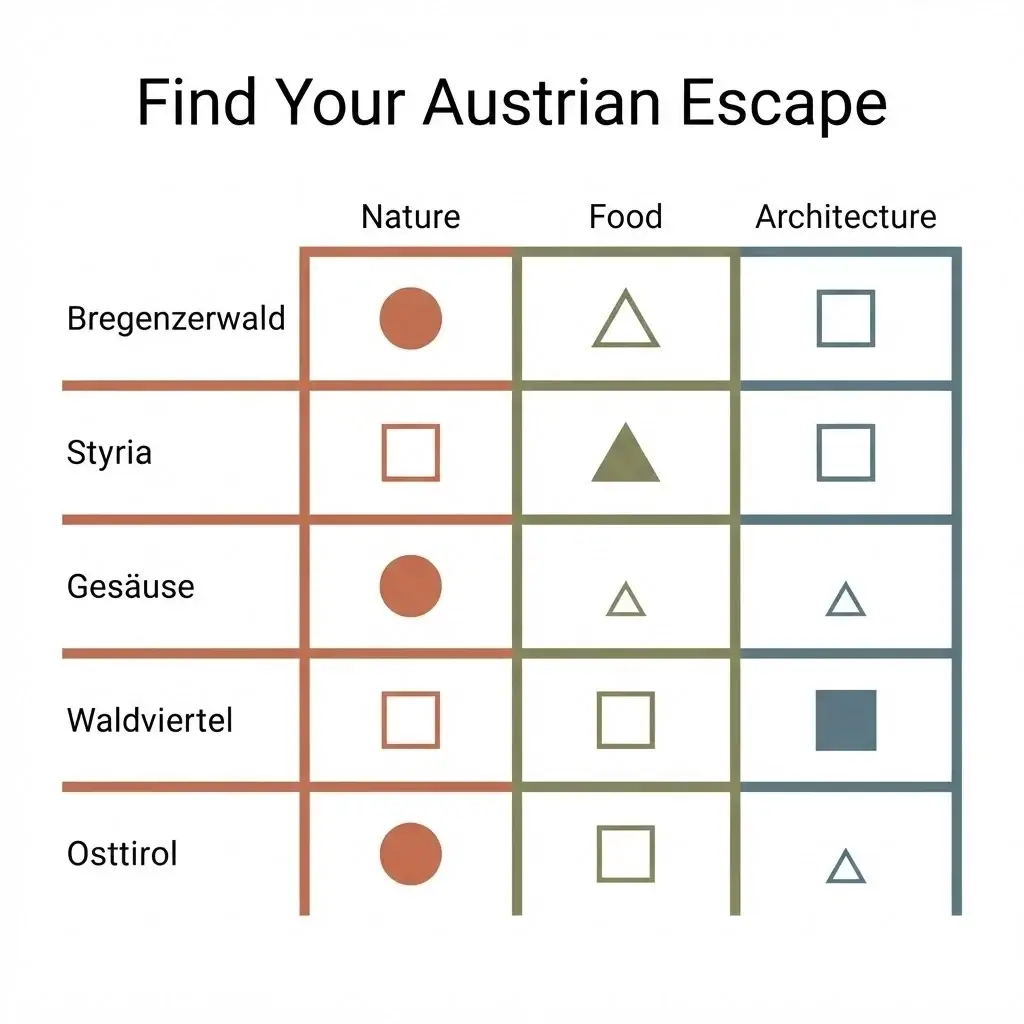
Region 1: Bregenzerwald – The Hidden Wooden World
Tucked away in the far western corner of Austria is the state of Vorarlberg. Inside this state is a region called the Bregenzerwald. When a local friend from Vienna told me about this place, I had never even heard the name.
The Bregenzerwald is famous among Austrians for two things: modern wooden architecture and incredible cheese. The people here are known for being stubborn, creative, and deeply tied to nature.
The Architecture and The Vibe
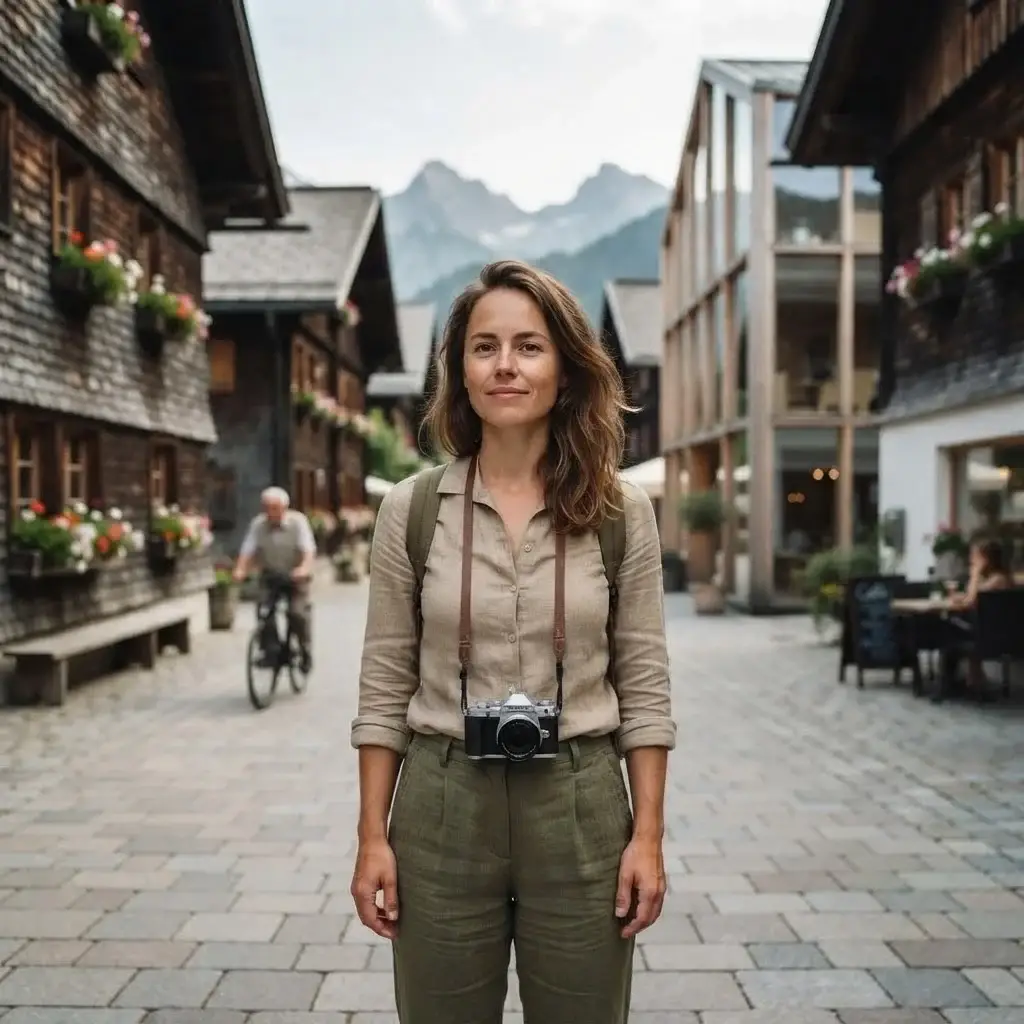
As you ride the bus into the valley, you will notice the houses. They are covered in small wooden shingles. When the wood is new, it is bright orange. Over time, the sun bakes it into a beautiful, silvery grey. It looks like fish scales. The villages here mix 300-year-old farmhouses with ultra-modern, glass-and-wood buildings. It is a designer’s dream, yet it feels completely rustic.
How to Get There and Get Around
You will start your journey in the town of Bregenz, which sits on Lake Constance. From the Bregenz train station, walk outside to the yellow post buses. This region is a masterclass in rural public transit. The buses run perfectly on time. Look for Bus Line 35 or 40 to head deep into the valley.
Here is my best tip: If you stay three nights in a local hotel or guesthouse, you get the Bregenzerwald Guest Card for free. This card lets you ride all the local buses and mountain cable cars without paying an extra dime. It is the best budget travel hack in the country.
What to Eat Like a Local
You cannot leave the Bregenzerwald without eating cheese. They make a famous hard cheese called Bergkäse (mountain cheese). The cows here eat fresh alpine herbs, not cheap feed. You can taste the flowers in the cheese.
Stop at any small Gasthaus and order Kässpätzle. This is the local version of macaroni and cheese, but a million times better. They take tiny dumplings, mix them with three types of strong mountain cheese, and cover the whole thing in crispy fried onions. It is usually served in a heavy wooden bowl. Eat it with a side of sharp potato salad. It will keep you full for two days!
Region 2: Southern Styria – The Tuscany of Austria
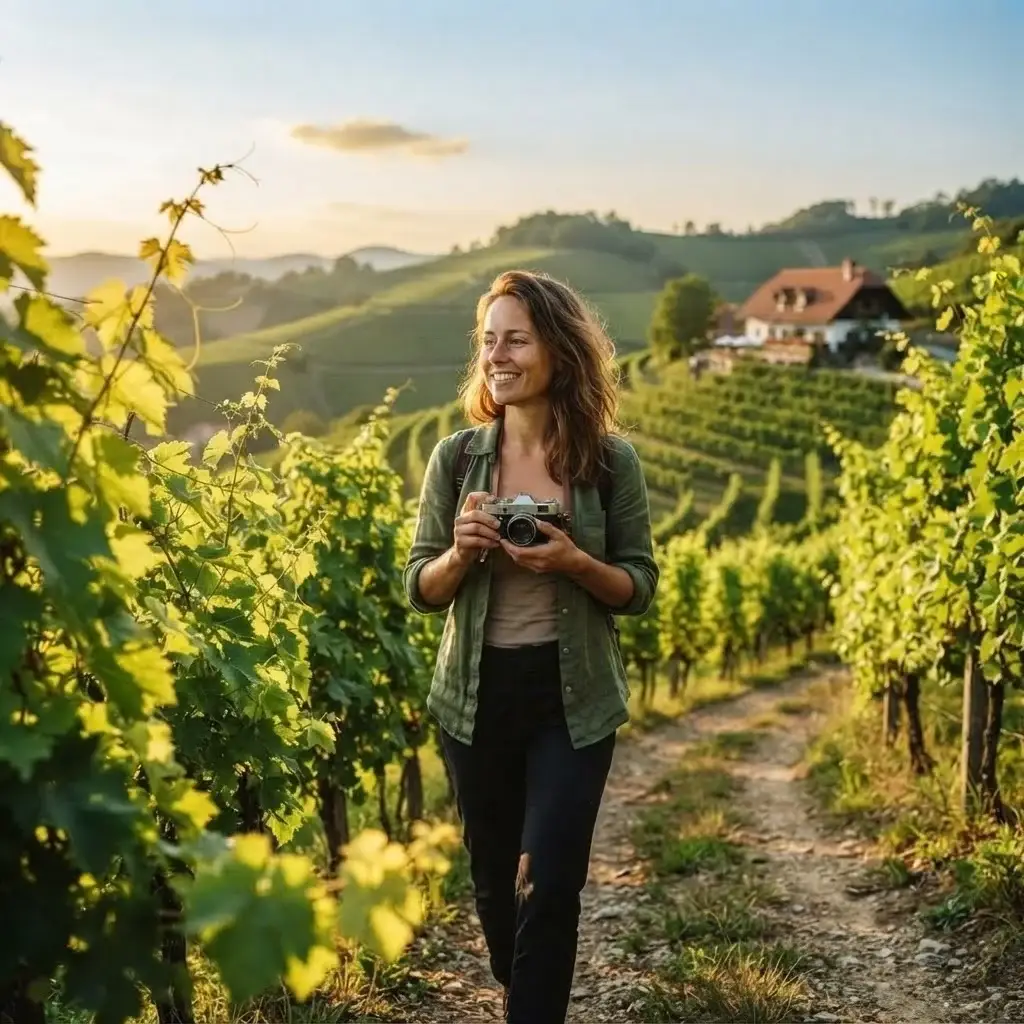
When Austrians want a romantic weekend away, they do not go to Vienna. They go to Southern Styria (Südsteiermark). This region is in the southeast part of the country, near the border with Slovenia. The hills roll gently in every direction. They are covered in perfect green vines.
The Wine Roads
The heart of this region is the Südsteirische Weinstraße (South Styrian Wine Road). It winds along the tops of the hills. Sometimes, one side of the road is in Austria and the other side is in Slovenia! It is incredibly quiet. You will hear the wind in the vines and the strange, rhythmic clacking sound of the Klapotetz. This is a traditional wooden windmill used as a scarecrow. The sound is the heartbeat of Styria.
Getting There
You can easily start your trip by exploring the historic center of Graz recognized by UNESCO before taking a short local train down to the vineyards. Graz is the capital of Styria. From Graz, catch a regional train to the small town of Ehrenhausen. The ride takes about 45 minutes.
Once you arrive, the best way to get around is by using a service called WEINmobil. It is a brilliant local taxi system. You call them or use their app, and they will pick you up from any winery and drive you to your guesthouse for a very small fee. It makes traveling solo here incredibly safe and stress-free.
What to Eat and Drink
You are here for the Buschenschank. This is a traditional Styrian wine tavern. By law, a Buschenschank can only sell wine they produce themselves, and they are only allowed to serve cold food.
You must order a Brettljause. This is a massive wooden board piled high with smoked meats, cured sausages, fresh horseradish, and thick slices of dark farmer’s bread.
But the real star of Styria is pumpkin seed oil. Locals call it Kernöl, or “green gold.” It is dark, thick, and tastes deeply nutty. They pour it over everything. Try it on a simple green salad, or better yet, poured over a scoop of vanilla ice cream. Trust me on the ice cream. It is life-changing.
Region 3: Nationalpark Gesäuse – Wild Water and Steep Rocks
If you want true, untouched wilderness, this is the place. The Gesäuse is Austria’s youngest national park, located in the northern part of Styria. The name comes from the German word “sausen,” which means to roar or rush. That is exactly what the Enns River does here. It crashes wildly through a deep gorge made of bright white limestone.
The Wilderness Vibe
This region is not for luxury travelers. It is for people who want to lace up their hiking boots and get dirty. The mountains here are steep and jagged. You will walk for hours through dark pine forests without seeing another human. It is the perfect place to clear your head. I remember standing by the rushing river here, realizing how far away my old office life felt. The air is so crisp it almost burns your lungs in a good way.
Since this area is rugged and full of rocky trails, I highly recommend looking into adventure travel insurance guidance from World Nomads to ensure your hiking plans are fully covered just in case you twist an ankle on a steep path. Having that backup lets you hike with total confidence.
Navigating the Gorge
Getting to the Gesäuse requires a bit of planning, which is why most tourists skip it. Take a train from Vienna to the town of Leoben, and then switch to a local regional train heading to the town of Admont or Johnsbach.
On weekends, a special National Park bus called the Gesäuse Taxi runs between the trailheads and the train stations. Always ask your guesthouse host for the current schedule, because it changes with the seasons.
What to See and Eat
Before you hit the wild trails, you have to visit Admont Abbey. It holds the largest monastic library in the world. It looks exactly like the library from Beauty and the Beast. Bright white shelves, gold trim, and secret doors hidden behind fake books. It is breathtaking.
For food, this region is all about heavy, hunter-style meals. Stop at the Kölblwirt guesthouse in Johnsbach. Order the Hirschgulasch (venison stew). It is slow-cooked with dark red wine, juniper berries, and wild mushrooms gathered directly from the nearby woods. They serve it with a soft bread dumpling to soak up every drop of the thick, rich sauce.
Region 4: The Waldviertel – Mystical Forests and Castles
North of Vienna, stretching up to the Czech border, is a region called the Waldviertel (The Forest Quarter). The landscape here is different from the rest of Austria. There are no towering Alpine peaks. Instead, there are rolling dark green forests, massive granite boulders, and ruined castles straight out of a fairy tale.
The Land of Slow Time
Locals from Vienna drive up to the Waldviertel when they need to escape the heat and the stress of the city. The climate here is cooler and harsher. It feels mystical. When the morning fog rolls through the pine trees, you expect to see a knight on a horse come out of the woods.
One of the best places to visit is the Blockheide Nature Park near the town of Gmünd. The woods here are filled with massive, perfectly round granite stones.
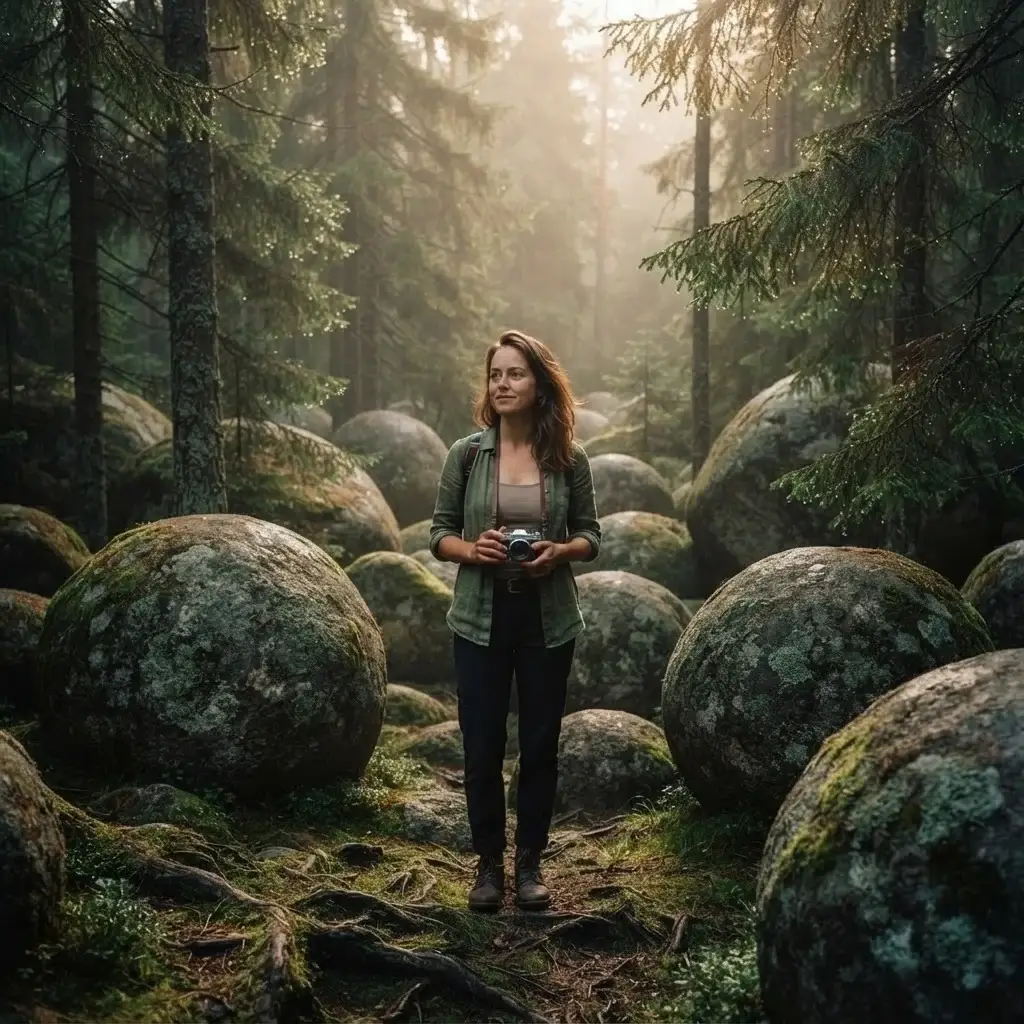
Some of them are so perfectly balanced you can rock them back and forth with one hand.
Getting There by Train
You can reach the Waldviertel easily by taking the Franz-Josefs-Bahn train directly from Vienna. It is a slow, scenic train line that clacks along through small farm towns. Get off at Gmünd or Horn. Once you are there, renting an e-bike is the best way to explore the quiet country lanes.
The Food: Poppy Seeds and Carp
The soil in the Waldviertel is tough, so locals learned to grow very specific things. The two most famous local foods are carp (a type of freshwater fish) and Graumohn (grey poppy seeds).
In the autumn, they drain the local ponds and harvest the carp. You will find it on every menu, usually baked with garlic and butter. But my favorite thing to eat here is the dessert. You must try Mohnnudeln. These are thick, soft potato noodles rolled heavily in crushed grey poppy seeds, melted butter, and powdered sugar. It looks like a bowl of dark gravel, but it tastes like sweet, nutty heaven.
Region 5: Osttirol – The Forgotten Alpine Paradise
When people think of the Austrian Alps, they think of Tyrol. But the state of Tyrol is actually split into two parts. North Tyrol is famous, expensive, and often crowded with ski resorts. But East Tyrol (Osttirol) is cut off from the rest by a massive mountain range. Because it is harder to reach, it remains wild, authentic, and completely unpretentious.
Why Locals Protect It
Austrian hikers love Osttirol because it feels like the Alps did fifty years ago. There are fewer cable cars and more footpaths. The local dialect is thick and melodic. The main town, Lienz, has a sunny, almost Italian feeling to it, complete with palm trees in the main square and views of jagged, snow-capped peaks.
Navigating to the Edge of Austria
Getting to Osttirol takes time, which is exactly why it stays off the tourist map. The most scenic way is to take the train from Salzburg south to Spittal, and then switch to the regional train that travels through the Drau Valley into Lienz. The train windows look out over deep blue rivers and towering rock walls.
From Lienz, local Postbuses run into the side valleys. The most beautiful is the Virgental valley. Take the bus to the very end of the road to see the Umbalfälle waterfalls. The water crashes down a series of giant rock steps with terrifying power.
A Taste of the East
The food in Osttirol is designed for farmers who spent twelve hours a day swinging a scythe in a steep mountain meadow. It is pure comfort food.
The crown jewel of the local kitchen is the Schlipfkrapfen. These are half-moon shaped pasta pockets.
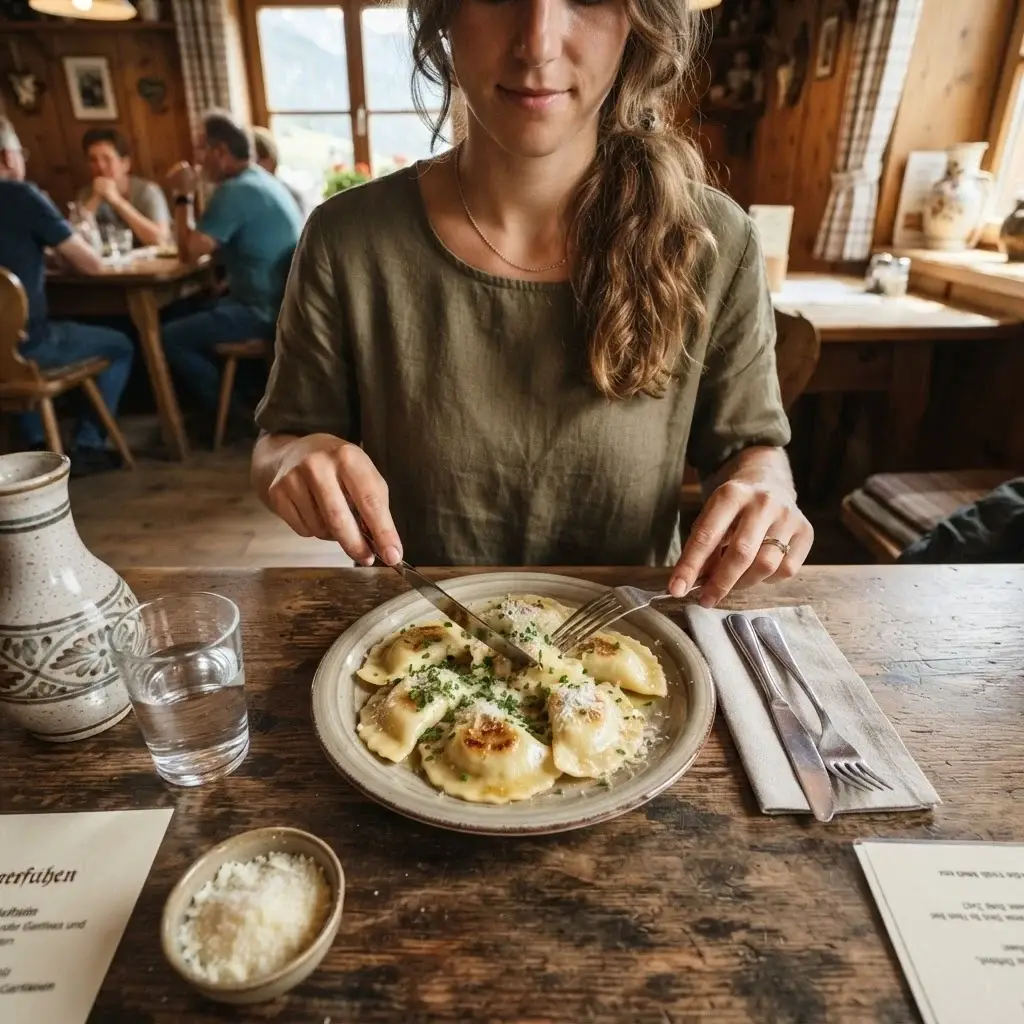
They look a bit like Italian ravioli, but the dough is thicker. They are stuffed with a mixture of mashed potatoes, fresh chives, butter, and secret local spices. They are boiled, tossed in brown butter, and covered in grated cheese. I could eat them every single day.
Practical Tips for Going Off the Grid in Austria
Traveling off the beaten path requires a shift in your mindset. You are leaving the tourist bubbles where everything is easy and catered to English speakers. But do not panic. With a few practical rules, you will navigate these rural areas like a pro.
Cash is Still King
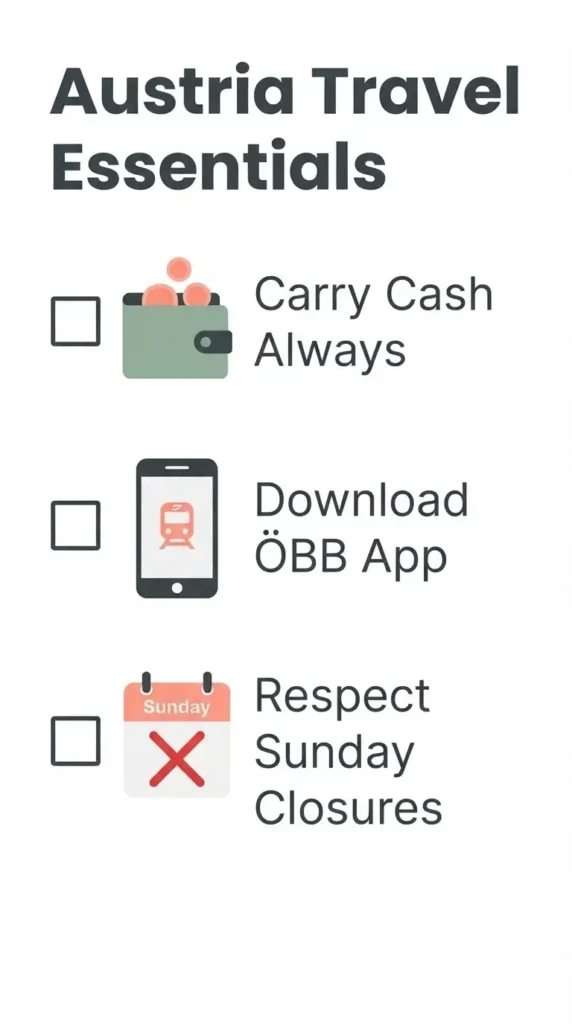
In Vienna, you can tap your phone to pay for a cup of coffee. In rural Austria, do not even try. Small mountain huts, local bus drivers, and family-run guesthouses operate almost entirely in cash. Before you leave a main town, visit a bank ATM (look for the sign “Bankomat”). Always carry small bills and coins. Trying to pay for a three-euro beer with a hundred-euro note will annoy the bartender.
Master the ÖBB App
The Austrian Federal Railways is called ÖBB. You absolutely must download their app on your phone. It is your lifeline for exploring the countryside. It does not just show trains; it shows every single local bus route, connection time, and platform number. You can buy all your tickets directly on your phone. It works perfectly in English. Always trust the app’s timing. If it says you have a four-minute transfer between a train and a bus in a tiny village, you can make it. The bus driver knows the train is coming and will wait.
Say Hello to Everyone
I mentioned this earlier, but it is worth repeating. When you are hiking on a trail in rural Austria, it is considered rude to walk past someone without greeting them. You do not need to stop for a conversation. Just smile, nod, and say “Servus” or “Hallo.” It builds immediate goodwill.
Respect the Sunday Silence
In Austria, Sunday is considered a day of rest. This is taken very seriously in the countryside. Supermarkets will be closed. Pharmacies will be closed. Most shops will be locked tight. Only train stations, gas stations, and restaurants stay open.
If you are staying in an Airbnb or a self-catering apartment, you must buy your groceries on Saturday morning. Do not plan on running errands on a Sunday. Instead, do what the locals do. Go for a long hike in the morning, eat a massive roast pork lunch at a Gasthaus at noon, and spend the afternoon eating cake and drinking coffee.
Health and Safety in the Woods
Austria is one of the safest countries in the world. Crime in these rural areas is virtually non-existent. You can walk alone at night with zero fear. However, the nature here commands respect.
Even though the country is incredibly clean, it is smart to check the destination health advisories from the CDC regarding tick-borne encephalitis if you plan to hike in heavy forests during the summer. Locals know to check their ankles for ticks after walking through tall grass. I always wear long pants when hiking in the Waldviertel or Styria just to be safe. Also, never hike in the high Alps in sneakers. Buy proper hiking boots with ankle support. The rocks get slippery when it rains, and mountain weather changes in an instant.
Take the Leap
When I left my routine behind to travel, I was terrified. I thought I needed to stick to the well-worn paths to stay safe and have a good time. But every time I pushed slightly past my comfort zone, the world rewarded me.
Looking for offbeat travel destinations in Austria will test you just a little bit. You might mispronounce a town name. You might accidentally order a plate of cold boiled beef instead of a warm stew. You might have to use hand gestures to talk to a local farmer on a train.
Those are the moments you will remember forever. You won’t remember waiting in line for a museum in Vienna. You will remember the taste of the warm poppy seed noodles in a foggy forest. You will remember the sound of the wooden windmills in the vineyards. You will remember that you navigated a foreign countryside entirely on your own, and you did it beautifully.
Stop waiting for the perfect moment. The mountains are out there, the guesthouses have the fires lit, and the locals are ready to share their tables. Pack your bags, book that ticket, and go see the real Austria. I promise you, you are ready for it.