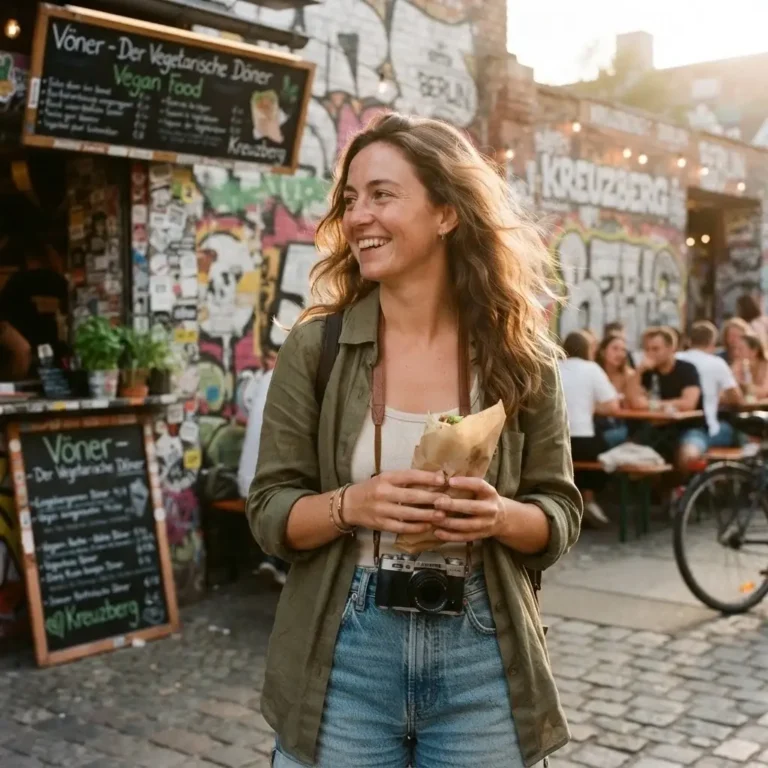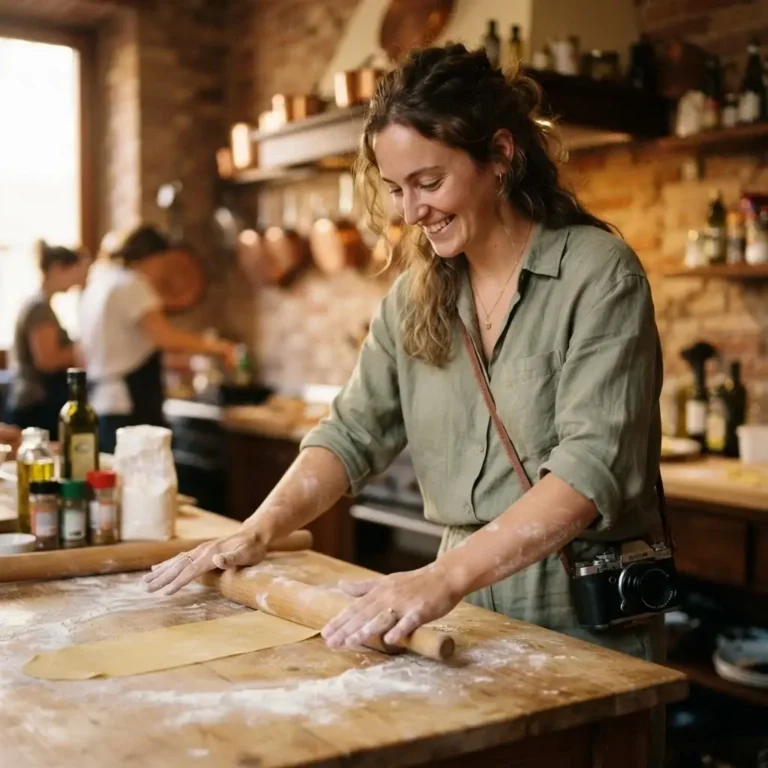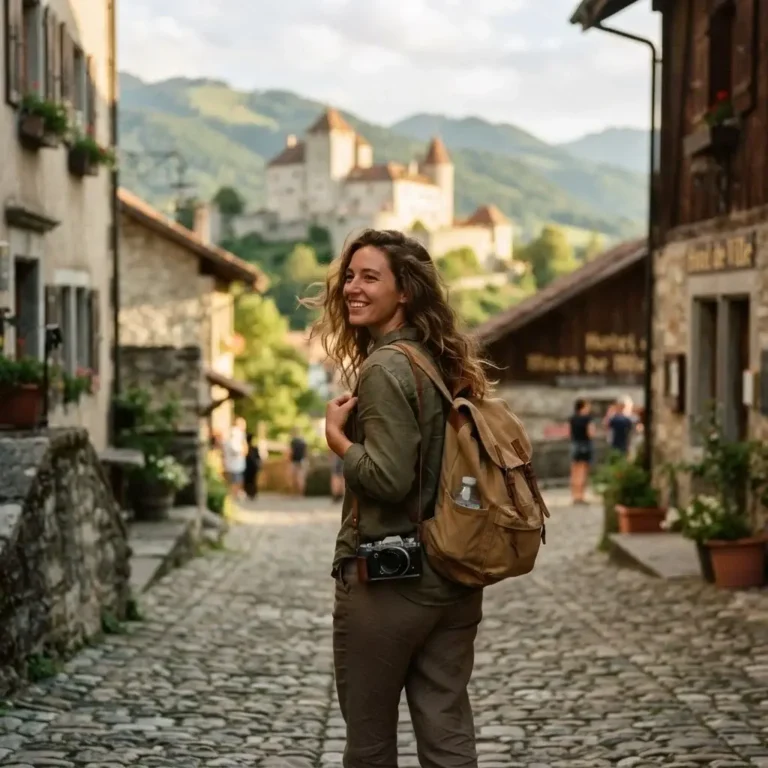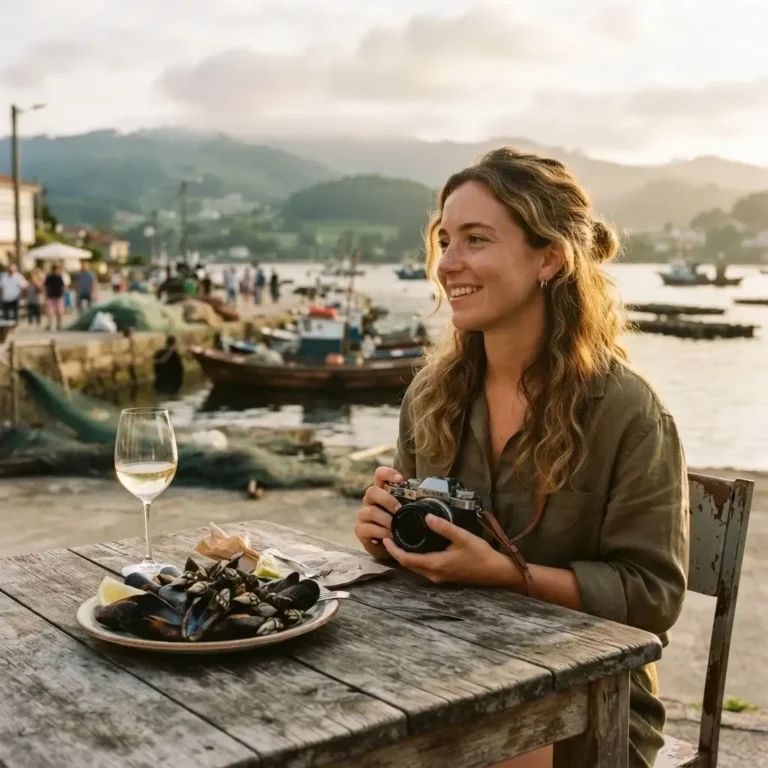
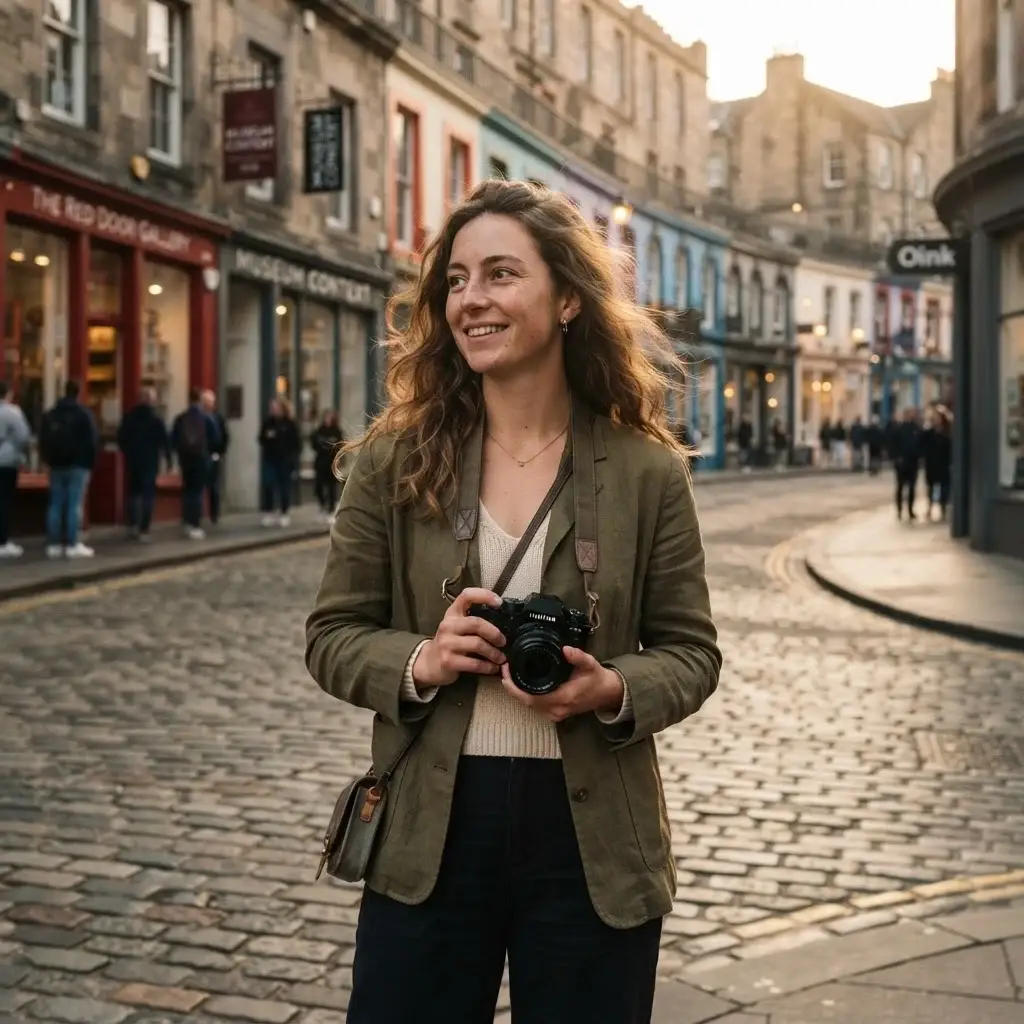
I still remember the heavy feeling in my chest when I walked out of my traditional office job for the very last time. I had spent years following the path everyone told me was right. I went to college, got the degree, and sat at a desk day after day. But the limited vacation time and the strict daily routine felt like a cage. I wanted to see the world, learn from new cultures, and live a life built around exploration. To make it happen, I took flexible jobs, waitressed late into the night to save cash, and slowly built my path toward full-time travel.
My biggest hurdle back then was fear. The thought of stepping onto a plane alone and landing in a country where I did not speak the language terrified me. I worried about getting lost, being lonely, or looking foolish while trying to read a transit map. If you are sitting at home right now daydreaming about travel but feeling held back by those exact same worries, I want you to know those feelings are completely normal.
Confidence is not something you magically possess before you start. It is something you build through direct action. The easiest way to kickstart that growth is by choosing a destination that gives you a strong safety net while still offering a real, eye-opening adventure. Europe is an excellent proving ground for this exact step. Before you book any flights, I always recommend checking the official US Department of State travel advisories to get a clear picture of entry rules and safety ratings for each region on your list.
Let’s look closely at the prime urban spots that provide the ultimate balance of safety, smooth navigation, vibrant local life, and incredible food. These locations will help you drop your fears and discover your true independence on the road.
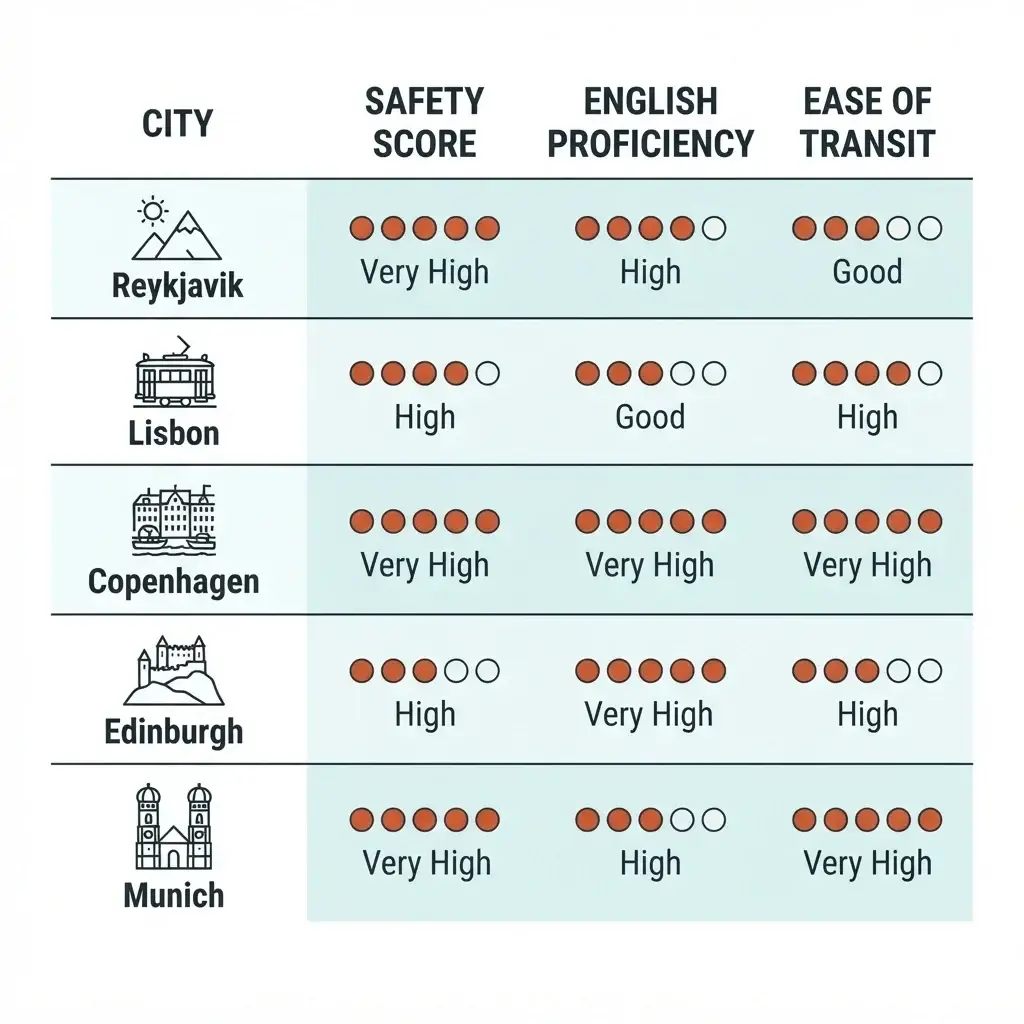
1. Reykjavik, Iceland: The Ultimate Safety Net
When I worked as a certified sightseeing guide in New York, I spent my days helping visitors feel secure in a massive, fast-moving city. That job taught me how much the physical design of a city impacts a traveler’s peace of mind. Reykjavik feels like the exact opposite of a overwhelming mega-city. It is small, exceptionally peaceful, and regularly ranks as one of the safest urban areas on earth. This makes it an ideal landing pad for anyone taking their very first independent international trip.
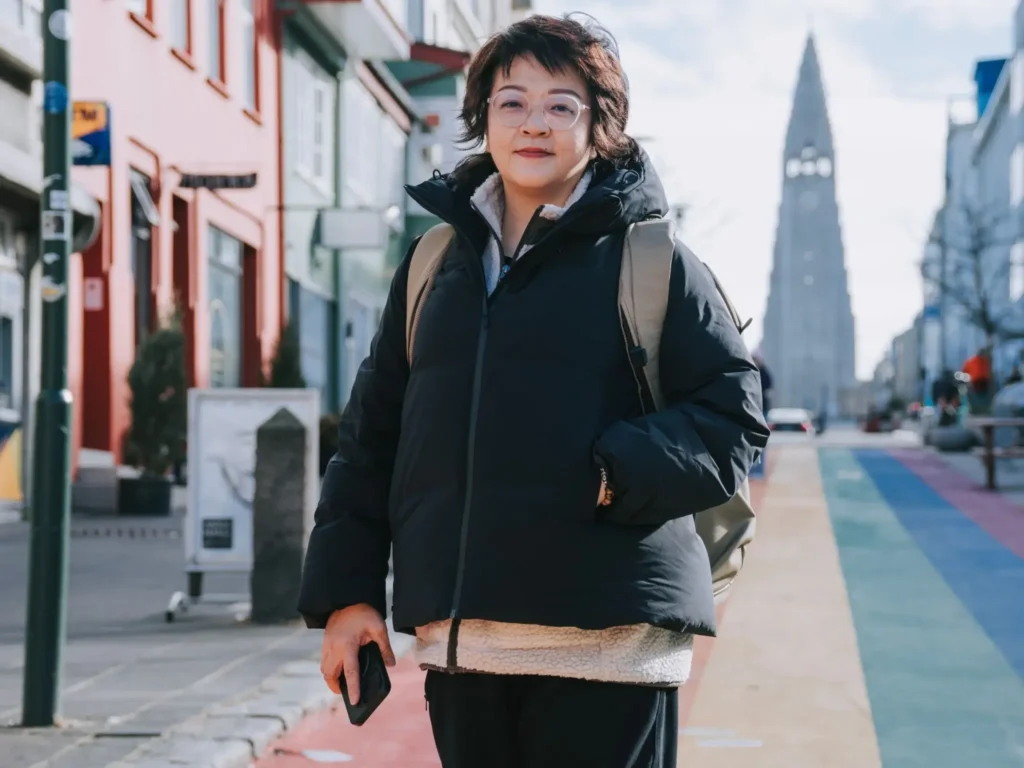
Reykjavik Solo Exploration. Source: Edwin Tan / Getty Images
Why It Builds Confidence
The city layout is incredibly easy to understand. Most of the central shops, cafes, and guesthouses sit along or near a main street called Laugavegur. You can walk from one end of the core downtown area to the other in less than thirty minutes. Because the community is small and compact, you never have to worry about accidentally wandering into a dangerous or isolated neighborhood. Almost everyone you meet speaks perfect English and is happy to help you find your way, which removes the stress of language barriers right out of the gate.
How to Navigate the City and Beyond
You do not need to rent a car if you plan to stay in the city area. When you land at Keflavik International Airport, you can board a shared shuttle bus called the Flybus. This shuttle drives you right to the central bus terminal in the city or drops you off at a designated passenger stop near your accommodation.
For trips within the town borders, the local public bus system is called Strætó. The buses are bright yellow and run on clear, timely schedules. You can download the official Strætó app onto your smartphone before you leave your room. The app lets you buy single tickets using your credit card and displays a real-time map showing exactly when the next bus will pull up to your stop.
Solo Dining Without the Awkwardness
Eating alone in a restaurant can feel highly intimidating when you are new to travel. Reykjavik makes this easy because its food scene is very casual.
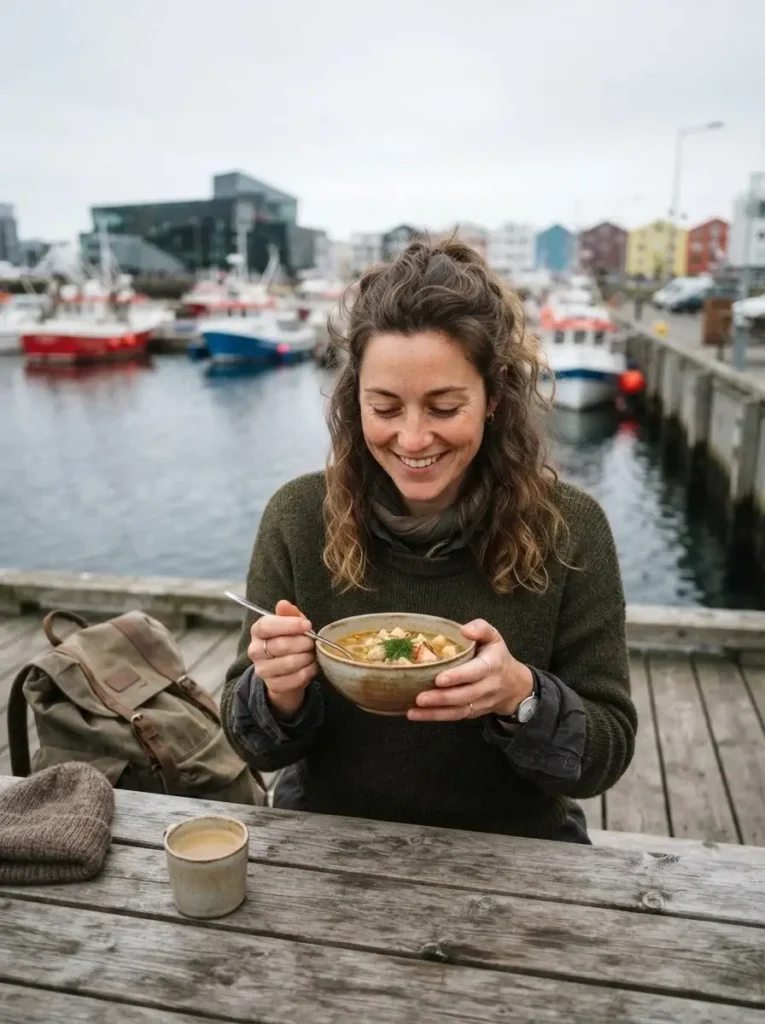
- The Harbor Soup Spots: Walk down to the old harbor area and step into one of the small, rustic seafood shacks. They serve hot, traditional lobster soup in simple bowls with thick slices of fresh bread. The seating is casual, often using long wooden benches where locals and travelers sit side-by-side.
- The Famous Hot Dog Stand: For a cheap and famous meal, look for a small outdoor kiosk named Bæjarins Beztu Pylsur near the water. Order a hot dog with “the works,” which means it comes topped with raw onions, crispy fried onions, sweet mustard, and a creamy sauce. There are no fancy tables, just a few standing ledges where you can eat comfortably while watching the ships come into the bay.
Emma’s Insider Safety Secrets
The absolute best way to blend into local life and meet people is to visit the public geothermal swimming pools, such as Sundhöllin or Laugardalslaug. These pools are not tourist resorts; they are where local residents go every single day after work to soak in the warm water and chat about news or politics.
The entry fee is low, and the environment is exceptionally welcoming. Just be sure to follow the local rules closely: you must wash thoroughly with soap in the communal shower rooms before putting on your swimsuit and entering the outdoor pools. It is a peaceful, healthy routine that will make you feel like a regular neighborhood resident within days.
2. Lisbon, Portugal: The Warm and Social Community
If your main fear is feeling lonely on the road, Lisbon is a fantastic antidote. When I first stepped away from my conventional office career to travel full-time, I worried that traveling by myself would mean spending weeks in complete silence. Lisbon proved me wrong instantly. The city is filled with bright sunlight, beautiful pastel-colored buildings, and some of the friendliest, most outgoing people you will ever encounter.
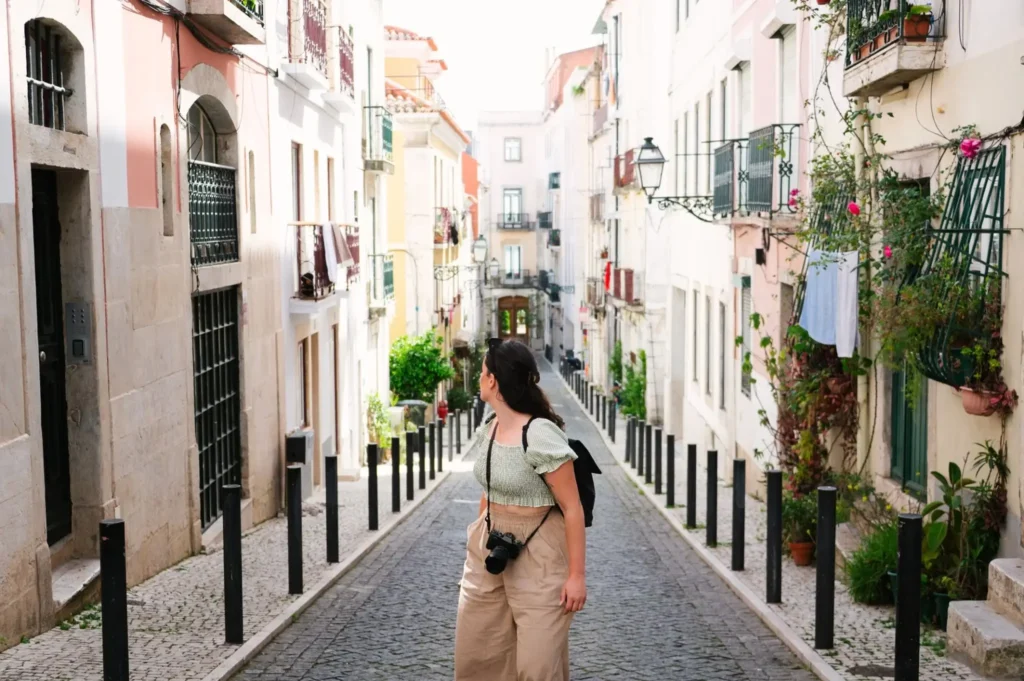
Navigating Lisbon. Source: MarioGuti / Getty Images
Why It Builds Confidence
Lisbon has developed a world-class network of social hostels and guest houses that cater directly to independent adventurers. These are not noisy party spots; they are beautiful, historic buildings featuring comfortable common rooms, shared kitchens, and organized group walking tours. You can easily maintain your privacy when you want it, but if you feel like chatting, all you have to do is walk down to the dining room for a morning coffee. The local community is highly accustomed to welcoming visitors, making it simple to find your footing.
Master the Hills and Transit
Lisbon is famous for its steep hills, and walking up those cobblestone streets can be an intense physical workout. To save your legs, you will want to use the public transport system.
Your first task should be walking into any metro station and purchasing a green, reloadable paper card called a Viva Viagem card. You can load this card with a few Euros using the automated ticket machines, which feature clear English language options. This single card grants you instant access to the underground Metro lines, the city buses, and the historic yellow trams.
The Metro system is incredibly clean and forms a simple grid with four color-coded lines. While the historic Tram 28 is beautiful, it is usually packed tight with tourists and pickpockets. To get a classic tram ride with far fewer crowds, catch Tram 15 toward the historic district of Belém instead.
Tasting Lisbon Alone
Portugal has a phenomenal food culture that celebrates simple, high-quality ingredients. Solo dining here feels natural because the city is packed with tiny, family-run restaurants called tascas.
- The Neighborhood Tasca: Look for a small dining room with paper tablecloths and a handwritten menu displayed in the window. Sit at the counter and order bacalhau à brás, which is a delicious comfort food made from shredded salted cod, thin onions, and finely chopped fried potatoes scrambled together with fresh eggs.
- Pastéis de Nata: For a quick morning treat, step into a local bakery and ask for a pastel de nata. This is a traditional egg tart with a flaky, crispy pastry shell and a rich custard center, lightly dusted with cinnamon. Eat it standing at the counter alongside the locals who are stopping in for a quick shot of espresso.
- Time Out Market: If you want a zero-stress dinner venue, head to the Mercado da Ribeira (Time Out Market). It is a massive indoor historic food hall filled with dozens of different food stalls run by top regional chefs. You grab your food from any stall you like and sit at the large shared wooden tables in the center of the hall, making it a perfect spot for solo diners.
Emma’s Neighborhood Secrets
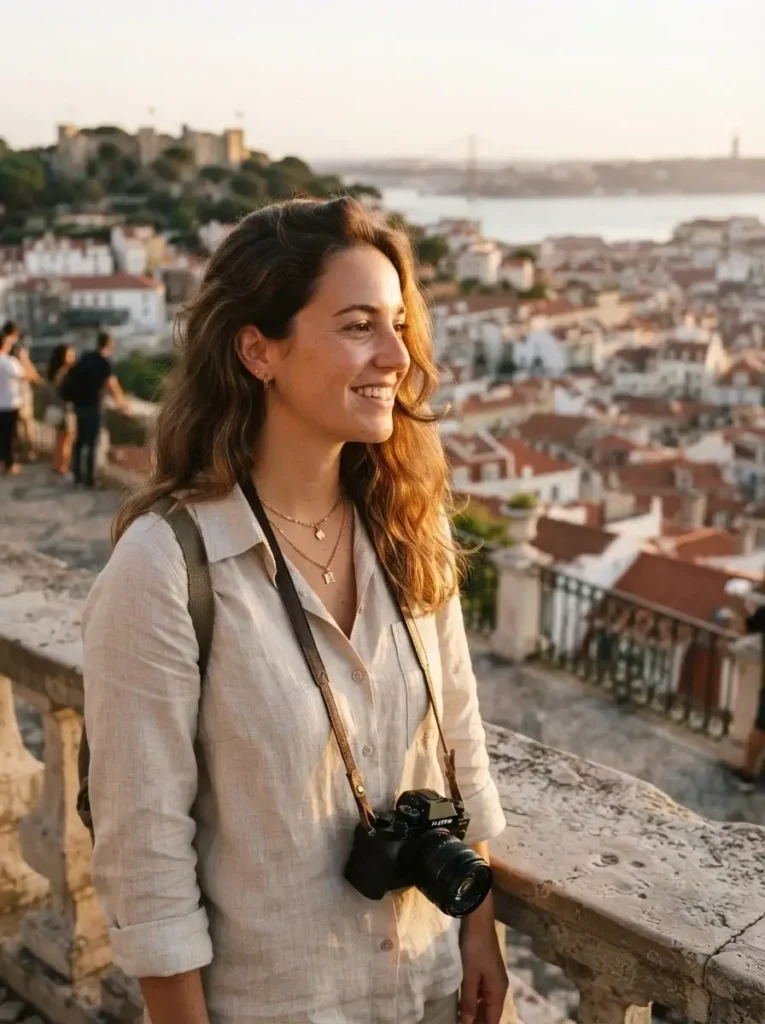
Spend your late afternoon walking up to one of the city’s public viewpoints, known locally as miradouros. My personal favorite is the Miradouro da Senhora do Monte, which sits at one of the highest points in the city.
As the sun begins to set, locals, musicians, and travelers gather on the stone terraces to watch the light change over the red tile roofs and the historic castle on the hill. It is a completely free, communal experience where you can sit quietly with a book or strike up an easy conversation with the person sitting on the stone ledge next to you.
3. Copenhagen, Denmark: A Masterclass in Efficiency
For many people, the biggest source of travel anxiety is the fear of logistical chaos—missing a train, running into dirty facilities, or getting completely lost in a confusing layout. Copenhagen eliminates all of that stress. The city is clean, exceptionally organized, and runs with the precision of a Swiss watch. It shows you how smooth and stress-free urban life can be when a city prioritizes its people.
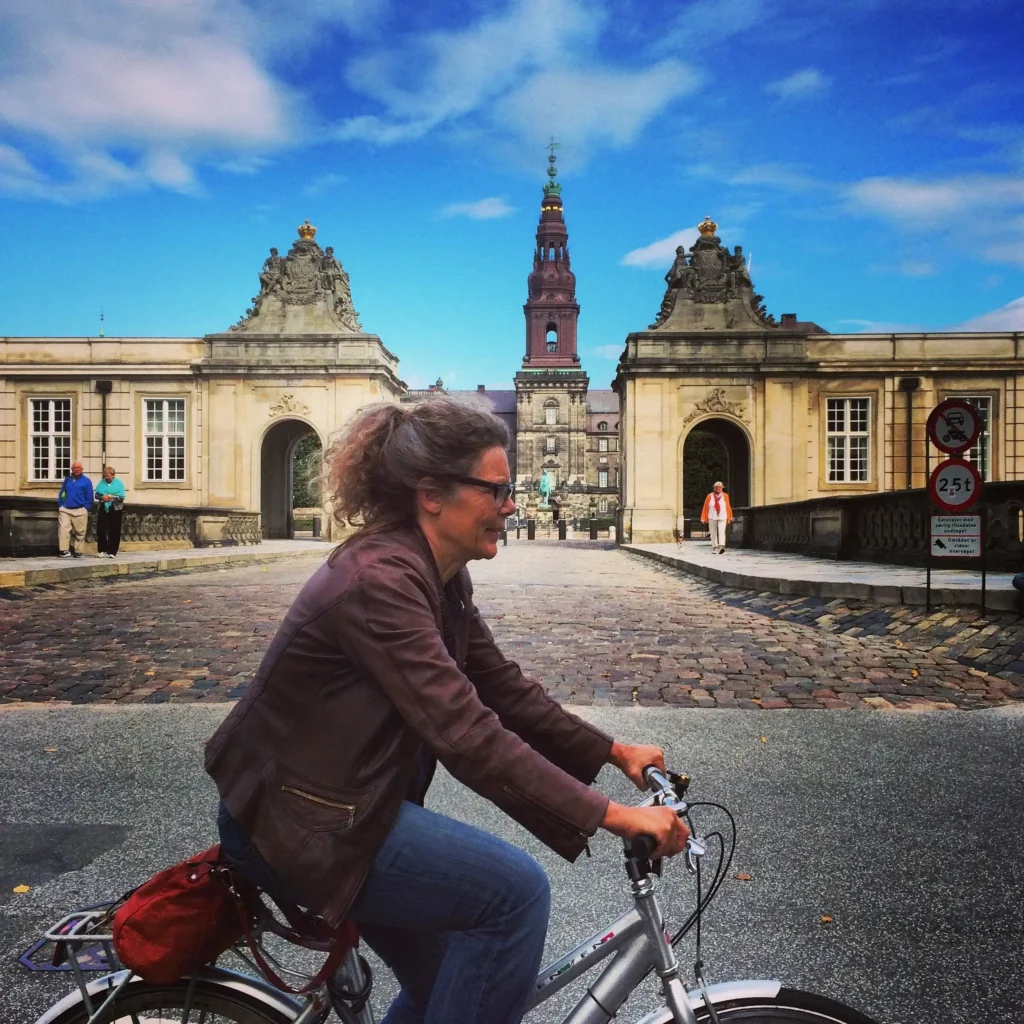
Copenhagen Bike Infrastructure. Source: anouchka / Getty Images
Why It Builds Confidence
Copenhagen operates on a deep societal concept of trust and mutual respect. The infrastructure is designed to be highly accessible and clear. You do not need to decipher complicated transit codes or deal with chaotic traffic. Everything works exactly the way it is supposed to. This high level of predictability allows you to relax your guard and focus fully on enjoying your surroundings, which builds a deep sense of calm capability.
The Two-Wheeled Transit Rules
Bicycles rule the streets in Copenhagen. The city features a massive network of wide, elevated bike lanes that are physically separated from both the car traffic and the pedestrian sidewalks.
To join in, download an app like Donkey Republic on your phone. This app allows you to locate, unlock, and pay for an orange rental bicycle parked on almost any street corner.
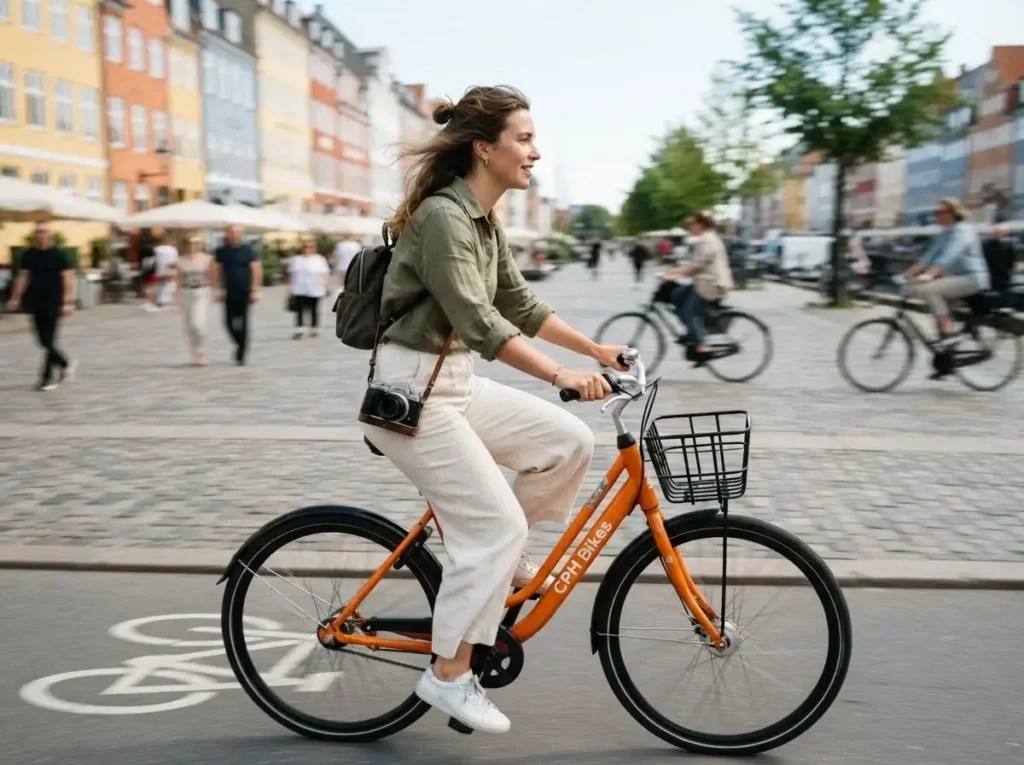
Before you start pedaling, take a few minutes to watch how the locals ride.
Always stay to the right side of the bike lane, use clear hand signals when you plan to slow down or turn, and never stop abruptly in the middle of the track. If riding a bike feels too fast or intimidating at first, the driverless underground Metro system runs twenty-four hours a day and uses a dead-simple zone ticket system that you can purchase directly at any station kiosk using your credit card.
Casual Culinary Spots
Denmark is the home of hygge, a word that describes a feeling of cozy contentment and enjoying the good things in life with warm people. You can experience this directly through the local food culture.
- Smørrebrød at Torvehallerne: Head to the Torvehallerne food market near Nørreport station. Look for a food stall serving smørrebrød, which are traditional Danish open-faced sandwiches. They use a dense, dark rye bread coated with fresh butter and piled high with toppings like pickled herring, roast beef, crisp radishes, and fresh dill. They look like mini works of art and are designed to be eaten slowly with a knife and fork at the market counters.
- Cardamom Buns from Local Bakeries: Drop into a neighborhood bakery like Juno The Bakery or Hart Bageri. Order a fresh cardamom bun (kardemommesnurre). The pastry layers are twisted together with aromatic spice and sugar, creating a wonderfully crisp exterior and a soft, pillowy interior. It is the ultimate comfort food to enjoy on a park bench while watching the boats move along the canals.
Emma’s Local Life Secrets
Skip the incredibly crowded, expensive tourist cafes along the colorful Nyhavn canal. Instead, buy a simple sandwich from a local deli and walk over to the wood-planked boardwalks of the Islands Brygge harbor baths.
During the warmer months, you will find hundreds of local residents swimming in the clean, filtered harbor waters, lounging on the timber decks, and enjoying the sun. It is a safe, joyful environment where you can relax by the water without spending a single krone, allowing you to soak in the authentic rhythm of the city.
4. Edinburgh, Scotland: The Storybook Gateway
When I was backpacking solo across Europe as a young student, I occasionally felt overwhelmed by the sheer size of the historic capitals. Edinburgh was the place where that anxiety completely melted away. The capital of Scotland looks like something pulled straight from a classic fantasy novel, featuring a massive historic castle built on top of a volcanic rock right in the center of the town. Walking through the Old Town felt like stepping back in time, and you can explore the official history of the area on the UNESCO World Heritage listing for Edinburgh to see why these specific lanes remain so untouched.
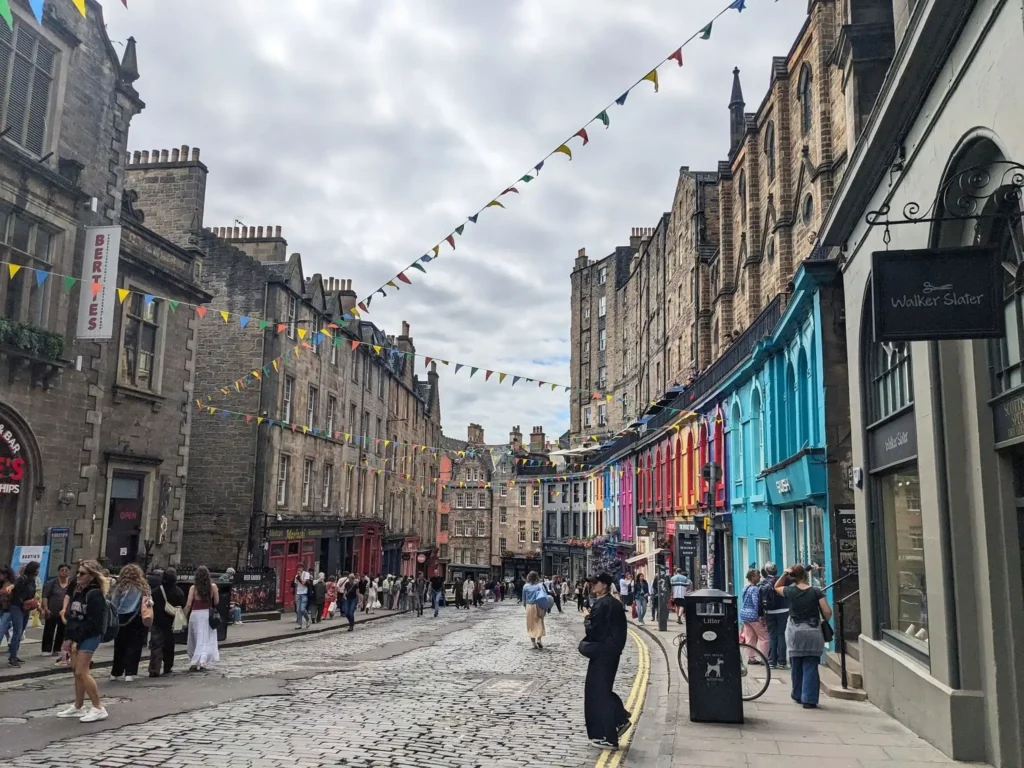
Historic Edinburgh Walks. Source: Claudiac8 / Getty Images
Why It Builds Confidence
Edinburgh offers the perfect combination of an exotic historic setting and an incredibly comfortable, English-speaking environment. The city is highly compact, divided cleanly into two main sections: the medieval Old Town with its towering stone tenements, and the elegant Georgian New Town with its wide, straight streets. Because the central core is so easy to navigate on foot, you can explore freely without ever feeling like you are truly lost or far from help.
Walking the Volcanic Hills
This is a city built for walking, but you need to prepare for plenty of steps, steep slopes, and unexpected stone staircases called closes that connect the upper and lower streets. Make sure you pack a pair of sturdy, broken-in walking shoes with good grip, as the historic cobblestones can become slick when it rains.
When your feet need a break, the local transit option is the Lothian bus network. These double-decker buses are incredibly clean and run frequently to every corner of the city. You do not need to figure out a complicated ticket booth; the buses use a modern contactless payment system. You simply tap your regular bank card or smartphone against the card reader next to the driver when you step on, and the system automatically calculates the cheapest daily fare for you.
Cozy Pub Grub and Comfort Food
Scotland’s culinary identity is all about hearty, warming comfort food that keeps you going through brisk, misty weather. The city’s traditional pubs are highly respectable, safe, and welcoming spaces for solo travelers to sit down for a full meal.
- Haggis, Neeps, and Tatties: Walk into a historic tavern along the Royal Mile and order a plate of traditional haggis, neeps, and tatties. Haggis is a savory pudding made from minced meat, oats, onions, and rich spices. It is served alongside mashed turnips (neeps) and creamy mashed potatoes (tatties). It is incredibly savory, filling, and perfect after a long day of walking.
- Cullen Skink: If you prefer seafood, look for a bowl of Cullen Skink. This is a thick, creamy Scottish soup made from smoked haddock, tender potatoes, and sweet onions. Pair it with a slice of dark, buttered soda bread for an incredibly comforting lunch.
- The Cozy Pub Corner: Do not feel strange about walking into a pub alone. Look for a small corner table near a fireplace, order a local ale or a hot tea, and pull out a travel journal or a book. The bartenders are notoriously friendly and will often chat with you about your travel plans.
Emma’s Historic Path Secrets
To get away from the heavy tourist traffic on the main Royal Mile, walk down the hill into the beautiful neighborhood of Stockbridge. From there, you can step onto the peaceful walking trail that follows the Water of Leith, a small river that winds quietly through the heart of the city.
The path leads you past historic stone stone bridges, old mills, and a classical stone monument called St. Bernard’s Well. It feels like you have completely escaped into the deep Scottish countryside, yet you are actually just a fifteen-minute walk from the bustling city shops. It is a wonderful space for quiet reflection and enjoying the slow side of travel.
5. Munich, Germany: The Structured and Walkable Culture
Before I began my career as a full-time travel writer, I used to think that foreign cultural centers would feel intimidating and hard to decode. Munich completely shattered that assumption for me. The capital of Bavaria manages to feel both incredibly grand and remarkably cozy at the same time. The local residents use a wonderful German word to describe this unique vibe: Gemütlichkeit, which translates to a state of warm, cozy friendliness and community belonging.
Why It Builds Confidence
Munich is a city that loves rules, order, and clear organization. For a solo traveler, this structured environment provides an incredible sense of security. The public spaces are pristine, the street signs are highly visible, and the transport systems run exactly on time. You can walk through the central plazas late into the evening without a single worry about your personal safety. This reliable structure removes the ambient background anxiety of travel, leaving you with the mental space to immerse yourself fully in the local history and art.
Bulletproof Public Transit
The public transit system in Munich, known as the MVV, is an absolute masterpiece of urban engineering. It combines the underground U-Bahn trains, the suburban S-Bahn trains, surface trams, and regional buses into one seamless network.
When you enter a transit station, locate one of the large ticket machines. You can switch the screen to English with a single tap. If you plan to explore the city for a full day, purchase a “Single Day Ticket” (Single-Tageskarte) for the inner zone. This ticket gives you unlimited rides across all forms of transit until 6:00 AM the following morning.
Before you step down onto the train platform, make sure you insert your ticket into the small blue stamping boxes located at the entrance to validate it. The trains are incredibly clean, quiet, and feature digital screens that show exactly which station is coming up next, making navigation completely foolproof.
Biergartens and Share-Table Dining
Bavarian food culture is incredibly social and designed around large groups, which might initially seem scary for a solo traveler. However, the system actually works in your favor through the use of shared seating.
- The Beer Garden Shared Table: Walk into a traditional outdoor beer garden, like the one surrounding the Chinese Tower in the middle of the English Garden. The seating consists of long wooden picnic tables. You do not wait to be seated by a host; you simply look for an open spot on a bench and ask the people sitting nearby if the seat is free (“Ist hier frei?”).
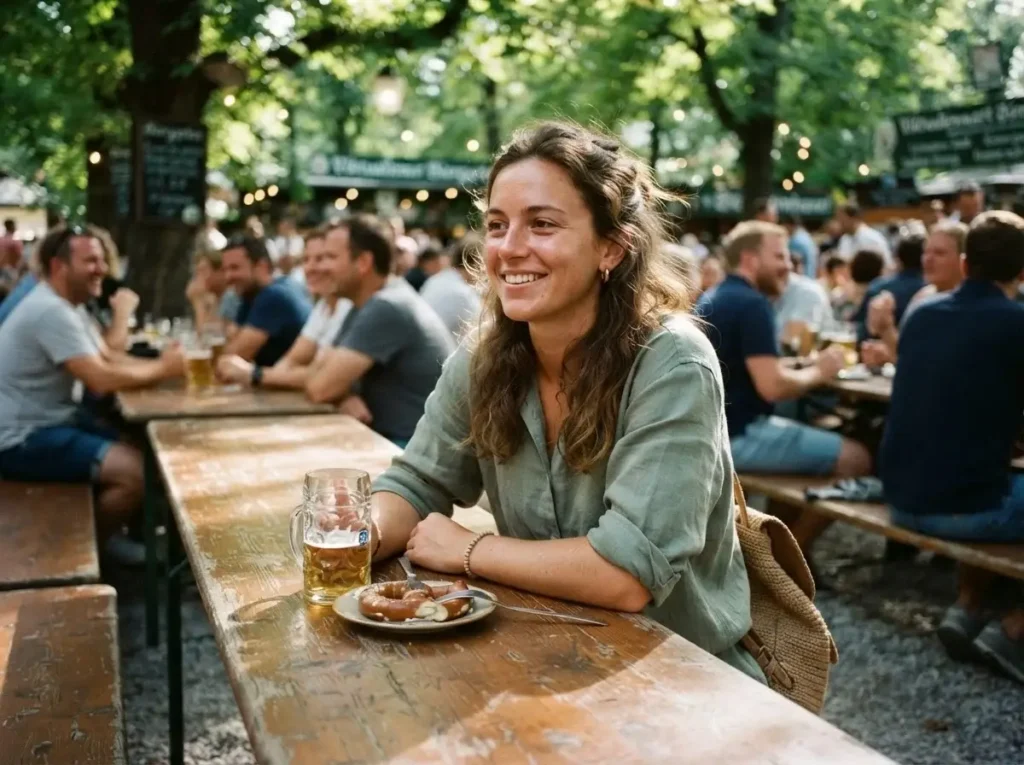
- Sitting together is standard local etiquette, making it an incredibly natural way to feel part of a crowd without any pressure.
- Pretzels and Weisswurst: Walk up to the self-service food counters and grab a giant Bavarain pretzel (Brezel), which is crisp on the outside and wonderfully soft on the inside, heavily dusted with coarse salt. Pair it with Weisswurst, a traditional white veal sausage that comes served in a warm bowl of water alongside a small jar of sweet mustard. The local tradition is to peel away the outer skin of the sausage before eating it. It is a simple, delicious, and incredibly filling meal.
Emma’s Crowd Management Secrets
If you want to experience a truly unique local spectacle, walk over to the Eisbachwelle, a small channel of the river located at the southern edge of the English Garden park. Here, an artificial stone ledge creates a permanent, powerful standing wave in the cold river water.
Throughout the entire year—even in the middle of winter—you will find local surfers dressed in thick wetsuits standing on the riverbank, waiting their turn to drop in and surf the rushing wave. A crowd of locals always gathers on the stone bridge above to watch the surfers perform tricks. It is a fascinating, vibrant community scene that costs nothing to watch and highlights the adventurous, fun-loving spirit hidden beneath the city’s structured exterior.
The Practical Solo Travel Blueprint: Turning Anxiety Into Action
Choosing the right destination is a huge step, but the real work of building confidence happens in how you manage your daily routine and your mindset on the ground. When I was teaching English abroad in Thailand, I had to completely reinvent how I approached daily logistics.
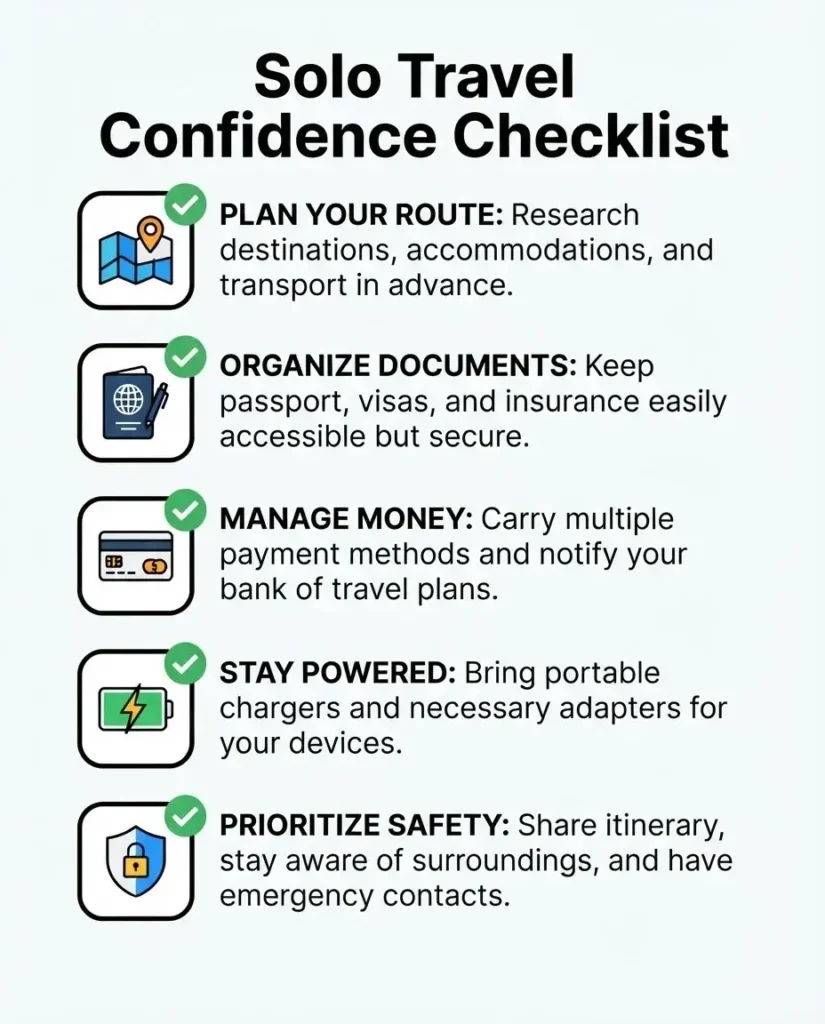
I quickly learned that preparation is the ultimate antidote to panic.
Your feet and stomach will be doing a lot of new work in these walkable cities, so it is incredibly smart to look over the official CDC health recommendations for travelers to keep your body feeling strong, stay up to date on routine wellness steps, and learn simple safety habits for food and water while moving through new environments.
Dealing with the Mid-Trip Blues
It happens to almost every single traveler, though few people talk about it openly on social media. You will be walking down a beautiful historic street, and suddenly, a wave of loneliness or exhaustion will hit you out of nowhere. You might find yourself missing your home, your bed, or your regular daily routine.
When this happens, do not judge yourself or feel like you are failing at travel. Your brain is simply tired from processing thousands of new sights, sounds, and languages.
Give yourself permission to take a break. Step into a quiet modern cafe, order a familiar comfort food, log onto the local Wi-Fi, and call a friend or family member back home. Alternatively, spend an afternoon watching a movie in your room or reading a book in a quiet neighborhood park. Travel is not an intense competition to see how many monuments you can check off a list; it is about enriching your life and listening to your own needs.
Navigating Digital Security and Peace of Mind
Before you step out of the airport terminal, make sure your digital tools are fully prepared to support you. I always purchase a local eSIM card online before I arrive, which gives my phone instant access to local cellular data networks the second the plane touches the tarmac. Having a live internet connection means you can look up a map, translate a street sign, or call a local ride-sharing vehicle at any moment, which provides an incredible safety net.
If you want to map out the physical layout of the continent and read deep summaries of train routes before you arrive, looking at the comprehensive Lonely Planet Europe planning overview can give you a great sense of distances, local customs, and regional highlights.
Finally, never hit the road without protecting your health and financial security. I want to travel with complete peace of mind, and I rely on the comprehensive World Nomads safety tips and coverage guides to make sure a lost backpack, a canceled train, or an unexpected medical issue does not turn into a massive financial crisis. Having that professional backup plan allows you to step out into the world with a sense of bold, relaxed capability.
The World Rewards Your Courage
Every single expert traveler you meet online was once a beginner standing in an airport terminal, clutching a passport with shaking hands, and wondering if they had made a massive mistake. The fears you are feeling right now are simply a sign that you are about to do something brave that will fundamentally expand your world.
You do not need to wait for the “perfect moment” or for a group of friends to finally clear their schedules. The world is waiting for you right now, packed with safe streets, warm communities, historic paths, and life-changing cultural connections. Choose one of these incredible European hubs, book that ticket, and take that first independent step. You will be absolutely amazed by the confident, capable person you discover along the way.