
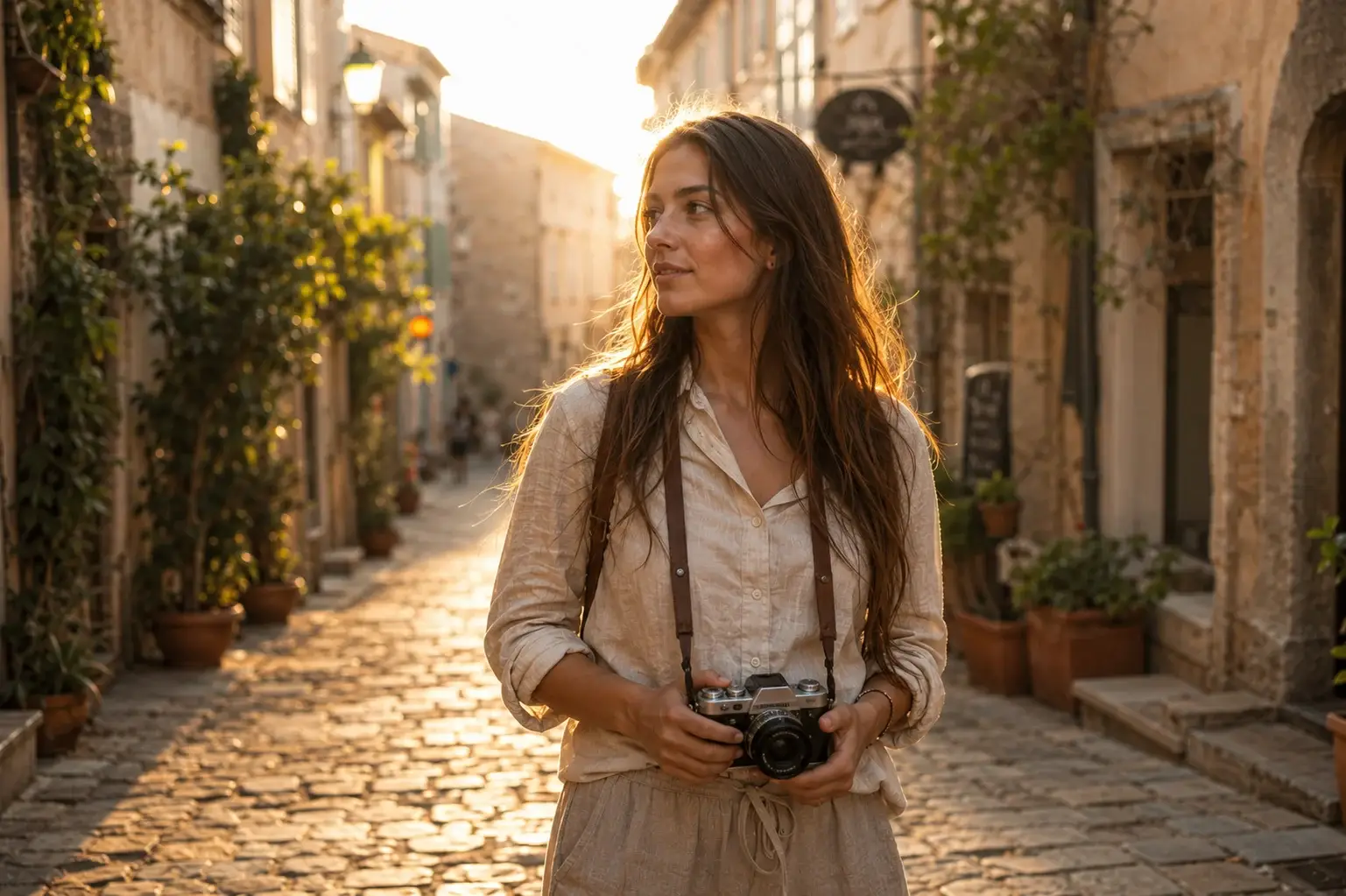
I remember staring at my computer screen in a gray, windowless office back in New York. I had a vision board taped to my wall, filled with beautiful, pinned photos of cobblestone streets and hidden cafes. I was obsessed with the idea of taking a quick trip, but I was terrified of doing it wrong. I thought that if I didn’t have a perfect, color-coded plan, I’d end up wasting my precious few days of vacation time.
I spent months pinning How to explore cities in 3 days Pinterest ideas and feeling more paralyzed by the options than empowered. What I didn’t realize then—what I learned through years of backpacking, teaching English, and leading tours—is that the “perfect” trip isn’t about hitting every landmark on a map. It’s about slowing down enough to actually meet the city.
If you are just starting out and feel that familiar flutter of anxiety about planning a short getaway, take a deep breath. You don’t need a travel agent or a massive budget. You just need a mindset shift and a few practical tools.
Why 3 Days is the Perfect “Testing Ground”
There is something magical about the three-day window. It is long enough to find your rhythm, but short enough that you don’t need to overpack or plan your entire life around a hotel reservation. When I first started traveling solo, I used three-day trips as my training wheels.
Think of it this way: your first day is for settling in. Your second day is for deep exploration. Your third day is for reflection and returning to that one coffee shop where the barista already recognizes your face. If you try to do too much, you’ll end up exhausted and feeling like you just watched a movie in fast-forward. Instead, aim to live in the city, not just tour it.
Step 1: Choosing a City That Fits Your Vibe
Pinterest is great for visual inspiration, but it can be dangerous if you pick a city just because the photos look pretty. You need to pick a destination that aligns with your personality. If you love history, don’t pick a city known solely for its nightlife.
When I look for a new place to visit, I check the official travel advisories at the US Department of State Travel to get a clear sense of local laws, safety, and any specific entry requirements I might need to know about. This isn’t about being paranoid; it’s about being informed so you can move through a city with confidence. Once you know a place is safe and welcoming, you can start dreaming about the details.
Step 2: The “One-Big-Thing” Rule
My biggest mistake as a novice traveler was trying to cram five museums, three markets, and four historic sites into a single day. I left every city feeling like I’d just survived a marathon. Now, I use the “One-Big-Thing” rule.
For each of your three days, pick one major anchor activity. Maybe it’s a specific UNESCO World Heritage site that you’ve been dying to see, or a local food tour. Once you have that one anchor, leave the rest of the day open. Use those open hours to wander. Some of my favorite memories—like finding a street musician in Prague or a tiny bookstore in Tokyo—happened because I didn’t have a schedule for the afternoon.
Step 3: Navigating Like a Local
One of the biggest fears new travelers have is getting lost. Let me let you in on a secret: getting lost is where the best stories start. Still, you want to be able to get back to your hotel when you’re tired.
I always suggest downloading a local ride-sharing app before you land. For example, knowing how Grab works for travelers can be a total game-changer if you’re heading to Southeast Asia. It removes the stress of haggling with taxis and ensures you have a fair, tracked price. I also rely on offline maps, but I try to keep my phone in my pocket as much as possible. When you stare at a screen, you miss the architecture, the smells, and the faces of the people walking past you.
Step 4: Eating Your Way Through the City
If you want to know a place, you have to eat what the locals eat. Skip the restaurants with pictures of food on the menu and touts standing outside. Those are usually designed to catch tourists, not serve hungry locals.
Instead, walk at least three blocks away from the main tourist squares. Look for places where the menu is written on a chalkboard or where the tables are packed with people chatting over coffee. If you’re worried about navigating food safety in a new environment, I highly recommend checking the destination-specific health advice from the CDC Travelers’ Health pages to ensure you know what to watch out for regarding water and local produce.
Step 5: Finding Your Solo Confidence
Solo travel is the fastest way to build confidence I have ever found. When you are on your own, you are forced to make decisions. You have to order your own food, ask for directions, and solve your own problems. It sounds intimidating, but it’s actually incredibly freeing.
Start small. On your first day, go to a museum alone. Then, try having a sit-down dinner by yourself. Take a book or a journal. You will quickly realize that nobody is staring at you. In fact, you’ll find that being solo often makes you more approachable. You aren’t distracted by a conversation with a friend, so you are more open to the world around you.
Step 6: Managing Your Health and Safety
You don’t need to pack an entire pharmacy, but you do need to be prepared. Before any trip, I make sure I have basic documentation and a good understanding of my travel insurance coverage. Reading through guidance on how to choose travel insurance can help you understand what kind of protection is worth having, especially when you are solo.
When I was teaching in Thailand, I learned that the best way to stay healthy was simple: carry a reusable water bottle, keep hand sanitizer in my bag, and always have a copy of my important documents saved in the cloud. It’s the little things that keep you from having a major headache during your short three-day trip.
Step 7: Reflecting on the Experience
When you get to the end of your third day, don’t just pack your bags and rush to the airport. Take an hour to sit in a park or a cafe and write down what you learned. How did you feel when you successfully navigated the bus system? What was the one interaction that surprised you?
These small moments of reflection are what turn a “trip” into a “life experience.” They build the foundation for your next adventure. You aren’t just crossing a city off a list anymore; you are building a version of yourself that is more curious, more capable, and more comfortable in the wide, wonderful world.
So, go ahead and start your Pinterest board. But don’t just pin pictures of landmarks. Pin ideas for cafes, local parks, and streets that look like they have a story to tell. And then, most importantly, book the ticket. The perfect time to go will never arrive, but your next adventure is waiting for you right now.



