Best European Destinations for Whale Watching (First-Timer’s Guide)

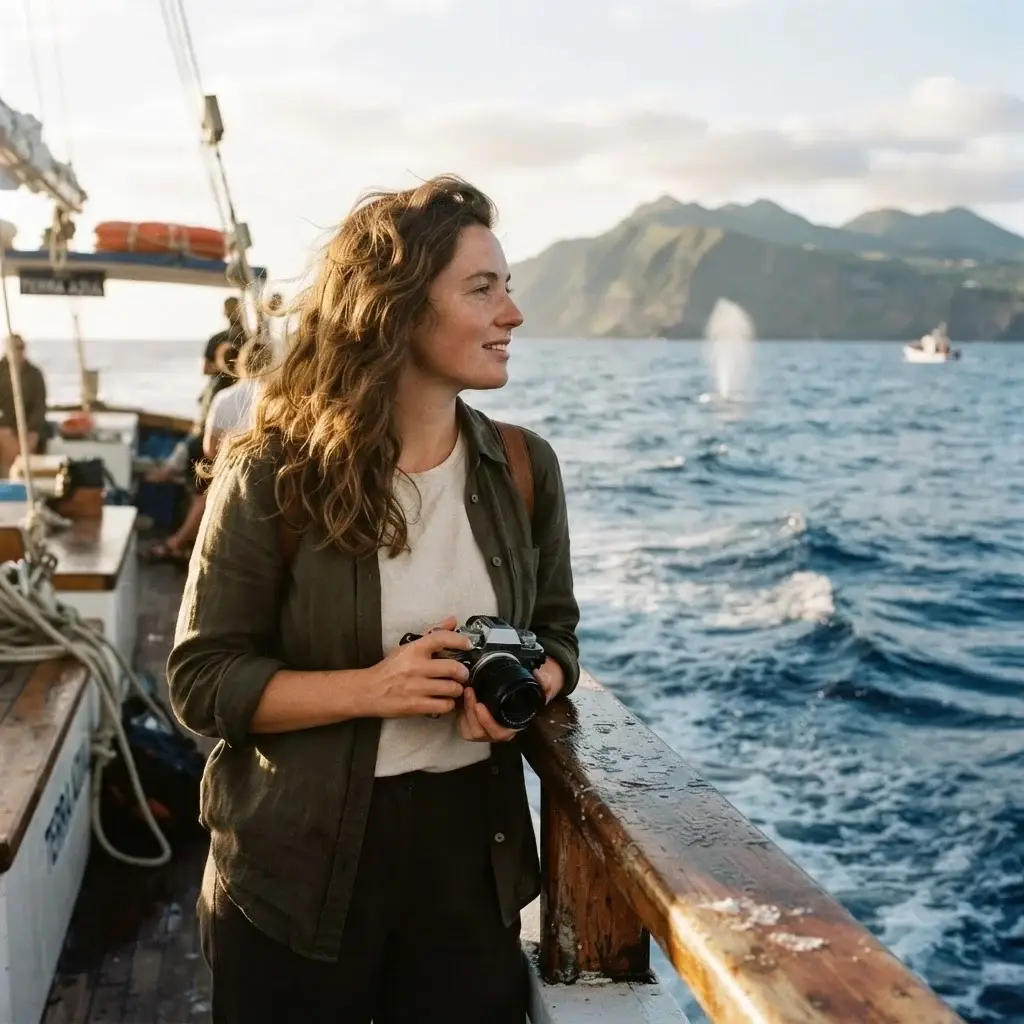
The first time you see a whale surface near your boat, something shifts. You feel very small in the best possible way. I still remember standing on the deck of a ferry crossing rough water in Europe years ago, back when I was backpacking solo and counting every euro, and watching the sea heave under a grey sky, thinking how wild it was that creatures the size of buses were somewhere below me. I didn’t have a plan back then. You’re smarter than that version of me, because you’re here, reading, before you book anything.
Whale watching in Europe is one of the most doable adventures out there, even if you’re nervous, even if you’re going alone, even if your budget is tight. But the choices can freeze you. Iceland or the Azores? Summer or winter? What if you spend the money and the whales just don’t show? Let’s work through all of it together, calmly, so you can pick the place and the seasprings and you’ve got a near-perfect solo day.son that actually fits you.
First, Let’s Talk About What You Actually Want to See
Here’s the thing most roundup articles skip: “whale watching” means very different experiences depending on where you go. So before you pick a destination, pick your animal, or at least your priority.
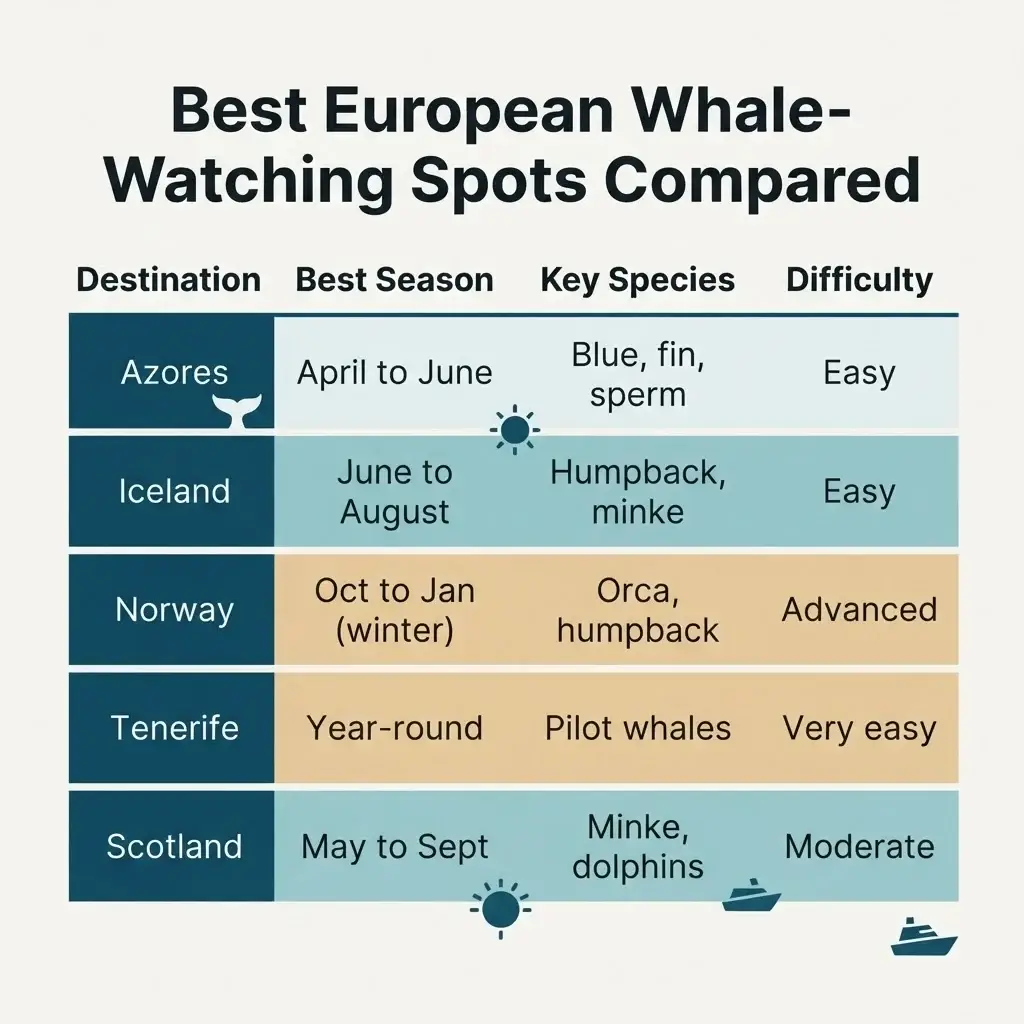
If you want the widest variety and the best odds overall, you’re looking at the Azores. If you dream specifically of orcas swimming through snowy fjords, that’s Northern Norway in winter, and nowhere else in Europe comes close. If you want almost-guaranteed sightings on a warm, easy day trip, Tenerife’s resident pilot whales are your friend. If you want a quieter, wilder, more local feel, Scotland’s Hebrides in summer will surprise you.
I want you to hold one honest expectation from the start. These are wild animals. No ethical operator can promise a sighting, and the ones who “guarantee” whales usually just mean they’ll take you out again for free if you strike out. That’s actually the policy you want. More on choosing good operators later, because it matters more than you’d think.
The Azores: Europe’s Best All-Round Bet
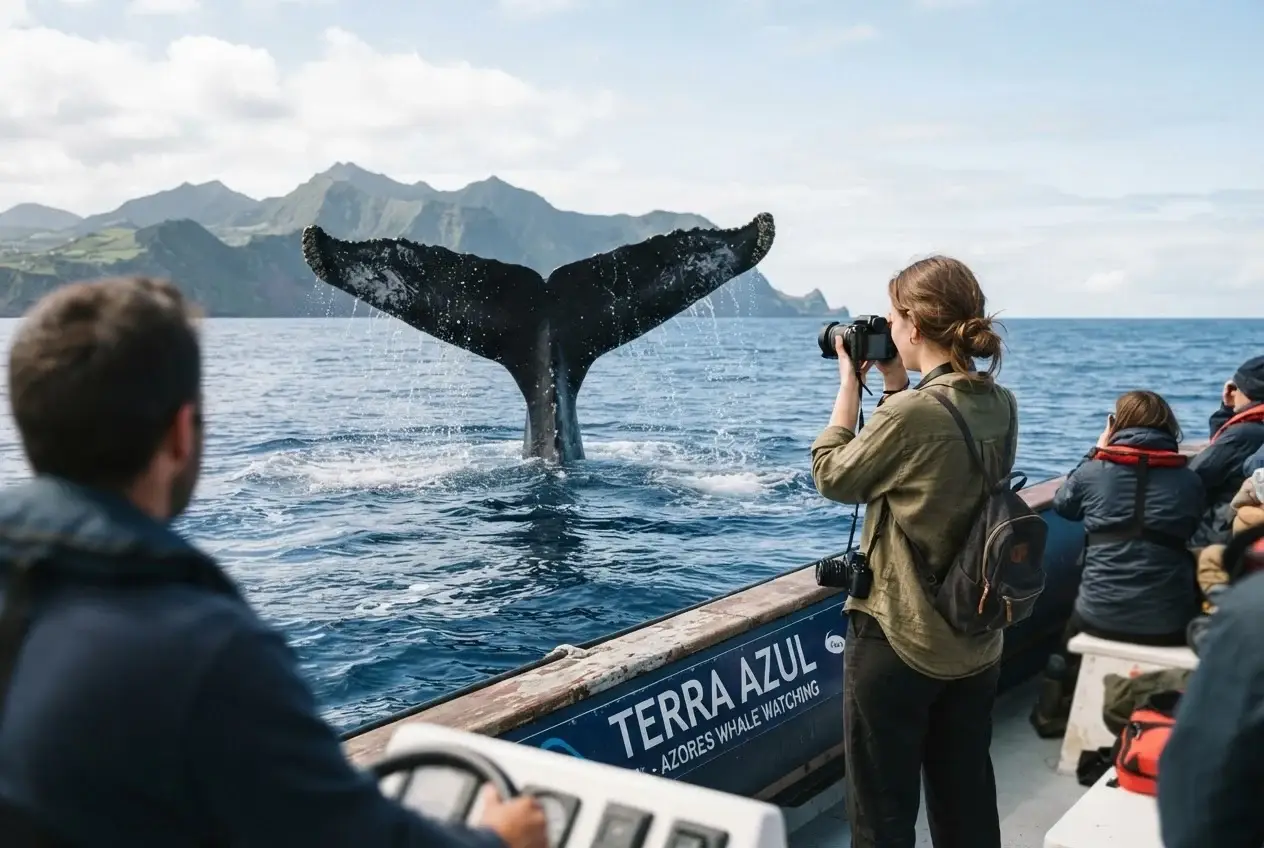
If someone forced me to recommend one European destination for a first whale-watching trip, I’d point at the Azores without much hesitation. This scatter of green Portuguese islands sits far out in the mid-Atlantic, right on the migration highway, and the numbers back it up. Around 28 cetacean species have been recorded here, which is a huge share of all the whale and dolphin species on Earth.
What makes the Azores special is that it does both things well. Sperm whales and several dolphin species live here year-round, so you have a solid baseline any month. Then, in spring, the giants pass through. Between roughly April and June, blue whales, fin whales, and sei whales migrate through these waters, and April and May tend to be the strongest months of all. Yes, the largest animal that has ever lived, the blue whale, is genuinely on the table here in spring. That still amazes me.
The Azores also takes responsibility seriously, which fits my whole philosophy about travel that respects the places you visit. The region was awarded Whale Heritage Site status, and you can read exactly how the protections work on the official Azores Whale Heritage Area page from the Wildlife Heritage Areas program, which I’d genuinely recommend skimming before you go so you understand why the rules exist. Tours run under a strict code of conduct: licensed boats only, no chasing, no feeding, and no swimming with the whales. If a company offers to let you swim with whales here, that’s a red flag, not a perk.
For the practical side, most trips leave from São Miguel (the main island, easiest to reach) or the smaller island of Pico. Many operators use lookouts on shore, called vigias, who spot spouts and radio the boats, which is a lovely old technique that also boosts your odds. If you want to understand exactly which species show up when and how the Portuguese licensing system works, the International Whaling Commission’s Portugal country profile lays it out clearly and without any sales pitch.
What to eat while you’re there: the Azores has a dish called cozido das Furnas, a stew slow-cooked underground by volcanic heat. It’s the kind of meal that turns a trip into a memory. Pair your whale mornings with an afternoon at the Furnas hot springs and you’ve got a near-perfect solo day.
Iceland: The Whale-Watching Capital and an Easy First Trip
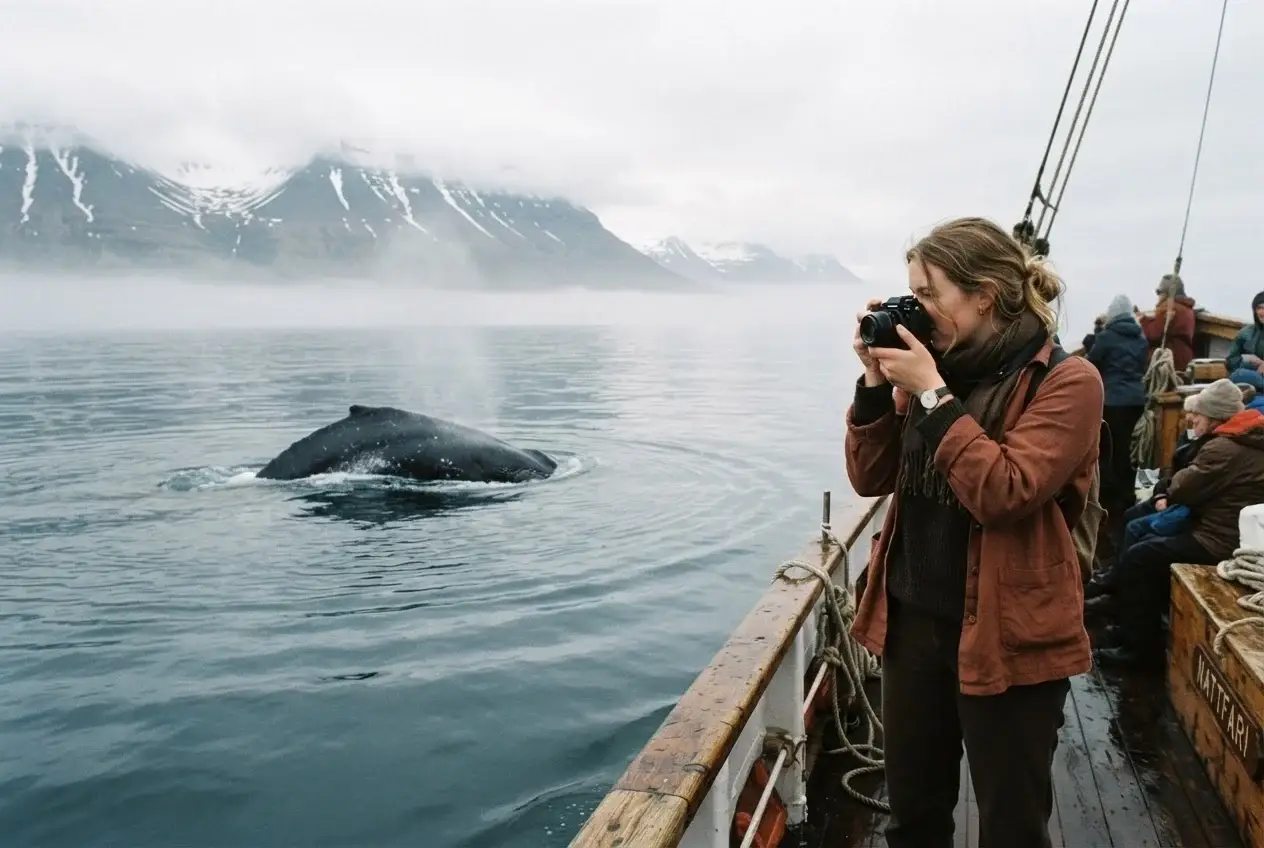
Iceland is probably the most famous whale-watching country in Europe, and for a first-timer it’s wonderfully low-stress because the infrastructure is so good and so much is in English. The season runs roughly April through September or early October, with June to August as the reliable peak. In summer you’ve got a strong chance at humpbacks, minke whales, white-beaked dolphins, and harbour porpoises, plus orcas earlier in the season if you’re lucky.
The heart of it all is HúsavÃk, a small harbour town in the north that’s earned the nickname “the whale-watching capital of Iceland.” Skjálfandi Bay, right off the town, is calm, food-rich, and reliable. Before or after your boat trip, spend an hour at the HúsavÃk Whale Museum, which is one of the very few museums in the world devoted entirely to whales, with real skeletons hanging overhead. Their site lists current opening hours, and in summer, from June through September, it’s open 9am to 7pm, which makes it easy to fit around a morning sailing.
You can also go whale watching straight from ReykjavÃk if you’re short on time or don’t want to drive the north. Sightings are still good, and it’s convenient if you’re doing a stopover. But if whales are your main reason for the trip, the north rewards the extra effort.
A quick honest note on cost, because Iceland shocked me the first time I looked at prices there. It is an expensive country. Whale tours themselves are reasonable, but food, fuel, and lodging add up fast. Back when I was funding my travels with flexible, patched-together jobs, I would have handled Iceland by cooking most of my own meals, staying in guesthouses or hostels, and treating the whale tour as my one splurge. That approach still works.
What to eat: try plokkfiskur, a comforting fish stew, and skyr for breakfast. Skip the whale meat that some tourist restaurants offer. Eating whale while whale watching sends the exact wrong message, and it keeps a market alive that the conservation world is trying to shrink.
Northern Norway: Orcas and Humpbacks in the Winter Fjords
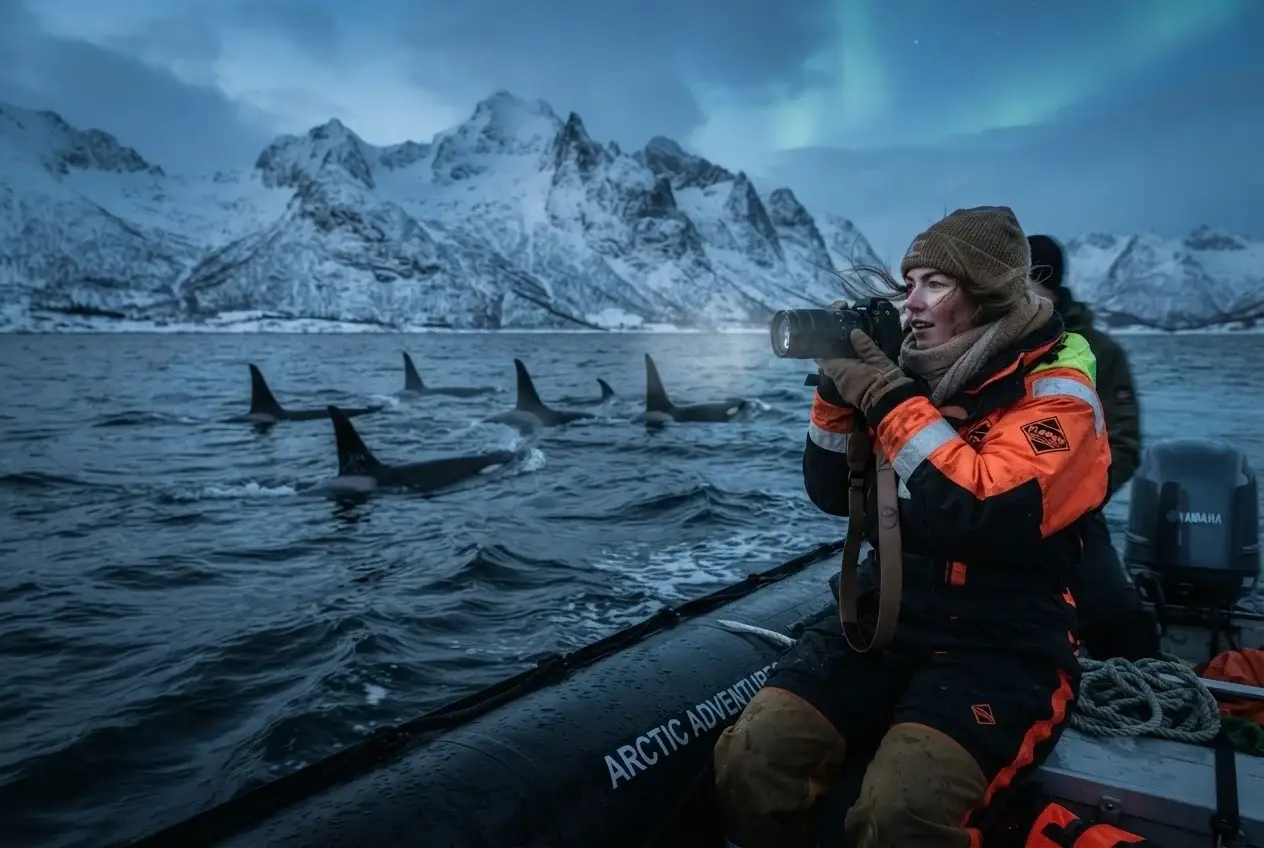
This is the dramatic one. If you’ve seen those photographs of black dorsal fins slicing through steel-grey Arctic water with snowy mountains behind, that’s Northern Norway, and it’s a genuinely different kind of trip.
Norway actually has two distinct seasons, which trips a lot of people up. In summer, roughly May through September, sperm whales are the stars, watched mostly from Andøya and the VesterÃ¥len islands where deep water sits close to shore. Then in winter, the herring pour into the fjords and the predators follow. From around late October into January, places like Skjervøy and the waters near Tromsø fill with orcas and humpback whales feeding together. The official Visit Norway whale-watching page breaks down these seasons and regions well, and I’d start there to figure out which window matches when you can travel.
I’ll be straight with you about winter Norway, in the researched voice since I haven’t stood on those particular decks myself. From what travelers consistently report, it is cold, the daylight is very short that far north, and the seas can be rough. It’s also, by nearly every account, unforgettable, and the northern lights are a real possibility overhead while you watch. This is not the trip I’d suggest for your very first time on a boat if you’re anxious. It’s the trip to graduate to once you’ve caught the bug.
If you do go in winter, dress in serious layers, most operators lend you a full flotation suit, and pick a smaller boat for a closer, quieter experience. What to eat afterward: something hot and rich, like a bowl of fiskesuppe (creamy fish soup), which tastes like heaven when you’ve been standing in Arctic wind for three hours.
Tenerife and La Gomera: The Easiest, Warmest Option
Not everyone wants Arctic gear and dawn wake-ups. If you want whale watching that feels almost gentle, warm weather, short boat rides, and near-certain sightings, the Canary Islands are the answer, and Tenerife is the hub.
The waters between Tenerife and La Gomera hold a resident population of short-finned pilot whales that live there all year, alongside bottlenose dolphins. Because they’re resident rather than migratory, your odds are extremely high in any month, which takes a lot of the anxiety out of planning. This stretch of ocean became Europe’s first Whale Heritage Area, and the official Tenerife-La Gomera Whale Heritage Area page explains the protections and why this particular corridor is so special.
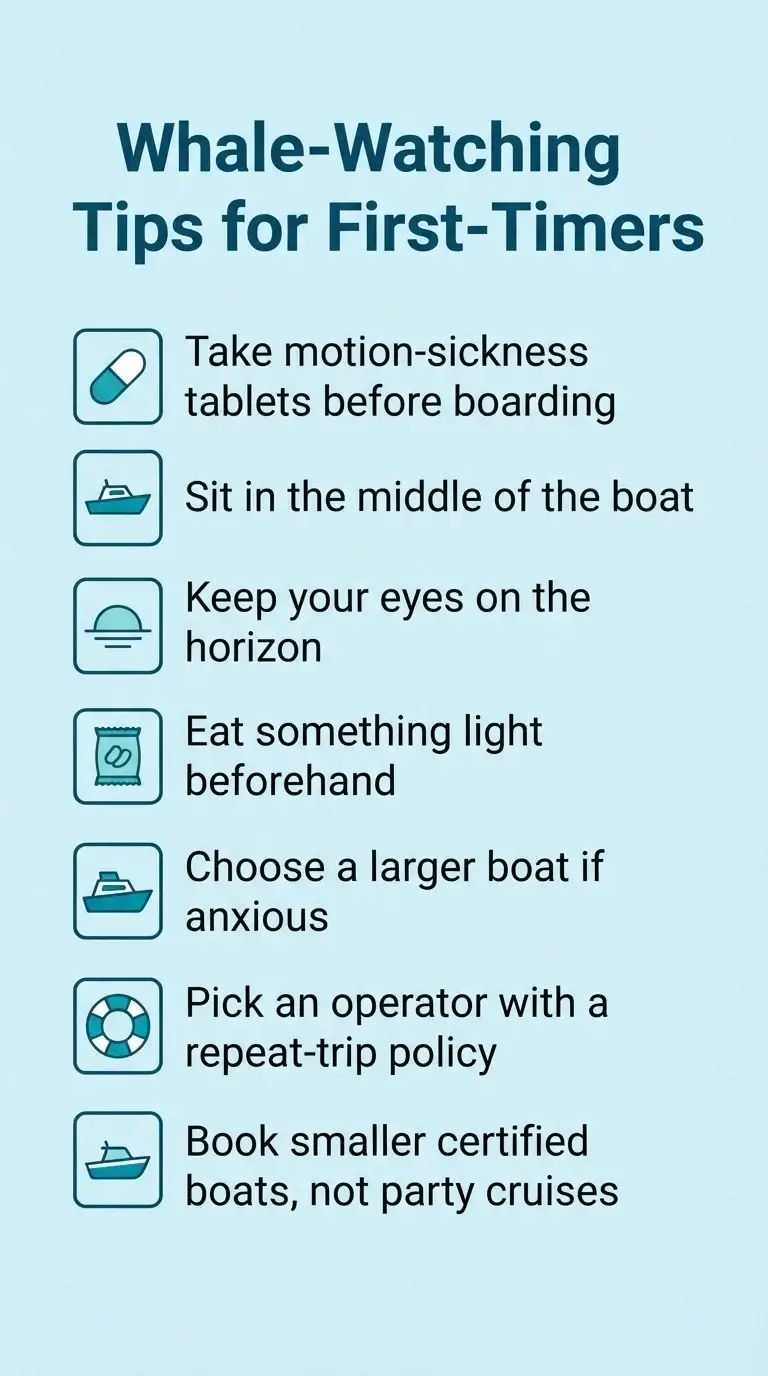
A word of caution that fits Tenerife specifically: because sightings are so reliable, a lot of operators crowd these waters, and not all of them behave well around the animals. Choose a smaller, certified boat over a big party catamaran blasting music. You’ll have a better experience and so will the whales.
What to eat: papas arrugadas, those wrinkly little salt-boiled potatoes served with mojo sauce, are the perfect cheap, delicious lunch. Tenerife is also one of the more budget-friendly destinations on this whole list, which makes it a smart pick if you’re traveling solo and watching costs.
Scotland’s Hebrides: Wild, Quiet, and Underrated
For something less polished and more adventurous, the west coast of Scotland is a beauty. The waters around the Inner Hebrides, especially near the Isle of Mull, come alive with minke whales through the summer, roughly late May to September, along with common dolphins, porpoises, and, if fortune smiles, orcas and basking sharks.
This is a smaller-scale, more intimate kind of whale watching. Boats are often modest, guided by marine biologists who clearly love their work, and the whole experience feels closer to a research expedition than a tourist ride. If you want to understand how Scotland manages its whale watching and what species you can realistically expect, the International Whaling Commission’s Scotland case study is a solid, non-commercial primer.
What I love about Scotland for a solo traveler is how easy it is to fold whale watching into a broader trip. You can hike, visit distilleries, wander tiny island villages, and slot a boat trip into the middle of it. What to eat: fresh local seafood, especially langoustines straight off the boat, and a proper bowl of Cullen skink, a smoked haddock soup that warms you right through on a grey Hebridean afternoon.
How to Choose an Ethical Operator (This Matters More Than the Destination)
I’m going to be a little firm here because it’s important to me. Where you go matters less than who you go with. A responsible operator keeps a respectful distance, doesn’t chase or crowd animals, limits time near them, and never feeds them or lets you swim with whales in regulated waters.
Before you book anywhere, it’s worth reading the plain-language guidance from Whale and Dolphin Conservation on how responsible whale watching should look, so you know what good behavior on the water actually is and can spot when an operator is crossing a line. A few quick signals of a good company: they mention a local code of conduct on their website, they use smaller boats, they employ or work with marine biologists, and they talk about conservation rather than just “guaranteed action.”
The “guarantee” question comes up a lot. As I said earlier, no honest operator can promise you’ll see a whale. What the good ones offer instead is a free repeat trip if you don’t spot anything, which is the fair and realistic version of a guarantee. Look for that.
Seasickness, Solo Nerves, and the Fears Nobody Talks About
Let’s deal with the stuff that actually holds people back.
Seasickness is real and it’s nothing to be embarrassed about. If you’re prone to it, take a motion-sickness tablet before you board rather than after you feel bad, since once nausea starts it’s hard to reverse. Sit in the middle of the boat where movement is least, keep your eyes on the horizon, get fresh air, and eat something light beforehand rather than going out on an empty stomach. Bigger boats rock less than small RIBs, so if you’re worried, choose a larger vessel for your first trip.
On going solo, whale watching is honestly one of the friendliest solo activities I can think of. You’re on a boat with other people who chose the same beautiful, slightly nerdy thing to do, everyone’s excited, and conversation comes easily when a fin breaks the surface. You are not going to feel lonely out there. If anything, it’s a lovely reminder of why I keep encouraging people to stop waiting for a travel companion who’s never quite ready, and just go.
On the money worry, whale watching is one of the better value adventures around. Tours in most of these destinations are affordable on their own, and the real cost is the trip to get there. Tenerife and Scotland tend to be gentler on the wallet, Iceland and Norway pricier. Book your whale tour a bit ahead in peak summer, especially in the Azores and HúsavÃk, but you rarely need to book months out.
One Honest Word on the Faroe Islands
You’ll see the Faroe Islands appear when you search for whales in Europe, and I want to be straight with you rather than let you find out the hard way. The Faroes have a long tradition of pilot whale hunts, which is a completely different and controversial thing from watching. I’m not here to lecture anyone’s culture from a distance, but if your goal is to observe living whales responsibly, the Faroes is not the destination I’d steer you toward. Stick with the places above, where the whole industry is built around keeping whales alive and thriving.
So, Where Should You Actually Go?
If you want my simple answer: for a first trip with the best mix of odds, variety, and easy logistics, choose the Azores in spring. For guaranteed, warm, low-stress sightings, choose Tenerife. For the dream Arctic orca spectacle once you’re ready for something bigger, choose Northern Norway in winter. For a wild, quiet, adventurous feel, choose Scotland’s Hebrides in summer. And for the famous name with excellent infrastructure, choose Iceland’s HúsavÃk.
Whatever you pick, please don’t let the planning become the thing that stops you. That version of me on the ferry years ago, watching the empty grey water without a clue what she was doing, still had one of the best mornings of her life. You get to do it on purpose, with a plan and an open heart. Pick a place, pick a season, book a good operator, and go stand on that deck. The whales have been out there the whole time. Now it’s your turn to go meet them.