
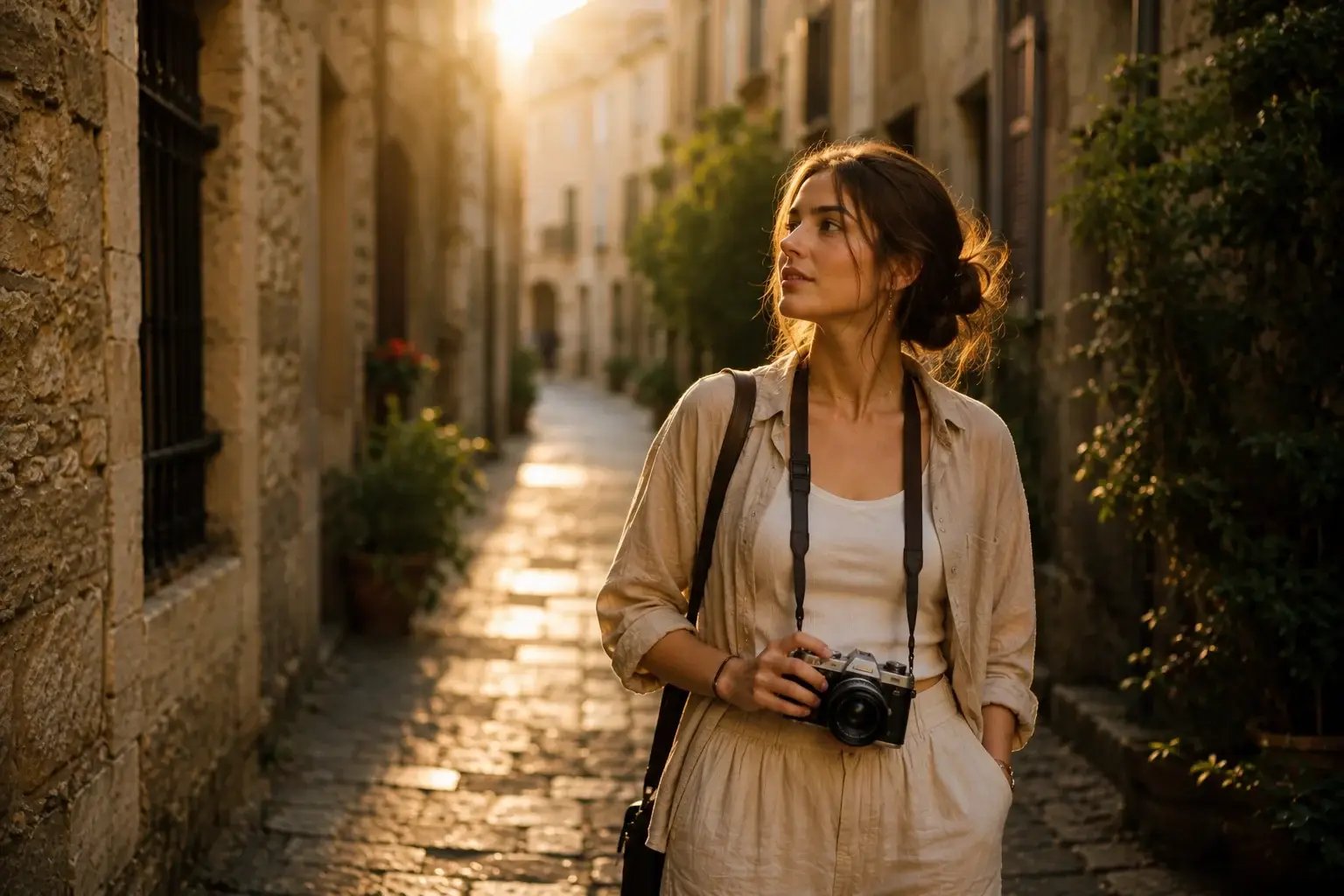
I remember sitting at my desk in New York City years ago, staring at a spreadsheet while a Pinterest tab sat open on my second monitor. I was pinning photos of cobblestone streets in Europe and vibrant night markets in Asia, dreaming of a life that felt a million miles away from my corporate cubicle. Back then, those pins felt like a fantasy—something other people did, not something a girl from Albany could actually pull off.
Now, after years of backpacking solo through China, living with a host family in Ghana, and navigating the subways of cities across three continents, I look at those same “best weekend city getaways Pinterest trends” with a different eye. I know that behind every perfectly curated photo is a real city with bus schedules, language barriers, and a rhythm all its own.
If you are currently pinning your way through your lunch break, wishing you were somewhere else, this is for you. We are going to move beyond the aesthetic and talk about how to actually turn those trending ideas into a weekend that changes your perspective.
Why We Get Sucked into the “Trend” Trap
Social media platforms like Pinterest are masters of visual storytelling. They show us the sunset over a canal or the perfect cappuccino in a hidden alleyway. The problem is that these images rarely show the reality of travel: the missed trains, the fatigue of navigating a new city, or the feeling of being totally alone when you just wanted a coffee.
I spent years chasing the “perfect” spot I saw online, only to realize that the most meaningful moments weren’t the ones that looked good on a grid. They were the moments where I got lost, had to ask for help, or found a quiet park bench to just sit and observe the local life. When you plan your next weekend away, I want you to focus on how a city feels, not just how it looks. True travel confidence comes from knowing you can handle a city, whether it matches your Pinterest board or not.
1. The Art of the Slow City Weekend
One of the biggest trends I see is the “rush-it-all” itinerary. People try to see five museums, three markets, and four historic landmarks in forty-eight hours. From my time as a sightseeing guide in New York, I know that tourists who try to do everything usually leave more exhausted than when they arrived.
Instead, I advocate for the “one-neighborhood” rule. Pick one area of a city that catches your eye and commit to it. If you’re heading to a city that is buzzing on your feed, don’t feel the need to cross off every top-rated site.
If you are venturing to an international destination, make sure you take a moment to look at the official travel advisories and health recommendations from the CDC to ensure you are fully prepared for local conditions before you even pack your bag. It is far better to be informed about water safety or local health standards than to be caught off guard while trying to soak in the atmosphere of a new neighborhood.
2. Navigating Local Transit Without the Panic
The fear of getting lost is what keeps most people from taking that first solo trip. I used to be terrified of public transit. I remember fumbling with maps in Thailand, feeling completely overwhelmed by the different signage. But here is the secret: every city’s transit system is designed for people who live there, not just for travelers.
When you see these trendy cities online, they usually feature beautiful metro stations or iconic streetcars. Use them. If you’re in a city where ride-sharing is common, it can be a lifesaver, but understanding the local guidelines for using Grab for travelers or similar apps can prevent a stressful situation when you’re trying to find your hotel after a long day of walking.
My advice? Don’t look at the map for the whole trip. Look at your destination, figure out the closest stop, and then spend the rest of the time looking out the window. That’s how you actually see the city.
3. Finding Authentic Food (And Skipping the Tourist Traps)
There is a big difference between a restaurant that is “Instagrammable” and one that serves truly great local food. When I was working as a waitress in New York, I learned that the best places weren’t the ones with the flashiest signs—they were the ones where the regulars went.
When you are exploring a trending destination, walk three blocks away from the main square or the major monument. You will find that the prices drop, the quality goes up, and you’re suddenly surrounded by locals. If you are looking for specific cultural etiquette or food recommendations in a place like Thailand, checking the official guidance from the Tourism Authority of Thailand can help you understand the local customs, which often makes for a much smoother and more respectful dining experience.
I once spent an entire weekend in a city just eating my way through different bakeries. I didn’t see a single “must-visit” museum, but I learned more about the local culture through the bread and the conversations I had with the bakers than I ever could have in a line at a gallery.
4. Safety and Confidence: The Solo Traveler’s Reality
A lot of the messages I get from readers are about safety. “Is it safe to go to X city alone?” The answer is almost always: it depends on your preparation. I never travel without ensuring I have a solid plan. Before you go, it is vital to check the up-to-date entry requirements and safety alerts from the US Department of State so that you know exactly where you are going and what the local atmosphere is like.
Confidence isn’t the absence of fear; it’s the ability to manage it. When I was backpacking alone, I didn’t always feel brave. I often felt scared. But I kept going because I knew that if I stayed home, I’d be wondering “what if” for the rest of my life.
For your weekend getaway, pack light. When you have a massive suitcase, you feel like a target and you’re physically weighed down. A single backpack gives you the agility to walk away if a situation feels wrong, to jump on a bus, or to navigate stairs in a subway station that has no elevator.
5. Prioritizing Heritage over Popularity
Many of the places that trend on Pinterest are actually designated as protected locations by UNESCO World Heritage, which is why they look so beautiful in photos. While these spots are undeniably stunning, they are often crowded.
I suggest using the UNESCO list to find the “second-tier” sites. For every famous, crowded cathedral or plaza, there is often a nearby site with just as much history but a fraction of the crowds. By choosing these quieter, culturally significant spots, you are supporting the preservation of history while giving yourself the space to actually reflect on what you are seeing.
6. The “Backpacking Mindset” for City Breaks
You don’t need a month-long trip to practice the art of slow travel. Even if you only have a Friday to Sunday, you can shift your mindset. Instead of “visiting,” try “residing.”
When I worked in an office, my weekend trips were just mini-dashes to get a tan or a photo. Now, my weekend trips are about finding one local café where I become a “regular” by Sunday. I learn the barista’s name. I watch the same people walk their dogs in the morning. It makes the world feel smaller and more manageable.
If you are feeling overwhelmed, remember that you are capable of far more than you think. You navigated your way through school, work, and life—navigating a new city for 48 hours is just a different kind of problem-solving.
7. Budgeting for Experiences, Not Status
Trends often push us toward luxury. We see the boutique hotels with the infinity pools and think, “That’s what a successful weekend trip looks like.” But I have found that my most memorable trips happened in hostels, small guesthouses, or sublet apartments.
When you spend less on your room, you have more for experiences. Maybe that’s a cooking class, a guided walking tour with a local historian, or a ticket to a local theater performance. Don’t let the pressure to have a “luxurious” aesthetic take away from the money you could be spending on actually experiencing the culture.
Before you go, make sure you have your protection sorted. I always tell my readers to look into insurance and safety tips from World Nomads so that, if something does go wrong—a missed flight, a lost bag, or a minor accident—you aren’t dealing with a massive financial or emotional headache. It allows you to stay in the moment instead of worrying about the “what-ifs.”
8. Making Mistakes is Part of the Plan
Finally, I want to talk about mistakes. You will take the wrong train. You will arrive at a museum on the one day it is closed. You will get lost in a neighborhood that doesn’t show up on your curated Pinterest map.
This is not a sign that your trip is failing. This is the trip.
Those moments are where you grow. When you successfully figure out how to get back to your hotel after being lost, your confidence increases. You realize that you don’t need a perfectly scripted itinerary to have a great time. You have yourself, your curiosity, and the ability to figure things out.
Start small. Pick one place from those trending lists that genuinely interests you, not just one that looks good on a screen. Do your research, pack your bag with the essentials, and go. The world is much bigger and much friendlier than the screen on your phone makes it seem. You don’t need to be an expert traveler to start. You just need to be willing to show up and be a little bit curious.



