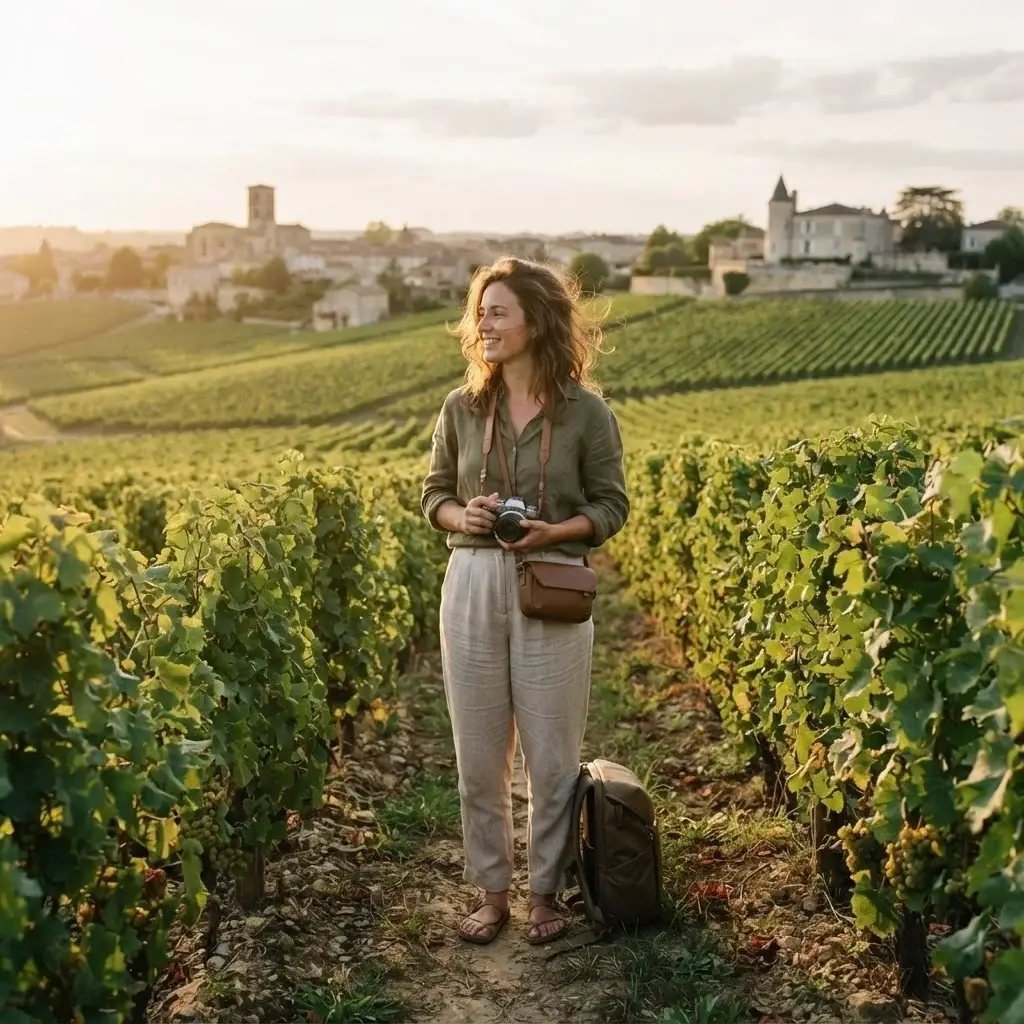
Hey everyone! Welcome back to Pinverse Travel. If you are new here, I am Emma Collins. For years, I lived the standard life. I worked a traditional nine-to-five office job in New York. I sat at a desk, stared at a screen, and checked my calendar constantly. I only had two weeks of vacation time each year. It felt like I was trapped in a cage. My heart wanted something else. I wanted to see the world, meet new people, and experience different cultures.
So, I made a massive choice. I quit that corporate job. I started waitressing long shifts to save up every single dollar I could. I even taught English abroad in Thailand and worked as a certified sightseeing guide in New York City. Those jobs taught me how to talk to people and how to navigate unfamiliar places. Most importantly, they gave me the confidence to travel solo.
One of my absolute favorite travel dreams was to explore the countryside of Europe. Specifically, I wanted to visit the best wine regions in France. I pictured myself walking through beautiful green fields, talking to local families, and tasting amazing food. But when I actually went, I realized something quickly. Planning an independent trip to these famous places can be incredibly confusing. It is easy to make mistakes that ruin your budget, waste your time, and leave you feeling stressed.
I wrote this massive guide to help you avoid those exact blunders. You do not need a fancy, expensive tour guide to see these places. You can do it all on your own. Let us break down the biggest mistakes you should avoid so you can plan a confident, beautiful, and deeply authentic trip.
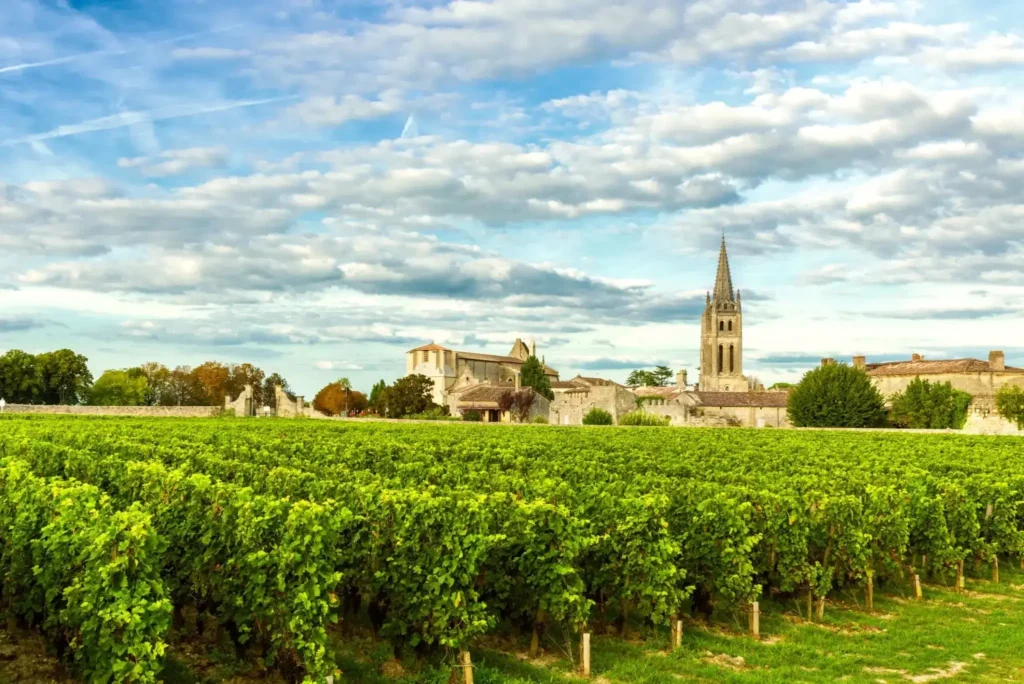
Bordeaux Vineyards. Source: samael334 / Getty Images
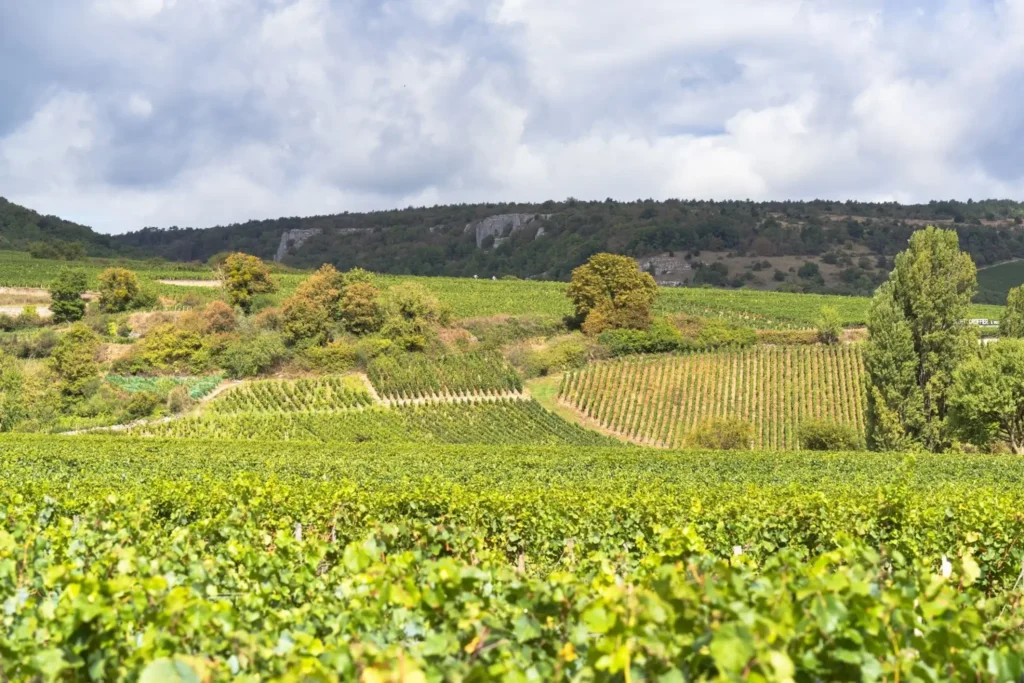
Burgundy Wine Region. Source: Pkheawtasang / Getty Images
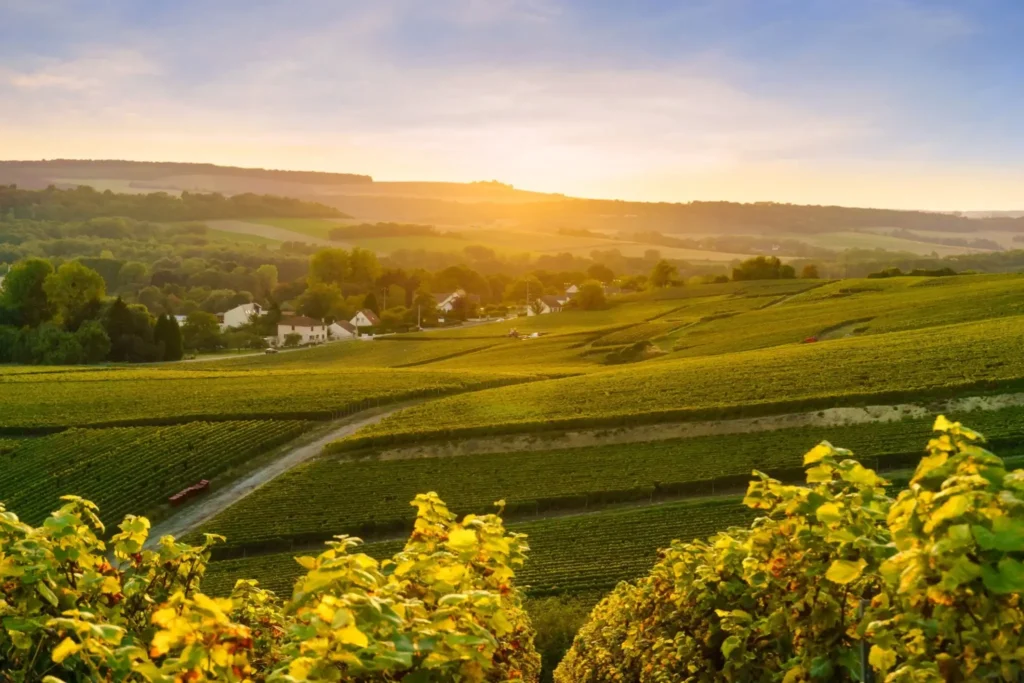
Champagne Hillsides. Source: Pakin Songmor / Getty Images
Alsace Wine Route Village. Source: Wirestock / Getty Images
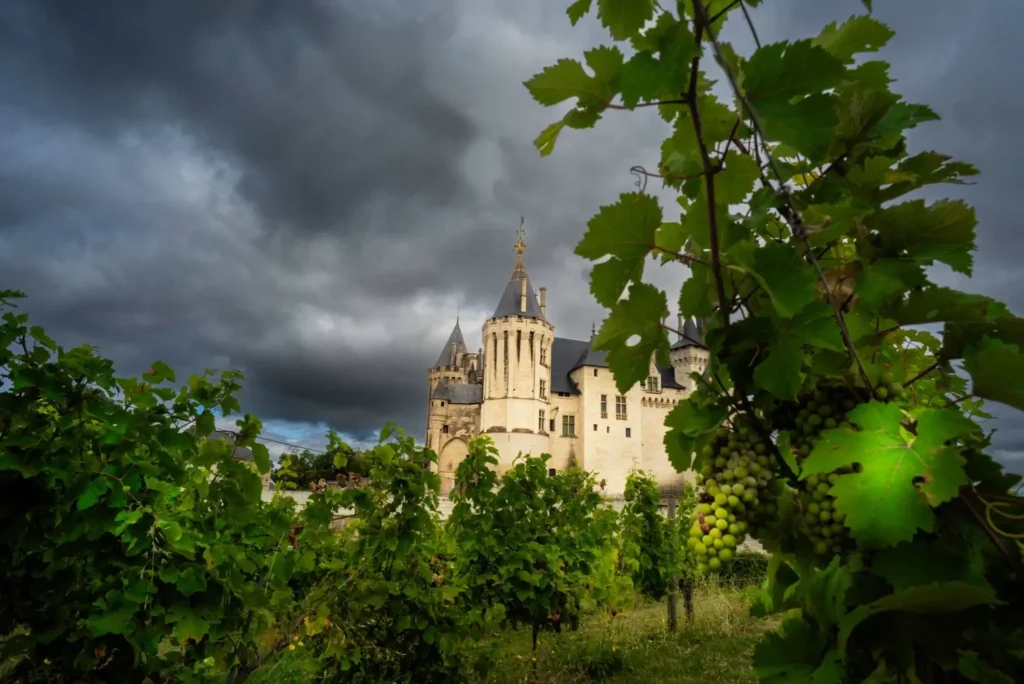
Loire Valley Châteaux. Source: Pierre Longnus / Getty Images
Mistake 1: Thinking You Can Just Walk In Without an Appointment
When I was a tour guide in New York City, I saw visitors make a common error. They thought they could just walk up to any popular show or building without a ticket. People do the exact same thing when they visit France. They assume that vineyards work like the open tasting rooms in California or Australia. They think they can drive up, open a door, and start tasting.
In France, this is a recipe for disappointment. Most family-owned estates are working farms. The person who makes the wine is often the same person driving the tractor or working in the dirt. If you just show up, the gates will likely be locked. You will be left standing outside in the cold.
The Châteaux vs. Domaines Rules
In places like Bordeaux, the big estates are called Châteaux. In places like Burgundy, they are usually called Domaines. Both styles require you to book your visit weeks or even months in advance.
To book a visit, you cannot just rely on social media. Many of the best traditional winemakers do not have fancy websites.
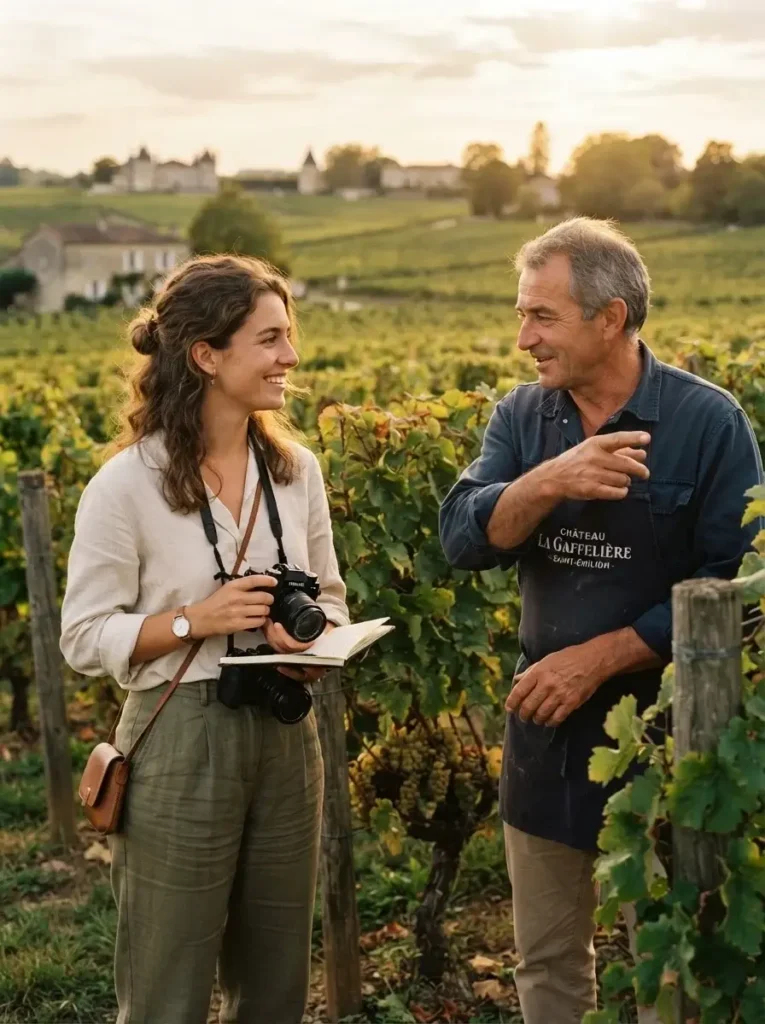
You need to send a polite email in simple English, or use a basic translation tool to write in French. State clearly that you are an independent traveler, tell them the exact date you want to visit, and ask if they have open slots.
How Far in Advance Should You Book?
If you are aiming for the top-tier names, you need to book three to six months ahead. For smaller, family-run spots, two to four weeks is usually enough. If you fail to do this, you will end up stuck visiting only the mass-production centers that cater to large tour buses. That is exactly the kind of sterile, commercial experience we want to avoid. We want real conversations with the people who put their lives into every bottle.
Mistake 2: Relying Natively on the Wrong Transportation
Getting around the countryside can be tough if you do not plan ahead. France has a wonderful train system, but it does not go everywhere. It connects major cities beautifully, but it will not drop you off at the doorstep of a tiny vineyard in the middle of rolling hills.
Many first-time solo travelers get stranded because they do not understand the local transport options. They think they can just open a ride-sharing app on their phone in a tiny village. Trust me, there are no drivers waiting out in the rural fields to pick you up.
The Train and Bike Strategy
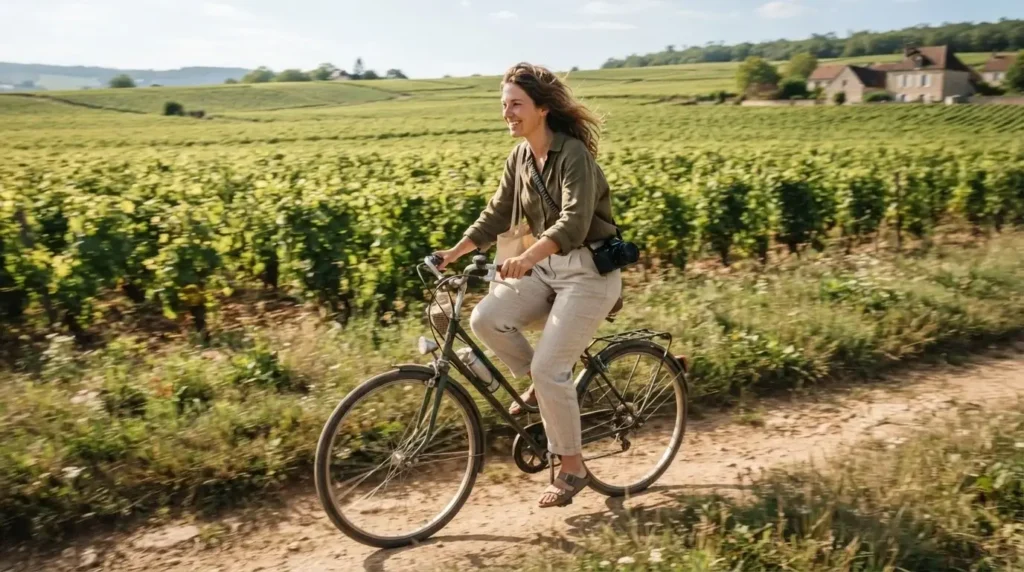
If you want a truly slow and adventurous trip, you can combine trains with bicycles. You can take a local train to a regional hub town. From there, you can rent a bicycle for the day. Many regions have dedicated bike paths that wind safely through the fields, away from busy car traffic. This is an incredible way to build your solo travel confidence. You get to feel the breeze, smell the earth, and move at your own pace.
The Rental Car Choice
If you decide to rent a car, you must be aware of the strict local laws. France has a very low limit for blood alcohol levels while driving. It is much lower than in the United States. Even one single glass can put you over the legal limit. If you are traveling solo, you cannot taste and then drive immediately. You must plan to spit the liquid during your tastings, or you must arrange to stay within walking distance of the vineyards.
Before you pick up a rental car or plan your travel path, I highly recommend checking out the official destination guides written by Lonely Planet to map out your general path. Reading those structural overviews will help you understand the physical distances between villages so you do not accidentally schedule stops that are too far apart.
Regional Breakdown: Blunders to Avoid in the Best Wine Regions in France
Every part of France has its own culture, history, rules, and style. If you treat them all the same, you will miss the magic. Let us dive deep into the specific errors travelers make in each of the main areas.
Bordeaux: Getting Lost in the Classification Maze
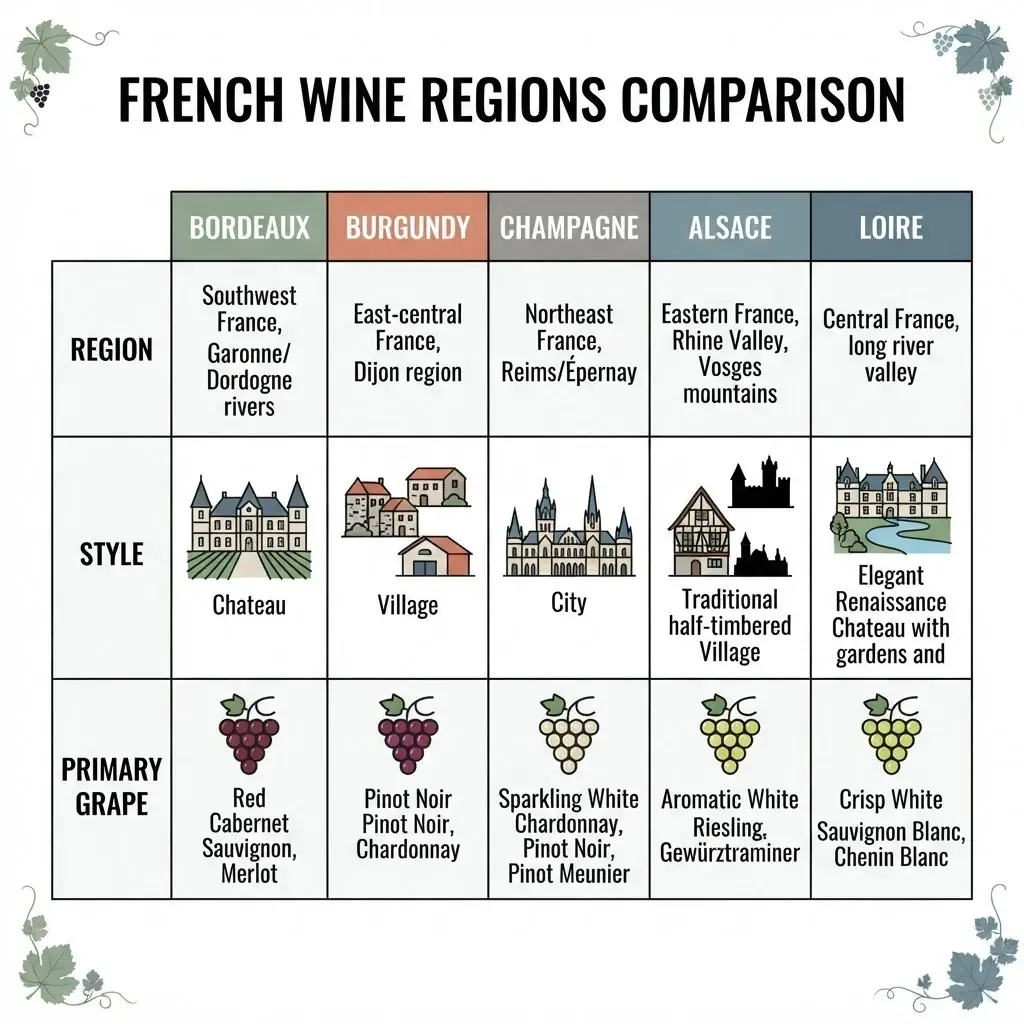
Bordeaux is massive. It is split by a large river into what locals call the Left Bank and the Right Bank. A major mistake here is trying to see both sides in a single weekend. The traffic around the city of Bordeaux can be terrible, and driving from one side to the other takes a long time.
- Left Bank vs. Right Bank: The Left Bank focuses heavily on Cabernet Sauvignon grapes. The estates here look like grand, historic castles. The Right Bank focuses more on Merlot grapes, and the properties are much smaller and more intimate. If you love history and grand architecture, head to the Médoc peninsula on the Left Bank. If you want charming stone villages and a cozier vibe, go to Saint-Émilion on the Right Bank.
- Navigation Advice: Do not stay in the center of Bordeaux city if you want a quiet rural experience. Instead, take a local train from the Bordeaux Saint-Jean station directly to the village of Saint-Émilion. The ride takes about 45 minutes. Once you arrive, you can walk everywhere on foot. Be sure to wear sturdy shoes, as the ancient streets are made of steep, slippery cobblestones.
- Culinary Tips: While you are in Bordeaux, you must try a local sweet treat called a Canelé. It is a small pastry with a dark, caramelized crust and a soft, custard-like center. For dinner, ask a local tavern for Entrecôte à la Bordelaise. This is a rich steak cooked in a savory sauce made from local red wine, shallots, and herbs.
- Insider Secret: Many people do not realize that the historic jurisdiction of Saint-Émilion is highly protected for its deep cultural landscape. I highly recommend checking out the official list of world heritage properties managed by UNESCO to see which historic vineyard landscapes are protected. Reading about the history before you walk those ancient paths will make your visit feel much more meaningful.
Burgundy: Confusing the Tiny Terroirs
Burgundy is the polar opposite of Bordeaux. Here, everything is about micro-plots of land called climats. Two fields separated by a simple stone wall can taste completely different, even though they use the exact same grape variety. The biggest mistake travelers make in Burgundy is rushing through the towns without paying attention to the labels.
- Understanding the System: Burgundy uses four main levels for its bottles: Regional, Communal, Premier Cru, and Grand Cru. Grand Cru is the highest and rarest level. Do not walk into a tiny cellar expecting to taste Grand Cru bottles for free. Winemakers here guard their top bottles closely because they make very few of them.
- Navigation Advice: The best way to explore Burgundy is to use the town of Beaune as your home base. Beaune is a beautiful, walled town that you can easily reach by train from Paris. You can rent an electric bicycle in Beaune and ride south along the Route des Grands Crus. The path is mostly flat and takes you through legendary villages like Pommard and Meursault.
- Culinary Tips: Burgundy has some of the most famous comfort food in the entire world. You must try Coq au Vin, which is chicken braised slowly in rich red wine with mushrooms and bacon. Also, look for Époisses de Bourgogne. This is a powerful, soft cheese with a washed rind. It is so creamy that you have to eat it with a spoon on a piece of crusty baguette.
- Insider Secret: Winemakers in Burgundy are incredibly proud of their soil. When you visit a cellar, do not ask them about modern technology or oak barrels right away. Ask them about the limestone rocks in their soil. They will smile, open up, and talk to you for an hour.
Champagne: Staying Only in the Big Corporate Houses
When people think of Champagne, they think of giant luxury brands with famous logos. A huge mistake travelers make is only visiting the massive, famous houses located in the city of Reims. While those deep chalk cellars are beautiful, the experiences there can feel highly corporate, cold, and staged. You are often guided by a marketing employee rather than someone who actually works the land.
- Seek Out the Growers: Look for what locals call Champagne de Vigneron, or grower champagne. These are bottles made by the actual farmers who own the vineyards. The labels have a tiny code that starts with the letters “RM” (Récoltant-Manipulant). Visiting these smaller houses in tiny villages like Hautvillers gives you a true taste of local life.
- Navigation Advice: You can take a fast train from Paris to Reims in just 45 minutes. But to see the true heart of the region, take a local connection down to the town of Épernay. Walk along the famous Avenue de Champagne to see the grand houses, but then rent a vehicle or use a local taxi to head out into the Marne Valley hillsides.
- Culinary Tips: Pair your bubbles with Biscuits Roses de Reims. These are traditional, crisp pink biscuits that are lightly dusted with powdered sugar. The locals dip them directly into their glass of Champagne so the biscuit softens without dissolving. For a savory meal, try Pâté en Croûte, which is seasoned meat baked beautifully inside a rich, flaky pastry crust.
- Insider Secret: The chalk cellars under the ground are naturally cold all year round. Even if it is a hot summer day outside, the temperature underground stays around 50 degrees Fahrenheit. Always pack a thick sweater and long pants in your daypack, or you will be shivering too much to enjoy your tour.
Alsace: Missing the Cultural Crossroads
Alsace sits right on the border between France and Germany. Over the centuries, this region changed nationalities multiple times. Because of this unique history, the architecture, language, and wine styles are a fascinating mix of both countries. A frequent blunder here is expecting standard French red wines. Alsace is famous almost exclusively for its aromatic white wines.
- Embrace the White Grapes: You will find incredible Riesling, Pinot Gris, and Gewürztraminer here. The bottles are tall and slender, often called flutes. The flavors are bright, crisp, and intensely floral.
- Navigation Advice: The city of Colmar is the perfect base for independent travelers. It looks like a fairytale village with colorful timber-framed houses and tiny canals.
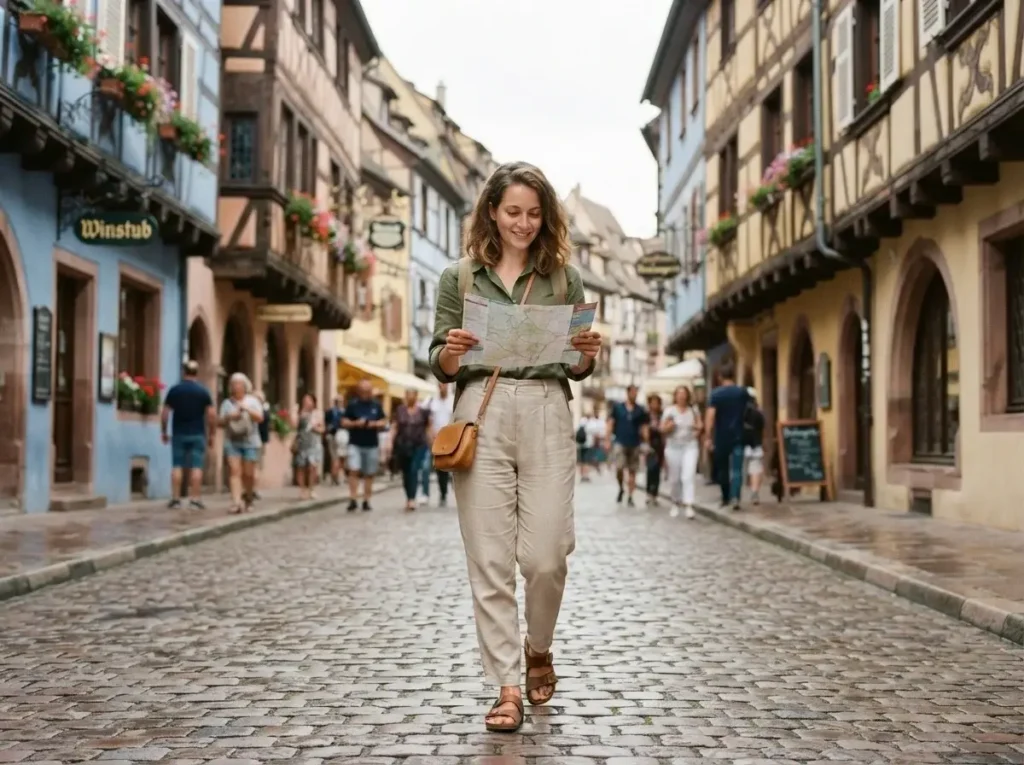
- From Colmar, you can catch the local Kut’zig bus. This is a special hop-on, hop-off tourist bus that loops through classic wine villages like Riquewihr and Ribeauvillé during the summer months. It saves you the stress of driving on narrow rural roads.
- Culinary Tips: The food here is hearty and delicious. Order a plate of Choucroute Garnie, which is warm sauerkraut served with a mountain of local sausages, smoked meats, and boiled potatoes. For a lighter snack, try a Flammekueche (also called Tarte Flambée). This is an ultra-thin bread dough topped with crème fraîche, sliced onions, and smoked bacon strips, baked until the edges are completely crispy.
- Insider Secret: Do not be afraid to travel here alone. The towns are exceptionally safe, and the locals are incredibly welcoming to solo travelers. Before you head out into the rural border regions, I always make sure to review the official entry requirements and safety updates for France provided by the US Department of State to ensure I have all my documents in perfect order. It is a smart habit that prevents any unnecessary surprises at regional transit hubs.
Loire Valley: Rushing the Castles and Missing the Caves
The Loire Valley is famous for its massive, opulent royal castles (châteaux). Many tourists buy a frantic day-tour ticket from Paris, rush through three different castles in eight hours, and leave completely exhausted. The big mistake here is ignoring the incredible, subterranean wine culture that is literally carved into the limestone cliffs along the riverbanks.
- Explore the Tuffeau Caves: The local white stone used to build the grand castles was dug out of the hillsides, leaving behind miles of dark, cool underground tunnels. Today, local winemakers use these ancient caves to age crisp Sauvignon Blanc (in Sancerre) and earthy Cabernet Franc (in Chinon). The atmosphere inside these damp, candlelit caves is absolutely magical.
- Navigation Advice: Base yourself in the lively city of Tours or the peaceful town of Saumur. You can easily reach both via train. Saumur is especially wonderful because the grand castle overlooks the river, and you can walk straight from the town center to several historic cave cellars cut directly into the rock walls.
- Culinary Tips: The Loire Valley is famous for its incredible fresh goat cheese, especially Selles-sur-Cher and Crottin de Chavignol. The tart, creamy flavor of the cheese pairs perfectly with the bright acidity of a local white Sancerre wine. For meat lovers, grab a jar of Rillettes de Tours, a savory, slow-cooked shredded pork spread that tastes amazing on fresh, warm bread.
- Insider Secret: Because the valley is relatively flat and follows the sweeping path of the river, it is home to one of the best long-distance cycle paths in Europe, known as the Loire à Vélo. You can easily rent a simple touring bicycle and ride from one village cellar to the next without ever having to navigate complicated highway intersections.
Mistake 3: Forgetting the Strict French Dining Windows
When I was waitressing to save money for my first major international backpacking trip, I was used to the American style of dining. In New York, you can walk into a restaurant at 3:00 PM on a Tuesday and order a massive three-course meal. In the rural parts of France, that is completely impossible.
One of the most frustrating mistakes independent travelers make is failing to adapt to the local daily rhythm. If you do not adjust your internal clock, you will end up starving with no open options available.
The Standard Lunch and Dinner Hours
In the countryside, restaurants serve lunch strictly between 12:00 PM and 2:00 PM. Dinner service typically begins at 7:00 PM or 7:30 PM and runs until 9:30 PM. If you walk into a village square at 2:30 PM looking for a hot meal, the kitchen will be completely closed. The chef will be resting, and the staff will be preparing for the evening shift.
The Midday Grocery Store Closure
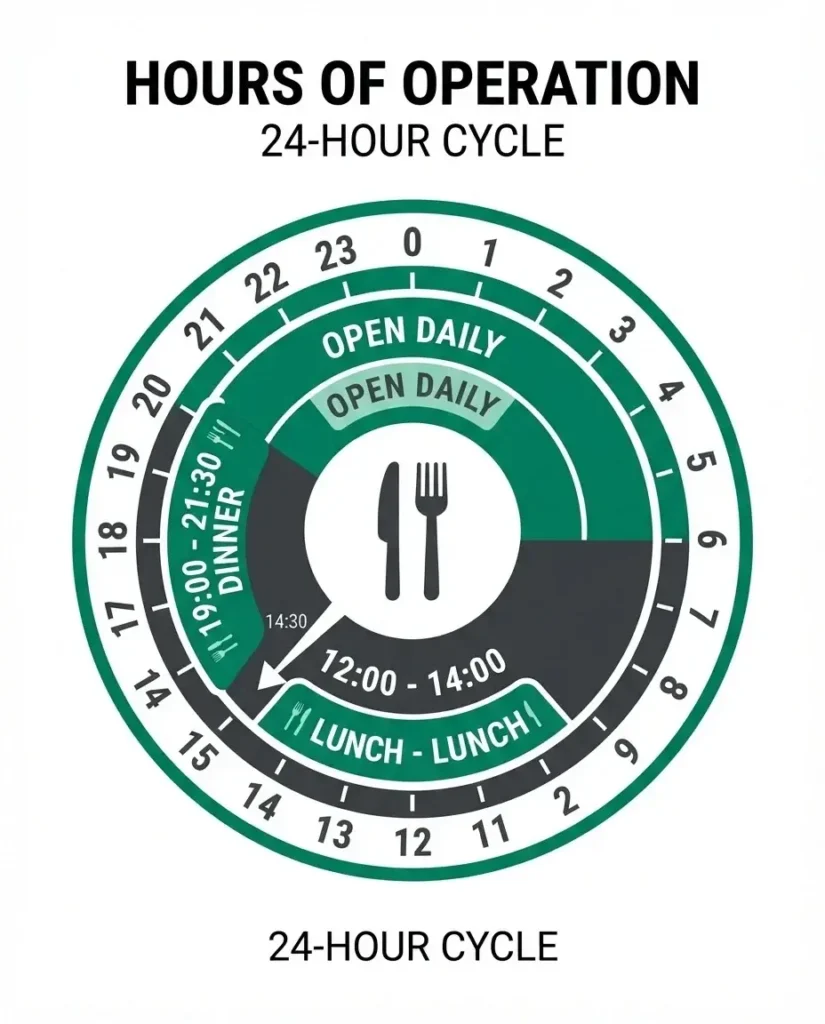
Do not rely on small village grocery stores to save you during off-hours either. Many family-owned shops, bakeries, and markets in rural areas close down completely for a afternoon break between 12:30 PM and 4:00 PM. They also frequently close for the entire day on Sundays and Mondays.
Emma’s Survival Strategy
To avoid getting stuck without food, always buy a fresh baguette, some local cheese, and a handful of fruit from the morning market. Keep these simple supplies in your daypack. That way, if your afternoon vineyard tour runs late and you miss the lunch window, you can sit down on a beautiful stone wall and enjoy a peaceful, stress-free picnic in the grass.
When packing food or planning outdoor meals on the road, it is always a smart idea to double-check basic food safety practices. You can look over the health safety guidelines for international trips from the CDC to learn about staying healthy on the road, including tips for handling fresh local produce and dairy products safely while traveling through rural areas.
Mistake 4: Overpacking and Misjudging the Rural Terrains
When you are daydreaming about a trip to Europe, it is easy to pack clothes based on romantic social media photos. You might think you need elegant dresses, formal suits, or expensive designer shoes to fit in. This is a massive mistake that will cause serious physical pain once your feet hit the ground.
The Reality of Rural Walking Paths
The best wine regions in France are beautiful, but they are also rugged and agricultural. You will be walking down dirt pathways, through muddy vineyard rows, and down steep, damp stone steps into dark cellars. If you wear high heels, open-toed sandals, or pristine white sneakers, you will quickly ruin your footwear and potentially twist an ankle.
Why Traveling Light Builds Confidence
As a solo traveler, you are responsible for moving your own luggage. You will have to lift your bags onto high train platforms, carry them up narrow staircases in historic guesthouses without elevators, and wheel them across rough cobblestone streets.
Bring one durable backpack or a small, lightweight rolling bag. Pack comfortable, broken-in walking shoes with excellent grip.
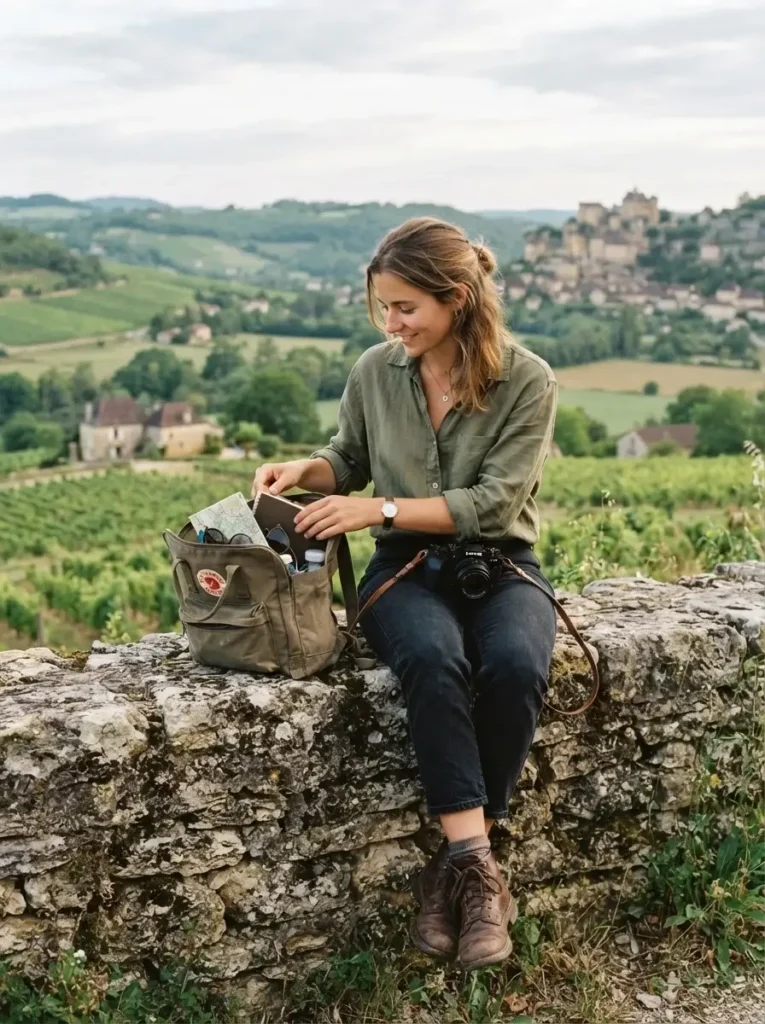
Choose simple, classic clothing layers that you can mix and match easily. Traveling light frees your mind from worry, reduces physical fatigue, and gives you the independence to change your plans on a whim.
For extra peace of mind when managing your gear or renting transport, I like to read the travel insurance advice and safety tips from World Nomads before my trip begins. Knowing how to protect your belongings and stay safe gives you a massive boost of confidence when navigating rural train stations completely on your own.
Mistake 5: Rushing Your Itinerary and Competing for Status
The final and most important mistake to avoid is trying to see too much too fast. It is easy to treat a journey like a competitive checklist. People schedule three different regions in five days, snapping hurried photos just to prove they were there.
That approach completely misses the point of travel. Travel is not a race. It is a tool for personal growth, quiet reflection, and true cultural connection.
The Power of Slow Travel
Instead of booking a packed schedule, choose just one single region for your trip. Stay in one village for a full week. Wake up early and walk down to the local boulangerie to buy your morning pastry. Say Bonjour to the same baker every day. Sit in the village square and read a book.
When you slow down, the magic happens. You start to notice the way the afternoon light hits the ancient stone walls. You notice the smell of the damp earth after a light rain. You build the courage to have real, unhurried conversations with the locals, even if your French vocabulary is limited to just a few basic words.
Stepping Outside Your Comfort Zone
Solo travel through the countryside teaches you that you are capable of handling challenges on your own. If you get on the wrong train, you will figure out how to get back. If you struggle to order food, you will use hand gestures and smile, and you will find a way to connect. Those small, unexpected challenges are often the absolute best parts of the adventure. They build a deep, internal confidence that stays with you long after you return home to your normal daily routine.
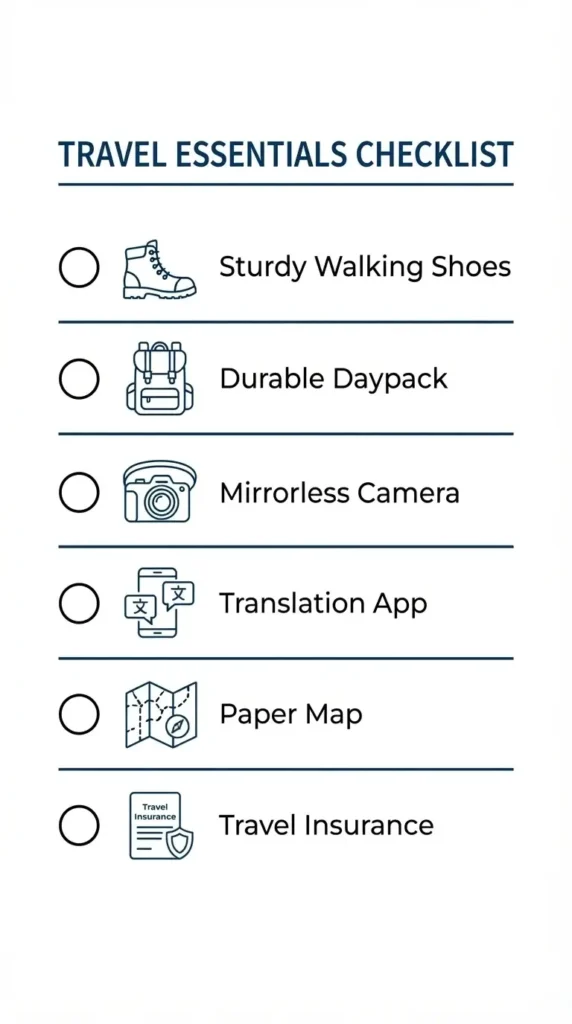
Stop waiting for the absolute perfect moment to take your dream trip. The world rewards curiosity, courage, and an open mind. Pack your bag lightly, book your vineyard appointments early, and step out onto the road with confidence. The beautiful countryside of France is waiting for you!