Let me be honest with you. When most people plan a Canada trip, they picture Banff. Rocky Mountain peaks, impossibly turquoise lakes, a picture-perfect town with good coffee. And look, Banff is genuinely stunning. I am not here to talk you out of it.
But Canada is enormous. It is the second-largest country on Earth, stretching from the Atlantic to the Pacific to the Arctic, holding ten provinces and three territories, each with its own landscape, culture, and food. And the places that most travelers never get around to visiting? Some of them are the kind of places that quietly change how you see the world.
If you’re the type of person who wants to feel like you actually experienced a country rather than just photographed it, this is for you. These are the spots that solo travelers come back raving about, places where there is real space, real culture, and something worth sitting still for.
Before we get into it, a quick note on getting to Canada: most international visitors (except US citizens) need an Electronic Travel Authorization (eTA) before flying in. It costs CAD $7 and takes only a few minutes to apply for on the Government of Canada’s official eTA page. US citizens can visit for up to 180 days with just a valid passport. Get that sorted first, and then we can talk about where to actually go.
Why Canada’s Overlooked Corners Are Worth the Extra Effort
Here’s something I think about a lot, whether I’m planning a trip to a place I’ve been or somewhere completely new to me: the destinations that require a little more effort to reach almost always reward you more. The extra ferry, the small regional flight, the train that winds through boreal forest for hours, these are not inconveniences. They are the beginning of the experience.
Canada’s lesser-known spots tend to sit behind one of those extra steps. That’s exactly why they stay lesser-known. The people who make it through? They tend to remember it for the rest of their lives.
Haida Gwaii, British Columbia: Where the Forest Meets the Ocean and Both Feel Ancient
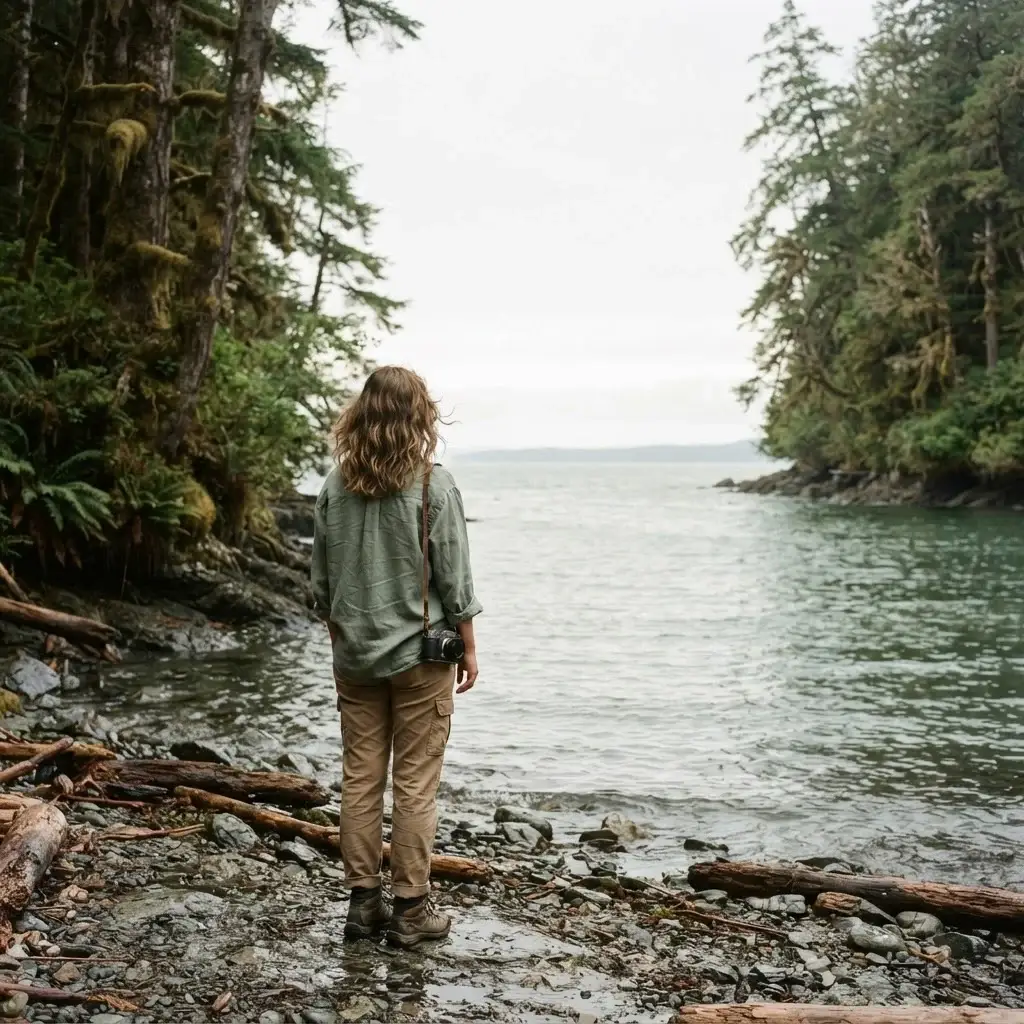
Haida Gwaii is a remote archipelago of islands off the northern coast of British Columbia, and it is one of those places that travel writers describe with slightly too much reverence. But in this case, the reverence is earned.
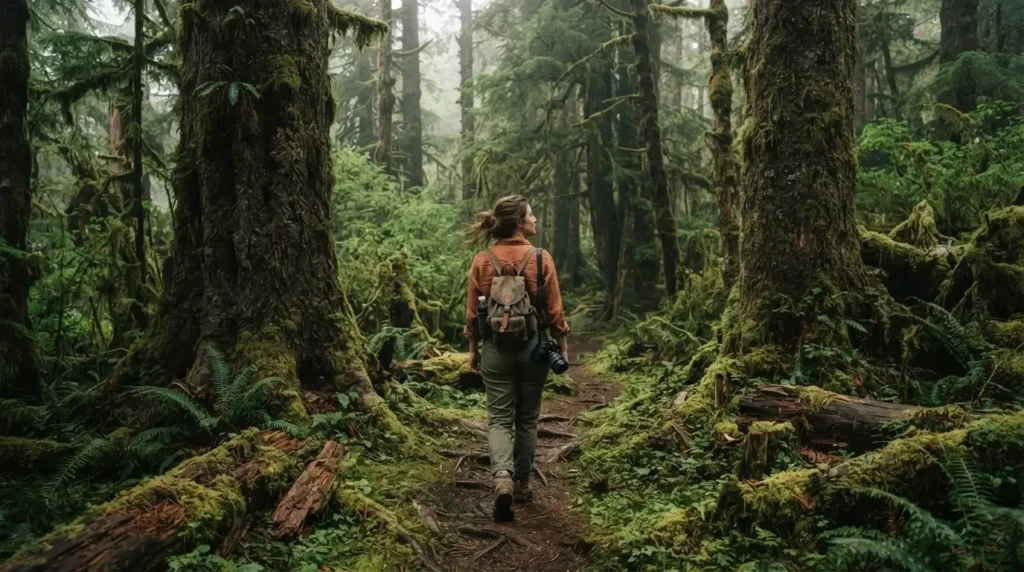
From what solo travelers consistently report, the feeling you get in Haida Gwaii is unlike anything else in Canada. It is the combination of the deep, old-growth Sitka spruce and cedar rainforests, the wild Pacific coastline, and the living presence of Haida culture, a culture that has called this place home for more than 10,000 years.
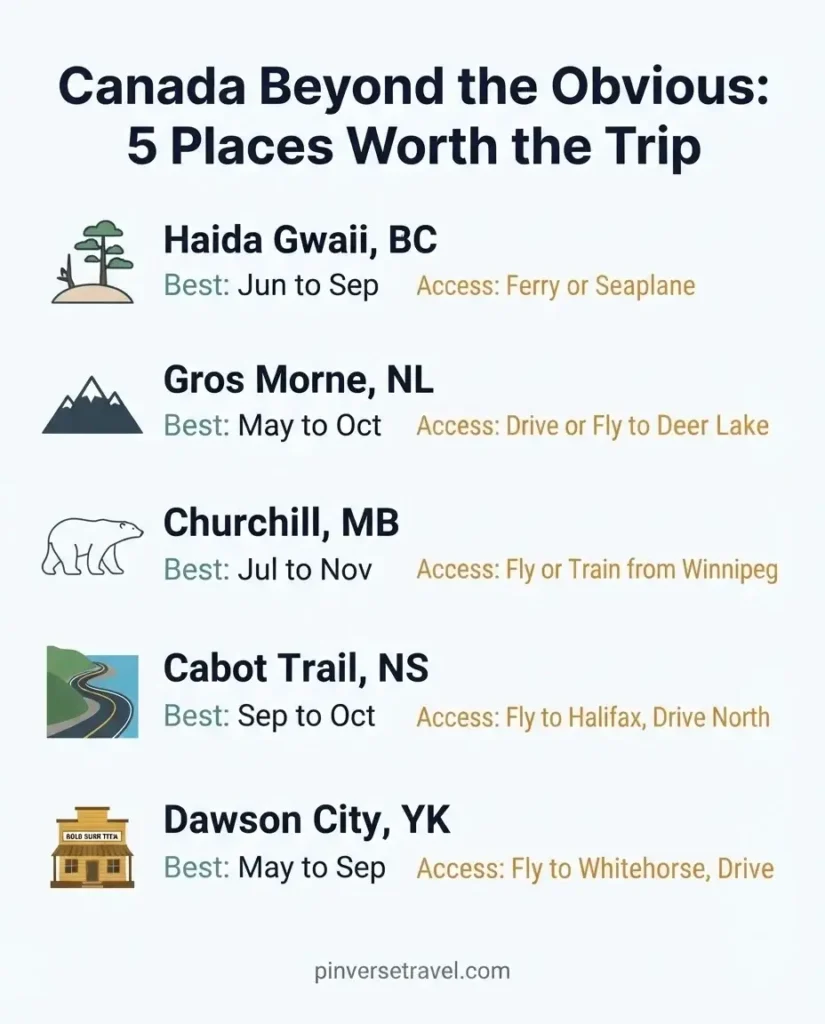
The southern part of the archipelago is protected as Gwaii Haanas National Park Reserve, National Marine Conservation Area Reserve, and Haida Heritage Site, jointly managed by Parks Canada and the Haida Nation. There are no roads into Gwaii Haanas. You get there by boat or seaplane, either on a guided trip with a licensed tour operator or on a self-guided adventure if you have the wilderness skills to manage it. Peak season runs June through September.
What makes Gwaii Haanas genuinely special is the presence of the Haida Gwaii Watchmen, Haida people who live on site at five ancient village locations and bring the history of those carved poles and longhouse ruins to life. This is not a museum. It is a living cultural space, and the Watchmen are its stewards. Approach it with curiosity and respect, listen more than you talk, and you will come away with something that no hike or view can give you.
To get to Haida Gwaii itself (outside the park), you fly into either Sandspit or Masset, or take the BC Ferries service from Prince Rupert. Once you’re on the islands, the main town of Queen Charlotte and the village of Skidegate are your bases. Eat fresh halibut and Dungeness crab wherever you can find it. Both are caught locally and genuinely excellent.
Gros Morne National Park, Newfoundland: Earth History You Can Walk Through
Newfoundland is one of those places that travel writers mention when they want to sound adventurous, and then nobody actually goes. That is slowly changing, but for now, you still have space to yourself in ways that most of North America’s national parks can’t offer.
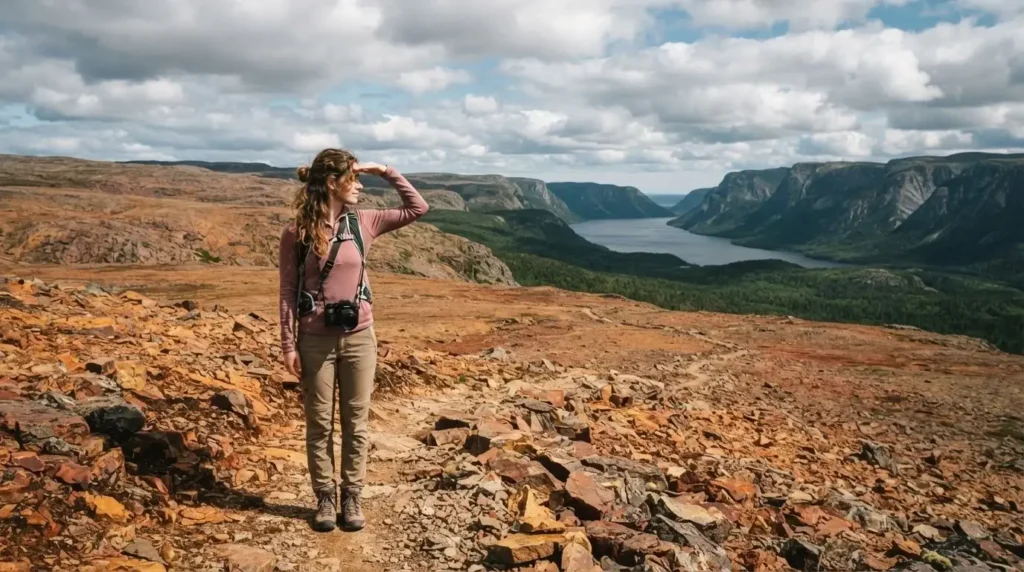
Gros Morne is a UNESCO World Heritage Site for a specific and fascinating reason: the Tablelands. This rusty, Mars-colored plateau is a rare exposure of the Earth’s mantle, rock pushed up from deep below the ocean floor half a billion years ago. You can walk across it on a well-marked trail, stand on some of the oldest and strangest rock on the planet, and feel genuinely small in the best possible way.
Beyond the Tablelands, the park’s Western Brook Pond offers boat tours through a landlocked fjord with 2,000-foot cliffs on either side and waterfalls that sometimes dissolve into mist before they reach the water. The summit hike up Gros Morne Mountain is a challenging 17-kilometer loop and one of the most rewarding days you can spend anywhere in eastern Canada. The mountain is closed to hikers from May 1 and reopens June 28, so plan accordingly if you’re visiting in late spring. The Parks Canada Gros Morne page has current conditions, trail information, and park pass details.
Now, the food. Newfoundland has a culinary tradition unlike anywhere else in North America. The official Newfoundland and Labrador tourism food guide lists toutons (fried dough served with molasses or partridgeberry jam) as a breakfast essential, and they are right. Fish and brewis (salt cod and hard bread soaked overnight and served with scrunchions, which are pan-fried pork fat) sounds more intimidating than it tastes. And bakeapples, the tart golden berries that grow on the boggy coastal terrain, are something you will not find anywhere else. Order bakeapple jam, bakeapple pie, or bakeapple anything, and eat it while you still can.
Rocky Harbour is the most practical base for Gros Morne, a small town with guesthouses, local restaurants, and enough amenities to be comfortable without feeling remotely corporate.
Solo travelers report consistently that Newfoundlanders are among the warmest, most naturally hospitable people in Canada. You will talk to strangers. This is not a problem. It is the point.
Fogo Island, Newfoundland: Slow Travel at the Edge of the World
While you are in Newfoundland, if you have an extra few days, get yourself to Fogo Island. Take Route 330 north from Gander to the ferry at Farewell, which runs regularly and is the only way onto the island. Fogo Island sits on what the island’s older residents still sometimes call “the edge of the world,” a designation that feels less quaint and more literally accurate the longer you spend there.
There are around 2,500 people living on Fogo Island, spread across small outport communities that have kept their identity through fishing, stubbornness, and genuine community bonds. Hikers will find coastal trails winding past dramatic rock formations, wild berries, and views over the North Atlantic that carry no other landmass for thousands of kilometers.
If you’re a fan of design and architecture, you’ve probably seen photos of the Fogo Island Inn, a striking contemporary structure built on stilts over the rocky shoreline. It is genuinely extraordinary to look at, and it operates on a community model where a significant portion of revenue is reinvested in the island. You do not need to stay there to appreciate it from the outside.
For food on Fogo Island, look for local fish and chips at one of the island’s simple restaurants. Cod is the word, always. The ferry schedule back to the mainland is worth checking before you plan your last day, as service frequencies change seasonally.
Churchill, Manitoba: The Wildlife Town at the Top of the World
Churchill does not appear on most Canada itineraries, and that is a tragedy. It sits on the western shore of Hudson Bay in northern Manitoba, and there are no roads leading in. You fly from Winnipeg (about 2.5 hours) or take VIA Rail’s Hudson Bay train, a 36-hour journey that is itself an experience.
Churchill is the kind of place that reframes your sense of what a travel destination can be. Depending on when you go, you will either be watching polar bears wander the tundra, swimming with beluga whales in the Churchill River, or standing outside in the dark watching the northern lights move across the sky.
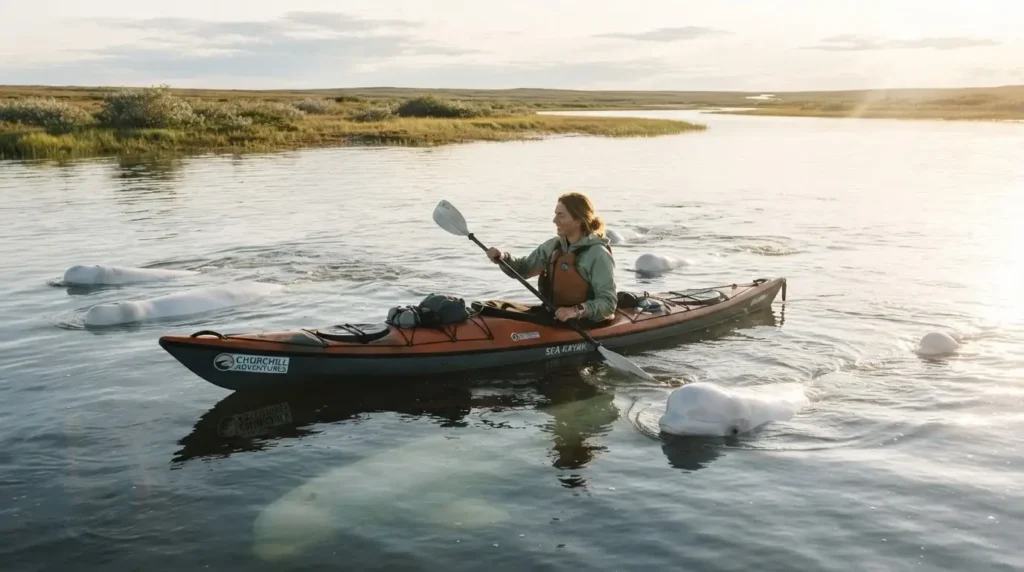
The beluga season runs July through August, when over 57,000 beluga whales migrate into Hudson Bay, with around 4,000 entering the Churchill River estuary. You can kayak among them, which is exactly as surreal as it sounds. Solo travelers report that this is one of those experiences where you feel less like a tourist and more like a witness to something the natural world is doing regardless of whether you showed up.
Polar bear viewing peaks in October and November, as the bears gather near the coast waiting for Hudson Bay to freeze. Specialized tundra vehicles operated by licensed tour companies take visitors out to see the bears safely. The northern lights are visible up to 300 nights per year, with the strongest displays between February and March.
Churchill’s food scene is small but genuine.
The Lazy Bear Cafe, attached to the Lazy Bear Lodge, is consistently recommended by travelers for hearty northern cooking. There is no pretension here and no need for any.
The Cabot Trail, Nova Scotia: A Drive That Earns Its Reputation
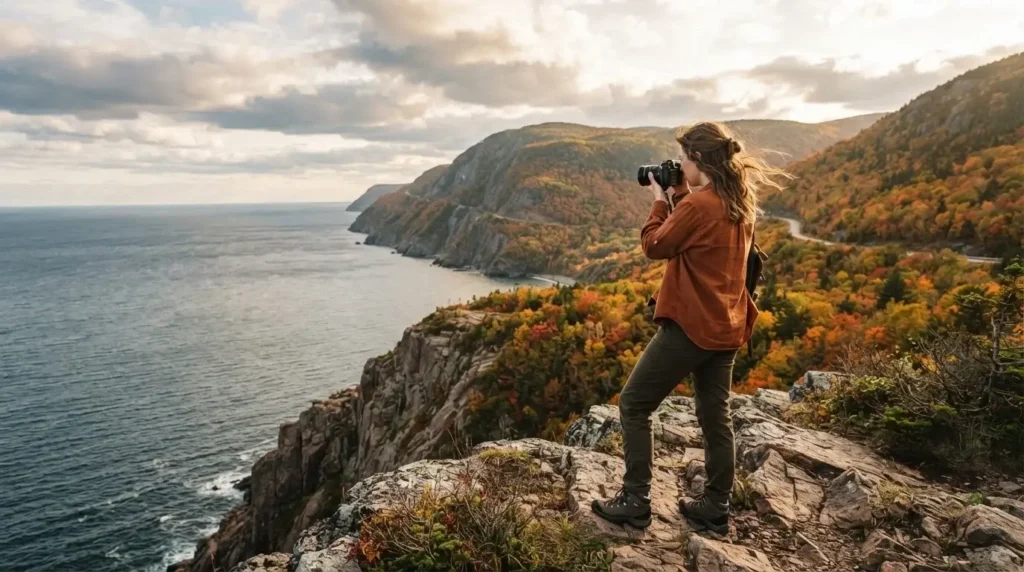
The Cabot Trail has a reputation as one of the world’s great scenic drives, and the reputation is fair. The 298-kilometer loop around the northern tip of Cape Breton Island in Nova Scotia winds through Cape Breton Highlands National Park, climbs forested plateaus, hugs Atlantic coastlines, and passes through small communities where Acadian, Mi’kmaw, and Gaelic traditions all coexist. The Destination Cape Breton Cabot Trail page has current seasonal information and a solid overview of what to expect along each section.
What keeps this place off most travelers’ radar is simple geography: Nova Scotia feels far from the major Canadian gateway cities. It requires a flight into Halifax, then a drive north to Cape Breton Island. But for a solo traveler who wants a road trip that rewards patience and curiosity, the Cabot Trail is one of the best options in North America.
Autumn is the season most travelers agree is the peak, roughly September through mid-October, when the hardwood forests ignite in red and orange against the dark blue of the Atlantic. But summer whale watching in the Gulf of St. Lawrence is equally compelling, with humpbacks, minkes, and pilot whales regularly spotted from shore or from small tour boats.
Eat the lobster rolls. Every one you encounter.
There is no excuse not to in Nova Scotia. Stop in Cheticamp for Acadian food, particularly the fish chowder and meat pies that you will find at small local spots. And take your time. The trail is 298 kilometers, but the communities along it are the whole reason to go.
Dawson City, Yukon: A Gold Rush Town That Never Quite Woke Up
Dawson City sits at the confluence of the Yukon and Klondike rivers in Canada’s Yukon Territory, and it feels like a place that time treated gently rather than forgot. In the late 1890s, this was the largest city west of Winnipeg, the beating heart of the Klondike Gold Rush that drew more than 100,000 prospectors north in search of fortune. Roughly $29 million in gold was pulled from the surrounding ground between 1896 and 1899.
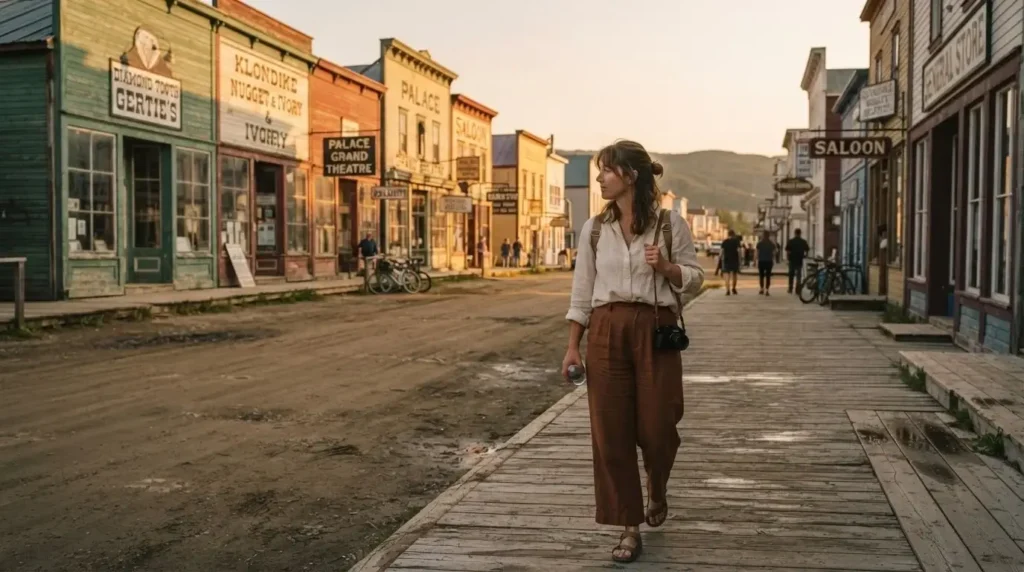
Today, Dawson City has around 1,300 permanent residents. The boardwalk main street, the uneven wooden buildings, and the Parks Canada-maintained historic sites make it feel genuinely, not artificially, preserved. The official Dawson City travel guide offers seasonal visitor information, and the visitor center is staffed from May through September.
What draws solo travelers here specifically is the sense of stepping into a story. You can pan for gold at Claim 33 on Bonanza Creek, tour the historic Dredge No. 4, and spend an evening at Diamond Tooth Gertie’s, Canada’s oldest gambling hall. The Palace Grand Theatre, restored by Parks Canada, runs period shows in summer. None of it is a performance for tourists. All of it is just what Dawson City is.
Getting to Dawson City: most visitors fly into Whitehorse and drive the Klondike Highway north, a roughly 5-hour drive through Yukon wilderness that is itself one of the most dramatic road trips in Canada. Alternatively, small regional flights connect Whitehorse to Dawson City directly.
Eat at Klondike Kate’s, the most beloved restaurant in town, and order whatever is on the daily specials. It is warm, busy, and genuinely good. If you are visiting in summer, check whether any local First Nations cultural events are on during your stay. The Tr’ondek Hwech’in First Nation has called this area home for thousands of years before and after the Gold Rush, and their cultural center in Dawson City is worth at least half a day.
A Few Things Worth Knowing Before You Go
Canada is consistently ranked as one of the safest countries in the world for solo travelers, including solo women. That said, the remote nature of several destinations on this list means your usual urban precautions shift into wilderness-preparedness. Tell someone your itinerary before heading into backcountry. Carry what you need, because “popping to the shop” is not always an option. In places like Gwaii Haanas or Nahanni, you are genuinely in wild territory.
Pack for layering. Canada’s weather varies so dramatically by region and by hour that trying to dress for a single climate is a mistake. A waterproof outer layer, warm mid-layer, and breathable base will cover you in almost every situation.
Canada’s national parks charge daily or annual fees. Parks Canada offers a Discovery Pass that covers entry to all national parks and historic sites for one year, which is worth it if you plan to visit more than one or two parks on a single trip.
And finally: don’t rush. The biggest mistake most travelers make in Canada is trying to cover too much. This country is built for slow travel. Pick two or three destinations, give them the time they deserve, and let them actually get under your skin. The places I’ve described here are not efficient to visit. They are worth it.
The Takeaway
Here’s what I want you to remember. Canada’s most famous places are famous for a reason, and there is no shame in loving them. But every one of the spots I’ve covered here offers something the popular destinations can’t: space, stillness, cultural depth, and the genuine feeling of being somewhere most people never find.
You don’t need to be an extreme adventurer to reach any of them. You need a passport, a willingness to take a ferry or a regional flight, and the curiosity to show up without a script.
The hardest part of any trip like this is making the decision to go. Once you do, Canada will handle the rest.