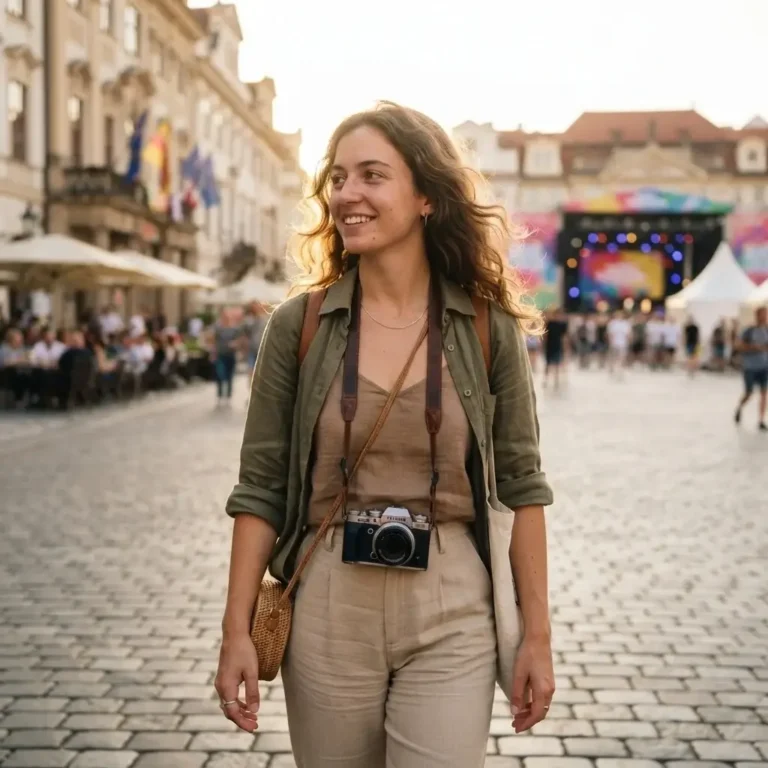

I remember the exact moment I realized my life was becoming a checklist. I was sitting in my old office, staring at a spreadsheet, counting down the days until my next “approved” vacation. I had spent years following the “right” path—university, the corporate job, the steady paycheck—but I felt like a tourist in my own life. I wanted depth. I wanted to wake up in a place and actually understand how it breathed.
When I left that world, I promised myself I would never again treat travel like a race. That brings me to Wellington. People often ask me how to see New Zealand’s capital in a weekend. My answer? Stop trying to see it and start feeling it. Exploring Wellington in a 3-day itinerary is not about running from the Te Papa Museum to the Cable Car to Mount Victoria in a breathless haze. It’s about the wind in your hair, the smell of roasted coffee beans in a hidden alleyway, and the quiet joy of being a solo traveler in one of the friendliest cities on Earth.
Why Three Days is the Perfect “Slow” Window
Wellington is compact, hilly, and fiercely creative. If you spend three days here with a “slow travel” mindset, you can actually peel back the layers. You have enough time to find your “regular” coffee shop, walk the same waterfront path twice, and engage in genuine conversations with locals.
Before you head out, I always suggest that you look into the official safety and entry requirements for New Zealand via the US Department of State Travel site. It helps clear your mind of any administrative worries before you even touch down. Knowing you are prepared means you can focus entirely on being present.
Day 1: Finding the Pulse of the City
On your first day, don’t worry about the big sights. Let your feet lead the way. Start in the Te Aro neighborhood. This is where the city’s heart beats. I love starting my morning by walking through the Cuba Street area. It’s iconic, yes, but if you look past the buskers and the tourists, you’ll see the real Wellington.
Find a small cafe—there are dozens—and just sit. Order a flat white (it’s practically a religion here). Watch the way the locals dress, the way they move, and the way they interact with the unique coastal climate.

This isn’t wasted time. This is how you acclimate.
If you are concerned about your health or specific travel safety protocols while moving through such a bustling area, it is always a smart idea to browse the latest health and safety guidance from CDC Travelers’ Health to ensure you are feeling your best during your trip. Being healthy is the foundation of a good adventure.
In the afternoon, head toward the waterfront. Wellington is a city defined by its harbor. Don’t rush. Walk the entire length of the harbor until you reach the Oriental Bay area. If it’s warm, sit on the sand. If the famous Wellington wind is howling, find a sheltered bench and watch the ferries crossing the Cook Strait. This is the perfect time to pull out your journal and write down your first impressions. Why are you here? What do you want to learn from this city?
Day 2: Culture, Conversation, and Coastal Hikes
Now that you’ve found your rhythm, it’s time to dig into the culture. You cannot talk about Wellington without mentioning Te Papa Tongarewa, the national museum. Most people rush through it in two hours. Don’t.
Spend your entire morning here, but pick only two exhibits that truly interest you. Perhaps it’s the Māori history or the geological story of the islands. Learning about the indigenous culture of Aotearoa is a privilege, and it changes how you view the landscape around you.
After you’ve soaked up the history, it’s time to get your heart rate up. One of my favorite things to do is walk up to Mount Victoria. It’s steep, yes, but it’s a great way to feel the city’s layout.
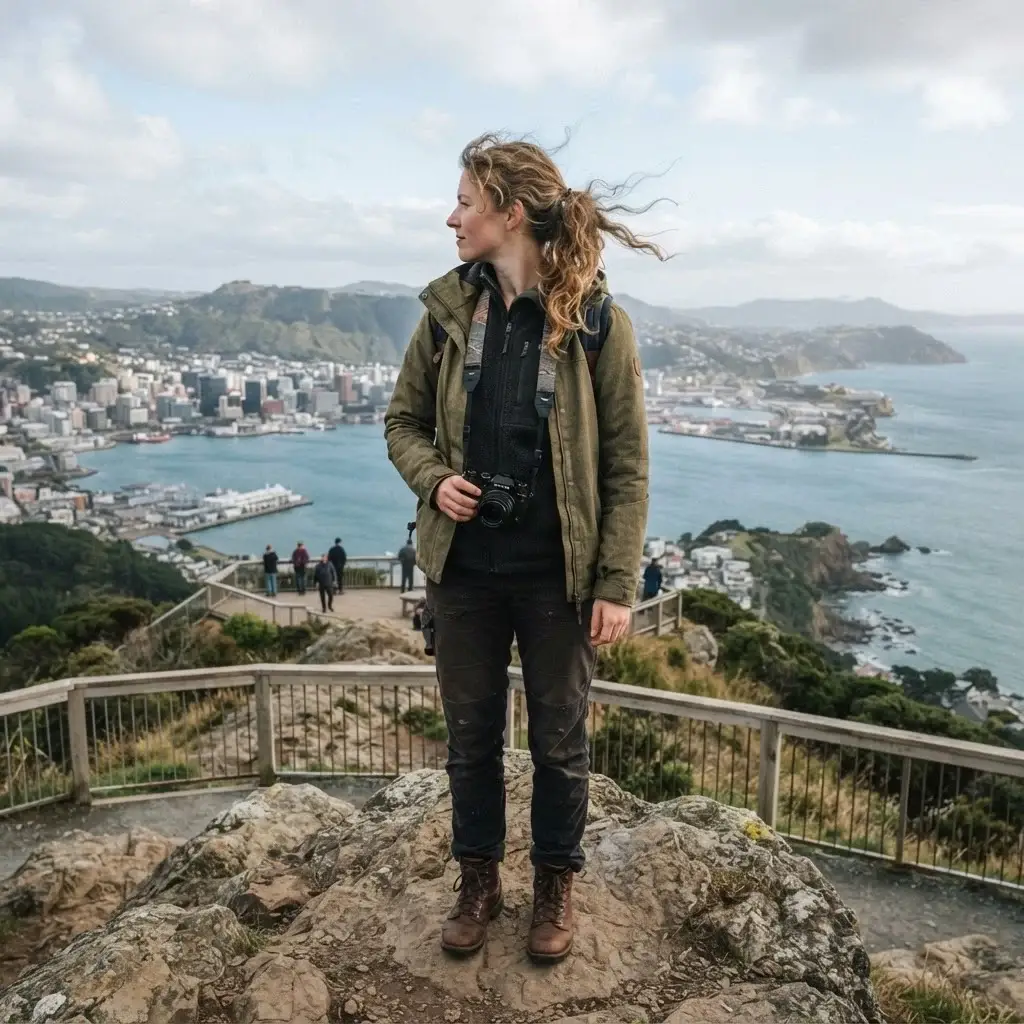
When you reach the top, the view of the harbor and the rolling hills is breathtaking. You’ll see exactly why Wellington is often called the “Windy City.”
If you’re wondering how to keep your peace of mind while out and about on these hikes, many travelers find it helpful to read through the practical advice on travel insurance and safety from World Nomads to understand how to handle unexpected bumps in the road. It’s all about building that solo traveler confidence.
For dinner, avoid the main tourist strips. Look for smaller, independent restaurants in the alleys off Courtenay Place. Wellington has an incredible culinary scene that prides itself on local, sustainable ingredients. Try a dish featuring New Zealand lamb or fresh, local seafood. Eating local is the fastest way to understand the values of a place.
Day 3: Stepping Outside the Comfort Zone
By the third day, you’ve likely seen the main “sights,” so now it’s time to do something that feels a bit more like living here. I love taking the iconic Red Cable Car up to the Botanic Garden, but instead of just coming back down, I suggest you walk back into the city through the Kelburn neighborhood.
Walking through residential areas is my secret to seeing the “real” city. You see how people live, the types of houses they build on these steep hills, and the small gardens they tend to.
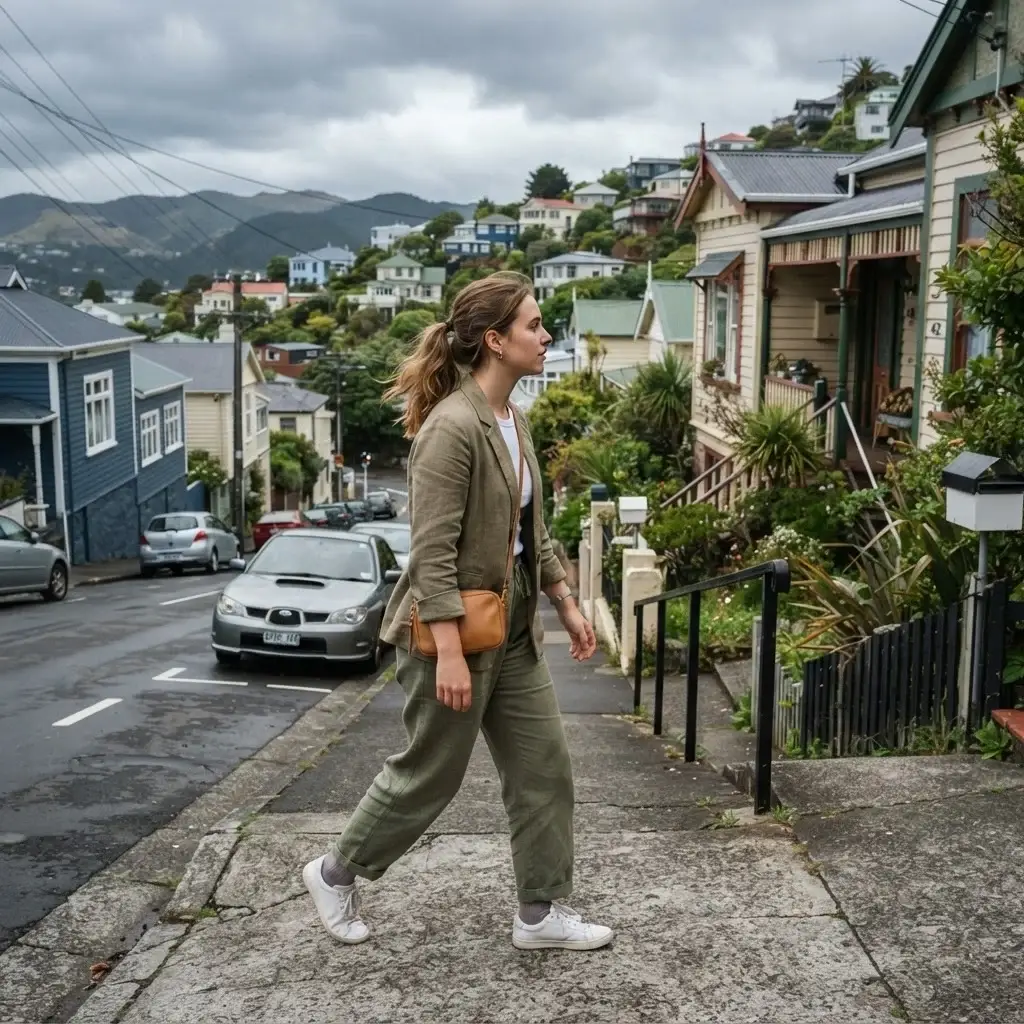
It’s a quiet, humbling experience.
If you are a fan of world heritage sites or want to explore more significant landmarks, you can check for any UNESCO-listed cultural sites nearby via the official UNESCO World Heritage database. While Wellington itself is a modern capital, understanding the broader heritage of the region adds a layer of depth to your walking tour.
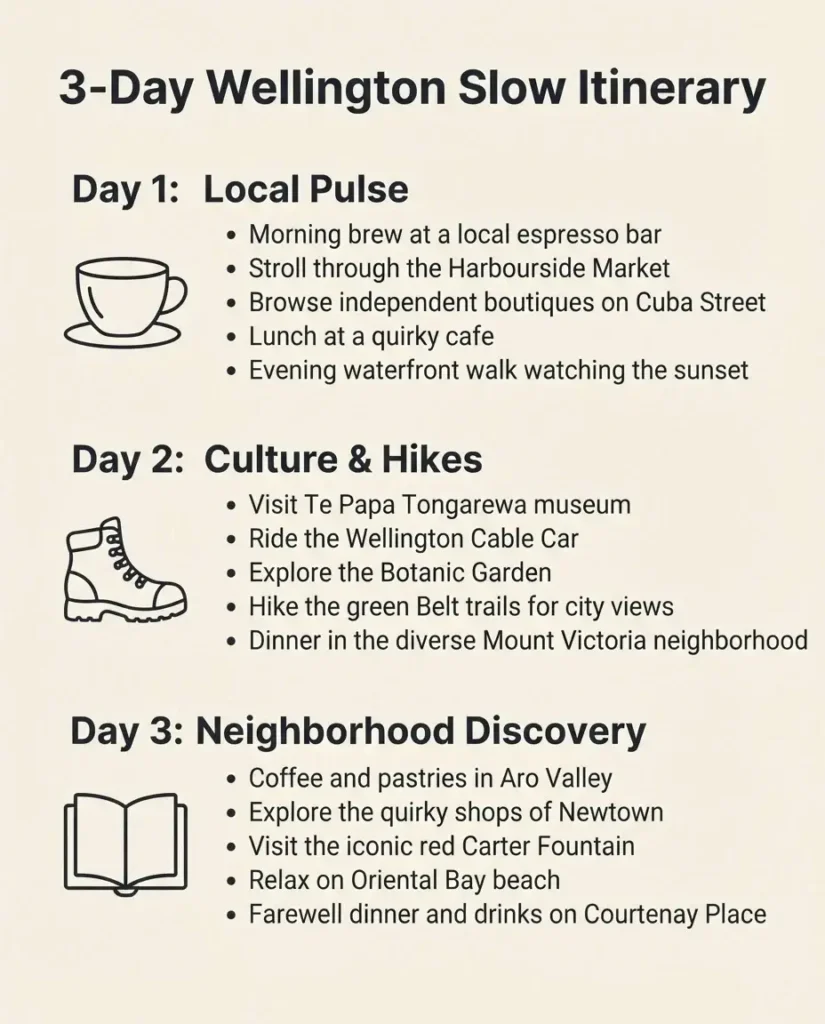
In the afternoon, find a bookstore. Wellington is a city of readers and writers. I could spend hours in the independent shops here. Pick up a book by a local author and spend your last few hours in a park. Let the city wash over you one last time.
Before you leave, treat yourself to a final “slow” meal. Reflection is the most important part of the journey. Ask yourself: did I rush? Did I try to check boxes? Or did I listen to the city? If you spent these three days truly present, you’ll find that you didn’t just visit Wellington—you experienced it.
Practical Tips for Your Wellington Journey
Transportation in Wellington is incredibly intuitive. The city is designed for walking. However, if you find yourself needing to go further afield, keep in mind that understanding how digital transport apps work for travelers can be a lifesaver when you need a ride to a further trailhead or a late-night return to your accommodation. Always keep your phone charged and your maps downloaded offline.
Don’t worry about the weather. Wellington weather changes every twenty minutes. I’ve learned to dress in layers, regardless of the forecast.
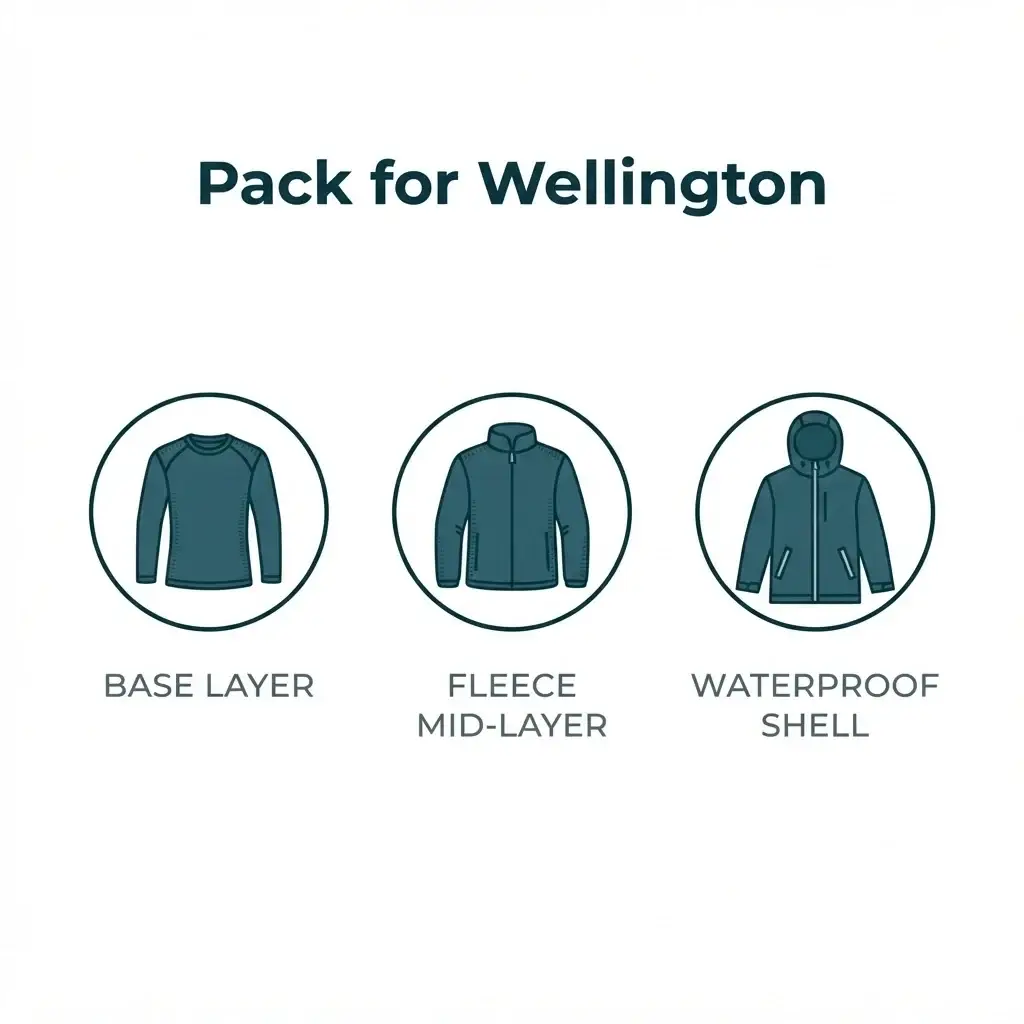
A good, lightweight rain jacket is my best friend here. It’s not about fighting the elements; it’s about being comfortable enough to enjoy them.
Finally, remember my core belief: the perfect time to travel is now. You don’t need a huge budget or a luxury resort to have a transformative experience. Wellington is waiting for you, not as a list of things to do, but as a place to be.