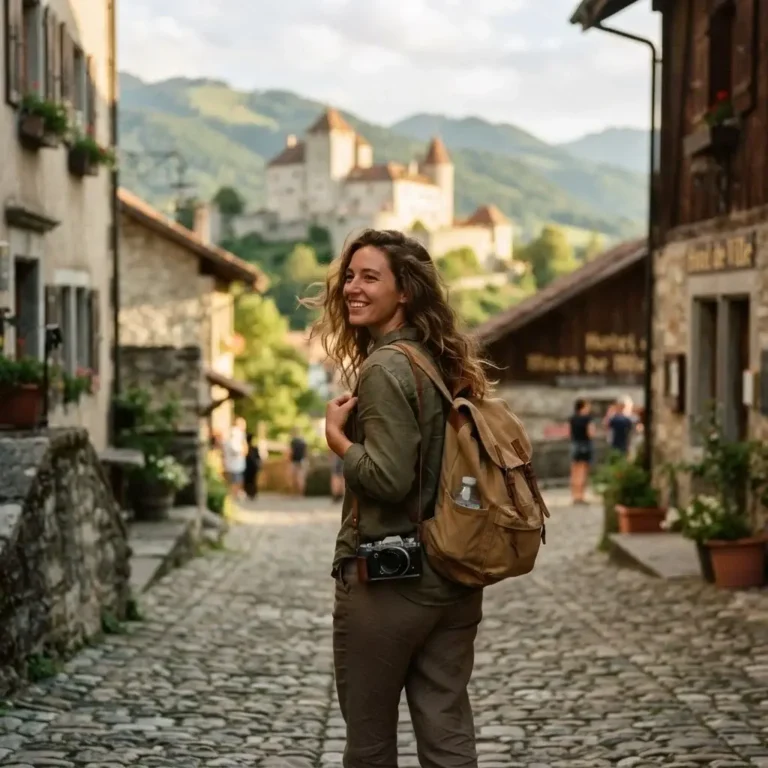
I still remember standing under a stone ceiling so high it made my neck hurt, thinking about how strange it was that someone built this by hand, without cranes or computers, centuries before anyone could have imagined what “tourism” would even become. That feeling, small and a little dizzy, is the one I chase now every time I plan a trip around old churches. If you’ve ever felt pulled toward Gothic cathedrals in Europe but weren’t sure where to start, what to expect, or whether you’d feel out of place walking in with a backpack and a camera, I want to walk you through this the way I wish someone had walked me through it back when I was a nervous twenty-something backpacking solo across Europe for the first time.
This isn’t a highlight reel of pretty photos. It’s a practical, honest breakdown of which cathedrals are worth building a trip around, what they actually cost, how to behave once you’re inside, and how to avoid the mistakes that turn an inspiring day into a stressful one.
What Actually Makes a Cathedral “Gothic,” in Plain English
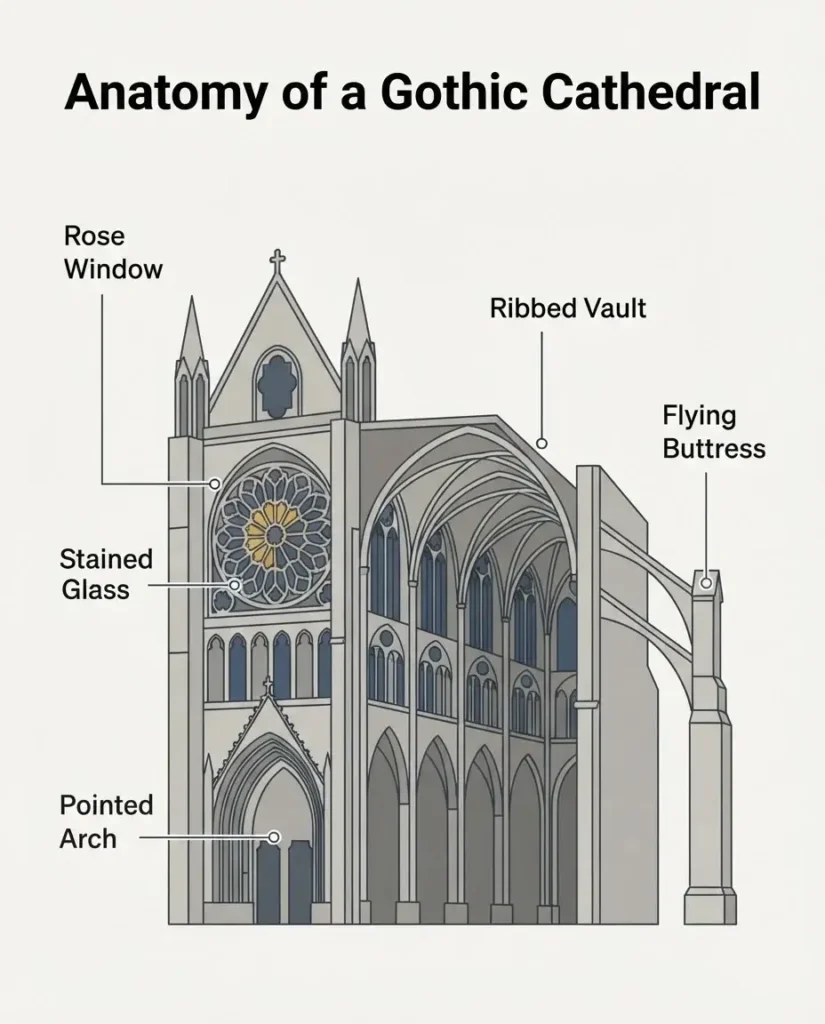
Before we get into specific buildings, it helps to know what you’re looking at. Gothic architecture developed in France starting in the 1100s, and it was a genuine engineering leap for its time. Builders figured out how to use pointed arches instead of rounded Roman ones, which let them distribute weight differently. That let them build taller. Ribbed vaults on the ceiling spread the load across a skeleton of stone rather than heavy solid walls. And flying buttresses, those dramatic stone arms you see propping up the outside of a cathedral, took the pressure off the walls entirely, which meant architects could finally cut huge windows into them.
That’s the real story behind stained glass. It’s not decoration for decoration’s sake. It’s a direct result of engineers solving a structural problem and realizing they now had room for color and light. Once you know that, walking through a rose window’s glow feels less like sightseeing and more like understanding a five-hundred-year-old solution to a physics problem.
Notre-Dame de Paris: How the Reopening Changed the Visit
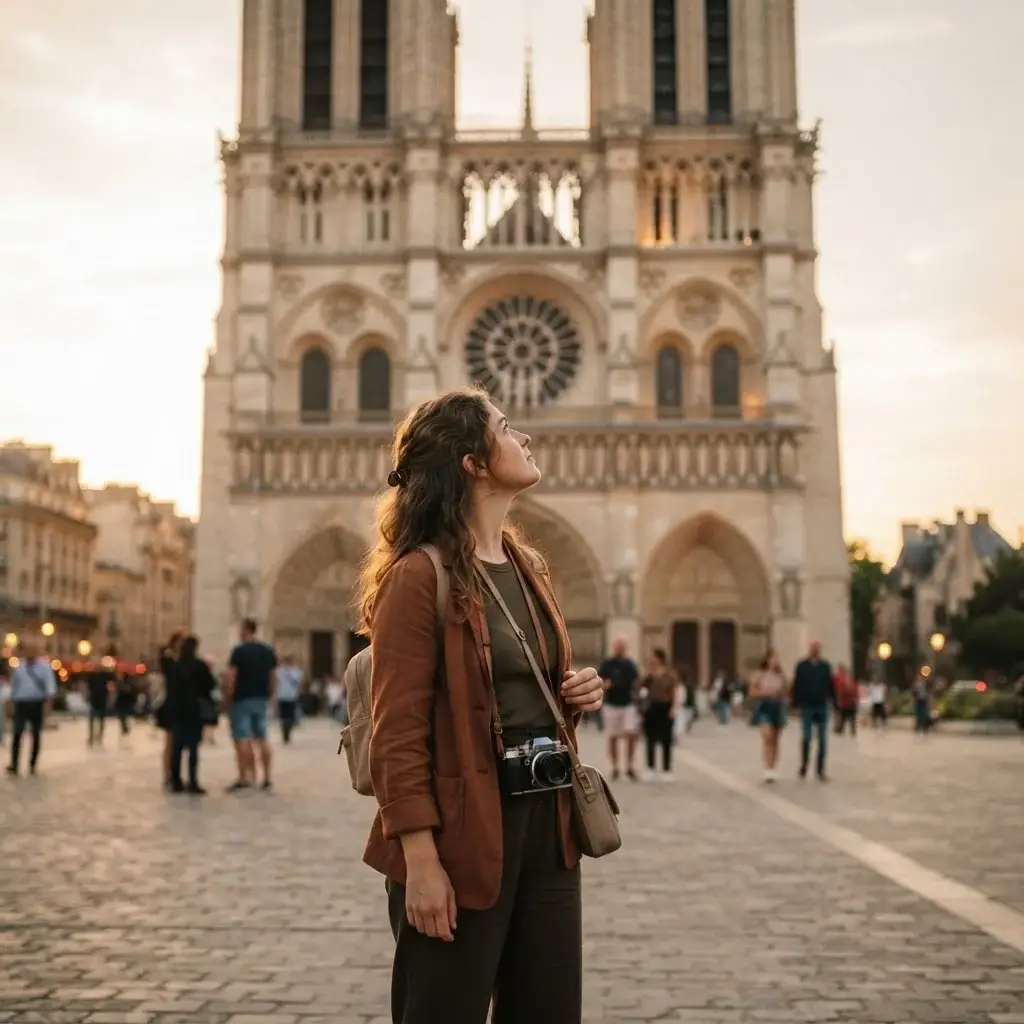
Notre-Dame is probably the cathedral most people picture first, and for good reason. After the devastating fire in April 2019, the cathedral underwent years of painstaking restoration, and it reopened to the public in December 2024. If you’re wondering whether it’s actually open now, yes, it is, and the good news is entry remains free.
Current hours run Monday, Tuesday, Wednesday, and Friday from 7:50 a.m. to 7:00 p.m., with Thursday extended until 10:00 p.m., and weekend hours from 8:15 a.m. to 7:30 p.m. I’d recommend checking the official Notre-Dame visitor page before you go, since timed entry slots are strongly encouraged during busy periods and hours can shift around religious holidays. During my own solo backpacking trip through Europe years ago, I learned the hard way that “free entry” does not mean “no line,” so build in buffer time, especially in the morning when tour groups arrive in waves.
Inside, look up at the restored stone vaulting and notice how bright the interior feels now compared to older photos. Restoration cleaned centuries of soot off the walls, and the difference is noticeable even to a first-time visitor with zero architecture background.
Chartres Cathedral: The Day Trip From Paris That’s Actually Worth It
If you only have time for one cathedral outside Paris, make it Chartres. It sits about 80 kilometers, or 50 miles, southwest of the city, and you can reach it by train in roughly an hour, which makes it one of the easiest meaningful day trips in France. Chartres holds a genuinely significant title too. It was classified by UNESCO as a World Heritage Site in 1979, and it was actually the very first cathedral in France to earn that recognition.
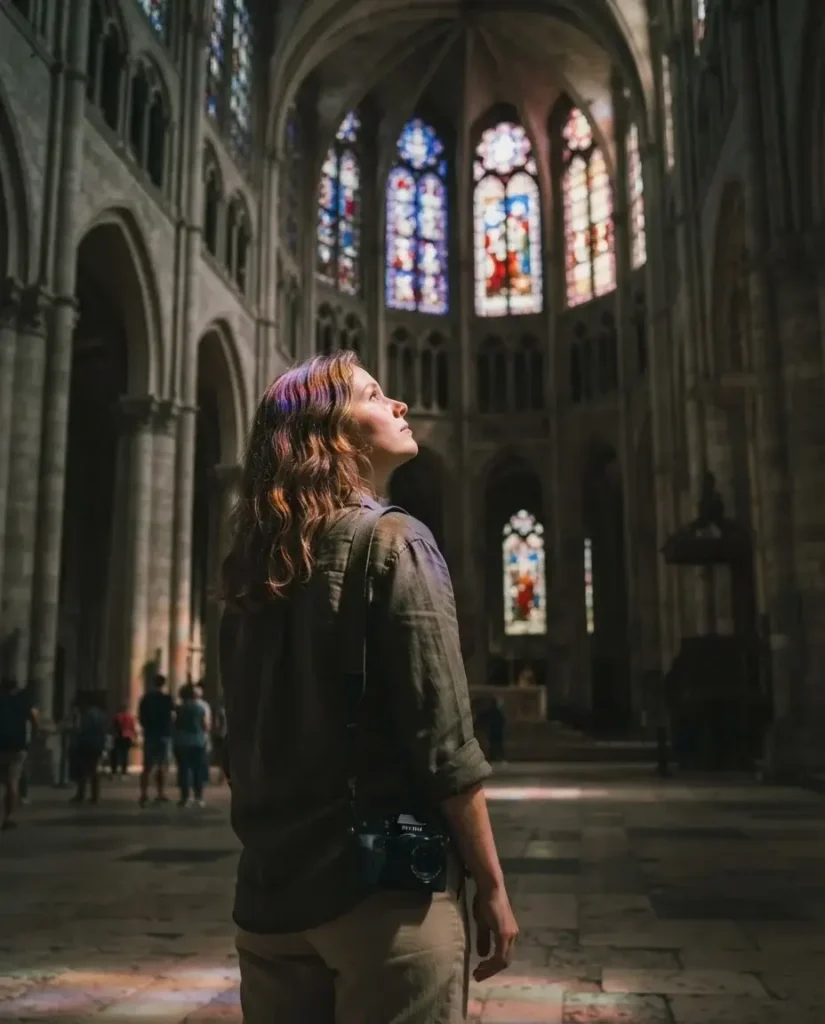
What makes Chartres different from Notre-Dame isn’t size, it’s completeness. Much of its original medieval stained glass survived the centuries intact, including the famous deep “Chartres blue” that art historians still study today. Give yourself at least two to three hours here, not because the building is huge, but because the glass rewards slow looking. Rushing through Chartres is like flipping through a novel instead of reading it.
Reims Cathedral: Where French History Was Actually Crowned
Reims doesn’t get the same instant name recognition as Notre-Dame or Chartres, but its history might be the most dramatic of the bunch. This is the cathedral where the majority of French kings were crowned for roughly a thousand years, including Charles VII in 1429 with Joan of Arc standing beside him.
The nave itself is free to visit, but if you want to climb the towers for sweeping views over the city, tickets run around 9 euros, with free access for visitors under 26. You can check current tour times and seasonal hours on the official Reims Cathedral site before you plan your visit, since tower access schedules shift by season and sometimes close entirely in bad weather. If you’ve got even a spare afternoon on a Paris trip, Reims makes a strong case for a slightly longer day trip than Chartres, especially if French royal history interests you more than pure architecture.
Cologne Cathedral: Germany’s Unfinished-Then-Finished Giant
Cologne Cathedral has one of the wildest construction stories in this entire list. Building started in 1248 and then stalled for centuries, literally left half-built with a crane sitting on top of the unfinished tower for so long that the crane became a local landmark itself. Construction finally resumed in the 1800s and wrapped up in 1880, more than 600 years after it began.
The cathedral is open daily from 6:00 a.m. to 8:00 p.m., though general tourist access is usually limited to shorter windows, typically around 10:00 a.m. to 5:45 p.m. on weekdays with somewhat reduced Sunday hours. Entry to the nave is free. You can confirm exact current hours through the official Cologne Cathedral site since the cathedral occasionally adjusts access around services and special events. One practical tip: Cologne’s main train station sits almost directly beside the cathedral, so if you’re doing a rail-based Europe trip, this is one of the easiest “step off the train, look up” cathedral experiences you’ll find.
Milan’s Duomo: Gothic Drama With a Rooftop Payoff
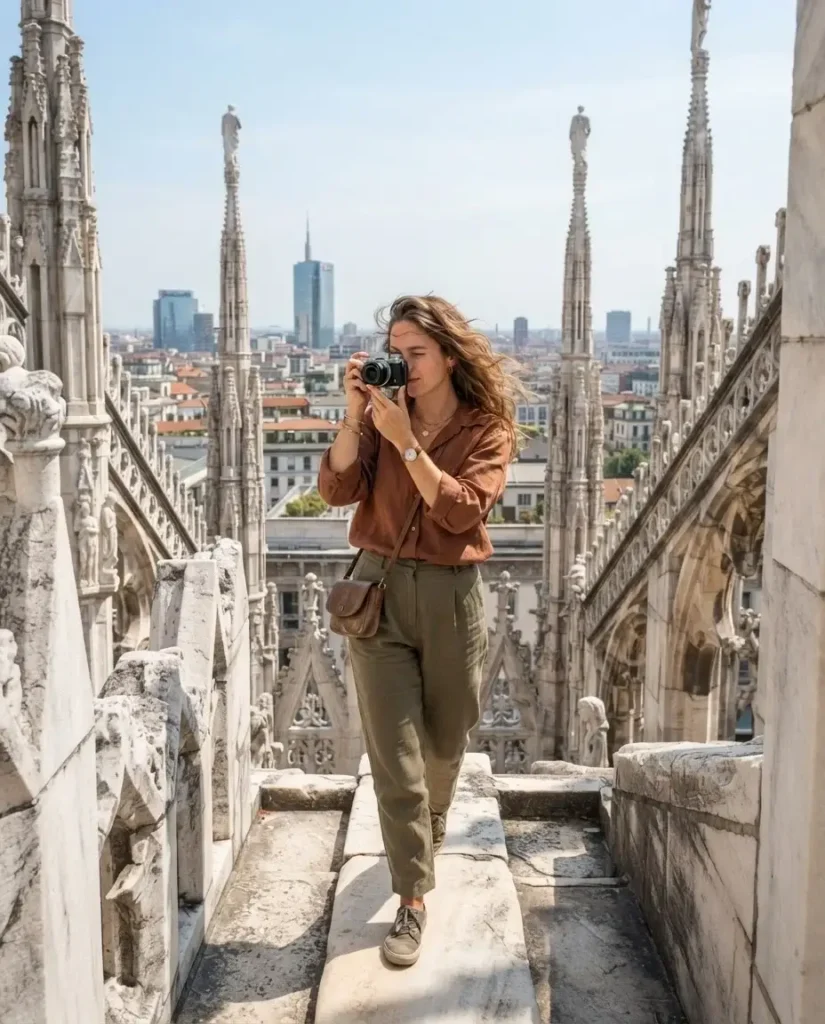
Most Gothic cathedrals ask you to look up. Milan’s Duomo asks you to climb up instead. This is one of the largest churches in the world, and one of its biggest draws is the rooftop terrace, where you can walk among the spires and marble statues with the city spread out below you and, on a clear day, the Alps visible in the distance.
Rooftop terrace tickets using the stairs start around 26 euros, while options that include elevator access or fast-track entry run closer to 32 to 34 euros. Given how popular the rooftop has become, especially April through October, I’d book directly through the official Duomo di Milano website rather than showing up and hoping for a same-day slot. If you’re traveling solo, the rooftop is genuinely one of the more social spots on this list, since it’s the kind of view that makes strangers start chatting.
Seville Cathedral: The Largest Gothic Cathedral on Earth
Seville Cathedral holds a title that surprises a lot of first-time visitors: it’s the largest Gothic cathedral in the world. It was built directly on top of a former mosque, and the bell tower, La Giralda, still shows its Islamic architectural roots even though the rest of the structure is unmistakably Gothic.
General admission runs around 13 euros when booked online, slightly more at the door, and hours typically run from 11:00 a.m. to 7:00 p.m. Monday through Saturday, with Sunday hours starting later in the afternoon. You can check the current schedule directly through the official Seville Cathedral ticketing page, since holiday closures and special mass schedules do affect tourist access here more than at some other cathedrals on this list. Climbing La Giralda is included with your ticket, and unlike a lot of European bell towers, it uses ramps instead of a spiral staircase, since it was originally designed for horses to climb during its mosque-era construction.
St. Vitus Cathedral in Prague: Gothic Inside a Castle Complex
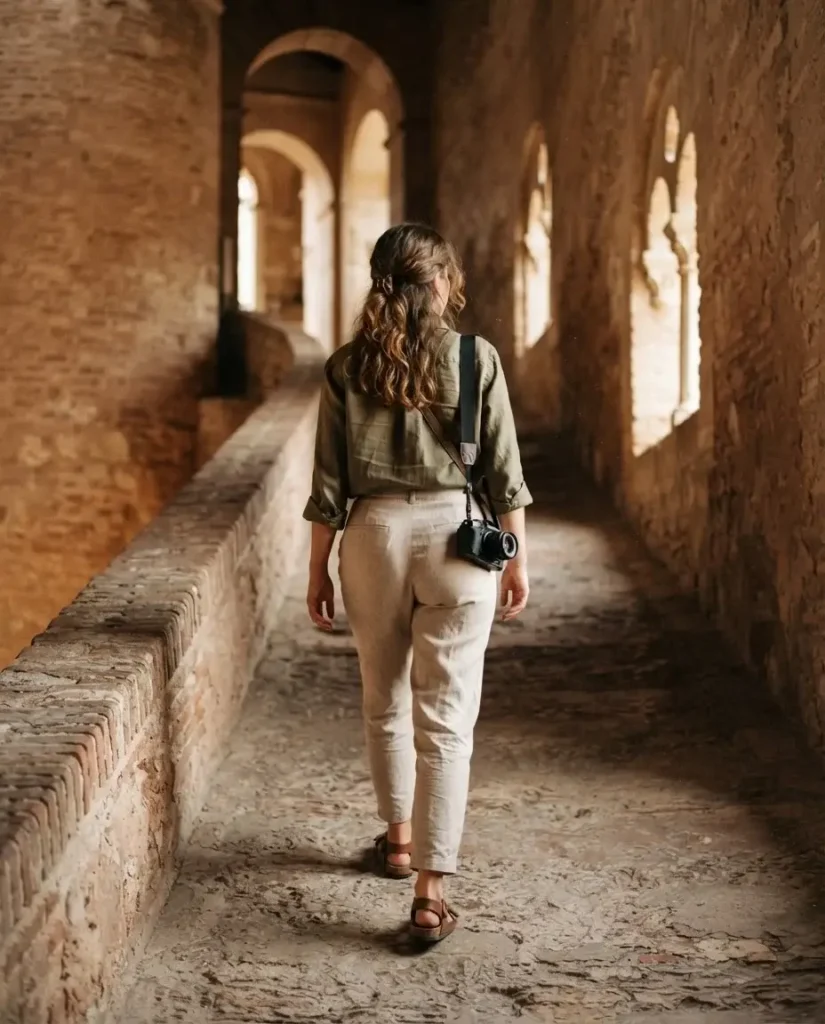
St. Vitus is a slightly different experience than the others on this list, because you can’t visit it in isolation. It sits inside the walls of Prague Castle, which means your visit naturally becomes part of a much bigger complex covering centuries of Czech history.
The cathedral itself typically keeps hours of around 9:00 a.m. to 5:00 p.m. Monday through Saturday and noon to 5:00 p.m. on Sundays, while the surrounding castle grounds stay open much later into the evening. You can confirm current opening times through the official Prague Castle visitor page for St. Vitus Cathedral, which also covers combined ticket options for the rest of the castle complex. My honest tip for solo travelers here: arrive right at opening if you can. The courtyard outside fills with tour groups fast, and you’ll get a genuinely different experience seeing the cathedral’s western facade in near silence before the crowds arrive.
How to Dress and Behave Inside a Working Cathedral
Every cathedral on this list is still an active place of worship, not a museum, even though it functions as both. That distinction matters more than most travel guides admit.
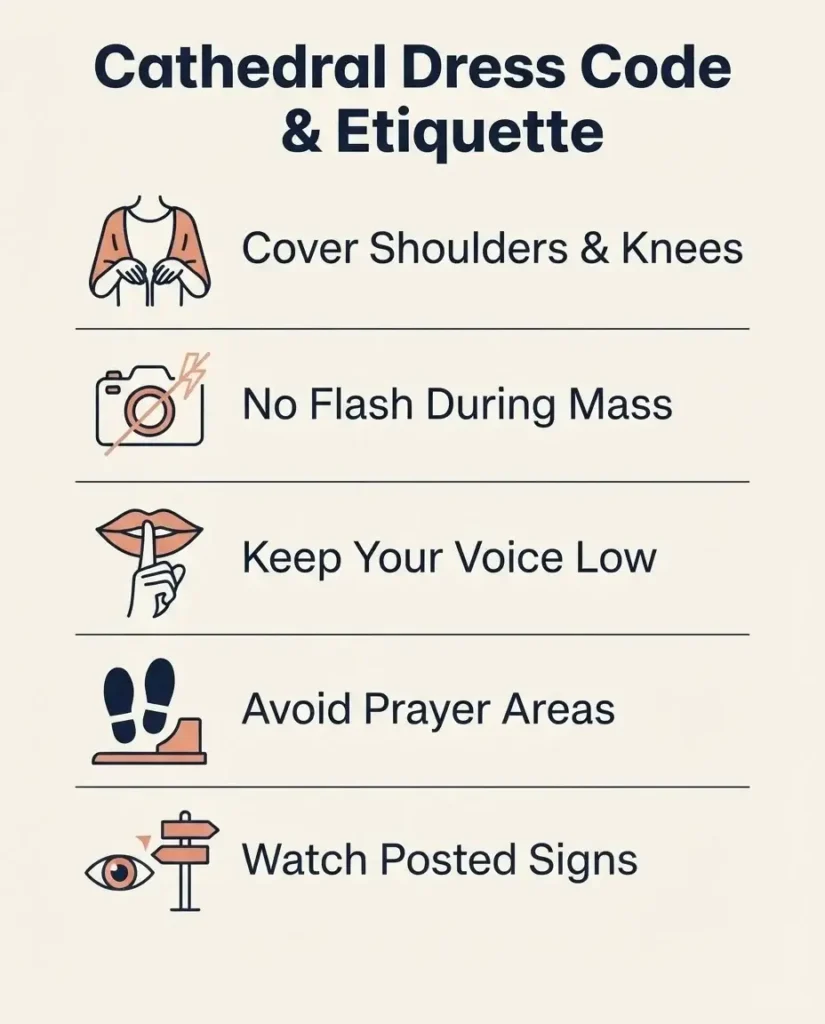
The general rule across nearly all of these sites is to cover your shoulders and knees. This applies to everyone, not just women, and it applies regardless of how hot the weather is outside. I always pack a lightweight scarf specifically for this reason, since it doubles as sun protection outdoors and instant shoulder coverage indoors. Loud conversation, flash photography during services, and walking through active mass or prayer areas are all things to avoid, even if a cathedral technically allows general tourist access at that hour. When I taught English in Thailand, I learned a similar lesson visiting Buddhist temples that were simultaneously tourist attractions and living places of worship. The lesson translates directly here: check posted signs, watch what locals around you are doing, and when in doubt, move quieter and slower than you think you need to.
Mistakes First-Time Cathedral Visitors Tend to Make
The most common mistake I see, and one I made myself early on, is trying to fit too many cathedrals into too little time. Rushing through Chartres in twenty minutes because you’re racing to catch a return train defeats the entire point of visiting. A second common mistake is skipping research on dress code and getting turned away at the door, which happens more often than people expect, especially in Seville and Rome-adjacent stops on a broader Europe trip. A third mistake is assuming every cathedral is free. Nave access is often free, but towers, rooftops, and treasury exhibits usually carry separate fees, and those add up fast if you’re visiting several cathedrals in one trip without budgeting for it.
Building Your Own Cathedral Route Without Burning Out
If you’re mapping a multi-cathedral trip, resist the urge to chain them together back to back every single day. Cathedral fatigue is real. After my third or fourth major church in a short stretch of backpacking through Europe, I noticed the details started blurring together, and that’s usually a sign to slow down, not speed up.
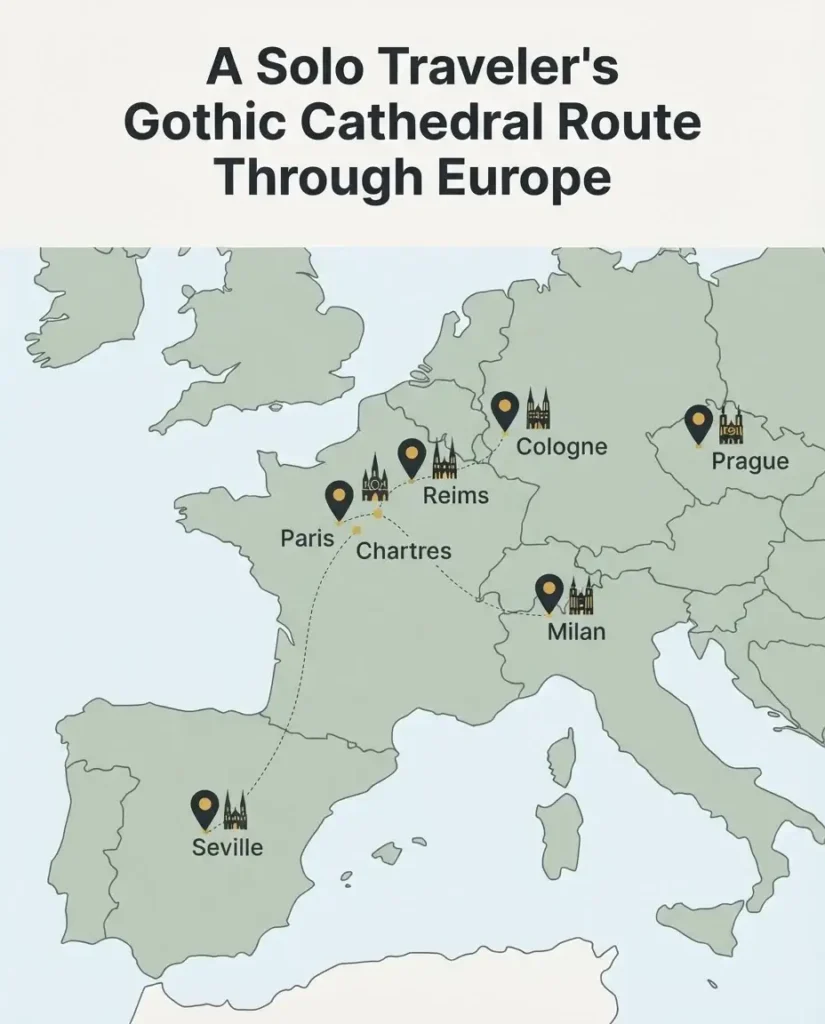
A realistic route might pair Paris with Chartres and Reims as day trips, since both are reachable by train in under two hours. From there, a rail journey toward Cologne keeps you within Gothic architecture’s original French and German heartland. If you want to extend further, Milan and Seville each deserve their own dedicated day rather than a rushed afternoon stop, and Prague works well as a final leg since St. Vitus sits inside a larger castle experience you’ll want unhurried time to explore anyway.
Budget-wise, plan for roughly 10 to 35 euros per cathedral depending on whether you add tower or rooftop access, and always check each cathedral’s current hours before finalizing train tickets, since several of these sites close earlier on Sundays or during religious holidays.
Why This Kind of Trip Is Worth the Effort
I think the reason Gothic cathedrals pull people in so consistently isn’t really about religion, even for travelers who aren’t religious at all. It’s about standing inside proof that ordinary people, working with basic tools and decades of patience, built something that still takes your breath away hundreds of years later. That’s a kind of perspective that’s hard to get anywhere else, and it’s exactly the kind of slow, immersive travel experience I keep coming back to, whether I’m exploring cathedrals in Europe or sitting in a family’s home in Ghana learning how differently a day can move when you’re not rushing it. Give these buildings your full attention, even for just an hour each, and I think you’ll leave with more than a photo. You’ll leave understanding a little more about how long human beings have been reaching for something bigger than themselves.