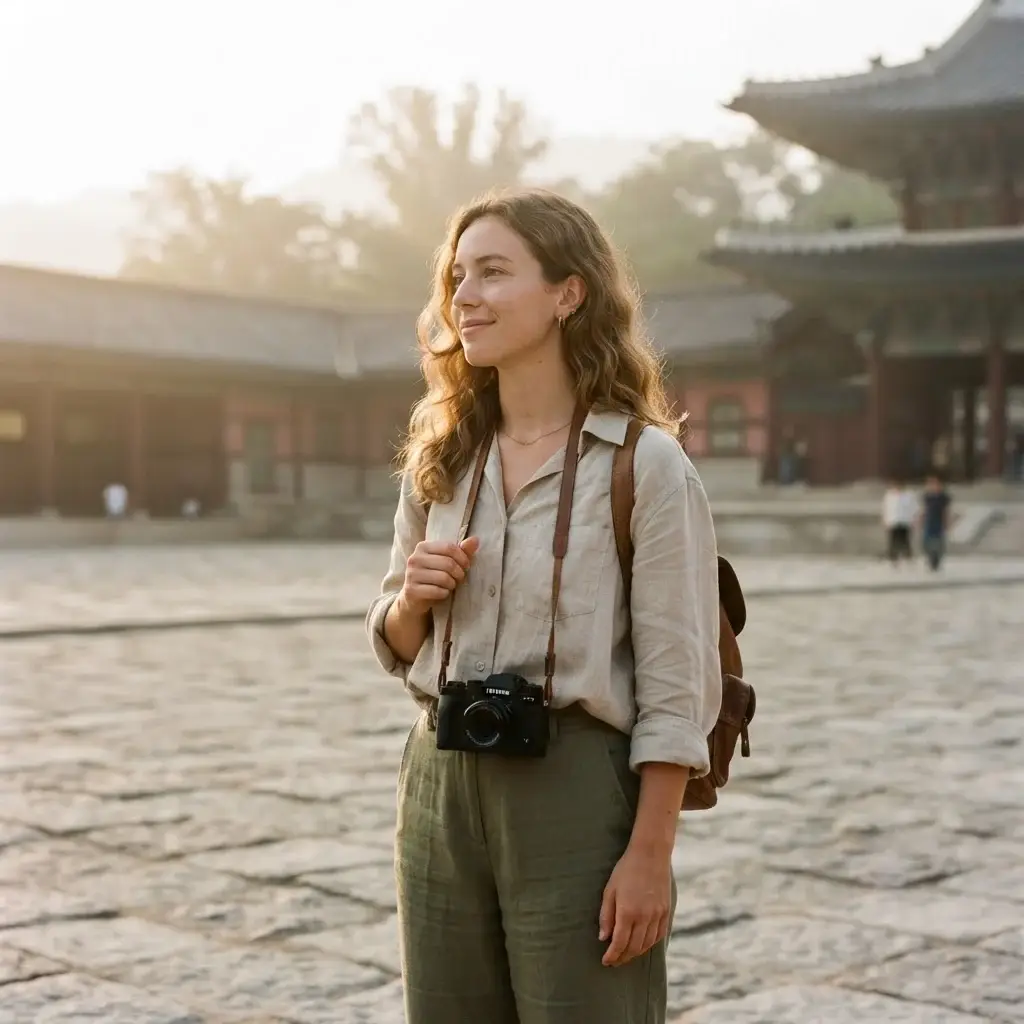
I still remember the absolute panic I felt during my first night in Seoul. Years ago, before I launched this blog, I walked away from a comfortable but soul-crushing 9-to-5 office job in New York. To fund my new life of travel, I worked long double shifts waitressing in busy diners and even spent a year teaching English abroad. I thought those experiences had made me tough. But standing at a massive, neon-lit intersection in Dongdaemun with a heavy backpack and a map app that refused to show my location, I felt completely small and overwhelmed.
Seoul is a giant, fast-moving megacity. It can easily intimidate you if you try to wing it. If you only have three days, a lack of planning will lead to sore feet, missed meals, and hours wasted on the wrong subway trains.
I wrote this guide to save you from those frustrating moments. This is the exact, deeply practical 3-day itinerary for Seoul: What to do & eat that I wish someone had handed me when I first stepped off the plane. We are going to bypass the hyper-commercial tourist traps, break down exactly how to order local food without knowing Korean, and give you the confidence to navigate this beautiful city like an old pro.
The Pre-Trip Groundwork: What to Download and Pack Before Landing
Before we talk about palaces and pork belly, we have to fix your tech. If you rely on your usual apps here, you will get lost. Because of national security regulations, standard international mapping apps do not work well in South Korea. They will show you a blurry map, but they will not give you walking directions or live subway paths.
Essential Navigation Apps
You need to download two specific apps before you leave home: Naver Map and KakaoMap. Naver Map is my personal favorite. It has an excellent English interface and tells you exactly which subway car door to stand next to so you can exit quickly for your transfer.
You also need the Kakao T app. This is the local ride-hailing service. It works just like the apps you use at home, allowing you to hail licensed city taxis without any language barrier. It is always wise to keep your logistics organized, and I always check the US Department of State Travel advisory for South Korea to double-check up-to-date entry rules, electronic travel authorizations (K-ETA), and safety updates before I pack my bags.
Staying Connected and Moving Fast
Do not try to navigate Seoul without data. Buy an eSIM online before you land, or pick up a physical SIM card at Incheon International Airport. You can reserve these ahead of time for a few dollars a day.
Right next to the SIM card counters at the airport, you will see convenience stores like 7-Eleven or CU. Walk inside and buy a physical T-money card. This is a reusable transit card that you tap every time you get on a bus or a subway train.
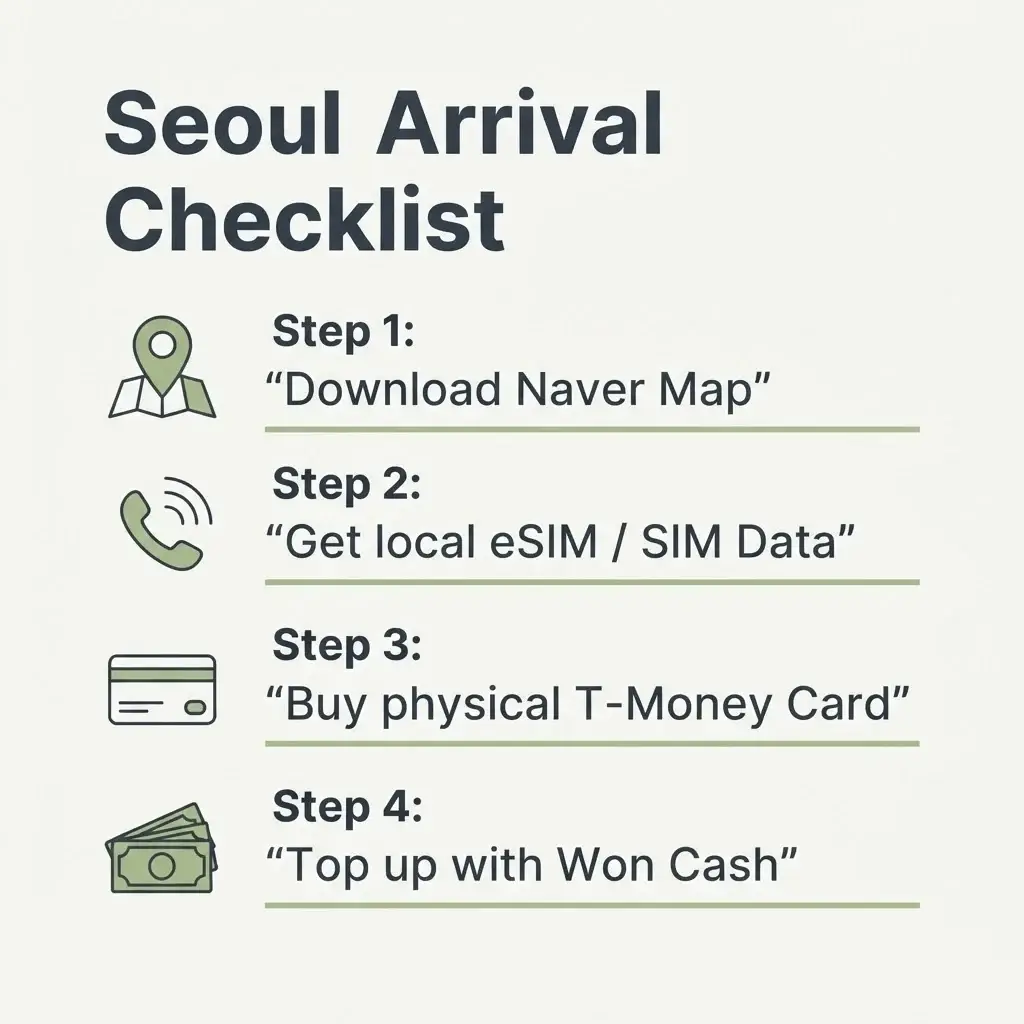
You must load this card with physical Korean Won cash at the station machines. Credit cards do not work for topping up your transit card. Keep at least 20,000 Won (about $15 USD) on it to start.
Health and Comfort Preparation
Seoul involves a massive amount of walking. You will easily log 20,000 steps a day, often climbing steep hills and long subway stairs. Pack your broken-in sneakers, not fashion boots.
It is also smart to look at health prep. I like to review the CDC Travelers’ Health recommendations for South Korea to see if there are any seasonal health alerts or recommended vaccines before traveling to East Asia. Pack a small bottle of hand sanitizer and any personal medications, as finding exact equivalents in a Korean pharmacy can sometimes be tricky when you are tired.
Day 1: Ancient Palaces, Traditional Villages, and Spicy Street Food
Our first day focuses on the historic heart of Seoul. This is the Jongno-gu district, where massive mountain peaks sit right behind centuries-old wooden architecture. We will start early to beat the large tour buses.
09:00 AM – Gyeongbokgung Palace
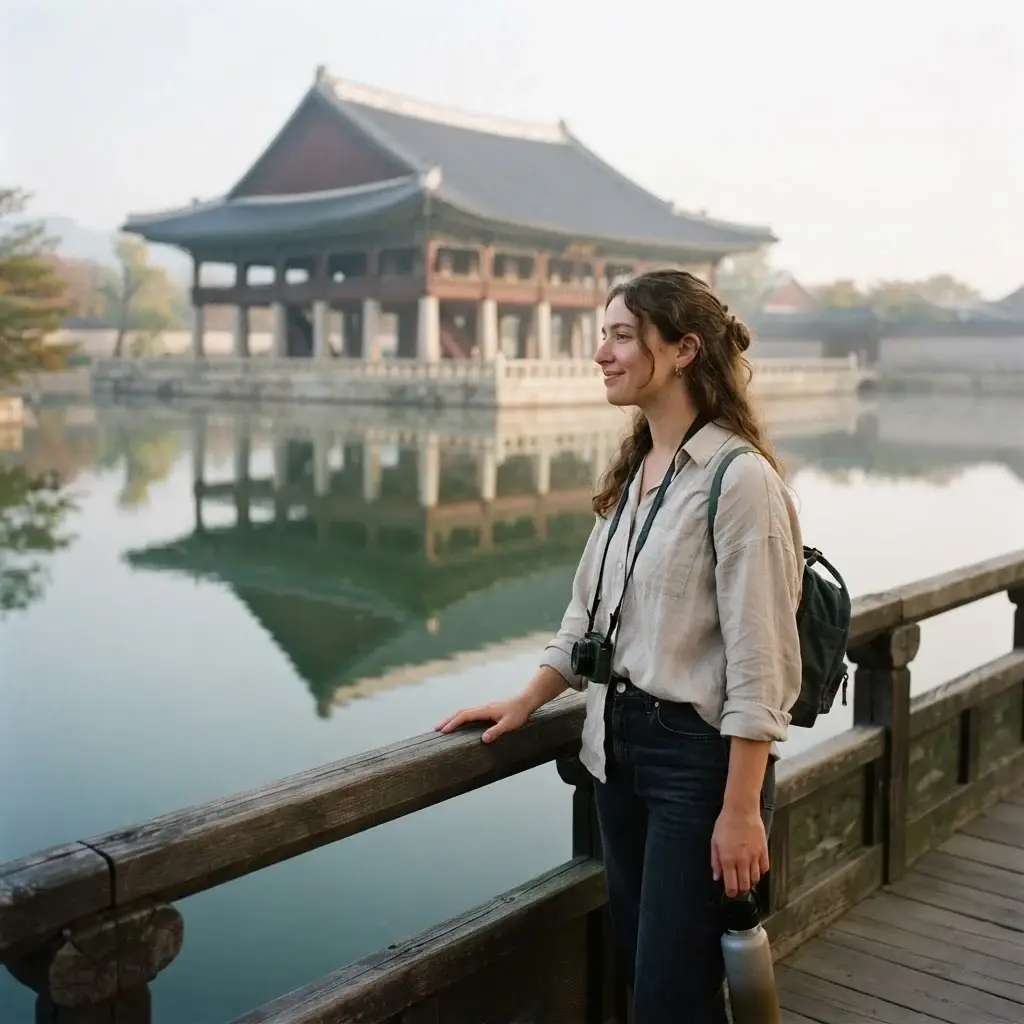
This is the grandest of the five royal palaces built during the Joseon Dynasty. Walk through the massive Gwanghwamun Gate right as the palace opens at 9:00 AM. The morning light hitting the stone courtyards is beautiful, and the air is still cool.
- How to Get Here: Take Subway Line 3 to Gyeongbokgung Station. Walk out of Exit 5, which leads you directly into the palace outer courtyard.
- Insider Secret: Skip the main courtyard after seeing the throne hall. Instead, walk directly to the back to find Gyeonghoeru Pavilion. This is a majestic banquet hall that sits on a peaceful, reflective artificial lake. Most tourists get tired before reaching this area, so you will have the view mostly to yourself.
- The Guard Changing Ceremony: At 10:00 AM, walk back to the front gate to watch the Changing of the Royal Guard. It features traditional costumes, flags, and drums. It is completely free to watch.
11:30 AM – Bukchon Hanok Village
From the palace, walk about fifteen minutes east toward the hills. Bukchon is a real residential neighborhood filled with hundreds of hanoks (traditional Korean wooden houses).
- How to Get Here: Walk east along Yulgok-ro street from the palace, or take Subway Line 3 to Anguk Station, Exit 2.
- Navigation Advice: The streets here are steep and twisty. Follow the main uphill road called Bukchon-ro 11-gil to get the classic view of traditional rooftops contrasted against the modern downtown skyscrapers in the distance.
- Cultural Etiquette: Real people live in these beautiful homes. You will see signs asking for silence. Do not peer into windows or speak in a loud voice. Treat it with the same respect you would want in your own neighborhood.
01:00 PM – Lunch in Insadong
Walk downhill from Bukchon into Insadong, a vibrant cultural street filled with tea houses, calligraphy shops, and hidden food alleys.
- What to Eat: Look for a restaurant serving Insadong Sujebi. This is a comforting, traditional soup made with hand-torn wheat noodles, clear anchovy broth, shellfish, and zucchini. It is served in a heavy clay pot alongside deeply fermented cabbage kimchi.
- How to Order: Many places here have photo menus. Point to the image of the clay pot and say “Sujebi juseyo” (Sujebi, please).
- The Best Tea House Experience: After eating, find Shin Old Tea House. You have to walk down a tiny, unmarked alleyway to find it. Inside, you sit on floor cushions in a low-lit, 100-year-old hanok. Order the warm Omija tea (five-flavor berry tea) and ginger rice cakes. It feels miles away from the roaring city outside.
03:30 PM – Ikseon-dong Alleyways
Just across the main road from Insadong lies Ikseon-dong. This is one of the oldest neighborhoods in Seoul, but young locals have saved it by turning the decaying hanoks into tiny cafes, boutiques, and bakeries.
- How to Get Here: Walk five minutes east from Insadong toward Jongno 3-ga Station, Exit 4.
- Insider Secret: The alleys here are incredibly narrow, barely wide enough for two people to pass. Go to a shop called Solsot for an afternoon snack, or visit a bakery that steams hot brioche bread in traditional wooden boxes. It is busy, but the energy is wonderful.
06:30 PM – Dinner and Exploration at Gwangjang Market
We are ending our first day at one of the oldest continuous daily markets in South Korea. When you step inside under the bright lights and smell the frying oil, your senses will explode.
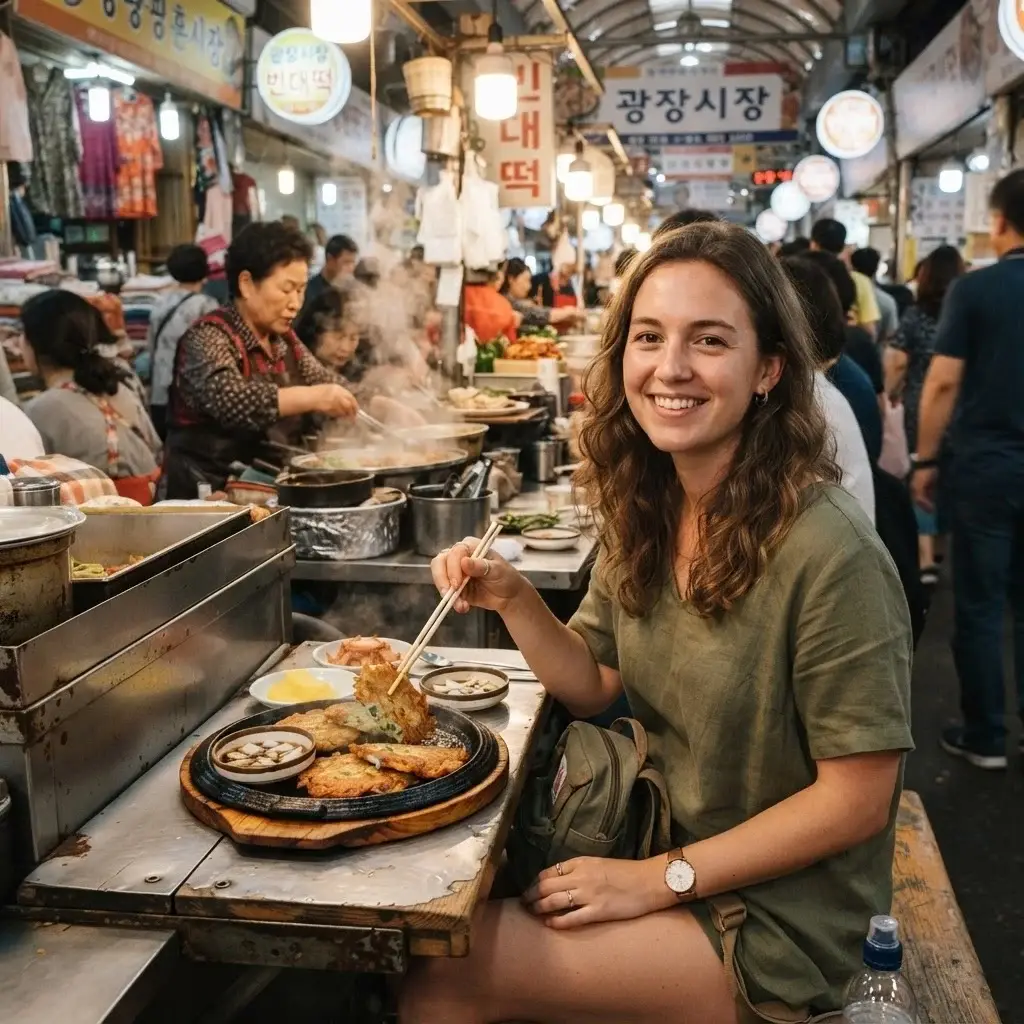
This market is a paradise for adventurous eaters.
- How to Get Here: Take Subway Line 1 to Jongno 5-ga Station. Take Exit 8 and walk straight for one minute to find the market entrance.
- What to Eat First: Find a stall with a massive metal griddle and order Bindaetteok (mung bean pancakes). The vendors grind raw mung beans using large stone millstones right in front of you, mix them with bean sprouts and green onions, and fry them until crispy. They cost around 5,000 Won ($4 USD) and are incredibly filling.
- What to Eat Second: Look for Mayak Gimbap. These are mini rice rolls wrapped in seaweed, filled with pickled radish and carrots, and brushed with toasted sesame oil. They are called “narcotic gimbap” because they are so addictive to dip into tangy hot mustard sauce.
- How to Sit and Order: Do not be shy. If you see an open spot on a wooden bench at a food stall, just point and sit down. The older women running the stalls (affectionately called Ajummahs) are efficient and helpful. Point to what you want on the counter. Pay with cash when you finish eating.
Day 2: Modern Design, Epic City Views, and Vibrant Night Markets
Today we transition from the ancient past into the futuristic, high-tech reality of Seoul. We will visit world-class architecture, view the city from above, and dive into the youth culture districts.
09:30 AM – Dongdaemun Design Plaza (DDP)
Designed by the famous architect Zaha Hadid, the DDP looks like a massive, silver alien spaceship landed in the middle of an old fashion district. It is made of over 45,000 unique aluminum panels.
- How to Get Here: Take Subway Line 2, 4, or 5 to Dongdaemun History & Culture Park Station. Take Exit 1 to walk right into the plaza.
- Insider Secret: Walk inside the structure to find the Design Pathway. This is a completely white, seamless, gently sloping ramp that winds up five stories without a single step. Walking up it feels like being inside a sci-fi movie. It is peaceful in the morning and offers fantastic geometric photo opportunities.
11:45 AM – Cheonggyecheon Stream
Right outside the DDP, you can access this urban renewal project. The city took down an ugly elevated highway and restored a natural, clean stream that flows over five miles through the concrete center of downtown Seoul.
- How to Get Here: Walk five minutes north from the DDP until you reach the stone stairs dipping below street level near Cheonggye-ro road.
- Navigation Advice: Walk west along the water pathways. The water is clear, small fish swim in it, and waterfalls drown out the city traffic above. It is a brilliant example of smart urban design and a great spot to rest your feet.
01:15 PM – Lunch in Myeongdong
Myeongdong is a bustling retail and cosmetics district. While the main drag can feel like a tourist trap later in the evening, the side streets hide legendary culinary institutions.
- What to Eat: Go directly to Myeongdong Kyoja. This restaurant has been open since 1966 and has earned a Michelin Bib Gourmand honor for decades. They only serve four things. Order the Kalguksu (knife-cut wheat noodles in a rich, dark chicken broth topped with ground pork and tiny meat dumplings) and a basket of steamed Mandu (pork and leek dumplings).
- The Garlic Warning: The kimchi served here is legendary for containing massive amounts of raw garlic and hot pepper. It is intense, spicy, and incredible. They will refill your soup broth and noodles for free if you ask.
- How to Pay: You must order and pay at the table right when you sit down. The service moves at lightning speed.
04:00 PM – Namsan Mountain and N Seoul Tower
Now that you are full, we are going to climb up to get a view of the entire city basin. Namsan Mountain sits right in the center of Seoul.
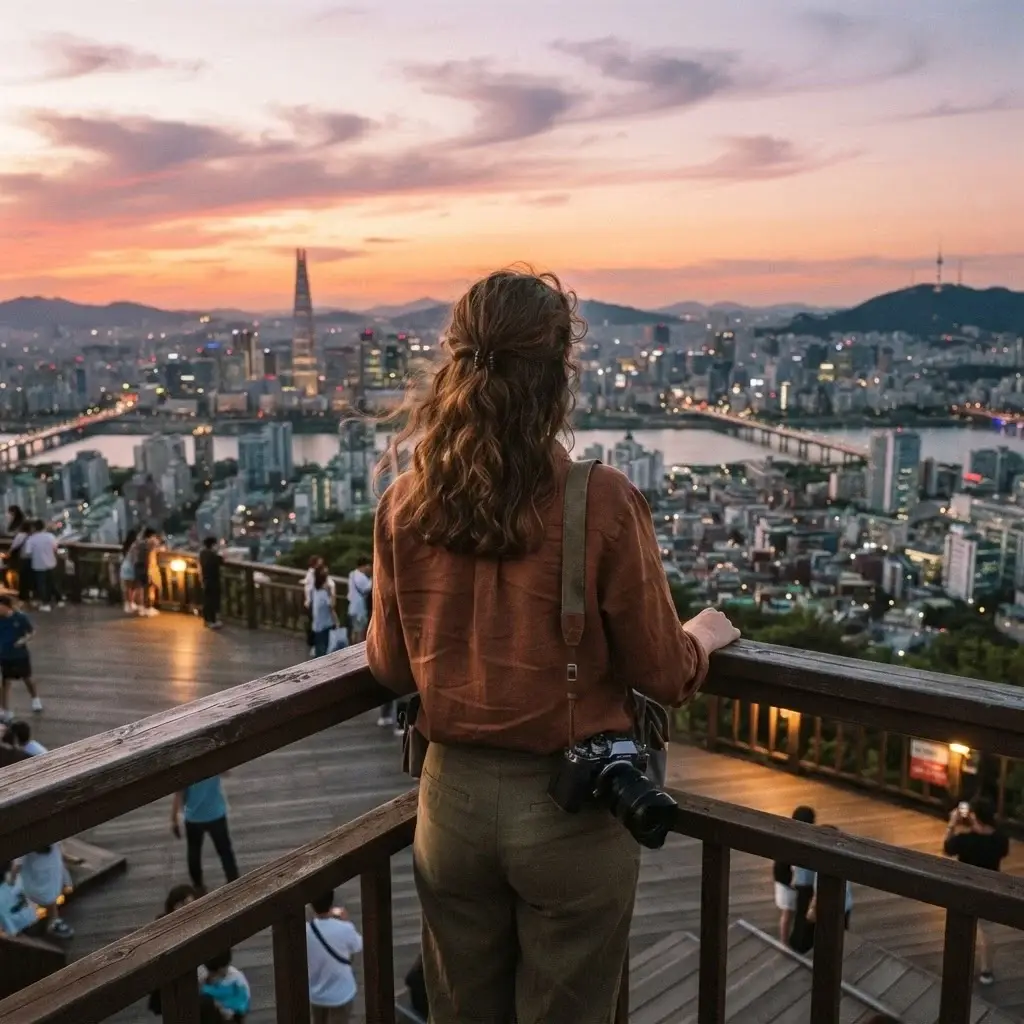
- How to Get Here: From Myeongdong Station Exit 3, walk uphill toward the base of the mountain for about 15 minutes to find the Namsan Cable Car station.
- The Cable Car Ride: Buy a round-trip ticket for the cable car. As it pulls you over the treetops, watch the dense high-rises drop away.
- The Peak Experience: At the top, you will reach the base of the N Seoul Tower. You do not actually need to pay to go up to the tower’s indoor observation deck unless you want to; the wooden viewing platforms at the base of the tower offer panoramic, open-air views of the city and the Han River for free. Look for the thousands of colorful “love locks” padlocked to the fences by couples.
06:30 PM – Dinner at a Authentic Korean BBQ Joint
You cannot visit Seoul without experiencing a true, smoky Korean barbecue dinner. For the best atmosphere, we are heading to the vintage alleys of Mapo or the bustling streets of Hongdae.
- What to Eat: Order Samgyeopsal (thick-cut, unmarinated pork belly strips).
- The Cooking Process: The server will bring glowing charcoal brioches or light a gas grill built right into your metal table. They will lay the pork belly down. Let it sear until it is deeply golden brown before using the provided metal kitchen scissors to cut it into bite-sized pieces.
- How to Eat It Properly: Take a fresh perilla leaf or lettuce leaf in your hand. Dip a piece of grilled pork into toasted sesame oil mixed with salt, place it on the leaf, add a dollop of ssamjang (a thick paste made from fermented soybeans and chili), add a grilled piece of garlic, fold the leaf into a tight ball, and eat it in one single bite. It is bad etiquette to bite a wrap in half; the flavors are meant to burst in your mouth all at once.
08:30 PM – Hongdae Youth Street
End your night by walking through Hongdae, the university district surrounding Hongik University. This neighborhood is full of art, indie music, and boundless youthful energy.
- How to Get Here: Take Subway Line 2 to Hongik University Station, Exit 9.
- What to See: Walk down the pedestrian street called Hongik-ro. Every night, young dance crews, singers, and indie musicians set up speakers along the street and perform for large crowds. It is completely free to watch and shows you the raw, hardworking talent behind the global K-pop phenomenon.
Day 3: Modern Culture, Somber History, and Riversides
On our final day, we will explore the south side of the Han River, look closely at Korea’s modern history, and enjoy a relaxing evening by the water.
09:30 AM – The War Memorial of Korea
This is one of the most educational, emotionally powerful museums I have ever visited in my travels. It sits on a massive former military headquarters site and documents the complex history of the Korean War.
- How to Get Here: Take Subway Line 4 or 6 to Samgaji Station. Walk out of Exit 12 and walk straight for two minutes.
- The Outdoor Exhibit: Before going inside, walk through the outdoor military equipment exhibit. It displays massive, real aircraft, tanks, and boats used during the conflict.
- The Statue of Brothers: Look for the large, emotional monument of two brothers hugging on top of a cracked dome. One brother is a South Korean soldier, and the other is a North Korean soldier. It captures the deep, ongoing heartbreak of a family divided by war. The museum inside is completely free and features deep English explanations.
12:30 PM – Gangnam and Starfield Library
We cross the wide Han River to enter Gangnam, the wealthy, ultra-modern district immortalized in global pop music.
- How to Get Here: Take Subway Line 2 to Samseong Station, which connects directly to the underground COEX Mall.
- What to See: Walk to the center of the mall to find the Starfield Library. This is an open-concept public library featuring towering, 42-foot-tall wooden bookshelves that curve up to a massive glass ceiling. It is visually stunning, though it is usually packed with people taking photos on the escalators.
- Lunch in the Mall: Find a restaurant serving Dolsot Bibimbap. This is rice, seasoned vegetables, beef, and a raw egg yolk served inside a super-heated black stone bowl. When it arrives, immediately use your metal spoon to mix everything together. The heat from the stone cooks the egg instantly and creates a crispy, delicious layer of toasted golden rice along the bottom of the bowl.
03:30 PM – Bongeunsa Temple
Just across the street from the chaotic, high-tech COEX Mall sits Bongeunsa, a peaceful Buddhist temple founded in the year 794. The contrast between the two worlds is amazing.
- How to Get Here: Walk out of COEX Mall’s north exit and cross the large avenue called Bongeunsa-ro.
- What to See: Walk up the stone steps past the main prayer halls to find the 93-foot-tall stone statue of Maitreya, the Future Buddha. It is one of the tallest stone statues in the country. Standing at its feet, you can hear the soft chiming of windbells and the low chanting of monks, while looking out over the glassy skyscrapers of Gangnam across the street.
06:00 PM – Sunset and Han River Park (Yeouido)
We are closing out our trip exactly like local residents do on a pleasant evening: relaxing on the lawns of Han River Park.
- How to Get Here: Take Subway Line 5 to Yeouinaru Station. Walk out of Exit 2, and you will step directly onto the grass fields bordering the river.
- The Instant Ramen Experience: This is an absolute must-do activity. Walk into the Han River park convenience store. You will see an entire wall of instant ramen packets.
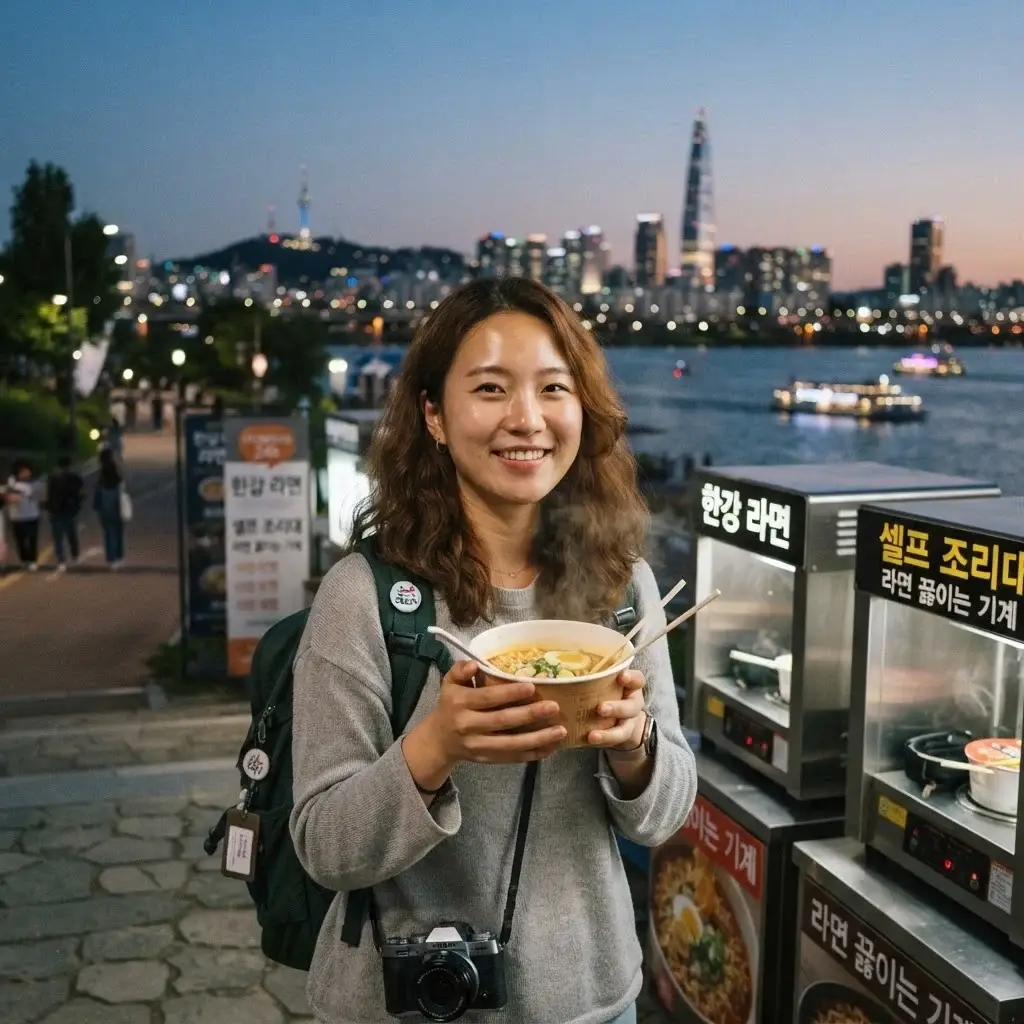
- Select one, pay for it, and the cashier will hand you a special paper bowl with a barcode. Take it outside to the row of automated cooking machines. Scan the barcode, place the bowl under the spout, press start, and the machine will automatically dispense boiling water and cook your noodles to perfect al dente texture in exactly three minutes.
- Chimeek Alternative: If you are with friends, you can order Chimeek (Korean fried chicken and draft beverage) right to the park. Local delivery drivers on motorbikes will find you on the grass by your nearest park zone marker. The chicken is double-fried, making it incredibly crispy and light. Watch the city lights turn on across the water as the subway trains rattle over the bridges.
5 Critical Mistakes to Avoid in Seoul
To ensure your three days go completely smoothly, let’s look at five cultural and logistical mistakes that catch most first-time visitors off guard.
1. Standing on the Wrong Side of the Escalator
Seoul subways move millions of people quickly. When riding any escalator in the transit system, always stand on the right side. The left side is strictly reserved for people who are running or walking fast to catch their trains. If you block the left side with a large suitcase, you will cause a human traffic jam behind you.
2. Looking for Trash Cans on the Street
You will notice very quickly that Seoul is incredibly clean, yet there are almost zero public trash cans on the sidewalks. The city removed them years ago to encourage people to carry their waste home. Do not leave your empty coffee cups on windowsills or bus stops.
- The Solution: Carry a small plastic bag in your daypack to hold your trash. When you need to dump it, walk inside a subway station; they always have sorted recycling bins near the ticket gates. You can also look for trash bins inside convenience stores where you bought your snacks.
3. Trying to Pay Cash on City Buses
As of recent years, many city buses in Seoul have gone completely cashless. If you try to hand a paper bill to the driver, they will politely shake their head. You must tap your T-money card on the reader when you step onto the bus, and you must tap it again at the rear door when you step off. If you forget to tap off, the system will charge you a penalty fare the next time you board.
4. Expecting Tipping in Restaurants
There is absolutely no tipping in South Korea. If you leave extra cash on a restaurant table, the server will chase you down the street to return the money you forgot. The price listed on the menu is exactly what you pay; service charges and tax are already included. It makes dining out wonderfully simple and transparent.
5. Talking Loudly on Public Transit
Subway cars in Seoul are remarkably quiet. Even when packed shoulder-to-shoulder during rush hour, locals rarely speak above a soft whisper. Talking loudly with a friend or taking a phone call on speakerphone is considered incredibly rude.
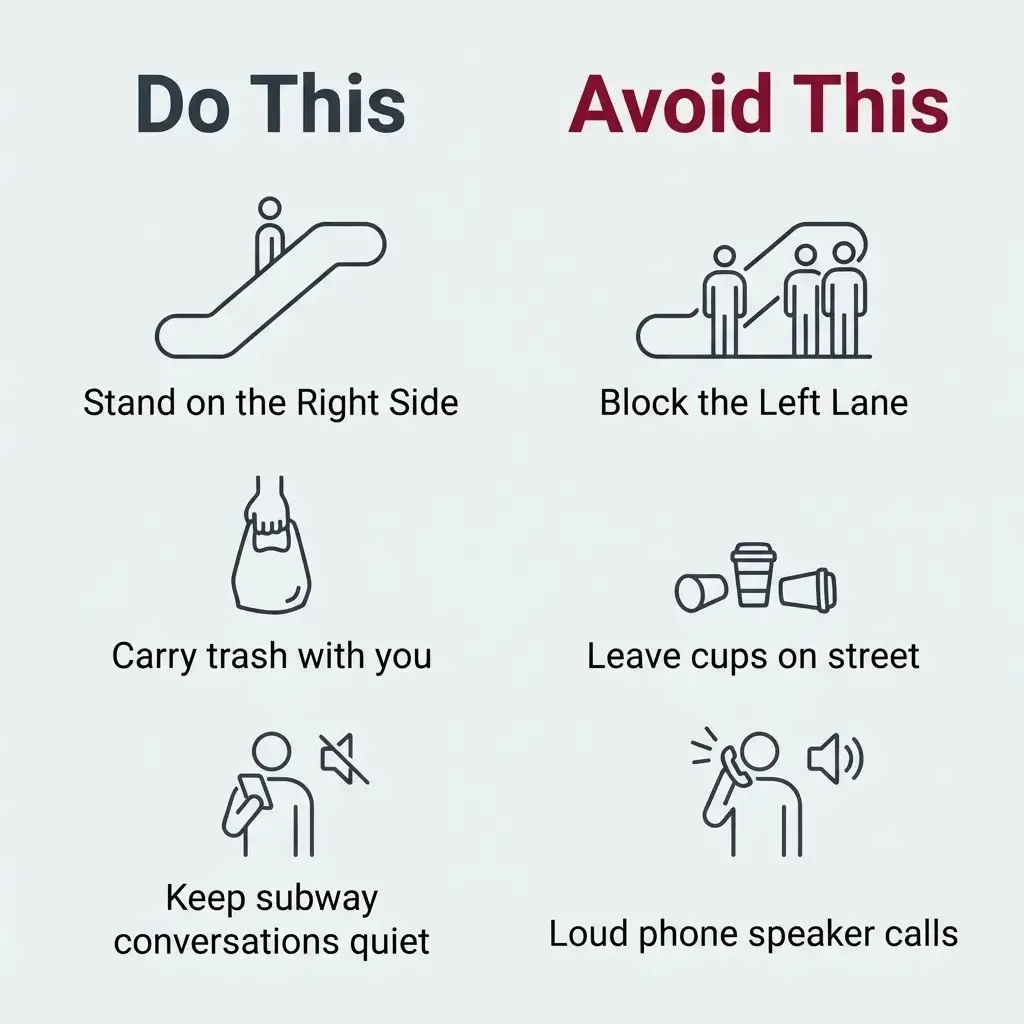
Put your phone on silent mode and enjoy the peaceful ride.
Your First Solo Trip to Seoul Can Be Seamless
If you are reading this guide from a small cubicle or a busy breakroom, dreaming of booking a flight but feeling frozen by logistics, I want you to take a deep breath. Seoul looks complex from afar, but it is one of the safest, most efficient, and most welcoming cities in the entire world for an independent traveler.
You do not need to speak fluent Korean, and you do not need a massive luxury travel budget to have a profound cultural experience here. All you need is a loaded transit card, a spirit of curiosity, and a willingness to try new foods. Stop waiting for the perfect milestone or the perfect companion. Pack your bags, book that ticket, and let the city of Seoul surprise you.