
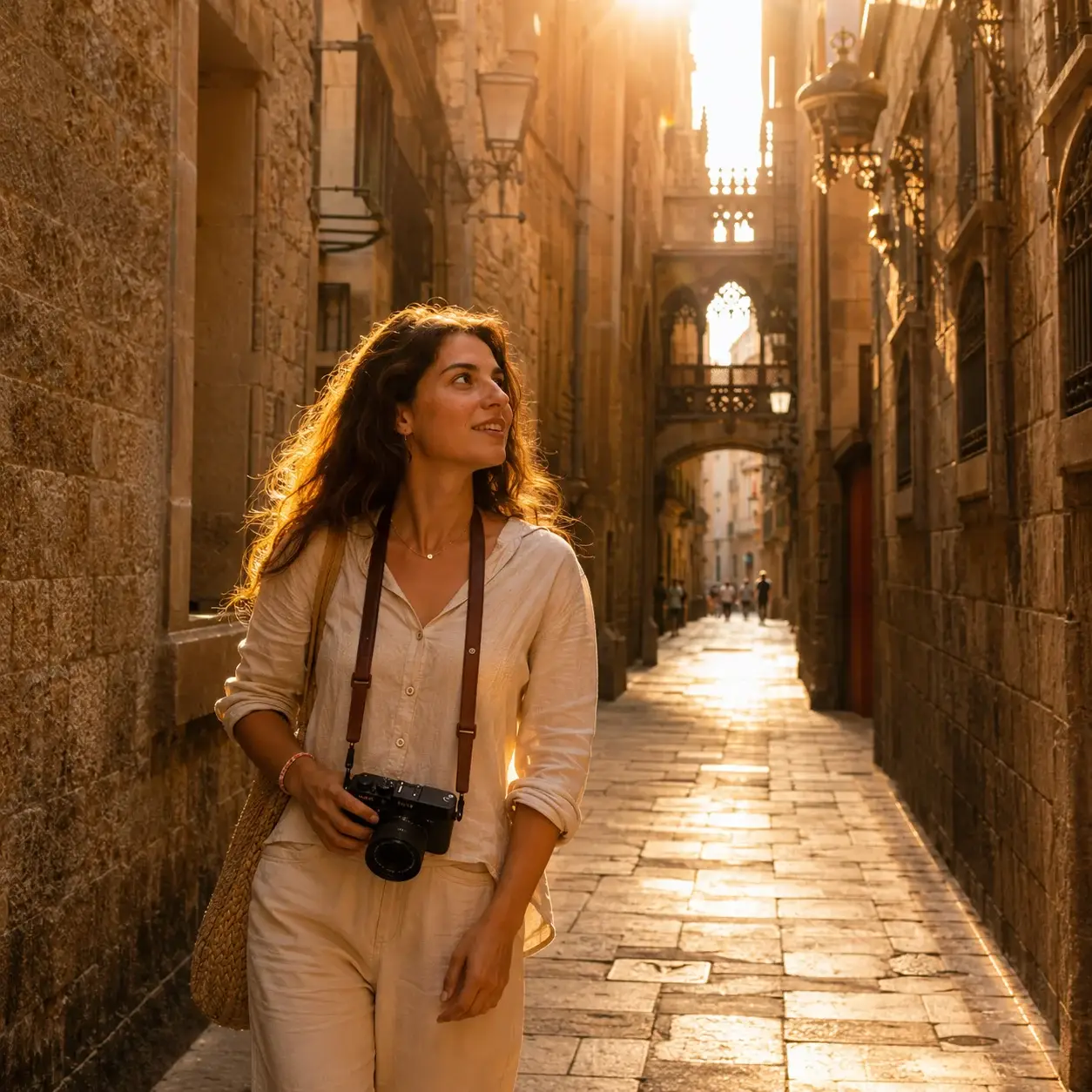
Hey there, fellow traveler! If you are planning a trip to Spain, you have probably realized that figuring out a solid plan can feel a bit overwhelming. I remember when I first stood in the middle of Barcelona years ago. I had just left my traditional office job in New York to pursue a life of full-time travel. Before that, I had worked as a certified sightseeing guide in New York City, so I thought I knew everything about navigating big cities.
But Barcelona taught me that every city has its own hidden rules. I made plenty of mistakes on that first visit. I stood in line for three hours under the hot sun because I did not buy tickets in advance. I ate bad, overpriced food on the main tourist streets. I even took the wrong train lines because the transit map looked like a colorful bowl of spaghetti.
Now, after traveling solo across the world, backpacking through Europe, and learning how to slow down, I want to help you skip those exact speed bumps. This comprehensive guide is built to help you build your solo travel confidence and plan an amazing trip. Let us dive into a highly practical, step-by-step route that will help you enjoy the very best of this coastal city without the stress.
Pre-Trip Essentials: Getting Ready for Spain
Before we look at the daily schedule, we need to cover a few boring but important logistics. When I was waitressing to save money for my first big international trips, I learned that a little bit of prep saves you a lot of cash and headaches later.
First, let us talk about legal entry rules. If you are traveling from outside Europe, it is crucial to stay updated on current border rules. You can review the latest official entry requirements and passport validity rules through the US Department of State Travel warnings and guidelines page to ensure you have no issues at border control.
Next up is health and safety. Barcelona is generally a safe and welcoming city for independent explorers. However, it is always smart to think about basic wellness before you fly. You can look over the official health recommendations and food safety advice by checking the CDC Travelers’ Health portal for Spain to keep your immune system strong while on the road.
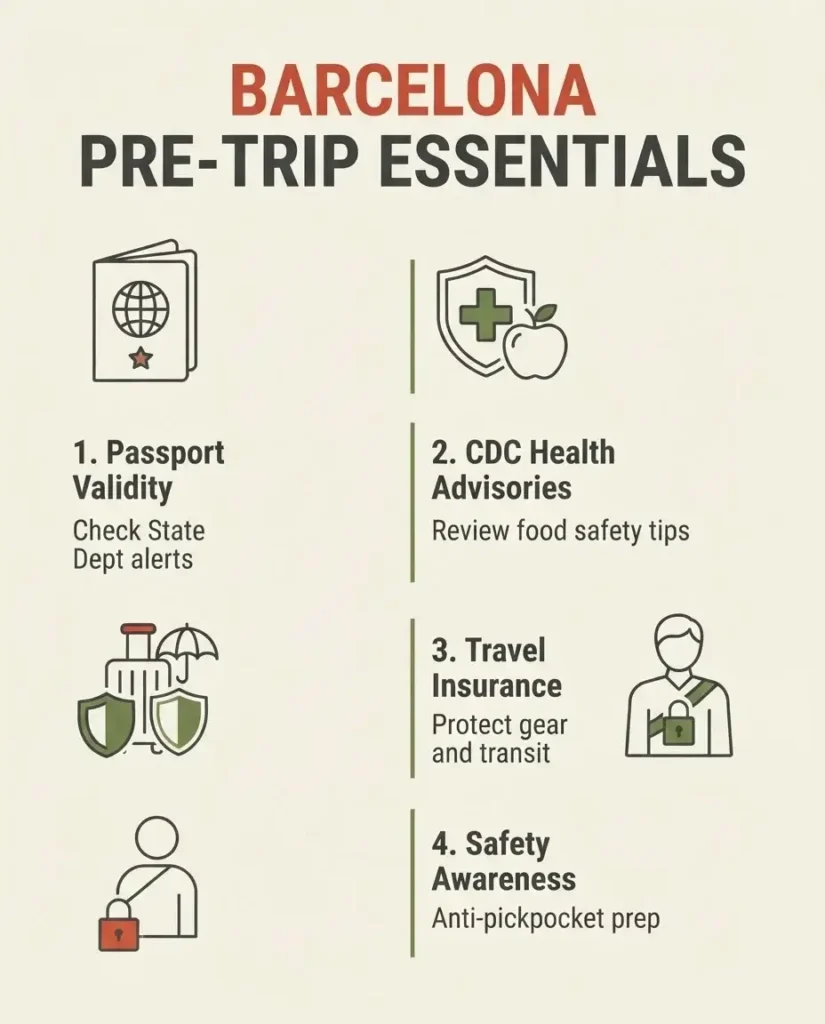
Finally, let us address the elephant in the room: pickpocketing. Barcelona is famous for petty theft, especially in crowded tourist areas and metro stations. This should not scare you out of going! I have walked these streets alone dozens of times. The secret is simply staying aware. Never put your phone in your back pocket. Keep your bag zipped across your front. To give yourself total peace of mind, you can look over targeted financial protection tips via the World Nomads Travel Insurance advice pages to learn how to keep your gear safe.
Day 1: Historic Roots and Magical Streets
On your first day, we are going to focus on the oldest parts of the city. This area is packed with narrow stone alleys, massive cathedrals, and classic local markets. It is the perfect place to get lost and start feeling the rhythm of the city.
Morning: Wandering the Gothic Quarter (Barri Gòtic)
The Gothic Quarter is the historic heart of Barcelona. Some of these stone structures date all the way back to the ancient Roman Empire.
- What to See: Walk slowly down Carrer del Bisbe to see the famous neo-Gothic bridge that spans across the street. Make your way to Plaça de Sant Jaume, which houses the local government buildings.
- Insider Secret: Do not just stay on the main paths. The real magic happens when you turn down an alley that looks too quiet. You will often find tiny, peaceful courtyards like Plaça de Sant Felip Neri, which still has scars on its stone walls from the Spanish Civil War.
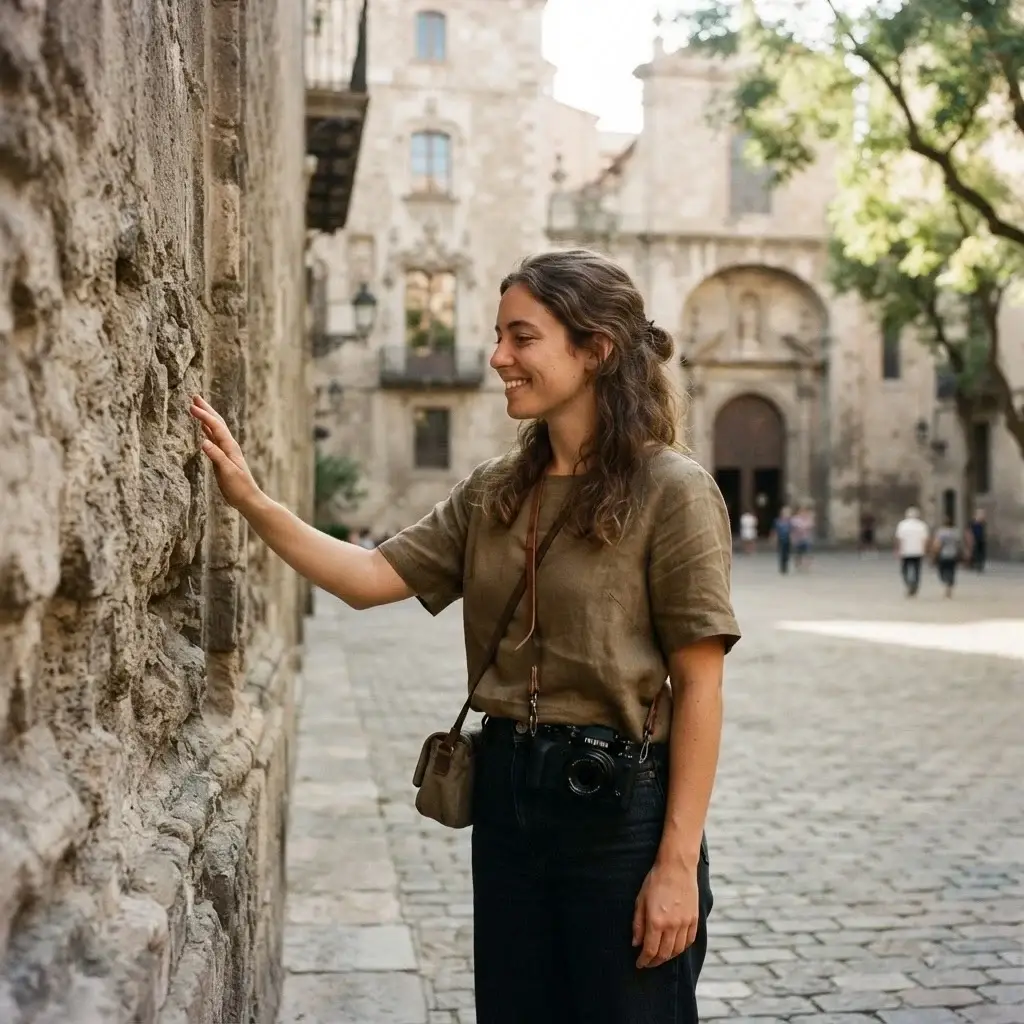
- Navigation Advice: The streets here form a confusing maze that will mess with your phone’s GPS. Don’t panic when your blue dot starts jumping around. Instead of staring at your screen, look up at the street signs carved into the stone corners. Use the towering spires of the Cathedral of Barcelona as your main compass.
Lunch: Tasting History at Mercat de Santa Caterina
Most tourists run straight to La Boqueria market on the busy La Rambla street. That is a classic rookie mistake. It is always packed, loud, and overpriced. Instead, walk a few minutes east over to the Mercat de Santa Caterina.
- What to Eat: Head to the back of the market and find a small tapas bar. Order patatas bravas (crispy fried potato cubes covered in a spicy tomato sauce and garlic aioli) and a plate of fresh padrón peppers (small green peppers blistered over high heat with sea salt). Most of the peppers are mild, but every now and then you will bite into a surprisingly spicy one!
- Navigation Advice: The market is easily recognized by its bright, wavy, multi-colored rooftop. It sits just a five-minute walk from the main cathedral plaza.
Afternoon: Exploring El Born and Picasso
After lunch, cross the wide Via Laietana street to enter the trendy neighborhood of El Born. This area is filled with independent clothing shops, local artisan workshops, and beautiful trees.
- What to See: Visit the Picasso Museum to see the early works of the famous artist. Afterward, step inside the Basilica of Santa Maria del Mar. This 14th-century church was built entirely by local port workers who carried massive stones on their backs from the mountains.
- Insider Secret: The Picasso Museum gets crowded fast. You must book your specific time slot online a few days before you arrive. If you show up at the ticket window without a reservation, you will likely be turned away.
- Navigation Advice: El Born is highly walkable. To get to the Basilica, just follow Passeig del Born, which is a wide, tree-lined pedestrian avenue perfect for people-watching.
Evening: Tapas and Sunset at Port Vell
As the sun starts to dip, walk south toward the water. You will arrive at Port Vell, the old harbor of Barcelona.
- What to See: Walk along the wooden pedestrian walkway called Rambla de Mar. Watch the sailboats bobbing in the Mediterranean Sea as the sky turns shades of orange and pink.
- Culinary Tip: For dinner, find a small tavern away from the water edge. Order a glass of sparkling Catalan cava and a few slices of pan con tomate (crusty country bread rubbed with fresh garlic, ripe tomato juice, and drizzled with local olive oil). It is simple, cheap, and deeply authentic.
Day 2: The Genius of Antoni Gaudí
You cannot write a 4-day itinerary for Barcelona: What to see & do without talking about Antoni Gaudí. He was the visionary architect who gave the city its unique, fairytale look. Today is all about seeing his masterworks up close.
Morning: The Breathtaking La Sagrada Família
This is the most famous building in the city, and it has been under construction for over 140 years. It is an absolute must-visit, even for seasoned travelers who usually skip big landmarks.
- What to See: Look closely at the Nativity Facade on the outside to see the detailed stone carvings of plants, animals, and human figures. Once you step inside, look up at the massive columns that branch out like giant stone trees. The stained-glass windows filter the morning light into a stunning rainbow of blues, greens, oranges, and reds. You can explore the architectural history of these unique designs by reading the official UNESCO World Heritage site details for Gaudí’s works to see why this church is considered a global treasure.
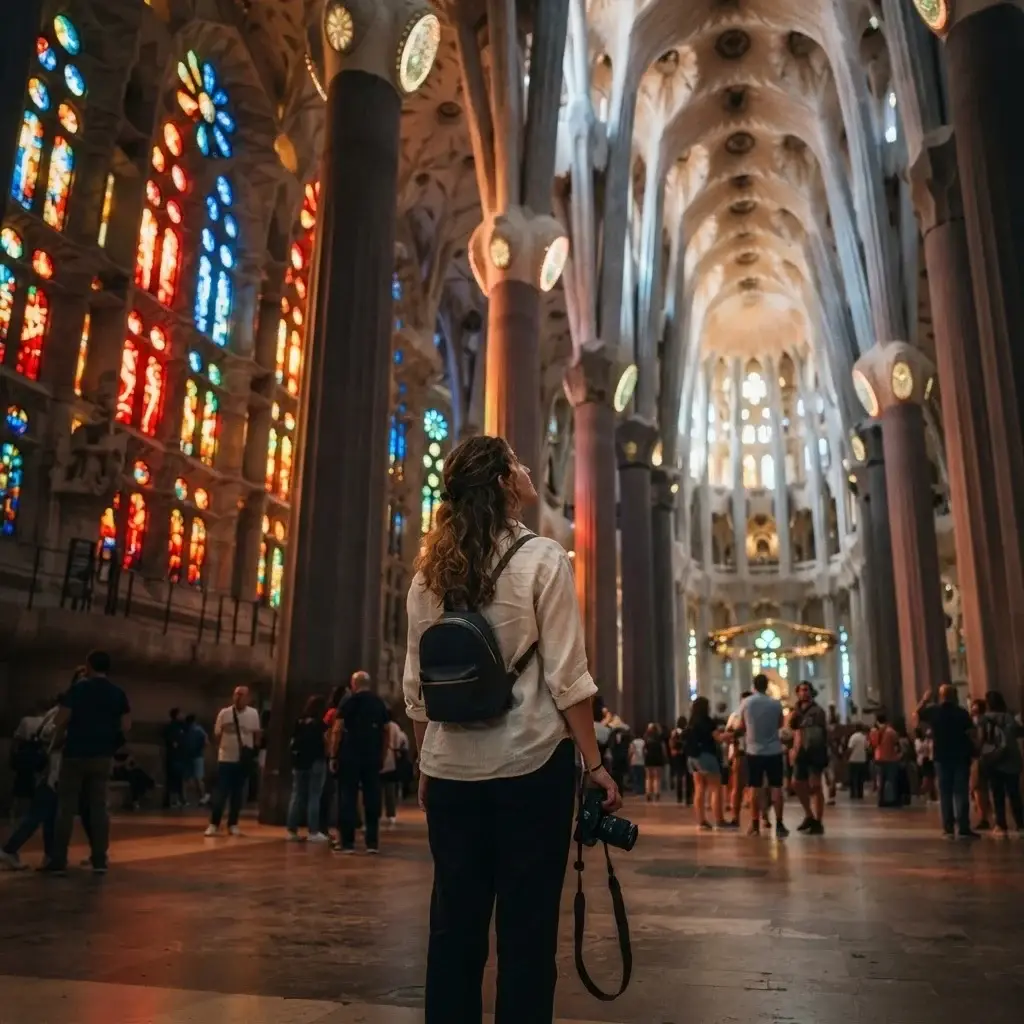
- Insider Secret: This is the biggest mistake people make in Barcelona: buying tickets on the wrong website or waiting until the last minute. Tickets sell out weeks in advance. Buy your ticket directly from the official church app. Pick the earliest morning slot (usually 9:00 AM). The light inside is beautiful at that hour, and you will beat the massive tour buses.
- Navigation Advice: Take Metro Line 2 or Line 5 and exit directly at the “Sagrada Família” station. When you walk out of the station stairs, turn around immediately, and the massive towers will be right above you.
Lunch: Neighborhood Eats in Gràcia
After your mind is blown by the church, do not eat at the restaurants right outside the plaza. They are overpriced and serve frozen food to unsuspecting tourists. Instead, walk about fifteen minutes northwest into the neighborhood of Gràcia.
- What to Eat: Gràcia feels like a small village because it actually was an independent town until Barcelona swallowed it up in the late 1800s. Find a small square like Plaça de la Virreina. Sit outside and order croquetas (creamy, deep-fried rolls stuffed with cured ham or wild mushrooms) and a cold drink.
- Navigation Advice: Walk up Carrer de Sardenya and turn left onto Carrer de Sant Antoni Maria Claret. This gets you away from the tourist zone and into the quiet, residential streets of Gràcia.
Afternoon: The Colorful Park Güell
Next up is Gaudí’s famous public park, located on a high hill overlooking the entire city and the sparkling sea beyond.
- What to See: Walk up to the main terrace to see the long, winding concrete bench covered in bright ceramic mosaic tiles. Say hello to the famous multicolored mosaic salamander, known locally as El Drac (The Dragon), near the main entrance steps.
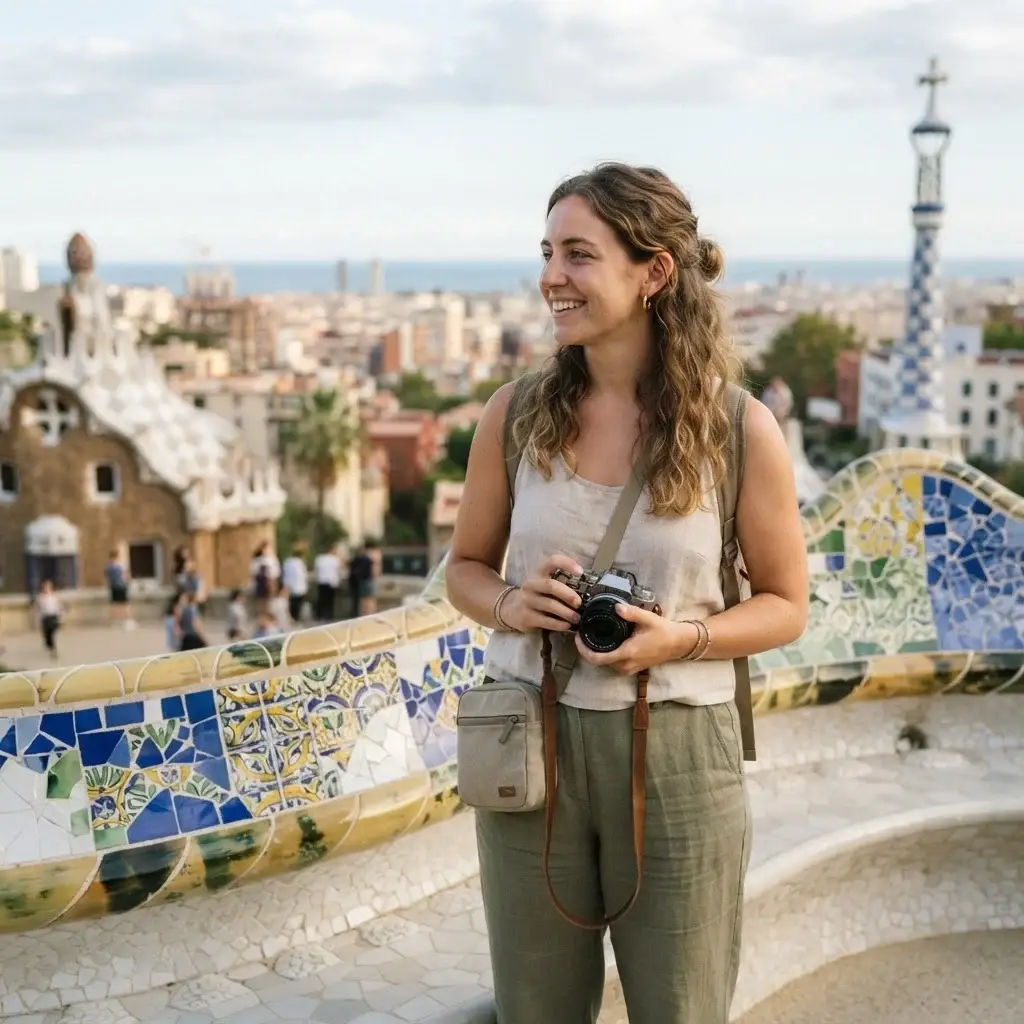
- Insider Secret: The park is split into a free zone and a restricted “Monumental Zone.” You need a paid ticket to see the famous mosaic benches and the dragon. Like the church, you must book this online before your trip. Also, be ready for a workout. The park is built on a steep incline, so wear your most comfortable walking shoes.
- Navigation Advice: From Gràcia, you can take city bus number 24, which drops you off right near the upper entrance of the park. This saves you from having to hike up the incredibly steep hill from the Lesseps metro station.
Evening: Strolling Passeig de Gràcia
As evening approaches, take the bus back down the hill to Passeig de Gràcia, one of the grandest avenues in the city.
- What to See: This street is home to two more famous Gaudí apartment buildings: Casa Batlló and Casa Milà (also called La Pedrera). You do not need to pay to go inside both unless you are an architecture fanatic. Just seeing their wavy stone facades lit up at night from the sidewalk is an incredible experience.
- Culinary Tip: For a late dinner, look for a traditional Catalan restaurant along the side streets. Try botifarra (a savory local pork sausage) served with white beans, followed by crema catalana for dessert (a rich custard topped with a layer of hard, burnt caramel, similar to crème brûlée).
Day 3: Coastal Vibes and Hilltop Views
After two days of intense sightseeing and historic walking, it is time to experience the natural beauty of Barcelona. Today we will combine the Mediterranean coastline with a trek up a historic hill.
Morning: The Vibrant Neighborhood of Barceloneta
Barceloneta is the old fishing district of the city. It is built on a narrow strip of land that juts out into the sea.
- What to See: Walk through the narrow grid of streets where locals hang their laundry over small iron balconies. Walk along the beach boardwalk to see local sand artists and watch volleyball players.
- Insider Secret: The main beach gets crowded and noisy by midday. Go around 8:30 or 9:00 AM. You will have the sand almost entirely to yourself, save for a few local runners and older residents taking a morning dip.
- Navigation Advice: Take Metro Line 4 to the “Barceloneta” station. From there, it is a straight, simple ten-minute walk down the wide Passeig de Joan de Borbó directly to the sand.
Lunch: Authentic Beachside Paella
You cannot visit the Mediterranean without eating paella. But be careful: bad paella is everywhere. If you see a restaurant with giant photos of yellow rice outside on the sidewalk, run away. Authentic paella is never cooked in five minutes; it takes time to prepare properly.
- What to Eat: Find a traditional restaurant in the back streets of Barceloneta. Order Paella Marinera (seafood paella cooked with fresh shrimp, mussels, and clams). Look for the socarrat—that is the delicious, crispy, caramelized layer of rice at the very bottom of the iron pan. It is the best part!
- Insider Secret: Local people always eat paella for lunch, never for dinner. It is considered too heavy of a meal to eat late at night. Eating it at 2:00 PM is the true local way.
Afternoon: Taking the Cable Car to Montjuïc Hill
After lunch, we are going from the sea all the way up into the sky. We are heading to Montjuïc, the massive green hill that protects the south side of the city harbor.
- What to See: Ride the Port Cable Car (Aeri del Port) from the beach towers across the harbor up to the hill. Once on top, explore the old Montjuïc Castle, a historic military fortress that offers panoramic 300-degree views of the sprawling city, the mountains, and the busy industrial shipping port.
- Navigation Advice: The cable car tower stands tall on the Barceloneta beachfront. If you prefer to skip the heights, you can take Metro Line 3 to “Paral·lel” and catch the funicular railway up the mountain instead.
Evening: The Magic Fountain of Montjuïc
As night falls, make your way down the steps of the hill toward the grand Plaça d’Espanya.
- What to See: At the base of the hill sits the National Art Museum of Catalonia, which looks like a majestic palace. Below the steps is the Magic Fountain, which holds free evening light, music, and water shows.
- Insider Secret: Check the local schedule before you go. Due to water-saving rules and seasonal changes, the fountain show does not run every night. Even if the water is off, sitting on the palace steps listening to local street musicians play acoustic guitar under the stars is a fantastic way to end your day.
Day 4: Art, Green Spaces, and Hidden Views
On your final day in the city, we are going to mix classic art with a visit to a massive green park, followed by an unforgettable sunset spot that most short-term tourists miss completely.
Morning: The Quiet Beauty of Parc de la Ciutadella
Start your morning with a relaxing stroll through the main green lung of the city center.
- What to See: Walk up to the Cascada Monumental, a stunning, dramatic stone fountain that a young Antoni Gaudí helped design before he became famous. Watch locals practice yoga under the palm trees or row small rental boats across the peaceful park lake.
- Navigation Advice: The park has multiple gates. The most impressive entry is through the Arc de Triomf. Take Metro Line 1 to the “Arc de Triomf” station, and walk down the wide, pedestrian-only boulevard lined with beautiful lantern-topped palm trees directly into the park gates.
Lunch: Casual Tapas in El Raval
Exit the western side of the park and walk back through the city center toward the edgy, multicultural neighborhood of El Raval.
- What to Eat: Find a small, old-school tavern that looks like it hasn’t changed since the 1970s. Order bomba de la Barceloneta (a large, crispy potato croquette stuffed with spicy minced meat and topped with garlic sauce) and a plate of jamón ibérico (thinly sliced, rich, acorn-fed cured Spanish ham that melts on your tongue).
- Navigation Advice: El Raval sits on the west side of the famous La Rambla street. Keep your wits about you here, as the narrow alleys can feel a bit intense if you are a first-time solo traveler. Stay on the main paths like Rambla del Raval.
Afternoon: Modern Art or Maritime History
Depending on what you like, El Raval offers two completely different but incredible cultural options for your final afternoon.
- Option A (For Art Lovers): Visit the Barcelona Museum of Contemporary Art (MACBA). The building itself is a striking masterpiece of modern white geometry. The large concrete plaza outside is the most famous skateboarding spot in Europe. It is incredibly fun to sit on the steps and watch the skaters pull off tricks.
- Option B (For History Lovers): Head south to the Maritime Museum (Museu Marítim). It is housed inside the historic royal shipyards, featuring grand stone arches that date back to the 1300s. Inside, you can see full-scale replicas of ancient wooden war ships. It is quiet, peaceful, and cool on a hot day.
Evening: An Unforgettable Sunset at the Bunkers del Carmel
To wrap up your 4-day itinerary for Barcelona: What to see & do, we are heading high into the hills for the absolute best view in Catalonia.
- What to See: The Bunkers del Carmel are old concrete anti-aircraft structures built during the Spanish Civil War. They sit on top of Turó de la Rovira hill. From here, you get a complete, unobstructed view of the entire city grid. You can see the spires of the Sagrada Família cutting into the skyline, the hills of Montjuïc far away, and the blue sea stretching out to the horizon.
- Insider Secret: Bring a jacket, a bottle of water, and some snacks from a local grocery store. There are no shops or restaurants up here. As the sun sinks behind the distant mountains, the entire city lights up like a sea of stars. It is an emotional, beautiful moment that will make you feel incredibly proud of your solo journey.
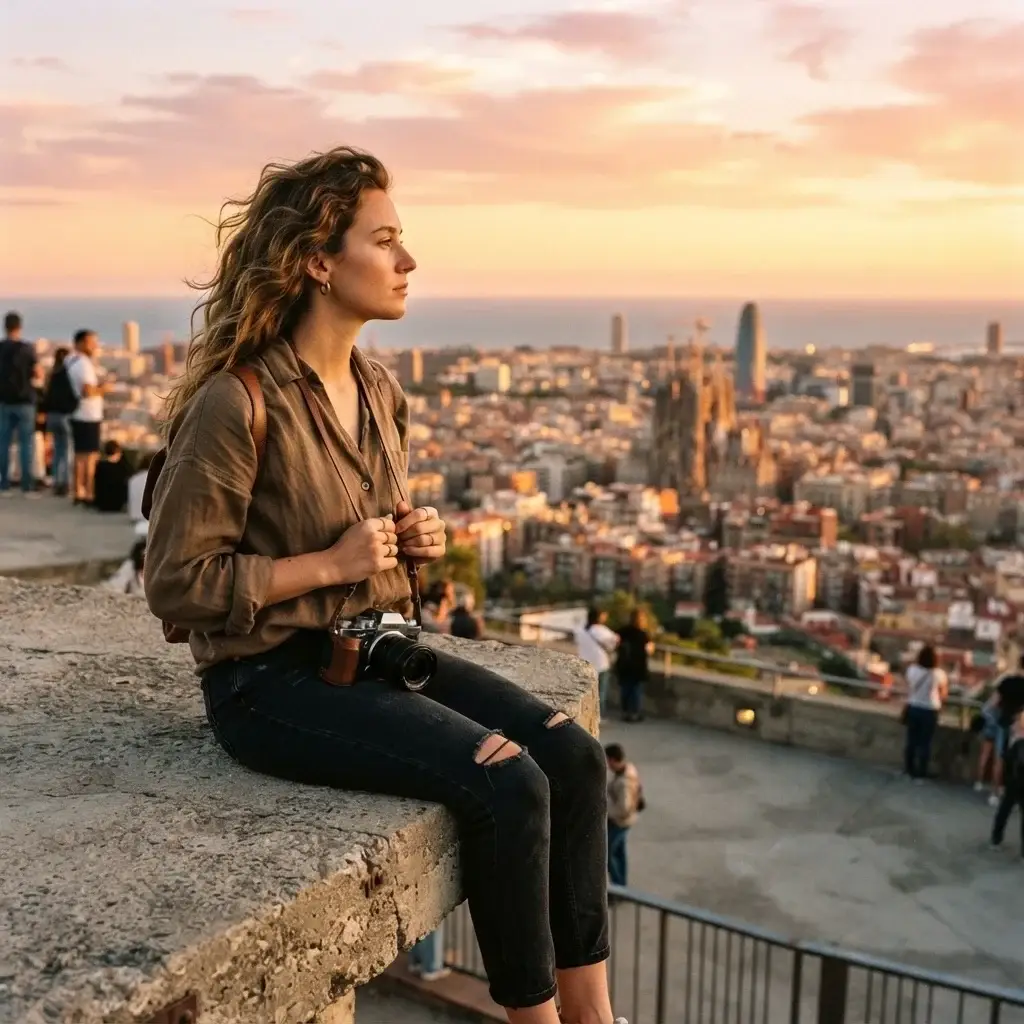
- Navigation Advice: Getting here takes a little effort, but it is worth it. Take city bus number 24 or V17 from the center up to the “Gran Vista” stop. From there, follow the signs and walk up the paved hill path for about ten minutes to reach the concrete ruins at the peak.
Smart Practical Tips for Your Barcelona Adventure
To make sure your four days run as smoothly as possible, here is a quick breakdown of essential local tips I wish someone had told me before my first trip.
Navigating the Public Transit System
Do not buy single metro tickets. They cost too much and waste your time. Instead, buy a T-casual ticket from any station vending machine. This is a special multi-journey card that gives you 10 rides on the metro, buses, and trams for a heavily discounted price.
Even better, it includes free transfers. You can ride the metro, exit, and hop on a city bus within 75 minutes, and it will only count as a single ride. Just remember to insert your paper card into the turnstile or bus machine every time you board.
Understanding the Local Dining Schedule
This is the hardest thing for North American and Asian travelers to adjust to. Spain runs late. If you show up at a traditional restaurant for dinner at 6:30 PM, the doors will be locked. If they are open, you will be sitting in an empty room eating stale food meant for tourists.
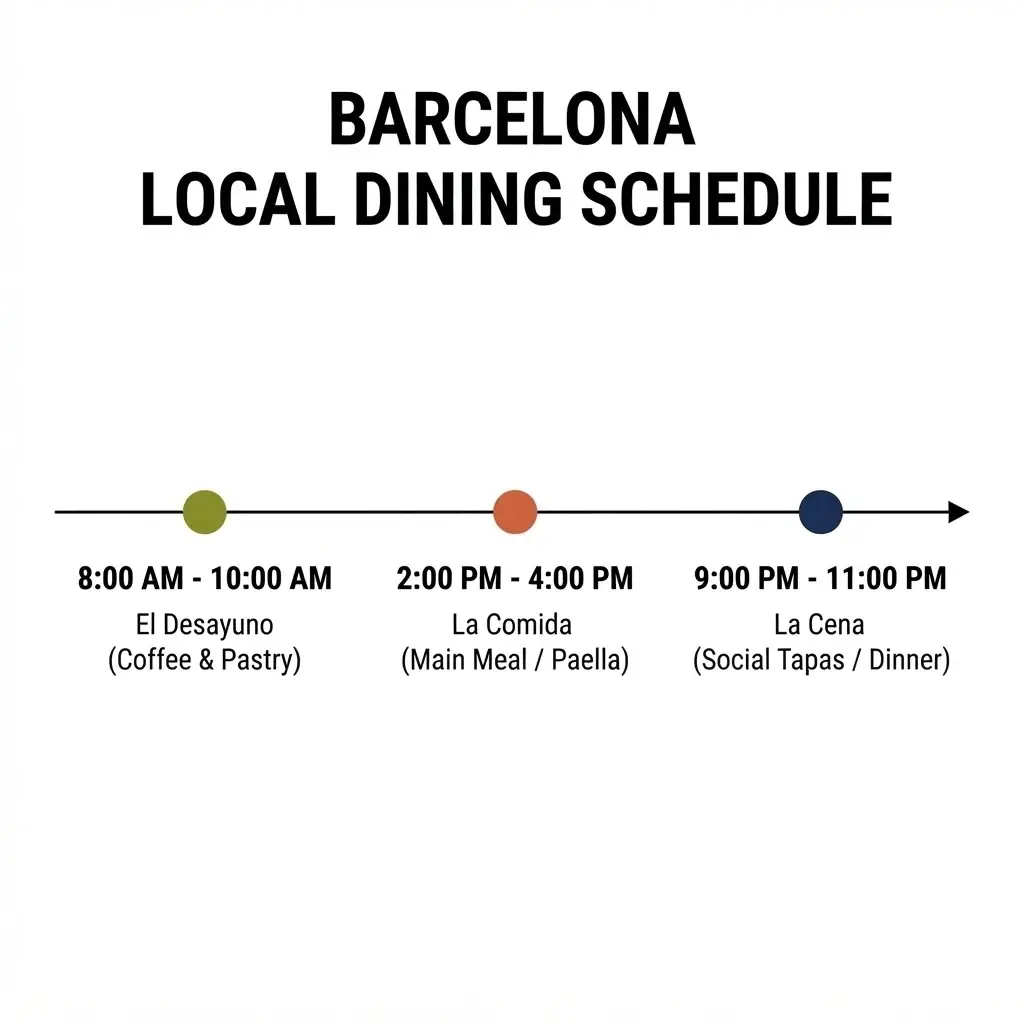
- Breakfast (El Desayuno): 8:00 AM – 10:00 AM. Usually just a coffee and a small pastry or toast.
- Lunch (La Comida): 2:00 PM – 4:00 PM. This is the main meal of the day.
- Dinner (La Cena): 9:00 PM – 11:00 PM. It is a social, relaxed affair.
If you get hungry around 7:00 PM, do what the locals do: head to a lively neighborhood tapas bar for a small snack and a drink to tide you over until the kitchens open for dinner.
Final Thoughts: Stepping Out of Your Comfort Zone
When I was sitting in my grey office cubicle years ago, dreaming of exploring places like Spain, I used to make endless excuses. I told myself I didn’t have enough money, that traveling alone as a woman was too dangerous, or that I should wait for the “perfect moment.”
But if there is one thing my travel lifestyle has taught me, it is that the perfect moment never arrives. You just have to build your confidence, buy the ticket, and figure things out step by step. Barcelona is a city that rewards curiosity, open-mindedness, and courage. Yes, you might take the wrong bus once or twice. You might struggle to order food in a mix of Spanish and Catalan. But those little challenges and surprises are always the exact moments you will remember most fondly when you return home.
Pack your bags, wear your most comfortable walking shoes, and get ready for an unforgettable adventure. You are fully capable of handling this trip, and the world is waiting for you to explore it.



