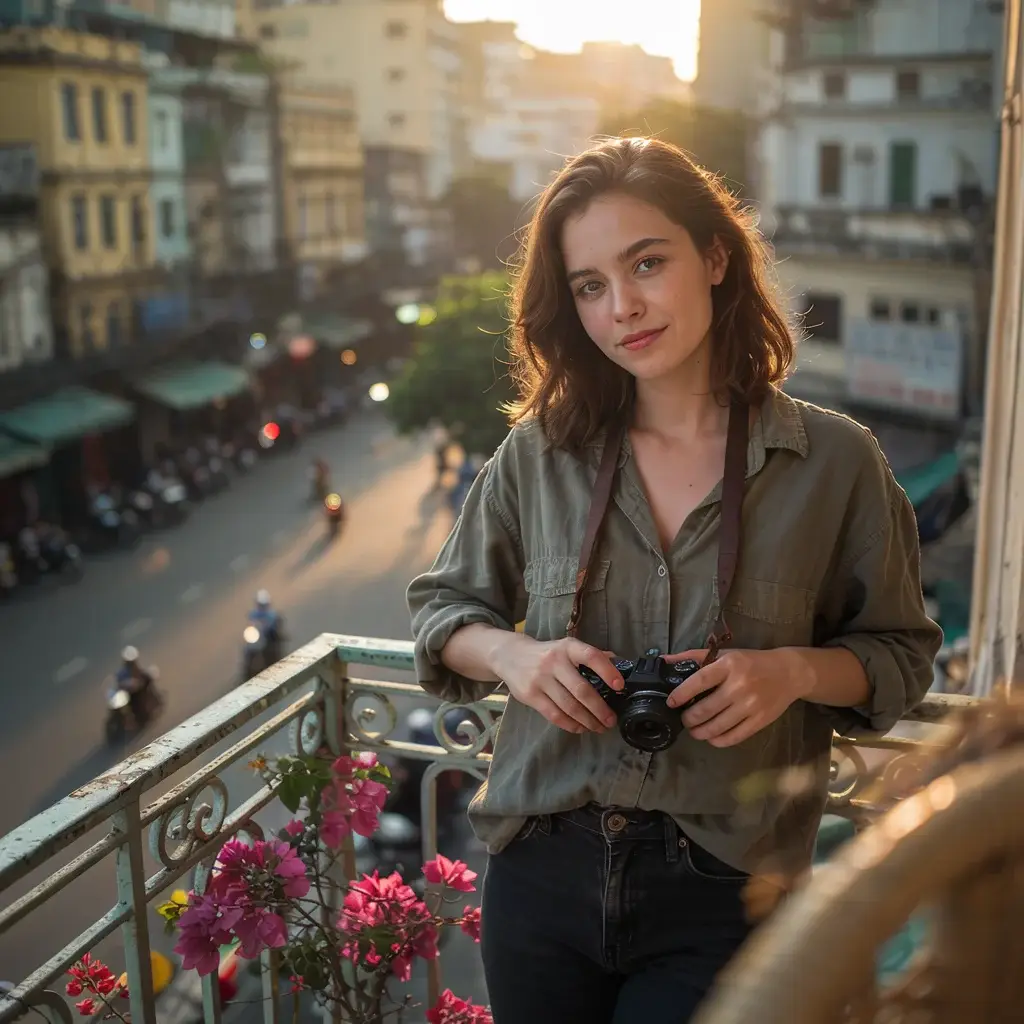
The first time I stepped out of the airport terminal into the thick, warm air of Ho Chi Minh City, my mind flashed back to my old job. For years, I worked as a certified sightseeing guide in New York City. I thought I knew everything about heavy traffic, loud noises, and massive crowds. I thought nothing could surprise me.
But southern Vietnam is a completely different world. The sheer volume of motorbikes rushing down the streets looked like a flowing river of metal and wheels. For a second, I felt a familiar knot of fear tighten in my stomach. It was the same anxiety I felt right before I finally quit my rigid 9-to-5 office job, took a leap of faith, and started traveling the world alone.
If you are a first-time solo traveler planning a trip here, you might be feeling that exact same worry right now. You might wonder if you can handle the pace, the language barrier, or the logistics. I am writing this guide to tell you that you absolutely can.
Ho Chi Minh City, which most locals still affectionately call Saigon, is one of the most energizing, welcoming, and rewarding places you will ever visit. It is a city where old traditions rub shoulders with soaring skyscrapers. To truly understand it without burning out, you need a plan that balances historical learning, deep cultural immersion, and plenty of slow moments to sit back and breathe.
This is the best itinerary for Ho Chi Minh City in 3 days, written specifically to help you build your confidence, stay safe, and experience the real heart of the city on your own terms.
Preparing for the Beautiful Chaos: Solo Travel Basics
Before you pack your bags and head out, you need to handle a few basic logistics. Taking care of these details early will give you peace of mind so you can focus on the adventure when you arrive.
Visas and Entry Rules
The paperwork is always the boring part of travel planning, but it is the most important. You do not want to get stuck at the border because you missed a step.
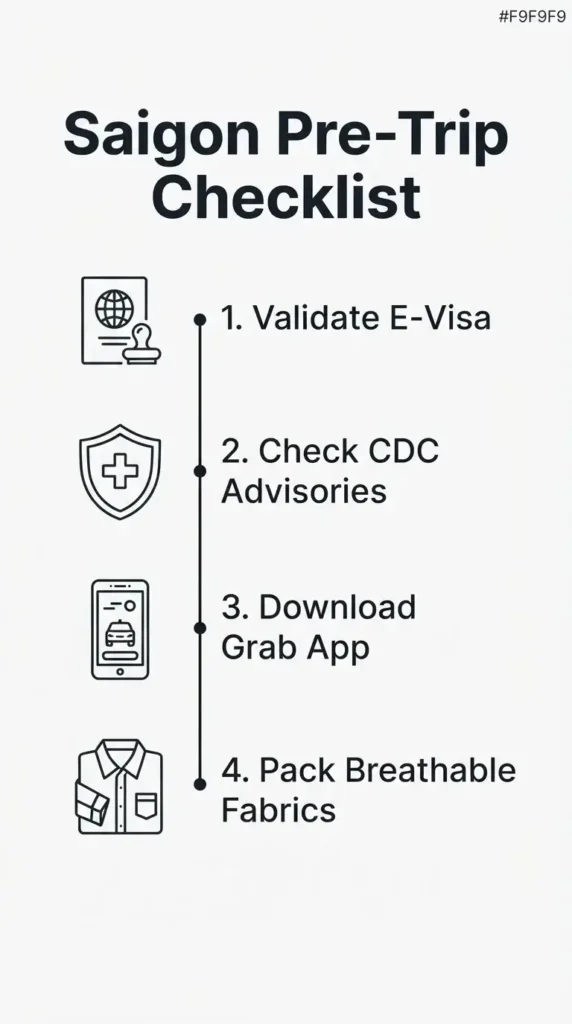
Requirements can change quickly, so I always check the official US Department of State Travel advisories to get the most accurate, up-to-date entry rules and visa information before booking my flights. Make sure your passport has at least six months of validity left from the day you plan to land in Vietnam. Most travelers need to apply for an electronic visa (e-visa) online through the official Vietnamese government portal before arriving. Give yourself at least a week or two for the e-visa to process so you do not have to stress about it.
Staying Healthy on the Road
When I was waitressing to save up money for my very first big solo trip, I learned how important it is to protect your physical health. Getting sick when you are by yourself in a foreign country is never fun. To keep myself safe, I always review the latest health recommendations on the CDC Travelers’ Health destination pages to see which vaccines are recommended and to read up on local food safety tips.
In Ho Chi Minh City, the gold rule is to never drink the tap water. Stick to sealed bottled water, which you can buy for pennies at any convenience store like Circle K or 7-Eleven. When it comes to ice in your drinks, most established restaurants and popular street food stalls use factory-made ice cubes with holes in the middle, which are perfectly safe. If you have a sensitive stomach, bring some basic medicine from home just in case.
Packing Light and Smart
Saigon is hot and humid all year round. Leave your heavy clothes at home. You will want loose, breathable cotton or linen clothing. If you plan to visit temples or holy sites, you must cover your shoulders and knees. I usually carry a lightweight scarf or sarong in my daypack so I can easily wrap it around myself when entering a sacred space.
Comfortable walking shoes are non-negotiable. The sidewalks can be uneven, broken, or blocked by parked motorbikes, so you will be doing a lot of active stepping and navigating. A sturdy backpack with secure zippers is much better than a shoulder bag because it keeps your hands free and protects your belongings from quick drive-by bag snatches on the street.
Getting Around the City Without Panic
Navigating a city with millions of motorbikes can feel terrifying at first glance. But once you know the secret rules of the road, moving around Saigon becomes an incredibly fun part of the journey.
The Art of Crossing the Street
In New York, you cross the street by looking for a gap in traffic or waiting for a walk signal. If you try that in Ho Chi Minh City, you will be standing on the sidewalk forever. There are rarely any gaps.
Here is the secret to crossing the street safely: look for a small opening, step off the curb, and walk forward at a slow, completely steady, predictable pace. Do not run.
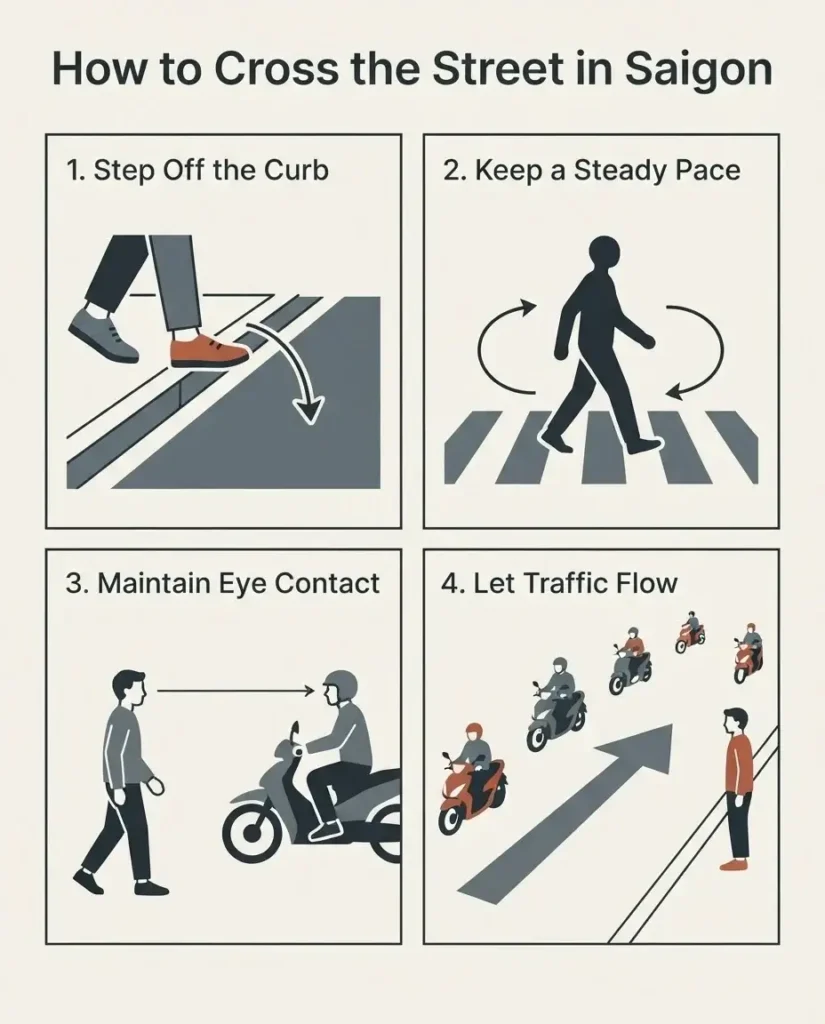
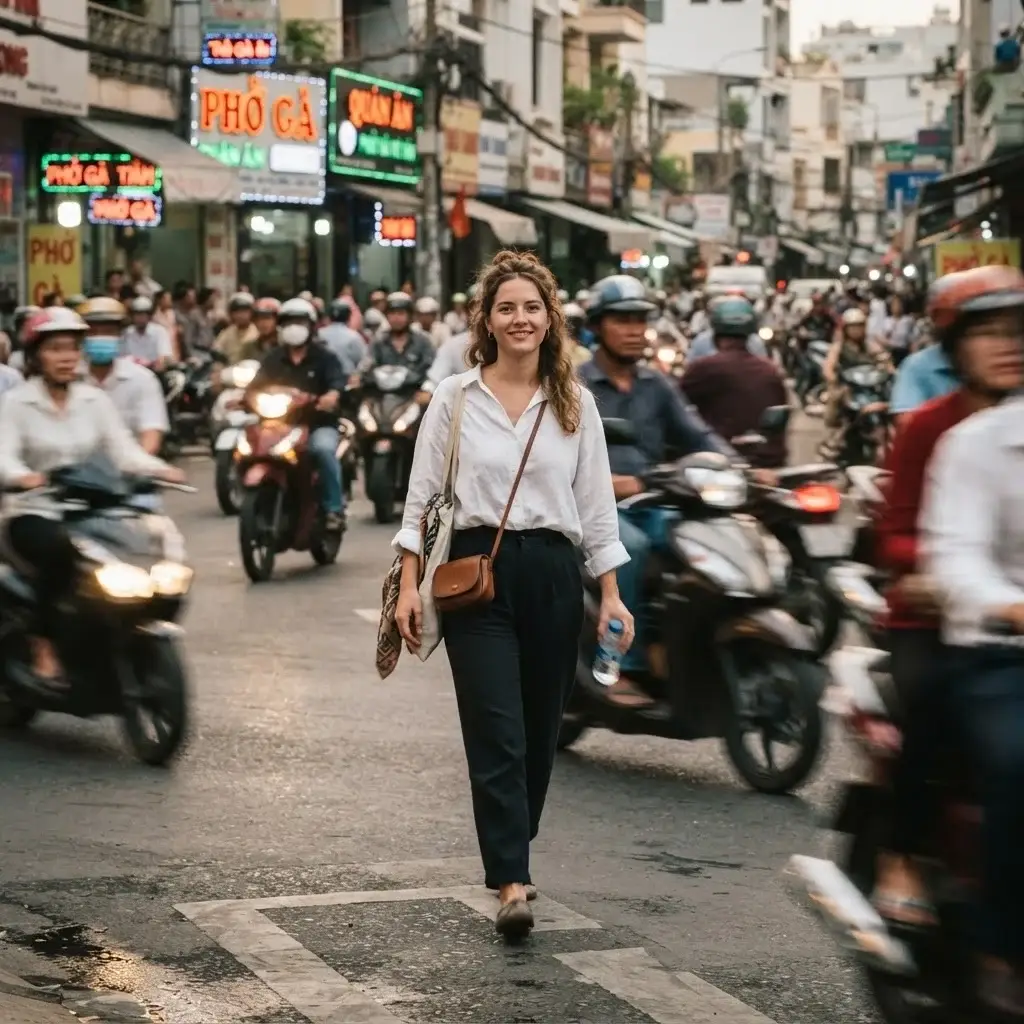
Do not stop suddenly. Do not close your eyes. The motorbike riders are actively watching you. They calculate your walking speed and will naturally glide right around you like water flowing around a rock. If you make a sudden run or stop, you break their calculation. Maintain eye contact with oncoming riders, keep your hands relaxed at your sides, and just keep moving forward steadily. Once you do it successfully the first time, your confidence will skyrocket.
Using Ride-Hailing Apps
For longer distances, you do not need to haggle with random taxi drivers on the street, which can often lead to overcharging or confusion.
Instead, I highly recommend downloading the most popular ride-hailing app in Southeast Asia before you arrive. You can read about how the service works and set up your account on the Grab official app overview page to easily book cars or motorbike taxis with fixed, transparent pricing.
As a solo traveler, I absolutely love using Grab Bike. You hop on the back of a local driver’s motorbike, put on the provided helmet, and zip through the traffic lanes. It is much faster than sitting in a car stuck in a traffic jam, it costs very little, and it gives you an amazing, front-row view of the city’s daily life. If it starts raining heavily, you can easily switch to booking a standard Grab Car to stay dry in air-conditioned comfort.
Day 1: The Historical Heart and Colonial Core
On your first full day, you will explore District 1. This is the geographic and economic center of Ho Chi Minh City. Walking through this neighborhood will give you a deep crash course in the complex history of Vietnam, from the days of French colonial rule to the profound impacts of the Vietnam War.
Morning: The Weight of History at the War Remnants Museum
Start your day early around 7:30 AM to beat the midday heat and the largest crowds. Your first stop is the War Remnants Museum, located in District 3, just on the edge of District 1.
- How to get there: Take a short, cheap Grab Bike ride from your accommodation directly to the museum gates.
- The Experience: This museum is a deeply moving and heavy experience. In the outdoor courtyard, you will see real American fighter jets, tanks, and helicopters left over from the war. Inside the multi-story building, the exhibits focus heavily on the human cost of the conflict, featuring archival photographs, military artifacts, and detailed stories about the long-term effects of Agent Orange.
- Solo Travel Tip: This museum can be emotionally overwhelming. Take your time walking through the rooms. There is no shame in stepping outside into the courtyard to sit under a tree and process your thoughts if the imagery feels too intense. It is a vital place to visit if you want to understand the resilience and spirit of the modern Vietnamese people.
Mid-Day: Independence Palace and French Architecture
From the museum, take a pleasant ten-minute walk down the shaded sidewalks of Le Quon street toward the Independence Palace, which is also known as the Reunification Palace.
- The Architecture: This massive building looks like a time capsule from the 1960s. It was the home and workplace of the President of South Vietnam during the war. The historic moment the war ended occurred right here on April 30, 1975, when a North Vietnamese tank crashed through the front iron gates.
- What to see: You can walk through the grand reception rooms, the presidential living quarters, and the fascinating underground war bunker. The bunker is filled with original old maps, heavy rotary phones, and radio equipment that make you feel like you stepped back in time.
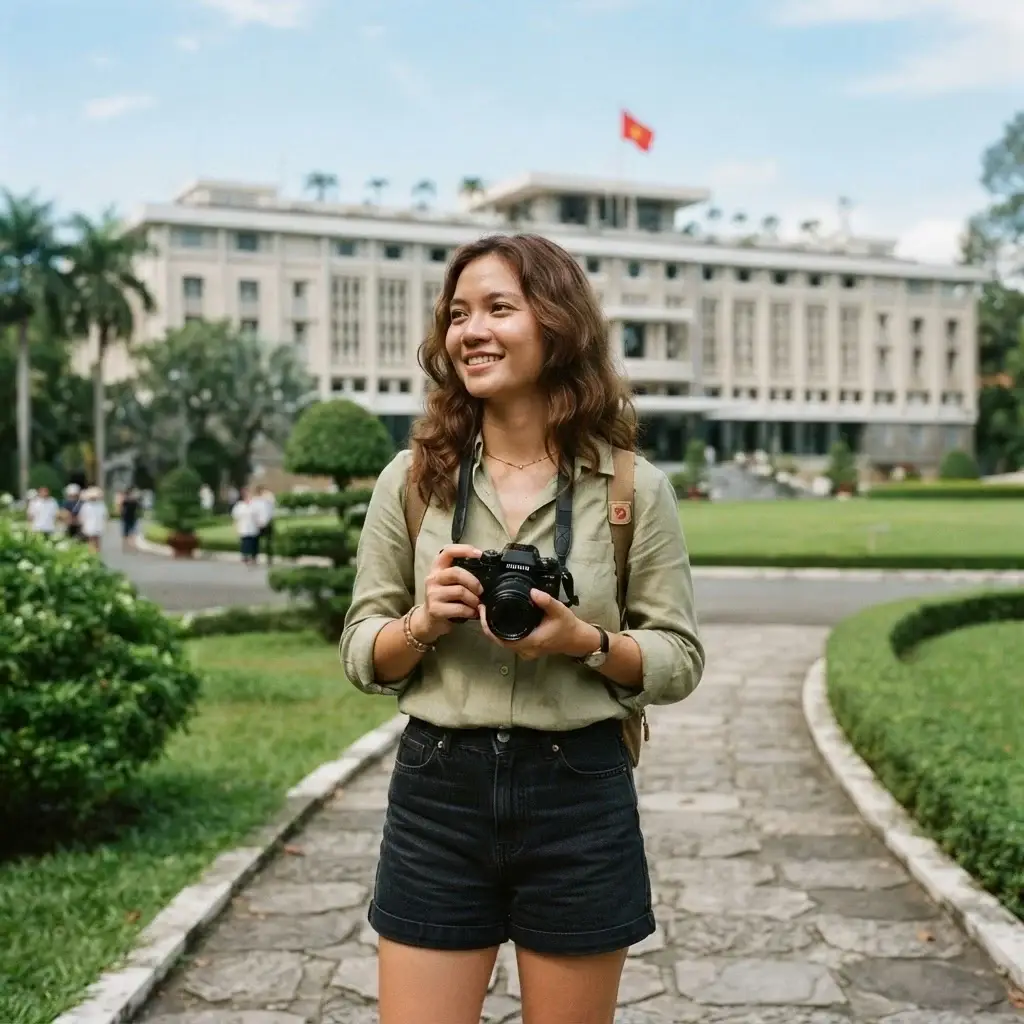
- Next Stop: After leaving the palace grounds, walk five minutes east to see two iconic French colonial landmarks standing right next to each other: the Saigon Notre-Dame Basilica and the Saigon Central Post Office.
- The Post Office Secret: While the cathedral is often undergoing long-term restoration work, the Central Post Office is fully open and functional. It was designed in the late 1800s and features stunning arched ceilings and hand-painted historic maps on the walls. Walk to the wooden phone booths inside, buy a cheap postcard and a stamp, and mail a letter to your future self or a loved one back home. It is a wonderful, grounding way to document your solo journey.
Lunch: Your First Authentic Taste of Com Tam
By now, you will be hungry. Skip the Western-style cafes and look for a local spot serving Com Tam, which translates to “broken rice.” This is a classic Southern Vietnamese comfort food dish.
- What it is: It features fractured rice grains topped with a deeply marinated, grilled pork chop, a savory egg meatloaf, and a fried egg. It is served with pickled vegetables and a small bowl of sweet, garlicky fish sauce that you pour over the top.
- Where to eat: Look for a busy street corner restaurant where you can see smoke rising from a sidewalk charcoal grill. A fantastic, clean, and welcoming option for solo beginners is Com Tam Moc on Nguyen Du street. Sit down, order a cold glass of iced jasmine tea (tra da), and enjoy a hearty meal that will power you through the afternoon.
Afternoon: Slow Coffee and the Walking Street
After lunch, embrace the local slow travel philosophy by experiencing Vietnam’s famous coffee culture. Walk over to Nguyen Hue Walking Street, a wide pedestrian promenade lined with shops, hotels, and grand buildings like the Saigon Opera House and the ornate City Hall.
- The Cafe Apartments: Located at 42 Nguyen Hue, this is a nine-story old apartment building that has been completely transformed into a vertical maze of independent coffee shops, boutique clothing stores, and small restaurants. Walk up the old tiled staircase (or pay a tiny fee of a few thousand dong to use the elevator) and wander through the hallways.
- Where to sit: Pick a café that catches your eye. I personally love The Maker Concept or Saigon Oi. Order a traditional Ca Phe Sua Da—a strong, slow-drip dark roast coffee mixed with thick sweetened condensed milk and poured over ice. Find a seat on a small balcony looking down at the walking street below. Spend an hour reading, writing in your travel journal, or simply watching the people pass by.
Evening: The Energy of Ben Thanh Market
As the sun begins to set and the air cools down slightly, make your way toward the historic Ben Thanh Market. The historic clock tower at the front entrance is one of the most recognizable symbols of the city.
- Navigating the Aisles: Inside the covered market, the narrow aisles are packed with stalls selling textiles, souvenirs, local handicrafts, and coffee beans. Vendors will call out to you and try to pull you into their shops.
- Staying Confident: If you are a shy traveler, this can feel a bit intense. Remember that a polite smile and a firm shake of your head accompanied by “No, thank you” (Khong, cam on) is all it takes to keep walking. If you want to buy something, remember that bargaining is expected. Start by offering about half of their initial asking price and work your way up to a fair middle ground.
- Dinner: When the main market building closes its indoor stalls, the surrounding side streets come alive with the Ben Thanh Night Market. Streets are blocked off, and outdoor food tents are set up with plastic tables and chairs. Pull up a stool and order a plate of crispy Banh Xeo (a savory Vietnamese rice flour pancake filled with pork, shrimp, and bean sprouts). Wrap pieces of the pancake in fresh lettuce leaves and herbs, dip it in fish sauce, and enjoy the buzzing nightlife around you.
Day 2: Cultural Depths, Hidden Alleys, and Local Life
On your second day, you will step out of the main tourist zones of District 1 to discover the deep spiritual traditions and daily community life that make Saigon so special.
Morning: Exploring Cholon (Chinatown) in District 5
Cholon is one of the largest Chinatowns in the world, dating back to the late 1700s. It is a frantic, colorful maze of wholesale markets, Chinese medicine shops, and ancient temples.
- How to get there: It is a bit too far to walk from District 1, so open your app and call a Grab Bike or Car to drop you off at the Thien Hau Temple on Nguyen Trai street.
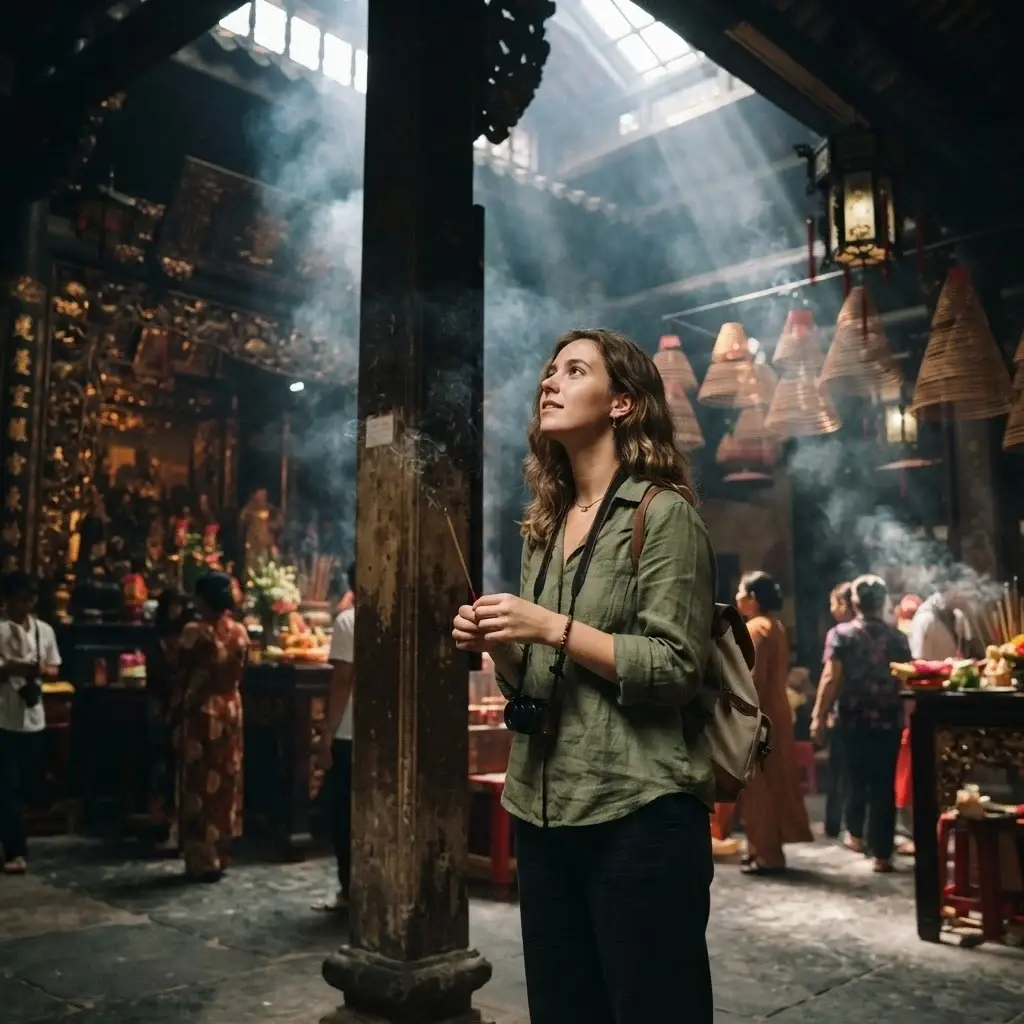
- The Spiritual Experience: Built by Cantonese immigrants in the late 19th century, the Ba Thien Hau Temple is dedicated to the Goddess of the Sea. As a solo traveler, stepping inside this courtyard is an incredibly peaceful experience. The air is thick with the sweet smell of burning incense. Look up at the ceiling to see massive, conical coils of incense hanging from the roof beams. They burn slowly for days, dropping ash onto the stone floor below. You can buy a small slip of red paper, write a wish or a prayer for safety on your travels, and paste it to the temple wall.
CHOLON SIGHTSEEING HIGHLIGHTS:
Thien Hau Temple —> Chinese Medicine Streets —> Binh Tay Market
- The Neighborhood: After visiting the temple, take a slow walk through the surrounding streets. You will pass shops selling dried herbs, roots, and traditional medicines that fill the air with earthy scents. Walk down toward Binh Tay Market, the central wholesale hub of Cholon. The building features a beautiful, Chinese-style central clock tower and a courtyard. It is much less touristy than Ben Thanh, giving you an authentic look at how thousands of local shopkeepers buy goods in bulk every single day.
Lunch: A Healing Bowl of Hu Tieu Nam Vang
While in Cholon, skip the standard rice dishes and look for a local noodle shop serving Hu Tieu Nam Vang (Phnom Penh-style noodle soup). This dish reflects the multicultural history of southern Vietnam.
- The Dish: It features clear rice noodles in a rich, pork bone broth, topped with minced pork, slices of pork liver, whole shrimp, quail eggs, and fresh greens like celery and garlic chives. It is incredibly flavorful and comforting.
- Where to go: Find a small, family-run shop like Hu Tieu Nhan Quan. Sit down with the locals, squeeze a fresh lime wedge into your broth, add a few slices of fresh red chili if you like heat, and enjoy the perfect fusion of Chinese, Cambodian, and Vietnamese flavors.
Afternoon: Finding Peace at the Jade Emperor Pagoda
After a busy morning in District 5, take a Grab ride across the city to District 1’s northern edge to visit the Jade Emperor Pagoda (also known as Chua Phuoc Hai).
- The Atmosphere: Built by the Cantonese community in 1909, this temple is filled with intricate wood carvings, statues of Taoist divinities, and hidden chambers filled with atmospheric smoke. It is an active place of worship where locals come to pray for health, family, and good fortune.
- What to look for: Walk slowly through the main hall to see the grand statue of the Jade Emperor sitting above his guards. Head to the side room to see the Goddess of Fertility, where you will often see young couples offering pink flowers. Outside, there is a small pond filled with turtles, which represent longevity and good luck. The quiet murmurs of chanting and the gentle ring of bells offer a beautiful space for quiet reflection.
Late Afternoon: Wandering Through the “Hems”
One of my absolute favorite things to do as an adventurous solo traveler is to get intentionally lost in Saigon’s hems (the local word for narrow alleyway networks).
- Where to go: Head to the Da Kao neighborhood in District 1 or the areas around Nguyen Thien Thuat street in District 3.
- What you will see: These narrow alleys are completely closed off to cars, creating vibrant, self-contained vertical communities. You will see elderly residents sitting on wooden stools playing chess, parents prepping vegetables on their doorsteps, children playing games, and hidden home-based businesses. You might find a tiny cart selling fresh fruit or a hidden clothing boutique. Walking through these alleys shows you the warm, neighborly side of a city that can otherwise feel intimidatingly large.
Evening: Street Food and Sea Snails on Vinh Khanh Street
For your second evening, cross the small canal into District 4. This district was once a rough port area, but today it is the undisputed street food capital of the city. Specifically, you are heading to Vinh Khanh Street.
- The Scene: This long street is famous for Quan Oc (snail and seafood restaurants). As night falls, the sidewalks fill with dozens of outdoor stalls, bright neon lights, loud music, and hundreds of locals drinking beer and eating seafood.
- How to order: Eating snails might sound scary if you have never tried it, but it is an essential Saigon experience. Sit at a metal table and order a plate of Oc Huong Sot Trung Muoi (sweet sweet snail cooked in a rich, creamy salted egg yolk sauce) or Oc Mong Tay Xao Rau Muong (razor clams stir-fried with fresh morning glory greens and garlic). They will provide small safety pins or forks to pull the meat out of the shells. Dip the seafood in a mix of salt, pepper, lime juice, and chili. Wash it down with a cold local Saigon Beer over ice, just like the locals do.
Day 3: Historical Tunnels and Modern Perspectives
On your final day, you will take a half-day trip outside the urban core to see one of the most remarkable historical engineering feats in Asia, before returning to the city for a relaxing, inspiring farewell.
Morning: The Historic Cu Chi Tunnels
The Cu Chi Tunnels are a massive, interconnected network of underground tunnels located about 40 kilometers northwest of the city center. During the Vietnam War, these tunnels stretched for over 250 kilometers, serving as hiding spots, communication routes, supply caches, hospitals, and living quarters for the Viet Cong fighters.
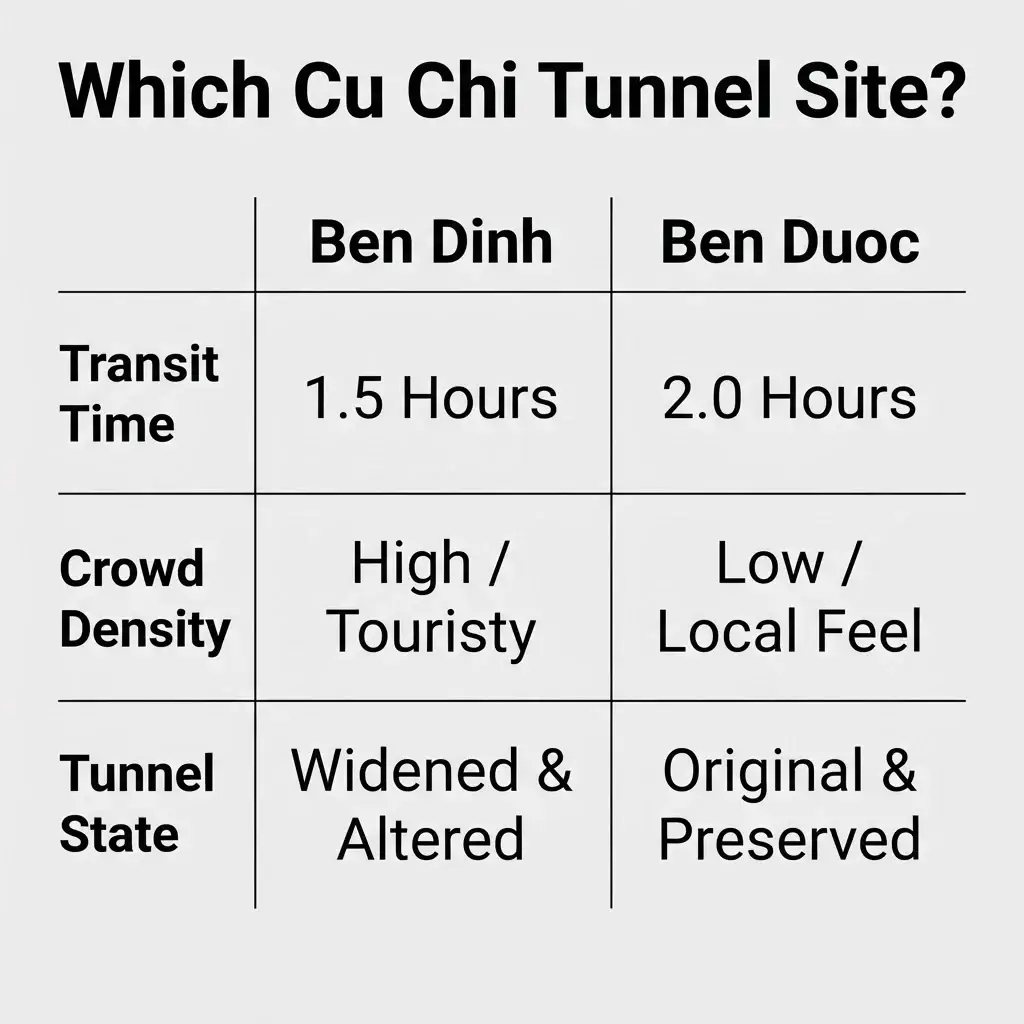
- How to visit independently: As a solo traveler, the easiest and most cost-effective way to visit without getting lonely is to book a half-day small group tour through a reputable local operator like Les Rives (for a speedboat experience along the Saigon River) or a highly-rated shared minibus tour via your hostel or hotel front desk. The journey takes about two hours each way through rural landscapes and rubber plantations.
- The Experience: There are two main tunnel sites open to visitors: Ben Dinh and Ben Duoc. Ben Duoc is slightly further away but offers a much more authentic, less crowded experience with original tunnels.
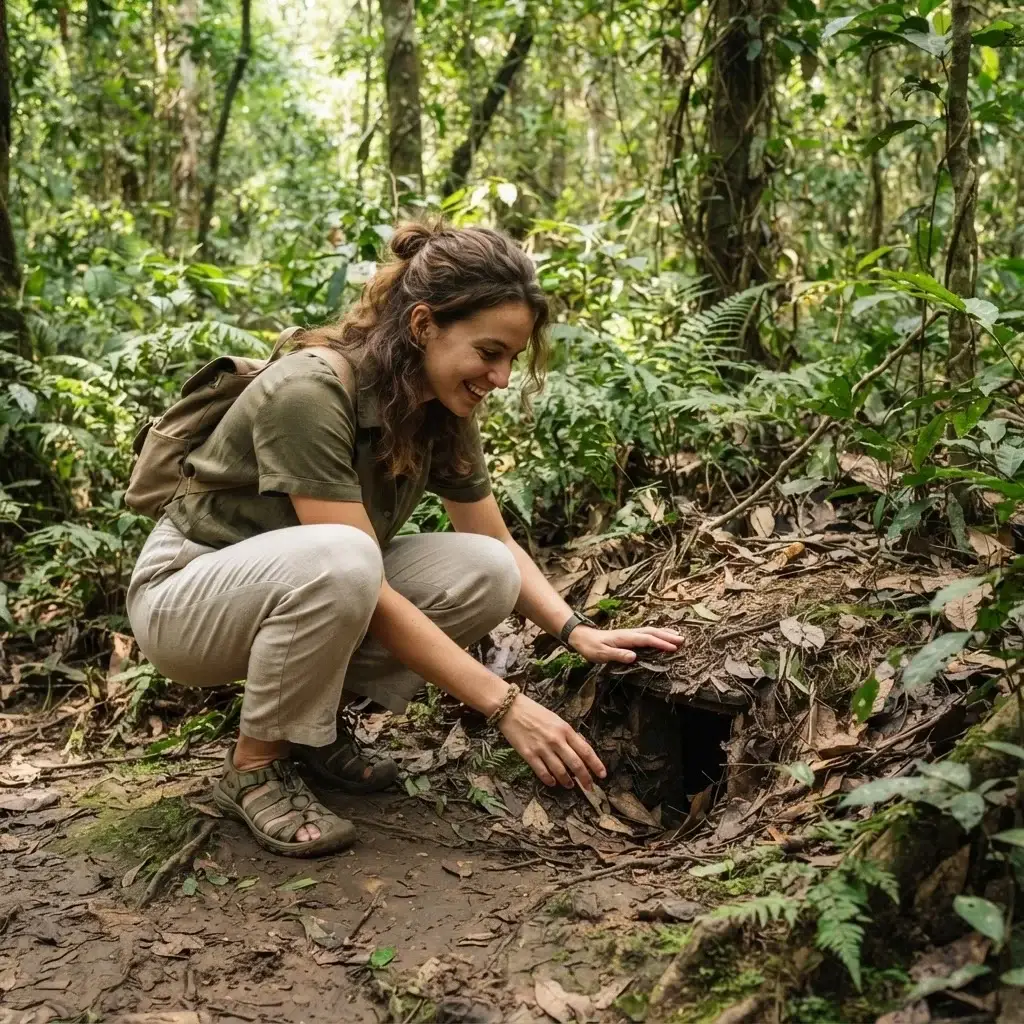
- When you arrive, a local guide will show you how hidden trapdoors were camouflaged using leaves and soil. You will see the ingenious underground kitchens that dispersed smoke horizontally through the dirt so enemy spotter planes could not locate them.
- Stepping Comfort Zone: Visitors are given the chance to drop down into a section of the tunnels that has been slightly widened for safety. Crawling through the dark, tight, humid space on your hands and knees—even for just 20 meters—gives you an immediate, visceral appreciation for the intense conditions and hardships the soldiers faced daily. It is a powerful reminder of how history shapes the places we visit today.
Lunch: A Refreshing Bowl of Bun Thit Nuong
After returning to the city around 1:30 PM, you will likely be hot and dusty from crawling through the jungle tunnels. You will want a lunch that is light, fresh, and cooling. Seek out Bun Thit Nuong (cold rice vermicelli noodles with grilled pork).
- The Elements: This dish is served in a wide bowl. The bottom is layered with shredded lettuce, fresh herbs, cucumber, and bean sprouts. It is topped with cold rice noodles, warm Lemongrass-marinated grilled pork, crispy fried spring rolls (cha gio), crushed peanuts, and pickled daikon. You pour a sweet, tangy fish sauce over the whole bowl and mix it up.
- Where to eat: Head straight to Bun Thit Nuong Kieu Bao on De Tham street. It is incredibly affordable, fresh, and popular with both students and travelers. It is the perfect refreshing meal for a hot afternoon.
Afternoon: Hidden Treasures at Tan Dinh Pink Church
Spend your last afternoon visiting one of the most unique architectural sights in the city: Tan Dinh Church in District 3.
- The Visual: Built by the French in the late 1800s, this church is famous for its vibrant, bright pink exterior paint. It looks like something out of a fairytale. Walk across the street to get a perfect photo frame of the pink steeples against the blue sky.
- Local Exploration: After seeing the church, walk across the street into Tan Dinh Market. This is another wonderfully authentic neighborhood market where you can see massive mounds of colorful tropical fruits like dragonfruit, mangosteen, and rambutan. Step to the back fabric section to see towering walls of colorful silk and textiles. It is a fantastic place to buy high-quality loose leaf tea or traditional Vietnamese coffee filters (phin) to take home as practical souvenirs.
Evening: A Reflective Farewell at Sunset
For your final night in Ho Chi Minh City, skip the loud, expensive tourist bars on Bui Vien street. Instead, look for a peaceful spot to watch the sun go down over the city skyline and reflect on your solo adventure.
- Where to go: I recommend heading to a laid-back rooftop lounge like The View Rooftop Bar on top of the Duc Vuong Hotel, or simply buying a cold drink and walking down to the Bach Dang Wharf Park along the edge of the Saigon River.
- The View: Watch the thousands of motorbike headlights blink on as twilight settles over the city. Look across the water to see the glowing neon lights of the massive Landmark 81 tower, the tallest skyscraper in the country.
- A Moment of Growth: Think back to how you felt on your very first morning here, facing that terrifying wall of traffic. Now, you know how to cross the street with ease, how to order local noodles with confidence, and how to navigate the alleys alone. You did it all on your own two feet.
Where to Stay: Solo-Friendly Neighborhoods
Picking the right base camp can make or break your trip. Here is a breakdown of the three best neighborhoods for solo travelers in Ho Chi Minh City, depending on your personal travel style.
1. Ben Thanh Area (District 1)
- Best for: First-time travelers who want to walk everywhere.
- The Vibe: Safe, busy, and centrally located. You are within easy walking distance of the Central Post Office, the Independence Palace, and dozens of great restaurants. There are plenty of clean, boutique hotels and high-quality hostels with private rooms here.
2. Da Kao & Tan Dinh (District 1 / District 3 Border)
- Best for: Slow travelers who want a quiet, trendy, local feel.
- The Vibe: Shaded streets, historic colonial villas, hidden alleys, and incredible independent third-wave coffee shops. It is far enough away from the tourist crowds to feel authentic, but a quick five-minute Grab ride puts you right back in the center of the action.
3. Pham Ngu Lao & Bui Vien (District 1 Backpacking Area)
- Best for: Budget travelers looking to meet people and socialize.
- The Vibe: Loud, cheap, and social. While the main Bui Vien walking street can get incredibly noisy and chaotic at night with loud club music, the surrounding side alleys are filled with wonderful, quiet, affordable family-run guesthouses. It is the easiest place to find day-tour bookings and meet fellow independent wanderers.
Solo Travel Safety and Practical Tips
Saigon is generally a very safe city for solo travelers, including solo women. Violent crime is extremely rare. However, petty theft does happen. Here are a few smart rules to follow to protect your belongings and keep your confidence high:
- Watch Your Phone: The most common crime is drive-by phone snatching. Motorbike riders will zip close to the sidewalk edge and grab phones out of the hands of unsuspecting tourists who are looking at maps. When you need to check your map or order a Grab ride, step back from the curb edge, face inward toward a building wall, and hold your phone securely with both hands.
- Secure Your Bag: Wear your backpack over both shoulders. If you are carrying a cross-body bag, make sure it sits toward the front of your body rather than hanging loosely on your hip or back where it can be clipped or cut.
- Trust Your Instincts: The Vietnamese people are incredibly hospitable and kind. If someone approaches you on the street and offers an experience or service that makes you feel uncomfortable, remember that you are the author of your own journey. Smile, say a clear “No,” and walk firmly into a well-lit shop or hotel lobby.
- Consider Travel Insurance: When I left my 9-to-5 job to travel full-time, I realized that taking care of my peace of mind was worth every penny. For comprehensive medical coverage, emergency trip changes, and protection for my digital gear on the road, I always look into options like World Nomads Travel Insurance plans before embarking on a new international journey. It helps me step out of my comfort zone knowing I have a safety net if something unexpected happens.
Expanding Your Vietnam Adventure
Three days is the perfect amount of time to fall in love with the vibrant energy of southern Vietnam, but there is so much more of this beautiful country to see if you have more time to explore.
If you want to stretch your itinerary further north toward the quiet, lantern-lit streets of Hoi An ancient town or the dramatic limestone mountains of Ha Long Bay, you will want a reliable resource to map out your route. When I am expanding my travels beyond the big cities, I frequently use the comprehensive country overviews on the Lonely Planet Vietnam destination page to find off-the-beaten-path regional highlights and plan long-distance train and bus routes across the country.
The Ultimate Solo Reward
Travel is never about checking top attractions off a list or taking perfect pictures for social media. It is about personal growth, stepping beyond your comfort zone, and developing a deeper understanding of the world and yourself.
When you complete this 3-day itinerary, you will leave Ho Chi Minh City with more than just souvenirs. You will leave with the deep, quiet confidence that comes from navigating a beautiful, chaotic mega-city completely on your own. You will realize that the things that once scared you are actually the things that made your journey unforgettable.
Stop waiting for the perfect moment to travel. The world rewards curiosity and courage. Pack your bags, book that flight, and step into the beautiful chaos of Saigon. Your adventure is waiting.