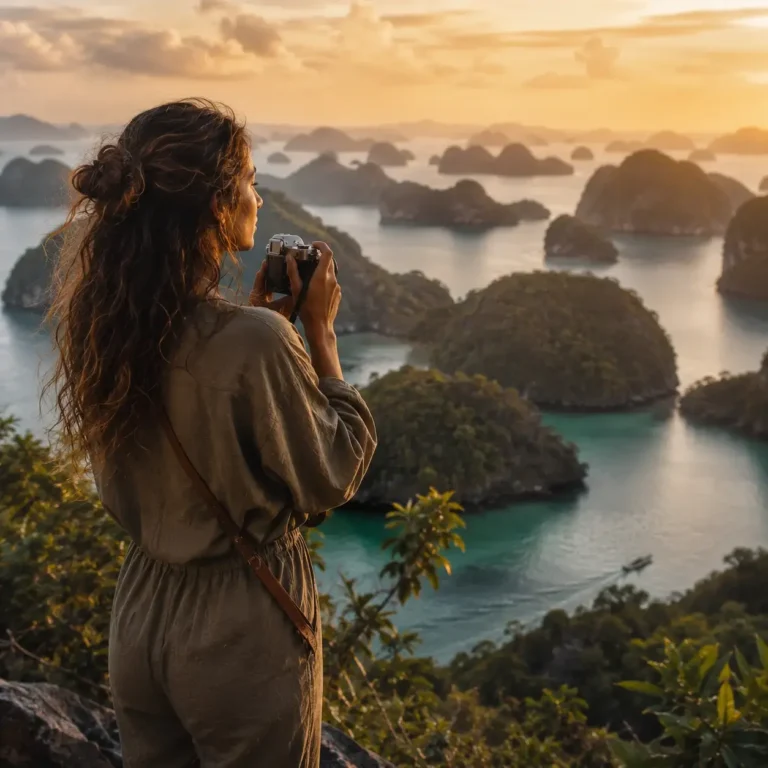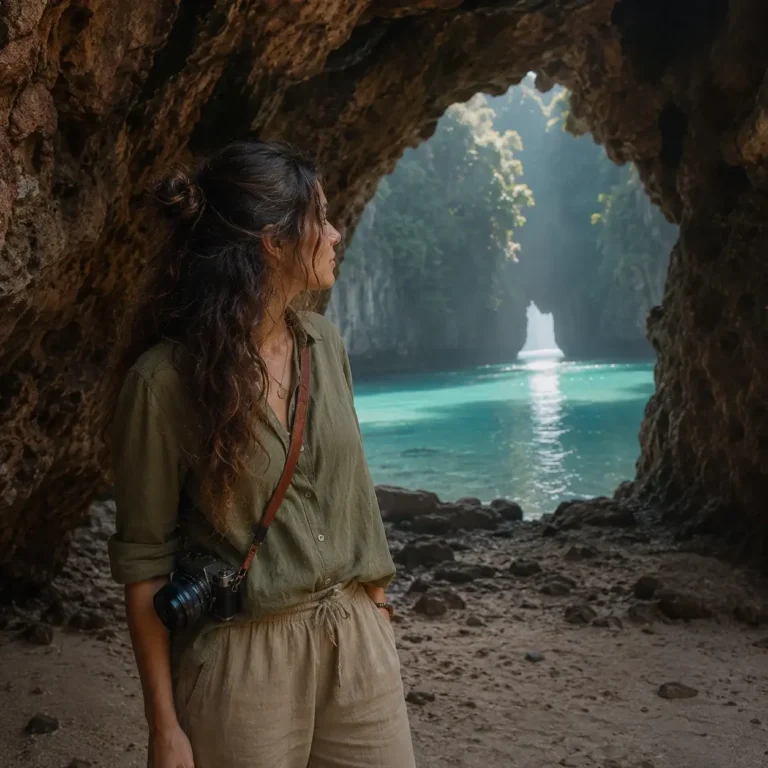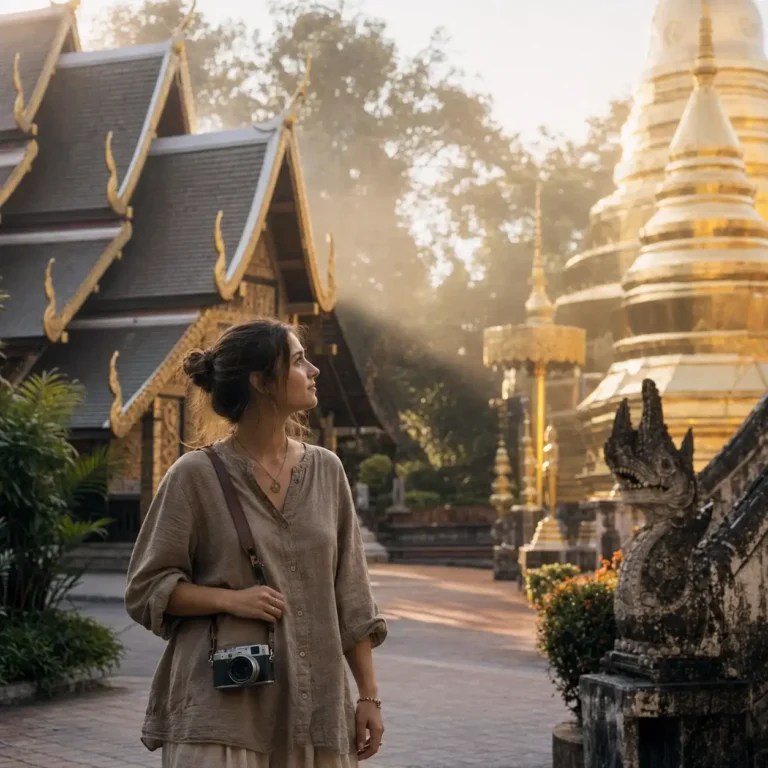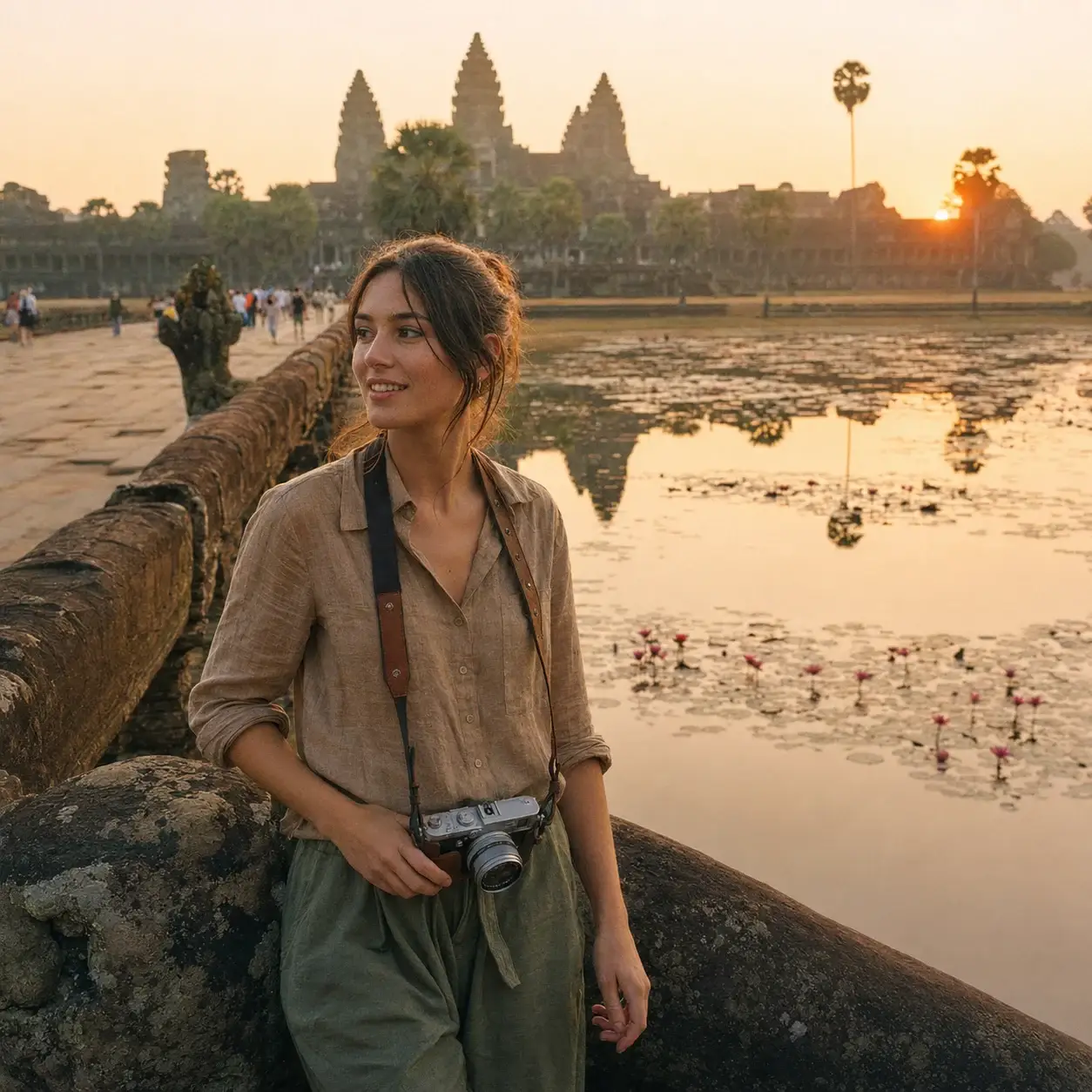
I still remember the day I walked out of my 9-to-5 corporate office in New York for the last time. My coworkers thought I was losing it. I had a stable salary, dental insurance, and a clear, predictable path forward. But my heart was somewhere completely different. It was trapped between a bustling, midnight street food market in Hanoi and a misty, quiet temple mountain in Chiang Mai. I was absolutely exhausted by the traditional corporate grind—the soul-crushing routine of hoarding a measly two weeks of vacation per year, praying my boss wouldn’t reject my time-off requests, and constantly watching the clock. I didn’t want to just take vacations anymore. I wanted to build a lifestyle where travel was the lifestyle.
To make that crazy dream a reality, I spent months waitressing full-time back in NYC. I picked up every single grueling double shift available, stayed on my feet until 2:00 AM, smiled through bad tips, and walked home with sore calves just to pay off my lingering bills and build an absolute “freedom fund.” When my plane finally touched down in Asia, a massive wave of relief hit me. I quickly realized that my hard-earned cash didn’t just go a little bit further—it completely unlocked a totally new way of existing.
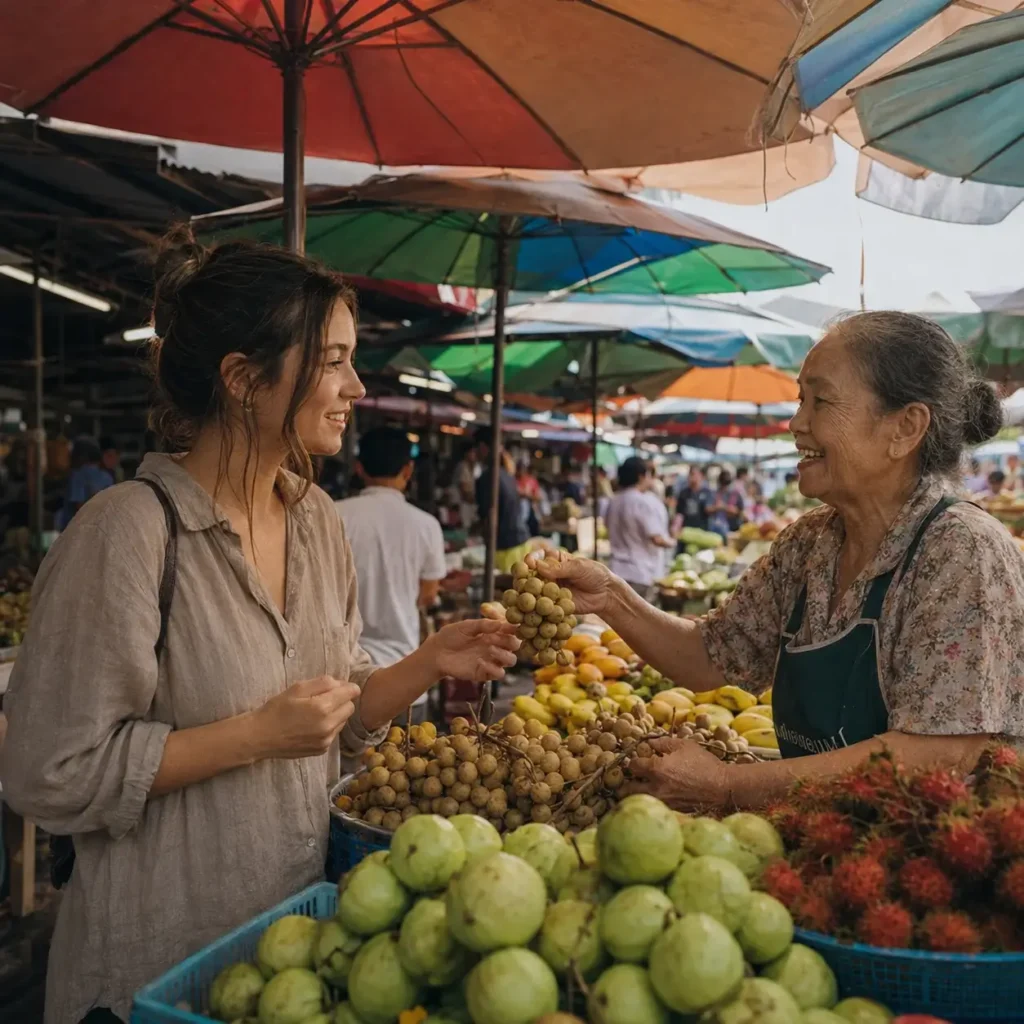
Slow travel isn’t just about aggressively pinching pennies or living like a hermit. It’s about choosing to stay in one spot long enough to find the absolute best neighborhood coffee shop, making friends with the grandmother who runs the fruit stall on the corner, and finally learning how to accurately say “please make it flavorful but not too spicy” in the local dialect.
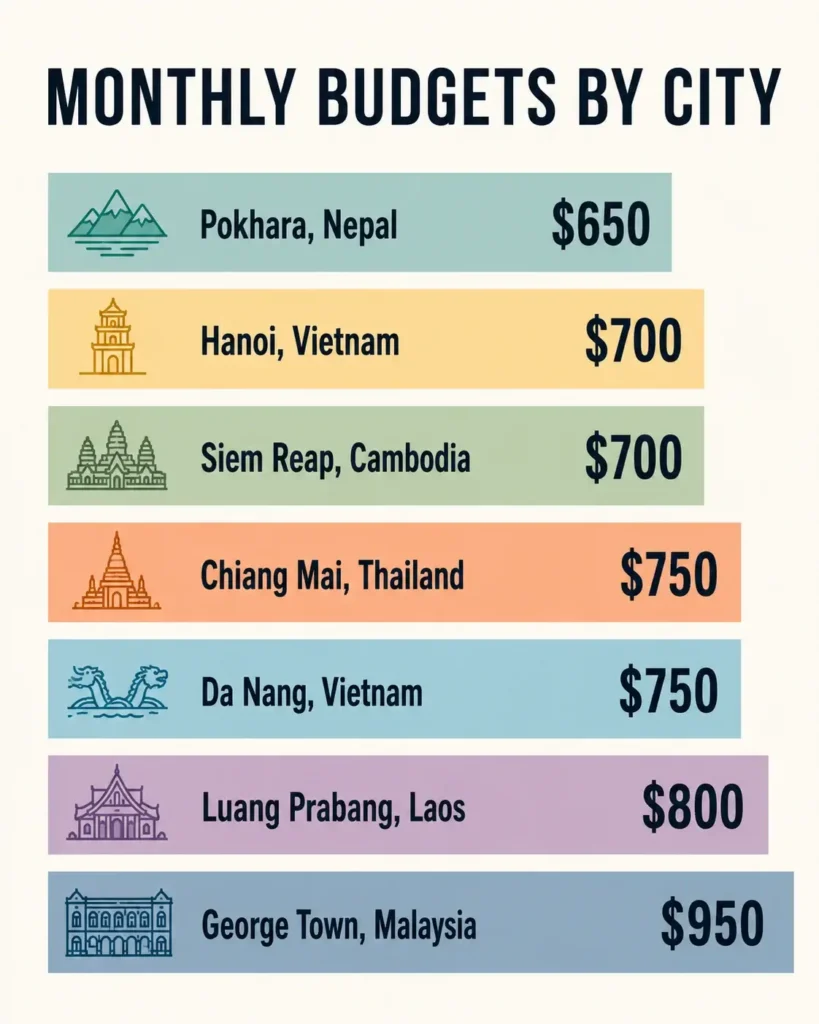
If you are standing on the edge of your own terrifying yet exciting “what if,” let me show you the most affordable cities to visit in Asia. These are the magical places where you can live deeply, eat incredibly well, and experience jaw-dropping adventures while spending a tiny fraction of what it costs to simply survive in a Western city.
1. Chiang Mai, Thailand: The Slow Travel Capital of the World
Chiang Mai is the exact place where my personal journey shifted from a simple backpacking trip into a permanent lifestyle. Nestled into the misty mountains of Northern Thailand, this city instantly feels like a massive, welcoming village wrapped inside historic 700-year-old brick walls and surrounded by a peaceful moat. For anyone scouring the globe for the absolute gold standard of the most affordable cities to visit in Asia, Chiang Mai wins by a landslide every single time.
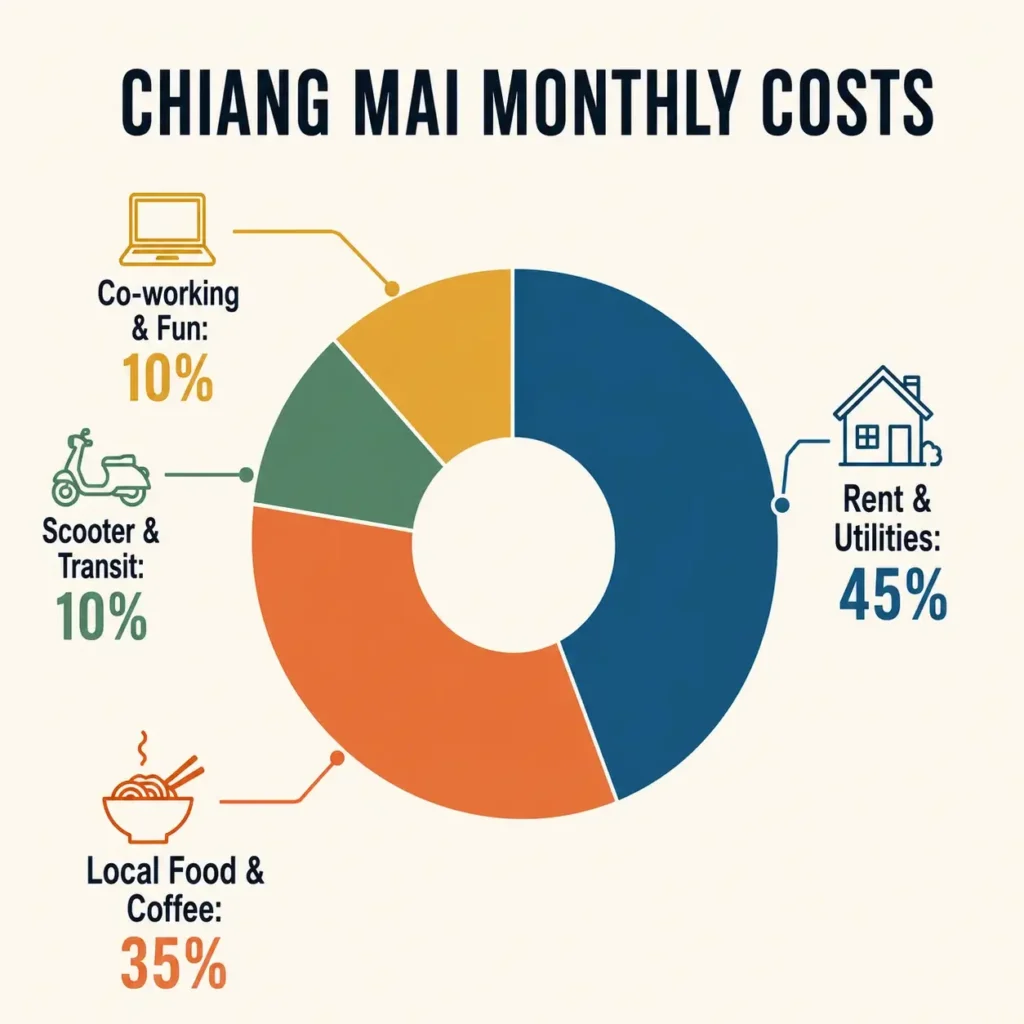
Expected Monthly Slow Travel Budget: $750 – $1,100 USD
• Modern Studio Apartment: $300 – $450 / month
• Local Meal (Pad Kra Pao / Khao Soy): $1.50 – $3.00
• Monthly Scooter Rental: $70 – $90
• Co-working Space Hot Desk: $120 / month
Why it’s perfect for slow travel
In Chiang Mai, the chaotic pace of modern life just completely melts away. The local culture is deeply rooted in the concept of Jai Yen—which translates to having a “cool heart.” You will quickly find your mornings starting with an iced coconut latte at a hidden garden cafe in the trendy Nimmanhaemin neighborhood, followed by afternoons spent wandering through breathtaking historic sites. If you want a weekend getaway to see where Thai history truly began, you can head south to explore the Sukhothai Historical Park ruins, which are a highly recommended trip and offer a stunning look at the roots of early Thai architecture and art [opens in new tab].
The sheer economics of choosing Chiang Mai for slow travel are mind-blowing. You can effortlessly secure a beautiful, modern condo featuring a rooftop swimming pool and a fully equipped fitness center for roughly $350 to $450 USD a month in areas like Santitham or Chang Phueak. Because the cost of living is so low, you aren’t constantly stressed about money, which frees up your mental bandwidth to actually create, write, or simply learn how to exist without a corporate clock ticking in your ear.
Insider secrets & neighborhood guide
To live like a true local, skip the tourist-heavy areas right inside the Old City walls for your long-term accommodation. Instead, look into Santitham. It’s a wonderfully authentic Thai neighborhood packed with incredible local markets, cheap laundromats, and zero tourist pricing. If you prefer a more modern, hipster lifestyle with boutique clothing shops and digital nomad meetups, then Nimmanhaemin (Nimman) is your go-to spot, though you will pay a small premium for the convenience.
Navigation and transport secrets
When you first arrive, the roaring streets can look intimidating. Avoid waving down the iconic red trucks (called Songthaews) if you don’t speak Thai yet, as drivers will frequently try to quote you inflated tourist rates. Instead, immediately download local ride-hailing applications on your phone. I always heavily recommend checking out how Grab works in Southeast Asia before you arrive because it is easily the safest, most reliable, and highly transparent way to book rides with fixed pricing [opens in new tab]. It completely eliminates the stressful need to aggressively haggle over prices with drivers on the street corner. Once you settle in, renting a automatic 125cc scooter from a trusted shop like Zippy Motorbikes for around $80 USD a month is the ultimate key to freedom, allowing you to cruise up the winding roads of Doi Suthep mountain whenever you please.
Culinary deep dive: What and where to eat
You absolutely cannot stay in Chiang Mai without becoming completely obsessed with Khao Soy. This dish is a legendary Northern Thai culinary masterpiece: a rich, aromatic, golden coconut curry broth loaded with tender chicken, soft egg noodles, and topped with an incredibly satisfying nest of crispy fried noodles, served alongside pickled mustard greens, raw shallots, and fresh lime wedges.
- The Hidden Gem: Skip the overpriced tourist spots on the main roads. Instead, walk down a quiet side street in Santitham to Khao Soy Maesai. It is incredibly crowded with locals every single day at lunch, costs less than $2.50 a bowl, and will completely ruin all other soups for you for the rest of your life.
- Night Market Strategy: For dinner, head straight to the Chang Phueak Gate Night Market and look for the famous lady wearing a cowboy hat. She serves up legendary slow-braised stewed pork leg (Khao Kha Moo) over rice with a soft-boiled egg that is so rich and tender it melts the second it hits your tongue.
Health, safety, and cultural etiquette
Northern Thailand is incredibly safe for solo female travelers, but you must respect the local religious culture. When you visit any of the gorgeous temples (Wats), your shoulders and knees must be fully covered. Never point your bare feet toward a Buddha statue or a monk, as feet are viewed as the lowest and dirtiest part of the body in Thai culture.
- Health and Food Safety: Street food is an absolute way of life here, and the turnover is so incredibly fast that the ingredients are often much fresher than what you would find in an upscale tourist restaurant. However, it pays to be prepared. I always strongly advise taking a quick look at the official CDC Travelers’ Health page for Thailand to review up-to-date vaccine recommendations and food safety advice [opens in new tab] so you can travel with complete peace of mind.
2. Hanoi, Vietnam: The Soulful, Historic Powerhouse
If Chiang Mai is a soothing, warm hug, Hanoi is a shot of high-voltage espresso delivered straight to your nervous system. It is ancient, wildly chaotic, deeply romantic, and shockingly inexpensive. Having spent years working as a certified professional sightseeing guide in the grid-based streets of New York City, I tend to view urban geography with a highly critical eye. Yet, Hanoi’s legendary Old Quarter completely blew me away. It is a stunning, beautiful masterpiece of organized madness where life plays out entirely on the narrow sidewalks.
Expected Monthly Slow Travel Budget: $700 – $1,000 USD
• French-Style Studio in Ba Dinh: $280 – $400 / month
• Street Food Meal (Bun Cha / Pho): $1.20 – $2.50
• Fresh Draft Beer (Bia Hoi): $0.25 – $0.40
• Cafe Workspace Drinks: $1.50 – $3.00 per day
The true cost of immersion
Vietnam easily ranks as one of the single most affordable countries on the face of the earth for slow travelers. In the heart of Hanoi, you can sit down on a tiny plastic stool on the sidewalk, order a freezing cold glass of Bia Hoi (freshly brewed daily draft beer), and hand the owner a quarter. Yes, 25 cents.
You can easily locate gorgeous, high-ceilinged apartments boasting classic French-colonial architecture, exposed brick walls, and modern amenities for under $350 USD a month in beautiful residential districts. It is an unparalleled destination to park yourself for a couple of months if you want to focus heavily on creative projects, learn a complex new language, or simply master the art of slow living.
Insider secrets & neighborhood guide
Most short-term tourists make the mistake of staying right in the middle of the loud, sleep-deprived Old Quarter. If you are planning an epic slow travel stay, look for an apartment in the Ba Dinh or Truc Bach neighborhoods. Truc Bach sits right next to a peaceful lake, is incredibly walkable, and is filled with quiet, tree-lined streets, excellent third-wave coffee shops, and phenomenal local food markets, all while remaining completely isolated from the standard tourist crowds. Another highly popular option for expats is Tay Ho (West Lake), which offers a massive array of Western-style cafes and gyms, though it lacks a bit of that raw, authentic Vietnamese charm.
Entry requirements and safety check
Vietnam’s immigration and tourist visa policies can change with very little notice, and you definitely do not want to show up at the airport without your paperwork perfectly sorted out. You should absolutely verify the most recent entry requirements, official tourist visa application procedures, and state safety advisories on the US Department of State’s travel portal before booking your flights [opens in new tab]. This guarantees you won’t encounter any unexpected administrative headaches at the immigration border checkpoint.
Navigation and transport secrets
Crossing the street in Hanoi feels exactly like playing a real-life game of Frogger. The secret is simple: walk at a completely steady, predictable, slow pace. Do not stop running, do not sprint, and do not close your eyes. The sea of hundreds of oncoming motorbikes will naturally calculate your trajectory and smoothly flow right around you like water around a rock. For getting across the city to visit historic landmarks like the gorgeous Imperial Citadel of Thang Long, I highly recommend reading a deep destination overview to plan your route through this sprawling metropolis [opens in new tab]. For longer journeys across town, skip standard taxis and use the Grab app to call a motorbike taxi (GrabBike). It is incredibly cheap, cuts straight through the heavy gridlock traffic, and gives you an absolute adrenaline rush.
Culinary deep dive: What and where to eat
Hanoi is a world-class culinary capital disguised as a street food paradise. You absolutely must try authentic Bun Cha. This legendary dish consists of a warm, sweet, and savory fish sauce broth packed with smoky, charcoal-grilled pork patties and slices of pork belly, served alongside a massive mountain of fresh rice vermicelli noodles and a basket of crisp local herbs (like perilla, mint, and cilantro).
- The Ultimate Meal: Walk over to Bun Cha Huong Lien. This is the exact local spot where chef Anthony Bourdain and President Barack Obama sat on blue plastic stools to share a cold beer and a hot meal. It remains unbelievably cheap, completely authentic, and represents everything that makes travel so beautiful.
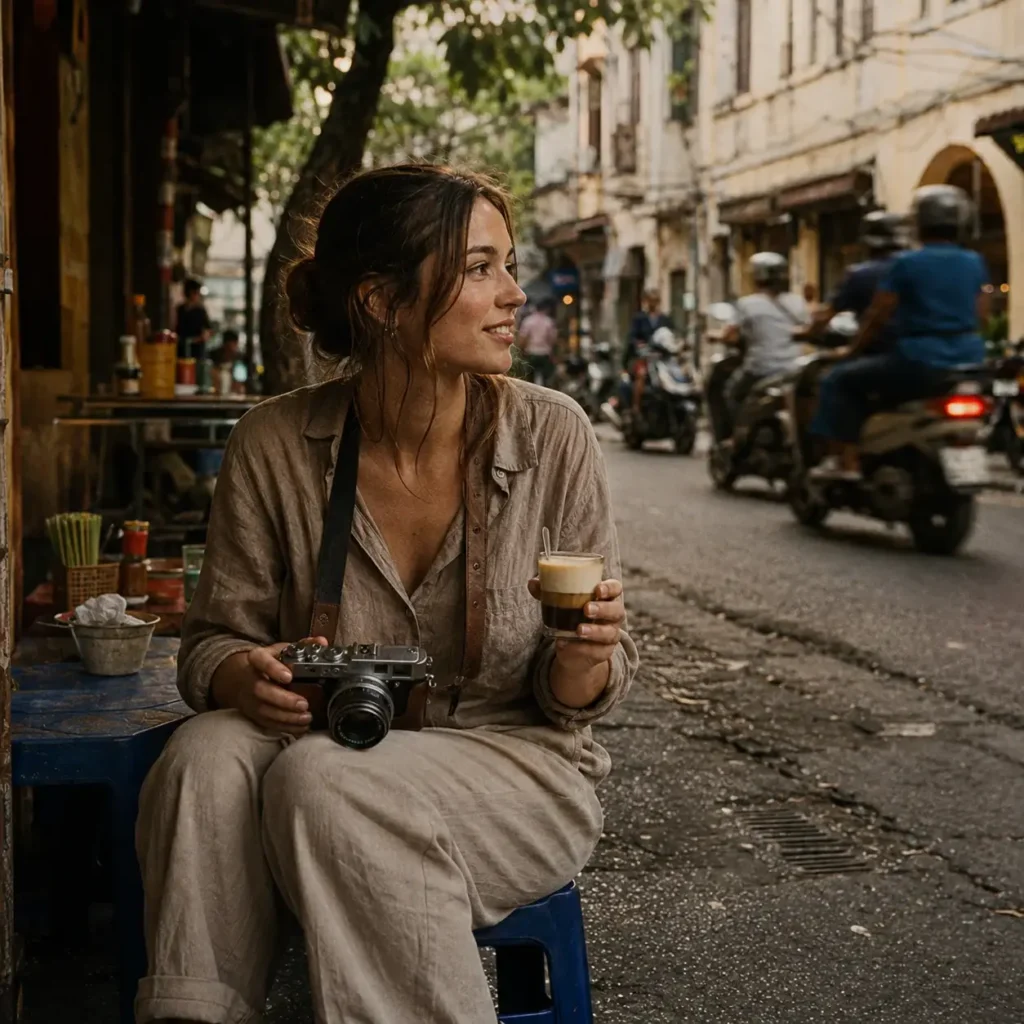
- The Caffeine Fix: You cannot leave without trying Egg Coffee (Ca Phe Trung). Created during a historic milk shortage, it features a robust shot of dark Vietnamese robusta coffee topped with an incredibly thick, velvety, sweet custard made from whipped egg yolks and condensed milk. Head straight to Cafe Giang, the birthplace of this delicious drink, to taste the absolute original recipe.
3. Da Nang, Vietnam: The Perfect Blend of Coast and Culture
Just a short journey down the coast from the frantic energy of Hanoi lies Da Nang. For decades, travelers viewed this city merely as a quick transit point to reach the historic town of Hoi An. But recently, Da Nang has rapidly exploded into one of the top choices among the most affordable cities to visit in Asia for slow travelers who refuse to choose between a booming modern metropolis and a laid-back beach lifestyle.
Expected Monthly Slow Travel Budget: $750 – $1,100 USD
• Oceanview High-Rise Studio: $350 – $500 / month
• Seafood Dinner for Two: $8.00 – $12.00
• Daily Surfboard Rental: $5.00
• Gym Membership with Pool: $25 / month
Living the coastal dream on a shoestring
Da Nang offers some of the most phenomenal urban infrastructure in all of Southeast Asia. The coastal roads are wide and clean, the internet speeds are lightning-fast, and the majestic bridges spanning the Han River—including the famous Dragon Bridge that literally shoots real fire and steam out of its mouth every single weekend night—are a sight to behold.
The primary draw here is My Khe Beach, a massive, pristine stretch of white sand that is completely free to enjoy. For a slow traveler, the value proposition here is almost unbelievable. You can easily rent a gorgeous, sun-drenched studio apartment with a clear view of the sparkling ocean for around $350 to $500 USD a month in the popular An Thuong expat district.
Insider secrets & neighborhood guide
The city is fundamentally split down the middle by the Han River. If you want a beach-vibe, surf culture, and western cafes, look for a place on the “beach side” in An Thuong (Ngu Hanh Son). It’s highly walkable, social, and packed with digital nomads. However, if you want a much more authentic, culturally immersive experience with lower prices and incredible local markets, cross over the bridges to the “city side” into the Hai Chau district. This is where you will find the real heartbeat of Da Nang’s local student population and traditional coffee houses.
Navigation and transport secrets
Unlike Hanoi, Da Nang’s streets are wide, organized, and vastly easier to navigate. Renting a automatic scooter for roughly $5 to $6 USD a day is highly recommended. It gives you the ability to cruise up the stunning roads of the Son Tra Peninsula (also known as Monkey Mountain) to see the massive Lady Buddha statue guarding the bay. Driving yourself across the dramatic, windswept Hai Van Pass just north of the city is an epic, unforgettable rite of passage that will make all of your old corporate cubicle fears disappear in an instant.
Culinary deep dive: What and where to eat
While you can find incredible fresh seafood pulled right out of the ocean along the beach highways, the real star of the show is Mi Quang. This unique central Vietnamese noodle dish features thick, wide rice noodles infused with turmeric (giving them a beautiful yellow color) tossed in a tiny amount of highly concentrated, savory pork and shrimp broth. It’s topped with tender pork slices, fresh shrimp, quail eggs, fresh herbs, toasted peanuts, and a large, crunchy sesame rice cracker.
- Where to Go: Check out Mi Quang 24/7 or Mi Quang Frog on the city side. A massive, deeply filling bowl will cost you roughly $1.50 USD. Wash it down with a local salted cream coffee (Ca Phe Muoi) for a truly addictive flavor combination.
4. Luang Prabang, Laos: The Zen Haven of Southeast Asia
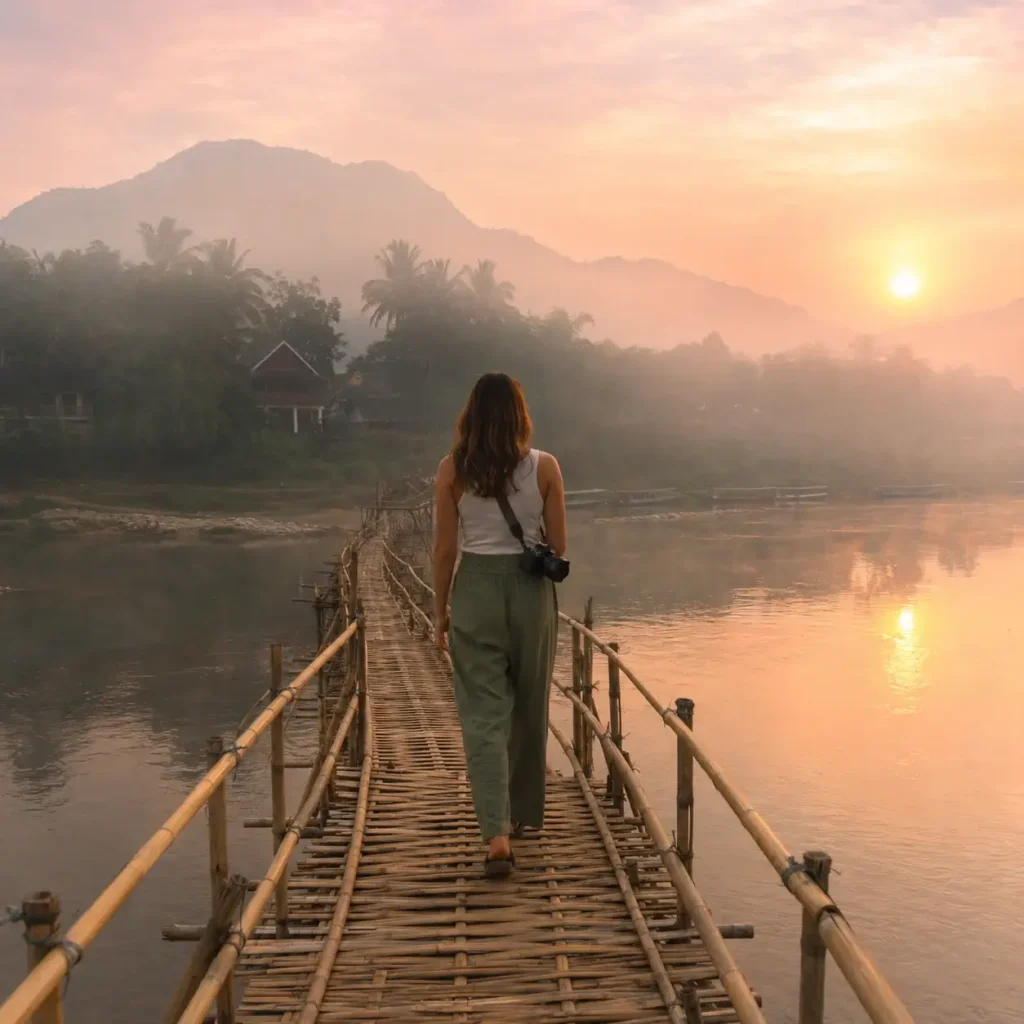
If your nervous system feels completely shattered by the exhausting 9-to-5 grind and you desperately need a destination to quiet your mind and slow down, Luang Prabang is the ultimate sanctuary. This breathtaking town is entirely designated as a protected world heritage site. It sits nestled in a lush valley at the dramatic confluence of the mighty Mekong River and the Khan River, surrounded by dense jungle mountains.
Expected Monthly Slow Travel Budget: $800 – $1,200 USD
• Traditional Lao-Style Bungalow: $300 – $500 / month
• French Pastry & Local Coffee: $3.00
• Bowl of Laotian Noodle Soup: $1.50 – $2.50
• Daily Bicycle Rental: $2.00
Slow travel at its absolute finest
In Luang Prabang, time moves differently. The town preserves a stunning fusion of traditional wooden Lao architecture mixed with elegant European French-colonial brick buildings. Every single morning at the crack of dawn, a deep silence falls over the main streets as hundreds of Buddhist monks clad in vibrant saffron robes walk in a long, quiet line to collect morning food offerings (Tak Bat) from the local residents.
You can explore the official UNESCO detailed site history of Luang Prabang to deeply understand how this unique town has successfully managed to preserve its incredible cultural heritage and architectural integrity [opens in new tab] despite the rapid modernization taking place across Asia.
Insider secrets & neighborhood guide
To truly experience the soul of this town, try to rent a room or a small bungalow on the Nam Khan River side. It is vastly quieter than the Mekong side, features stunning bamboo footbridges that are rebuilt by hand every single year after the rainy season, and puts you within easy walking distance of local weaving villages. Staying here allows you to wake up to the sound of distant temple drums instead of roaring traffic.
Navigation and transport secrets
This is a town built for slow, human-powered movement. Motorbikes are allowed, but the absolute best way to experience Luang Prabang is by renting a simple single-speed bicycle for about $2 USD a day. You can leisurely pedal your way through the historic alleys, visit the night markets, and even make the flat ride out into the countryside.
Health, safety, and emergencies
Laos is incredibly safe from a crime perspective, but because it is a more mountainous and developing nation, medical infrastructure can be limited outside of major hubs. I always make sure I protect my journeys by reviewing comprehensive regional safety assessments and emergency travel insurance options with World Nomads before heading out into remote locations [opens in new tab]. Having a clear safety plan ensures you can focus entirely on enjoying your peaceful surroundings without worrying about the unexpected.
Culinary deep dive: What and where to eat
Laotian food is beautifully fresh, heavily herbed, and distinct from Thai food. You must try Larib (often spelled Laap), a delicious salad of finely minced meat or fish tossed with toasted ground sticky rice, fresh mint, cilantro, chili, and lime juice, eaten entirely with your hands using balls of warm sticky rice dipped straight into the mix.
- Where to Eat: Head down to the morning market (Phusi Market) and look for vendors selling Khao Piak Sen—a comforting, thick rice noodle soup with a rich chicken broth, topped with crispy shallots and fresh herbs. Pair it with a fresh, crispy French baguette sandwich from one of the stalls near the tourism office, a delicious reminder of the country’s colonial culinary fusion.
5. Pokhara, Nepal: An Affordable Himalayan Paradise
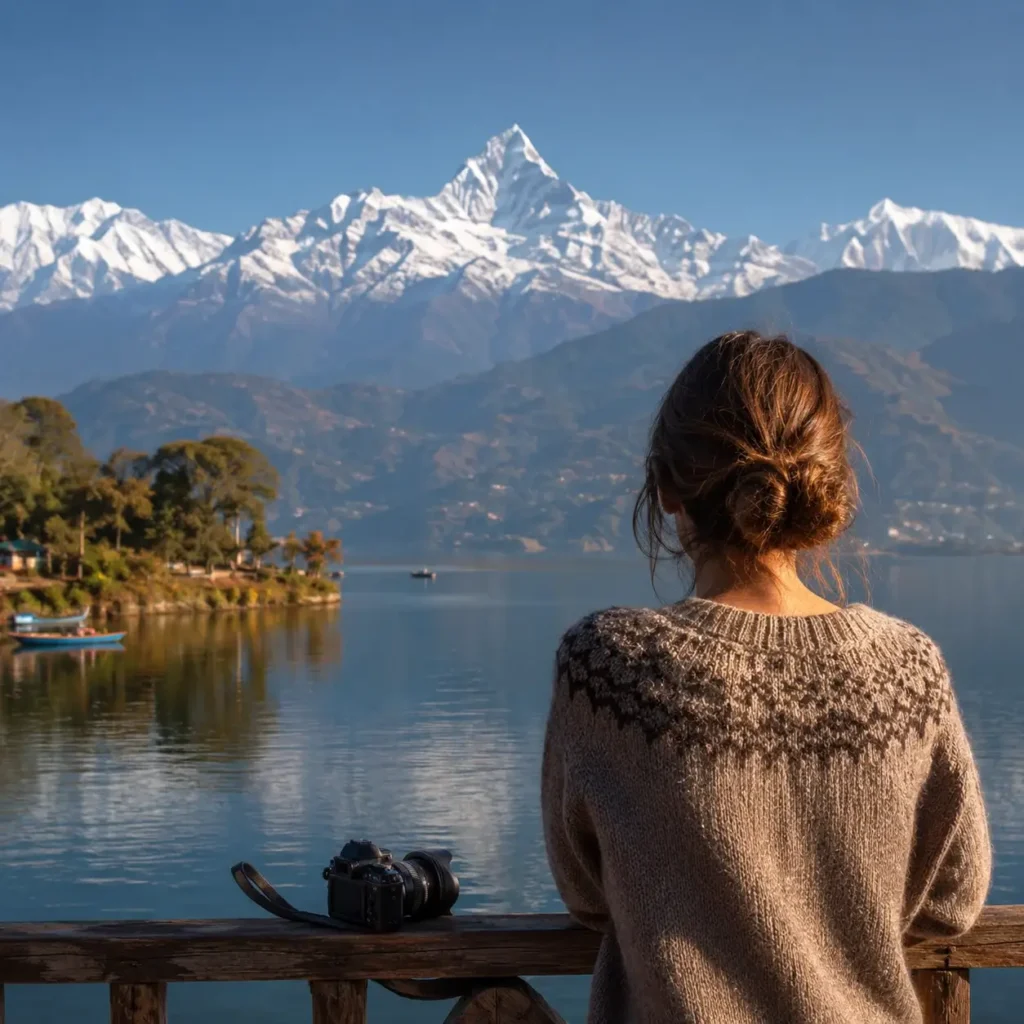
For any slow traveler who feels a deep, spiritual pull toward towering mountain ranges, clean alpine air, and vast open spaces, Pokhara is an absolute dream come true. Situated right on the banks of the expansive Phewa Lake and sitting directly beneath the shadow of the spectacular Annapurna range—including the sacred, unclimbed Fishtail Mountain—Pokhara serves as the ultimate gateway to the Himalayas.
Expected Monthly Slow Travel Budget: $650 – $900 USD
• Lakeside Guesthouse Room: $200 – $350 / month
• Mass Plate of Buffalo Momos: $1.50 – $2.50
• Large Pot of Ginger Lemon Honey Tea: $1.20
• Yoga / Meditation Class: $5.00
Why it makes the list
Nepal is legendary among budget backpackers for being one of the most cost-effective countries on earth, but Pokhara offers a unique tranquility that is hard to find in the chaotic capital of Kathmandu. For a slow traveler, Pokhara is incredibly affordable. You can easily find a clean, comfortable room in a family-run guesthouse with a balcony looking directly out over the lake for a shocking $200 to $300 USD a month if you negotiate a long-term rate in person.
Insider secrets & neighborhood guide
The primary tourist zone is called Lakeside, and it is split into North Lakeside and South Lakeside. For a slow travel stay, head all the way to North Lakeside (Sedi Bagar area). It is significantly quieter, boasts stunning views of the surrounding green paragliding hills, and is far enough away from the noisy bars and clubs to give you complete peace and quiet.
Navigation and transport secrets
The Lakeside district itself is entirely walkable, which is fantastic for your health and your wallet. For exploring further out, you can easily rent a sturdy bicycle or take local public buses for pennies. If you plan to head up into the mountains for multi-week treks, hiring a certified local guide from an official agency in town is very affordable, ensures your safety on the high-altitude trails, and directly supports the local community.
Culinary deep dive: What and where to eat
You will quickly find yourself eating your weight in Momos every single day. These are traditional Nepalese dumplings stuffed with heavily spiced minced meat (like water buffalo or chicken) or fresh vegetables, steam-cooked to perfection, and served alongside a spicy, nutty tomato dipping sauce.
- The Ultimate Budget Fuel: You must embrace the traditional meal of Dal Bhat. This consists of a large platter containing lentil soup (Dal), boiled rice (Bhat), vegetable curry, spiced mustard greens, and crunchy papadums.
- The Best Part: It is an all-you-can-eat affair. The restaurant staff will continually walk around refilling your plate with hot food until you literally beg them to stop. It is incredibly nutritious, cost-effective, and will easily fuel you through an entire day of exploring.
6. George Town, Penang, Malaysia: The Cultural and Culinary Capital
If your dream slow travel destination involves an absolute explosion of street art, rich multicultural history, and some of the finest food on the planet, then George Town on the island of Penang belongs at the absolute top of your list. This vibrant city seamlessly blends British-colonial architecture with traditional Chinese clan houses, historic Indian temples, and modern street murals.
Expected Monthly Slow Travel Budget: $950 – $1,300 USD
• Heritage District Studio: $400 – $600 / month
• Hawker Center Meal (Char Kway Teow): $2.00 – $3.50
• Monthly Public Bus Pass: $12.00
• Modern Grocery Shopping Budget: Very Affordable
Why it’s an incredible budget hub
Malaysia offers a slightly higher standard of living than its neighbors, yet George Town remains incredibly cost-effective for long-term travelers. The city boasts world-class medical facilities, excellent English proficiency, and phenomenal public infrastructure. You can easily settle down in a modern high-rise condo with lightning-fast fiber internet just outside the historic core for around $450 USD a month, making it a dream destination for digital creators and slow wanderers alike.
Insider secrets & neighborhood guide
To experience the true magic of the island, split your time between the historic streets of George Town proper and the residential hub of Bayan Lepas or Tanjung Bungah if you prefer being closer to the ocean. For your accommodation, look at apartments in the Pulau Tikus neighborhood. It is located just a few minutes outside the crowded tourist center, has a phenomenal local morning market, and provides an authentic look at daily life in Penang without the heavy foot traffic.
Navigation and transport secrets
George Town is incredibly friendly to pedestrians, especially within the UNESCO heritage zone. For traveling longer distances across the island, the local Rapid Penang public bus system is exceptionally clean, air-conditioned, and costs less than 50 cents a ride. You can also easily use the Grab app here to book cheap, reliable cars without ever having to worry about meters or price negotiations.
Culinary deep dive: What and where to eat
Penang is widely considered the street food capital of Southeast Asia. You absolutely must try Char Kway Teow. This iconic dish features flat rice noodles stir-fried over an intensely hot wok with fresh prawns, cockles, bean sprouts, chives, eggs, and a touch of chili paste, all infused with a distinct, smoky charcoal flavor known locally as Wok Hei (the breath of the wok).
- The Food Court Heaven: Head straight to the Gurney Drive Hawker Center or the New Lane Street Food Stalls at night. You can sit down, order four or five different small plates from different vendors for less than $7 USD total, and experience a mind-blowing fusion of Malay, Chinese, and Indian flavors in one single sitting.
7. Siem Reap, Cambodia: Temples and Unmatched Hospitality
Most people know Siem Reap for one specific reason: it is the home of Angkor Wat, the largest religious structure in the world. But if you look beyond the short-term tour groups, you will find an incredibly warm, deeply affordable, and highly vibrant town that is perfectly suited for an extended slow travel stay.
Expected Monthly Slow Travel Budget: $700 – $950 USD
• Serviced Apartment with Pool: $250 – $400 / month
• Fresh Local Draft Beer: $0.50
• Khmer Curry or Amok Dish: $2.50 – $4.00
• Full-Day Tuk-Tuk Rental: $15.00
Living large on a minimal budget
Cambodia uses the US Dollar alongside the Cambodian Riel, making financial transactions incredibly straightforward. Settle into Siem Reap for a month or two, and you will be shocked by how much luxury you can afford. You can easily find a fully serviced, modern one-bedroom apartment complete with weekly cleaning services, high-speed internet, and a beautiful swimming pool for less than $300 USD a month right near the river.
Insider secrets & neighborhood guide
Avoid finding an apartment right next to the loud, neon-lit Pub Street unless you enjoy the sound of bass vibrating through your walls until 3:00 AM. Instead, cross over the river into the gorgeous Wat Bo or Sala Kamreuk neighborhoods. Wat Bo was recently named one of the coolest neighborhoods in Asia—it’s packed with creative boutique cafes, beautiful ancient pagodas, and stunning art galleries, all while maintaining an incredibly peaceful, laid-back residential feel.
Navigation and transport secrets
The iconic mode of transport here is the local Cambodian Tuk-Tuk—a small carriage pulled by a motorbike. To avoid having to haggle over prices every single time you want to leave your apartment, make sure you download the PassApp or Grab app on your phone. These apps connect you directly with local drivers and calculate the fare automatically based on distance, costing roughly $1 to $2 USD to get anywhere across town.
Culinary deep dive: What and where to eat
Cambodian (Khmer) cuisine is beautifully balanced, utilizing a fragrant spice paste called Kroeung. You must try Fish Amok, a classic Khmer dish consisting of fresh river fish coated in a rich curry paste, coconut milk, and local herbs, steamed to a delicate, soufflé-like consistency inside a banana leaf cup.
- Where to Go: Skip the tourist traps on the main strip and look for The Sugar Palm restaurant or wander through the stalls at the Phsar Chas (Old Market). Here you can grab a steaming bowl of Nom Banh Chok (traditional Khmer noodles topped with a rich, green fish gravy and fresh wild veggies) for about $1.50 USD.
How to Overcome Fear and Build Your Freedom Fund
I know exactly what is running through your mind right now. You are staring at your screen, thinking: “Emma, this sounds absolutely incredible, but I am terrified. I don’t know how to navigate a new culture, I’m scared of getting lost, and I don’t have a massive inheritance to fund this.”
Trust me when I say this: I have been exactly where you are standing right now.
I remember standing in the middle of JFK airport in New York, clutching the straps of my heavy backpack until my knuckles turned white, paralyzed by a massive wave of “what ifs.” What if I run out of money? What if I get terribly sick? What if my family was right, and I am completely throwing my life away?
But here is the ultimate truth I learned after stepping onto that plane: the perfect moment to travel will never magically present itself. You will always have an excuse. You will always have another bill, another project, or another reason to stay comfortable in your routine.
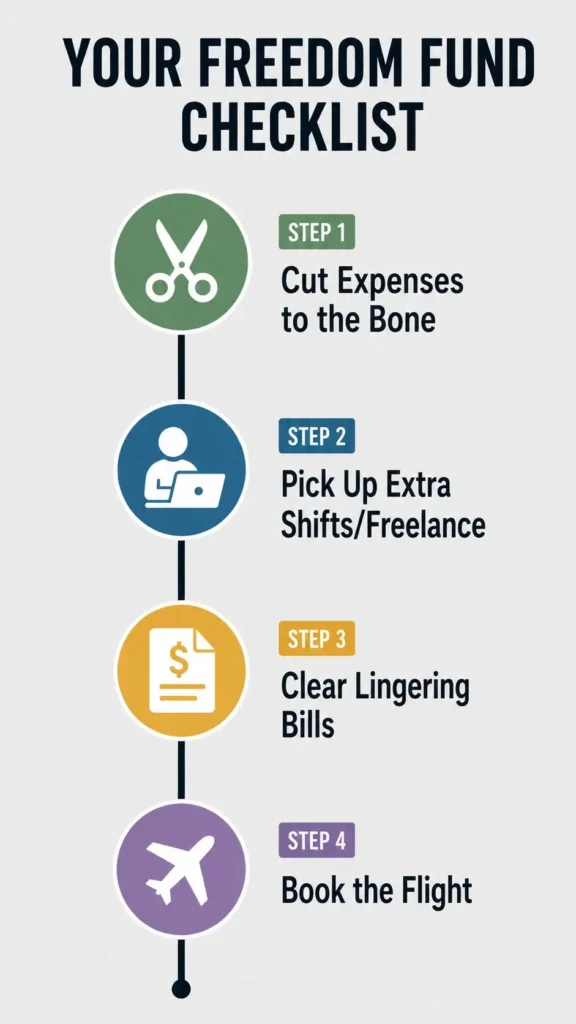
You do not need to be independently wealthy to live this lifestyle. If you are stuck in a job you don’t love, make a radical choice. Do what I did: cut your expenses to the absolute bone, pick up extra work, waitress, freelance, or teach English online. Build a modest “freedom fund,” and then trust the process.
The most affordable cities to visit in Asia aren’t just cheap places to survive—they are warm, incredibly welcoming communities designed to help you thrive. They are spaces where your money goes further, your pace slows down, and your life expands in ways you never thought possible.
Stop waiting for permission to live boldly. Pack your bags, leave the corporate grind behind, and come explore the world with me. Your next epic, unforgettable adventure is just a single click away.
Happy trails!