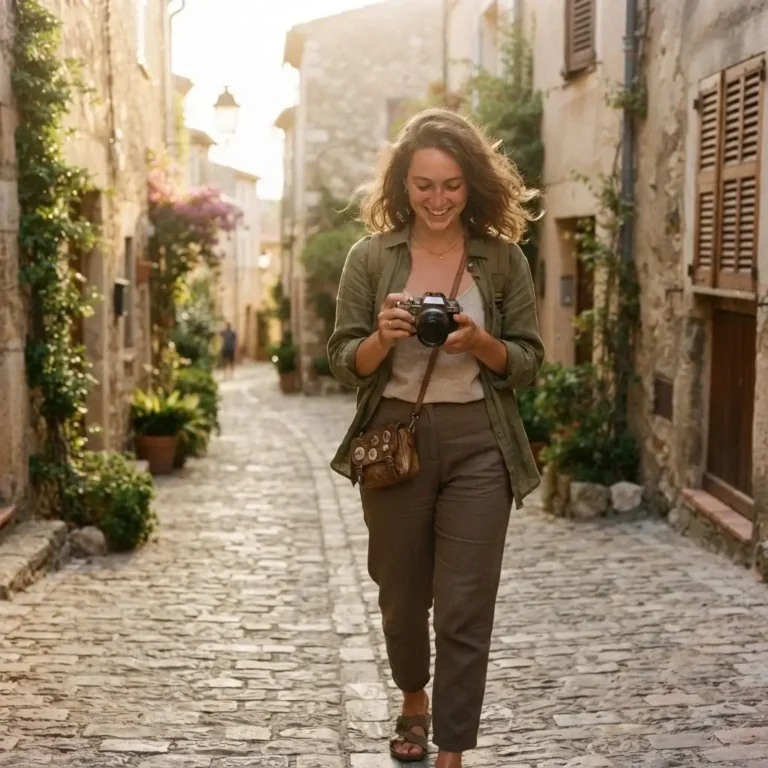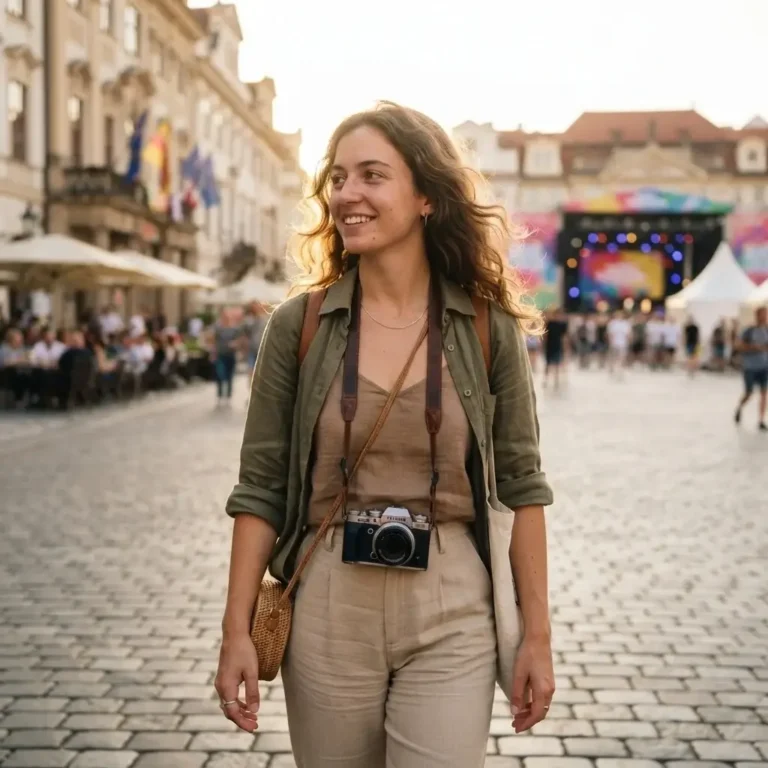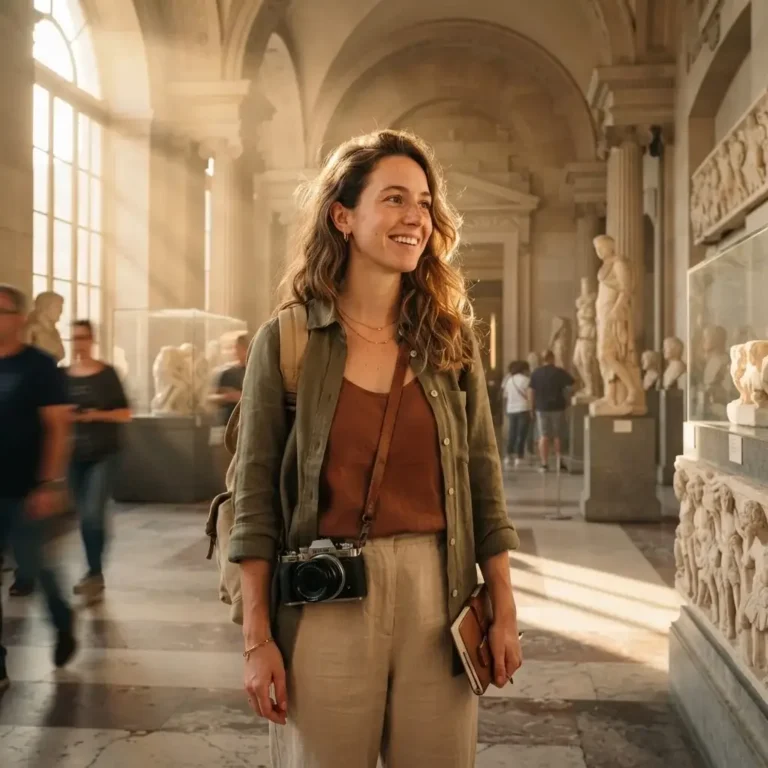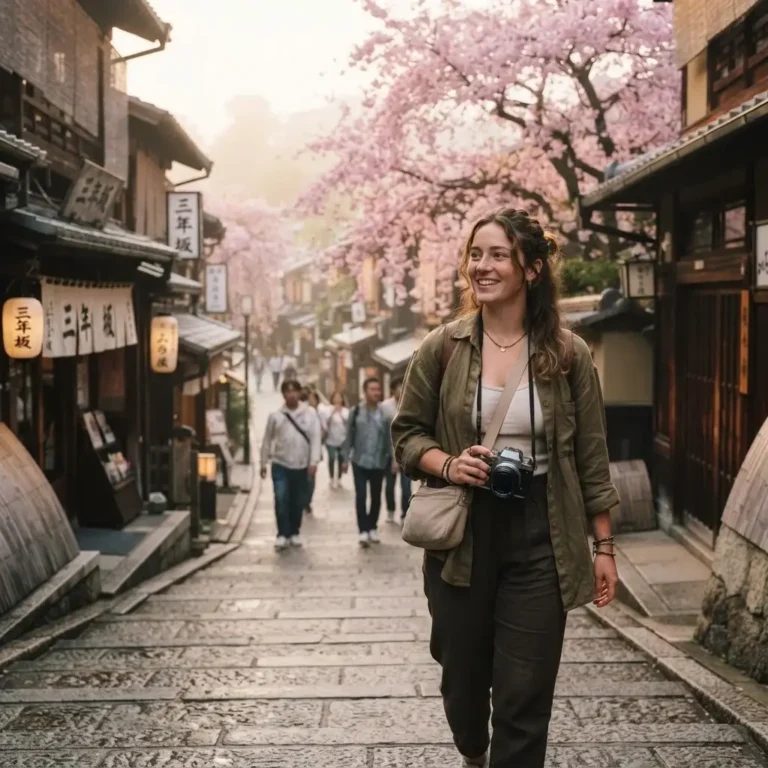
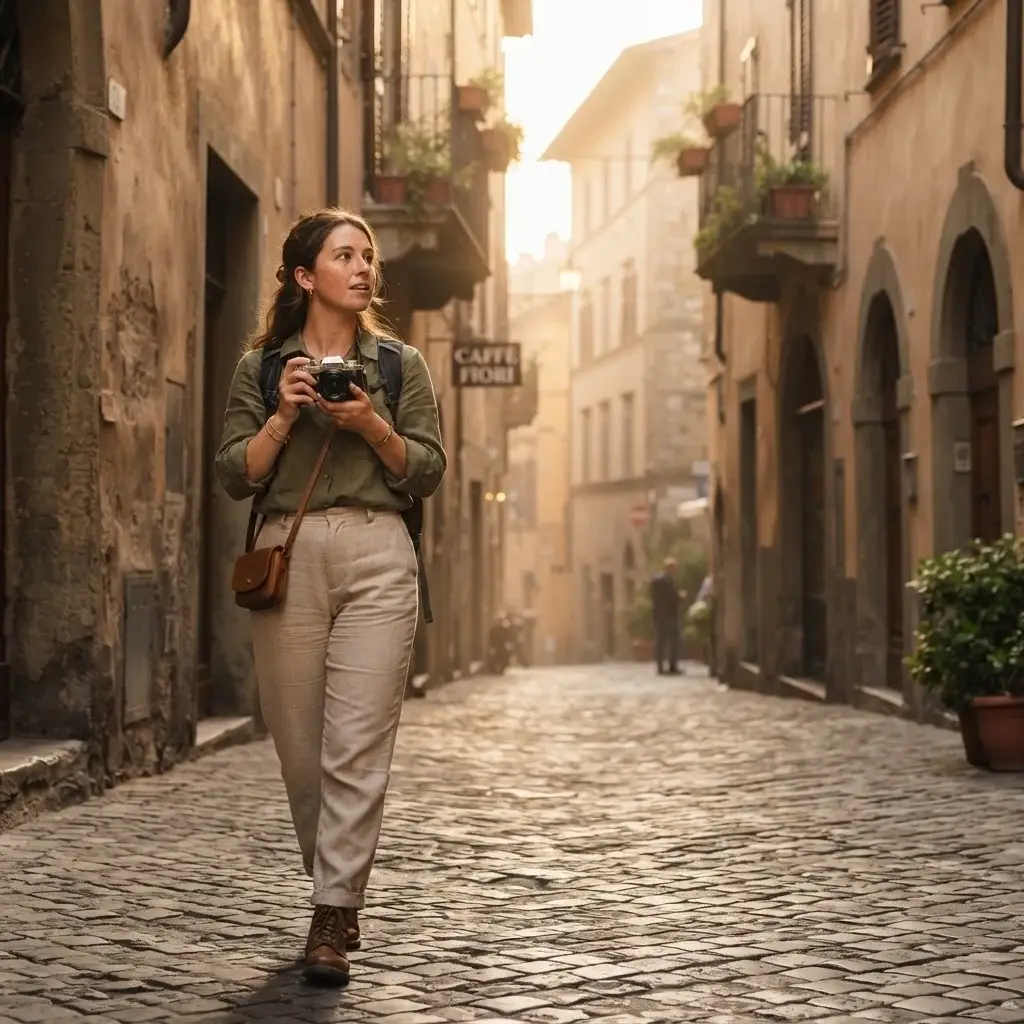
When I was sitting in my grey-walled office in New York, staring at a spreadsheet and counting down the minutes until my next vacation, I felt a heavy disconnect. I was checking boxes on a list, but I wasn’t really living. Back then, I thought travel meant flying somewhere, hitting the major tourist landmarks, and rushing back to catch a flight. It wasn’t until I started choosing the path of slow, intentional movement that I finally felt the weight lift.
Sustainable travel isn’t just about packing a reusable water bottle or refusing a plastic straw. It is about how we interact with the places we visit. It’s about deciding to spend three days in a neighborhood instead of three hours, eating at local spots that keep money in the community, and choosing to walk or take public transit instead of hailing a private car. This approach builds confidence, forces you to be observant, and leaves you with a soul-deep connection to a destination.
If you are a daydreamer waiting for your turn to head out into the world, let me help you build that first itinerary. Here are my favorite ways to approach city travel with a lighter footprint and a wider heart.
Why slow city travel is the ultimate confidence builder
When you slow down, you stop acting like a tourist and start acting like a participant. My time teaching English in Thailand taught me that the best experiences happen when you stop moving so fast. When you stay in one neighborhood, you learn the rhythm of the streets. You start to recognize the woman at the fruit stand, the guy who runs the corner coffee shop, and the path that avoids the crowded main roads.
This creates an incredible sense of safety and belonging. You aren’t just a visitor; you are a neighbor, even if only for a week. Before you step onto that plane, I always suggest looking at the official entry requirements and safety ratings provided by the government to ensure you feel prepared for the logistical side of your journey. Knowing the local laws and requirements doesn’t just keep you safe; it gives you the mental space to focus on the culture once you arrive.
How to build your own sustainable city itinerary
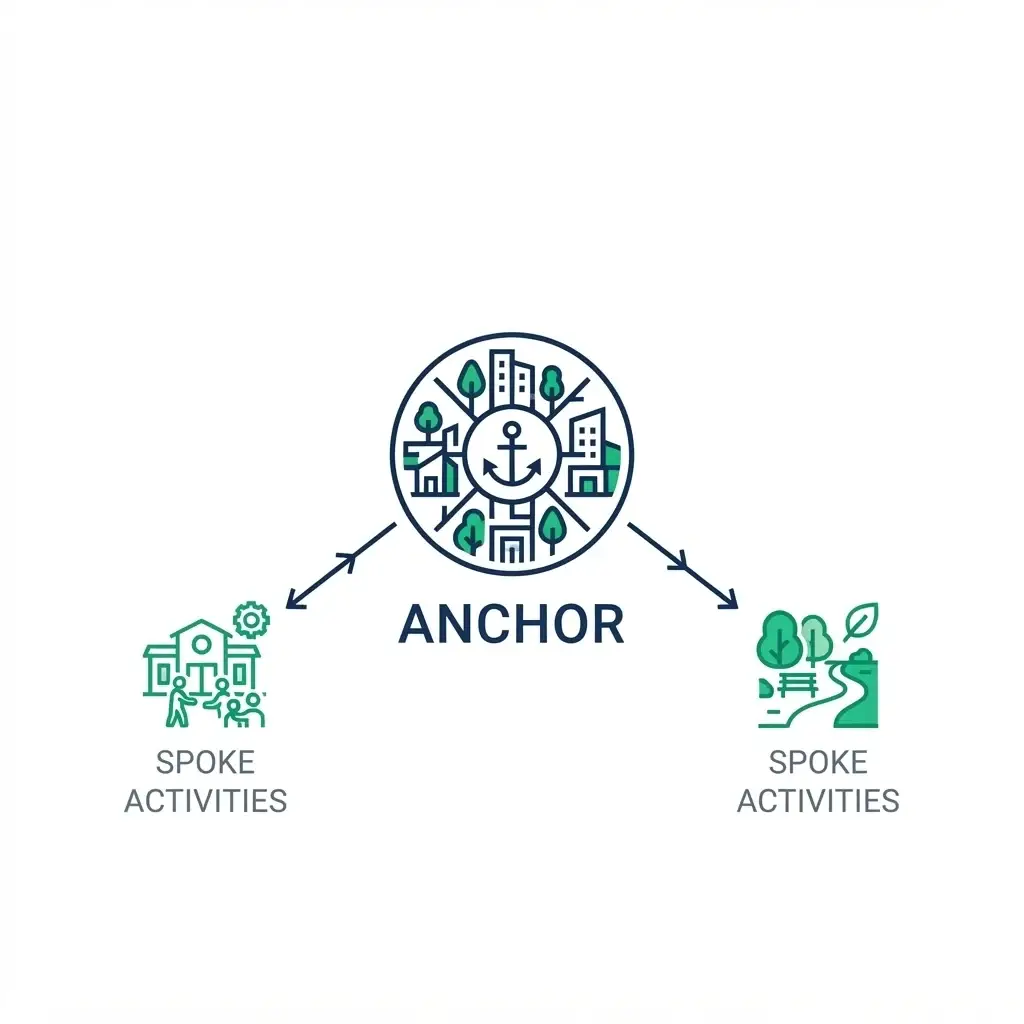
If you want to move away from the “hit-every-museum” model, you need a different strategy. I call it the “Anchor and Spoke” method. You pick one neighborhood—your anchor—and you spend the majority of your time there. Your spokes are the one or two activities that take you slightly further out.
Focus on local transit and walking
Walking is the best way to see a city, period. You notice the smell of the bakeries, the texture of the old brick walls, and the way the light hits the street corners. When you need to go further, skip the private taxis. If you are in Southeast Asia, using an app like Grab to understand local transport options can help you navigate shared rides or motorcycle taxis, which are often much more energy-efficient than private cars.
Prioritize cultural depth over peak attractions
We often feel like we have to see every famous building, but many of the world’s most significant sites are beautiful simply because of their history. When I visit a designated UNESCO World Heritage site, I try to arrive early in the morning. Not only does this beat the crowds, but it allows me to experience the architecture in a quiet, respectful way before the chaos of the midday sun and the selfie-stick lines begin. It’s about reverence, not just record-keeping.
Culinary immersion: Eating your way to sustainability
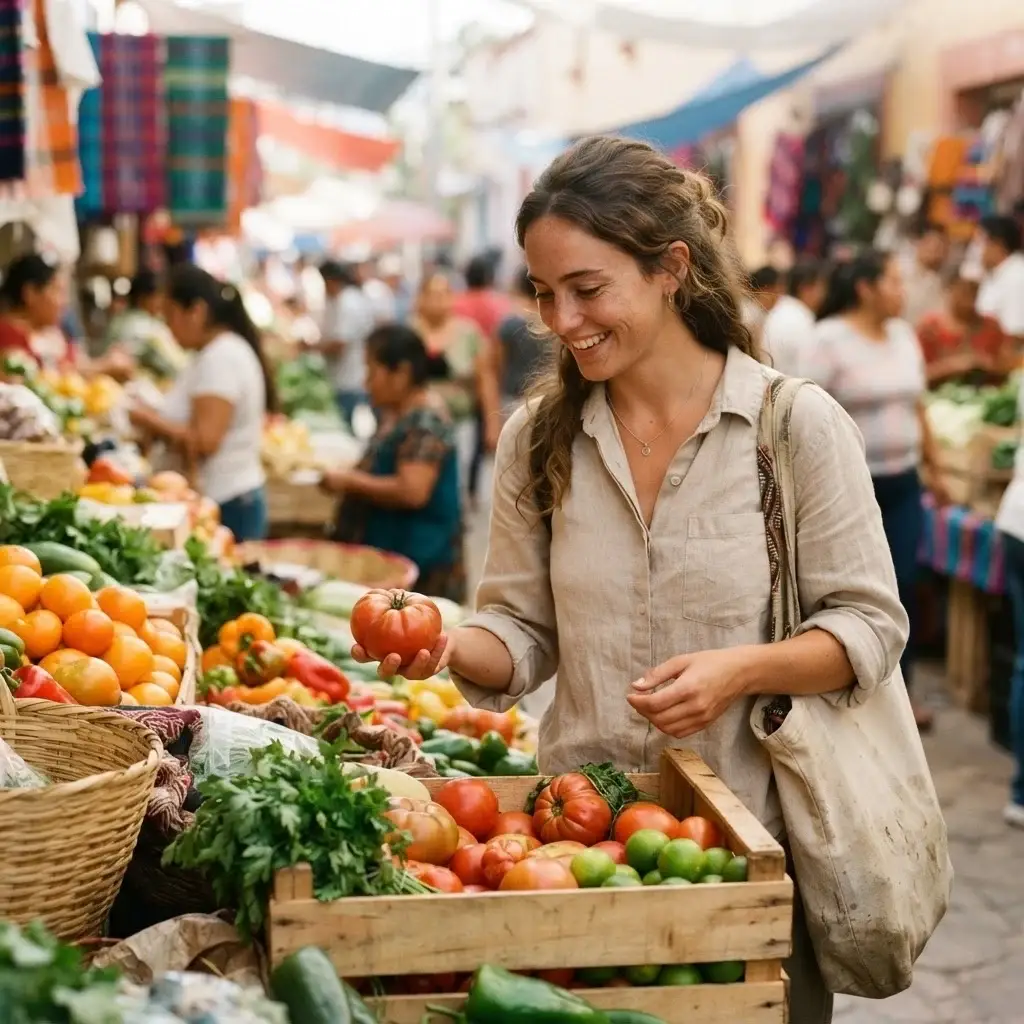
Eating is one of the most political and social things you do while traveling. When you buy food from a local market or a family-run shop, you are actively choosing to support someone’s livelihood rather than a global hotel chain’s bottom line.
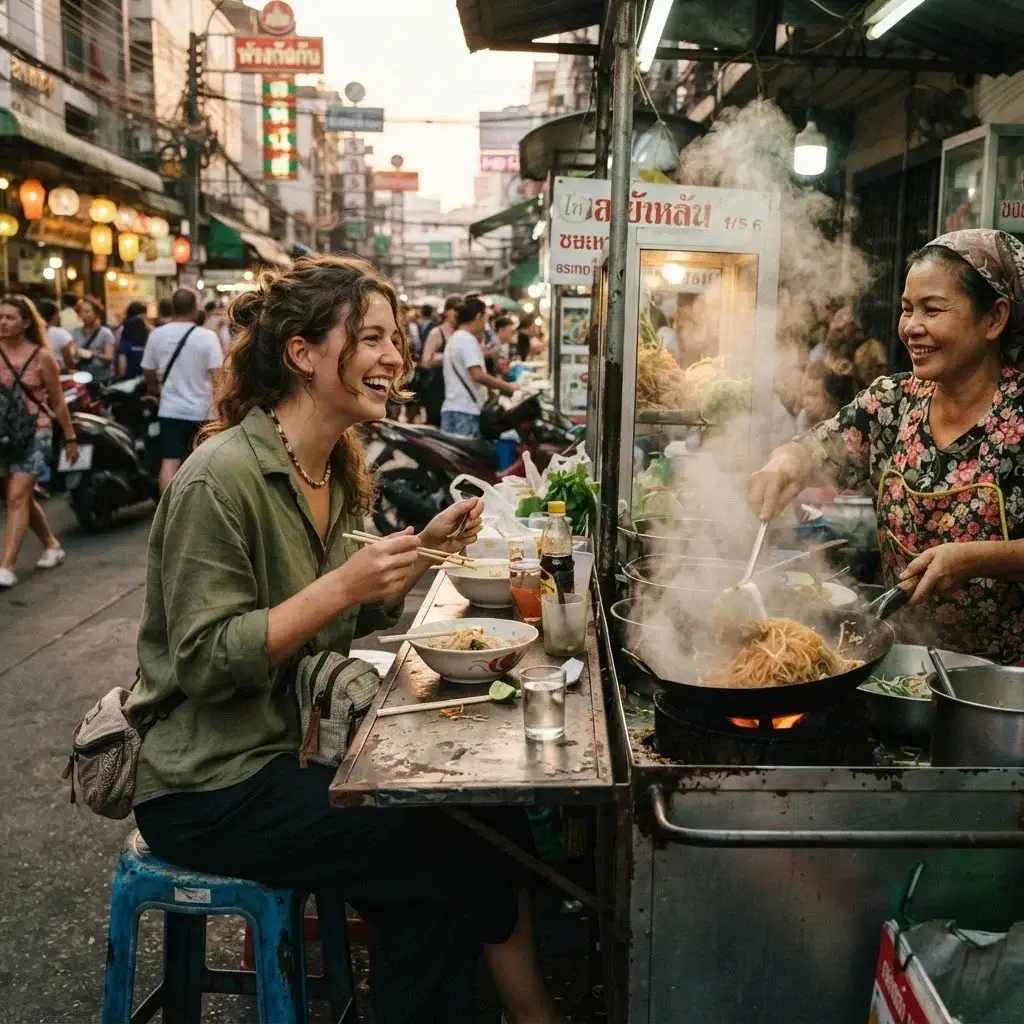
In places like Bangkok or Chiang Mai, I always look for the small plastic stools on the side of the road. If the locals are sitting there, the food is almost always better—and cheaper.
When planning your trip, you can find official cultural etiquette and destination tips that help you understand the local dining culture. For instance, in many cultures, it is considered polite to leave a little bit of food on your plate or to learn how to ask for your meal without plastic utensils.
Before you dive into new culinary adventures, keep your health in mind. I always check the latest health advisories and food safety recommendations for the specific country I’m visiting. It sounds like a “boring” adult task, but it keeps you from getting sick and ensures you can enjoy the street food that makes travel so vibrant.
Finding your rhythm: The “No-Plan” day
One of the biggest mistakes I made early on was trying to fill every hour of my day. I wanted to maximize my money, so I crammed my schedule until I was exhausted. I learned the hard way that when you are tired, you are prone to making mistakes, losing things, or missing the magic of a local encounter.
A sustainable itinerary must include a “no-plan” day. This is a day where you wake up, get a coffee, and just walk. No maps, no agenda. You might find a small bookstore, a hidden park, or a local community center that isn’t in any guidebook.
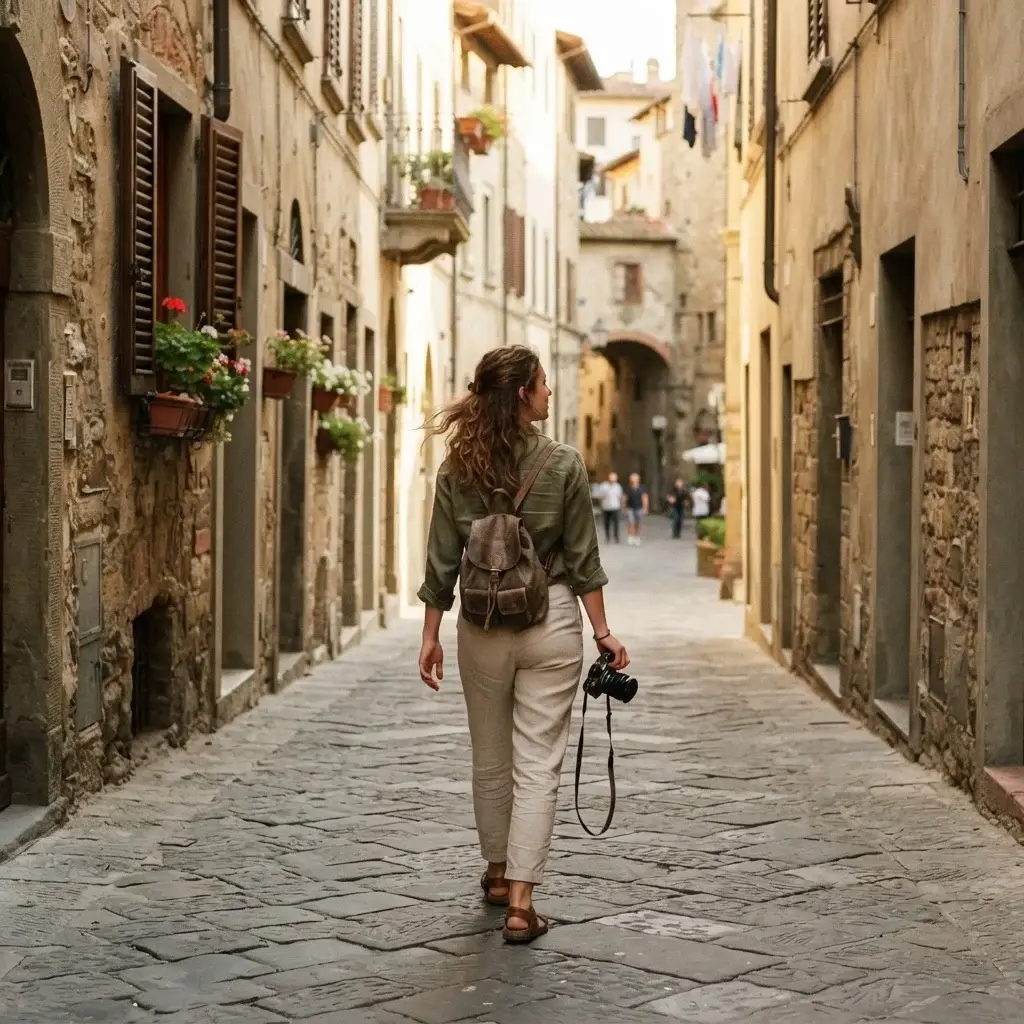
These are the moments that change your perspective. They prove that you are capable of navigating the world without a rigid script.
The solo traveler’s secret: Safety and social connection
People often ask me if they will feel lonely traveling solo. The truth is, when you travel sustainably and slowly, you are never really alone. By spending more time in one place, you start to have genuine conversations with other travelers and local business owners.
However, safety is a real concern, especially for women. I don’t believe in living in fear, but I do believe in being smart. I always keep my documents digital and secure, and I never leave home without understanding the basics of my travel insurance coverage and safety guidelines. Knowing that you have a safety net allows you to be more adventurous and more open to the people you meet.
How to pack for a lighter footprint
Your itinerary doesn’t just start when you arrive; it starts when you pack. If you are constantly lugging around a massive, heavy suitcase, you are less likely to walk, less likely to use public transit, and more likely to feel overwhelmed.
I pack a carry-on, period. It forces me to be selective. If I only have a small bag, I have to buy things that actually last, or I have to get creative with what I have. This mindset of “less is more” follows me into the city.
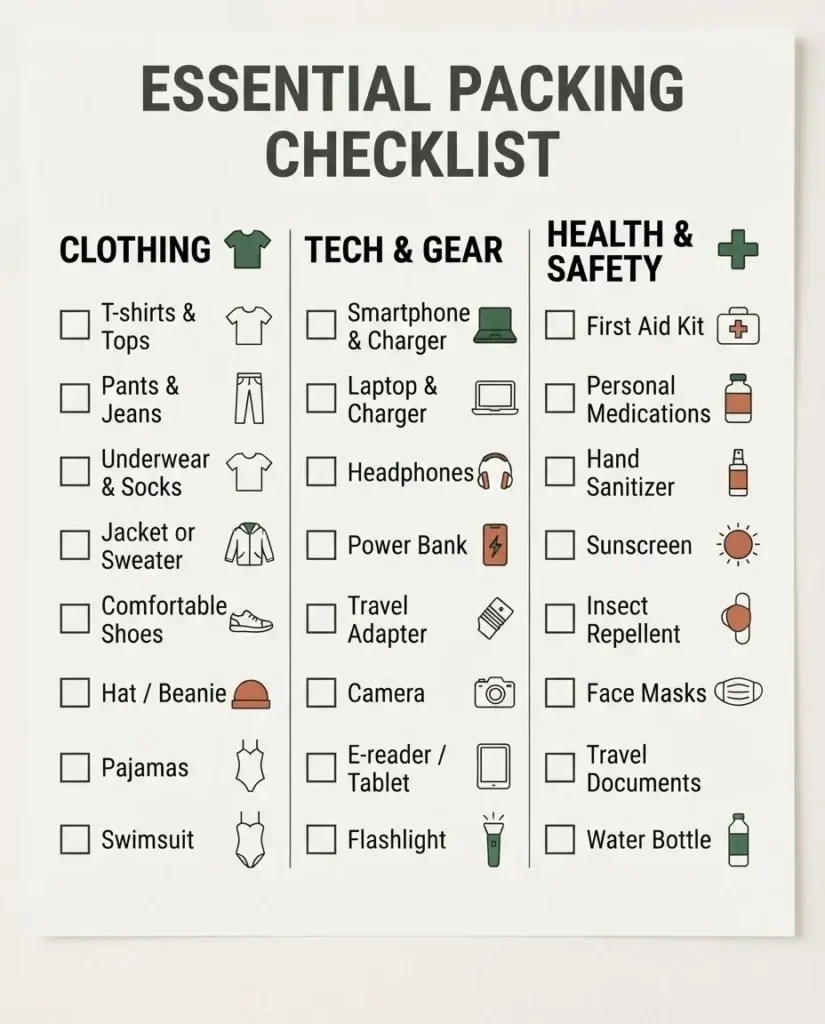
I don’t need the most expensive gear; I need the most reliable items. This is true for travel, too. You don’t need a luxury resort to have a “best” experience. You need a good pair of walking shoes, a notebook, and a curious spirit.
Final thoughts on your journey
I know that taking the first step is the hardest part. I remember waiting for the “perfect moment” to leave my office job. I thought I needed more money, more time, or more experience. But the perfect moment never comes. You just have to build it.
Sustainable travel isn’t about being perfect. It’s about being mindful. It’s about recognizing that you are a guest in someone else’s home. When you approach your itineraries with this attitude, you will find that the world opens up to you in ways you never expected. You will become more confident, more aware, and more connected to the beautiful, messy, incredible world we share.
Now, go find your own path.