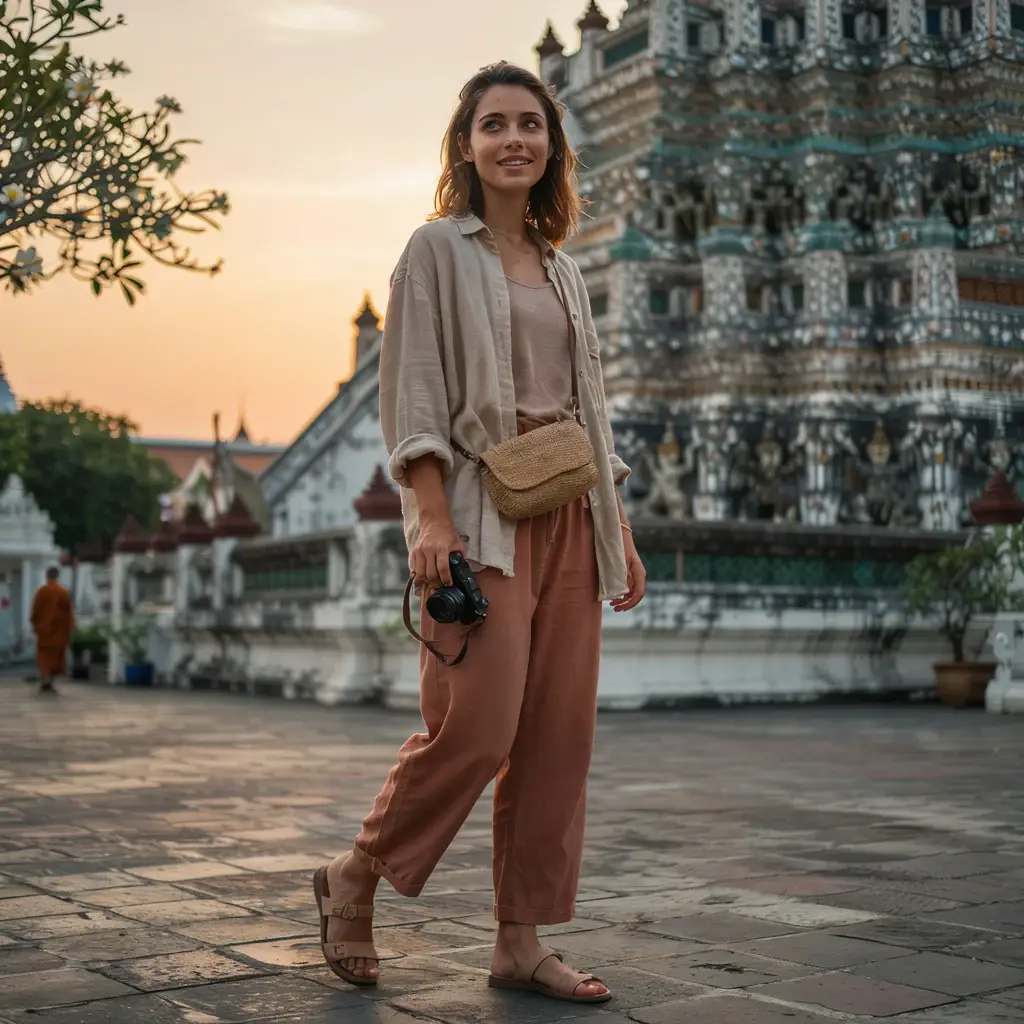
For years, I sat at a gray desk in New York City, staring at a calendar and trying to figure out how to stretch two weeks of vacation time into a real adventure. I spent my days analyzing data, but my mind was always somewhere else. I saved up every dollar I could by waitressing on weekends and walking the city streets as a tour guide. When I finally quit that corporate job to travel full-time, Thailand was one of the first places that completely rewrote my understanding of the world.
If you only have one week to experience this incredible country, you might feel overwhelmed. You have to balance the high-energy chaos of a massive capital city with the calm, mountainous culture of the north. Trying to plan a Bangkok & Chiang Mai itinerary for 7 days can make you feel like you are rushing through a checklist.
But you do not have to live your vacation at a frantic pace. Over my years on the road, I have learned that the secret to a great trip is picking a few meaningful experiences and doing them right. This daily guide will help you navigate both cities with confidence, manage your budget, eat the best local food, and return home feeling enriched instead of exhausted.
Preparing for Your Seven-Day Thai Journey
Before you throw your clothes into a backpack and head to the airport, you need to handle a few basic logistics. When I first started traveling solo, I used to worry about everything that could go wrong. Taking care of these small tasks early will help clear your mind so you can focus on the excitement of the trip.
First, check your paperwork. Most global travelers can enter the country without a visa for short stays, but rules change fast. I always check the official US Department of State travel guidelines for Thailand to double-check passport validity rules and any fresh entry requirements before I book my flights. You will want to make sure your passport has at least six months of validity remaining from the day you land.
Next, think about your health and safety. You do not need a long list of shots for a standard city trip, but it is wise to be smart about what you consume. I highly recommend reading the CDC travelers’ health recommendations for Thailand to see if you need updates on routine vaccines like Hepatitis A or Typhoid.
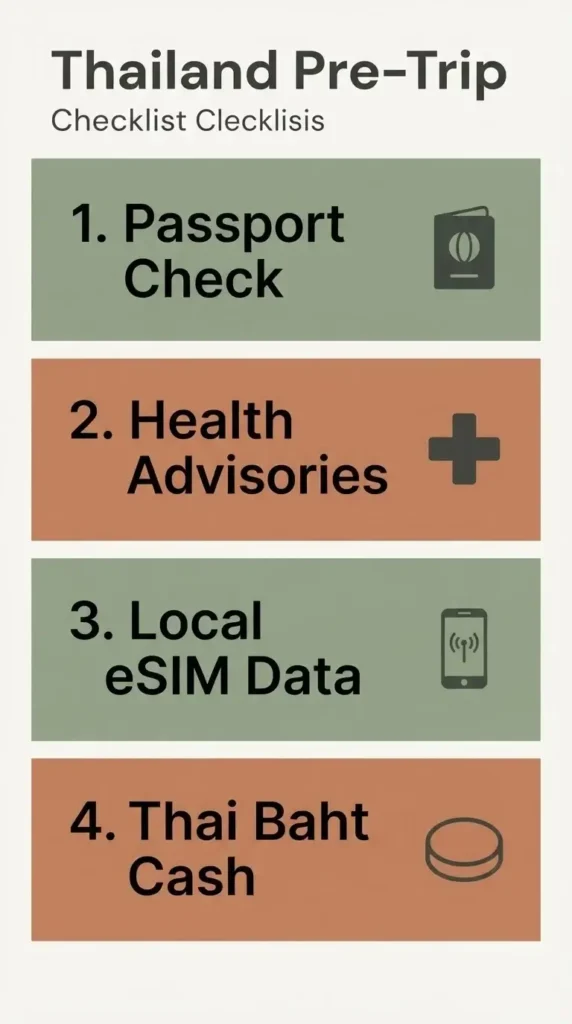
While you are there, remember that tap water is not safe to drink. Stick to sealed bottles, use ice only in established restaurants, and keep a small bottle of hand sanitizer in your pocket for street food stalls.
Finally, buy a local eSIM or physical SIM card directly at the Bangkok airport. Having a working data connection makes navigating unfamiliar streets incredibly easy. Download a currency conversion app and a translation app before you arrive. Thailand runs on cash for small purchases, so keep a stash of Thai Baht with you for street food and public transport.
Day 1: Touching Down in Bangkok and Finding Your Feet
Your adventure begins in Bangkok, a city that hits your senses like a wave of warm air, buzzing scooters, and the sweet aroma of frying garlic. Depending on your flight, you will land at either Suvarnabhumi Airport (BKK) or Don Mueang Airport (DMK).
Getting Around the Airport
If you land at Suvarnabhumi, bypass the long taxi lines and head straight to the basement level. Take the Airport Rail Link train into the city center. It costs less than 50 Baht, bypasses Bangkok’s legendary traffic jams, and connects directly to the underground MRT and elevated BTS Skytrain systems. If you have heavy bags or are arriving late at night, use an official public taxi kiosk outside the terminal. Ensure the driver turns on the meter before the car moves.
Settlement and Your First Neighborhood Walk
Check into your accommodation. For a short stay, I love staying near the riverside in the historic Banglamphu area or along the convenient Skytrain lines in Sukhumvit. Once you drop your bags, resist the urge to take a long nap. The best way to beat jet lag is to stay moving in the natural light.
Take a gentle walk down Soi Rambuttri, which runs parallel to the famous Khao San Road. While Khao San is loud, crowded, and packed with wild bars, Soi Rambuttri offers a softer introduction to the neighborhood. Tall trees shade the street, and small cafes spill onto the pavement.
What to Eat for Your First Meal
Look for a humble street side spot with metal tables and plastic stools. Order a steaming bowl of Kuay Teow Nam (pork noodle soup). The clear, savory broth is comforting after a long flight. You can customize your bowl using the small spice caddy on the table, which holds sugar, dried chili flakes, fish sauce, and vinegar with pickled peppers. Pair it with a fresh, cold coconut to rehydrate.
Insider Secret: Do not be afraid of street vendors who do not have English menus. If you see a crowd of locals lining up at a stall, that is your signal that the food is fresh and delicious. Just point to what looks good, smile, and say thank you (Khop khun kha if you identify as female, or Khop khun khrab if you identify as male).
Day 2: Worshipping and Walking the Historic Riverside
Today is all about exploring the spiritual heart of the city. Bangkok’s temples are monumental architectural achievements, but they are also active places of worship.
The Grand Palace and Wat Phra Kaew
Start your morning early, around 8:30 AM, to beat the heavy heat and the tour buses. The Grand Palace complex is breathtaking, featuring golden spires, mosaic-covered walls, and the highly revered Emerald Buddha. Entry costs 500 Baht for international visitors.
- Cultural Etiquette: The dress code here is non-negotiable. Your shoulders and ankles must be completely covered. Loose linen trousers or long skirts work best. Wearing a tight wrap or scarf over bare shoulders is often not allowed at the gate, so dress appropriately before you leave your room.
- Navigation Tip: As you walk toward the entrance, ignore any friendly strangers who tell you the palace is closed for a holiday or a royal ceremony. This is a classic scam designed to redirect you into a costly tuk-tuk ride to a jewelry store. Walk straight to the official ticket booths inside the main gate.
Wat Pho and the Reclining Buddha
After leaving the Grand Palace, take a short ten-minute walk south to Wat Pho. This temple houses the immense Reclining Buddha, which measures 46 meters long and is covered in gold leaf. The soles of the Buddha’s feet are beautifully inlaid with mother-of-pearl, showing the symbols of the Buddha. Wat Pho is also the traditional birthplace of Thai massage. If your muscles are sore from your flight, stop by the onsite massage school for a firm, traditional treatment.
Crossing the River to Wat Arun
Walk to the nearby Tha Tien Pier and pay a few Baht to board the cross-river ferry. The boat drops you directly at Wat Arun, the Temple of Dawn. The central tower is encrusted with millions of pieces of colorful Chinese porcelain that catch the light beautifully. To dive deeper into the history of these sites, you can read more about the architectural heritages on the UNESCO World Heritage tentative list for Bangkok’s monuments, which details the deep historical value of these riverside locations.
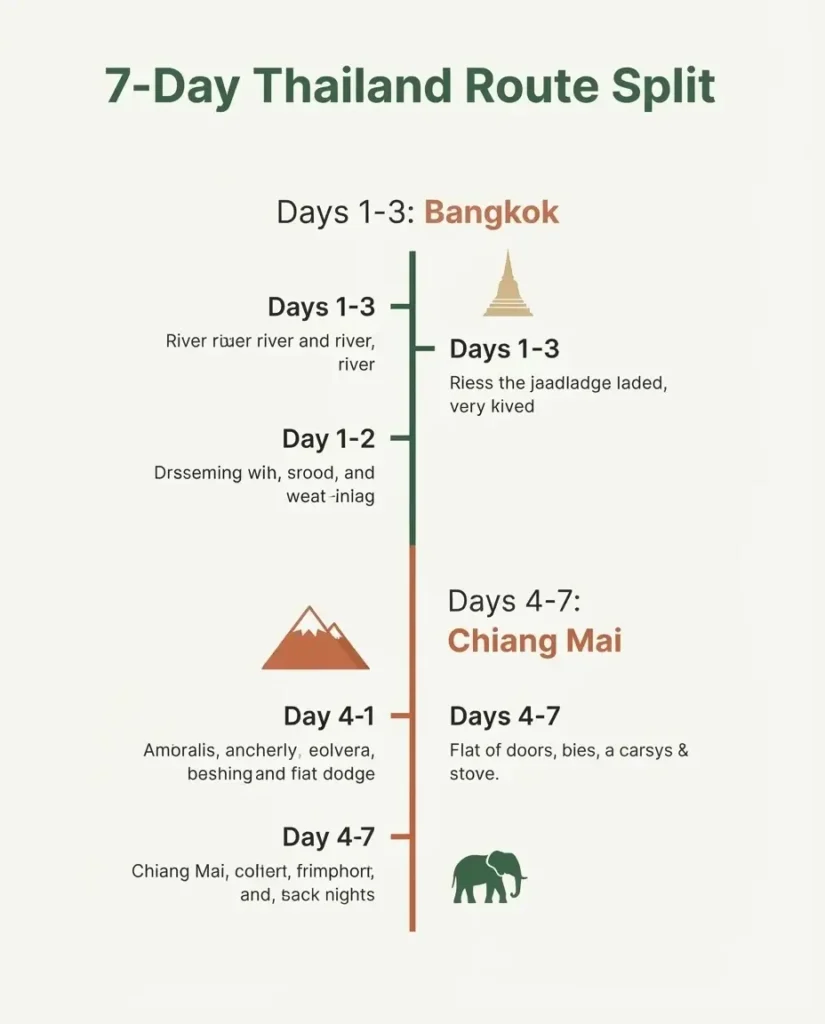
| Destination | Morning Activity | Midday Activity | Evening Activity |
| Bangkok (Day 2) | Grand Palace & Wat Phra Kaew | Wat Pho & Thai Massage | Wat Arun Riverside Sunset |
| Bangkok (Day 3) | Khlong Boat Ride & Jim Thompson | Chinatown Food Crawl | Night Train/Flight to Chiang Mai |
What to Eat Nearby
For lunch, seek out a riverside restaurant near the pier and order Pad See Ew. These are wide, flat rice noodles stir-fried in a hot wok with dark soy sauce, Chinese broccoli, and egg. The high heat gives the noodles a beautiful, smoky flavor that is totally different from standard takeout food back home.
Day 3: Exploring Floating Canals and Catching the Journey North
Bangkok was once known as the Venice of the East because of its vast network of canals, known locally as khlongs. Today, exploring these waterways offers a glimpse into a slower, older way of life that exists just behind the modern skyscrapers.
Commuting on the Saen Saep Canal
Instead of taking a tourist boat, experience how locals commute. Head to the Saen Saep Canal ferry pier near the Pratunam area. Boarding one of these long wooden boats is a thrilling adventure. The boats move fast, and conductors hang off the sides to collect fares, which usually cost less than 20 Baht. Canvas screens protect passengers from water splashes as the boat zips down the canal.
Take the boat to the Jim Thompson House. This beautiful museum consists of several traditional teak wood houses surrounded by lush gardens. It belonged to an American businessman who helped revive the Thai silk industry before mysteriously vanishing in the Malaysian jungle in 1967.
A Sunset Walk Through Chinatown
In the late afternoon, make your way to Yaowarat Road, the heart of Bangkok’s Chinatown. When the sun goes down, giant neon signs light up, and the streets transform into a massive outdoor food market.
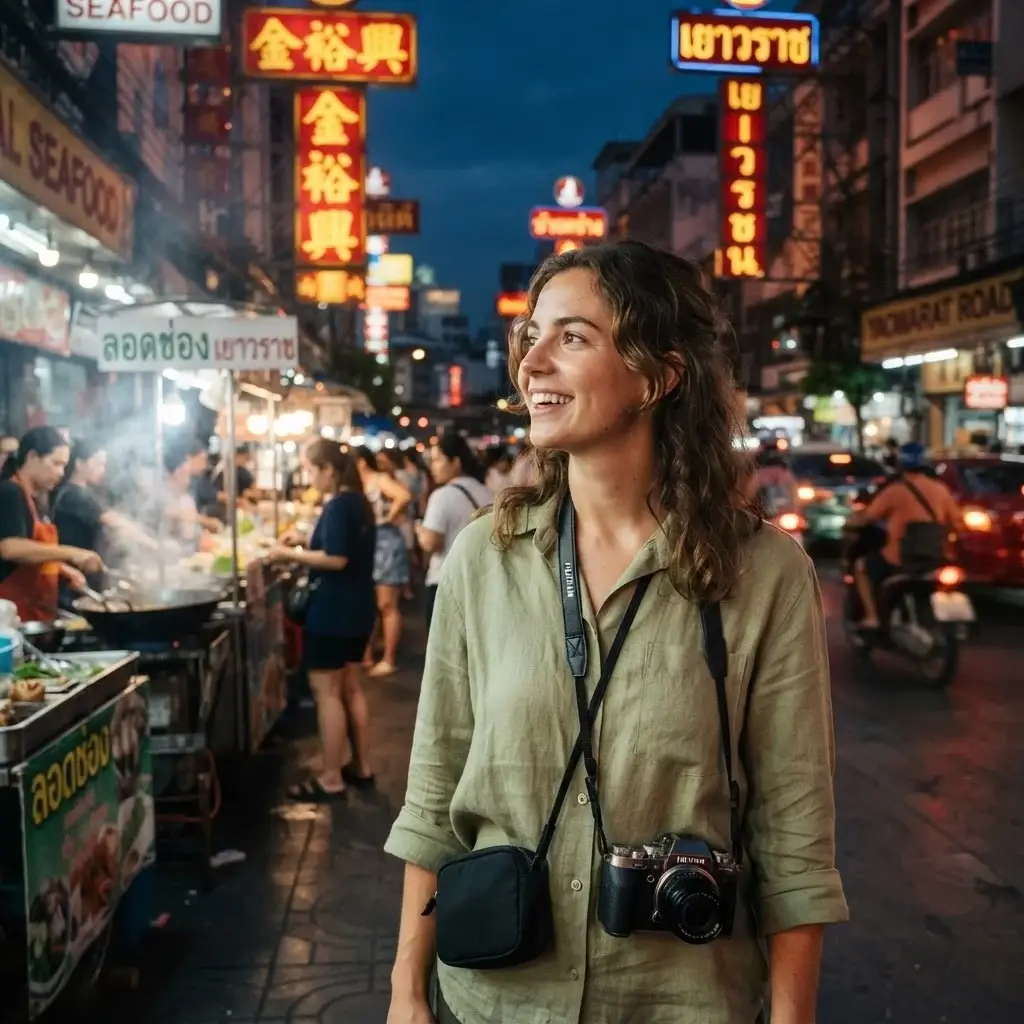
To explore safely and avoid getting lost in the dense crowds, I often rely on local ridesharing apps to get around. You can check out how the Grab app handles safety and transport for travelers to easily hail a car or automated scooter ride straight to the market without having to haggle over prices with street drivers.
What to Eat in Chinatown
- Guay Jub: A peppery soup filled with rolled rice noodles and crispy pork belly. The broth has a deep black-pepper kick that clears your senses.
- Khanom Pang Yaowarat: Soft, grilled buns stuffed to the brim with sweet fillings like pandan custard, chocolate, or condensed milk. Expect a wait, but watching the staff toast the buns at high speed is part of the fun.
The Journey to Chiang Mai
Tonight, you will travel north to Chiang Mai. You have two main choices. You can take a brief 90-minute flight from Bangkok, or you can book an overnight sleeper train from Krung Thep Aphiwat Central Terminal.
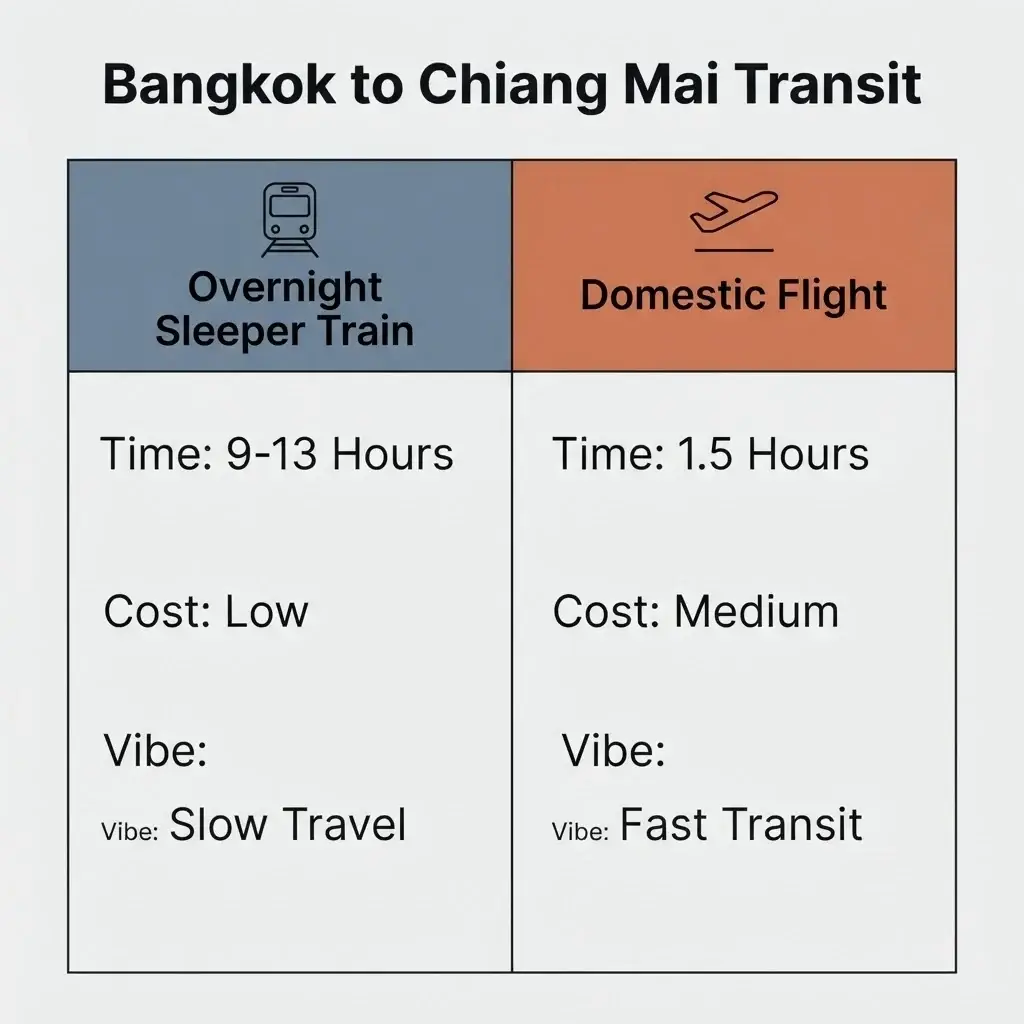
I highly recommend the night train if you want an authentic slow-travel experience. The air-conditioned #9 or #10 trains feature clean, comfortable bunk beds that attendants set up for you with fresh sheets. Waking up to watch the mist rise over the green hills of northern Thailand is an unforgettable travel memory that makes the journey feel like a true adventure.
Day 4: Entering the Gates of Chiang Mai’s Old City
Welcome to Chiang Mai. The air here is cooler, the mountains frame the horizon, and the pace of life feels much more relaxed. The historic center is a perfect square surrounded by ancient brick walls and a peaceful moat.
Settling Into the North
If you took the night train, you will arrive at the Chiang Mai railway station in the morning. Hop into a songthaew—these are bright red pickup trucks with covered bench seats in the back that serve as shared taxis. Tell the driver your hotel name, slide into the back with the locals, and pay a flat fee of around 30 to 40 Baht.
Spend your morning wandering through the quiet lanes of the Old City. Unlike Bangkok, Chiang Mai is highly walkable, and you will find ancient temples tucked between cozy coffee shops and small family guesthouses.
The Great Temples of the Old City
Start at Wat Chedi Luang. In the center of this compound sits a massive, weathered stone pagoda built in the 14th century.
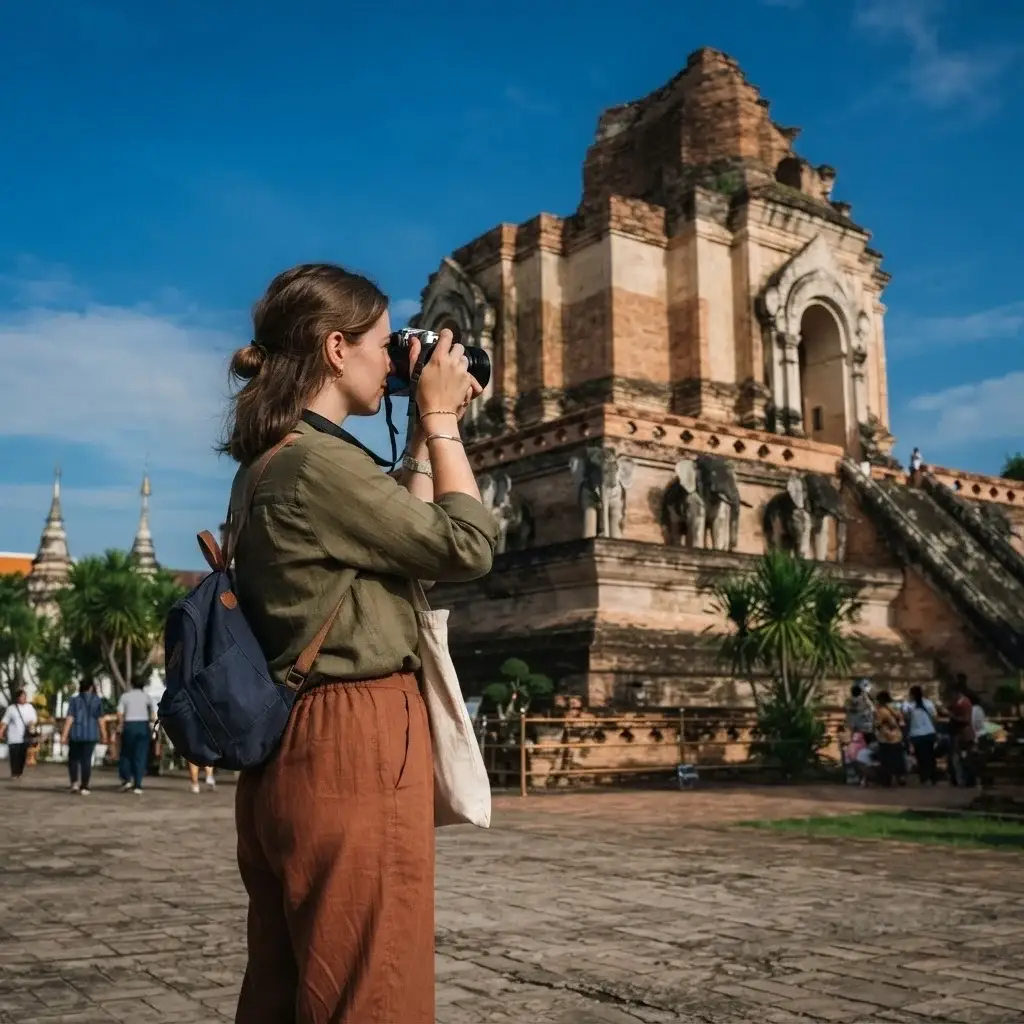
A massive earthquake damaged the top spire in 1545, giving it a dramatic, ruined appearance. Look closely at the southern face to see the original stone elephant sculptures guarding the brick terraces.
Next, walk to Wat Phra Singh, which sits at the end of Ratchadamnoen Road. This temple is a beautiful example of classic Lanna architecture, featuring swept-back wooden roofs and intricate gold stenciling.
How to Order Northern Khao Soi:
1. Choose your protein (Gai = Chicken, Neua = Beef, Moo = Pork).
2. Squeeze the fresh lime juice over the yellow coconut curry broth.
3. Mix in the pickled mustard greens and chopped raw shallots.
4. Stir the crispy fried noodles at the top into the tender egg noodles below.
What to Eat for Lunch
You cannot visit northern Thailand without eating Khao Soi. Walk to a local spot like Khao Soi Khun Yai, located just inside the northern moat. This dish consists of tender egg noodles in a rich, fragrant coconut curry broth, topped with crispy fried noodles. It is served with a side of pickled mustard greens, raw shallots, and a wedge of fresh lime. It is the ultimate comfort food.
Day 5: Climbing the Mountain of Doi Suthep
Today you will venture outside the city walls to visit one of the most sacred mountain temples in the country. Wat Phra That Doi Suthep sits high above the valley, looking out over the city below.
The Journey Up the Mountain
To get there, catch a red songthaew from the pickup point near the Chang Phueak Gate or the entrance to Chiang Mai University. The truck winds up a steep, twisting mountain road through dense green jungle. The ride takes about 45 minutes and costs around 60 Baht each way.
If you love the outdoors, you can hike up the mountain along the Monk’s Trail. This path is marked by strips of orange monk robes wrapped around the trees. It leads you past a hidden jungle temple called Wat Pha Lat before joining the upper road. It is a peaceful hike that lets you hear the morning bird calls and the rustle of the bamboo forest.
Reaching the Golden Spire
When you arrive at the base of Doi Suthep, you can climb 306 steps up a grand staircase flanked by massive stone dragons, or take a small cable car to the top. The central courtyard features a massive, gleaming golden pagoda that radiates light under the sun.
- Behavioral Cue: Walk around the central golden pagoda three times in a clockwise direction as a sign of respect. Listen to the gentle tinkling of hundreds of small temple bells catching the mountain breeze.
- The Viewpoint: Walk out to the rear viewing deck. On a clear day, you can see the entire Chiang Mai valley stretched out like a map below you.
Evening Street Food at Chang Phueak Gate
When you return to the city, head to the northern gate for dinner. Look for the famous stall run by the “Cowboy Hat Lady,” who was a favorite of late celebrity chef Anthony Bourdain.
What to Eat
Order a plate of Khao Kha Moo (stewed pork leg). The meat is simmered for hours in a spiced broth with cinnamon and star anise until it melts off the bone. It is served over warm rice with a hard-boiled egg, pickled mustard greens, and a spicy chili-garlic dipping sauce that cuts through the rich fat beautifully.
Day 6: Finding Responsible Animal Encounters and Sacred Silver
Northern Thailand is famous for its elephant populations, but as a responsible traveler, you must be careful about which operations you support. Many traditional camps use harmful practices or forced hooks to control the animals.
Choosing an Ethical Elephant Sanctuary
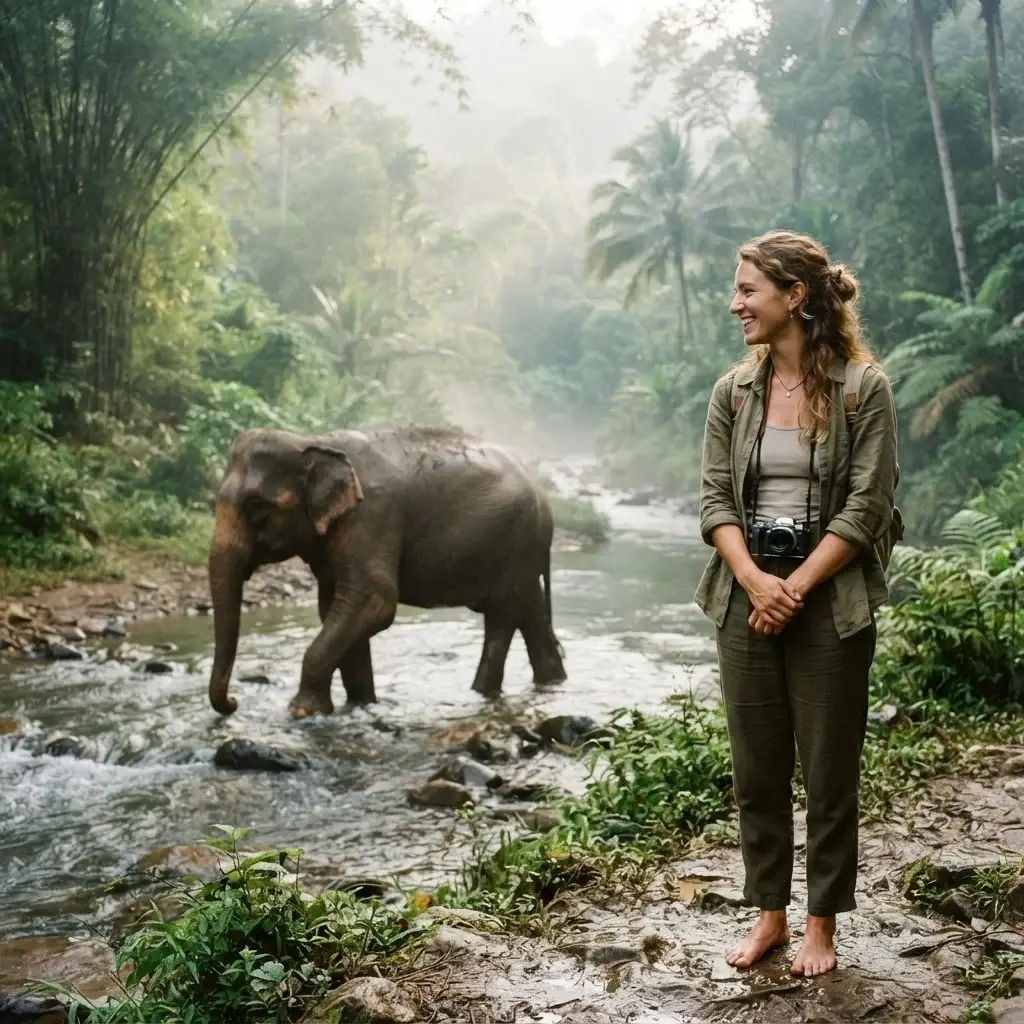
When you plan this part of your Bangkok & Chiang Mai itinerary for 7 days, look for a sanctuary that uses a strict “no-riding” policy. True sanctuaries allow elephants to live naturally in families, roam free through the forest, and interact without being forced to perform tricks or give rides.
Spend your day walking alongside these gentle giants, preparing their food from bananas and tamarind paste, and watching them splash in the mud rivers.
For official advice on cultural safety and eco-tourism guidelines across the provinces, I like to reference the Tourism Authority of Thailand travel guides, which offer great updates on certified green operators.
The Silver Temple of Wat Sri Suphan
In the afternoon, return to the city and visit the Wualai neighborhood, which is the historic silversmith district. Here you will find Wat Sri Suphan, commonly known as the Silver Temple.
The entire structure is covered in intricate plates of silver, aluminum, and nickel, handcrafted by local artisans. The panels show complex patterns detailing traditional Buddhist stories, zodiac signs, and even modern world history events.
Important Note: Because of old monk rules, women are not allowed to step inside the main silver chapel hall. However, the exterior is incredibly beautiful, and you can sit in the courtyard to watch the local silversmiths hammer out fresh metal panels in their workshops.
Day 7: Exploring Nimman and Saying Goodbye
On your final day, take time to experience Chiang Mai’s modern, creative side before making your journey back down south. The neighborhood of Nimmanhemin (or just Nimman) is the center of the city’s design, art, and coffee culture.
Coffee Culture and Final Souvenirs
Thailand has a world-class coffee scene, and many beans are grown right in the hills outside Chiang Mai. Spend your morning café-hopping down the side streets (sois) of Nimman. Order a cold brew coffee or a fresh iced matcha latte, and browse the small boutiques selling hand-woven textiles, ceramic mugs, and locally made clothes.
If your final day falls on a weekend, make sure to visit the Sunday Walking Street market on Ratchadamnoen Road inside the Old City. The entire street shuts down to cars, and hundreds of local artists set up stalls selling beautiful handmade goods, silver jewelry, and wood carvings. It is the perfect place to find meaningful souvenirs that support local families.
Final Transit Back to Bangkok
In the late afternoon or evening, take a short flight back to Bangkok’s international airport to catch your flight home. As you look out the plane window at the twinkling lights of the cities below, you will realize how much ground you have covered in just one short week.
The Real Value of Your Seven-Day Trip
When I left my corporate desk in New York, I was terrified that I wouldn’t be able to handle the challenges of the road on my own. But travel has a beautiful way of proving to you that you are much more capable than you realize.
This Bangkok & Chiang Mai itinerary for 7 days shows you two different sides of Thailand’s rich culture. You will experience the modern energy and deep history of the capital, alongside the peaceful mountain traditions of the north.
Do not worry if you make a mistake, take the wrong train, or get lost in a night market. Those unexpected moments are often the parts of the journey you will remember most fondly. Pack your bags with an open mind, step outside your comfort zone, and let the adventure begin.