
There is a specific, quiet horror that every traveler experiences at least once. You touch down in a brand-new city, walk through the airport, and finally arrive at your hostel or guesthouse. You open your main bag, ready to change out of your stale flight clothes, only to find that your favorite expensive facial oil has exploded. It has covered your clean socks, your only good pair of jeans, and your journal in a thick, sticky layer of scented grease.
I know this horror intimately. Before I started traveling full-time, back when I was pulling double shifts waitressing in New York City to save up for my first big solo backpacking trip across Europe, I spent a small fortune on a high-end night cream. I thought I needed to bring the entire heavy glass jar with me. Three days into my trip, while navigating a bumpy train ride from Paris to Amsterdam, that glass jar shattered inside my backpack. For the next two weeks, everything I owned smelled like artificial lavender and tiny shards of glass hid in the seams of my clothes.
That disaster taught me a massive lesson. Learning how to pack skincare products for a trip isn’t just about saving space in your luggage. It is about protecting your clothes, saving your hard-earned money, and keeping your skin happy while you step out of your comfort zone. When I left my traditional office job to build a life on the road, I had to master the art of the spill-proof, lightweight travel beauty routine.
Whether you are prepping for your very first solo trip or packing light for a fast-paced multi-country itinerary, you do not have to leave your skincare routine behind, nor do you have to risk a messy suitcase explosion. Let’s dive deep into exactly how to stream-line your products, seal your bottles, and keep your skin glowing across every time zone.
Why Travel Messes with Your Skincare (and Your Bottles)
To prevent a mess, you have to understand why the mess happens in the first place. Air travel does strange things to liquids. When you cruise at 35,000 feet, the air pressure inside the airplane cabin drops significantly compared to the pressure on the ground.
This change in atmospheric pressure causes the air trapped inside your plastic skincare bottles to expand. If a bottle is completely full or lacks a secure seal, the expanding air will push the product upward, forcing it out through the cap, pump, or flip-top lid. The moment you land and open your bag, you are greeted by a gooey, pressurized explosion.
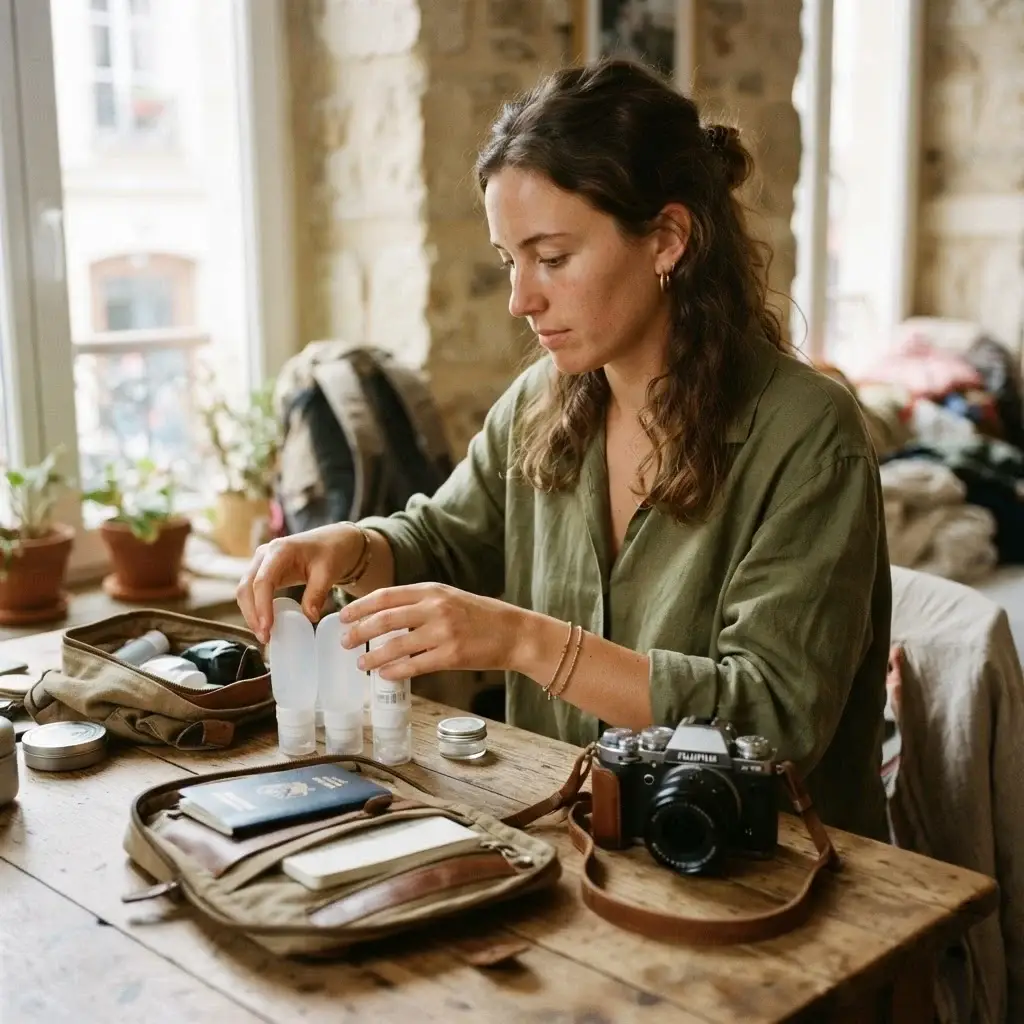
The Impact of Climate Shifts on Your Skin
It isn’t just your bottles that experience stress during a trip; your skin takes a hit too. Airplane cabin air is notoriously dry, often dropping below 20% humidity. For context, most homes sit around 40% to 50% humidity. That recycled airplane air acts like a sponge, stripping moisture directly out of your skin during a long-haul flight.
Once you land, you might be stepping into a radically different climate than what your body is used to. When I was teaching English in Thailand, I moved from a dry New York winter straight into the intense, heavy humidity of Bangkok. My skin went into absolute shock. It shifted from dry and flaky to incredibly oily and breakout-prone within 48 hours.
If you don’t pack the right products to help your skin adapt to these rapid environmental shifts, you will end up buying random, expensive emergency replacements at your destination, which can irritate your face even more.
Step 1: The Brutal Downsizing Audit
The biggest mistake I see new travelers make is trying to bring their entire bathroom vanity with them. When you are rushing to pack, it is easy to look at your ten-step nightly routine and convince yourself that you absolutely need every single chemical exfoliant, sheet mask, and toner. You don’t.
When you travel, your skincare goal should shift from perfection to protection and maintenance. You want to support your skin barrier, keep things clean, and protect yourself from the sun. Everything else is extra weight that increases your risk of a mess.
The Core Four: Your Non-Negotiable Travel Routine
Before you place a single item into your toiletry bag, lay all your products out on a flat surface and strip the line-up down to the absolute essentials. I call this “The Core Four”:
- A Gentle Cleanser: Leave the harsh exfoliating scrubs at home. Travel exposes your face to heavy city pollution, sweat, and dirt. You need a mild, dependable cleanser that removes grime without stripping your skin dry.
- A Hydrating Moisturizer: Look for something simple that seals in hydration. If you are headed to a cold or alpine environment, opt for a richer cream. If you are heading somewhere tropical, a lightweight gel moisturizer is your best friend.
- Broad-Spectrum Sunscreen: This is your number one anti-aging and health tool. Whether you are walking through historic cities or hiking mountain trails, you need a high-quality SPF 30 or higher.
- One Targeted Treatment: Pick the single most critical serum or oil that addresses your biggest skin concern. If you are prone to breakouts under stress, bring a small tube of salicylic acid. If your skin gets incredibly dry, bring a small bottle of hyaluronic acid.
Leave the heavy clay masks, the jade rollers, the multiple eye creams, and the experimental peeling solutions at home. They take up too much physical real estate, add unnecessary weight to your luggage, and provide more opportunities for leaks.
Step 2: Choosing the Right Travel Containers
Now that you have your core products selected, it is time to talk containers. Never pack full-sized skincare products unless you are moving to a new country permanently. Not only do full-sized bottles violate airport security rules for carry-on luggage, but they are also heavy and highly prone to breaking under the weight of other bags.
Silicone Tubes vs. Hard Plastic Bottles
When looking for travel containers, you will generally run into two options: soft silicone tubes and rigid, clear plastic bottles. Both have distinct pros and cons, and using them correctly makes a massive difference in preventing a mess.
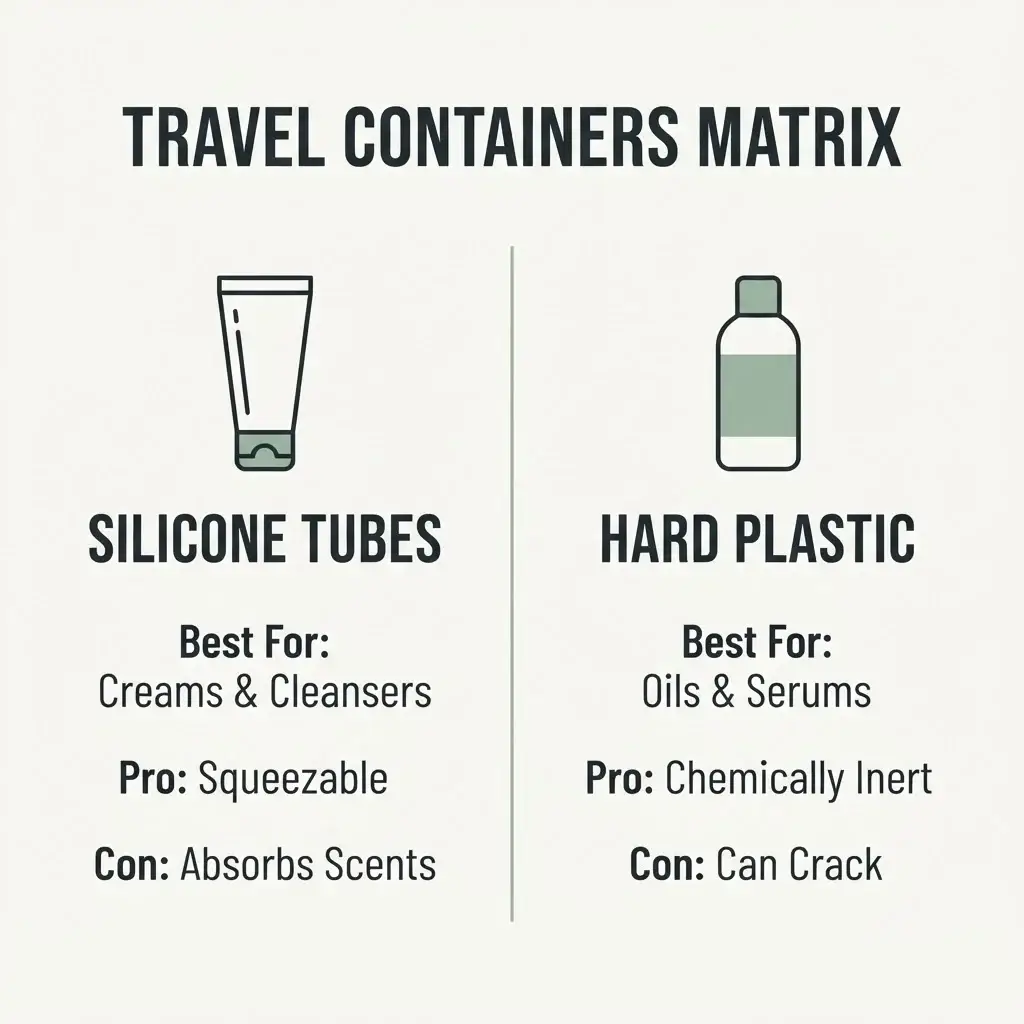
| Container Type | Best Used For | Pros | Cons |
| Silicone Tubes | Thick creams, gel cleansers, heavy moisturizers, conditioners | Squeezable, easy to clean, highly durable, rarely cracks under pressure | Can absorb fragrances, can react poorly with alcohol- or silicone-based serums |
| Hard Plastic Bottles | Liquid toners, micellar waters, facial oils, runny watery serums | Rigid structure prevents accidental squeezing, chemically inert for most formulas | Can crack if dropped, difficult to squeeze out the last drop of thick product |
My golden rule is to use soft, food-grade silicone bottles for anything thick and creamy. The flexible material allows the bottle to bend and absorb pressure changes during a flight without popping its top. However, keep your high-potency facial oils and active acid serums in small, hard plastic or amber glass dropper bottles, as those active ingredients can sometimes degrade or seep through silicone pores over time.
Airless Pump Bottles: The Gold Standard
If you want to completely eliminate the risk of a travel skincare explosion, invest in a few small airless pump bottles. Traditional bottles use a straw to pull the product upward, leaving a pocket of air at the top of the container. As we established, that air expands at high altitudes and causes leaks.
Airless pump bottles work via a small plastic disk at the bottom of the chamber. As you pump the nozzle, the disk rises, pushing the product up without allowing any air into the container. Because there is no internal air pocket to expand during a flight, these bottles are virtually leak-proof. They are also incredibly hygienic because you never have to dip your fingers directly into a jar of cream while sitting in a dusty hostel or airport terminal.
Step 3: The Ultimate Leak-Proof Packing Method
Once your products are transferred into travel-sized containers, it is time to build a multi-layered defense system against leaks. Do not just throw your bottles loose into a zipper bag and hope for the best.
The Plastic Wrap Hack
This is the cheapest, most effective insider secret for travel packing, and it has saved my clothes from ruin on dozens of long-haul flights.
Before you screw the cap onto any bottle of liquid, lotion, or oil, unscrew the lid completely. Take a small, square piece of household plastic wrap (cling wrap) and place it flat over the open neck of the bottle. Then, tightly screw the cap back down over the plastic wrap.
[ Bottle Cap ]
============== <– Plastic Wrap Layer
[ Bottle Neck ]
The plastic wrap creates an airtight, physical gasket that seals the opening. Even if the cabin pressure forces the liquid upward, or if the cap accidentally pops open slightly inside your bag, the plastic film keeps the liquid trapped inside the bottle neck.
The Golden Rule of Air Space
When filling your travel containers, never fill them all the way to the absolute brim. Leave about a half-inch of empty space at the top of every bottle.
This empty space gives the air inside the bottle room to expand and compress as the plane changes altitude. If a bottle is packed tight to the rim with liquid, the expanding pressure has nowhere to go but out through the weakest point of the cap. Giving your products a little bit of breathing room drastically lowers the internal pressure during transit.
Use Solid Alternatives Where Possible
The easiest way to avoid a liquid skincare mess is to eliminate the liquids entirely. The travel world has seen a massive boom in high-quality solid beauty products over the last few years, and switching to solids is a total game-changer for solo travelers trying to stretch a tight budget or fly carry-on only.
- Solid Cleansing Sticks and Bars: Instead of a liquid gel wash, look for a solid facial cleansing bar or a push-up stick. They glide onto dry skin, emulsify with a little bit of tap water, and will never, ever leak inside your backpack.
- Powder Enzyme Cleansers: These are dry, finely milled powders that activate into a creamy foam when mixed with water in your palm. They are incredibly lightweight and completely immune to airport security liquid limits.
- Balm Cleansers: For removing sunscreen or makeup at the end of a long day of exploring, a solid cleansing balm in a small tin is far safer than a bottle of micellar water or liquid oil cleanser. It stays solid at room temperature and melts into an oil only when warmed between your hands.
Step 4: Organizing Your Toiletry Bag Like a Pro
The container holding your products matters just as much as the bottles themselves. Toss out the cheap, flimsy fabric pouches that let liquids soak right through onto your clothes if a leak does happen.
The Power of Clear TPU Toiletry Bags
Look for a toiletry bag made from Thermoplastic Polyurethane (TPU) or heavy-duty, transparent PVC with a waterproof zipper. Transparent bags serve two vital purposes. First, they allow you to see exactly where every product is without digging around blindly, which saves time when you are brushing your teeth in a dark hostel bathroom. Second, they comply with global airport security rules, allowing you to breeze through checkpoints without having to transfer your items into cheap, disposable plastic bags at the security line.
If you are planning an international journey, keeping your logistics tight is key. I always make sure my paperwork and packing style align with global expectations. For instance, when mapping out a complex route, I regularly review the official entry requirements and safety alerts on the US Department of State Travel website to ensure I don’t run into unexpected delays at customs with my gear or documentation. Staying organized externally makes managing your internal luggage setup feel like a breeze.
Packing Order and Strategic Placement
When you are layering items inside your main backpack or rolling suitcase, the placement of your toiletry bag is critical. Never pack your skincare products at the absolute bottom of your bag.
If your luggage is thrown into the cargo hold of a plane or stacked underneath heavy suitcases on a long-distance bus, the physical weight pressing down on your bag can crush plastic bottles and force lids open. Always pack your toiletry kit near the top or center of your main bag, surrounded by soft items like sweaters, t-shirts, or a micro-fiber towel. This creates a protective, cushioned cocoon that absorbs external shocks and bumps along the road.
Step 5: Adapting Your Skincare to Your Destination’s Environment
A major part of packing skincare without the mess is making sure you actually use what you bring. If you pack products that don’t match the environment of your destination, they will just sit in your bag, taking up space and risking a leak for no reason.
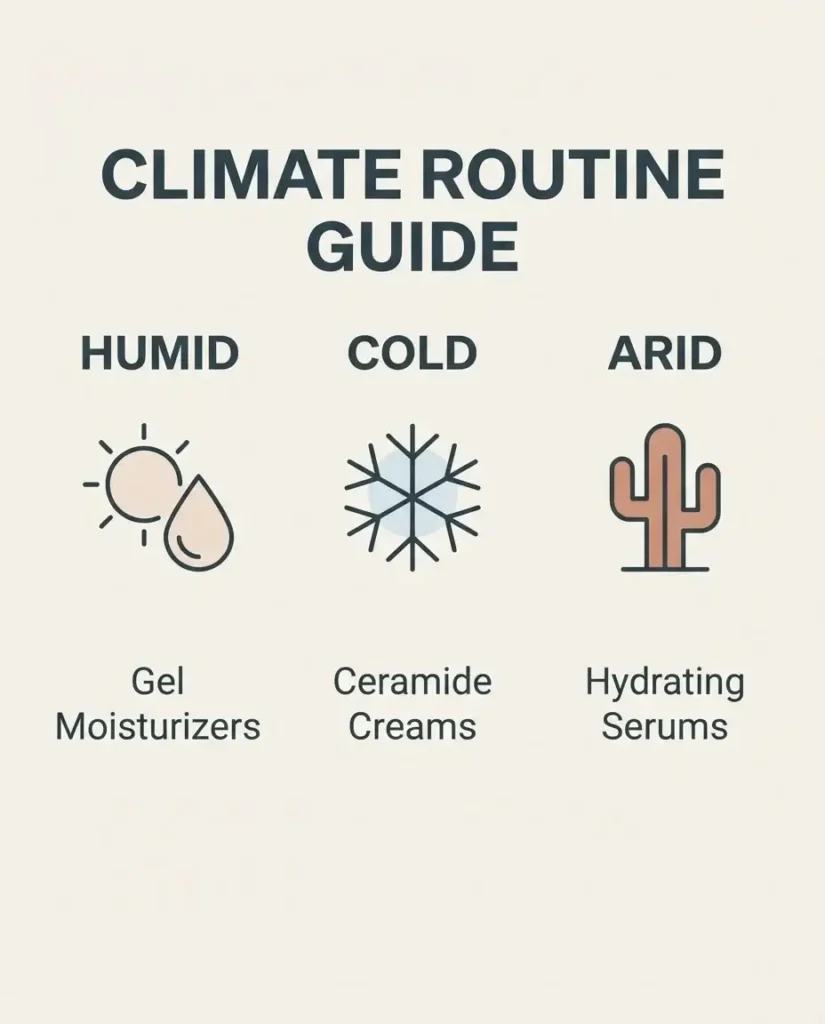
You need to tailer your kit to the specific destination you are visiting.
Hot and Humid Climates (e.g., Southeast Asia, Central America)
In humid regions, the air is thick with moisture. Your skin will naturally produce more sebum (oil), and heavy creams will feel suffocating, sticky, and can lead to clogged pores.

- What to Pack: Light gel-based moisturizers, foaming cleansers, and fluid, matte-finish sunscreens.
- Insider Environmental Tip: If you are spending your days tracking wildlife or walking through jungle temples, you will be sweating heavily. Pack a small bottle of soothing aloe vera gel or a gentle niacinamide serum to calm heat rashes and redness.
- Navigation & Safety Prep: If your hot-weather journey includes checking out incredible historic landmarks, like wandering through the ancient jungle ruins of Angkor Wat, it helps to plan your health logistics alongside your packing. I always check the destination health advisories on the CDC Travelers’ Health page to see if I need specific insect repellents or vaccines for the region, ensuring my skin stays protected from bugs as well as the sun.
Cold, Dry, or High-Altitude Climates (e.g., The Andes, Scandinavian Winters, Mountain Treks)
Cold air and high elevations hold very little moisture. Combined with indoor heating, these environments will quickly sap the water right out of your face, leaving your skin barrier cracked, raw, itchy, and painful.
- What to Pack: Rich, emollient creams containing ceramides or shea butter, gentle non-foaming milk cleansers, and a heavy-duty lip balm.
- Insider Environmental Tip: Windburn is a real threat when hiking or exploring cold coastal cities. A tiny tin of multi-purpose healing ointment (like Aquaphor or a classic cica balm) can be applied to cracked knuckles, dry nostrils, and wind-chapped cheeks to create an instant protective seal.
Arid and Desert Climates (e.g., Morocco, Western Australia, the US Southwest)
Deserts feature intense daytime sun, zero humidity, and sudden drops in temperature the moment the sun goes down. This extreme shift can leave your skin feeling confused and desperately dehydrated.
- What to Pack: A dedicated hydrating serum (like hyaluronic acid or glycerin) applied directly to damp skin before your moisturizer, a nourishing facial oil for nighttime recovery, and a broad-spectrum mineral sunscreen to block intense ultraviolet rays.
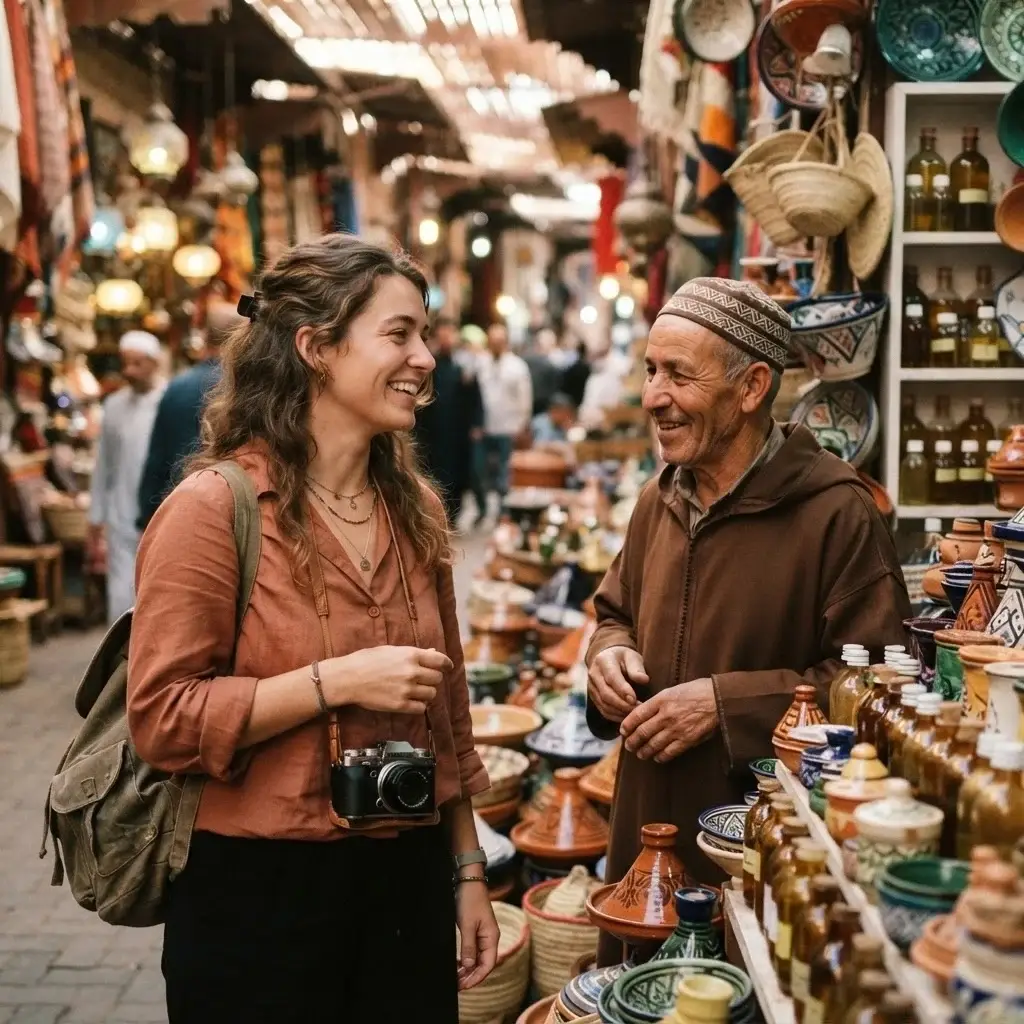
- Local Cultural Immersion Tip: Do not be afraid to look for local, natural skincare solutions while traveling. When I was backpacking through Morocco, I left my heavy commercial hair and face oils at home and instead bought pure, locally sourced argan oil directly from women’s co-operatives in the region. It saved packing space on my way out, supported the local economy, and gave me an authentic window into ancient Berber beauty traditions.
Step 6: Dealing with In-Flight Hydration and Logistics
The actual transit day is when your skincare routine faces its toughest test. If you are boarding a flight that lasts longer than five hours, you need a clear, mess-free game plan to handle the dry cabin air without causing an awkward scene in the airplane aisle.
The Pre-Flight Shield
The best way to handle an in-flight skincare routine is to do most of the heavy lifting before you ever step onto the airplane.
On the morning of a long flight, I skip all my active makeup products and heavy foundations. Instead, I wash my face with a hydrating cleanser, apply two layers of a rich, water-binding serum, lock it all in with a generous layer of moisturizer, and finish with a clean sunscreen. This creates a thick, protective hydration barrier that acts as a shield against the moisture-depleting cabin air.
The In-Flight Minimalist Checklist
Please do not be the person who applies a dripping, messy paper sheet mask while sitting in a cramped middle seat on a budget airline. It is awkward, it is messy, and it can actually backfire. Because airplane cabin air is so incredibly dry, a wet sheet mask can dry out rapidly, causing the dry air to pull moisture out of your skin through reverse osmosis.
Instead, keep a tiny, curated “in-flight kit” in an easily accessible pocket of your personal item. This kit should only contain three small items:
- A Hydrating Lip Balm: Your lips lack sebaceous glands and are almost always the first thing to dry out and crack during a flight. Reapply a thick balm every couple of hours.
- A Travel-Sized Hand Cream: Washing your hands in airplane bathrooms with harsh, industrial soap will dry out your cuticles instantly.
- A Tiny Spray Bottle of Thermal Water or Facial Mist: If your face feels tight and hot mid-flight, a quick, fine mist of water provides instant relief. Crucial Step: Always follow a facial mist with a tiny dab of moisturizer or face oil rubbed into your palms and pressed onto your skin. If you spray water onto your face and leave it bare, the dry cabin air will evaporate the mist instantly, taking your skin’s natural moisture along with it.
Step 7: Managing Skincare Emergencies on the Road
Even with perfect packing, things can still go wrong. Traveling solo means being adaptable and knowing how to solve problems calmly when your gear doesn’t cooperate.
How to Clean Up an Explosion Safely
If you open your bag at your destination and find that a bottle has leaked despite your best efforts, take a deep breath. Do not panic and start ripping everything out of your bag, which can spread the mess onto clean bedding or carpets.
Take the entire toiletry bag straight to the bathroom sink. Remove the items one by one, rinsing the exteriors of the un-leaked bottles under warm running water to remove any sticky residue. Wipe them dry with a clean cloth or a bit of toilet paper.
If any clothing items were contaminated through a leaky zipper, do not let the product dry into the fabric. Immediately spot-treat the stain using a small dab of dish soap, body wash, or the hostel’s laundry detergent, and rinse it out with warm water in the sink. Hanging the garment to dry immediately prevents oils and dyes from permanently setting into the fibers.
Sourcing Safe Replacements Abroad
If a product breaks or is confiscated by security, do not rush into a random tourist souvenir shop to buy a sketchy replacement with an unreadable ingredient list.
Look for local pharmacies, apothecary shops, or dedicated grocery stores where residents shop. In Europe, pharmacies are incredible havens for clean, dermatologist-tested skincare. In Asia, local convenience stores and modern health chains offer affordable, high-quality sunscreens and cleansers designed for sensitive skin.
If your adventures take you through iconic, culturally rich regions, you can easily combine your daily logistics with unforgettable exploration. For example, if you find yourself wandering through a historic town, like exploring the ancient grid-pattern streets and classic wooden architecture of a UNESCO World Heritage site like Luang Prabang, you will find tiny local shops selling pure cold-pressed coconut oils and traditional herbal balms that work wonders on dry skin while keeping your environmental footprint beautifully low.
Actionable Packing Checklist for Your Next Trip
To make things completely foolproof for your next adventure, copy this quick-reference checklist when laying out your gear:
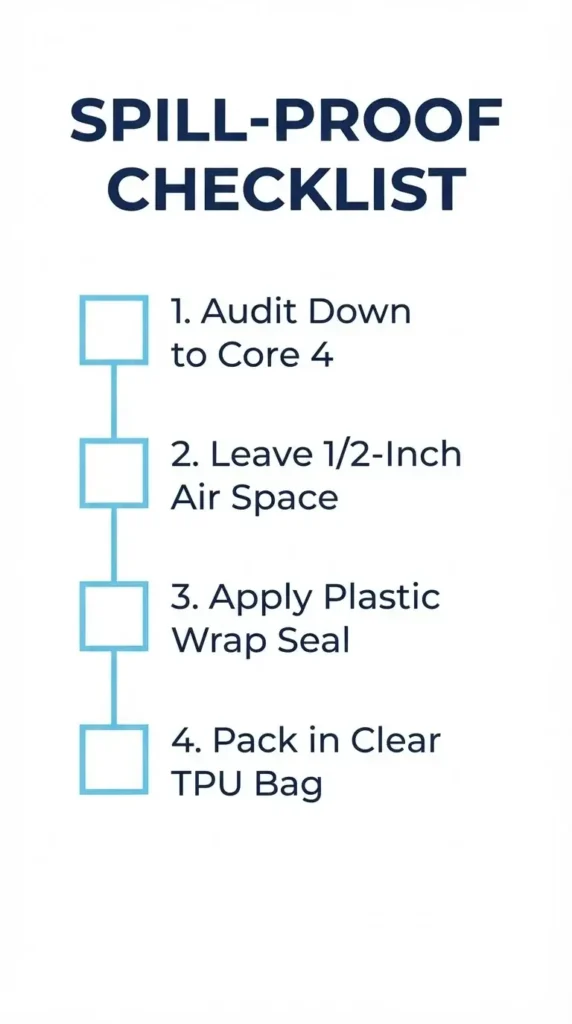
- [ ] Audit: Strip your routine down to Cleanser, Moisturizer, SPF, and one targeted treatment serum.
- [ ] Check Containers: Transfer thick liquids into flexible silicone tubes; keep runny oils and active serums in hard plastic or small glass droppers.
- [ ] Leave Space: Fill bottles only 80% full, leaving a half-inch of air space at the top for pressure expansion.
- [ ] Plastic Wrap Seal: Place a small square of plastic wrap over the open bottle neck before screwing the cap down tight.
- [ ] Pack Solid Alternatives: Switch out liquid body washes and facial cleansers for solid bars, balm tins, or dry enzyme powders where possible.
- [ ] Use a Transparent TPU Bag: Keep your products enclosed in a heavy-duty, waterproof clear pouch to streamline airport security and contain internal leaks.
- [ ] Position Wisely: Pack your toiletry kit near the top or center of your luggage, nestled safely between soft clothing layers to protect it from outside drops and pressure.
Final Thoughts: Simplicity is Freedom
When I first left behind the safety of my predictable 9-to-5 life to explore the world, I thought I had to carry my entire comfort zone with me in my backpack. I packed too many things, worried too much about keeping up appearances, and ended up with a heavy bag and a lot of messy spills.
What I learned on the road is that travel skincare—much like travel itself—is all about letting go of excess baggage. When you simplify your routine, protect your gear from the realities of air pressure, and focus on clean, functional basics, you free up physical space in your bag and mental space in your mind.
You stop stressing about leaky bottles in your hotel room, and you start focusing on the smells of local street food markets, the sound of an unfamiliar language, and the incredible feeling of discovering a new corner of the world completely on your own terms. Pack light, seal your bottles, and go make some unforgettable memories. Your skin, your clothes, and your sense of adventure will thank you for it.