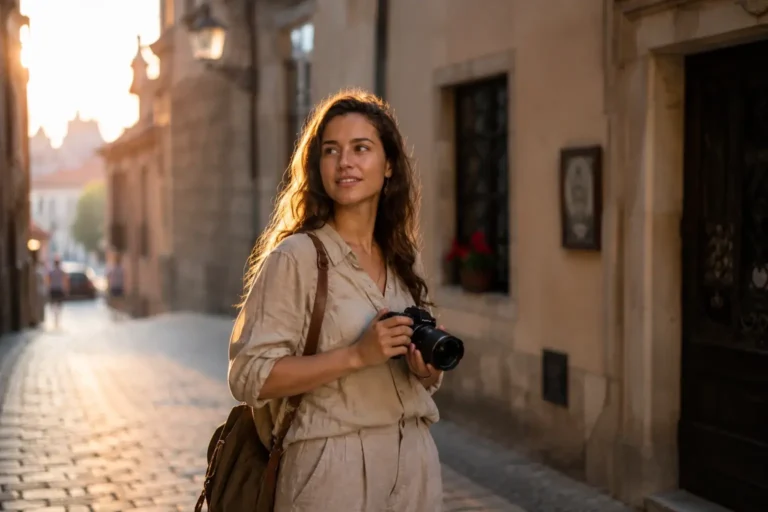
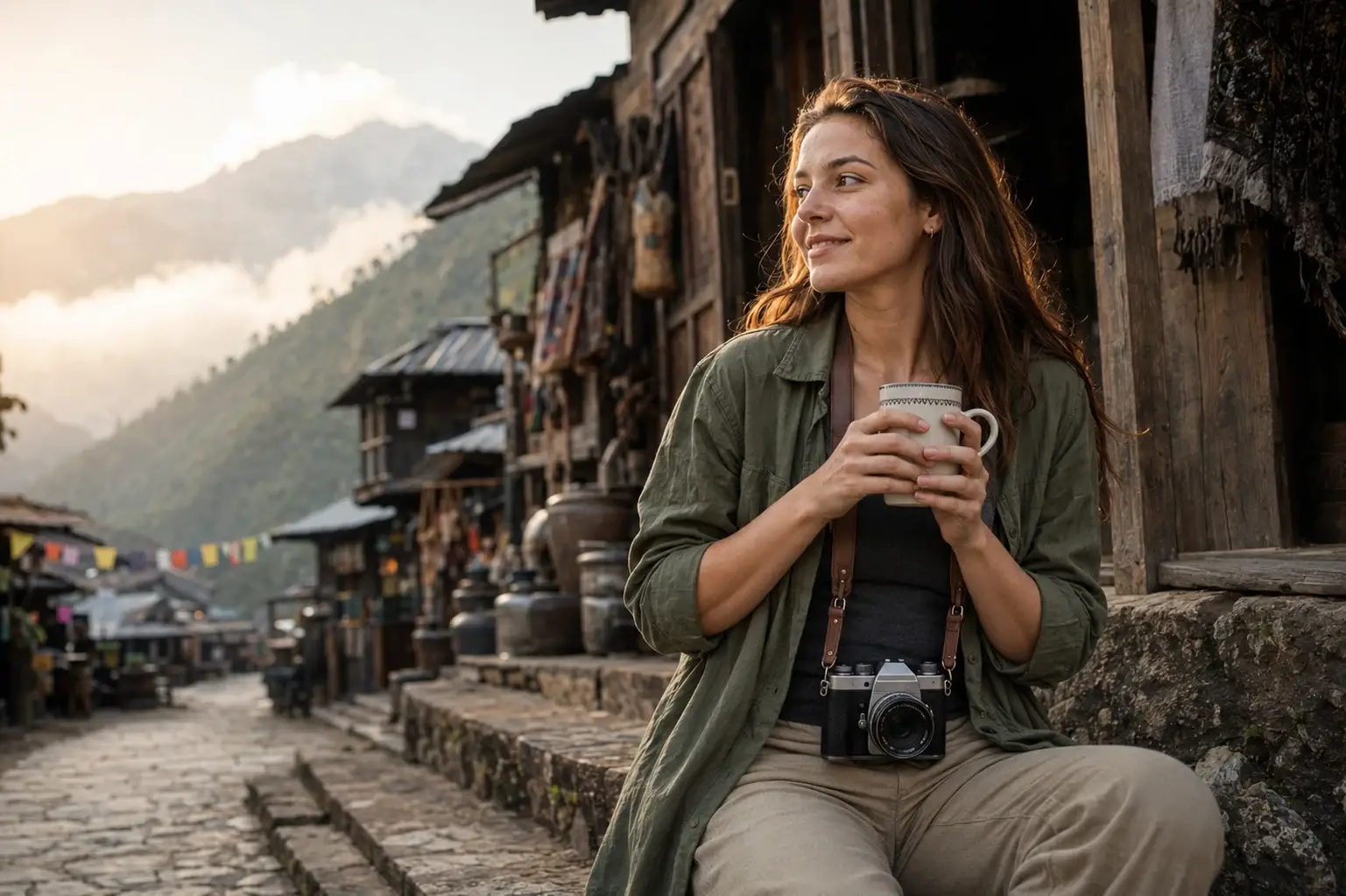
I still remember standing in the middle of my tiny apartment floor a few weeks after quitting my corporate office job. Around me was a sea of clothes. I had heavy winter coats, linen shirts, three pairs of boots, and enough jeans to open a store. I was preparing for a journey that would take me from the damp, chilly streets of Edinburgh to the humid jungles of Chiang Mai. My biggest fear wasn’t traveling alone—it was the crushing weight of a suitcase that felt like it belonged to three different people.
Like many first-time travelers, I thought the only way to be prepared for every type of weather was to pack an item for every single scenario. I jammed everything into a massive bag. Within two days of dragging that monstrous suitcase up the steep stairs of historic neighborhoods and through crowded transit stations, I realized my mistake. My back ached, I was constantly stressed, and I spent more time managing my gear than enjoying my environment.
That was the trip where I forced myself to learn the art of minimalism. I realized that the secret to ultimate freedom on the road is not packing more; it is packing smarter. When you learn how to layer clothing for different climates, you can easily fit everything you need into a single carry-on backpack. It does not matter if you are stepping into a freezing wind or walking through a tropical downpour.
This guide is everything I have learned over nearly a decade of continuous solo travel, from my days working as a certified sightseeing guide on the windy streets of New York City to teaching English in rural Thailand. Let’s look at exactly how to build a flexible, lightweight wardrobe that keeps you comfortable anywhere on earth.
The Three-Layer Rule: Your Foundation for Freedom
To pack light for any trip, you must forget about individual outfits. Instead, you need to think of your clothes as an interconnected system. The standard three-layer system is a time-tested approach used by outdoor adventurers, but it works perfectly for global travelers too. It allows you to adapt to changing temperatures in seconds simply by adding or removing a single piece of clothing.
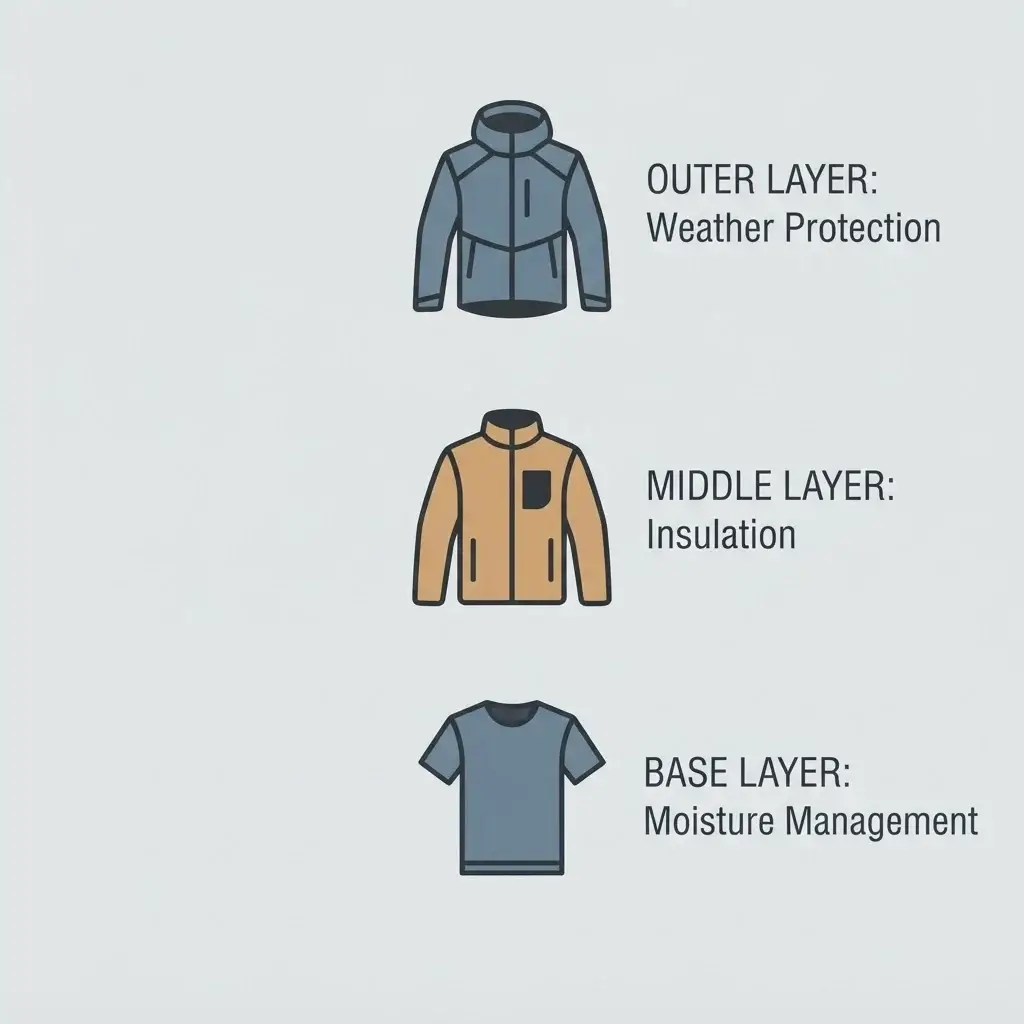
1. The Base Layer (Moisture Management)
The base layer sits directly against your skin. Its main job is to keep you dry by pulling sweat away from your body. Many people make the mistake of wearing cotton t-shirts as a base layer. Cotton feels nice at home, but it acts like a sponge. It holds onto moisture, which makes you feel sticky and hot in the tropics, or dangerously cold and damp when the temperature drops.
For cold or variable environments, look for lightweight merino wool or high-quality synthetic fabrics like polyester. Merino wool is my absolute favorite material for solo travel. It regulates your body temperature naturally, it is incredibly soft, and it does not retain odor. You can wear a high-quality merino wool shirt multiple times without it smelling, which means you can pack far fewer shirts overall. For hot and humid tropical climates, a thin, breathable synthetic top or ultra-light linen blend will keep the air flowing across your skin.
2. The Middle Layer (Insulation)
The middle layer is designed to trap the heat your body naturally generates. This is the layer that keeps you warm when things get chilly. The beauty of the middle layer is that it is highly customizable based on where you are going.
Great middle layers include lightweight fleece jackets, packable synthetic down jackets, or fine-knit wool sweaters. A packable down jacket is a solo traveler’s best friend because it compresses down into a tiny pouch no bigger than a water bottle. When I was saving up money for my travels by waitressing long double shifts in New York, I invested in one good, lightweight insulated jacket. It has saved me on overnight mountain buses, chilly coastal ferry rides, and unexpected high-altitude evenings across multiple continents.
3. The Outer Layer (Weather Protection)
The outer layer, often called the shell, is your shield against the elements. It protects you from howling winds, heavy rain, and driving snow. If your outer layer fails, your middle and base layers will get wet, and you will quickly become miserable.
Your outer layer should be waterproof, windproof, and breathable. Look for high-quality rain jackets with taped seams. Avoid cheap plastic ponchos or heavy, lined winter coats that cannot be separated. A lightweight shell jacket can be worn over a simple t-shirt during a tropical monsoon storm, or layered over your fleece and base layer during a mountain whiteout.
How to Adapt Your Layers for Specific Global Climates
Weather does not look the same everywhere, and sometimes you will cross multiple climate zones on a single trip. Here is exactly how to configure your clothing system for the most common environmental conditions you will encounter around the world.
Cold and Dry Environments (Highlands and Winter Destinations)
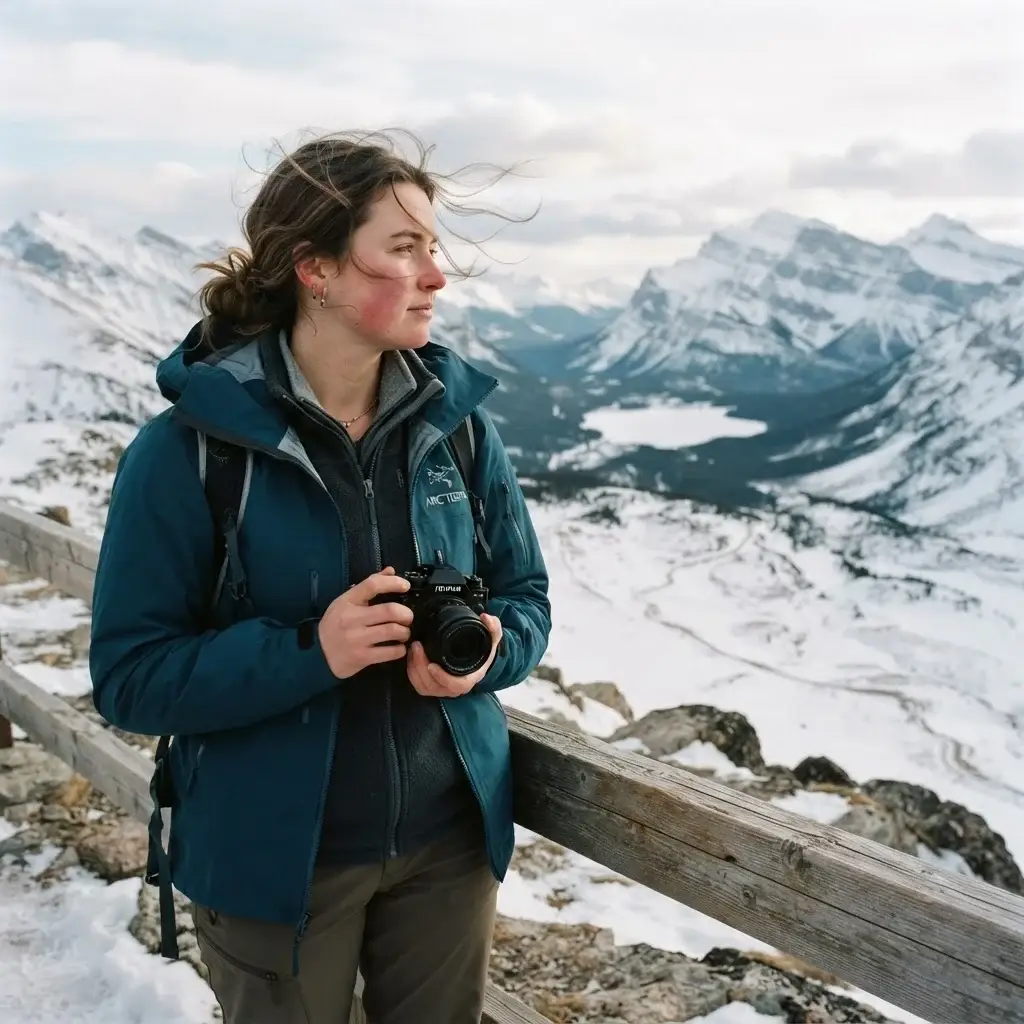
When you are exploring high-altitude regions or traveling through northern regions during the winter, the goal is to trap warm air while preventing cold wind from cutting through your clothes.
For these regions, your base layer should be a dedicated thermal top and bottom made of medium-weight merino wool. Your middle layer should be a high-loft down jacket or a thick fleece. Top it off with a windproof outer shell.
- Insider Secret: Keep your extremities warm. You can have the best jacket system in the world, but if your feet are freezing, your entire body will feel cold. Pack two pairs of thick wool socks and swap them out if your feet get damp.
- Navigation Tip: When exploring cold mountain towns or historic northern cities, public transit stations and local shops often blast the heating. Wear a middle layer with a full zipper rather than a pullover style. This makes it incredibly easy to vent your heat the moment you step indoors without having to take off your entire outfit.
Hot and Humid Environments (Tropical Regions)
Many travelers think you do not need to layer when heading to tropical climates, but that is a major misconception. Tropical travel involves moving constantly between extreme outdoor humidity and intense, freezing indoor air conditioning.
In these regions, your base layer should be an ultra-light, loose-fitting shirt that allows maximum airflow.
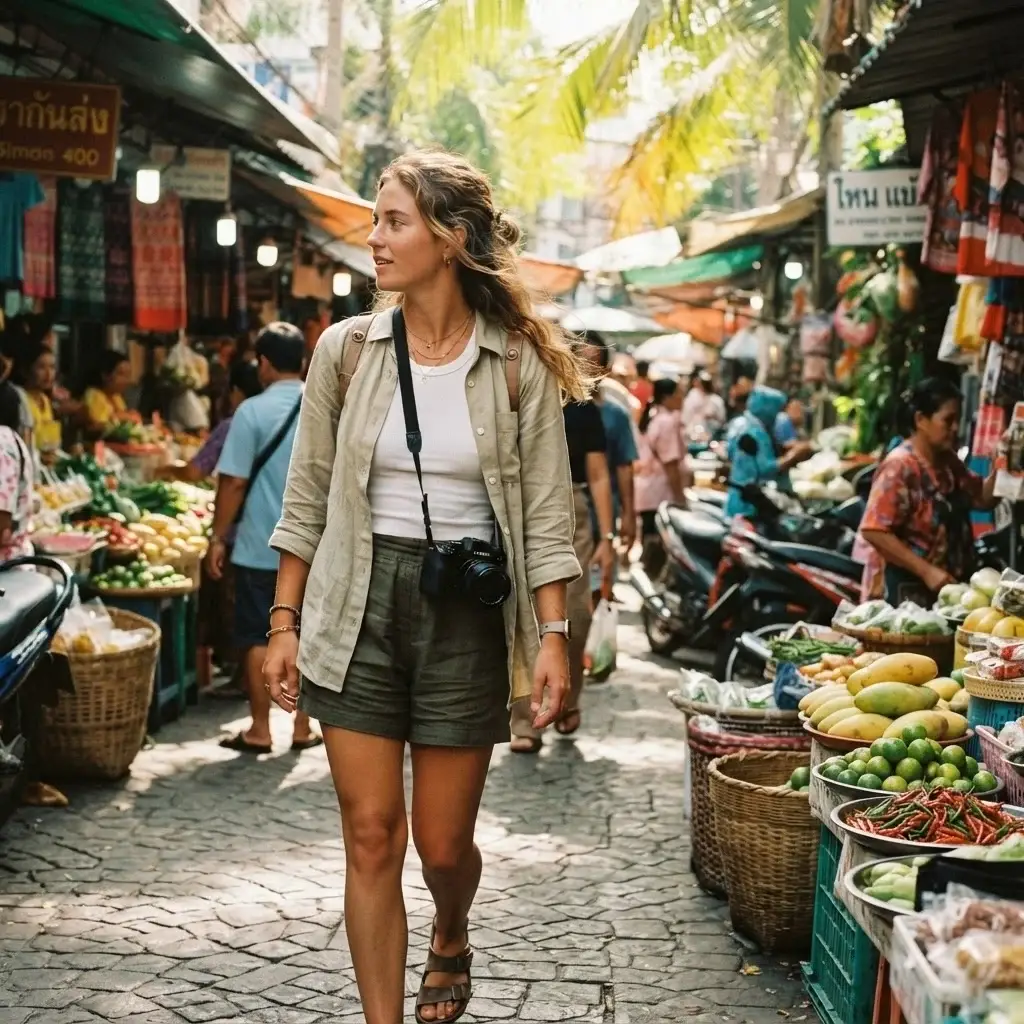
Your outer layer should be a highly breathable, packable rain jacket to handle sudden afternoon downpours.
- Culinary Tip & Safety: When traveling through hot, humid regions, staying hydrated and eating safe food is vital. If you are exploring bustling night markets, always look for the food stalls with the longest lines of local residents—the high turnover means the ingredients are fresh. To stay healthy on the road, I always check the official CDC Travelers’ Health recommendations for my specific destination to see updated food and water safety guidelines before I arrive.
- Insider Secret: Pack a lightweight, oversized linen or rayon button-down shirt. You can wear it open over a tank top during the day to keep the sun off your shoulders, button it up when entering historic indoor spaces, or tie it around your waist when you are walking.
Variable and Transition Climates (Spring, Autumn, and Deserts)
Transition climates are the hardest to pack for if you do not understand layering. These are the places where you wake up to frost on the grass, sweat through your clothes by noon, and shiver again the moment the sun drops behind the horizon.
The key here is modularity. You want a lightweight base layer shirt, a highly portable middle layer like a fleece or light sweater, and a wind-resistant jacket. During the peak afternoon heat, your middle and outer layers go straight into your daypack, leaving you comfortable in just your base layer.
- Navigation Tip: If you are navigating sprawling historical sites or desert landscapes, start your excursions early in the morning. To ensure you understand entry rules and access times for major cultural landmarks, you can check the designated profiles on the UNESCO World Heritage official site pages to plan your morning arrivals perfectly before the heat and the crowds maximize.
The Cultural Layer: Merging Function with Local Respect
Travel is about far more than just staying warm or dry; it is about building deep cultural understanding and showing respect to the communities that welcome us. In many parts of the world, dressing appropriately is an essential part of local etiquette. This is where creative layering becomes a powerful tool for the culturally curious solo traveler.
When I was teaching English in Thailand, I learned very quickly that local institutions, religious temples, and rural communities place a high value on modest dress. You cannot simply walk around in short shorts and tank tops, no matter how hot the tropical sun feels.
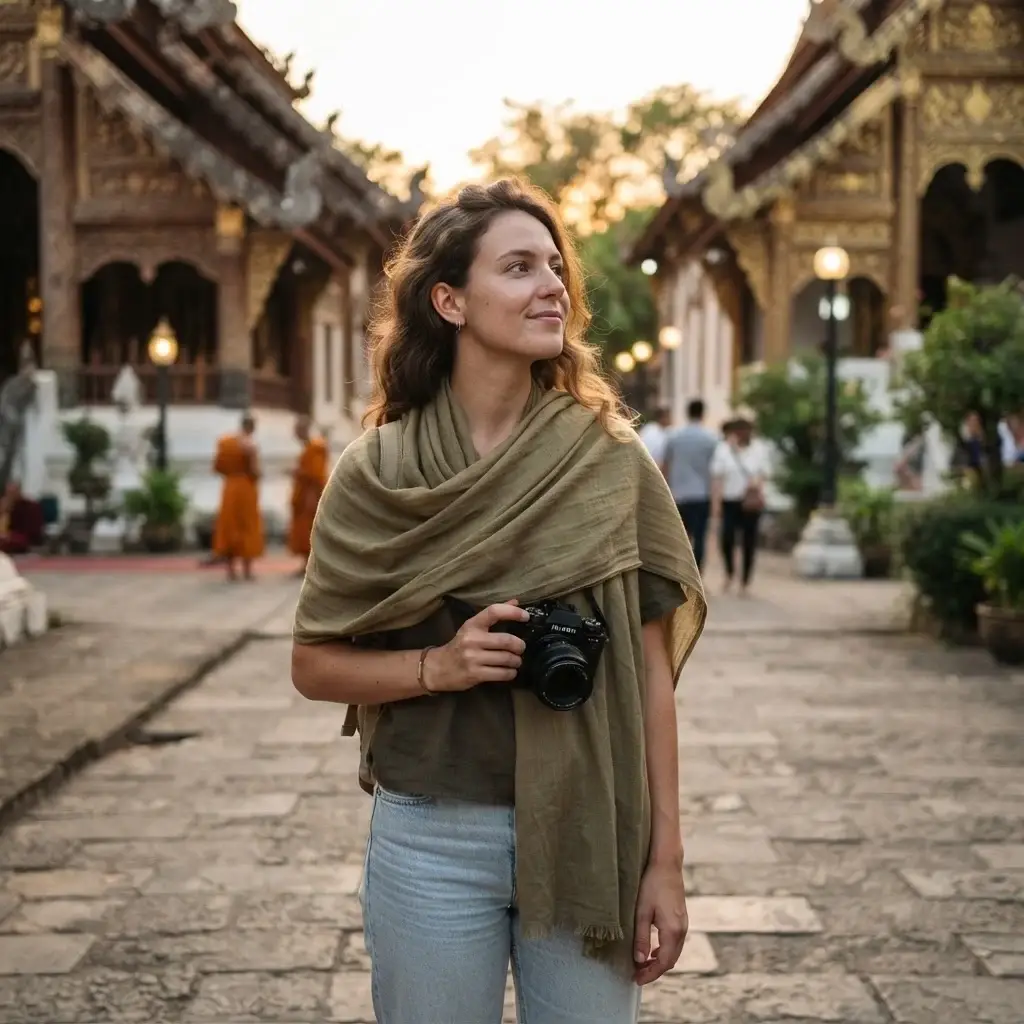
However, you also do not want to overheat while walking through historic towns.
The Travel Scarf or Sarong Solution
The single most versatile item in my backpack is a large, lightweight scarf made of cotton or rayon. It takes up almost no space, but it acts as an instant cultural layer.
If you are walking through a hot city in a tank top and decide to visit a sacred temple or a traditional neighborhood, you can quickly wrap the scarf around your shoulders to cover them. You can also tie it around your waist like a long skirt to cover your knees. When you leave, it goes right back into your bag.
Modest Base Layers
When traveling through conservative regions, choose loose, long-sleeve linen shirts and wide-leg cotton pants as your everyday base layers. They keep you cool by blocking direct sunlight while keeping you fully aligned with local cultural expectations.
Before booking any major trip, I always make it a habit to research the specific entry demands and local safety ratings by visiting the US Department of State Travel advisory site to check for any cultural notices or regional travel warnings. This ensures I never arrive at a new border feeling unprepared or dressed inappropriately.
4 Practical Steps to Build Your Packing System
Now that you know the theory, let’s put it into practice. Follow these sequential steps to assemble your custom, lightweight travel wardrobe before your next big adventure.
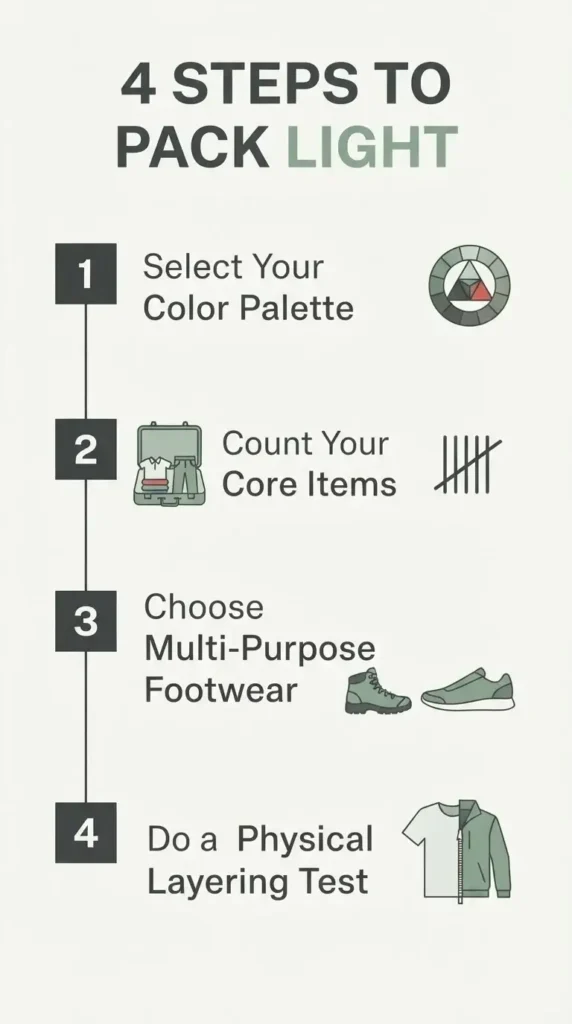
1.Select Your Color Palette:Step 1: Focus on Mix-and-Match.
Choose a neutral color base (like black, navy, grey, or khaki) for your pants, shorts, and jackets. Ensure every single shirt you pack can be worn with every single bottom. If an item only works with one specific outfit, leave it at home.
2.Count Your Core Items:Step 2: The Rule of Three.
Apply the rule of three to your base layers: wear one, pack one in your bag, and have one washing or drying. Pack three t-shirts, three pairs of socks, and three pairs of quick-dry underwear. This keeps your bag incredibly light.
3.Choose Multi-Purpose Footwear:Step 3: Limit to Two Pairs.
Shoes are the heaviest items in a bag. Pack one pair of supportive, breathable walking shoes or trail runners that look decent enough for a casual dinner, and one pair of high-quality travel sandals or lightweight slip-ons.
4.Do a Physical Layering Test:Step 4: Try Everything On Together.
Before putting anything in your backpack, physically put on your base layer, your middle layer, and your outer jacket all at the same time. Ensure you can move your arms freely and that the jacket zips up comfortably over the insulation layers without binding.
Common Layering Mistakes and How to Fix Them
Even experienced travelers sometimes fall into common gear traps. Here are the three most frequent mistakes people make when trying to layer for different climates, and exactly how to avoid them.
Mistake 1: Packing Too Many “Just in Case” Options
It is incredibly easy to look at a shirt and think, “What if I get invited to a formal event?” or “What if it drops below freezing in the middle of summer?” These thoughts cause bags to swell rapidly.
- The Fix: Remind yourself that people live in the destinations you are visiting. If an absolute weather emergency happens, you can easily buy a cheap local sweater or scarf. Trust that you can handle unexpected situations on the road without carrying a heavy safety net on your back.
Mistake 2: Ignoring the Transit Climate
Many travelers pack perfectly for their destination but completely forget about the journey itself. They dress for a tropical beach, step onto an airplane or a long-distance train, and spend twelve hours shivering under intense corporate air conditioning.
- The Fix: Always wear your heaviest middle layer (like your fleece or sweater) and your bulkiest shoes on the transit day. This saves valuable space in your main bag and ensures you stay cozy during long flights or chilly bus rides.
Mistake 3: Forgetting About Laundry
If you are planning a month-long trip, you do not need a month’s worth of clothing. Packing thirty outfits is a fast track to physical exhaustion.
- The Fix: Pack for exactly five to seven days, regardless of how long your trip is. Use sink-washing sheets to clean your base layers in your room at night, or drop your clothes off at a local wash-and-fold service once a week. This supports the local economy and keeps your pack beautifully light.
Embracing the Freedom of the Road
When you finally step out of the airport or train station with nothing but a small, lightweight bag on your shoulders, a strange thing happens. The anxiety that usually accompanies a big trip begins to melt away. You realize that you do not need a massive mountain of physical possessions to feel safe, confident, and prepared.
Learning how to layer clothing for different climates is more than just a clever packing trick. It is a fundamental shift in how you interact with the world. It proves that you can adapt to any environment, handle unexpected changes with grace, and focus your energy entirely on the beautiful cultural experiences unfolding around you. Stop waiting for the perfect moment, ditch the heavy luggage, and go create your own meaningful adventure.