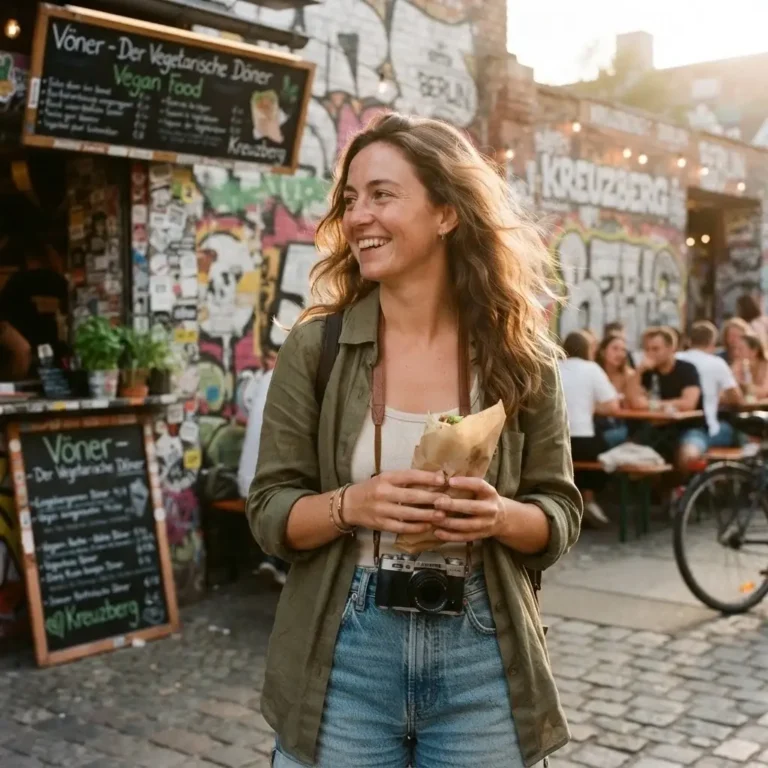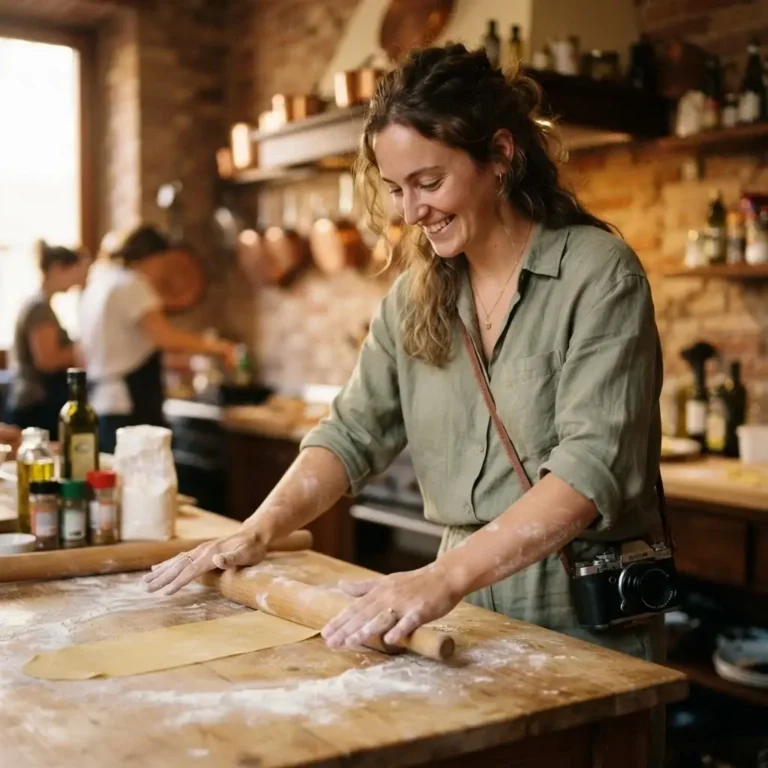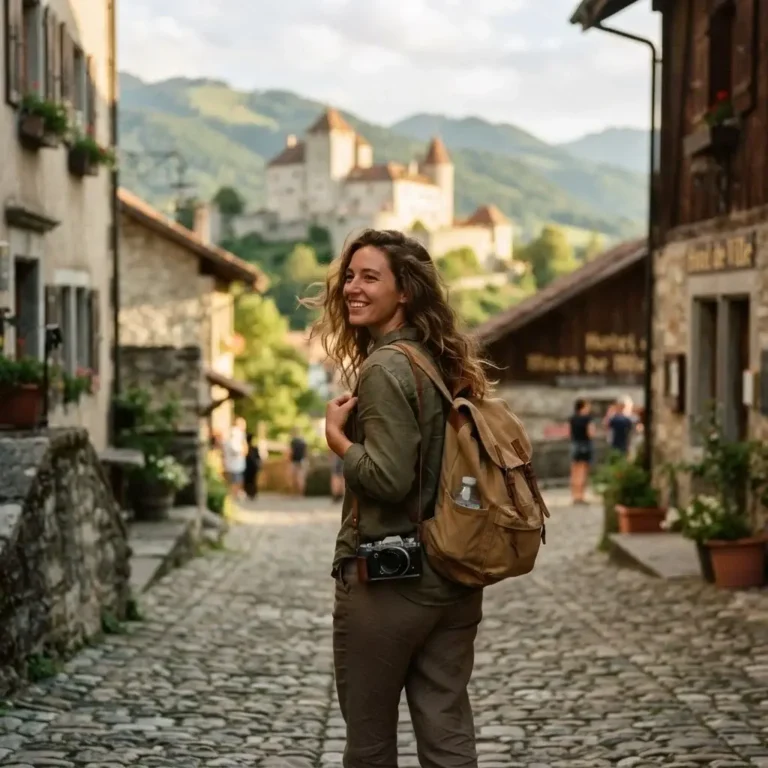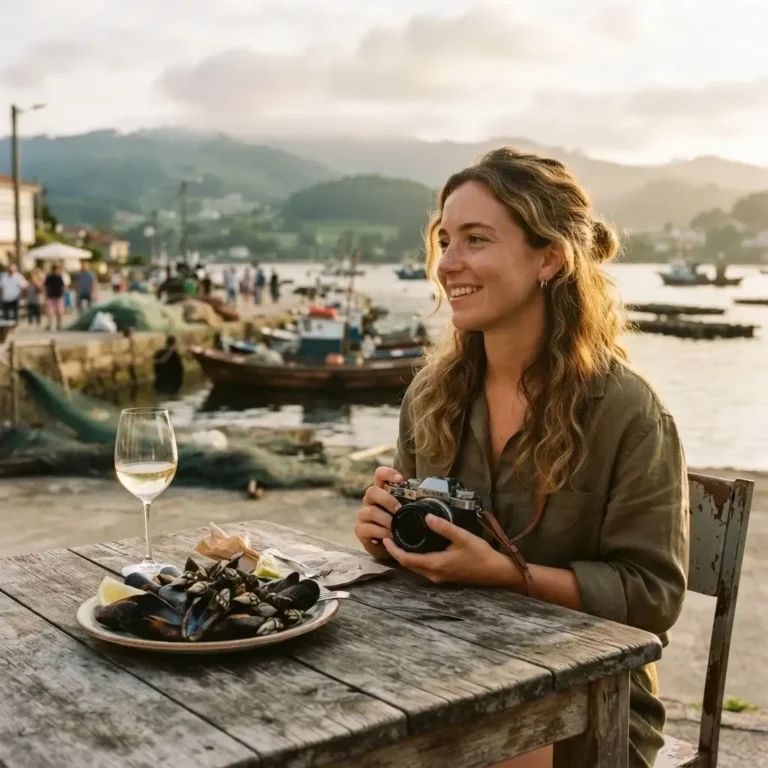
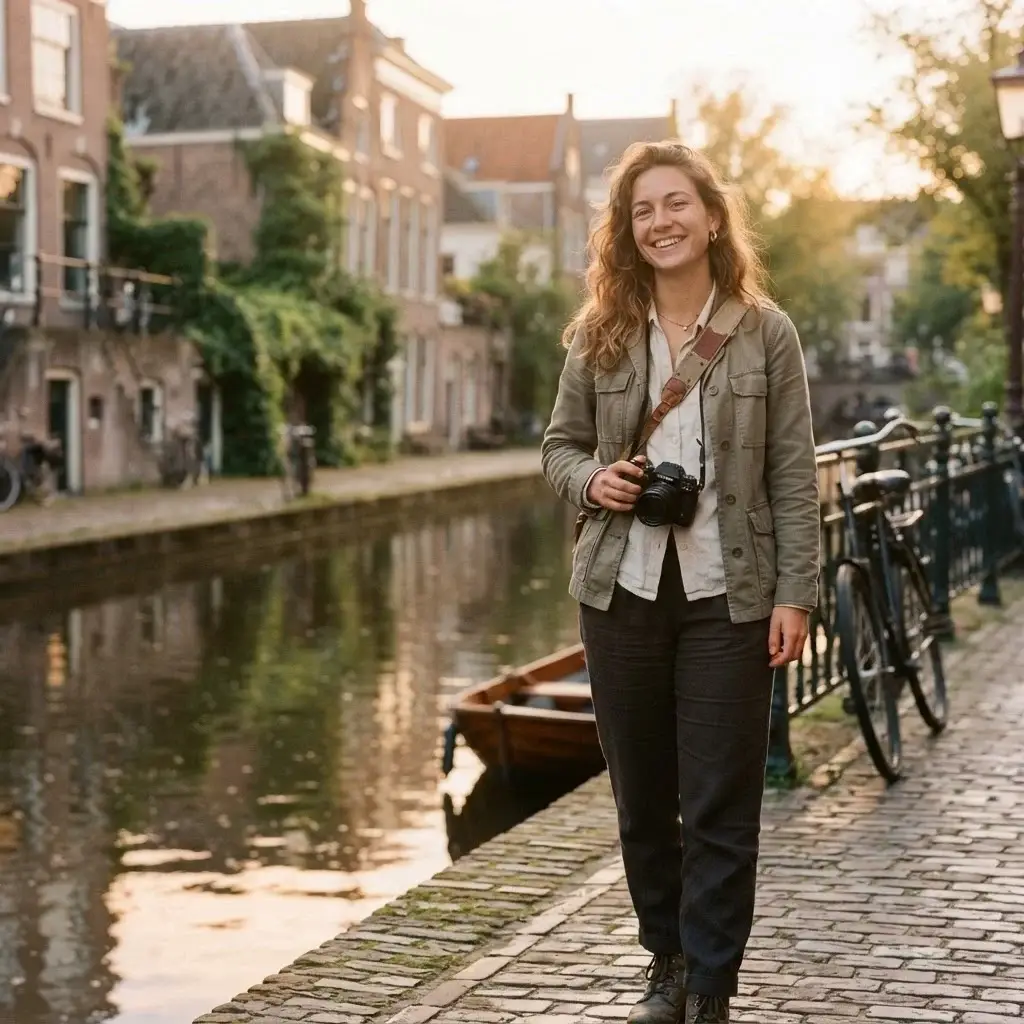
My name is Emma Collins. Long before I became a full-time solo traveler, I was a sightseeing guide in New York City. I spent my days showing people the bright lights and big buildings. I loved the energy, but I hated the grind. I was stuck in a box. I worked a strict nine-to-five corporate job during the week. On weekends, I rushed around trying to make up for lost time. I saved my waitressing money, dreamed of big trips, and waited for the “perfect time” to travel.
One day, I realized the perfect time was never going to come. So, I packed my bags, left my office job, and started wandering.
Over the years, I have backpacked alone across Europe, taught English abroad, and learned how to stretch a dollar without feeling miserable. When people ask me for travel advice, one specific country always comes up. People always want to know how to visit the Netherlands on a budget.
There is a huge myth that the Netherlands is only for rich tourists. People think of expensive canal cruises, high-end hotels, and meals that cost fifty euros. Yes, it can be very expensive. But it does not have to be. You do not need to stay in a dirty room or eat plain bread to save money. You can have a rich, deep, and cultural trip if you know the local rules.
I wrote this massive guide to show you exactly how to do it. We are going to look at every single detail. We will talk about trains, bikes, hidden towns, and cheap local food. By the end of this page, you will know how to visit the Netherlands on a budget without feeling cheap at all. You will feel smart, prepared, and ready for a real adventure.
Forget What You Heard: The Netherlands Is Not Just Amsterdam
If you want to save money, you have to leave Amsterdam. I love Amsterdam. It is beautiful, historic, and full of energy. But it is also a giant tourist trap if you are not careful. The hotels cost a fortune. The restaurants charge a premium just because they are near a famous museum.
To have an authentic trip, you should spend your time in the smaller cities. The country is very small. You can take a fast train almost anywhere. This means you can sleep in a cheaper city and visit Amsterdam for a day trip. This one choice will save you hundreds of euros. If you want a broad look at the country before you map out your route, you can always peek at the Netherlands page on Lonely Planet to see how these smaller cities connect and get a feel for the map.
The Magic of Utrecht (and Why It’s Cheaper)
Utrecht is my favorite city in the whole country. It feels like Amsterdam did fifty years ago. It has beautiful canals, tall trees, and amazing old buildings. But it has half the tourists and much lower prices.
Utrecht is unique because of its split-level canals. Down by the water, there are old cellars built into the brick walls. These cellars used to hold cargo from ships. Now, they are turned into cozy cafes and cheap restaurants.
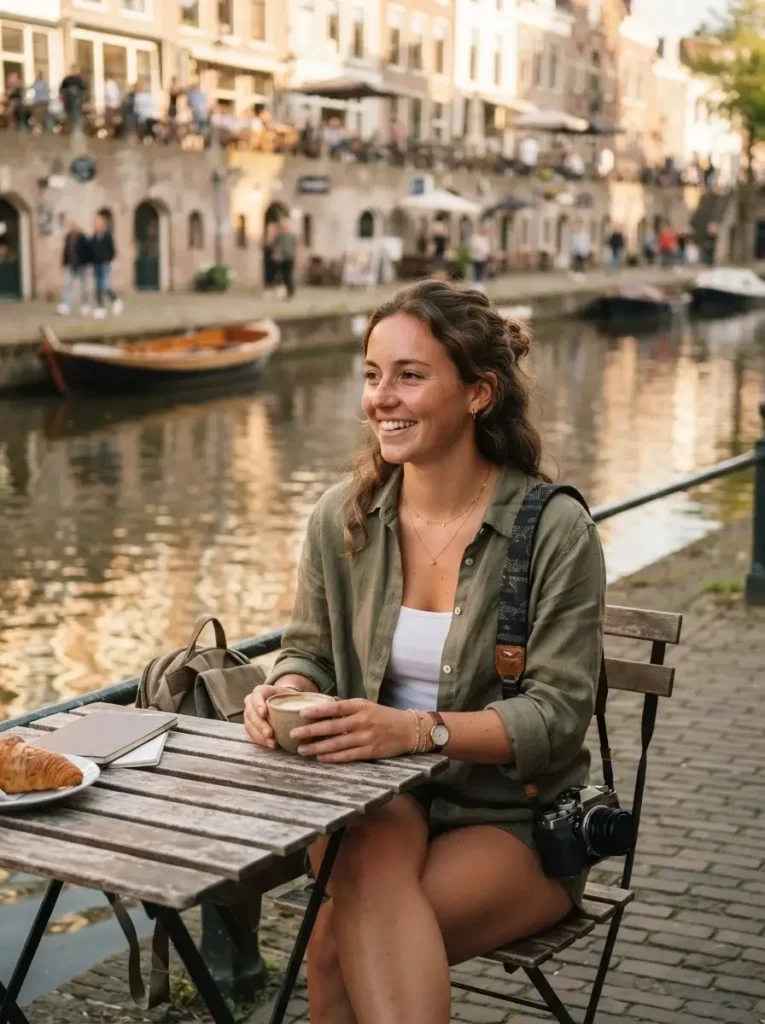
You can sit right by the water, drink a local beer, and watch the boats go by. It feels incredibly special, but it costs a lot less than the big city.
The heart of the city is the Dom Tower. You can walk around the quiet streets for hours. You will see students riding old bikes. You will smell fresh bread from local bakeries. Staying in Utrecht is smart. A hostel or a small hotel here is much cheaper. And the best part? The fast train to Amsterdam only takes about thirty minutes.
Haarlem: The Budget-Friendly Little Amsterdam
If you really want to be close to Amsterdam, stay in Haarlem. Haarlem is only a fifteen-minute train ride away. It is so close that many locals live here and work in Amsterdam.
Haarlem is quiet, safe, and beautiful. It is known as the city of flowers. In the spring, it is the perfect base camp to go see the tulip fields. The city center has a massive old square called the Grote Markt. On weekends, there is a big street market here. You can buy fresh fruit, hot snacks, and cheap clothes.
Walking around Haarlem costs nothing. You can see old windmills, hidden courtyards, and beautiful brick churches. Because it is not the main tourist hub, the food is priced for normal local people. You can find a cozy pub, order a warm soup, and pay a fair price. It gives you the confidence of knowing you are getting a real Dutch experience.
Rotterdam for Modern Vibes on a Dime
Maybe you do not care about old brick houses. Maybe you like modern art, cool buildings, and street food. If so, Rotterdam is your best friend.
Rotterdam was destroyed during the war. Instead of rebuilding it to look old, they built a crazy, modern, futuristic city. It has skyscrapers, weird cube-shaped houses, and massive food halls. Rotterdam is a working city. It is not built just for tourists. Because of this, the prices are very normal.
You can walk across the giant Erasmus Bridge for free. You can wander around the old harbor. You can visit the Markthal, a giant indoor food market with a bright painted ceiling. You can grab a cheap plate of noodles or a hot waffle and just sit and watch the people. Rotterdam proves that you can have a world-class travel experience without paying world-class prices.
Getting Around: How to Travel Like a Local Without Going Broke
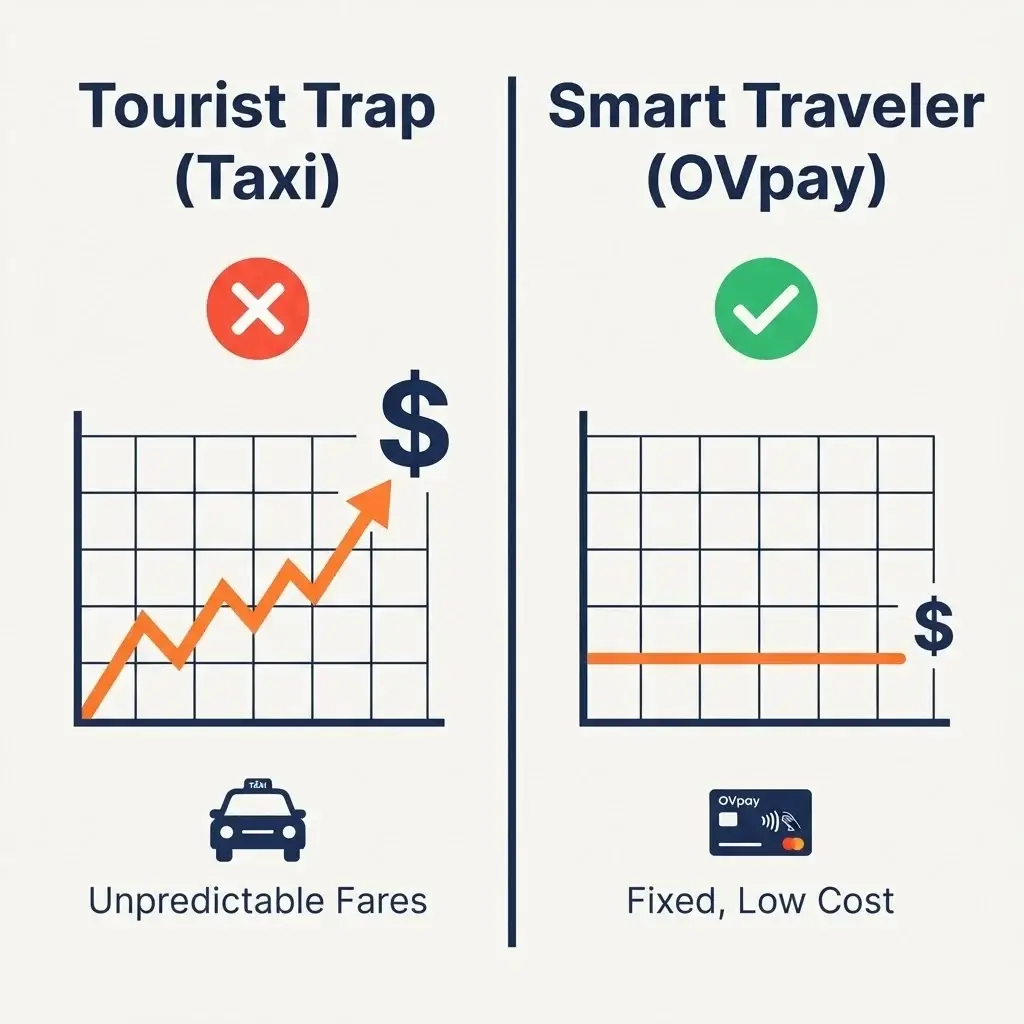
Transport can eat up your budget very fast if you are not careful. Taxis are incredibly expensive. You should never take a taxi unless it is a real emergency. The good news is that the public transit system here is one of the best in the world.
You just need to understand how the system works. Once you know the rules, you will feel so capable and independent.
The Beauty of the New OVpay System
For a long time, travelers had to buy a plastic card called the OV-chipkaart. It cost around €7.50 just for the empty card. Then you had to load money onto it. It was confusing for first-time visitors.
Now, the system is much better. The country uses a system called OVpay. This means you can just use your regular debit card, credit card, or even Apple Pay on your phone to tap in and tap out. You do not need to buy a special ticket. You just tap your bank card on the scanner when you get on the bus or train. When you get off, you tap the exact same card again. The system calculates the distance and charges you the exact fair price. The boarding fee for a bus or tram is only about €1.16.
This is a game changer for solo travelers. It removes all the stress of figuring out ticket machines. You just tap and go. Just remember to always tap out. If you forget to tap out, the system will charge you a big penalty fee.
If you are staying for a long time or you want a dedicated card, they now offer the new OV-pas for around €6, which lasts for five years. But for a short trip, tapping your normal bank card is the cheapest and easiest way to go.
Renting a Bike: The Ultimate Dutch Experience
If you want to know how to visit the Netherlands on a budget, you have to ride a bike. There is no better way to see the country. The entire country is flat. There are safe, red bike lanes everywhere. Cars respect bikes. Bikes rule the road.
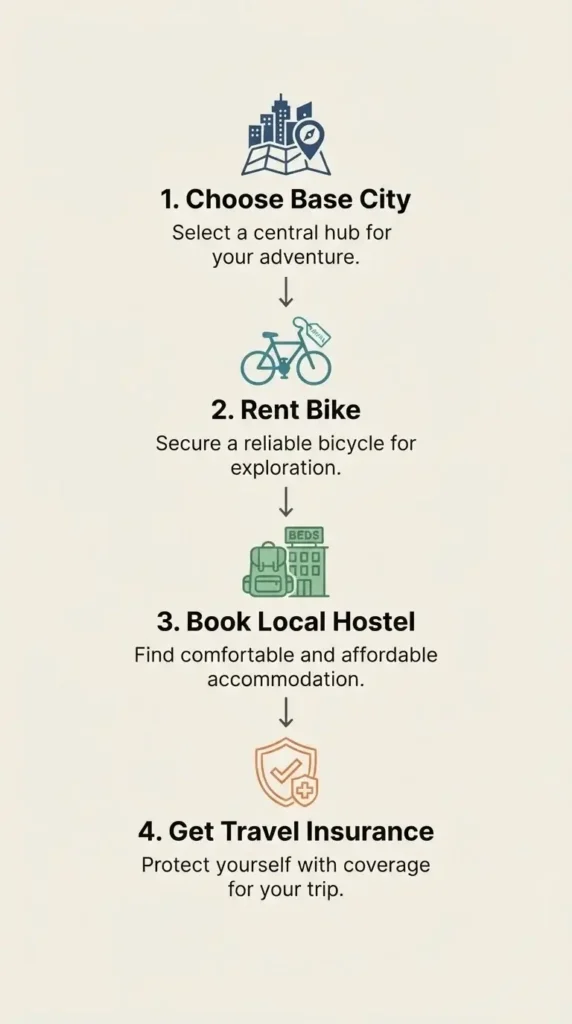
Renting a bike saves you bus money and gives you total freedom. You can rent a basic city bike for about ten to fifteen euros a day. Some hostels will even rent them to you for cheaper.
When you get your bike, practice in a quiet park first. The locals ride fast. They use hand signals. They follow traffic lights.
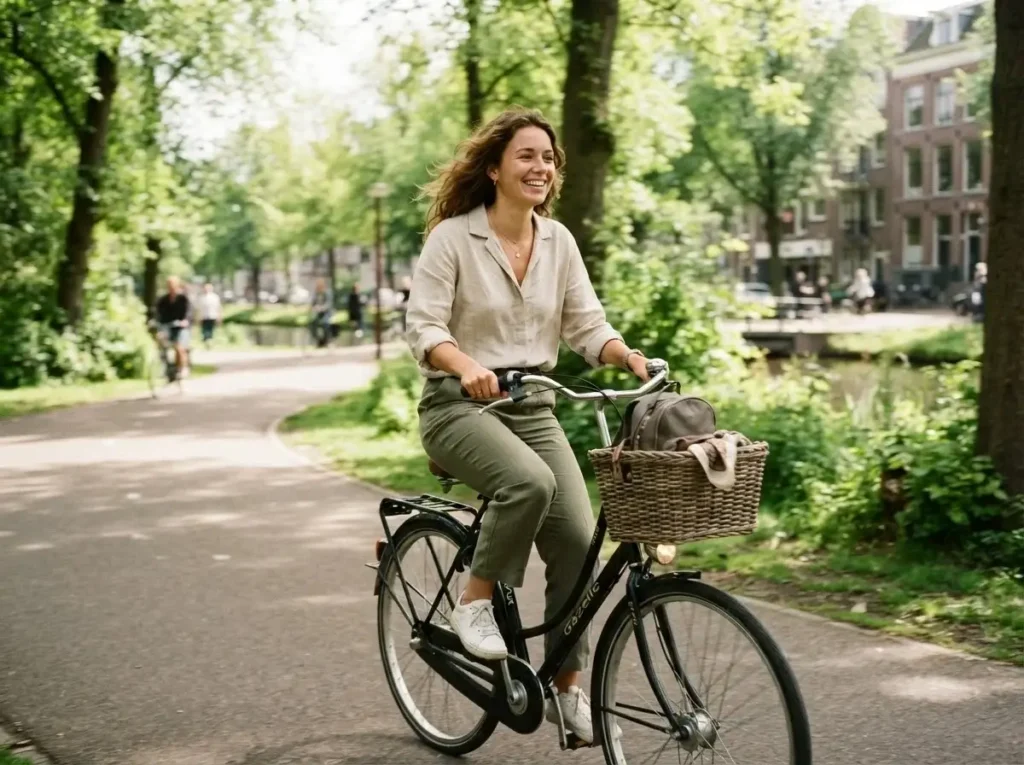
Do not block the path to take photos. Just pedal smoothly and enjoy the ride. Biking through a green park or along a quiet canal in the morning is a feeling you cannot buy. It builds your confidence. You feel like a true local, not just a visitor looking through a window.
Train Secrets and Off-Peak Savings
Trains are the best way to move between cities. The yellow and blue NS trains are clean, fast, and always on time. But peak hour tickets are costly.
To save money, avoid traveling during the rush hour. Rush hour is Monday to Friday from 6:30 AM to 9:00 AM, and from 4:00 PM to 6:30 PM. If you buy your tickets for the off-peak times, the trains are empty and much more peaceful.
Also, avoid the high-speed international trains if you are just moving around inside the country. The regular intercity trains get you there just a few minutes later, but they cost much less. Planning your day around off-peak travel forces you to slow down. Slow travel is better travel. Have a slow breakfast. Wait for the morning rush to end. Then, take a quiet train to your next adventure.
How to Sleep Well Without Spending a Fortune
Accommodation will be your biggest expense. There is no way to avoid it completely. But you can make very smart choices to keep the costs down.
When I first started traveling, I thought cheap meant dirty. I was very wrong. The Netherlands takes pride in good design and clean spaces. Even the budget options are usually spotless and safe.
Hostels That Actually Feel Nice
Forget the horror stories you have heard about hostels. Dutch hostels are fantastic. They are modern, safe, and built for community.
If you are a solo traveler, staying in a hostel is the best way to make friends. You do not have to sleep in a massive room with twenty people. Many hostels offer smaller dorms with just four beds, or even private rooms. Look for the Stayokay hostel chain. They have locations all over the country. Many of them are built inside old castles, wooden houses, or modern eco-buildings.
A hostel gives you access to a kitchen. This is a massive money saver. You can cook your own breakfast and dinner. Plus, the staff are usually young locals who know all the cheap bars and free events in the city. They will give you better advice than any fancy hotel concierge.
Budget Hotels and Local Guesthouses
If you need your own space and quiet time, look for local guesthouses. Look on map apps for small bed-and-breakfast spots in the suburbs.
Do not book a hotel right next to the central train station. Those are the most expensive rooms in any city. Look for places that are a ten-minute bus ride away. The savings are huge. Because the transit system is so fast and cheap, you will not waste much time commuting.
When you book, read the reviews carefully. Look for words like “quiet,” “clean,” and “near the grocery store.” A cheap hotel near a grocery store means you can easily buy snacks and drinks without paying hotel prices. This is how you take control of your trip. You trade a tiny bit of convenience for a lot of comfort and financial peace.
Cheap (But Amazing) Dutch Food You Must Try
Eating out three times a day will destroy your budget. The restaurants in the Netherlands are very expensive. A sit-down dinner with a drink can easily cost thirty euros. But the good news is that Dutch street food and grocery stores are cheap, delicious, and incredibly fun to explore.
Supermarket Secrets: Albert Heijn and Jumbo
Your best friends in this country are the supermarkets. The biggest one is called Albert Heijn. The other big one is Jumbo.
When you walk into an Albert Heijn, head straight to the bakery section. The Dutch know how to bake. You can buy fresh cheese croissants, warm bread rolls, and sweet pastries for just one or two euros. Grab a fresh juice and a piece of fruit. You just made a healthy, delicious breakfast for under four euros.
For lunch, Albert Heijn sells amazing pre-made salads and fresh sandwiches. You can grab a sandwich, a cold drink, and go sit by the canal. It is better than a restaurant because the view is free and you are out in the fresh air.
And do not forget the snacks. You have to buy a pack of stroopwafels. A stroopwafel is two thin, crispy waffles with sweet caramel syrup stuck in the middle. Buy a cheap pack at the grocery store. Put one on top of your hot coffee cup for a minute so the caramel melts. It is the greatest cheap treat in the world.
Street Food That Will Change Your Life
Dutch street food is an adventure. You have to try raw herring. You will see little fish carts on the streets. For a few euros, they will give you a raw fish covered in chopped raw onions and sweet pickles. You hold it by the tail, tilt your head back, and drop it in. It sounds scary, but it is buttery, salty, and totally authentic.
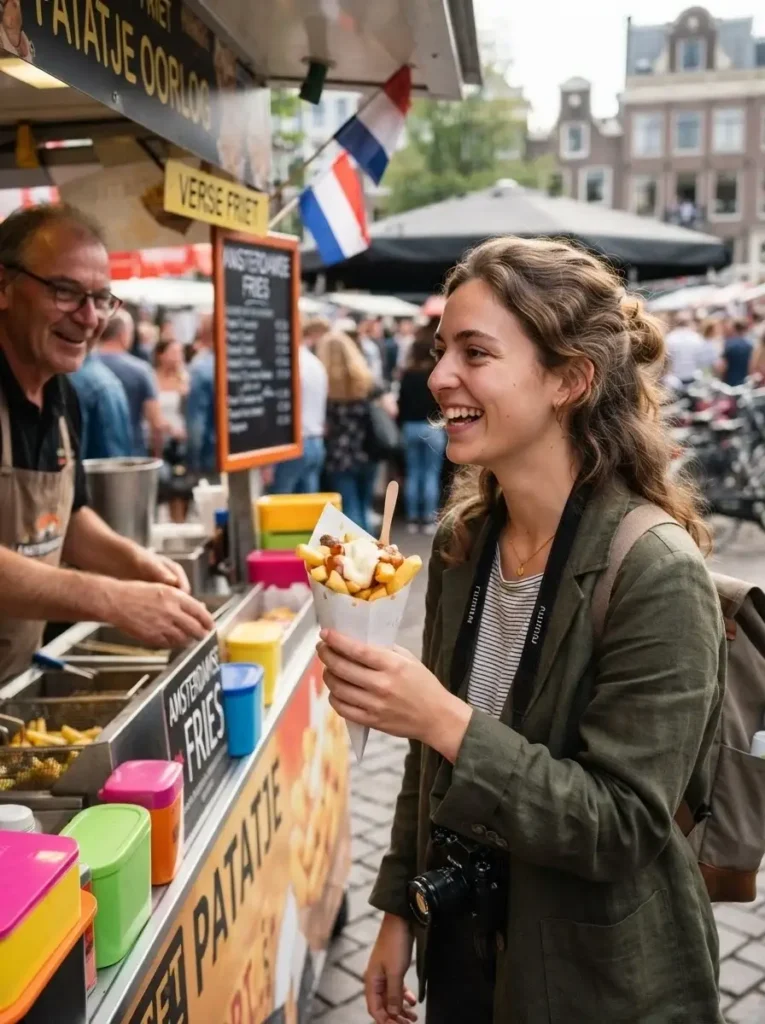
If raw fish is too scary, find a fry stand. The Dutch make the best french fries in the world. They call them “patat” or “friet.” They serve them in a paper cone. Do not just get plain ketchup. Ask for “patatje oorlog” which means “war fries.” It is a massive pile of hot fries covered in peanut satay sauce, mayonnaise, and raw onions. It is messy, cheap, and so filling that you might not even need dinner.
You must also try bitterballen.
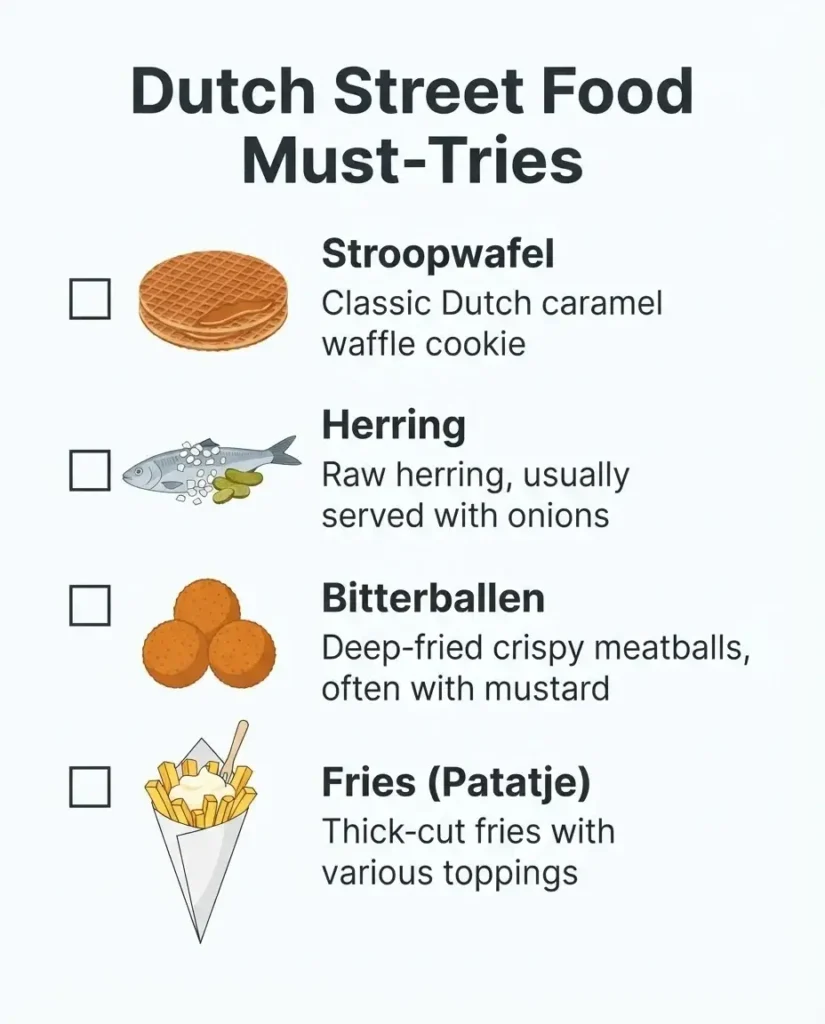
These are little deep-fried balls filled with a hot, creamy meat stew. You eat them with strong mustard. They are the ultimate bar snack. Find a quiet, dark, local bar—they call them “brown cafes” because the wood is so old—and order a local beer and a plate of bitterballen. You will feel like you belong there.
The FEBO Experience: Hot Food From a Wall
I cannot write a guide on how to visit the Netherlands on a budget without talking about FEBO. FEBO is a famous chain of fast food spots. But it is not a normal restaurant.
You walk inside and see a massive wall of tiny glass doors. Behind each glass door is a hot snack. A burger, a hot dog, or a cheese croquette. You just tap your bank card, the glass door pops open, and you pull out your hot food. It is entirely automatic.
It is cheap. It is weird. It is wonderfully Dutch. Getting a late-night hot cheese snack out of a wall is a memory you will laugh about for years. It is exactly the kind of fun, cheap cultural experience that makes solo travel so rewarding.
Seeing the Best Sites for Next to Nothing
You travel to see things, learn things, and grow. The Netherlands has some of the best art and history in the world. But museum tickets can cost twenty-five euros each. If you visit four museums, you just spent a hundred euros. That is not a budget trip.
But there are ways to see the best sights without emptying your wallet. You just have to plan ahead.
The Museumkaart: Your Golden Ticket to Culture
If you plan to see a lot of art, you must look into the museum passes. The temporary tourist Museumkaart costs around €69. This card gives you access to over 400 museums across the country.
If you are only going to one museum, do not buy it. But if you want to see the Rijksmuseum, a castle outside of town, and an old windmill museum, the card pays for itself very fast. With the pass, you can walk into a small, weird, local museum just for ten minutes. If you do not like it, you can leave. It gives you the freedom to be curious without worrying about the cost of a ticket.
Just remember that some super famous spots, like the Anne Frank House and the Van Gogh Museum, usually require their own separate paid tickets or reservations even if you have a pass. Always check the rules online before you show up at the door.
Free Walking Tours and Outdoor Beauty
You do not need to pay for expensive bus tours. Almost every major city offers free walking tours. You just show up at the meeting point. A local guide will walk you around for two hours, tell you amazing history stories, and show you hidden alleys. At the end, you just tip the guide whatever you can afford. It is honest, cheap, and very engaging.
You should also spend a lot of time in the public parks. Vondelpark in Amsterdam is beautiful. But every city has its own big green space. Grab a cheap supermarket lunch, bring a blanket, and sit in the grass. You will see families, dogs, and musicians.
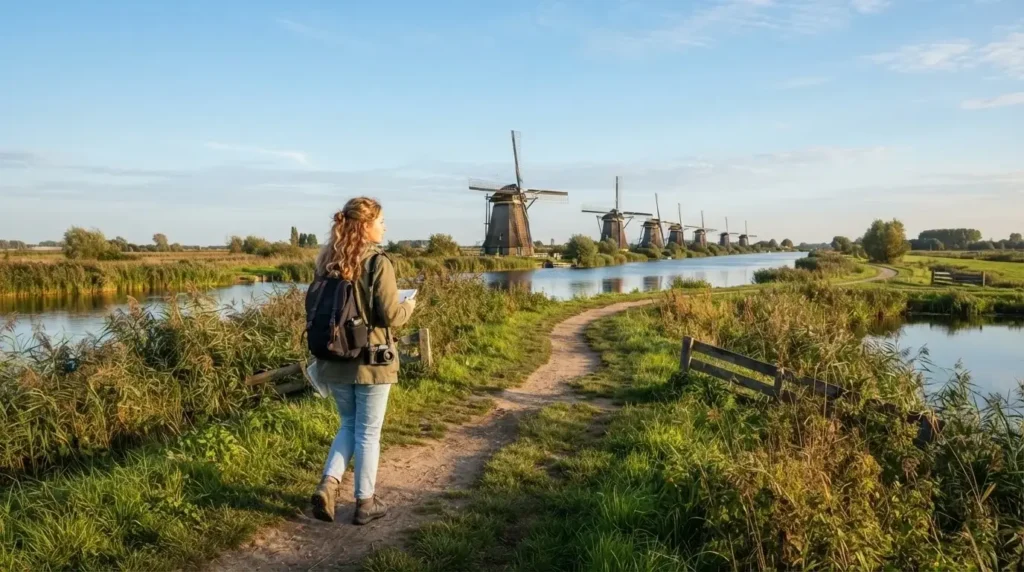
If you want to see windmills, do not pay for a private tour. You can easily take a cheap water bus to see the famous Kinderdijk windmill network, which is totally free to walk around and proudly recognized by UNESCO as a massive piece of Dutch history. You just pay a few euros for the ferry ride. The walking paths along the water and the big old windmills are completely free to enjoy. It is stunning and peaceful.
Essential Health and Safety Rules for Solo Travelers
Traveling on a budget means you have to be smart about your safety. If you lose your phone or get sick, your cheap trip suddenly becomes very expensive.
The Netherlands is a very safe country. Violent crime is rare. But petty crime, like pickpocketing, is very common in the busy tourist zones.
Keeping Your Things Safe in Crowds
When you are walking through a busy train station or standing in a crowded square, keep your hands on your bags. Do not keep your wallet in your back pocket. Backpacks should have locks on them. Pickpockets are very fast and very quiet.
Bike theft is also a massive problem. If you rent a bike, you must lock it properly. You have to lock the back wheel, and you must use a heavy chain to lock the frame to a solid metal pole. If you leave a bike unlocked for two minutes, it will disappear. Then you will have to pay the rental company a big fine. Being careful saves you money.
I never get on a plane without grabbing a solid plan from World Nomads because travel insurance simply gives me the peace of mind to ride bikes and take trains without worrying about accidents. If you twist your ankle on a cobblestone street, you want to know you are covered.
Knowing Your Health Basics
Before I go anywhere, I always look up the latest entry rules on the US State Department travel page just to make sure my passport is valid for long enough and there are no new travel alerts.
It is also smart to review the CDC health guidelines for the Netherlands before you fly, even though the tap water is incredibly clean and safe to drink. Do not ever buy bottled water here. Bring a reusable water bottle and fill it up at the hotel sink or a public fountain. That alone will save you ten euros a day.
If you need basic medicine, like pain relievers or band-aids, do not go to a pharmacy. Go to a store called Kruidvat or Etos. These arcargo from ships. Now, they are turned into cozy cafes and cheap restaurants.e cheap drugstores where locals buy their daily supplies. A pharmacy will charge you much more for basic items.
Wrapping Up Your Dutch Dream Plan
Visiting the Netherlands is a joy. The air is fresh. The history is deep. The culture is built on fairness and common sense.
You do not need to be rich to have a beautiful trip. You just need to be willing to do things a little differently. Skip the fancy hotels and embrace the cozy hostels. Step out of the big tourist traps and take a short train ride to a quiet brick city. Trade the expensive restaurants for fresh bakery bread and a messy cone of hot fries on a bench.
When you learn how to visit the Netherlands on a budget, you actually get a better trip. You get closer to the ground. You interact with real locals. You solve little problems, you figure out the trains, and your confidence grows every single day.
Do not wait for the perfect moment. Do not wait until you have a massive bank account. The world is out there right now. Pack light, stay curious, and go see the windmills for yourself.
The adventure is waiting for you, and I promise you are ready for it.