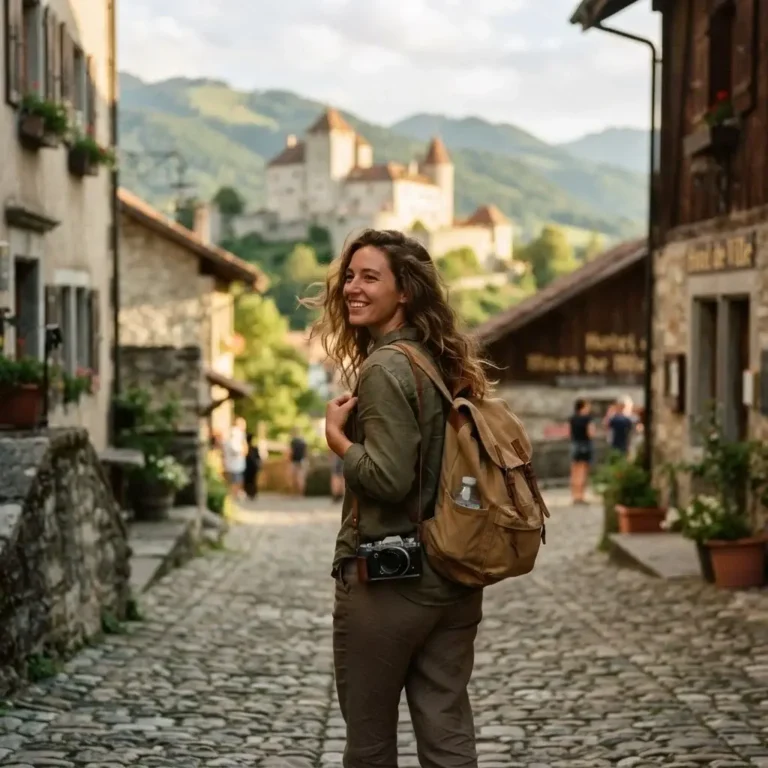
I still remember the day I quit my corporate desk job in New York. I packed a single backpack, said goodbye to the rigid routine, and bought a one-way ticket across the Atlantic. I wanted to see the places that did not look real on postcards. I dreamed of old stone houses, quiet alleys, and the smell of fresh bread from a local bakery.
But during those early trips, I made a lot of mistakes. I got stranded at empty train stations. I ran out of cash in towns with no bank machines. I wore the wrong shoes and ruined my ankles on old paths. I even fell into tourist traps that cost a lot of money and felt totally fake.
Visiting the most beautiful villages in Europe is an amazing experience. These tiny places hold the true heart, history, and culture of the continent. But traveling through rural areas is very different from exploring big cities like Paris or Rome. If you plan your trip with a big-city mindset, you will run into trouble.
I want to help you avoid those stressful moments. I want you to feel confident, safe, and ready to explore. Here are the biggest travel mistakes people make when visiting these small towns, along with the exact steps you need to take to get it right.
Mistake 1: Treating Village Transit Like Big City Metro Systems
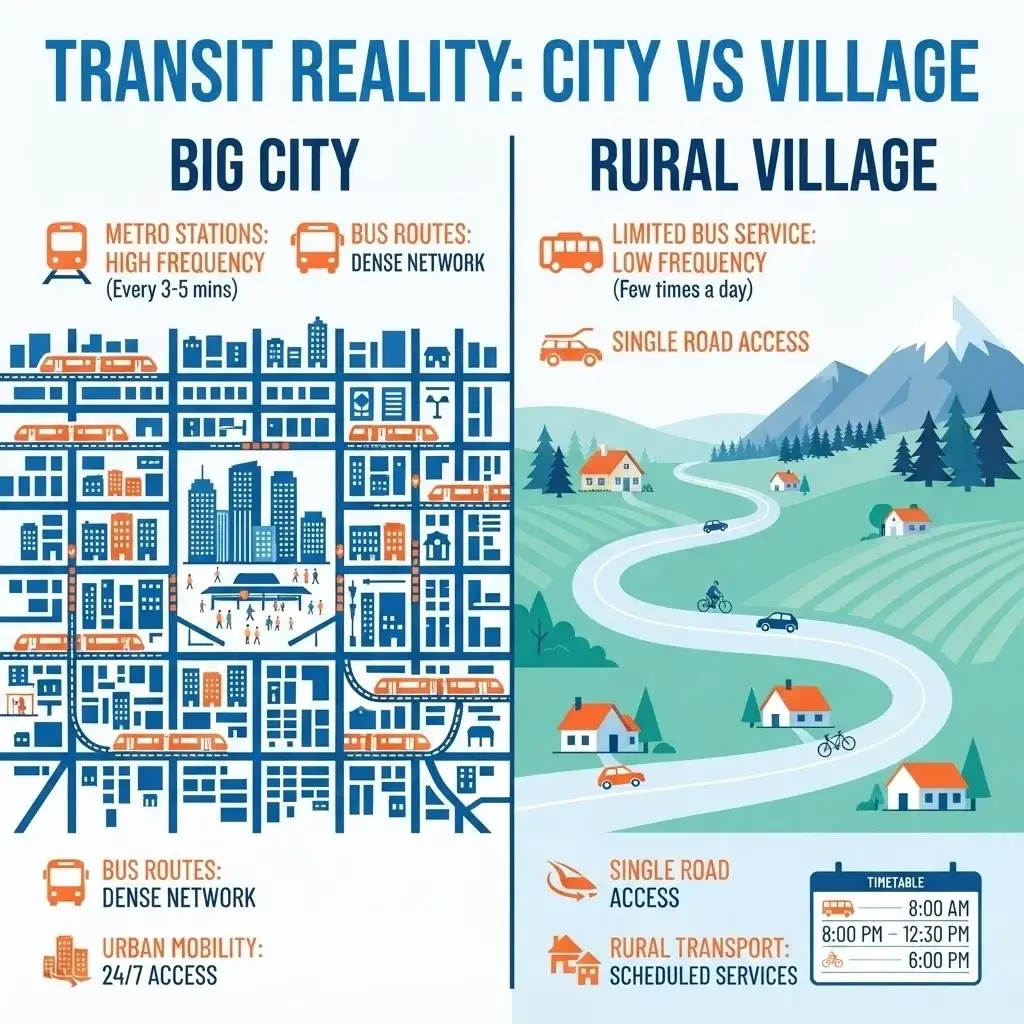
When I worked as a sightseeing guide in New York City, I always told visitors to just jump on the subway. The trains run every few minutes, all day and all night. But out in the rural valleys of Europe, public transport does not work that way. A train or bus might only come twice a day. If you miss it, you are stuck.
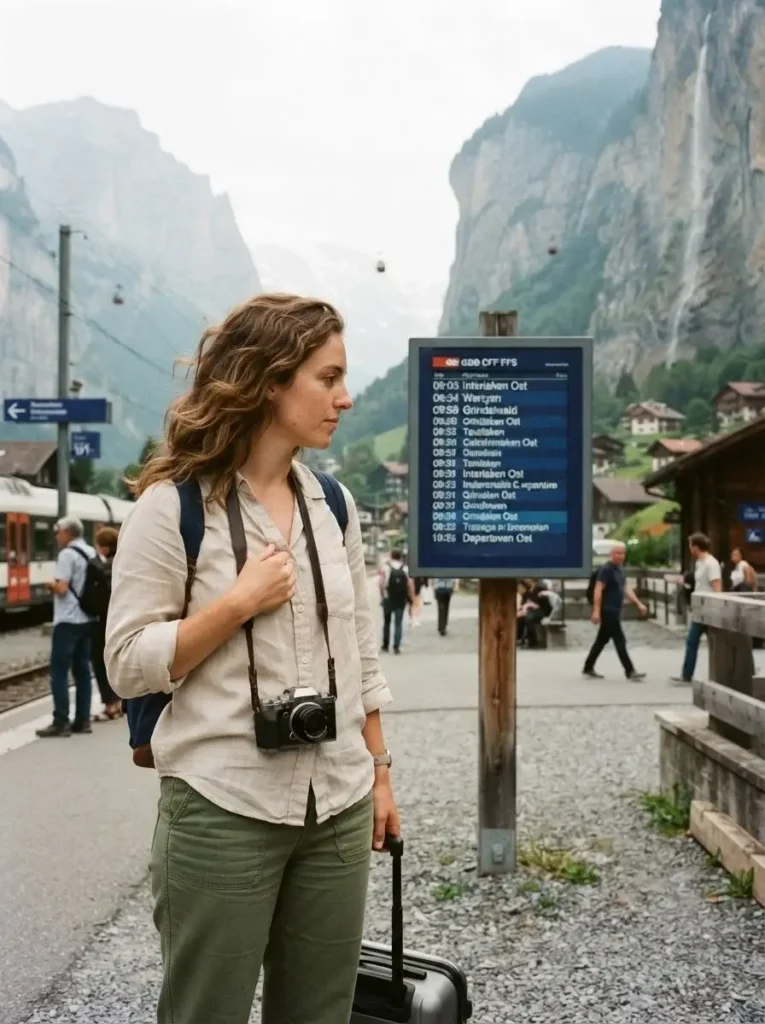
The Train Trap in Lauterbrunnen, Switzerland
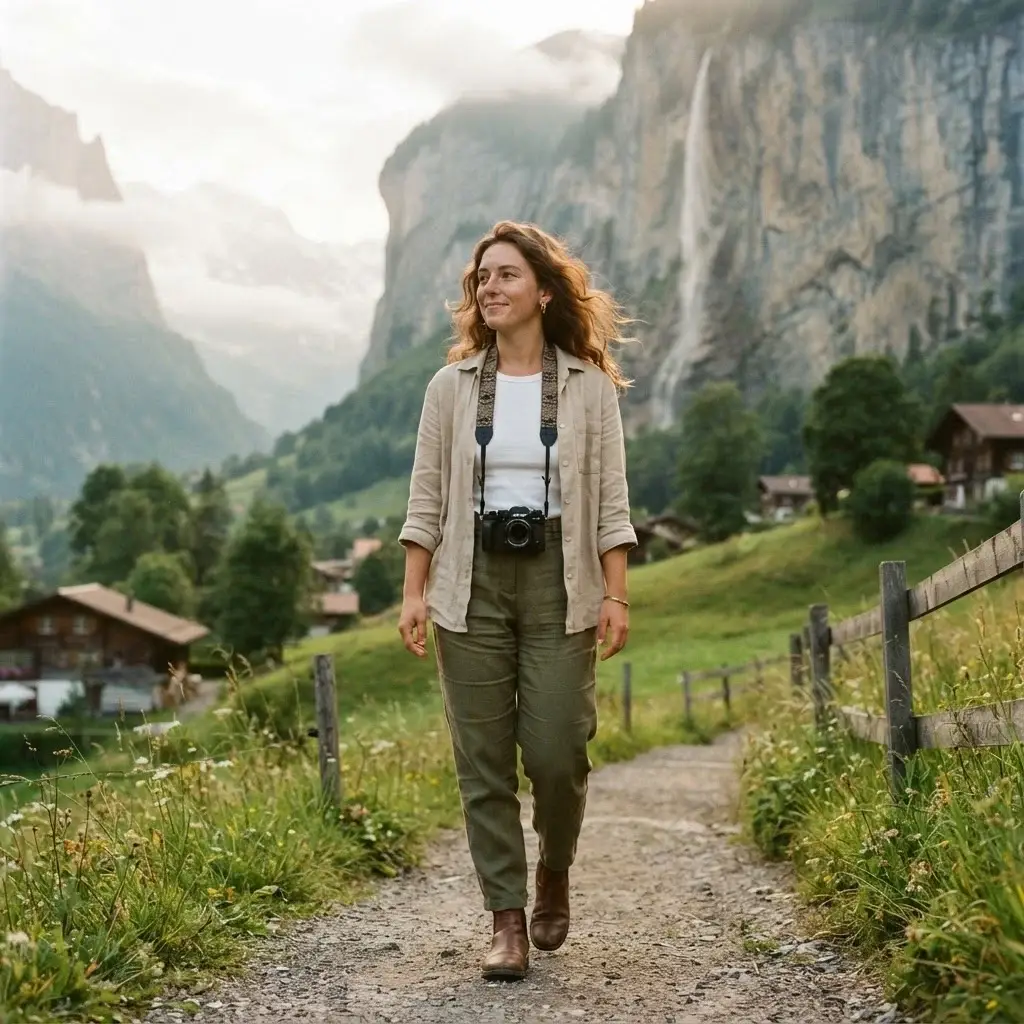
Lauterbrunnen looks like a fairy tale. It sits in a deep valley with giant rock cliffs and 72 loud waterfalls. Many travelers think they can just show up late at night and catch a quick ride back to a big city.
- The Navigation Reality: The local trains connecting Lauterbrunnen to larger hubs like Interlaken stop running much earlier than you think. During the winter or late autumn, the schedules get even smaller. Always check the official Swiss train app before you set off for the day. Do not assume there will be an evening train.
- The Culinary Insider: If you get stuck or need a great meal, find a small local spot and order authentic Swiss Rösti. This is a comforting dish made of grated potatoes fried until they are golden and crispy. They often top it with melted cheese and a fried egg. It is the perfect meal after a long day of walking.
- The Insider Secret: Do not spend all your time on the valley floor with the massive crowds. Take the cable car up to the tiny village of Mürren. It is completely free of cars and gives you a much better view of the giant mountains without the tourist rush.
The Bus Blunder in the Amalfi Coast, Italy
Villages like Positano and Ravello sit high up on beautiful cliffs above the blue sea. They are easily some of the most beautiful villages in Europe, but getting between them can become a complete logistical nightmare.
- The Navigation Reality: The local Sita buses are cheap, but they get incredibly crowded. During the summer, the lines are so long that you might have to wait for three or four buses to pass before you can even get on one. The roads are also very narrow and winding. If you get motion sickness easily, these rides will be very tough for you.
- The Culinary Insider: Skip the overpriced restaurants down by the water. Walk up the high stone steps to find a family-run trattoria. Order Scialatielli ai frutti di mare. This is a special, thick pasta made with fresh local seafood, tomatoes, and garlic.
- The Insider Secret: If you want to visit Ravello, do not take the afternoon bus from Amalfi when everyone else is trying to move. Go very early in the morning, around 7:00 AM. You will have the quiet, misty mountain plazas completely to yourself.
Mistake 2: Assuming Credit Cards Work Everywhere
Back when I was working shifts as a waitress to save up money for my first big trip, I used my plastic card for everything. In America and major European cities, you rarely need paper money. But when you step into a tiny mountain village or a coastal fishing town, cash is still king.
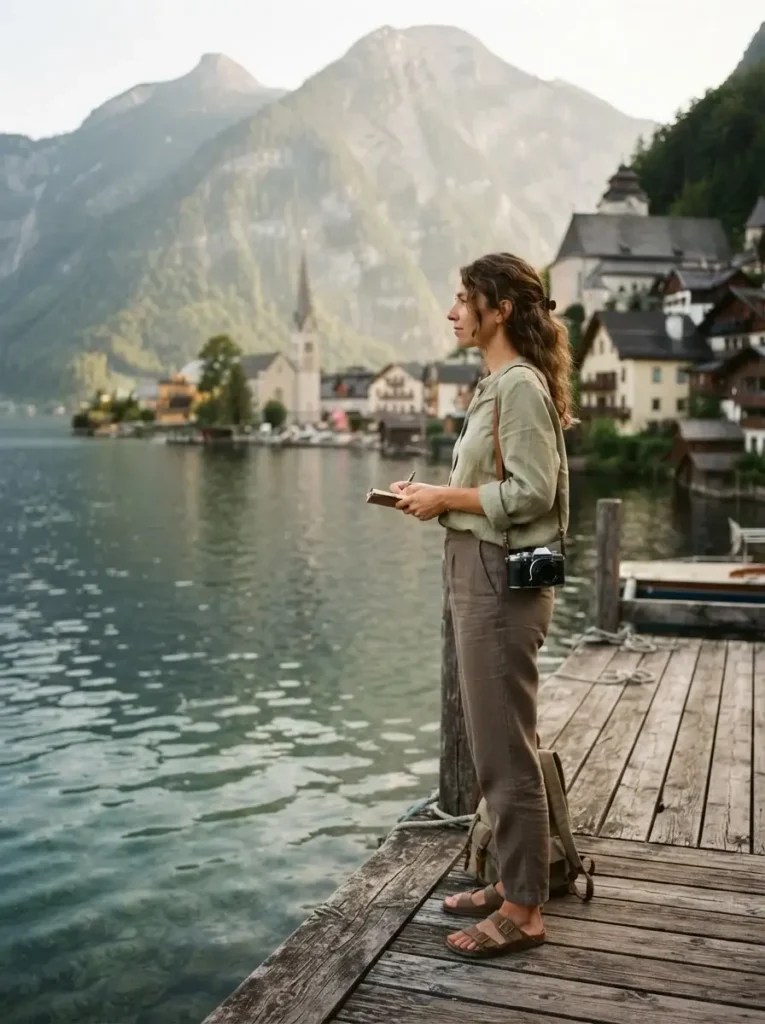
The Cash Crunch in Hallstatt, Austria
Hallstatt is a gorgeous lakeside town with old wooden houses that climb up the steep mountainside. It is so famous that millions of people visit it. Yet, many of its best local shops do not take cards.
- The Navigation Reality: To get to Hallstatt, most people take a train to the station across the lake and then take a small ferry boat over to the town. You must pay for this ferry ride in cash directly to the boat captain. If you only have a credit card, you cannot get across the water easily.
- The Culinary Insider: While walking the lake path, stop at a small bakery window and buy a Schaumrollen. This is a cone-shaped pastry puff filled with sweet, whipped marshmallow cream. It pairs perfectly with a hot cup of black coffee.
- The Insider Secret: There are only a couple of bank machines in the whole village, and they charge massive international fees. To save your money, pull out plenty of Euros at a major bank ATM when you are still in Salzburg or Vienna.
The Coin Crisis in Bibury, England
Bibury sits in the Cotswolds region of England. It is famous for Arlington Row, which is a lane of beautiful stone cottages built way back in the fourteenth century. It looks peaceful, but a lack of coins can ruin your visit.
- The Navigation Reality: Most people visit Bibury by renting a car and driving through the narrow English country lanes. The parking lots near the historic cottages use old meters. Many of these meters do not take cards or mobile apps because the cell phone signal in the valley is very weak. You need metal coins to park safely without getting a big fine.
- The Culinary Insider: Stop by the local trout farm and try some fresh, locally caught smoked trout served on crusty brown bread with a bit of butter. It is fresh, local, and very traditional for this area.
- The Insider Secret: The main tour buses arrive between 10:00 AM and 4:00 PM. If you want to see the old stones without hundreds of selfie sticks in your face, stay at a small local inn and walk out at 6:00 PM. The village becomes completely silent and magical.
Mistake 3: Rushing the Timeline (The Checklist Trap)
A lot of travelers try to see four different countries in ten days. They treat travel like a competition to tick boxes off a list. But the most beautiful villages in Europe require you to slow down. If you rush through them in two hours, you miss the entire point of being there.
When you rush, you also increase your chances of getting lost or feeling overwhelmed. Before you take off on a major international adventure, it is always a smart idea to check the official US Department of State Travel website for current entry rules, safety ratings, and passport regulations for each European country on your list.
The Day-Trip Disaster in Giethoorn, Netherlands
Giethoorn is known as the “Dutch Venice” because it has no roads. People move around on quiet canals using small electric boats, passing under beautiful wooden bridges and old thatched-roof houses.
- The Navigation Reality: Most people take a crowded morning tour bus from Amsterdam, stay for two hours, take a quick boat ride, and leave. Because of this, the canals get jammed with amateur boat drivers between noon and 3:00 PM. It feels more like an amusement park than a real village during those hours.
- The Culinary Insider: Rent a boat with a small picnic basket. Stop at a waterside shop to buy traditional Dutch pancakes topped with sweet apple syrup, or grab some warm stroopwafels to eat while you drift along the water.
- The Insider Secret: The absolute best way to experience Giethoorn is to rent a room for the night. Once the day-trip buses leave at 4:30 PM, the village falls completely quiet. You can paddle through the canals in total peace as the sun goes down.
The Sunset Stampede in Oia, Santorini, Greece
Oia is famous for its bright white buildings, blue-domed churches, and the incredible sunsets over the volcanic sea cliff. It is one of the most photographed places on earth.
- The Navigation Reality: Thousands of people from cruise ships flood the narrow concrete paths of Oia every single afternoon just to watch the sun drop below the horizon. The paths become so packed that you can barely move your arms. It can feel very stressful if you do not like tight crowds.
- The Culinary Insider: Sit down at a quiet cliffside taverna away from the main sunset point. Order a plate of Tomatokeftedes. These are traditional Santorini tomato fritters made with local tomatoes, mint, onions, and feta cheese, fried until they are crisp.
- The Insider Secret: Skip the sunset panic entirely. Wake up at 6:00 AM and watch the sunrise from the exact same spots. The morning light is just as beautiful, the air is cool, and you will share the village with only a few local shopkeepers opening their doors.
Mistake 4: Ignoring Local Closures and Seasonal Dynamics
When I was living in Thailand and teaching English, I learned to adapt to a completely different daily rhythm. In many parts of Europe, especially in small villages, life follows old traditions. Shops do not stay open 24 hours a day. If you do not plan around local customs, you might end up with no place to buy food.
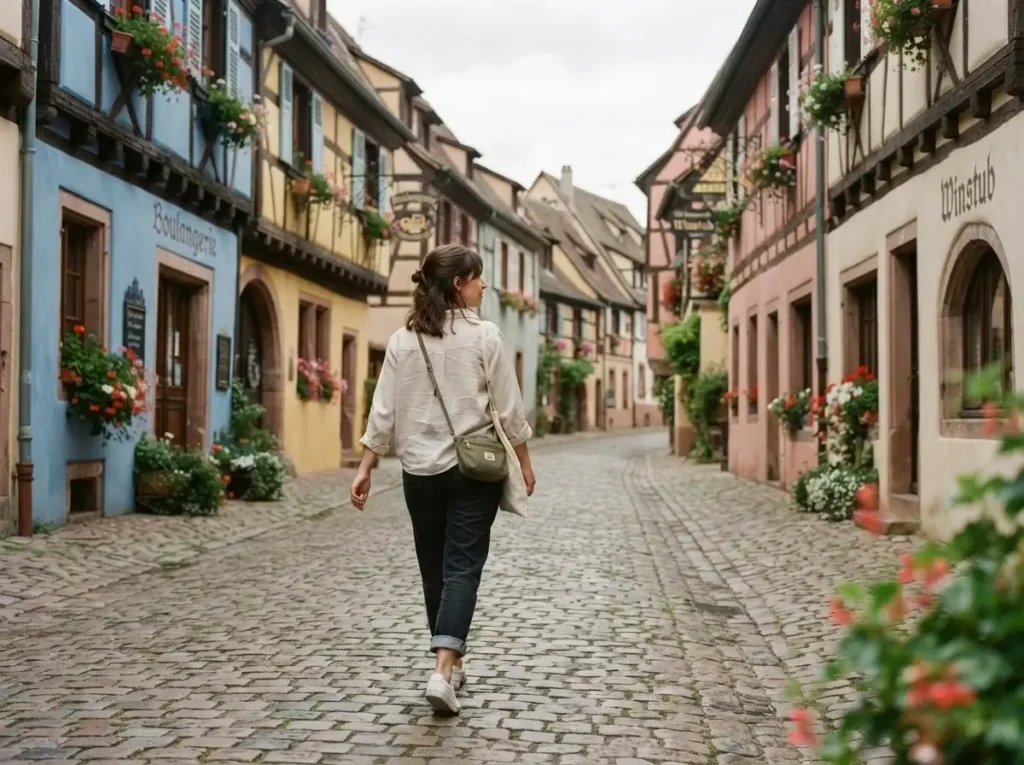
The Sunday Shutdown in Colmar and Eguisheim, France
These villages sit in the Alsace region near the German border. They feature beautiful half-timbered houses painted in bright colors, with flower boxes hanging from every window.
- The Navigation Reality: In France, Sunday is strictly a day of rest in rural areas. Almost every grocery store, bakery, and family restaurant closes down. If you arrive on a Sunday afternoon without booking a table in advance or buying groceries the day before, you will have a very hard time finding anything to eat.
- The Culinary Insider: If you visit on a Saturday, make sure to try Tarte Flambée (also called Flammenkueche). It is a very thin crust covered in soft cream, onions, and smoky bacon bits, baked quickly in a wood-fired oven.
- The Insider Secret: Eguisheim is built in concentric circles. To see the architecture properly without the tourist rush, walk the outer ring road (Rue du Rempart) early in the morning. You will see the beautiful old timber frames up close without any cars or crowds blocking your view.
The Shoulder Season Freeze in Albarracín, Spain
Albarracín is a stunning medieval village built into the rocky cliffs of eastern Spain. Its pink-toned stone walls and ancient castle towers make it look like a fantasy kingdom.
- The Navigation Reality: If you visit during the deep winter or late autumn shoulder season, you will find a very different town. Many of the small guest houses, museums, and local restaurants close for months because there are not enough tourists. The mountain air gets incredibly cold, and mountain roads can become icy and dangerous.
- The Culinary Insider: Seek out a cozy mountain tavern and order Migas. This is a traditional rustic dish made from seasoned breadcrumbs fried with garlic, olive oil, and pieces of local pork chorizo. It is hearty food designed to keep mountain herders warm.
- The Insider Secret: Because the terrain here is so steep and rocky, your safety matters. If you plan to hike along the ancient stone walls above the town, make sure you look into reliable protection. I always check the insurance options on the World Nomads Travel Insurance site to ensure I am covered for outdoor activities and hiking accidents in remote areas before I go.
Mistake 5: Packing Like You Are Staying in a Luxury Resort
When you see photos of the most beautiful villages in Europe on social media, you often see influencers wearing long dresses and high heels. In reality, carrying heavy luggage over historic streets is a nightmare. I learned this the hard way during my first solo backpacking trip across Europe.
The Cobblestone Nightmare in Dubrovnik’s Old Town, Croatia
While Dubrovnik is a city, its old town feels like a massive historic village, and it serves as the gateway to the tiny, quiet fishing villages on the nearby Elafiti Islands.
- The Navigation Reality: The historic streets are made of old limestone that has been polished smooth by millions of feet over hundreds of years. When it rains, this stone becomes as slippery as ice. If you try to roll a massive, heavy suitcase with tiny plastic wheels over these uneven stones and up the steep stairways, your wheels will likely break, and your back will hurt for days.
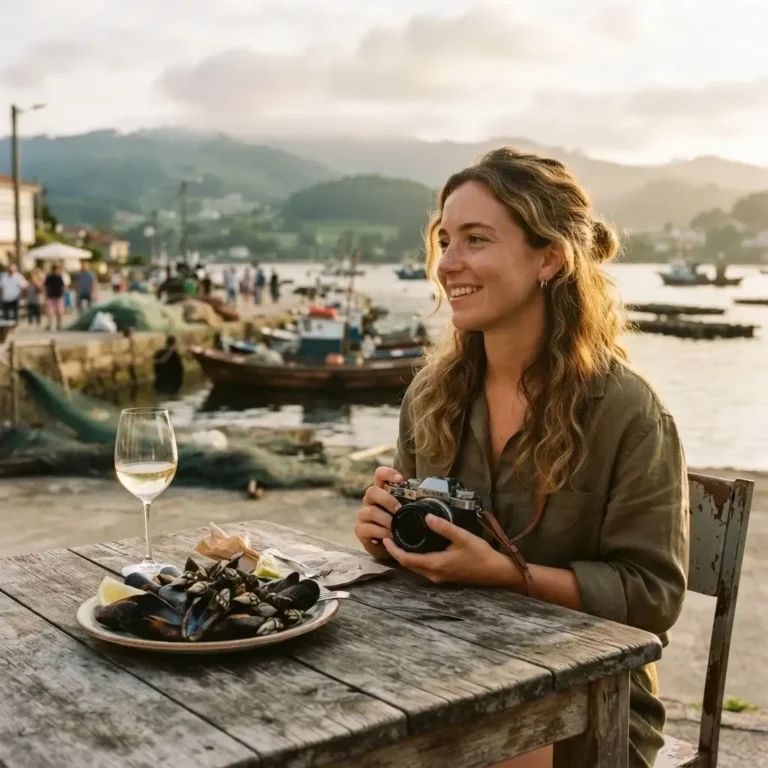
- The Culinary Insider: Take a local ferry to the island of Koločep. Sit by the tiny harbor and order a bowl of Black Risotto (Crni Rižot). This dish gets its deep color from squid ink and is packed with fresh local seafood, garlic, and Mediterranean olive oil.
- The Insider Secret: Pack light. Bring a sturdy backpack that you can carry on your shoulders rather than a rolling suitcase. If you must bring a suitcase, ensure it has large, heavy-duty rubber wheels that can handle rough ground.
The Hillside Haul in Monsanto, Portugal
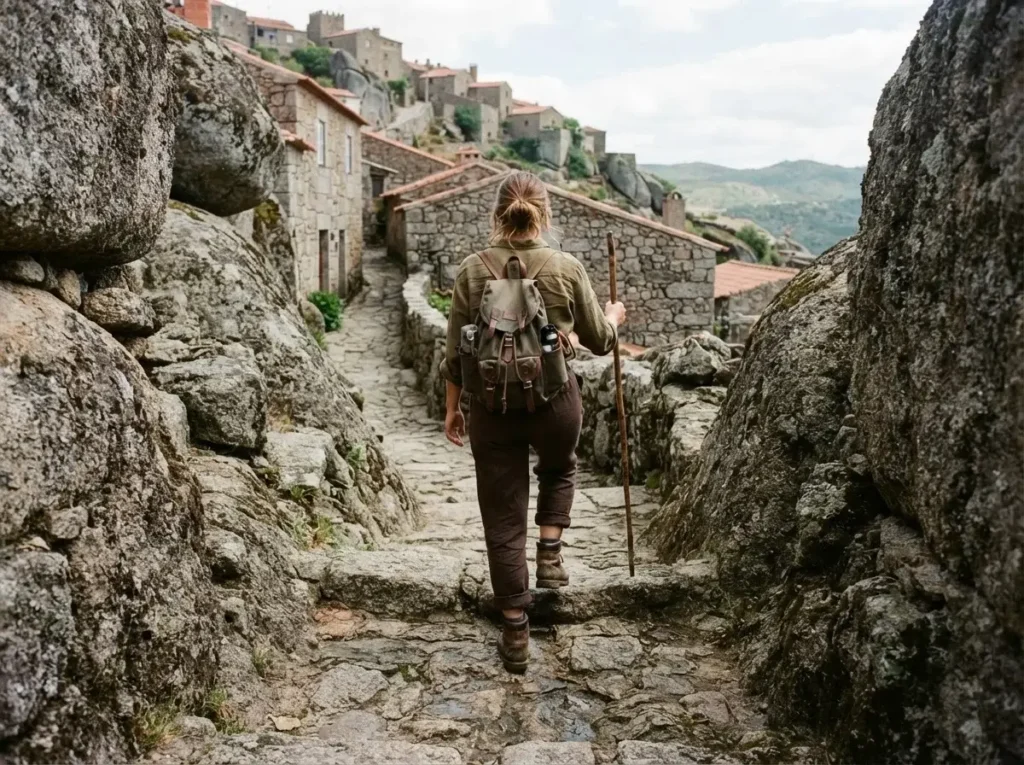
Monsanto is famous for being built around giant granite boulders. The houses use these massive rocks as walls, roofs, and floors. It is a spectacular sight, but it requires a lot of physical effort to explore.
- The Navigation Reality: Cars cannot enter the upper parts of the village because the lanes are too narrow and steep. You must park your vehicle in a tiny lot at the bottom of the hill and carry everything you need up steep, slippery stone trails.
- The Culinary Insider: Find a small café tucked under a giant boulder and order Bacalhau à Brás. This is a beloved Portuguese comfort food made from shredded salted cod, finely chopped onions, and thin fried potatoes, all bound together with scrambled eggs and garnished with black olives.
- The Insider Secret: Do not try to bring your entire travel wardrobe up the hill. Leave your main bags locked safely in the trunk of your car down in the lower lot. Just pack a small overnight pack with your toothbrush, a change of clothes, and your camera. Your knees will thank you.
Mistake 6: Overlooking Basic Health, Safety, and Insurance Realities
When we think of European villages, we think of pure safety and peace. While violent crime is incredibly rare in these tight-knit communities, nature and environment present their own sets of risks. You must take care of your body and prepare for emergencies just like you would anywhere else.
The Remote Care Reality
Many of the most beautiful villages in Europe are located deep inside national parks, high up in mountain ranges, or far out on rocky islands.
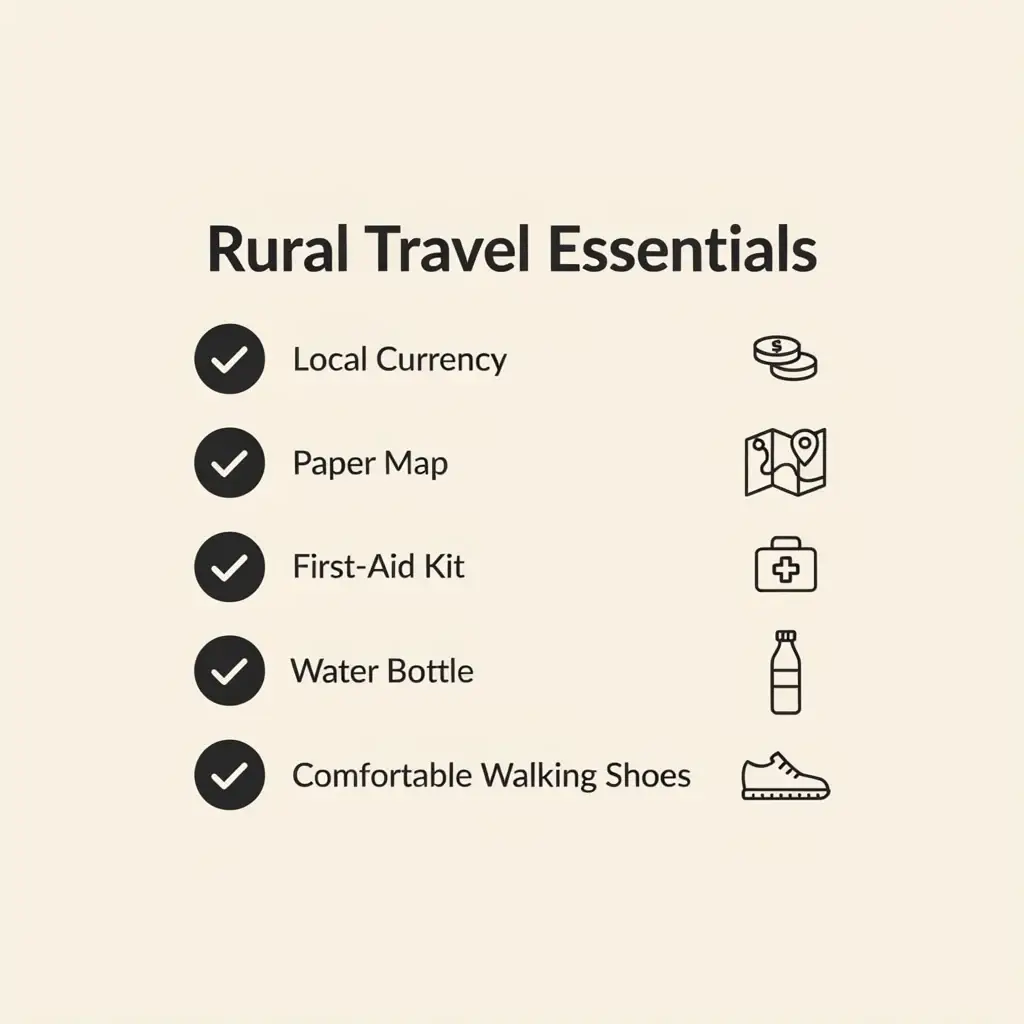
- Medical Access: If you twist your ankle on a rugged path or get sick from something you ate, there is usually no major hospital nearby. The village might only have a tiny pharmacy that opens for a few hours a day. For serious issues, an ambulance might have to come from a city that is over an hour away.
- Health Planning: Before you head into remote mountain regions, it is a very good idea to look at the CDC Travelers’ Health portal to check for any health notices, regional tick-borne illness warnings, or recommended vaccines for rural areas.
- Language Barrier in Emergencies: In small villages, the local doctor or pharmacist might not speak any English at all. Download a translation app that works offline before you travel, so you can explain your medical needs without relying on a cell data connection.
How to Plan a Successful Village Trip
Now that you know what errors to look out for, let us focus on how to plan an amazing, smooth, and authentic experience. Traveling to these hidden corners of the world is one of the most powerful ways to build your independence and confidence.
First, pick one region and stay there for a few days. Instead of trying to see five different countries, spend a full week exploring the villages of the Cotswolds, the valleys of Switzerland, or the white towns of southern Spain. You will get to know the local shop owners, find the quiet trails, and truly experience the local rhythm of life.
Second, always have a backup plan for transportation. If you plan to use buses or trains, write down the numbers for a couple of local taxi companies in the nearest large town. If a bus gets cancelled or you miss the last train, you will have a quick way to get safely back to your room without panicking.
To help you choose the right region for your next big trip, you can read through the comprehensive destination overviews provided on the Lonely Planet homepage to get a feel for the local history, transit options, and cultural styles of different rural areas across Europe.
Embracing the Journey, Quirks and All
The most important thing to remember is that travel is not meant to be perfect. When I left my office job to travel full-time, I thought I wanted everything to go smoothly. But over time, I realized that the unexpected moments are usually the ones you remember most.
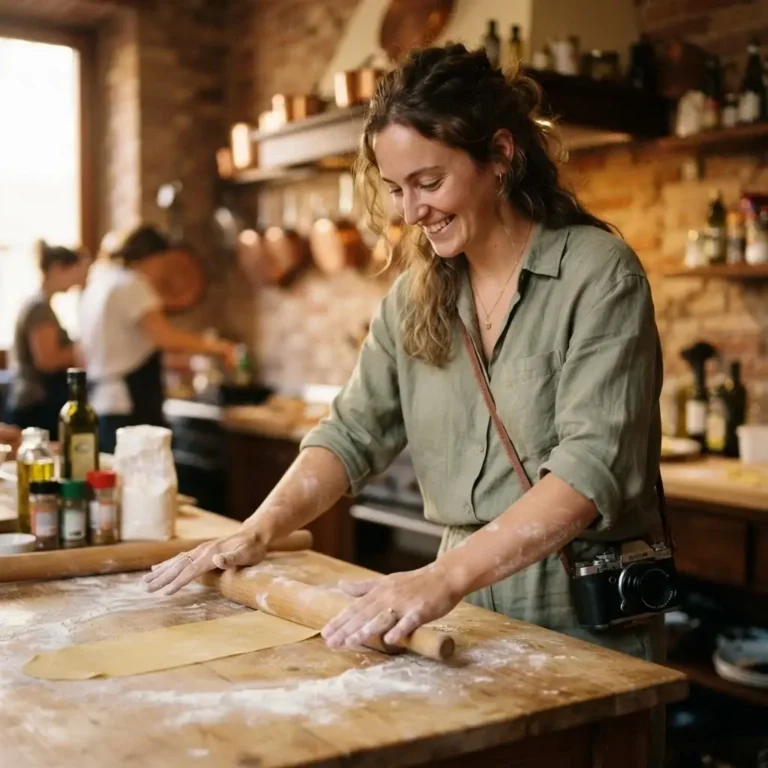
Getting stuck in a tiny Italian village because I missed the bus forced me to sit down at a local café, practice my terrible Italian with the owner, and try the best homemade pasta I have ever had. Running out of cash in Austria taught me to slow down, talk to people, and solve problems on my own.
Do not let the fear of making mistakes keep you at home. The world rewards people who have the courage to step outside their comfort zone. Pack your bags light, pull out some local cash, check your train schedules early, and go see the world. You are entirely capable of handling whatever the road throws at you.