I still remember standing in front of a painting in a European museum during my solo backpacking trip years ago, completely alone, completely lost, and completely unable to explain why I was crying a little. Nobody warned me that art could do that. I had booked that trip thinking I was going to see famous buildings and check off a few postcard photos. Instead, I walked out of that museum a slightly different person than I walked in.
That’s the thing about art travel that most lists don’t tell you. It’s not really about which museum has the most famous painting. It’s about what happens inside you when you stand in front of something that took someone a lifetime to make. If you’re dreaming about a trip built around galleries, sculpture gardens, and quiet afternoons in centuries-old buildings, you’re not overthinking it. You’re onto something real.
The hard part is choosing. Europe has too many incredible art cities to visit in one trip, and most travel articles just hand you a list of five cities without helping you figure out which one actually fits your personality, your budget, and the kind of trip you want. So let’s fix that.
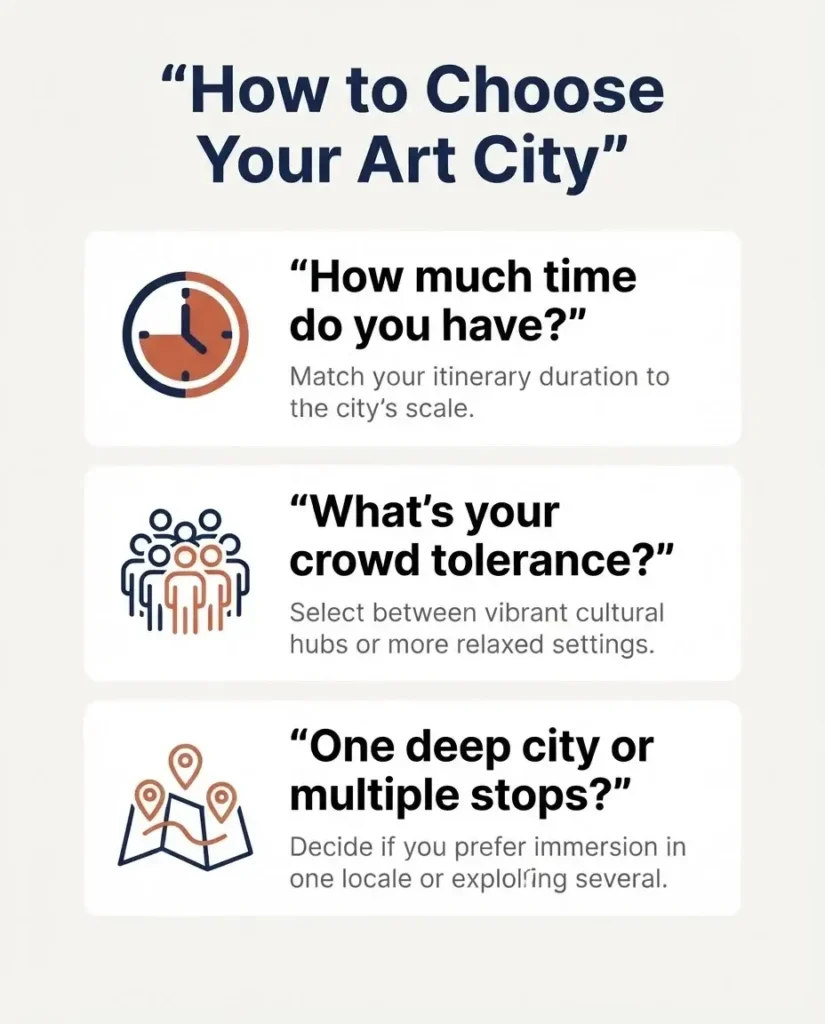
How to Actually Choose Your Art City
Before I get into specific cities, I want to walk you through how I’d think about this decision, because the “right” city depends entirely on what kind of art traveler you are.
If you want the emotional weight of standing in rooms where art history was literally made, you want the classics: Paris, Florence, or Vienna. If you’re drawn to bold, modern spaces and architecture that feels like art itself, you want the newer wave of cities like Bilbao or Berlin. If you’re traveling on a tighter budget, some cities offer far more free or discounted access than others, and that matters more than people admit.
Ask yourself three questions. How much time do you actually have, since some cities reward a rushed 48 hours while others need four or five days to feel worth it. What’s your energy level for crowds, since Paris and Florence in peak season mean long lines even with advance tickets. And do you want one deep city or a multi-stop route, since Europe’s train network makes city-hopping surprisingly doable for art lovers who want variety.
Paris and Florence, the Cities That Started It All
There’s a reason these two show up on every list, and it’s not laziness on the part of writers. It’s because they earned it.
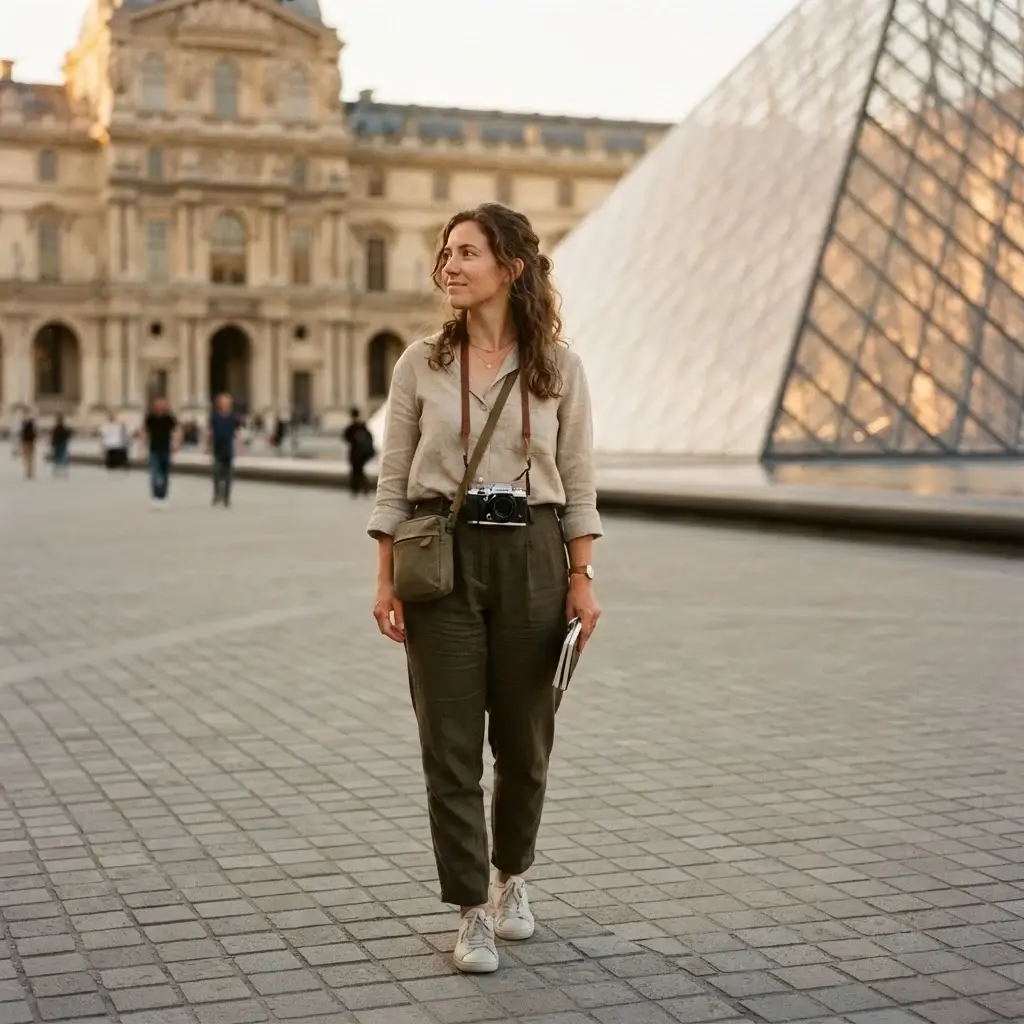
During my own solo trip backpacking across Europe, I ended up in Paris with almost no plan, which in hindsight was a mistake. I hadn’t booked anything in advance and spent half a day just waiting in lines. Don’t make my error. The Louvre now requires timed-entry tickets, and I’d genuinely recommend booking through the Louvre’s official ticketing information at least a few days ahead, especially if you’re visiting in summer. The museum is closed on Tuesdays, so build that into your itinerary. One thing that surprised me back then was how much I loved wandering the smaller wings that nobody talks about, away from the crowd fighting for a photo with the Mona Lisa. If you only remember one tip from this section, remember that the quiet rooms are often better than the famous one.
Florence hits differently. It’s smaller, walkable, and the entire historic center feels like an open-air museum. The Uffizi Gallery is the heart of it, and I’d strongly suggest booking ahead through the Uffizi’s official tickets page, since it’s closed Mondays and the ticket office closes at 5:30pm even though the museum stays open a bit later. What I loved most about Florence during my time backpacking through Europe wasn’t even inside a museum. It was sitting at a tiny table eating a simple plate of pappa al pomodoro after a long day of walking, feeling like I finally understood why people fall in love with this city. Don’t rush Florence. Give it at least three full days if art is your priority.
Amsterdam and Madrid, Where Masters Meet Modern Life
These two cities don’t always make the “top five” lists, but for art lovers, they absolutely should.
Amsterdam gives you Rembrandt, Vermeer, and Van Gogh within a short walk of each other, plus a completely different pace of life than Paris or Florence. The Rijksmuseum is open daily, and current adult admission sits around 25 euros with free entry for anyone 18 and under, details you can confirm on the Rijksmuseum’s official opening hours and prices page. The Van Gogh Museum next door sells tickets online only, so don’t plan on walking up and buying one at the door. From what solo travelers consistently report, Amsterdam is one of the easiest European cities to navigate alone, thanks to excellent public transit and a genuinely welcoming solo-travel culture, especially among the city’s canal-side cafes.
Madrid is the one I think gets overlooked the most, and it shouldn’t be. The Museo del Prado houses one of the greatest collections of European painting anywhere, and it’s open Monday through Saturday from 10am to 8pm and Sundays from 10am to 7pm, according to the Prado’s official hours and pricing page. What makes Madrid stand out for budget-conscious art lovers is the free access window most evenings, something few other major European museums offer at this level. Pair a Prado visit with a late Spanish dinner around 9 or 10pm, since that’s genuinely when the city comes alive, and you’ll understand why so many travelers extend their Madrid stay longer than planned.
The Underrated Art Cities Locals Don’t Want You to Skip
If you want fewer crowds and just as much emotional impact, these are the cities I’d point you toward.
Vienna doesn’t get nearly enough attention in art travel content, and that’s a genuine gap I noticed while researching this piece. The Belvedere Museum holds Klimt’s The Kiss, one of the most recognizable paintings in the world, and ticket options for the Upper and Lower Belvedere are laid out clearly on the Belvedere’s official ticket page. Vienna also has a slower, more contemplative pace than Paris, which makes it a genuinely good fit for someone easing into solo travel for the first time.
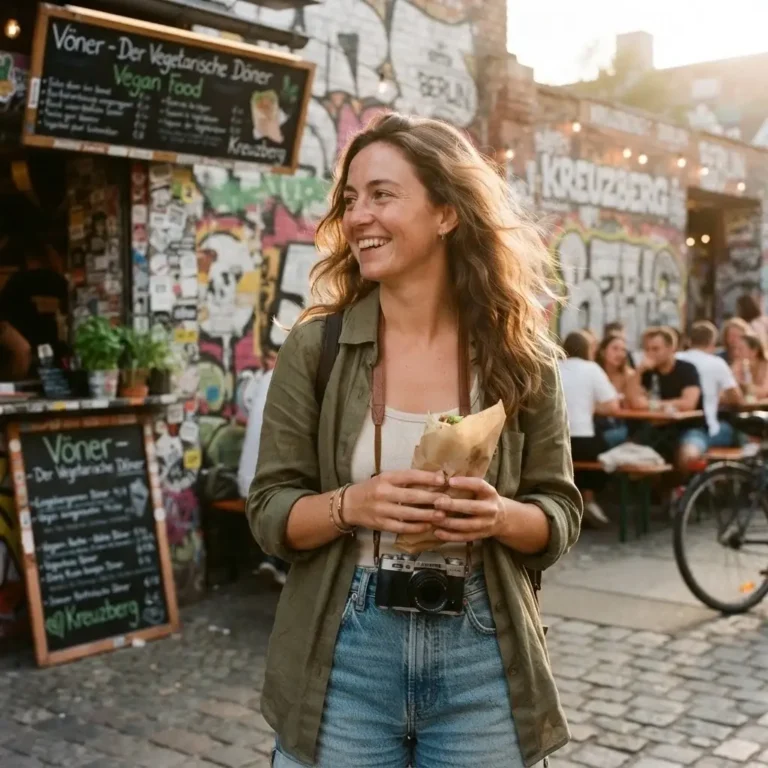
Berlin might be my favorite recommendation for someone who wants art history and modern culture in the same trip. Museum Island, sitting in the middle of the Spree River, has held UNESCO World Heritage status since 1999, and it houses five distinct museums within walking distance of each other. You can read more about why it earned that recognition on UNESCO’s official Museum Island listing. Beyond the classical collections, Berlin’s street art scene in neighborhoods like Kreuzberg adds a completely different, contemporary layer that most “classic art city” lists never mention.
Bilbao and the Rise of Contemporary Art Cities
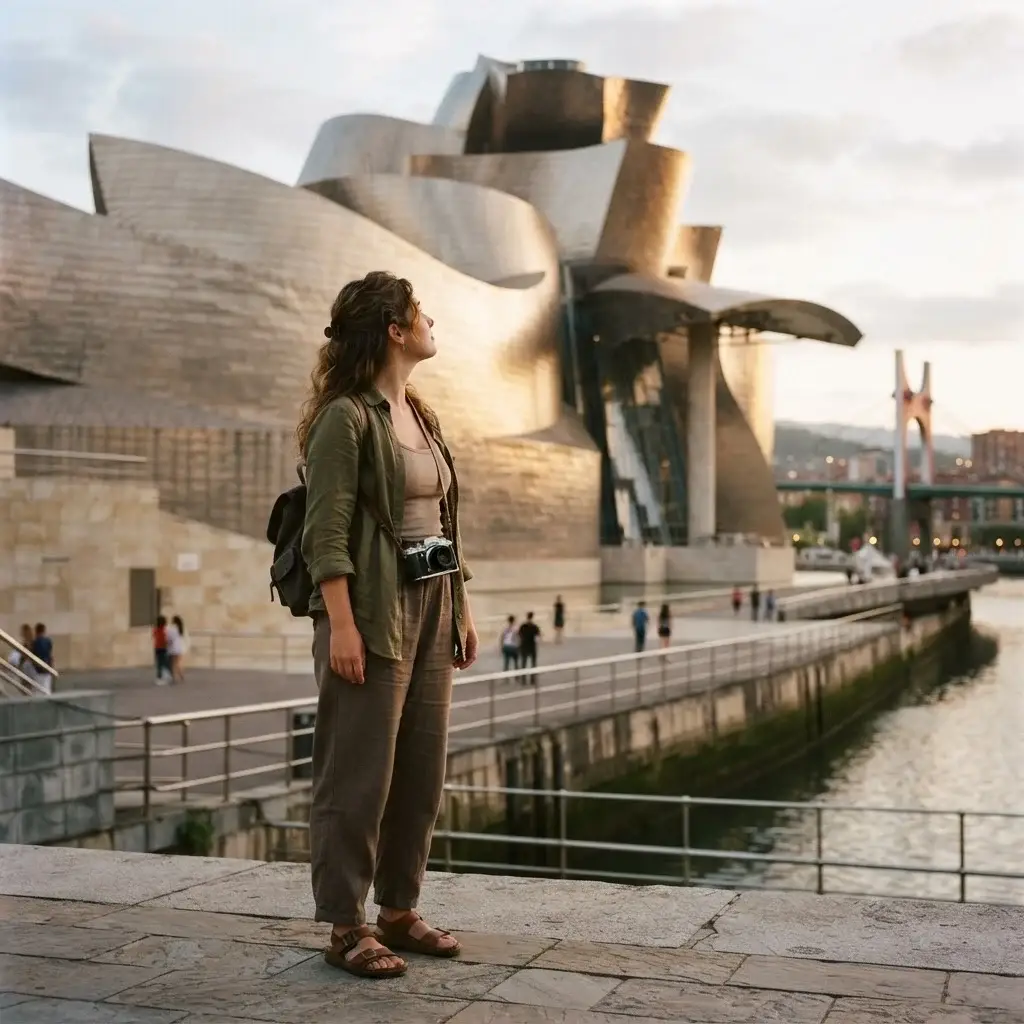
If traditional galleries aren’t quite your thing, or you want architecture that feels like sculpture, Bilbao deserves a serious look. The Guggenheim Museum Bilbao transformed this Basque city from an industrial port town into one of Europe’s most talked-about contemporary art destinations, and its titanium curves are honestly worth the trip on their own. Current visiting details, including hours and ticket options, are listed on the museum’s official plan your visit page. What I find genuinely inspiring about Bilbao’s story is how a single building reshaped an entire city’s identity and economy, which is a reminder that art travel isn’t only about looking backward at history. Sometimes it’s about watching a place reinvent itself in real time.
How to Actually Plan This Trip Without Losing Your Mind
Here’s where I want to get practical, because inspiration without a plan just leads to overwhelm.
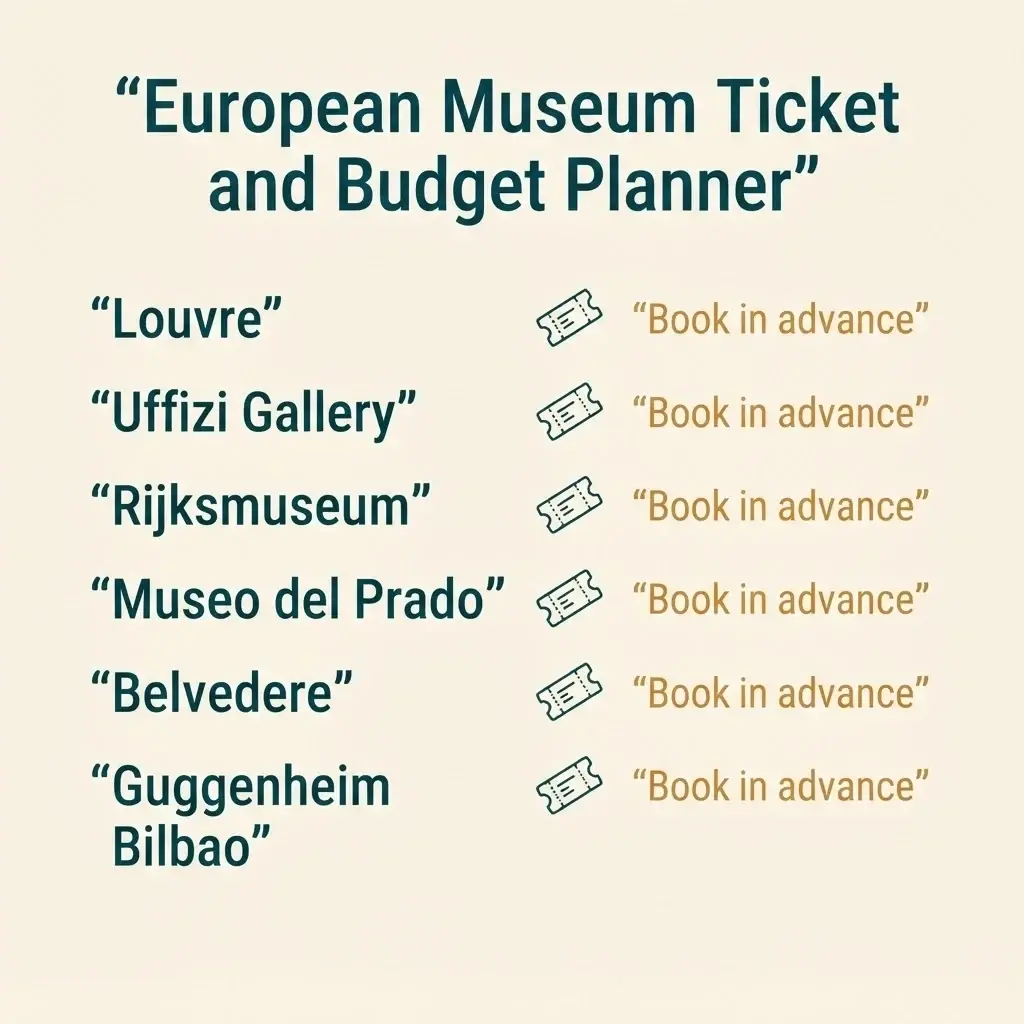
Book major museum tickets in advance, always. The Louvre, the Uffizi, and the Van Gogh Museum all operate on timed entry now, and showing up without a reservation is one of the most common mistakes solo travelers make. Give yourself buffer time between museums too. Art fatigue is real, and trying to cram three major galleries into one day usually means you remember none of them clearly.
If you’re combining multiple cities in one region, look into city-specific passes before booking anything individually. The Paris Museum Pass, for example, bundles access to dozens of museums and monuments into one pass across a few consecutive days, which can genuinely save money if you’re planning to see more than three or four sites.
Budget realistically. Standard adult admission at major European museums typically runs somewhere between 15 and 25 euros, though many offer discounts for students, and some, like the Prado, provide free entry during specific evening hours. Add those savings up across a week and they matter.
And please, don’t feel weird about doing this alone. I know the idea of standing in a gallery by yourself sounds isolating before you’ve tried it, but in practice, it’s one of the most peaceful travel experiences you can have. Nobody is rushing you. Nobody is checking their phone next to you during the one painting that actually moves you. You get to feel whatever you feel, fully, without narrating it for someone else.
Choosing Isn’t the Hard Part, Starting Is
If you take one thing from everything above, let it be this. You don’t need to see every museum on this list to call yourself an art lover, and you definitely don’t need permission to book a solo trip built entirely around galleries and quiet afternoons with centuries-old paintings. Pick the city that pulls at you the most right now, book the ticket, and let the rest figure itself out along the way. That’s usually how the best trips start anyway.