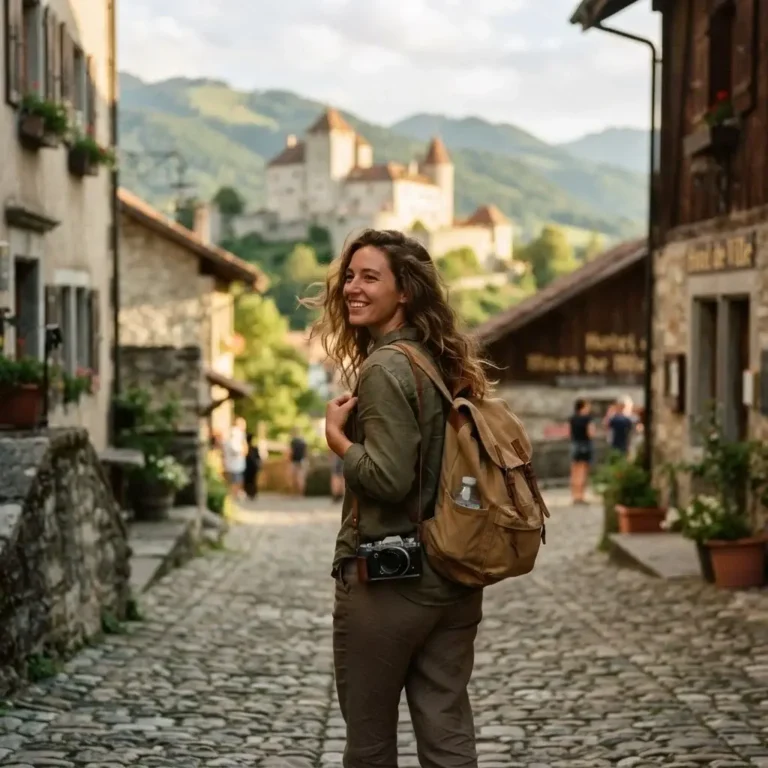
I still remember standing outside a small stone chapel somewhere in the Austrian countryside during my first solo backpacking trip across Europe, completely unsure if I was even allowed to walk in. I had no group, no guide, and no idea what the etiquette was. I hovered near the door for a full five minutes before a local woman waved me inside with a smile. That tiny moment taught me something I carry into every trip since: the fear of doing something wrong is almost always bigger than the actual risk of doing it wrong.
Monasteries bring out that same hesitation in a lot of travelers, and I get why. These are not theme parks. They’re active or once-active religious communities, often centuries old, often perched somewhere dramatic like a cliff, an island, or a mountaintop that took real effort to reach. That combination of sacredness and physical drama is exactly why they’re some of the most photographed places in Europe, and also exactly why so many people talk themselves out of visiting alone. This guide walks through the monasteries most worth your time, what it actually takes to get there, and how to show up prepared instead of anxious.
Why Monasteries Deserve More Than a Quick Photo Stop
It’s tempting to treat a monastery like any other landmark: pull up, snap a photo, move on. But these places reward slowness in a way that fits perfectly with how I believe travel should work. Many of them are still functioning religious communities, not museums built for tourists. Monks and nuns still live, pray, and work inside some of these walls. When you slow down enough to notice the worn stone steps, the specific reason a monastery was built in such an inaccessible spot, or the small garden a monk still tends, the visit becomes something closer to cultural immersion than sightseeing. That’s the difference between checking a box and actually understanding a place, and it’s a distinction I care about deeply in everything I write.
How to Choose Which Monasteries Fit Your Trip
Not every monastery suits every traveler or itinerary, so it helps to think in categories rather than trying to see everything. Cliffside and mountaintop monasteries, like the ones in Greece and Turkey, demand more physical effort and reward you with dramatic views. Island or tidal monasteries, like the one in France, require you to plan around nature’s schedule rather than your own. Painted or artistically significant monasteries, like the one in Portugal, are closer to architectural pilgrimages than physical ones. And mountain retreat monasteries, like the ones in Bulgaria and Spain, sit somewhere in the middle, reachable by train or cable car but still tucked away from the noise of a big city. Knowing which category appeals to you helps you build a realistic trip instead of an overstuffed wish list.
The Cliffside Giants: Meteora, Greece
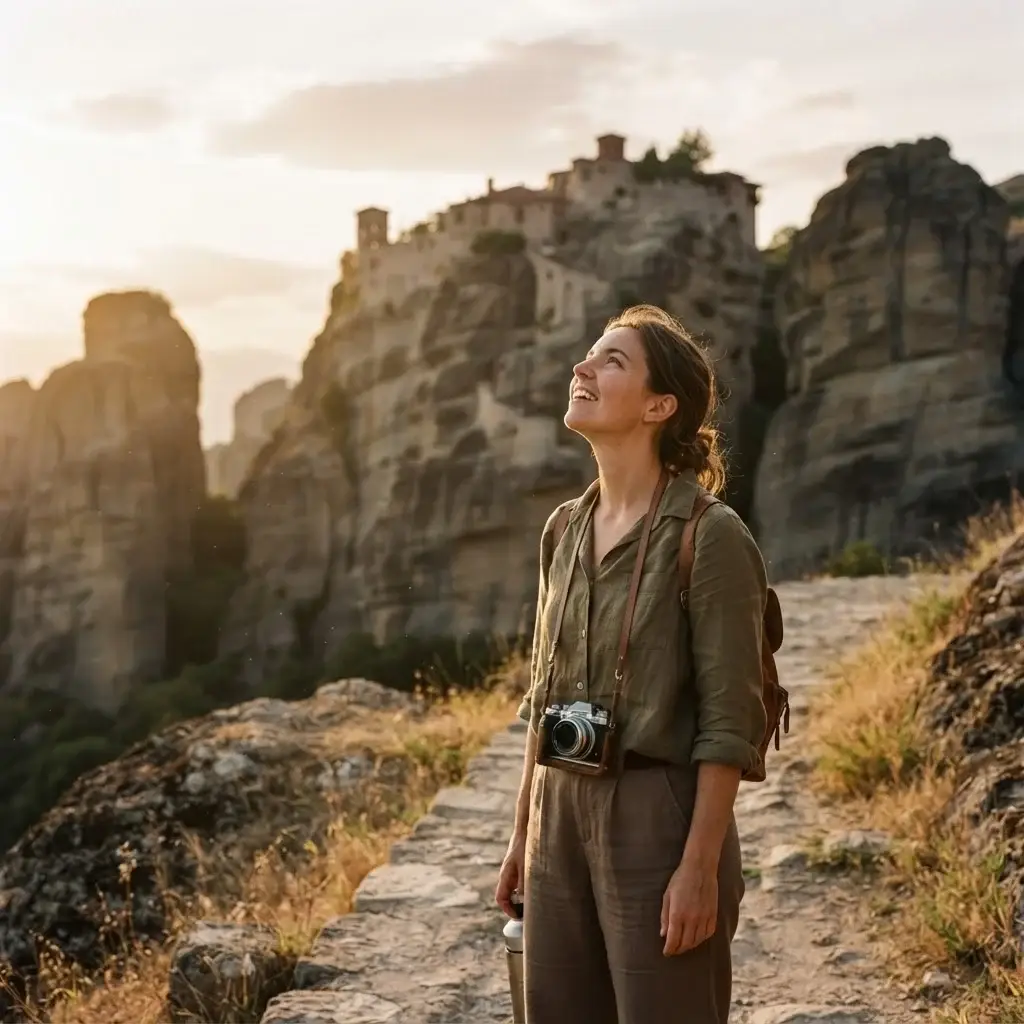
Meteora is probably the single most photographed monastery cluster in Europe, and for good reason. Six active monasteries still sit atop sheer sandstone pillars in central Greece, remnants of a network that once included twenty-four communities built specifically to be difficult to reach, since isolation was the whole point for monks seeking a quiet, protected life. The site holds UNESCO World Heritage status, and you can read more about exactly why it earned that designation on UNESCO’s official Meteora listing, which lays out both the natural rock formations and the religious significance in detail.
Getting there usually means basing yourself in the nearby town of Kalambaka or the smaller village of Kastraki, both walkable or a short drive from the monasteries themselves. Each of the six monasteries has its own weekly closing day, so if you’re hoping to see more than one or two, check the current schedule before you build your day around it, since showing up to a locked gate is a common rookie mistake. Dress code here is strict and consistently enforced: shoulders and knees covered for everyone, men in long pants, women in long skirts or pants rather than shorts. Most monasteries keep wraps at the entrance for anyone caught off guard, but I’d rather you not rely on that. Pack a light scarf or sarong in your daypack specifically for moments like this, and you’ll never be turned away at a door you traveled hours to reach.
The Mountain Fortress: Rila Monastery, Bulgaria
Tucked into the Rila mountains about two hours south of Sofia, Rila Monastery is one of Bulgaria’s most important cultural landmarks and, honestly, one of the more underrated stops on this list. Founded in the tenth century, it’s still an active Orthodox monastery with striped arches, colorful frescoes, and a fortress-like feel that comes from centuries of rebuilding after fires and raids.
Entry into the main courtyard and church is free, which surprises a lot of first-time visitors expecting a ticket booth. If you want to see the museum or climb Hrelyo’s Tower, there’s a small separate fee, and the complex is generally open from early morning until late afternoon. You can find current details directly through Rila Monastery’s official site, which is worth checking before your trip since hours can shift seasonally. Most people visit as a day trip from Sofia by rental car, organized tour, or public bus, and I’d budget at least half a day once you factor in the drive through the mountains, which is genuinely one of the prettier approaches on this entire list.
The Rock of the Virgin: Montserrat, Spain
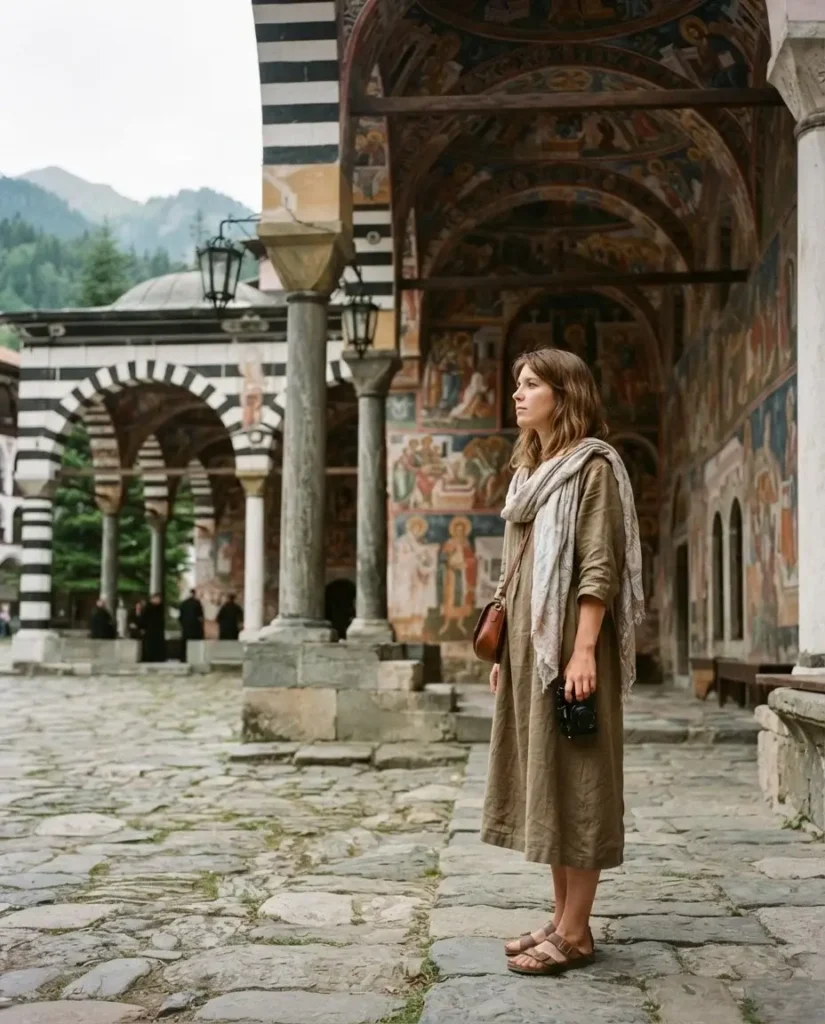
Montserrat sits about an hour outside Barcelona, perched dramatically on a jagged mountain range that looks almost otherworldly against the sky. The Benedictine monastery here is home to the famous Black Madonna statue, and the basilica draws pilgrims and curious travelers in equal measure.
The most enjoyable way to arrive, in my opinion, is by train from Barcelona to Monistrol de Vila, followed by the cremallera rack railway that climbs the mountain in about fifteen to twenty minutes. You can check current departure times directly through the Montserrat rack railway’s official schedule, which runs frequently throughout the day and beats sitting in a tour bus for the winding drive up. If you’re traveling solo, this train-and-rack-railway combination is genuinely one of the easiest half-day trips in this entire list to do completely independently, no tour group required. Once you’re up top, the basilica itself is free to enter, though the museum and boys’ choir performance (when scheduled) carry separate costs.
The Tide-Locked Abbey: Mont-Saint-Michel, France
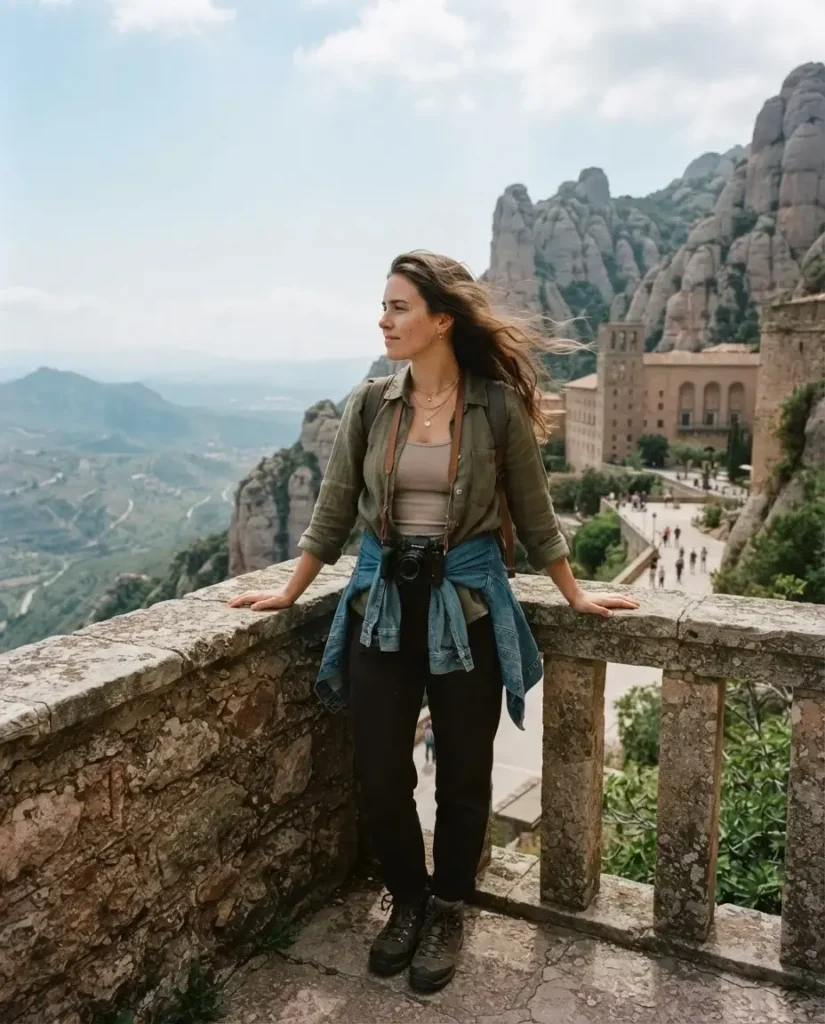
There’s nothing quite like Mont-Saint-Michel’s silhouette rising out of the bay in Normandy, half fortress, half fairytale. What makes this abbey different from every other place on this list is that the surrounding landscape genuinely changes with the tides, sometimes turning the mount into a true island and sometimes leaving a walkable sandbar exposed.
Because of that, timing your visit matters more here than almost anywhere else. Hours run from roughly 9am to 7pm during the busy summer months of May through August, shifting to 9:30am to 6pm the rest of the year, and you can confirm the exact current schedule through the Mont-Saint-Michel Abbey’s official practical information page before you go. You’ll park on the mainland and either walk or take a free shuttle across the causeway to the mount itself, then climb a steep, winding path through the village up to the abbey. It’s a genuinely tiring climb, so wear real shoes, not sandals, and budget more time than you think you need, especially if you’re solo and want to wander without rushing to catch a shuttle back.
The Manueline Masterpiece: Jerónimos Monastery, Portugal
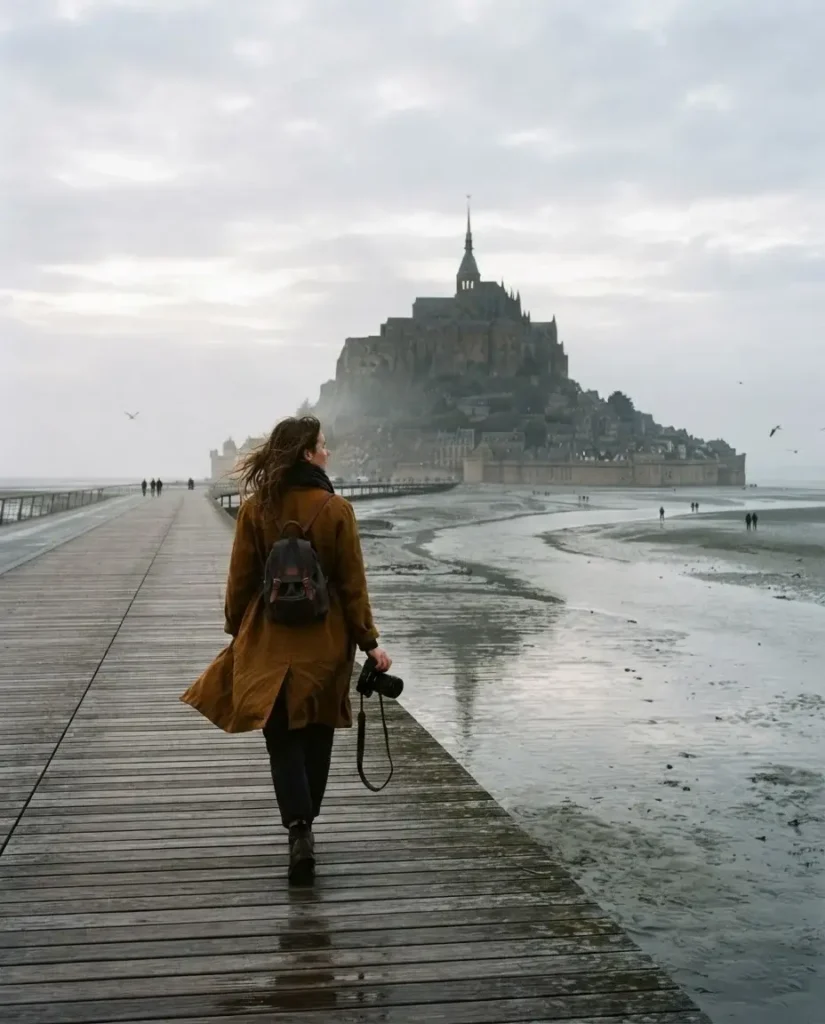
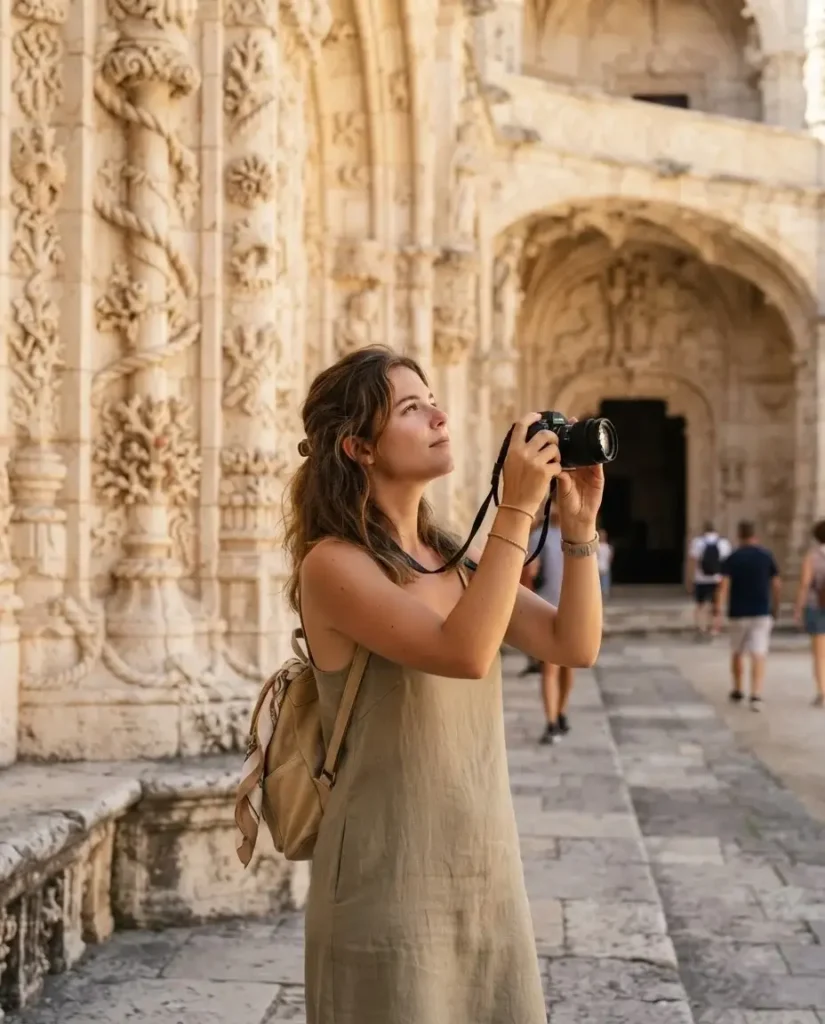
Jerónimos Monastery in Lisbon’s Belém district is less about isolation and more about sheer architectural ambition. Built to commemorate Portugal’s Age of Discovery, its Manueline style is dripping with maritime carvings, twisting stonework, and details that reward slow, close looking rather than a quick walk-through.
The monastery is closed on Mondays, a detail that trips up more travelers than you’d expect when they’re mapping out a busy Lisbon itinerary. You can check current hours and any holiday closures through the official Jerónimos Monastery page run by Portugal’s cultural heritage authority. Because this sits inside a major city rather than up a mountain, it’s one of the more accessible stops on this list for anyone with mobility concerns or limited time, and it pairs naturally with a walk to the nearby Belém Tower and, of course, a stop for an actual pastel de nata from one of the bakeries near the monastery, since you’re already in the neighborhood where they were invented.
The Hidden Serbian Treasure: Studenica Monastery
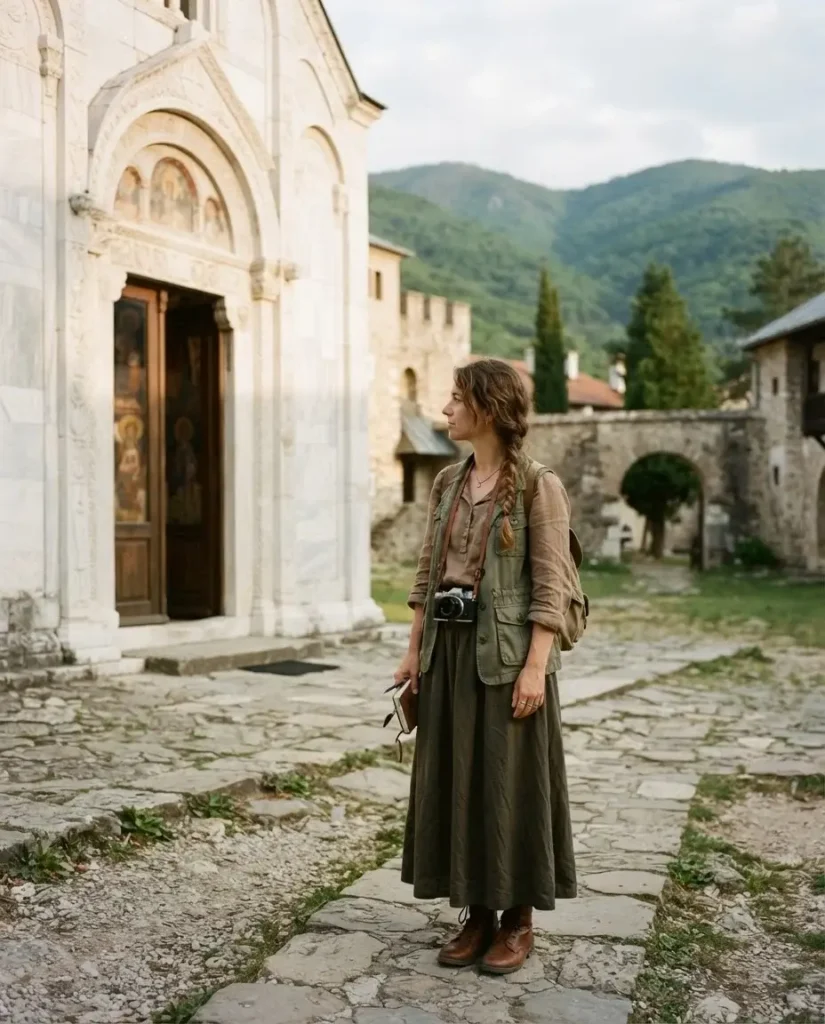
Studenica doesn’t show up on nearly as many “most beautiful monasteries” lists as it deserves, which is part of why I want to include it here. Located in central Serbia, it’s the largest and richest of the country’s Orthodox monasteries, home to two major churches built from strikingly white marble and covered in Byzantine-style frescoes.
It’s held UNESCO World Heritage status since 1986, recognized for both its architecture and its role in preserving medieval Serbian art, and you can read the full reasoning on the UNESCO Studenica Monastery listing. Because it sits further off the typical tourist trail than Meteora or Montserrat, visiting takes more effort, usually a rental car or organized day trip from Belgrade or Kraljevo, but that same distance is exactly why it still feels quiet and unhurried compared to the more famous stops on this list.
Common Mistakes First-Time Visitors Make
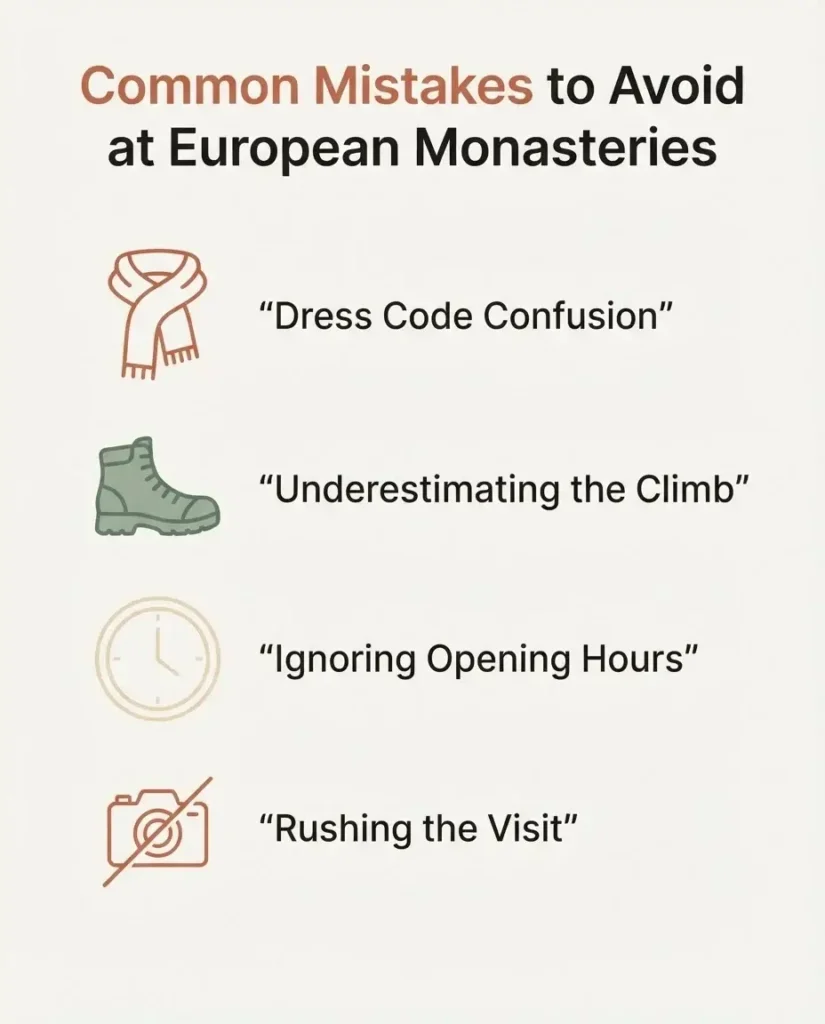
The single most common mistake is dress code confusion, and I understand why. The rules vary slightly by country and even by individual monastery, but the safe universal approach is shoulders covered, knees covered, no overly casual beachwear, and a scarf or wrap tucked into your bag just in case. The second most common mistake is underestimating physical difficulty. Several of these sites involve real climbs, uneven stone steps, or long walks from parking areas, so comfortable, broken-in shoes matter more than you’d think. The third mistake is treating opening hours as a suggestion rather than a hard rule. Several of these monasteries close for lunch, close entirely on specific weekdays, or shift hours seasonally, and showing up without checking recent, specific information wastes a travel day you can’t get back. The last mistake, and the one closest to my heart, is rushing. These are not places built for a five-minute photo. Give yourself real time to sit in a courtyard, watch the light change on old stone, and let the place actually register.
Building a Realistic Monastery-Focused Trip
If I were planning a monastery-focused route through Europe from scratch, I’d resist the urge to chase every famous name in one trip. Pick a region, base yourself somewhere central, and let one or two monasteries anchor several days of slower exploration around them. A Balkans route pairing Rila Monastery with a few days in Sofia and then Studenica near Kraljevo makes far more geographical sense than trying to zigzag across the entire continent. A Western Europe route pairing Mont-Saint-Michel with a few days in Normandy, or Montserrat with a few days in Barcelona, works the same way. Solo travelers especially benefit from this slower approach, since it removes the pressure of coordinating a packed schedule with anyone else and lets you adjust plans around weather, tides, or simply how you’re feeling that day.
What These Places Taught Me About Slowing Down
None of these monasteries are on my personal list of places I’ve physically walked through myself, and I want to be upfront about that rather than pretend otherwise. What I can tell you, from years of solo travel through churches, temples, and sacred spaces across three continents, is that the emotional lesson tends to repeat itself no matter where you are. There’s something about standing inside a building that people built by hand, centuries before you existed, purely out of devotion, that puts your own worries in perspective. It’s the same feeling I had sitting quietly in a small village church in Ghana or wandering through an ancient temple courtyard while hiking through rural China. You don’t need to share the faith of the place to feel humbled by the patience and intention behind it.
If fear of doing something wrong, or fear of doing it alone, has been the thing standing between you and a trip like this, let this be the nudge you needed. Pack the scarf, check the hours twice, and go stand in front of something that’s been standing there far longer than any of your worries have.