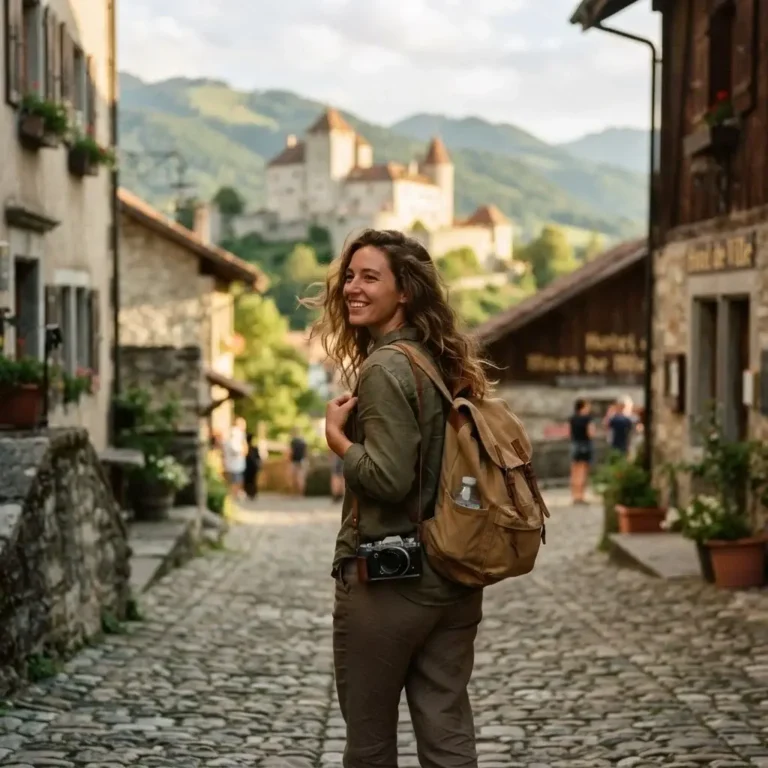

I used to think Viking history lived mostly in movies. Horned helmets, dramatic sword fights, a lot of yelling into the fog. It took me a while to realize that the real story is stranger and better than the fictional one, and that most of the good stuff isn’t hiding in some far-flung place you need a special permit to reach. It’s sitting in ordinary cities across Europe, waiting for someone curious enough to show up.
If you’re the kind of traveler who gets a little thrill from standing in a spot where something actually happened, this is one of the more rewarding themes you can build a trip around. It stretches from the fjords of Norway to the streets of Dublin, and it forces you to think about Europe differently than the typical highlight reel of cafes and cathedrals. Let’s talk about where the real history is, what’s worth your time, and how to plan it without losing your mind or your budget.
Vikings Versus the Myth You Grew Up With
Before we get into locations, it helps to separate two things that get mixed together constantly: Viking history and Norse mythology. Odin, Thor, and Valhalla are mythology, stories the Norse told each other, not historical events. Viking history is the actual record of Scandinavian seafarers, traders, raiders, and settlers who reshaped huge parts of Europe between roughly 793 and 1066 AD. Some sites focus on the myths (fun, but closer to theme park territory), and others sit directly on top of real archaeological finds. The best trips mix both, but knowing the difference helps you set expectations before you book anything.
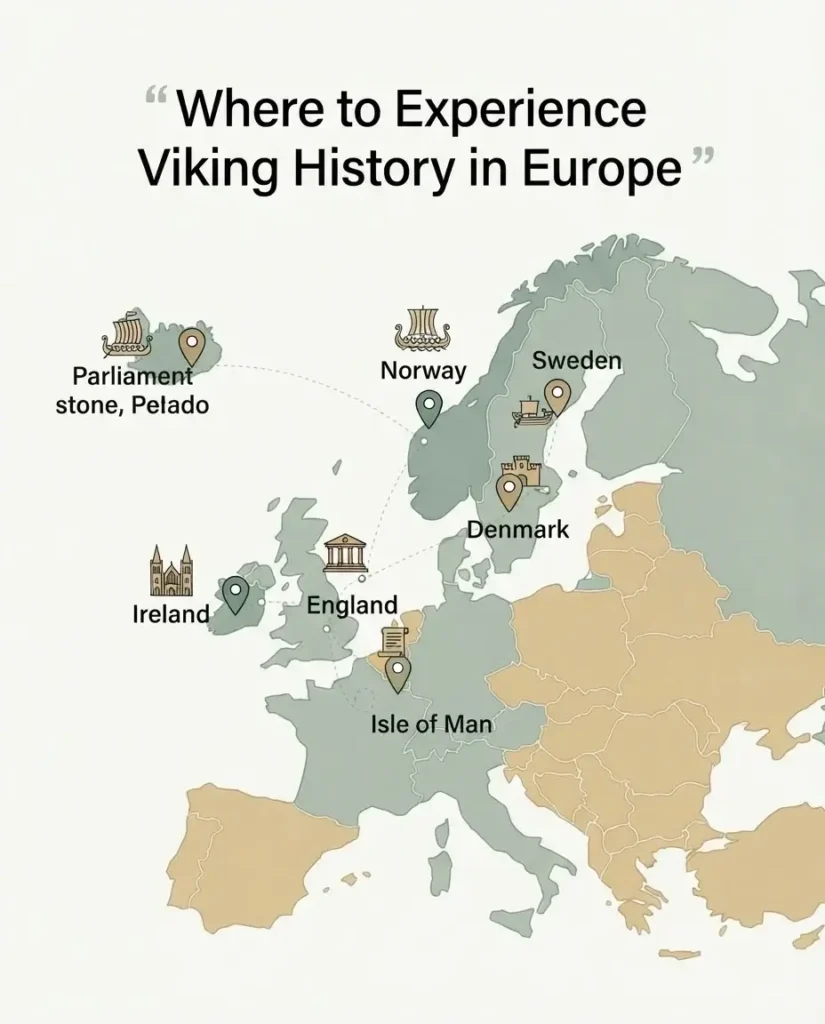
It also helps to know this history isn’t confined to Scandinavia. The Vikings settled in Ireland, fought and traded across England, sailed to Iceland, and even reached parts of France and beyond. That’s actually good news for you as a traveler, because it means you don’t need a three-week Nordic mega-trip to get a meaningful experience. You can build something smaller and still walk away with real depth.
Norway: Where the Viking Age Feels Closest to the Sea
Norway is the obvious starting point for most people, and for good reason. This is where longships were built, where chieftains were buried in massive earthen mounds, and where the landscape itself, all those fjords and headlands, explains why these people became such capable sailors in the first place.
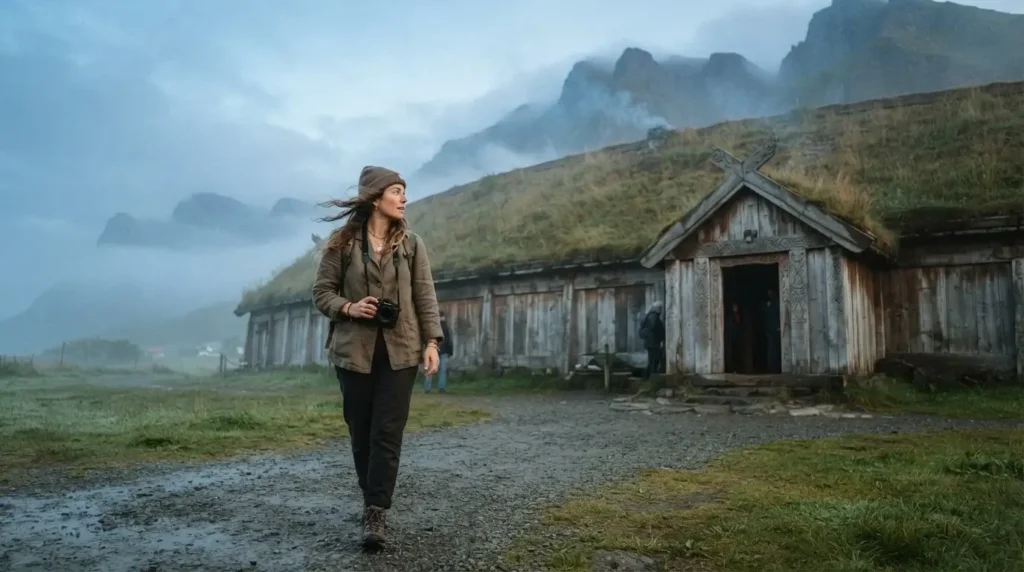
Here’s something a lot of older articles miss: Oslo’s original Viking Ship Museum, home to some of the best-preserved Viking ships in the world, closed its doors for a major rebuild and won’t reopen until 2027 under a new name, the Museum of the Viking Age. If seeing those specific ships is your priority, you’ll want to time a trip around that reopening or check the site for updates before you fly out. In the meantime, other Norwegian sites are still very much open, including the Lofotr Viking Museum up in the Lofoten Islands, built around a genuine chieftain’s longhouse, one of the largest ever discovered.
Norway teaches an early lesson that applies to this whole trip: real Viking history often requires a bit of effort to reach. It’s not always sitting on a main tourist strip. If you’re used to city-hopping between major capitals, this region will ask you to slow down, take a ferry, rent a car, or plan around a smaller town’s limited transit schedule. That’s not a bad thing. Some of my favorite travel memories from backpacking solo across Europe came from exactly this kind of detour, the ones that felt inconvenient until they turned into the best story of the trip.
Denmark: Fortresses, Ships, and the Birthplace of Kings
Denmark rewards travelers who want tangible, walkable history without a ton of complicated logistics. Copenhagen makes a great home base, and from there you can reach some genuinely important sites.
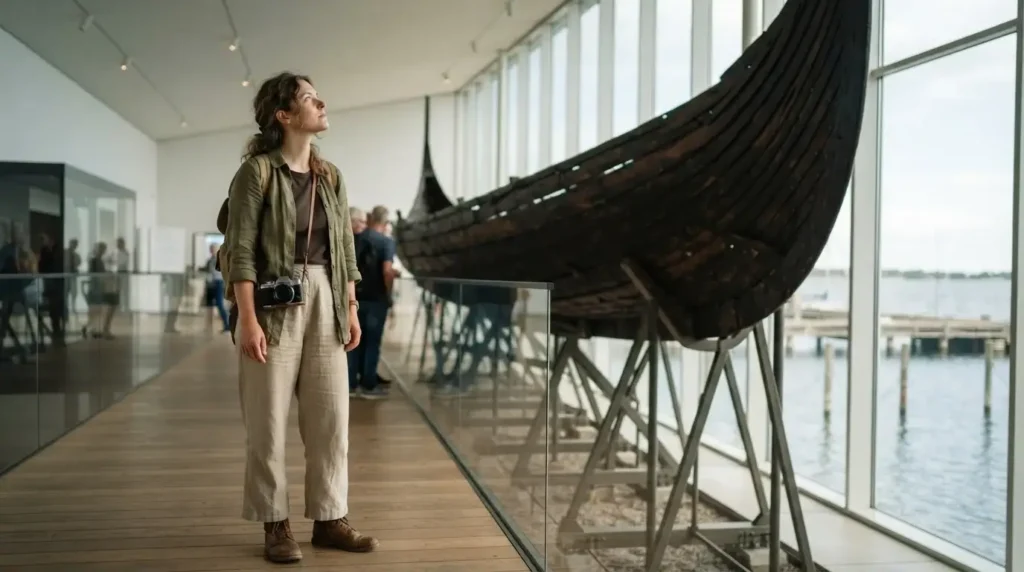
The Viking Ship Museum in Roskilde, about a 30-minute train ride from Copenhagen, houses five original Viking ships pulled from the seabed, plus reconstructed vessels you can sometimes sail on in summer. Adult admission runs around 165 DKK, and the practical visitor information on their site lays out current hours and seasonal boat sailing schedules clearly, which matters because those sailing experiences aren’t available year round.
Then there’s Trelleborg, one of five sites that make up the UNESCO-recognized Viking-Age Ring Fortresses. These circular fortresses, built with a precision that still impresses engineers today, are usually free to walk around outside of festival dates, and standing inside those earthworks gives you a very different feeling than a glass display case in a museum. It’s raw and quiet most of the year, then loud and full of costumed reenactors during the mid-July Viking Festival, so pick your version depending on what kind of experience you want.
Sweden: Birka and the Trading Roots of the Viking World
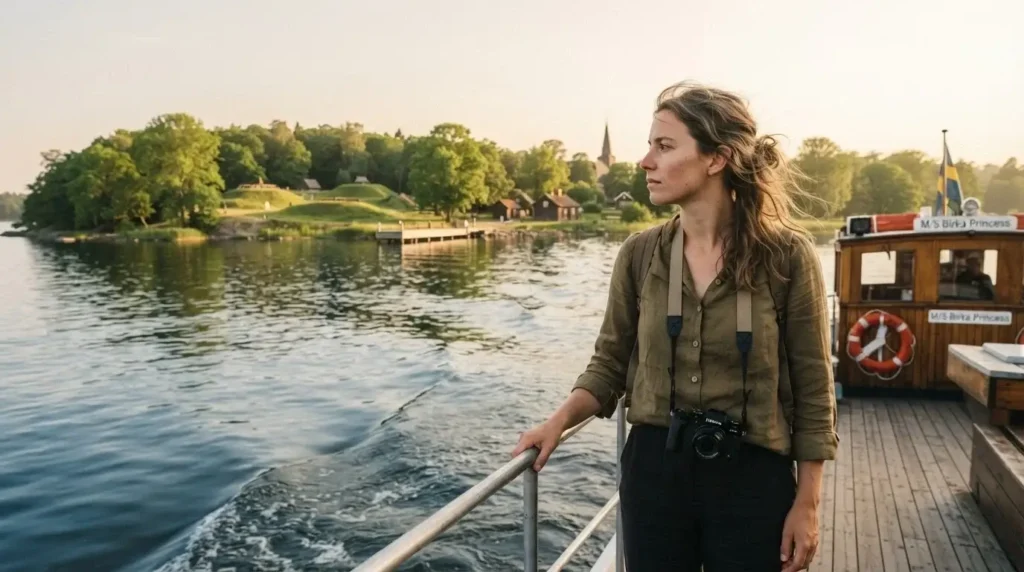
Sweden’s contribution to this story is less about war and more about commerce. Birka, a UNESCO-listed island in Lake Mälaren, was one of the most important trading hubs of the Viking Age, connecting Scandinavia to Byzantium and the Islamic world through river routes stretching deep into what’s now Russia.
You can’t drive to Birka. You have to take a boat from Stockholm, and that boat only runs from May through September. Outside that window, the island is essentially closed to casual visitors. If you’re planning around this, check the official Birka travel information before locking in your dates, because showing up in October expecting a boat is a mistake I’d rather you avoid making. The trip itself, gliding across the lake before landing on an island where actual Viking-era graves and house foundations are still visible, is one of the more atmospheric ways to spend a day in this whole region.
Iceland: Where the Vikings Built Their Own Government
Iceland flips the script a little. Instead of raiding or trading, Norse settlers came here to build something new, and they ended up creating one of the earliest parliamentary systems in the world. Þingvellir National Park, a dramatic rift valley outside Reykjavik, was the site of the Althing, an open-air general assembly that met annually starting in the year 930 and continued for centuries.
This site earned its UNESCO World Heritage status specifically for that historical and geological significance, and honestly, it’s one of the rare Viking sites where you don’t need a museum to feel the weight of what happened there. You’re standing in the actual rift where decisions were argued out, laws were declared, and disputes were settled, all set against a landscape that looks like it hasn’t changed much since. It’s a strong reminder that not every meaningful historical site needs a gift shop attached to feel real.
York, England: The City the Vikings Called Jorvik
Here’s a fact that surprises a lot of people: York was once a major Viking city called Jorvik, and it remained under Norse control for roughly a century. The JORVIK Viking Centre, built directly above an archaeological excavation site, uses actual finds unearthed during 1970s digs to recreate what daily life looked like here, sounds, smells, and all.
Adult tickets start from £17.50, and the current opening hours shift a bit by season, so it’s worth checking before you build your day around it. What makes this stop worthwhile isn’t just the exhibit itself, it’s the reminder that Viking influence reached deep into England, shaping place names, legal systems, and even bits of the English language that are still in use today.
Dublin, Ireland: A City the Vikings Actually Founded
This one tends to surprise people the most. Dublin as a city largely traces its origins to a Norse settlement established in the 9th century. The Vikings weren’t just passing through Ireland, they set up a permanent trading base that eventually grew into the capital.
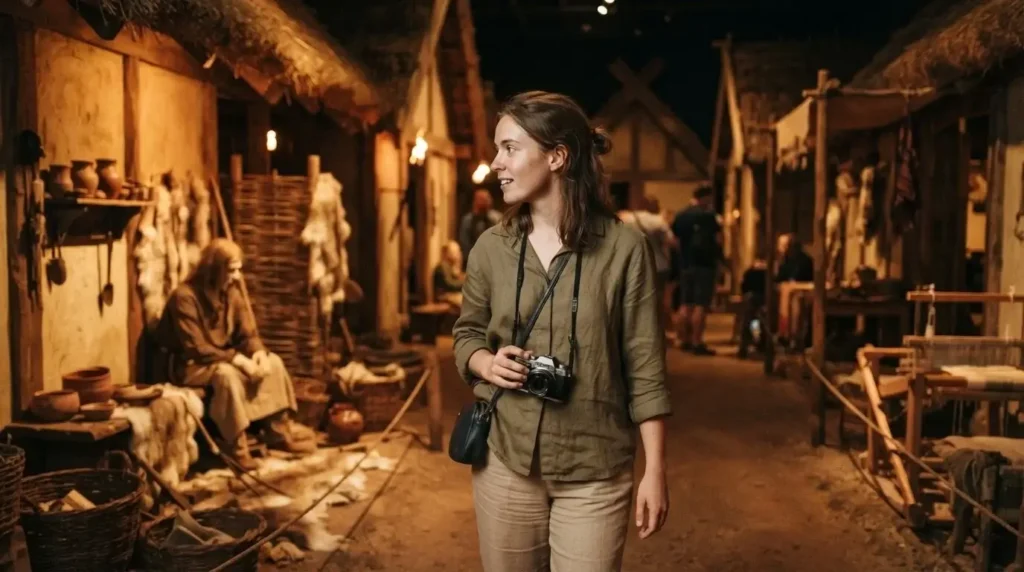
Dublinia, located right beside Christ Church Cathedral, walks you through that founding period with reconstructed streets and genuine artifacts recovered from excavations around the city. Adult admission is €16, and full details are on their current ticket and pricing page. If you only have time for one stop in Ireland connected to this theme, this is it, and it pairs naturally with a walk through Dublin’s medieval quarter afterward.
The Isle of Man: A Thousand-Year-Old Parliament You Can Still Visit
This tiny island between Britain and Ireland doesn’t get nearly enough attention in Viking history conversations, and that’s exactly why I’m including it. The Vikings arrived here in the late 8th century and established Tynwald, a governing assembly that is still, remarkably, in active use today, making it one of the oldest continuous parliaments in the world.
You can visit Tynwald Hill in St John’s, the traditional meeting ground, and get a sense of just how far Norse influence traveled and how long its systems managed to stick around. The official history page from the Isle of Man’s own government lays out this Norse origin clearly, and it’s a good example of how Viking history didn’t just disappear after the raids stopped, it quietly became part of the institutions people still use.
The Mistake Most People Make Planning This Trip
The biggest mistake I see is trying to cram every country into one trip. Viking history is spread across six or seven nations, and treating this like a checklist tour usually means rushing through each stop without absorbing anything. You end up with a lot of photos and not much understanding.
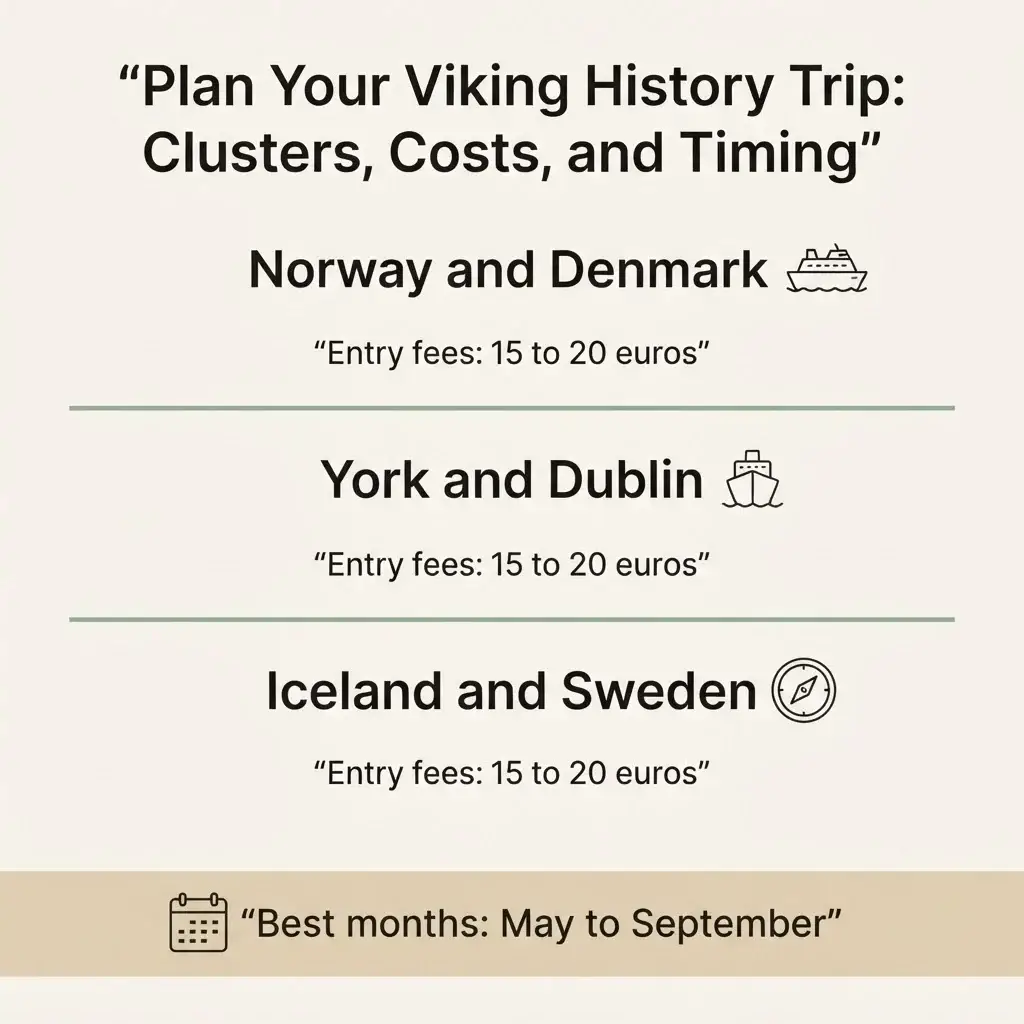
A better approach is picking a cluster. Norway and Denmark pair naturally together, with short flights or ferries between major cities. York and Dublin work well as a British Isles pairing, especially if you’re already planning a UK trip and want to add real depth to it. Iceland and Sweden each work better as standalone additions to a trip rather than quick add-ons, mostly because getting between them and everywhere else takes more planning than people expect.
The second common mistake is assuming everything is open year round. Birka shuts down completely outside the May to September window. Some fortress sites have reduced winter hours. If your dates are flexible at all, aim for late spring through early fall, when almost everything on this list is accessible and the weather actually cooperates with outdoor sites like Trelleborg and Þingvellir.
What This Kind of Trip Actually Costs
You don’t need a huge budget to do this well. Museum entry fees across these countries typically run somewhere between €15 and €20 for adults, and several outdoor sites like Trelleborg and Tynwald Hill cost nothing at all outside of festival dates. The real cost driver is transportation between countries, not entry tickets. Budgeting for regional flights or ferries between your chosen cluster of countries will almost always outweigh what you spend inside any single museum.
Accommodation costs vary a lot by country, with Scandinavia generally running higher than Ireland or the UK for comparable hostels or budget hotels. If you’re trying to keep costs down, look at shoulder season travel, right at the edges of that May through September window, when prices dip slightly but most sites are still fully open.
Traveling to See This History Solo
I’ll be honest with you: a Viking history trip is a genuinely good candidate for solo travel, maybe better than a lot of the more social-focused destinations people default to. A lot of these sites reward quiet, unhurried attention, the kind that’s hard to get when you’re managing a group’s differing interests and energy levels.
When I backpacked solo across Europe years ago, I learned that the trips built around a specific curiosity, not just “seeing the sights,” tend to stick with you longer. You end up talking to museum staff who love their subject, wandering an extra hour because something caught your interest, and making small adjustments to your route without needing to check with anyone else. That kind of flexibility is exactly what a multi-country history trip like this benefits from.
If you’re nervous about doing it alone, start smaller than you think you need to. Pick two countries instead of five. Give yourself extra buffer time between stops, since these sites often take longer to reach than city-center attractions. And don’t feel pressure to “cover everything.” A slower trip through fewer places will almost always teach you more than a rushed one through all of them.
Where This Leaves You
Viking history in Europe isn’t one destination, it’s a scattered, fascinating trail that runs through fjords, cathedrals, quiet islands, and cities that don’t advertise their Norse roots nearly as loudly as they should. The version worth chasing isn’t the one with horned helmets and dramatic music. It’s the one where you’re standing in a spot that actually mattered, understanding a little more about how the modern world got built.
Start with one cluster. Give yourself room to slow down. And trust that the extra effort it takes to reach some of these places is exactly what makes the story worth telling once you’re home.