I have a confession to make. When I finally left my office job and started traveling seriously, I did what almost everyone does: I went to the famous places first. I wanted to check the boxes, feel the excitement of arriving somewhere I had seen in travel magazines for years, and prove to myself that this new life was real.
And some of those famous places were incredible. But some of them also felt like standing in a very long line to see a painting you already knew by heart. The view was lovely, and then everyone around you took the exact same photo and moved on.
It was only after backpacking solo through Europe, living with a family in Ghana, and later hiking through parts of China that I started to understand something that changed how I travel. The places that stayed with me longest were rarely the ones on every itinerary. They were the city I stumbled into on a whim, the market where nobody spoke my language and I pointed at everything and ate without knowing what it was, the mountain town where I was clearly the only foreign visitor for that entire week.
The Americas are full of those places. People talk endlessly about New York (which I admittedly love), Machu Picchu, the Grand Canyon, and Rio de Janeiro. All worthy. But this continent, from the Canadian Yukon all the way to Patagonia, contains some of the most genuinely underrated travel destinations on Earth, places where your tourist dollar goes further, the culture is undiluted, the food is extraordinary, and the experience feels like it still belongs to you and the people who actually live there.
Here are six destinations in the Americas that deserve a front seat on your travel radar.
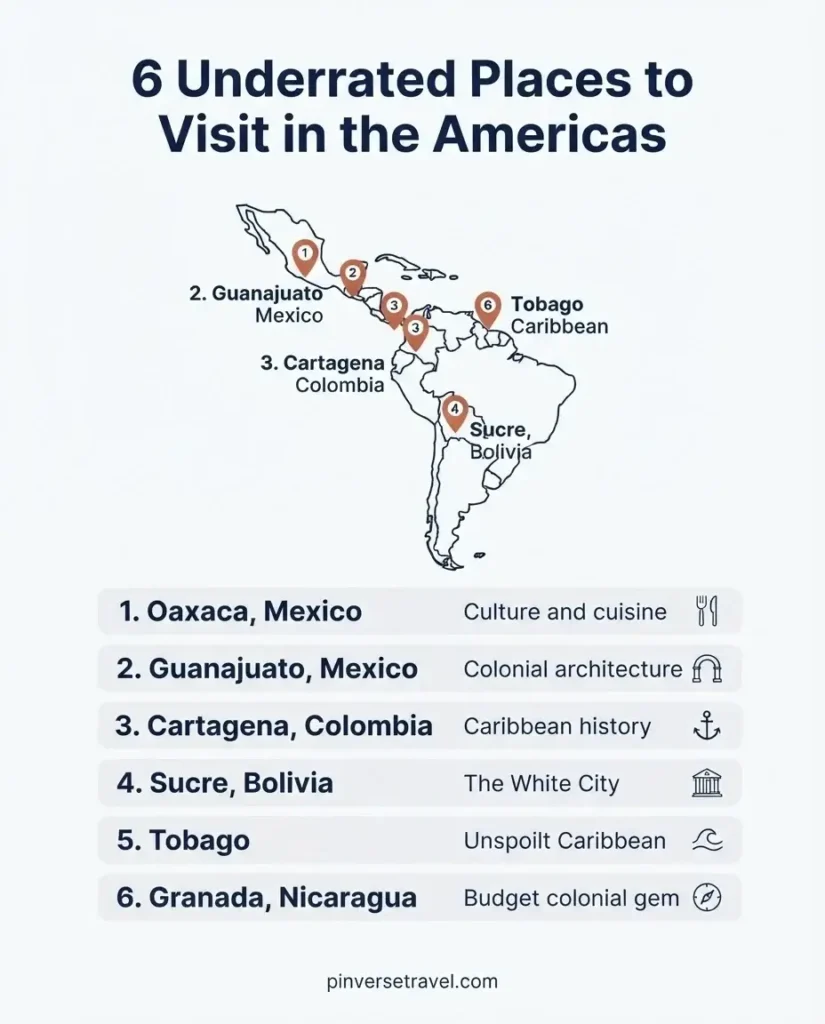
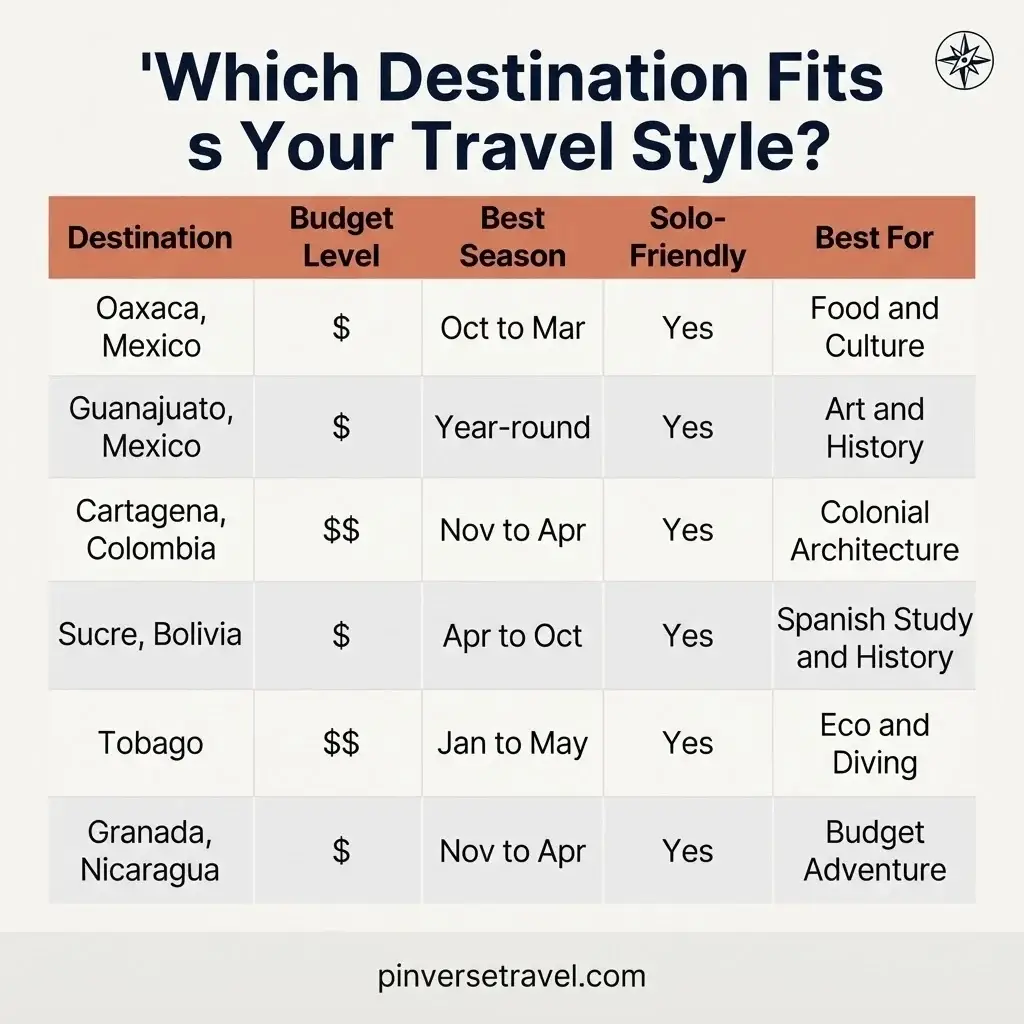
Oaxaca, Mexico: The Culinary and Cultural Capital Nobody Warned You About
If you have been to Mexico City, Puerto Vallarta, or the Yucatan Peninsula, I completely understand why. But I want to make a case for Oaxaca that I think is difficult to argue with once you know the facts.
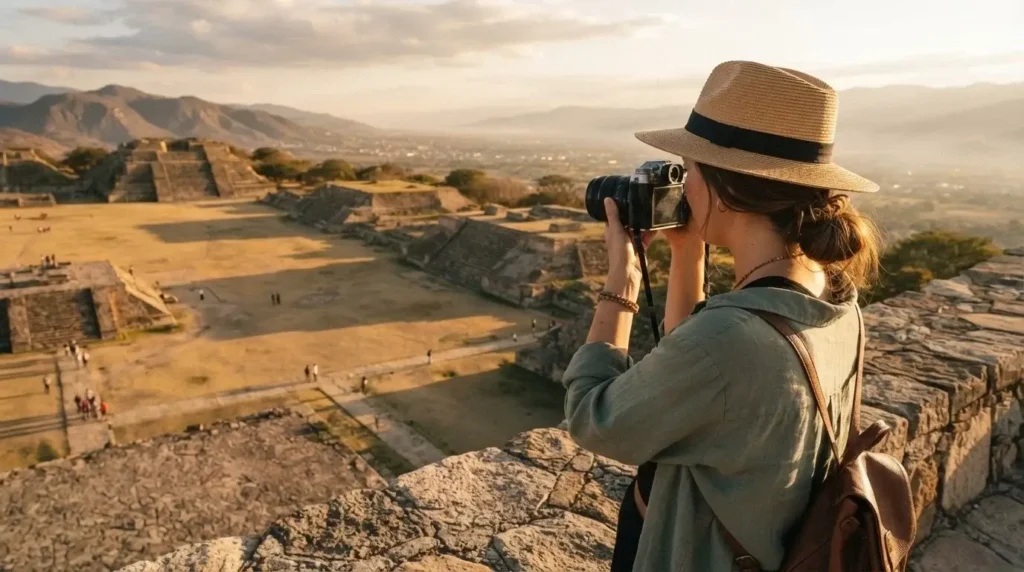
Oaxaca de Juarez, the capital of the southern state of Oaxaca, sits in a high-altitude valley about 5,100 feet above sea level. Its weather is extraordinary for it: warm, dry, and almost always between 60 and 77 degrees Fahrenheit. The colonial architecture is so well preserved and culturally significant that the city’s historic center, alongside the nearby pre-Columbian archaeological site of Monte Alban, holds dual UNESCO World Heritage status, a designation earned in 1987 recognizing over 1,200 listed historic monuments in the city alone. Monte Alban, which sits on an artificially leveled mountain above the valley, was inhabited for over 1,500 years by successive civilizations including the Olmecs, Zapotecs, and Mixtecs. Visiting it is a genuinely humbling experience, and from what solo travelers consistently report, it rarely feels overcrowded the way Chichen Itza or Teotihuacan do.
But I want to spend more time on the food, because Oaxaca’s culinary scene is one of the most important and distinctive in all of Mexico, which is already one of the world’s great food cultures. The state has seven distinct varieties of mole, each reflecting different indigenous ingredients and traditions. You should try mole negro (deep, complex, made with chilhuacle negro chiles and chocolate), tlayudas (a large, crispy tortilla base topped with beans, quesillo cheese, and various meats or vegetables), and tasajo, a thin air-dried beef that is grilled and intensely savory. Chapulines, seasoned grasshoppers, are sold in market stalls and are genuinely good if you let yourself try them without overthinking it. The Mercado Benito Juarez and the surrounding Mercado 20 de Noviembre are where you should eat. Arrive hungry, walk slowly, and follow your nose.
For solo travelers, Oaxaca is one of the friendliest cities in Mexico to navigate alone. It is very walkable, taxis and ride-shares are affordable, and the city has a well-established community of long-term international visitors, artists, and language students who make the social scene warm and accessible. U.S. citizens do not need a visa for Mexico for stays up to 180 days, so logistics are refreshingly simple.
The best time to visit is between October and March when the dry season is in full effect, but if you can plan around it, arriving in late October for Dia de los Muertos in Oaxaca is a life-changing cultural experience that bears almost no resemblance to the Halloweenified version most people know from pop culture.
Cartagena, Colombia: History, Heat, and the Caribbean You Have Not Yet Seen
Cartagena has started to appear on more travel lists in recent years, and yet when I talk to travelers planning a South America trip, most of them still skip it entirely in favor of Bogota, Medellin, or the coffee region. That is a genuine mistake, because Cartagena is one of the most beautiful and layered cities in the Western Hemisphere.
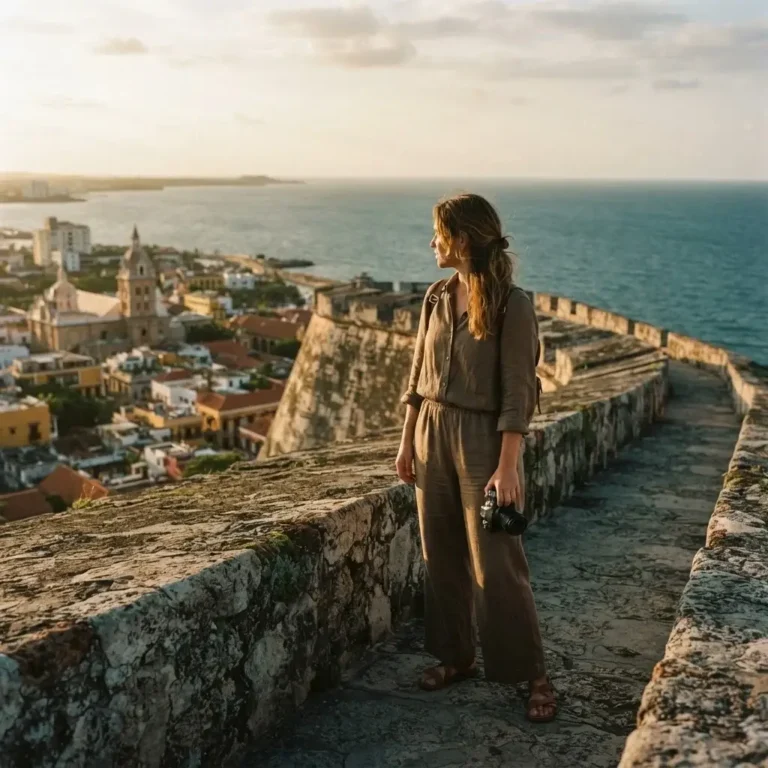
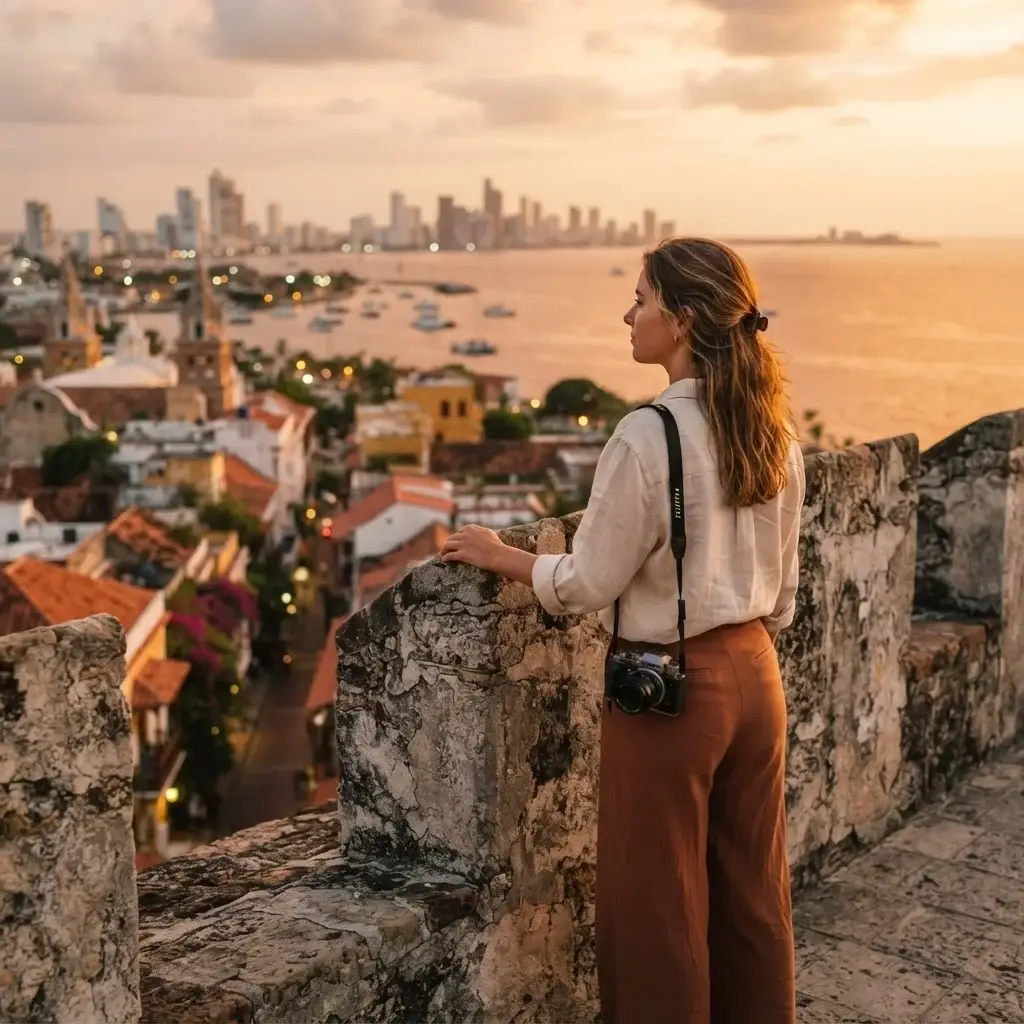
According to Colombia’s official national tourism page for Cartagena, the city’s historic walled center was declared a UNESCO World Heritage Site in 1984. Walking inside the walls feels like stepping into a living piece of the colonial Caribbean. The walls themselves, Las Murallas, were built by the Spanish over decades to defend the city against pirate attacks, and they are still intact enough to walk along at sunset with a cup of fresh fruit in your hand, watching the sky turn pink over the bay.
The Getsemani neighborhood is where I would focus your first days. It used to be considered Cartagena’s rough quarter, but it has transformed into a vibrant, affordable, creative district full of murals, open-air bars, and local restaurants where you eat the real food of Cartagena: arepas de huevo, fresh ceviche, coconut rice with fried fish, and patacon, a fried plantain base topped with various fillings that is one of the most satisfying things you will eat anywhere on the continent.
Solo travel in Cartagena is very manageable. The walled city and Getsemani are both compact enough to navigate on foot. Getting there is easy, with direct flights from New York, Miami, Atlanta, and Fort Lauderdale on American, JetBlue, and Delta. U.S. citizens do not need a visa for Colombia for tourist stays up to 90 days. Temperature holds steady between 73 and 86 degrees Fahrenheit year round, making it viable in any season. The dry season between November and April is widely considered the best time to visit, with clearer skies and calmer seas for reaching the nearby islands. It is worth reviewing the U.S. State Department’s Colombia travel advisory before your trip and staying aware of your surroundings in areas outside the main tourist zones, which is sensible advice for any city in the world.
From Cartagena you can also island-hop to Isla del Rosario and Playa Blanca on Baru Island, stretches of Caribbean white sand that are nowhere near as commercialized as the famous beach resorts in the region. Day boats leave from the city each morning.
Guanajuato, Mexico: The Most Theatrical City You Have Probably Never Visited
Most people who visit Mexico’s interior head to San Miguel de Allende. It is stunning and deserves every word written about it. But Guanajuato, about an hour away by bus, is a city that does something to you that is genuinely hard to describe before you arrive.
Built in a narrow winding valley in the mountains of central Mexico at over 6,800 feet of elevation, Guanajuato grew around silver mines that made it the world’s largest silver-extraction center during the 18th century. The wealth from those mines funded an extraordinary collection of Baroque churches, mansions, plazas, and theaters that the city has kept remarkably intact. In 1988 it was designated a UNESCO World Heritage Site for its Historic Town and Adjacent Mines, and UNESCO specifically cited the churches of La Compania and La Valenciana as masterpieces of the Mexican Churrigueresque Baroque style.
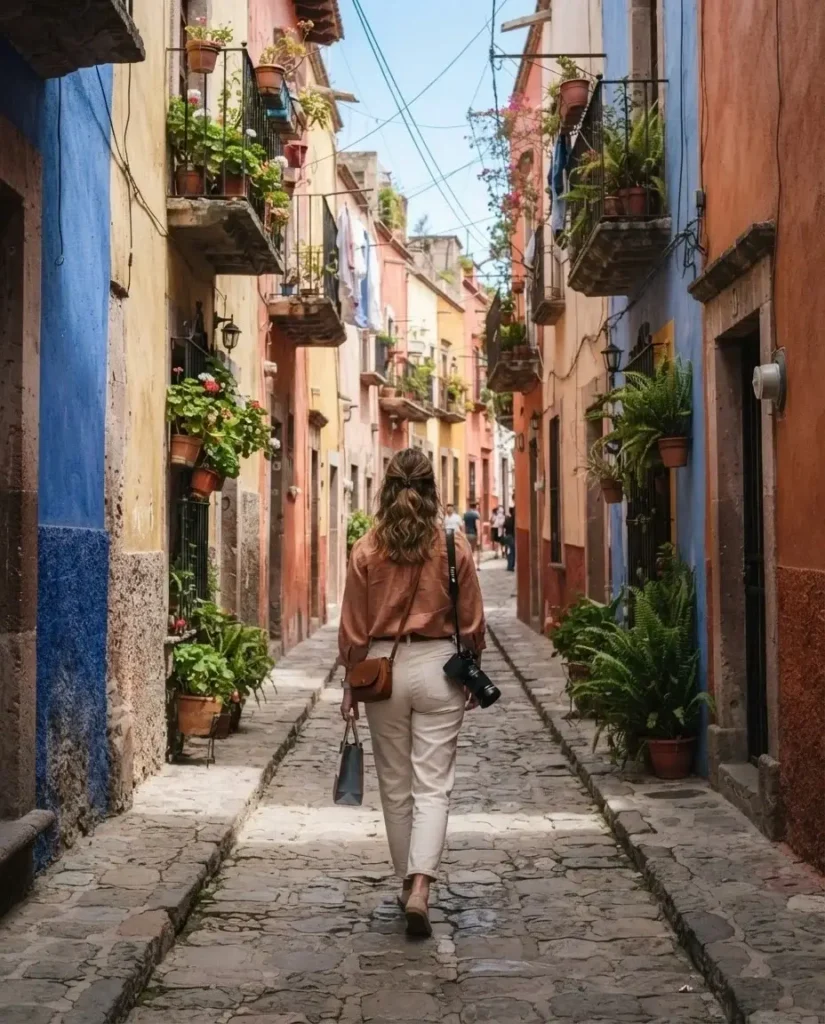
What makes the city unusual beyond its architecture is its layout. Because the valley is so narrow, the city grew up, down, and sideways along the hillsides. There are underground streets, callejones (narrow alleyways) that wind between buildings so tightly that neighbors can almost shake hands across them from their windows, and funicular-style viewpoints from which the city looks like a cascade of colored houses spilling down the hillside. You get genuinely lost here, and that is entirely the point.
Food in Guanajuato reflects its mining-town and colonial heritage. Look for enchiladas mineras (the local version, topped with fresh cheese and sliced carrots and potatoes), gorditas, and tuna candy, an unusual sweet made from the fruit of the prickly pear cactus that the region grows extensively. The Mercado Hidalgo, housed inside a stunning iron-and-glass building that looks more like a European train station than a market, is a great place to eat affordably and well.
Solo travelers do well here. The student population from the University of Guanajuato keeps the city lively and sociable, English is widely spoken in the center, and the city is genuinely safe to walk at night.
If you plan to visit in October, try to time it around the Festival Internacional Cervantino, one of Latin America’s most important performing arts festivals, which fills the city’s plazas and theaters with theater, music, and dance for two weeks every year.
Sucre, Bolivia: The White City That Resets Your Sense of Scale
Bolivia as a whole is one of the most underrated travel destinations in all of South America, and I think a large part of that is because most travelers who go to Bolivia go for the Uyuni Salt Flats and sometimes La Paz, then leave. Sucre, the country’s constitutional capital, gets passed over in a way that genuinely puzzles the travelers who do end up there, because once they arrive they almost uniformly say it was their favorite place in the country.
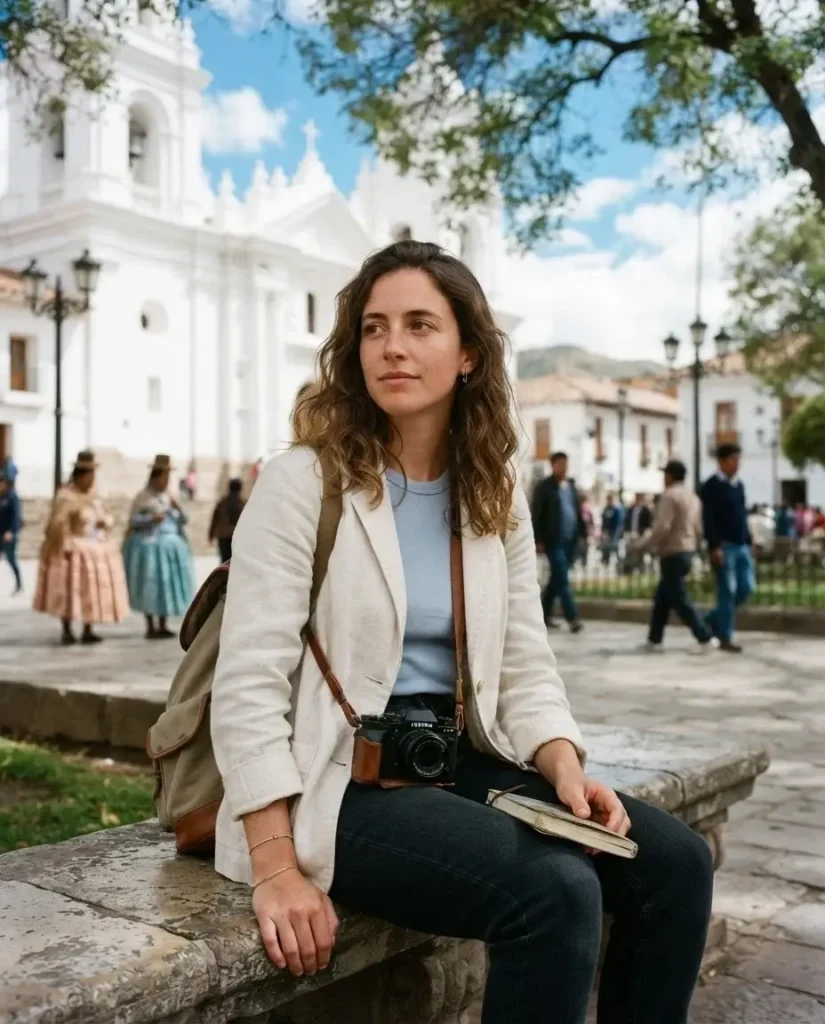
The city earns its nickname, “The White City,” honestly. By law, buildings in the historic center must maintain their white facades, and the visual effect of colonial architecture in gleaming white spread across a valley surrounded by green hills is striking in a way photographs only partially capture. The historic center was inscribed as a UNESCO World Heritage Site in 1991 for its exceptional preservation of colonial architecture spanning styles from the Renaissance through the Baroque, Gothic, and Neoclassical periods, all blended with local Bolivian indigenous craftsmanship.
The Casa de la Libertad, on the main plaza, is where Bolivia’s Declaration of Independence was signed in 1825, and it functions today as a museum. The Metropolitan Cathedral, which took nearly 250 years to complete, anchors the central plaza with a scale and presence that reflects just how important this city was to Spanish colonial America.
From what solo travelers consistently report, Sucre is one of the safest and most welcoming cities for independent travel in Bolivia. It has a significant expat community, a large number of language schools (many travelers come specifically to study Spanish here), and a café and restaurant scene that punches well above what you might expect from a Bolivian city of its size.
Daily costs run around $25-35 for budget-conscious travelers, making it extremely affordable by any standard.
The food in Sucre reflects the Bolivian highlands: hearty, warming, and centered around potatoes (Bolivia has thousands of native varieties), corn, quinoa, and slow-cooked meats. Salteñas, Bolivia’s version of a filled pastry bun with a slightly sweet and spiced filling, are the quintessential Sucre breakfast snack, eaten in the street in the morning and not typically available in the afternoon. Api, a warm purple corn drink spiced with cinnamon and cloves, is what you order when it gets cold, and it will.
Tobago: The Caribbean Island That Feels Like the Caribbean Used to Be
The Caribbean is not underrated as a region, but Tobago absolutely is as an individual destination. Most travelers booking a Caribbean holiday choose Jamaica, Barbados, the Dominican Republic, or Turks and Caicos. Tobago, the smaller of the two islands that make up the twin-island nation of Trinidad and Tobago, is a genuinely different Caribbean experience, and it stands apart from the all-inclusive resort model that has defined tourism across much of the region.
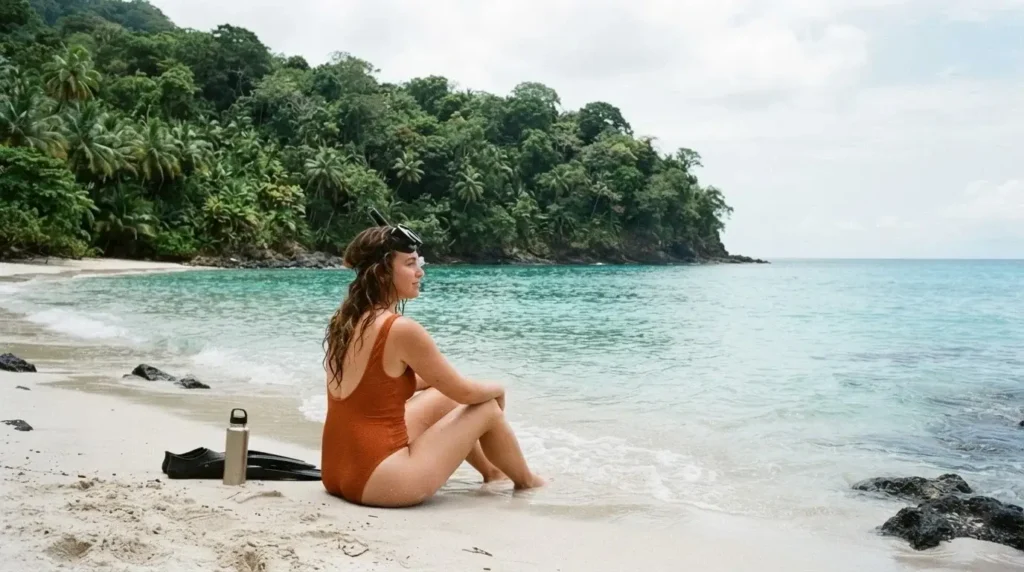
According to the Tobago Tourism Agency’s official site, the island markets itself around eco-adventure, culture, and what it calls the “unspoilt, untouched, undiscovered” Caribbean experience, and that framing is largely accurate. Tobago has 29 beaches and is home to the oldest protected rainforest in the Western Hemisphere, the Main Ridge Forest Reserve, which has been protected since 1776. The coral reefs around the island are exceptional, and it is considered one of the best destinations in the Caribbean for diving and snorkeling. Speyside, on the northeast coast, has drift dives with manta rays and incredibly clear water.
From what solo travelers and eco-travelers consistently report, Tobago rewards the slow traveler. Rent a car for a few days and drive the coast road at your own pace. Stop at Pigeon Point Beach, but also find your way to Englishman’s Bay or Castara Bay, smaller coves that see a fraction of the visitors. The food culture is built around freshly caught seafood, roti (a Trinidad and Tobago staple you will become mildly obsessed with), doubles (a street food made from fried bara bread filled with curried chickpeas and various chutneys, which is arguably one of the best things to eat in the entire Caribbean), and curry dishes reflecting the island’s rich Indian and African heritage.
U.S. citizens do not need a visa for Trinidad and Tobago for stays up to 90 days. The island is reached via Tobago’s ANR Robinson International Airport, with connections from Miami, New York, and major Caribbean hubs. The dry season runs from January through May, making those months ideal for beach and diving travel.
Granada, Nicaragua: Colonial Beauty at a Fraction of the Cost
Granada is consistently described by travelers who visit Nicaragua as one of the most beautiful colonial cities in Central America, and yet it receives a fraction of the visitor numbers of comparable cities in Mexico or Colombia. Part of that is perception around Nicaragua’s safety, and it is fair to address that directly.
Nicaragua experienced significant political unrest in 2018 and the years following, and that reality depressed tourism for several years. The situation for travelers in cities like Granada and the surrounding attractions has stabilized, but I will always encourage readers to review current advisories before booking any trip. The U.S. State Department’s Nicaragua travel advisory is the most current and authoritative source for understanding the current situation on the ground.
For those who do go, Granada rewards the effort. The city sits on the western shore of Lake Nicaragua, the largest lake in Central America, and is filled with brightly painted colonial buildings, cobblestone streets, and horse-drawn carriages that are still used for local transport. You can rent a kayak and paddle among the Isletas de Granada, a cluster of over 300 small islands formed when the Mombacho Volcano erupted thousands of years ago. A number of the larger islands have small restaurants and private residences built on them, and the experience of weaving between them by water is genuinely lovely.
The food is simple but satisfying: gallo pinto (the national rice and bean dish, eaten at almost every meal and somehow better here than anywhere else it appears), vigoron (a plantain leaf plate of chicharrones, yuca, and cabbage salad sold at street stalls around the central park), and fresh fruit everywhere. Cost of travel in Nicaragua is extremely low by any standard, with hostel beds running $8-15 per night and full meals available for $3-5 at local comedors.
For solo travelers, the city is compact, very walkable, and has an established backpacker infrastructure. The social atmosphere at hostels is lively, and organized boat tours to the Isletas and day trips to nearby Laguna de Apoyo, a crater lake with warm, clear water, are easily arranged.
A Note Before You Book Any of These
There is a question worth sitting with before you pull up a flight search. Why do you want to go to an underrated destination rather than a famous one? If the honest answer is “to say I went somewhere nobody else has been,” that is a fine starting impulse but probably not enough to sustain the extra planning and flexibility these places sometimes require.
If the answer is closer to “I want to be in a place where I am a traveler and not just a consumer of a pre-packaged experience,” then these six destinations are all going to deliver exactly that. The cultural richness is real. The food is extraordinary. The history in some of these places is so layered and significant that you could spend a week in any one of them and still feel like you have barely touched the surface.
That gap between “I want to go” and “I actually booked it” is where most travel dreams die, not because the trip is too hard or too expensive or too risky, but because the perfect moment keeps refusing to arrive on schedule. These places are ready for you now. The only question is whether you are ready to go.