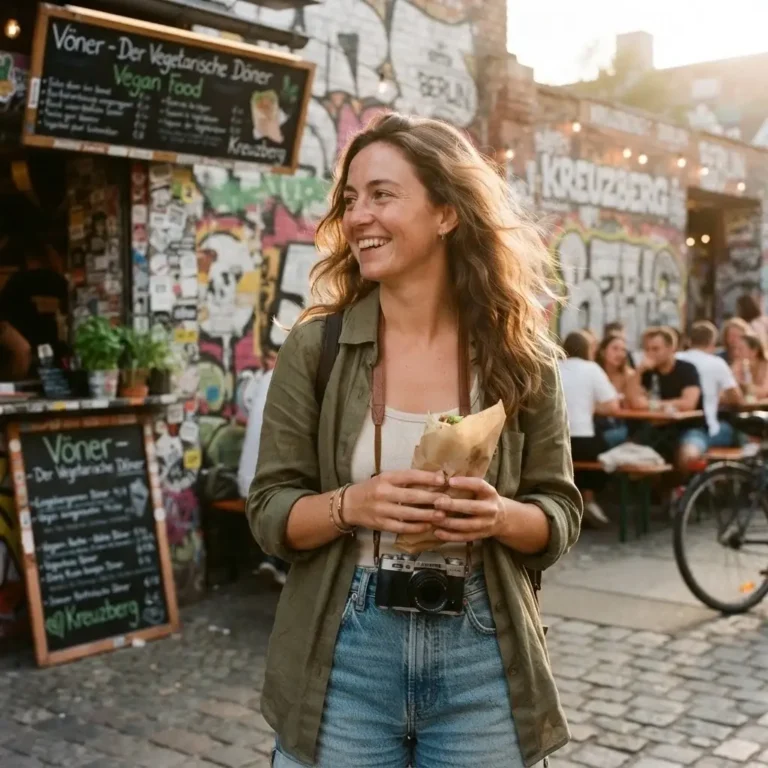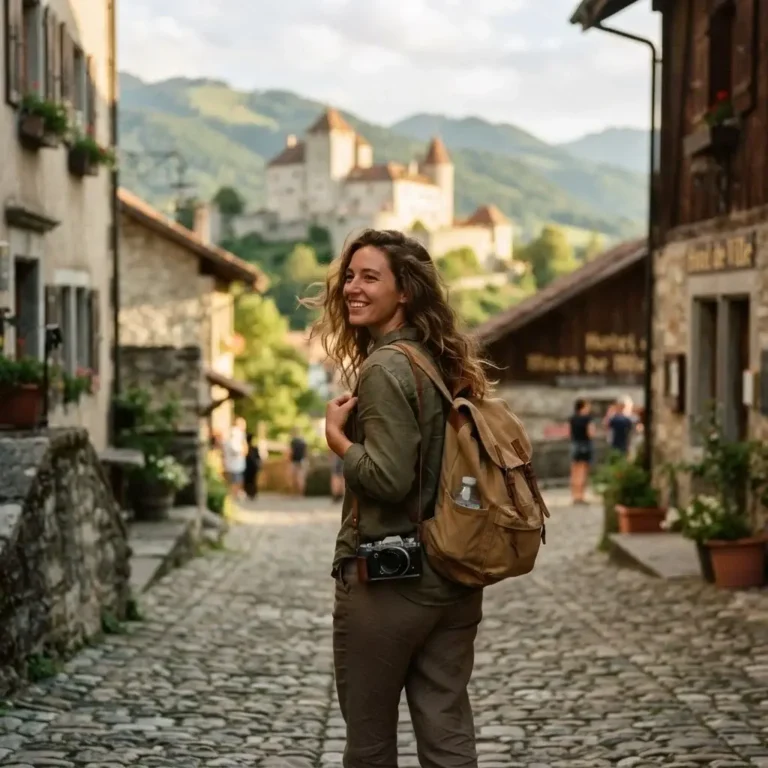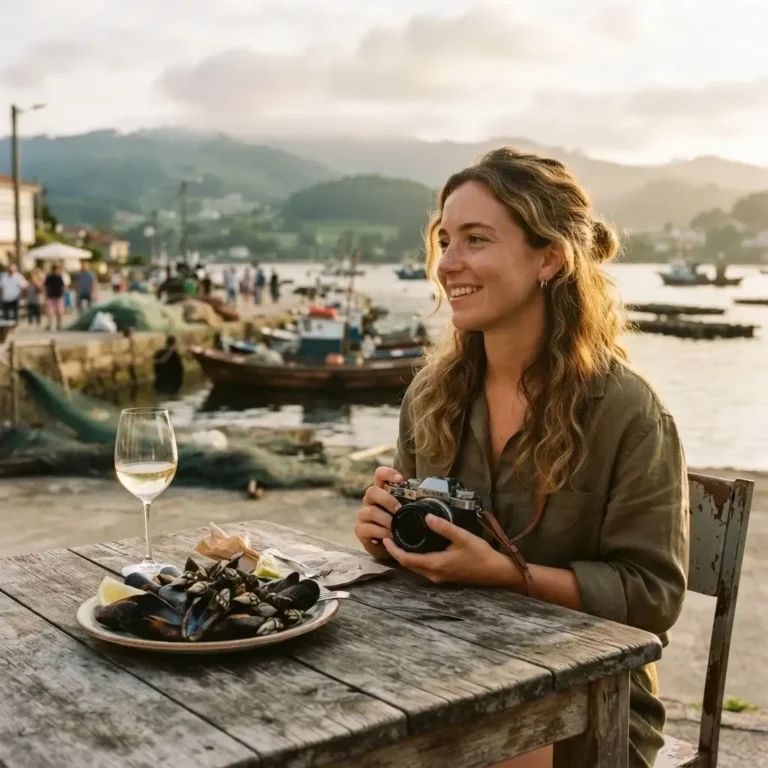
Let me tell you the meal I still think about years later. It wasn’t in Paris or Rome. It was a plate of something simple, handed to me by someone who had made it a thousand times, in a place I’d never heard of before I got there. That’s the thing about food travel. The moments that stick are almost never the famous ones.
When I was backpacking solo across Europe, working odd jobs to stretch every euro, I learned fast that the best food was rarely where the guidebooks pointed. It was down a side street, at a market stall, at a counter where nobody spoke English and nobody needed to. That lesson shaped how I travel now. So if you’re the kind of person who’s already daydreaming about your next trip and quietly wondering where the real food is, this guide is for you.
I’ve pulled together the food destinations across Europe that punch far above their reputation. Some I’ve walked myself. For the ones I haven’t, I’ve done the homework and I’ll tell you plainly what to expect, because I’m not going to pretend I’ve eaten somewhere I haven’t. What ties them all together is this: incredible food, fewer crowds, and the kind of experience that makes you feel like you found something.
What “Underrated” Actually Means for Food Travel
Before we dive in, let’s be clear about what we’re chasing. Underrated doesn’t mean obscure for the sake of it. It means a place where the food culture is genuinely world-class but the crowds, and often the prices, haven’t caught up yet.
That gap is where the magic lives. It’s the difference between waiting an hour for an overpriced pasta near a famous fountain and sitting elbow to elbow with locals at a market counter, paying a fraction of the price for something twice as good. Underrated also usually means a little more effort. You might need to learn how to order, show up at the right time, or carry cash. I’ll walk you through all of that. None of it is hard once you know the rules.
Here’s my honest promise: every place below rewards curiosity. You don’t need to be a foodie with a fancy palate. You just need to be willing to sit down, point at something, and say yes.
Lyon, France: The Food Capital Everyone Skips for Paris
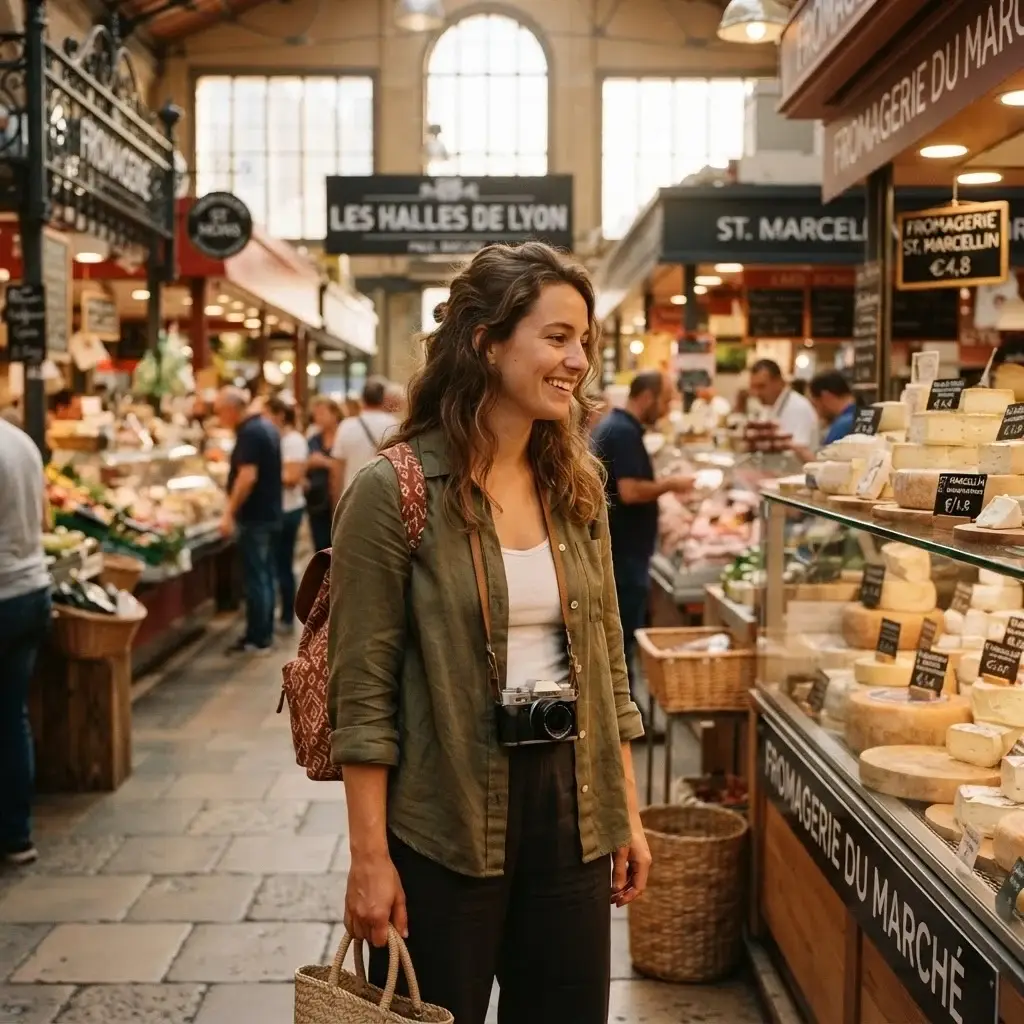
If you only make room for one place on this list, I’d gently nudge you toward Lyon. It’s France’s true culinary heart, and yet most travelers blow right past it on the train to Paris or the Riviera.
Lyon takes food so seriously that its food traditions are woven into something UNESCO officially recognizes. The “gastronomic meal of the French” is on the UNESCO list of intangible cultural heritage, and you can read the actual listing and what it protects on the UNESCO heritage page. This isn’t marketing fluff. It’s a city that treats a shared meal as an art form.
The place to start is a bouchon, Lyon’s traditional small restaurant. These serve rich, unfussy Lyonnais cooking: quenelles (light dumplings in a creamy sauce), sausages, and hearty pork dishes. Portions are generous and the mood is warm, which honestly makes bouchons some of the most comfortable places I can think of to eat alone. Nobody blinks at a solo diner tucked into a corner with a carafe of local wine.
Where to Eat and How to Navigate It
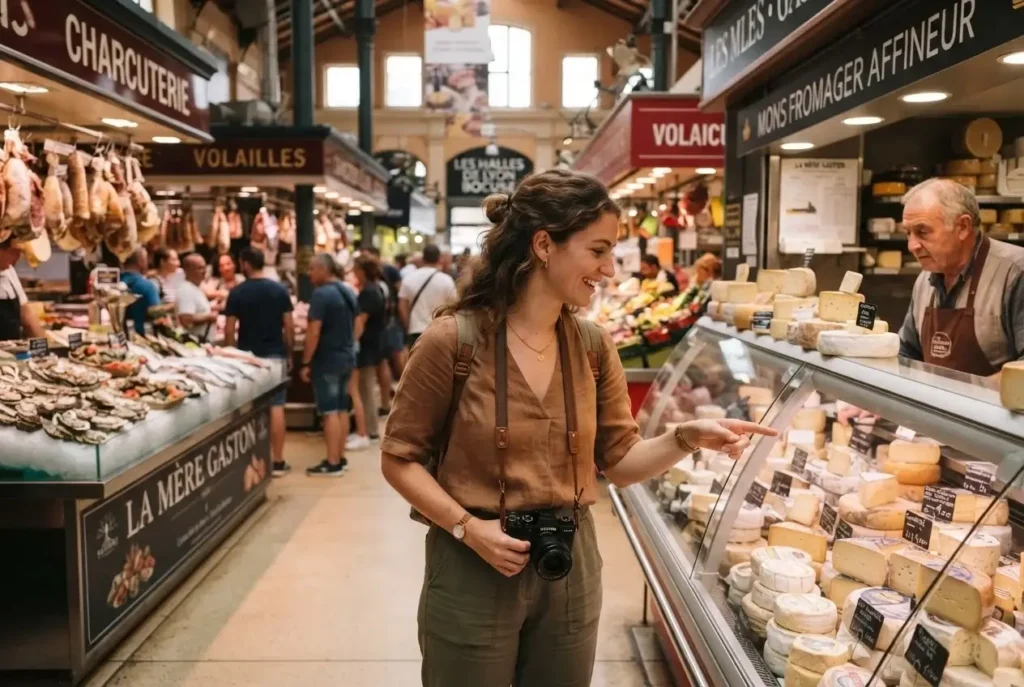
Your must-visit is Les Halles de Lyon Paul Bocuse, an indoor food market running since 1859 with dozens of vendors under one roof. It’s the perfect solo lunch: graze on a seafood platter, buy cheese, taste as you go. The official tourism board has the practical details and hours on its Les Halles de Lyon Paul Bocuse page. Go hungry and go around midday when the stalls are liveliest.
If you want the bigger picture of why this city obsesses over food, the International City of Gastronomy inside the restored Grand Hôtel-Dieu is worth an hour. It’s part museum, part celebration of everyday eating, and it frames everything else you’ll taste in the city.
First-timer tip: Lyon is compact and walkable. Base yourself near Vieux Lyon or Presqu’île and you can reach most bouchons and the market on foot. Reserve a bouchon table for dinner, as the good small ones fill up.
Puglia, Italy: Southern Italy’s Overlooked Kitchen
Everyone crowds into Tuscany and the Amalfi Coast. Meanwhile, down in the heel of Italy’s boot, Puglia quietly produces some of the best, most affordable food in the whole country. From what travelers consistently report, this is where you go when you want Italy without the lines.
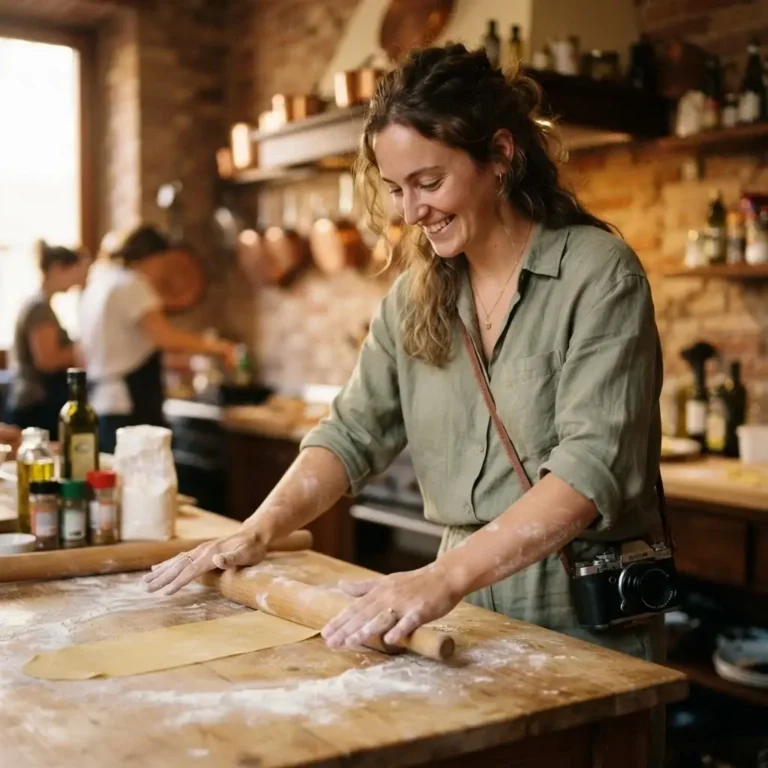
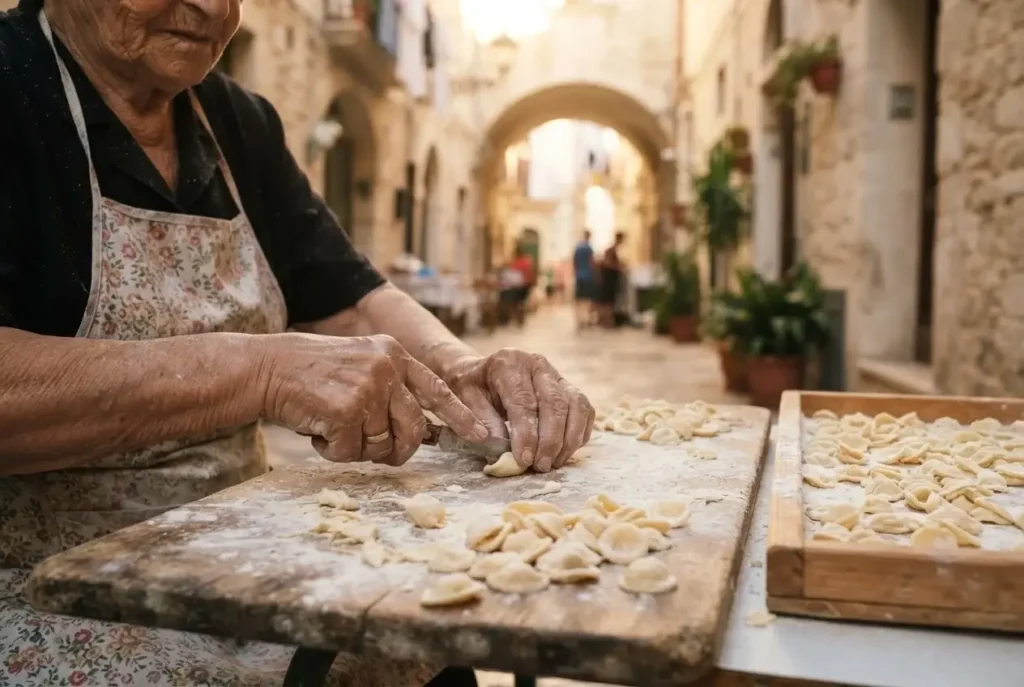
The star here is pasta, specifically orecchiette, the little “ear-shaped” pieces you’ll actually see older women shaping by hand in the old town of Bari. The classic dish is orecchiette con cime di rapa, pasta with bitter turnip greens, garlic, and chili. Then there’s spaghetti all’assassina, a fiery crisped-up “assassin’s spaghetti” that Bari is famous for, plus focaccia barese thick with tomatoes, and panzerotti, little fried pockets of dough and cheese that make the perfect walking snack.
And the burrata. Puglia is its home. Creamy, fresh, and often a fraction of what you’d pay abroad.
Eating Your Way Through Puglia
Bari makes a great base and its old town, Bari Vecchia, is where the food culture is most alive. Rent a car if you can, because Puglia is a road-trip region and the small towns like Lecce, Ostuni, and Polignano a Mare each have their own specialties. If you’re carless and solo, trains and buses connect the main towns, though they run less often than in the north, so check schedules the night before.
Budget note: Puglia is one of the better-value regions in Western Europe for food. A plate of fresh handmade pasta or a couple of panzerotti with a drink often costs a few euros. Carry some cash, as smaller spots and markets don’t always take cards.
Ljubljana, Slovenia: A Tiny Capital With a Big Appetite
Slovenia sits quietly between Italy, Austria, Croatia, and Hungary, and its food borrows a little from each while staying entirely its own. Ljubljana, the small and walkable capital, is one of my favorite recommendations for a first solo food trip because it’s calm, safe, and easy to navigate on foot.
The heart of it all is the Central Market. The single best thing you can do here is time your visit for a Friday between spring and autumn, when the market square transforms into Open Kitchen (Odprta Kuhna), an open-air food event with dozens of stalls cooking everything from Slovenian classics to global street food. The official tourism site keeps the current details and season dates on its Ljubljana food and drink page, and it’s the resource I’d trust for timing your trip around it.
For solo travelers, Open Kitchen is a gift. You wander, you point, you eat standing up among locals, and there’s zero pressure of a formal table for one. Try the local sausages, štruklji (rolled dumplings), and whatever seasonal produce the farmers are proud of that week.
Getting there and around: Ljubljana’s old town is tiny and pedestrian-friendly, so you won’t need transport once you arrive. It pairs beautifully with a few days in Italy or Croatia if you want to string a trip together.
San Sebastián and the Basque Country, Spain
I’ll be honest, San Sebastián is no secret among serious food lovers, so it’s the least “underrated” on this list. But it earns its place because most casual travelers still overlook the Basque Country entirely in favor of Barcelona and Madrid, and because how you eat here is a genuine skill worth learning.
The Basque version of tapas is called pintxos, small bites often skewered onto bread and lined up along the bar. The local way to eat is a txikiteo, a crawl where you have one or two pintxos and a small drink at each bar, then move on. This is, hands down, one of the most solo-friendly ways to eat anywhere in Europe. You stand at the bar, you grab what looks good, you chat or you don’t, and then you drift to the next place.
How to Order Without Feeling Lost
Here’s the rule that trips people up: at busy pintxos bars, you often don’t wait to be served the cold ones. You take a plate, help yourself to what’s on the counter, and pay on your way out on an honor system. For the hot pintxos, order them fresh from the kitchen list. Watch the locals for a minute before diving in. Nobody expects you to know, and honestly, fumbling through it is part of the fun. Wash it down with txakoli, the slightly fizzy local white wine they pour from a height.
First-timer tip: Start earlier in the evening, around 7 or 8, before the biggest crush. Bilbao nearby offers similar food at even better value if San Sebastián stretches your budget.
Porto, Portugal: More Than Just Port Wine
Lisbon gets the spotlight, but Porto quietly serves some of the most satisfying, affordable food in Western Europe. This is comfort-food country, and it does not hold back.
The signature dish is the francesinha, a genuinely enormous sandwich layered with cured meats, sausage, and steak, blanketed in melted cheese and drowned in a spiced beer-and-tomato sauce, often with a fried egg on top. It’s not delicate. It’s not trying to be. It’s the kind of thing you eat once and remember, ideally shared or eaten when very hungry. Beyond that, look for bacalhau (salt cod, prepared a hundred ways), grilled sardines in season, and of course pastéis de nata, the warm custard tarts best eaten still slightly warm.
Then there’s the port wine itself, aged in the cellars across the river in Vila Nova de Gaia. Many cellars offer tastings, and a solo tasting flight is a lovely, low-pressure afternoon.
Getting around: Porto is hilly but walkable, and its metro connects the airport to the center cheaply. Carry a light layer, as the riverside gets breezy. Budget-wise, Portugal remains one of the best-value countries in Western Europe for eating well.
Tbilisi, Georgia: The Feast You Didn’t Know You Needed
Now for the one that surprises people most. Georgia, the country at the crossroads of Europe and Asia, has a food culture so rich and so distinct that once you know about it, you can’t believe it isn’t on every list. From what solo travelers consistently report, a first meal in Tbilisi feels like a revelation.
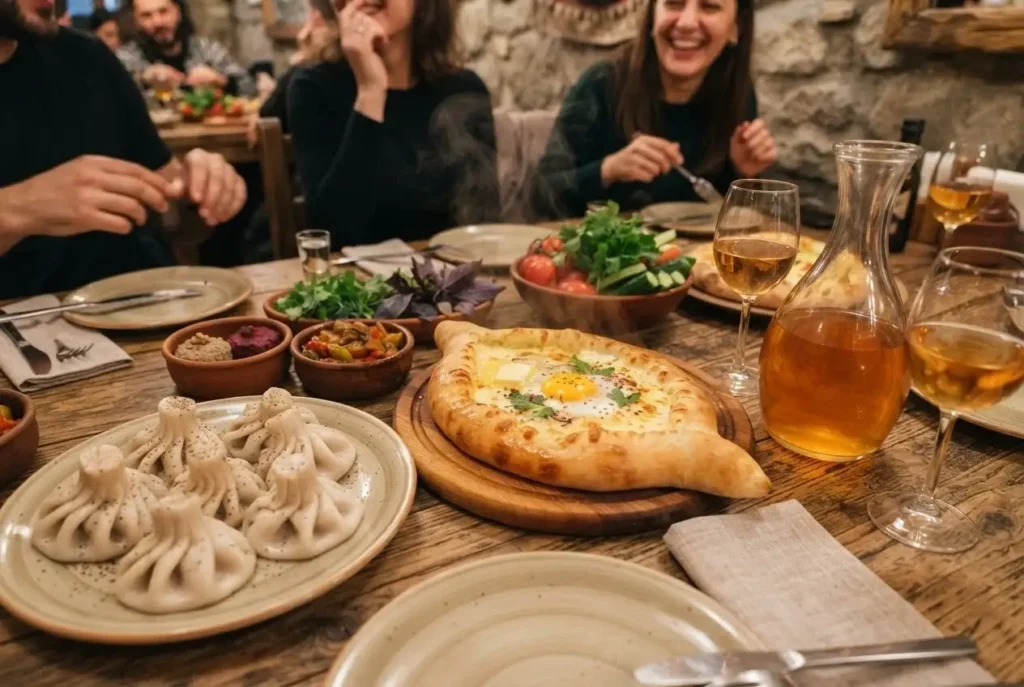
Two dishes define it. Khachapuri is the famous cheese bread, and the Adjarian version arrives shaped like a boat, filled with molten cheese, butter, and a runny egg you stir in yourself. Khinkali are large, twisted soup dumplings you eat by hand, holding the top knot, biting a small hole, and sipping the broth before it spills. Beyond those, Georgian food leans on walnuts, fresh herbs, and bold flavors, and the meals often unfold as a supra, a generous feast with endless small dishes and toasts led by a tamada, or toastmaster.
Georgia is also one of the oldest wine regions on earth, famous for wine fermented in buried clay vessels called qvevri. Trying it at the source is something special.
Practical Things to Know Before You Go
This is the destination on the list where a little planning pays off. Georgia is welcoming to independent travelers and generously visa-light for many nationalities, but entry rules and current advisories change, so I always point people to the official Georgia national tourism site for what the country itself recommends, and to your own government’s guidance. For US travelers, the current entry and safety information lives on the US State Department’s Georgia page, which is the source I’d check before booking.
Budget note: Georgia is remarkably affordable, which makes it one of the best-value food adventures anywhere in this guide. A full, generous meal often costs very little. Carry cash for smaller family-run spots.
Ghent, Belgium: The Surprise Pick for Plant-Based Eaters
Belgium means fries, waffles, chocolate, and beer, and Ghent delivers all of it. But here’s what almost nobody tells you: Ghent brands itself as the “veggie capital of Europe,” with a famously high number of vegetarian and vegan restaurants and a longstanding Thursday Veggie Day tradition. If you eat plant-based, or travel with someone who does, this is a genuine gem.
The city’s own tourism board maintains a running list of veggie-friendly spots on its vegetarian dining page, which takes all the guesswork out of finding a good meat-free meal. And you don’t have to choose sides. You can eat a plate of local stoverij (beef stew) or waterzooi (a creamy Flemish stew) one day and a beautiful vegetarian spread the next.
Ghent is also blissfully underrated compared to Bruges next door. It has the same medieval canals and beauty, but with a younger, livelier, student-city energy and far fewer tour groups.
Getting around: Ghent’s center is compact and made for walking, with trams to fill in the gaps. It’s an easy train ride from Brussels, so you can fold it into a bigger trip without much effort.
How to Choose the Right One for Your Trip
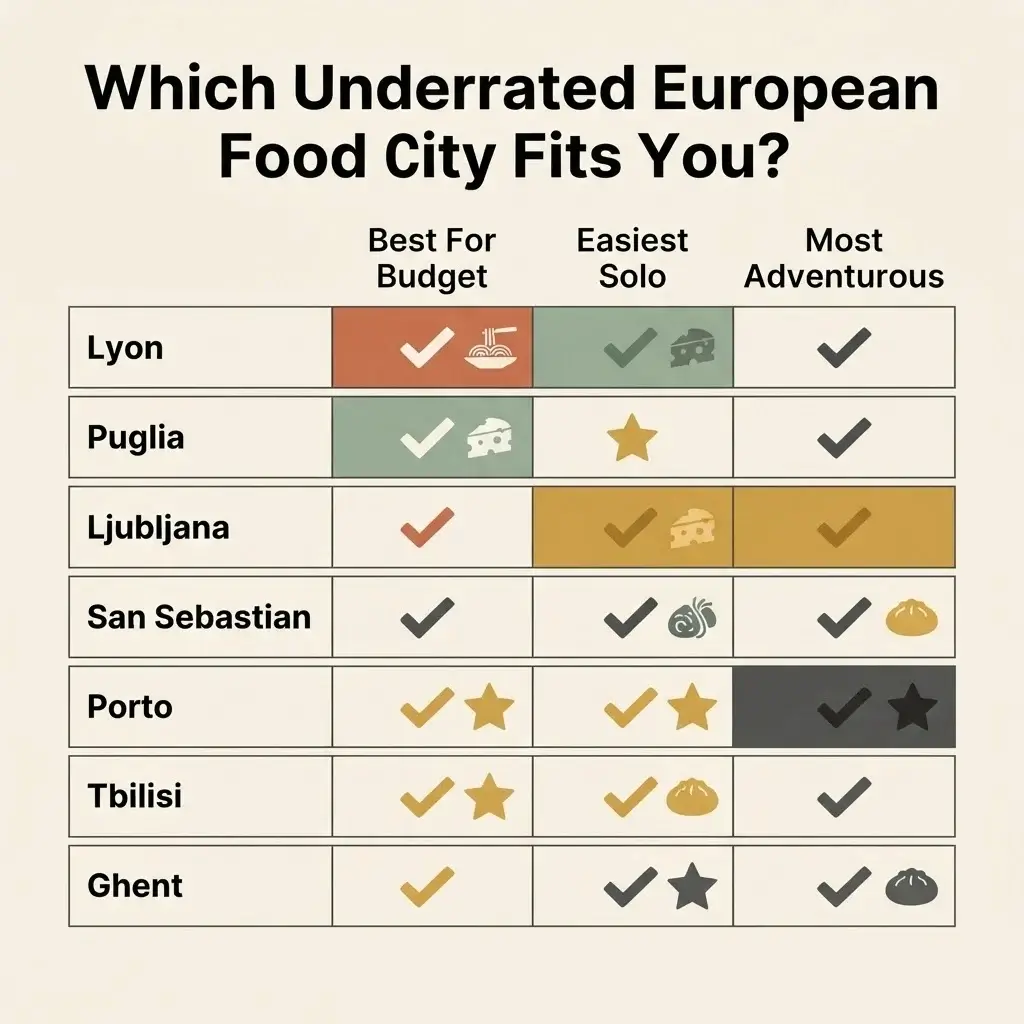
If you’re feeling the pull toward more than one of these, here’s how I’d think about it. For a first solo food trip where you want ease and comfort, I’d point you to Ljubljana or Lyon, both walkable, safe, and gentle to navigate alone. For the best value paired with unforgettable flavor, Puglia, Porto, and Tbilisi are hard to beat. For pure culinary adventure and a story nobody else will have, Tbilisi wins. And if you eat plant-based, Ghent is your answer.
The truth is, you can’t really go wrong. Every one of these places will feed you well and teach you something, and that combination is exactly what makes food travel worth doing.
A Few Rules for Eating Alone Anywhere
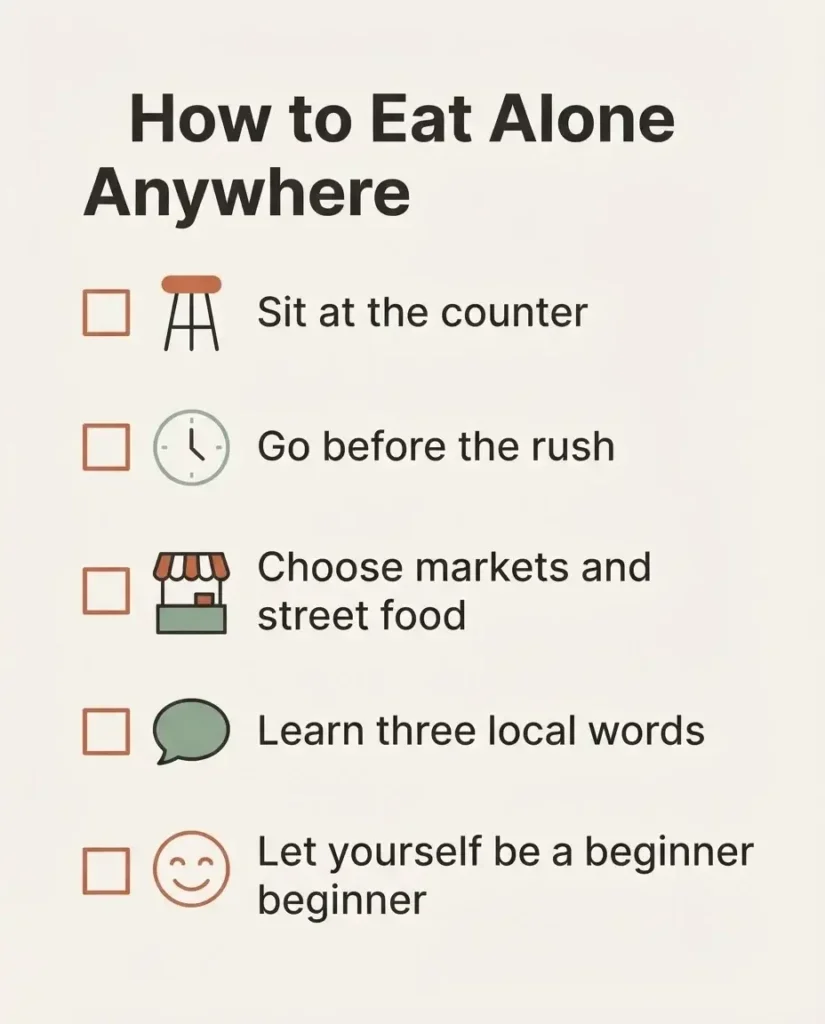
Since so many of you write to me nervous about dining solo, let me leave you with what I’ve learned. Sit at the counter or the bar whenever you can, because that’s where solo diners belong and where conversations happen. Go a little earlier or later than the local rush so you’re not competing for a table. Markets and street-food events are your best friends, since there’s no awkward table-for-one moment at all. Learn just two or three words in the local language, please, thank you, and “this one,” and you’ll be amazed how far it carries you. And let yourself be a beginner. The first time you fumble ordering pintxos or eating a khinkali, you’ll laugh, and you’ll remember it forever.
That’s the part I most want you to hold onto. The mistakes, the pointing, the not-quite-knowing, those become the best parts of the story. So stop waiting for the perfect trip to somewhere everyone’s already been. Pick the place that makes your stomach and your curiosity light up, book the ticket, and go find the meal you’ll be talking about years from now. Your table is waiting.