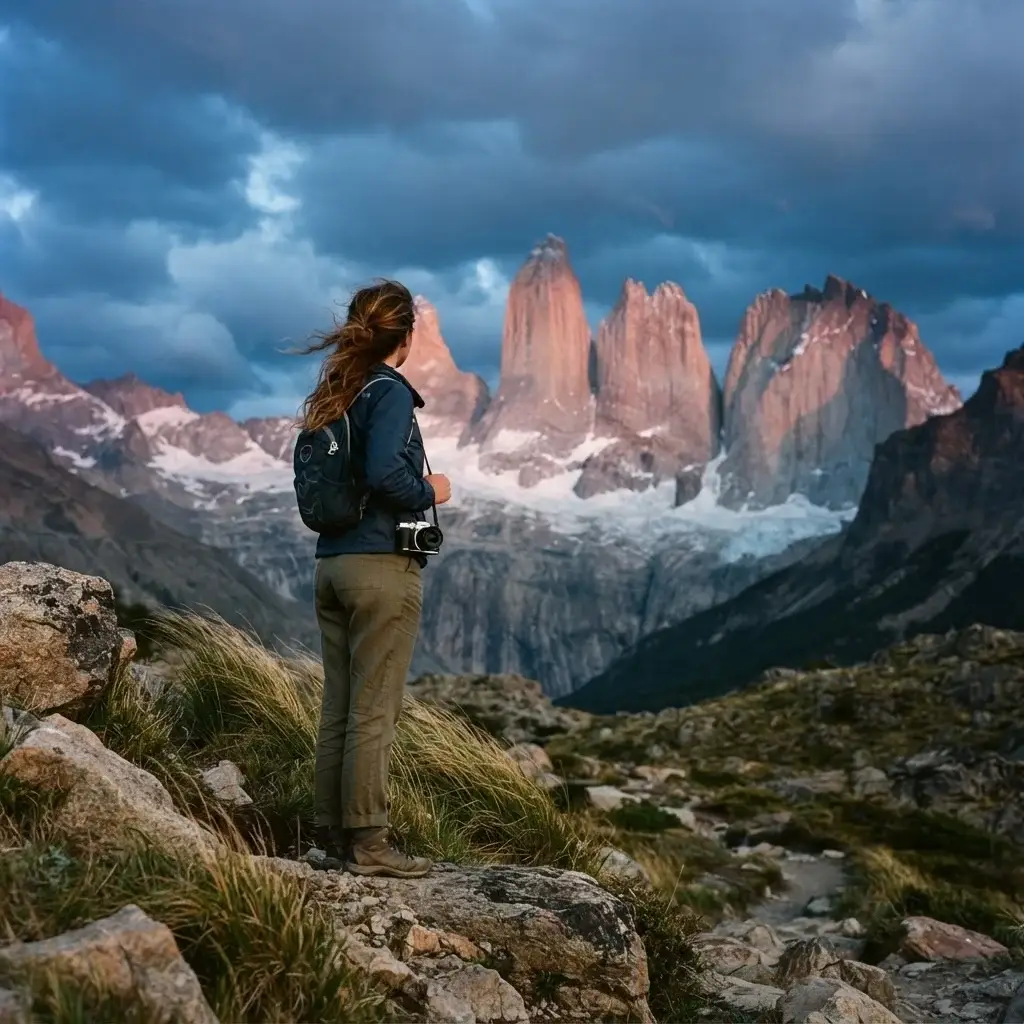
I remember exactly what it felt like to stare at a map of South America for the first time and think, “That is a lot of continent.” Back when I was planning my solo backpacking trip through Europe, the fear was real but the geography felt manageable. South America felt different. Bigger. Wilder. Further from anything I knew. And honestly, that’s exactly why it kept pulling at me.
Here’s what I’ve come to believe after years of traveling and talking to hundreds of solo adventurers: South America is not as hard as it looks from the outside. Yes, it’s vast. Yes, it requires planning. But it is also one of the most rewarding, life-changing, genuinely transformative places on earth, and it is more accessible to independent travelers than most people realize.
This guide is for the person who knows they want to go, but hasn’t quite figured out where to start. I’m going to walk you through the destinations that consistently deliver for adventure travelers, tell you what the logistics actually look like, give you realistic numbers, and help you understand what each place asks of you physically and emotionally. Because knowing what to expect is exactly what turns a daydream into a plane ticket.
Let’s get into it.
A Quick Note on Size and Strategy:
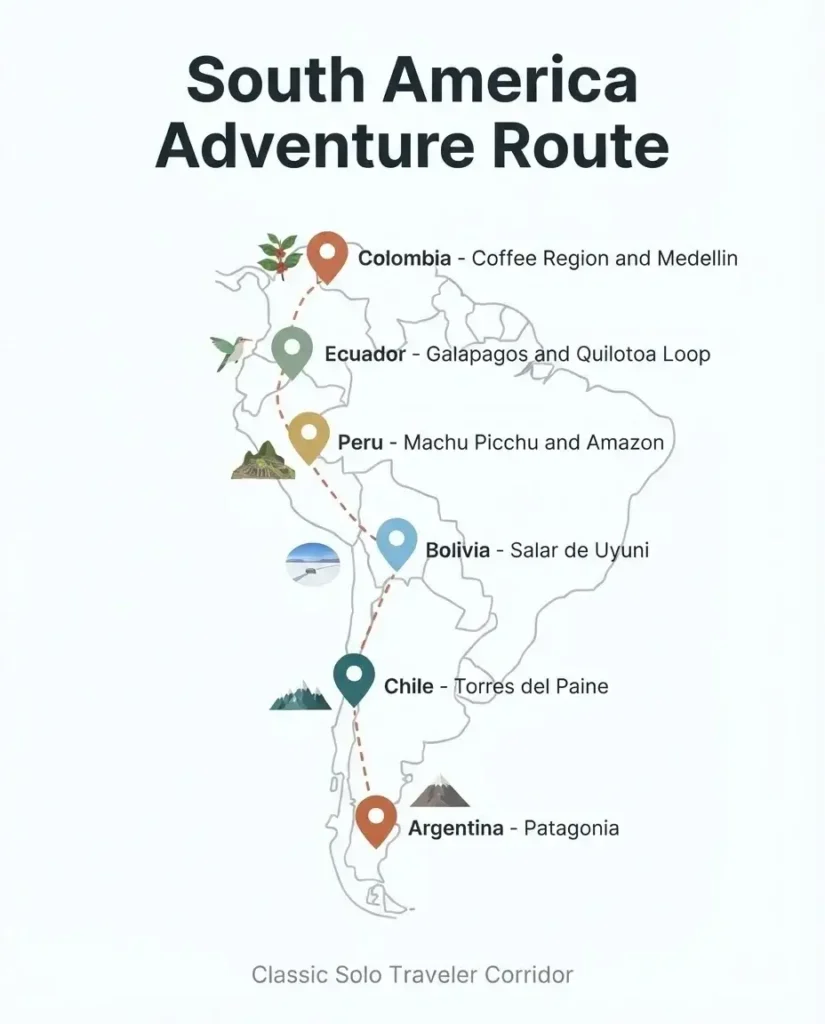
South America is roughly twice the size of Europe. That sounds intimidating, but most adventure travelers stick to a few well-connected hubs and build their trips around them. The classic adventure corridor runs roughly from Colombia in the north down through Ecuador, Peru, and Bolivia, with Patagonia as the dramatic southern finale. You don’t need to see the whole continent in one trip. Pick a region. Go deep. Come back for more.
Most citizens of the US, Canada, UK, and EU do not need a visa to enter Peru, Bolivia, Ecuador, Chile, Argentina, or Colombia for stays under 90 days.
Your passport just needs to be valid for at least six months from your date of entry.
Peru: Ancient Civilizations and High-Altitude Adventure
Peru is where most first-time South America adventurers land, and for good reason. It packs more diversity per square kilometer than almost anywhere on earth: jungle, coast, highlands, ruins, markets, and food that will genuinely stop you in your tracks.
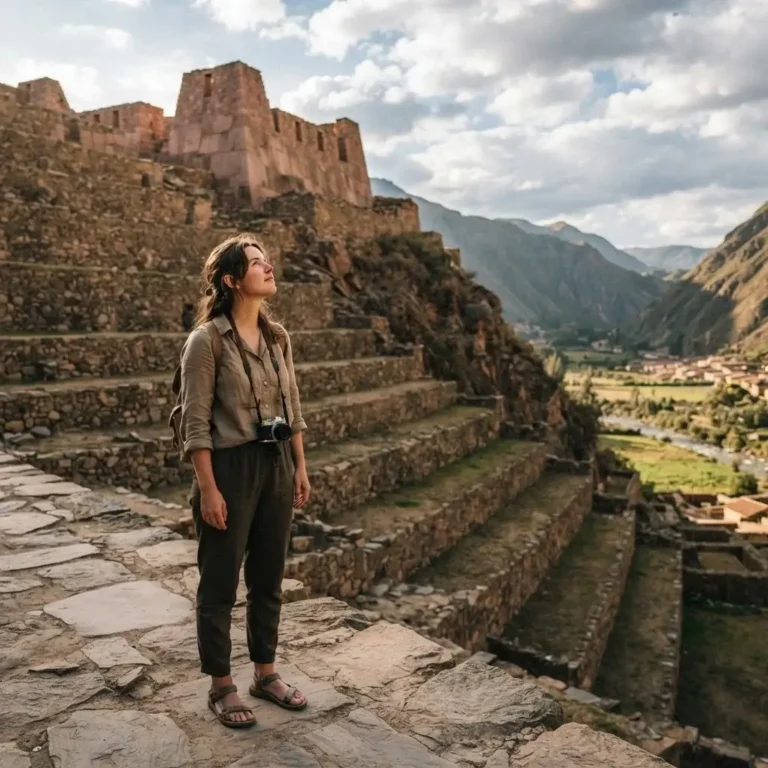
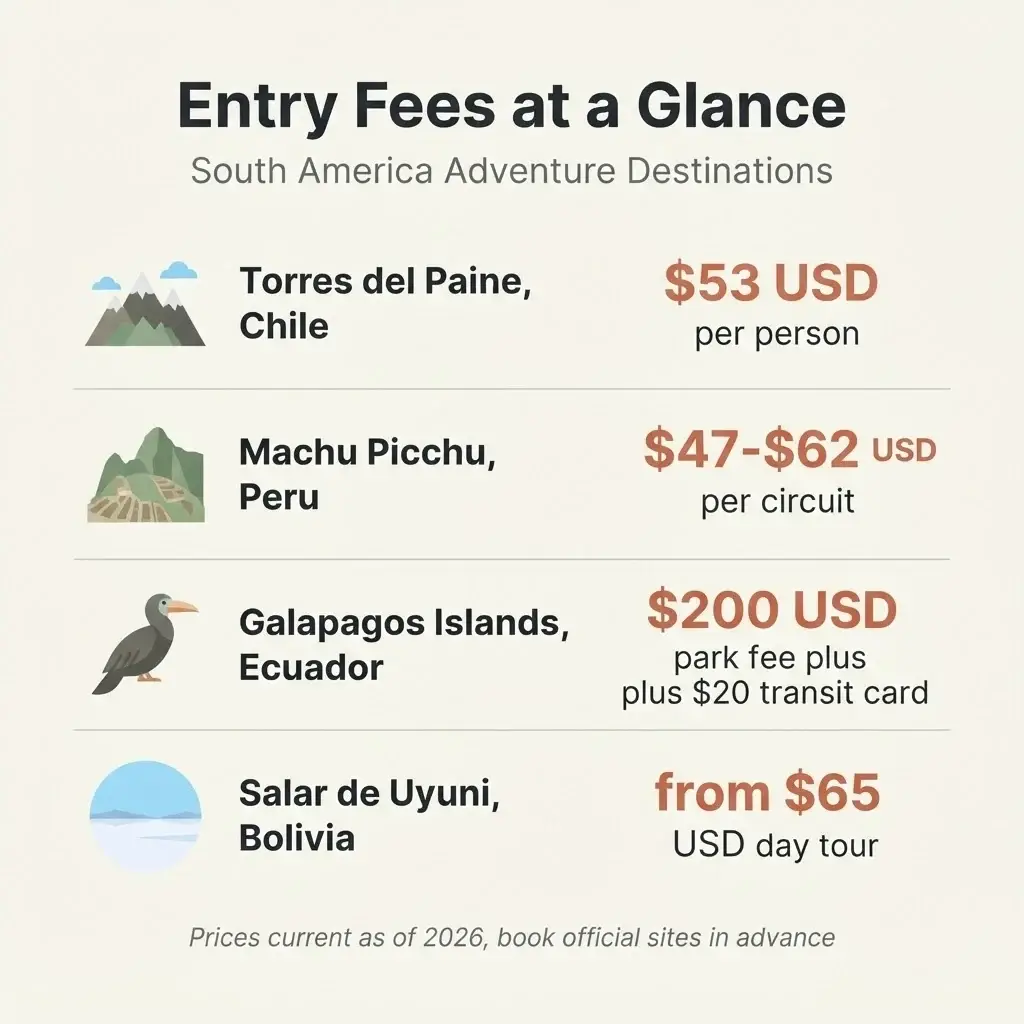
Machu Picchu is the obvious centerpiece, and no, that doesn’t make it a cliché. It is one of those rare places that lives up to every expectation, but only if you plan around the logistics that trip people up. The Peruvian government now strictly controls daily visitor numbers and requires all tickets to be pre-purchased through the official Ministry of Culture platform. You can book your visit through the official Machu Picchu ticketing site, where you’ll choose a specific time slot and circuit. Base circuits start at around $47-$62 USD, and tickets regularly sell out two to three months in advance during peak season (June to September). Book early, and book before you leave home.
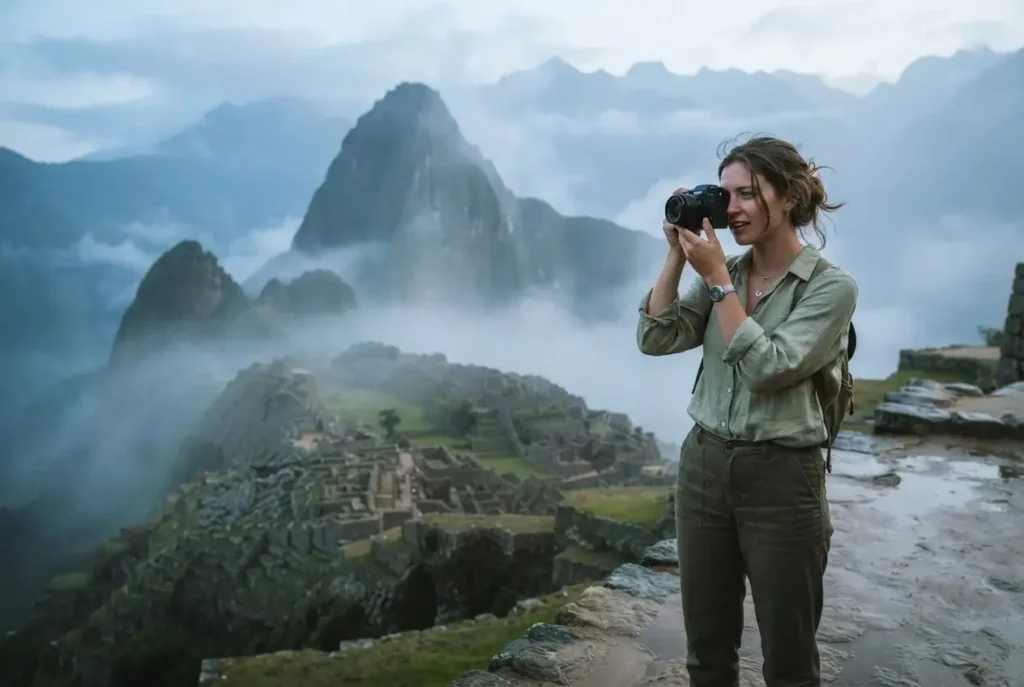
If hiking is your priority, the Inca Trail is the iconic four-day route that ends at the Sun Gate above Machu Picchu at dawn. The catch: permits are capped at 500 people per day (including guides and porters), and they sell out months in advance. You must book through a licensed Peruvian trekking agency. If you’ve left it too late, the Salkantay Trek is a genuinely spectacular alternative, often considered the more physically demanding and scenically varied of the two routes. You can check Inca Trail permit availability here before you start planning, which will tell you immediately whether the classic route is still an option for your dates.
If the Inca Trail timeline doesn’t work, take this as a gift. The Lares Trek passes through remote Andean villages where the cultural experience rivals anything at the ruins themselves.
One thing most articles don’t mention clearly enough: altitude. Cusco, your base for the Machu Picchu region, sits at about 3,400 meters (11,200 feet). Give yourself two to three days to acclimatize before any serious hiking. Drink coca tea, take it slow, sleep early. Rushing this step is the number one reason travelers have miserable first days in Peru.
What to eat in Peru: Ceviche is the non-negotiable. Order it for lunch (never dinner, it’s a midday dish in Peru) at any market stall that looks busy. Lomo saltado, a stir-fried beef and potato dish that is half Peruvian and half Chinese due to historical migration, is a perfect comfort meal after a long day on the trail. And yes, try the guinea pig (cuy) at least once if you’re open to it.
Amazon Peru: The Other Side of the Country
Most people fly into Cusco and never make it to the Peruvian Amazon, which is a genuine shame. The Tambopata National Reserve in the Madre de Dios region is one of the most biodiverse patches of land on the planet. The reserve spans 274,690 hectares and is home to over 600 species of birds, 169 mammal species, giant river otters, jaguars, and macaws that gather in the hundreds at clay lick sites every morning. According to Peru’s official SERNANP protected areas authority, international visitors pay around $8 USD for a single-day permit, rising to approximately $40 USD for stays of 4-30 days. You must hire one of the SERNANP-authorized tour operators to enter, which is actually a good thing because it guarantees you have a knowledgeable naturalist guide.
The dry season from May to October is the best time to visit for wildlife viewing. Temperatures range from about 10-38°C (50-100°F) year-round, so pack light layers.
Bolivia: The Most Otherworldly Landscape on Earth
If Peru is where adventure travelers find their footing, Bolivia is where they lose their minds in the best possible way. The Salar de Uyuni is the world’s largest salt flat, sitting at over 3,600 meters (11,800 feet) above sea level, and photographs simply cannot prepare you for what it feels like to stand in the middle of it. In the wet season (roughly December to March), a thin layer of water covers the flats and turns the whole surface into a mirror reflecting the sky. It’s one of those moments that people describe as feeling like they’re standing inside a dream.
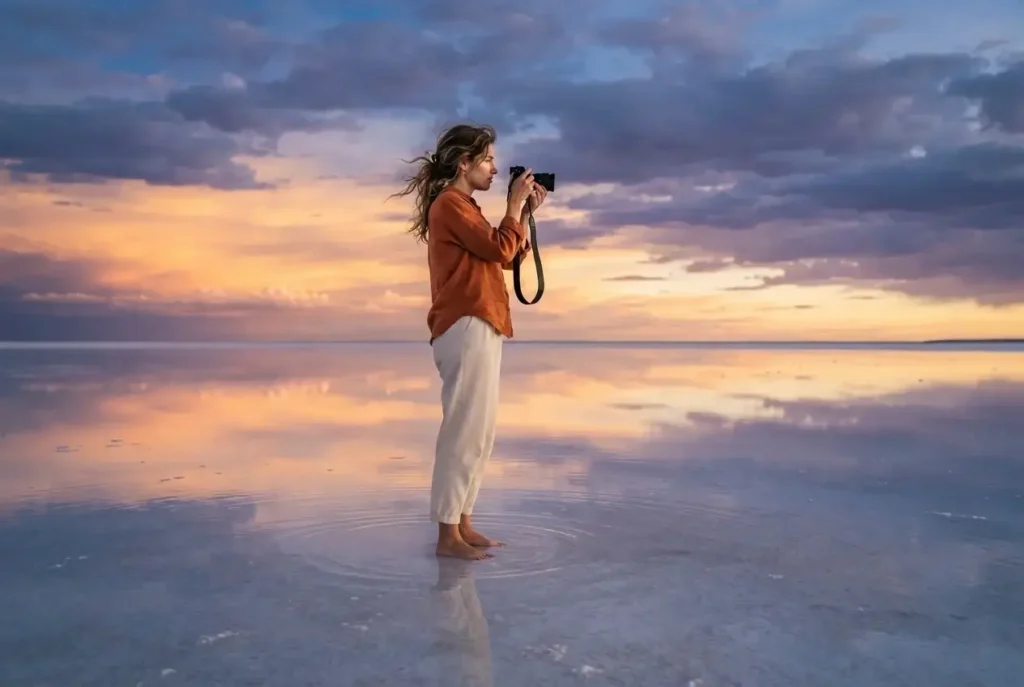
The most popular way to experience it is on a 3-day jeep tour departing from the town of Uyuni. These tours cover the salt flat itself, the train graveyard at the edge of town, Isla Incahuasi (an island of giant cacti in the middle of the flat), the Dali Desert, high-altitude lagoons flamingoes actually live in, and the Sol de Manana geyser field. Group tours run approximately $150-$200 USD including simple accommodation and meals. Solo travelers almost always end up in a group jeep with other travelers, which is actually one of the better ways to meet people on the road. You can compare tour options and check what’s included through the official Salar de Uyuni information site before you commit to anyone.
One important note: there are reports of some operators in Uyuni town overselling or running low-quality tours. Book through vetted operators in advance, either online or through your accommodation in La Paz, rather than with anyone who approaches you on the street.
La Paz deserves a day or two of your time before or after the salt flats. The cable car system (Mi Teleferico) gives you an extraordinary view over one of the world’s highest capital cities. The Witches’ Market sells everything from herbs to llama fetuses and gives you a real window into the living Aymara traditions that still run through Bolivian daily life.
Chile: Where Patagonia Earns Its Reputation
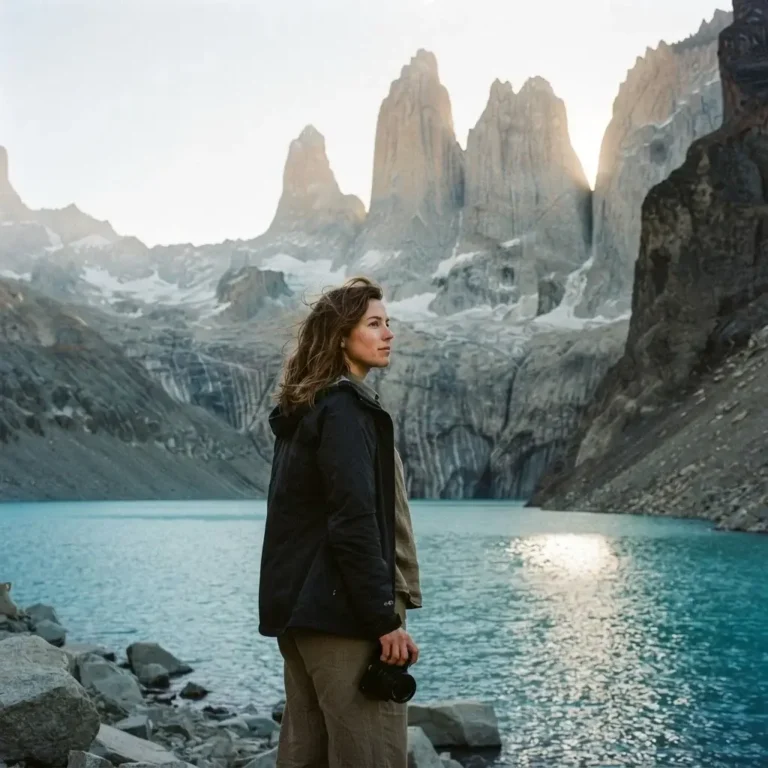
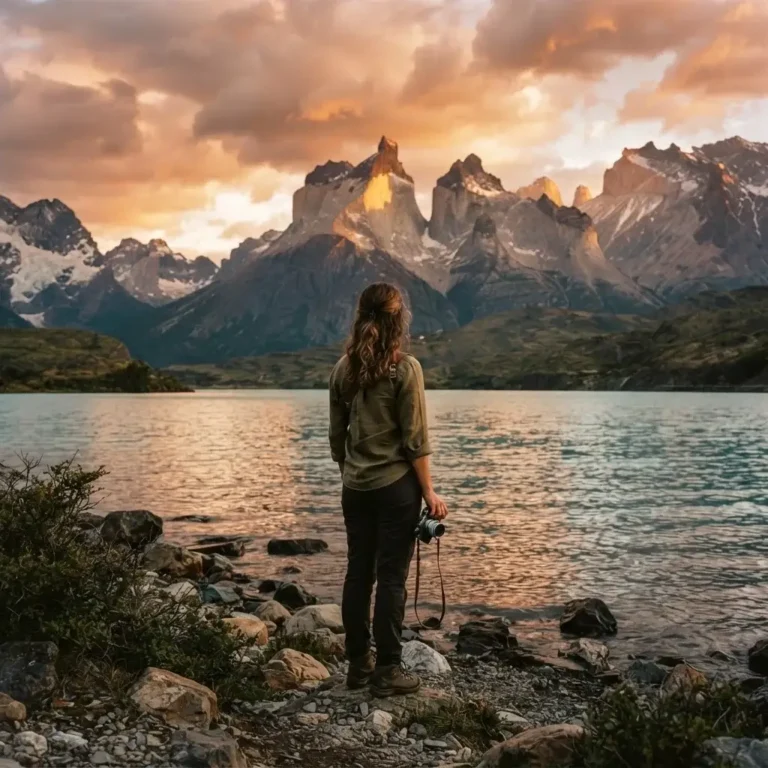
Patagonia is one of those words that seems to carry weather inside it. Cold, dramatic, windswept, staggeringly beautiful. The Torres del Paine National Park in Chilean Patagonia is the centerpiece of any serious hiking trip to the region, and it delivers on every level.
The W Trek is the standard route, a 4-5 day circuit that takes you through the valley of the French Glacier, along the shores of Lago Pehoe, and up to the base of the Torres themselves, three vertical granite towers that shoot straight out of the earth like something a sculptor dreamed up after a very ambitious day. The O Circuit extends to 8-10 days and circles the entire massif. You don’t need technical mountaineering experience for either route, but you do need solid fitness and the right gear because Patagonian weather can shift from blazing sun to horizontal rain within an hour.
Entrance fees for international visitors are handled through Chile’s official national park system. You can book your entry ticket in advance at pasesparques.cl, Chile’s government-run park pass platform. As of 2026, the fee runs approximately $53 USD per person for visits during the high season (November to March). No separate hiking permit is required beyond the entrance ticket, but refugio (hut) accommodation along the trail books out far in advance and must be reserved separately through the individual camp operators.
The best months to visit Patagonia are November through March. Outside that window, the weather turns brutal and many facilities close.
Puerto Natales is the gateway town and a genuinely charming place to spend a day before hitting the park. Stock up on supplies here. The food scene has grown considerably, and a bowl of lamb stew after a day of hiking is one of the small joys of the region.
Ecuador: Two Adventures for the Price of One Country
Ecuador punches well above its size. In a country roughly the area of Colorado, you can hike through the Andes on the Quilotoa Loop, stand at the equator, wander colonial Quito, and then jump on a plane and arrive at one of the most extraordinary ecosystems on earth.
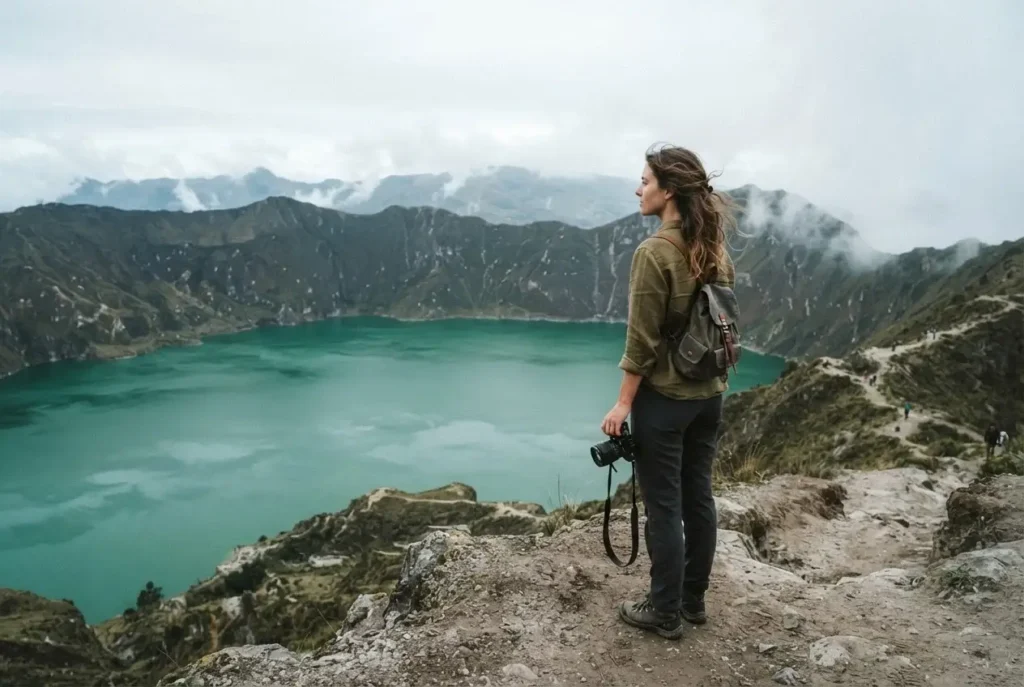
The Quilotoa Loop is a 3-4 day hike through the Ecuadorian highlands that passes through indigenous Kichwa villages, across open páramo grassland, and eventually arrives at Laguna Quilotoa, a crater lake of extraordinary turquoise-green water. It’s one of those hikes where the journey matters as much as the destination. Villages like Isinliví and Chugchilán have small guesthouses that serve home-cooked meals in the $10-$20 USD per night range. It’s the kind of slow travel that actually changes how you think about adventure.
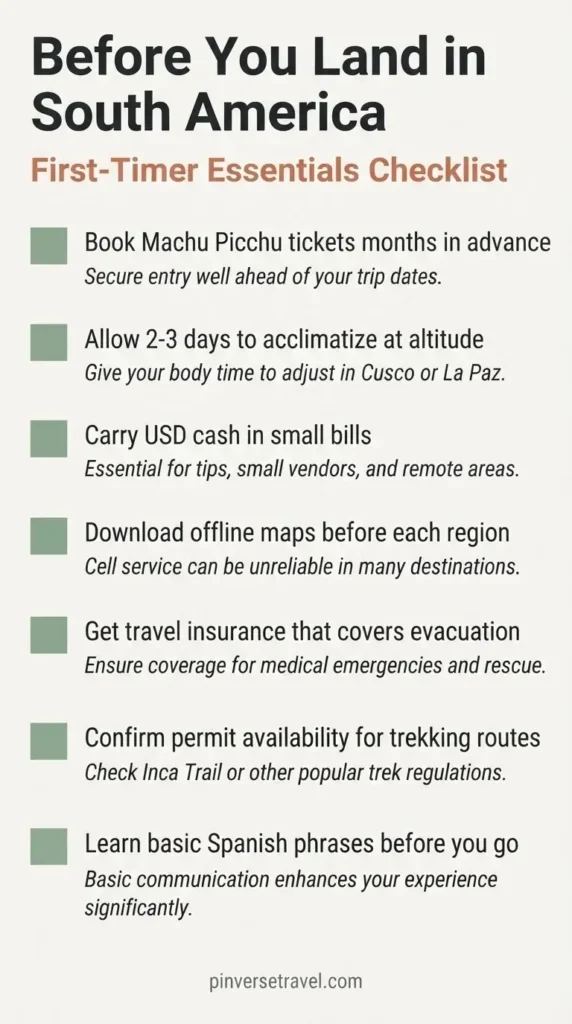
And then there are the Galapagos. If you’ve been putting off visiting because it seems too expensive or too complicated, here’s the honest answer: yes, it costs more than mainland travel, but it is not out of reach for a budget-conscious traveler who plans ahead. According to the Galapagos Conservancy’s planning guide, non-Ecuadorian adults pay a $200 USD Galapagos National Park entrance fee upon arrival, plus a $20 USD Transit Control Card at the mainland airport before your island flight. Round-trip flights from Quito or Guayaquil run around $380-$500 USD. Once you’re on the islands, you have two main options: a live-aboard cruise (from economy to luxury, 4-12 nights) or a hotel-based approach on one of the inhabited islands like Santa Cruz or San Cristobal, from which you take day trips. The hotel-based option is significantly cheaper and works perfectly well for most travelers.
No visa is required for US and EU travelers for stays up to 90 days. The islands are truly best visited at any time of year, though peak seasons (mid-June through early September and mid-December through mid-January) require earlier booking across the board.
Colombia: The Destination That Keeps Changing the Conversation
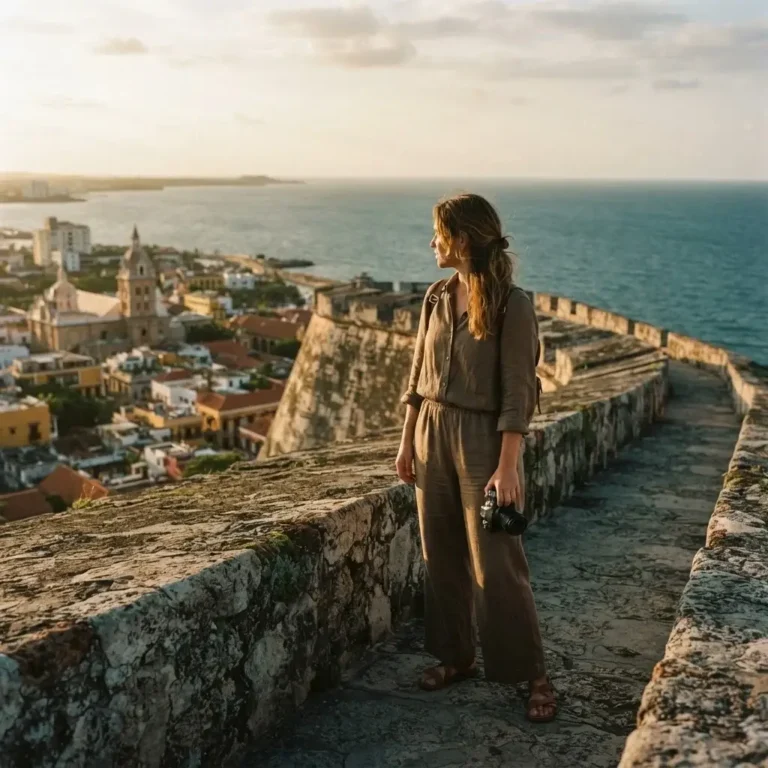
Colombia might be the most talked-about comeback story in South American travel, and the reality on the ground in cities like Medellin and Cartagena is genuinely different from the reputation the country carries in outsiders’ minds. From what solo travelers consistently report, Medellin in particular has transformed into a vibrant, creative, deeply livable city where the food, nightlife, and surrounding coffee-growing landscapes make it one of the most compelling bases on the continent.
That said, it’s important to be clear-eyed here. The US State Department currently advises travelers to reconsider travel to Colombia due to ongoing concerns about crime and civil unrest in specific regions. Cartagena and Medellin remain popular with tourists and are visited safely by millions each year with standard urban caution, but certain border regions, rural areas, and specific neighborhoods carry real risks. Do your research at a regional level before you go, not just at the country level.
For adventure travelers, the Zona Cafetera (coffee region) is one of the great overlooked experiences in South America. The towns of Salento and Filandia sit in a landscape of green rolling hills, wax palm trees, and coffee farms you can walk right into. Hiking up to the Valle de Cocora, where the world’s tallest palm trees grow in a fog-draped valley, is a half-day adventure that costs almost nothing and produces some of the most striking landscape photographs in the Americas.
What to eat in Colombia: Bandeja Paisa is the classic hearty plate, a full tray of beans, rice, chicharron, chorizo, egg, avocado, and arepas. In Cartagena, fresh ceviche from the street stalls near Getsemani neighborhood is the move. And yes, the coffee. Order it tinto (black, small cup) at any corner tienda the way locals drink it.
How to Think About Putting a Route Together
The question I hear most from first-time South America travelers is: “Where should I start?” My honest answer is usually Peru, specifically Cusco and the Sacred Valley, because the infrastructure for independent travelers is mature, English is widely spoken in tourism-facing businesses, and the cultural density is extraordinary. From there, Bolivia is a natural extension. Ecuador can anchor a separate trip. Chile’s Patagonia is a destination in itself.
Whatever you choose, build in more time than you think you need. South America rewards slow travel. The best stories always come from the day the bus broke down in the altiplano, or the hostel conversation that turned into a three-day detour to a village no guidebook mentioned. Those aren’t accidents. That’s what happens when you stop rushing.
One practical note that saves real headaches: download maps.me or a similar offline maps app before you enter any new region. Cell service in rural areas, mountain passes, and jungle regions is unreliable. And carry US dollars and small bills wherever possible because ATM coverage in smaller towns is not guaranteed.
A Few Things I Always Tell First-Timers
The altitude will surprise you if you’re not ready for it. The Andes sit most of the adventure destinations on this list at serious elevation. Cusco, La Paz, Uyuni, Quito, and the Quilotoa Loop are all at altitudes that affect your body, even if you’re fit. Plan for two to three acclimatization days at elevation before physical exertion, drink enormous amounts of water, avoid alcohol on the first night, and don’t push through a bad headache.
Travel insurance is not optional for a trip like this. Medical evacuation from a remote jungle or high-altitude trekking route is genuinely expensive. Get comprehensive coverage that includes emergency evacuation before you leave.
The continent is enormous and the bus journeys between destinations can be long, sometimes very long. Overnight buses are a way of life here. They’re generally safe, often surprisingly comfortable in the premium class, and they save you a night of accommodation. Embrace them.
And the last thing: don’t wait until everything is perfectly planned. You will never have every question answered before you go. The continent will fill in the blanks once you arrive. The only thing you actually need to do is book the first flight.