The first time I backpacked across Europe on my own, I signed up for a big bus tour in a city I won’t name to save it some embarrassment. Fifty of us shuffled off a coach, took the same photo from the same spot, got herded back on, and drove away. I remember sitting by the window thinking, I flew across an ocean for this?
That afternoon taught me something I’ve built my whole travel life around since. The Europe worth remembering rarely happens on the main square at noon. It happens two streets over, with a guide who actually lives there, in a group small enough that you can ask a real question. This guide is everything I wish someone had told me back then about finding tours that feel human, honest, and yours, especially when you’re traveling solo.
What “Offbeat” Actually Means (And What It Doesn’t)
Let’s clear this up first, because the word gets thrown around a lot. Offbeat doesn’t mean dangerous, sketchy, or so obscure that nobody’s heard of it. It means the tour trades the postcard version of a city for the lived-in one.
An offbeat tour usually has three things going for it. It’s small, often ten people or fewer. It’s led by someone with a real connection to the place, a local resident, an artist, a historian, a home cook. And it focuses on a theme rather than a checklist: street art, food, music, migration history, underground tunnels, working-class neighborhoods. You’ll walk more and photograph less, and you’ll leave understanding something instead of just having seen it.
This lines up with how I’ve come to think about travel in general. Ticking sights off a list gives you proof you were somewhere. A good offbeat tour gives you a reason to care that you were.
The Free Tour System, Explained Honestly
Here’s a piece of the puzzle almost nobody spells out clearly, and it confuses first-timers constantly.
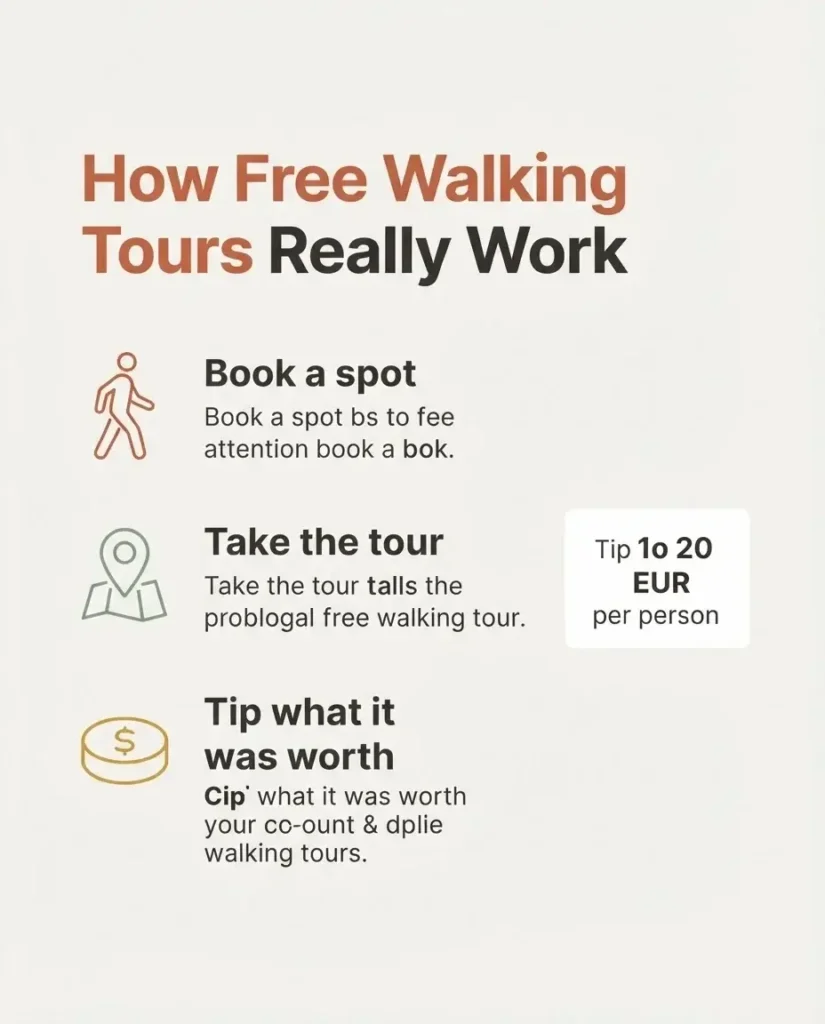
Across Europe you’ll see “free walking tours” advertised everywhere. They are not actually free. They run on tips. You book a spot, show up, get a two or three hour tour, and at the end you pay the guide what you feel it was worth. There’s no fixed price, which is exactly why they trip people up.
So what do you pay? For a good tour, plan on €10 to €20 per person. If a guide gave you their whole afternoon, their real stories, and their personal recommendations, that’s genuinely cheap for what you got. I’ve watched people slip a guide two euros and hurry off, and it makes me wince. These guides often earn their entire living from tips. If money is tight, that’s completely okay, tip what you honestly can and thank them warmly. But if you enjoyed it, tip like the tour was worth the price of a paid one, because it usually was.
One more honest note: “free” tours are often bigger and more general than paid ones. They’re a fantastic way to get your bearings on day one. For the truly offbeat, themed experiences, a small paid tour is frequently the better call.
Street Art and Alternative Tours: Berlin as the Blueprint
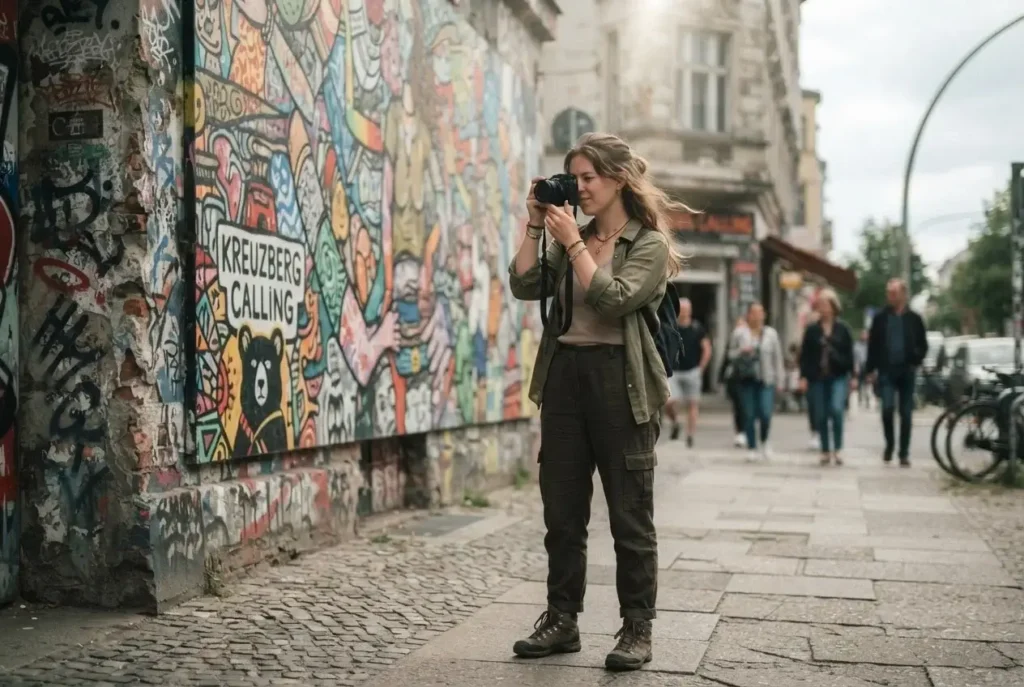
If there’s one style of tour that turned me from a sightseer into someone who genuinely reads a city, it’s the alternative or street art tour. Berlin is the place that perfected the format, and it’s the model to look for anywhere.
Instead of monuments, you walk neighborhoods like Kreuzberg and Friedrichshain, where the walls tell you who lives there, what they’re angry about, and what they’re proud of. The city’s own tourism office lists an official option, the roughly three hour, €20 Berlin Street Art Tour through Kreuzberg and Friedrichshain, and I always tell people to book through a city’s official tourism site when they can, because it filters out the fly-by-night operators.
When you take one of these, wear real walking shoes and bring a transit ticket, since these tours often hop a train or two between neighborhoods. Ask your guide which cafe the artists actually drink at. That’s usually where the best doner kebab or currywurst near the route is, and eating where your guide eats is a small trick that never fails me.
Underground and Hidden-History Tours: Go Beneath the City
Some of the most unforgettable tours in Europe happen below street level, and they’re perfect for a rainy afternoon or a solo traveler who wants something structured and safe.
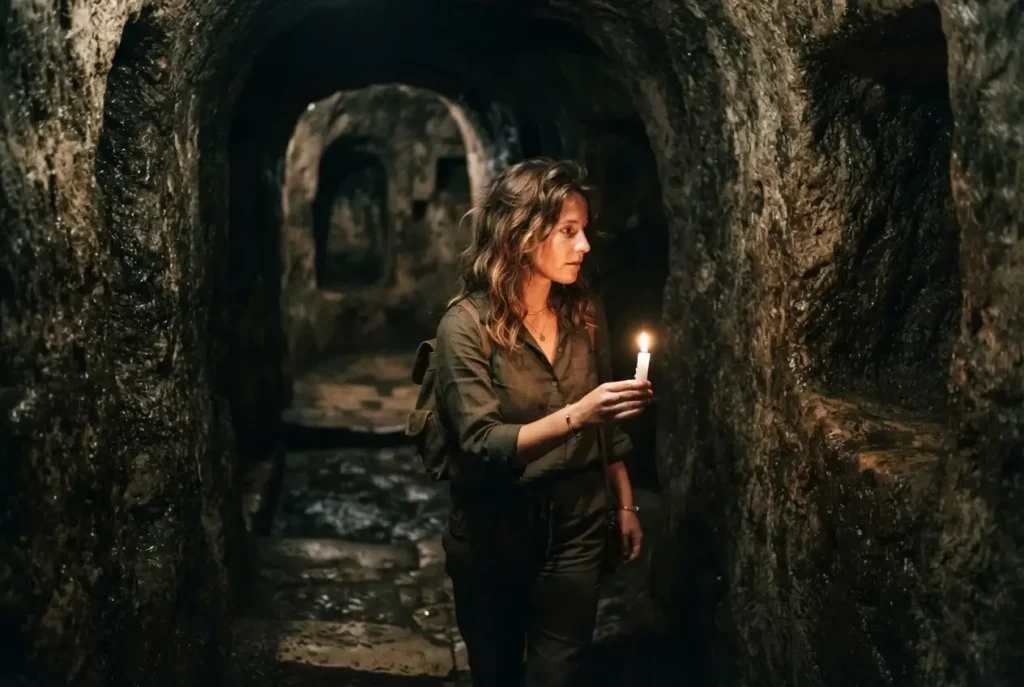
Naples is the one I point people to first. Beneath the chaotic, glorious streets sits a whole second city of Greek quarries, Roman aqueducts, and World War II air-raid shelters. The tours run by Napoli Sotterranea cost around €10, last roughly eighty minutes, and take you through passages narrow enough that you carry a candle in places. It is genuinely moving to stand where families sheltered during the bombings. Book directly with the official operator rather than a reseller, and know there are a lot of stairs, so it’s not the tour for anyone with mobility limits or claustrophobia.
Edinburgh offers a similar thrill above the border in Scotland. The Real Mary King’s Close preserves actual seventeenth century streets sealed beneath the city, and the guided tour walks you through plague-era homes and everyday lives frozen in time. It’s indoors, it’s atmospheric, and it’s the kind of thing you can do alone and feel completely comfortable.
Before you go, eat a proper bowl of pasta or a fried pizza in Naples first, because you’ll come up hungry, and in Edinburgh warm up afterward with a hot toddy near the Royal Mile.
Music, Culture, and Neighborhood Tours: Lisbon’s Alfama
Not every offbeat tour is about walls or tunnels. Some are about sound.
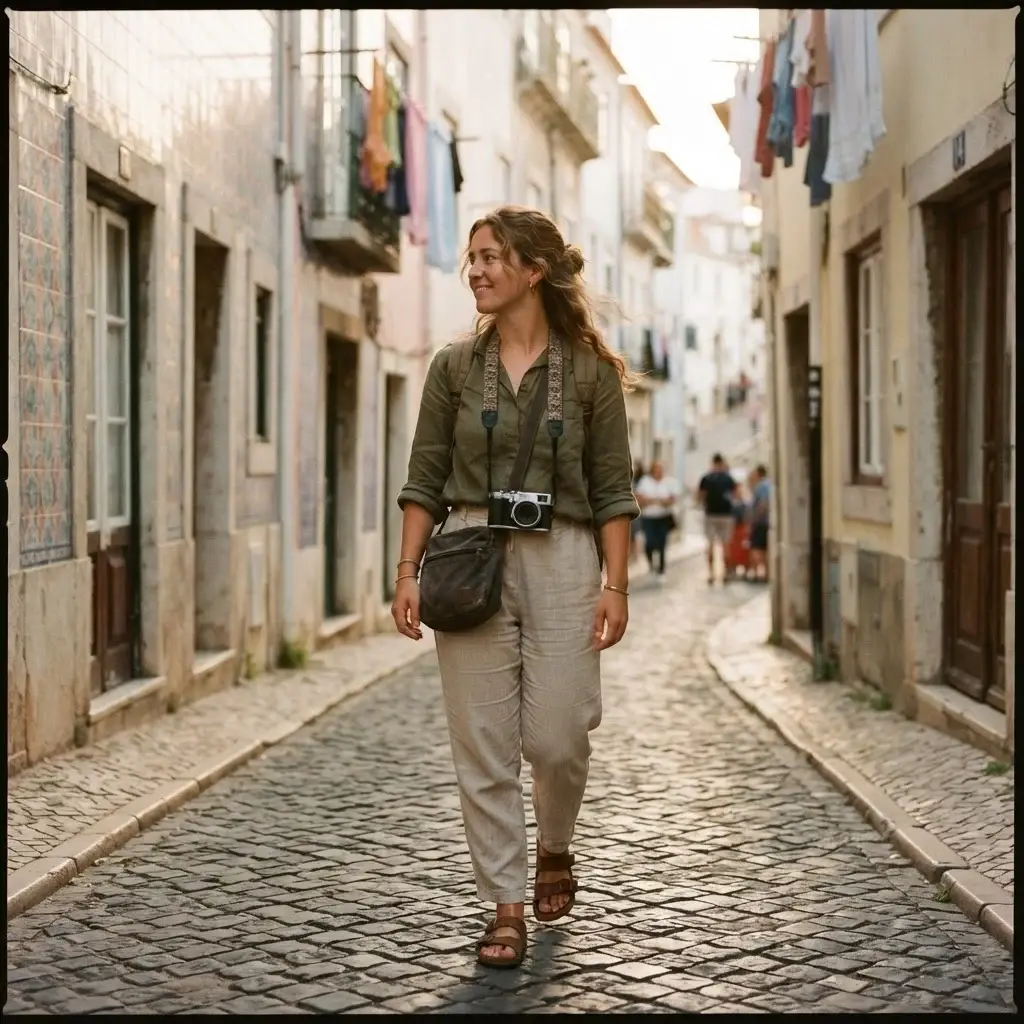
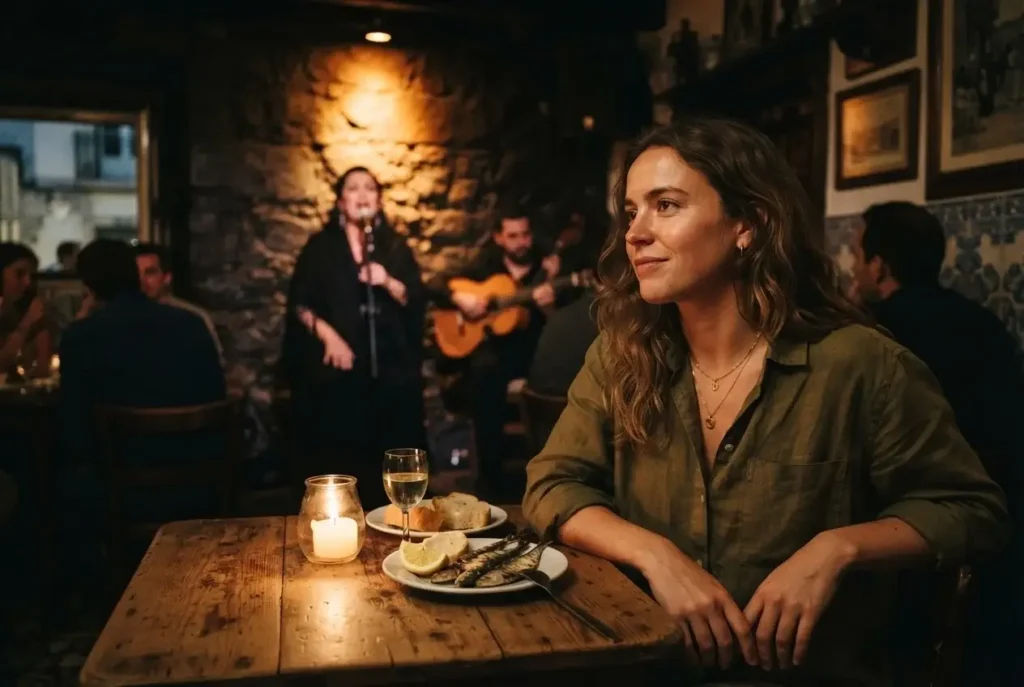
In Lisbon, the offbeat move is a Fado walk through the old Alfama and Mouraria districts. Fado is Portugal’s aching, soulful folk music, and it’s serious cultural heritage, not a tourist gimmick. It was actually inscribed on UNESCO’s list of Intangible Cultural Heritage back in 2011. A good small-group tour winds you through the tiled, laundry-strung alleys of Alfama at dusk and ends in a tiny fado house where a singer performs a few feet away. Order grilled sardines or bacalhau, sip a vinho verde, and let the room go quiet when the singing starts.
This is the kind of experience I mean when I say authentic beats luxury. You don’t need a fancy hotel to have a night that stays with you for years. You need a small room, real music, and the willingness to sit still and feel something.
For history-and-memory tours in the same vein, Kraków’s Kazimierz district in Poland is extraordinary. A walk through the old Jewish quarter, past centuries-old synagogues and the sites tied to the Second World War, is heavy but essential, and local guides handle it with a care that big operators rarely match.
How to Actually Find and Vet These Tours
Here’s my practical process, refined over years of doing this alone.
Start with the city’s official tourism website. If they list or endorse a tour, it’s almost always legitimate. Next, read recent reviews and specifically look for the word “small” and the guide’s name mentioned by happy travelers, because a great tour is usually a great guide. Then check the meeting point and group size before you pay a cent. And trust the offbeat instinct: if a tour promises ten famous sights in two hours, it’s the opposite of what you want.
When you’re anything like I was on my first solo trip, you’ll be tempted to book your whole week in advance out of nerves. Don’t. Book one tour for your first full day to get oriented, then let the guide’s recommendations shape the rest. Overplanning is the enemy of the real Europe.
Solo Travel Notes: Safety and the Social Side
Small group tours are one of the best things a solo traveler can do, and I say that as someone who’s navigated a lot of new cities alone.
They give you built-in company without any pressure, a local who can tell you which streets to skip after dark, and an easy, natural way to meet other travelers. More than once, a tour I joined alone turned into a dinner group by evening. If you’re nervous about eating alone or wandering at night, a late afternoon tour that ends near a lively square solves both problems at once.
Basic sense still applies. Keep your bag zipped and in front of you in crowds, since offbeat neighborhoods can still have pickpockets. Share your day’s plan with someone back home. And always, always trust the small voice that says a situation feels off. It’s smarter than your itinerary.
Getting Into Europe: The New Entry Rules You Need to Know
This is the practical piece most travel articles are still ignoring, and it matters for your 2026 planning.
Europe has rolled out a new digital border system, and it changes the arrival routine. The EU’s Entry/Exit System, which records entries and exits electronically instead of stamping passports, began its phased launch on 12 October 2025, something the European Commission confirmed when it set the date. On top of that, a separate travel authorization called ETIAS is expected to begin in the last quarter of 2026. It’s a quick online application, not a visa, but visa-exempt visitors will need it once it’s live. Check the official EU ETIAS page before you book flights, because start dates have shifted before and you want the current word straight from the source, not a third party.
None of this is scary. It’s an online form and a fee. But knowing it exists is exactly the kind of prep that separates a confident traveler from a stressed one at the airport.
What to Bring on Any Offbeat Tour
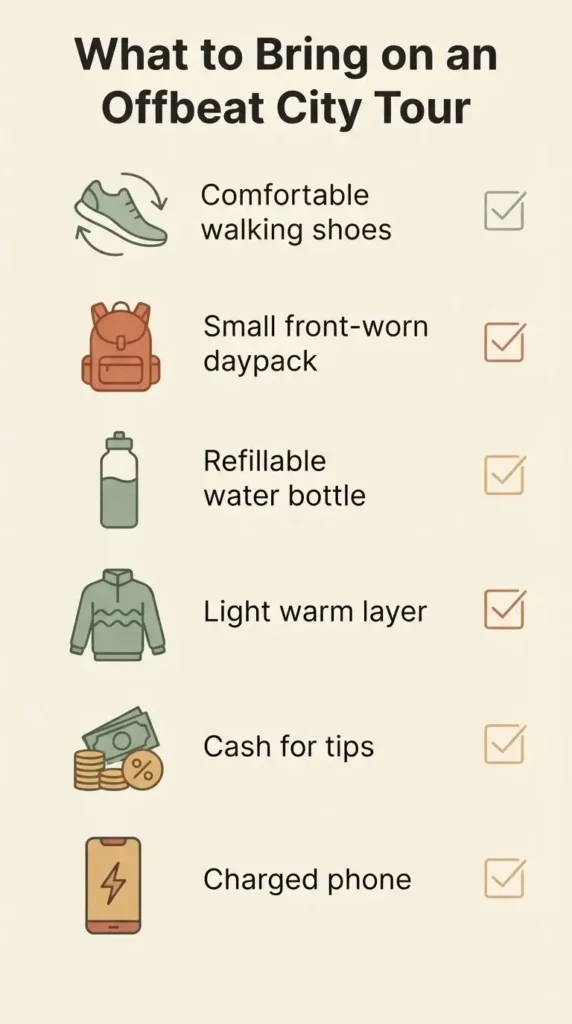
Keep it simple. Comfortable, broken-in walking shoes, because these tours move. A small daypack worn in front. A refillable water bottle. A light layer, since underground sites are cold and evening tours get chilly. A little cash for tips, as many guides can’t take cards. And your phone charged, both for photos and for finding your way back afterward.
That’s genuinely it. The best tours ask for your attention, not your gear.
Start With One Real Tour
If you take nothing else from me, take this. You don’t need the perfect itinerary or the perfect moment. You need to book one small, human, offbeat tour in one European city and simply show up.
I promise you’ll walk away from it seeing that city, and probably yourself, a little differently. That’s the whole point. Not the photo, not the checklist, but the version of Europe that finally feels real because you were actually in it. Go find your street two blocks off the square. It’s waiting for you.