For years, I lived by the clock. My life in New York was a constant blur of subway commutes, alarm clocks, and the pressure to maximize every single second of my weekend. When I finally quit my office job, I thought I needed to pack my schedule with every “must-see” site to prove I was actually “traveling.” I’d wake up at 6:00 AM, sprint to a museum, grab a quick bite, and collapse in my hostel by nightfall.
I was exhausted. I was doing a lot, but I wasn’t feeling anything.
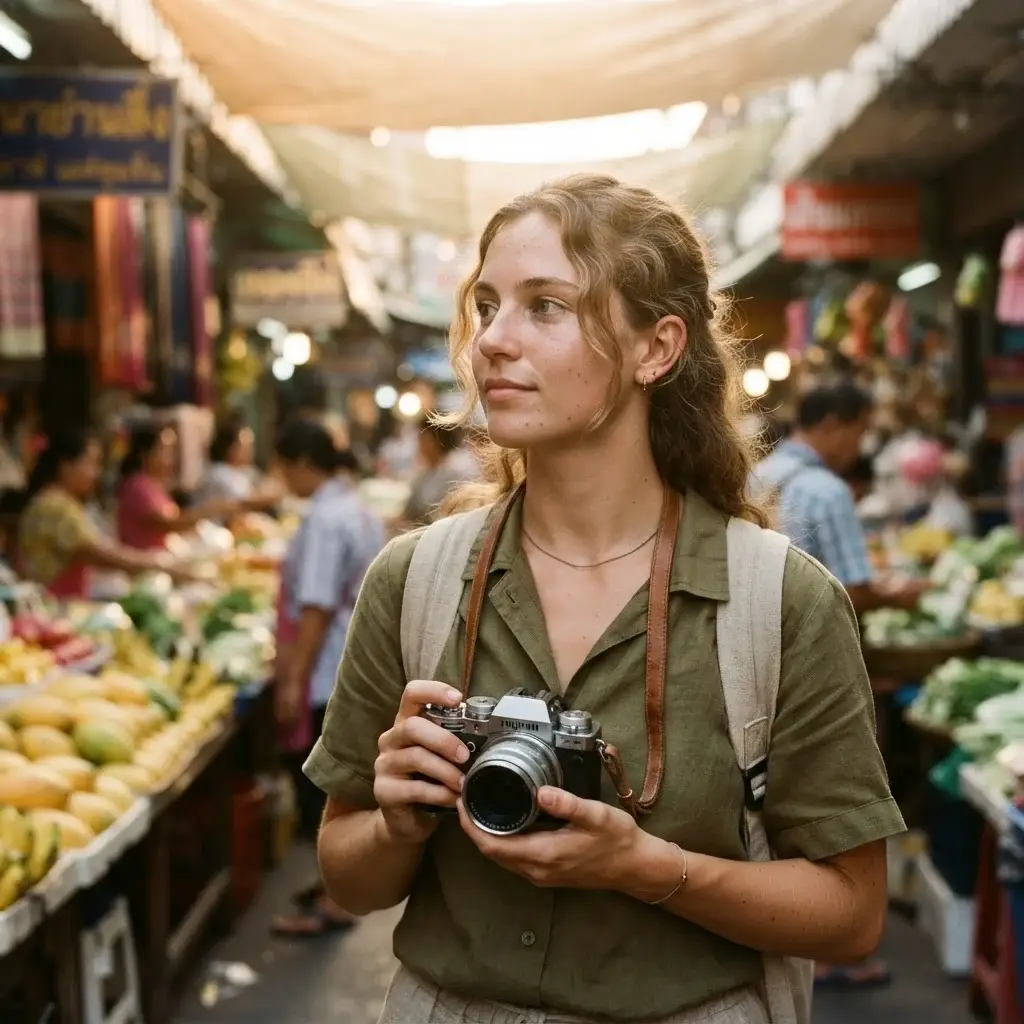
Everything shifted when I found myself in Thailand. I stopped worrying about the “top ten” lists and started spending three days in a single neighborhood, drinking iced coffee, talking to local vendors, and just watching life unfold. That was the moment I realized that the best slow travel itineraries for cities aren’t about what you check off—they are about how deeply you connect with the place you’re in. If you are tired of the frantic pace of modern tourism, you are in the right place.
Redefining your travel pace
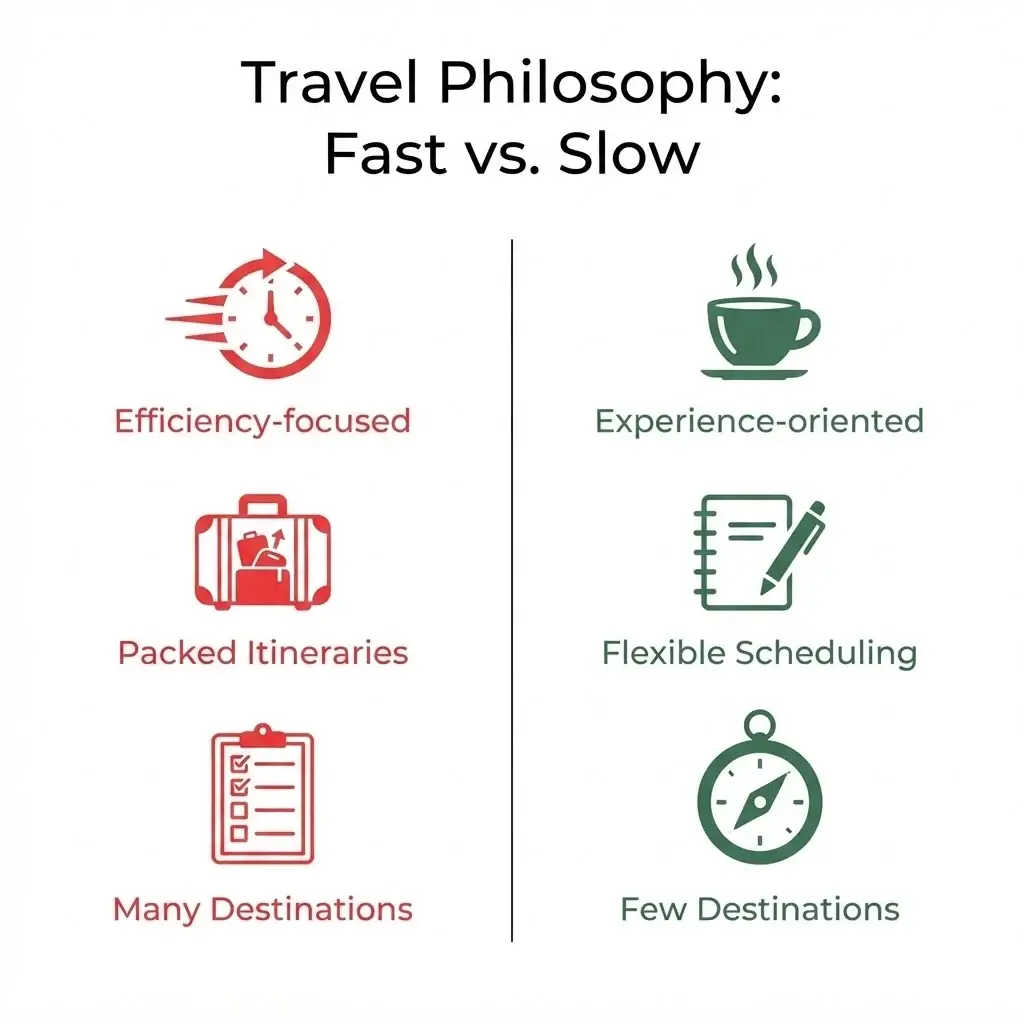
Slow travel is a choice to prioritize quality over quantity. Instead of jumping on a plane to a new city every three days, you pick one base and settle in. It’s a bit like learning a new language—you can’t master it by looking at a dictionary once; you have to live with it.
When you slow down, the anxiety of “missing out” starts to fade. You stop looking at the map as a list of demands and start looking at it as an invitation to wander.
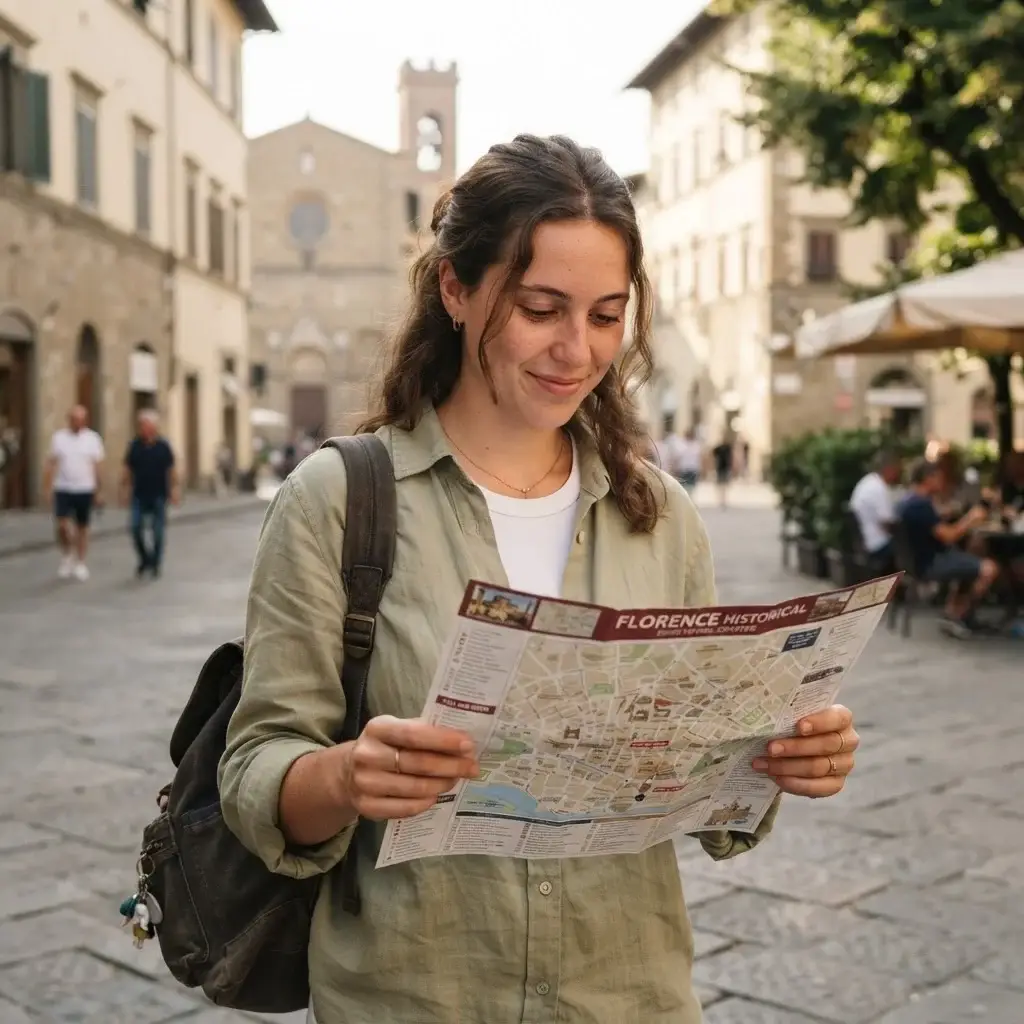
Before you head off, I always recommend checking the U.S. Department of State’s travel safety resources to get a clear picture of entry requirements and local safety guidelines for your chosen destination. Being informed helps you relax, and once you know the basics, you can breathe easier and focus on your environment.
Why cities are perfect for slow travel
Many people think slow travel is only for rural villages or quiet beaches. I disagree. Cities are actually the perfect laboratory for slow living because they are dense, layered, and full of history that you can’t see from a tour bus.
When you spend a week in a city like Bangkok, you stop being a tourist and start becoming a temporary resident. You learn which street corner has the best morning noodle soup. You know which train line takes you home at night. For those heading to Southeast Asia, I highly recommend browsing the official Tourism Authority of Thailand website to better understand the cultural etiquette and local festivals that can turn a generic trip into a deeply enriching experience.
The Art of the “No-Plan” Morning
If you want to master the best slow travel itineraries for cities, you have to practice the “no-plan” morning. Here is how I do it: I wake up, I put on my walking shoes, and I walk. That’s it. No museum tickets booked, no restaurant reservations.
I look for the signs of life that don’t involve other tourists. I follow the smell of fresh bread, the sound of music, or a path that looks like it leads to a local park.
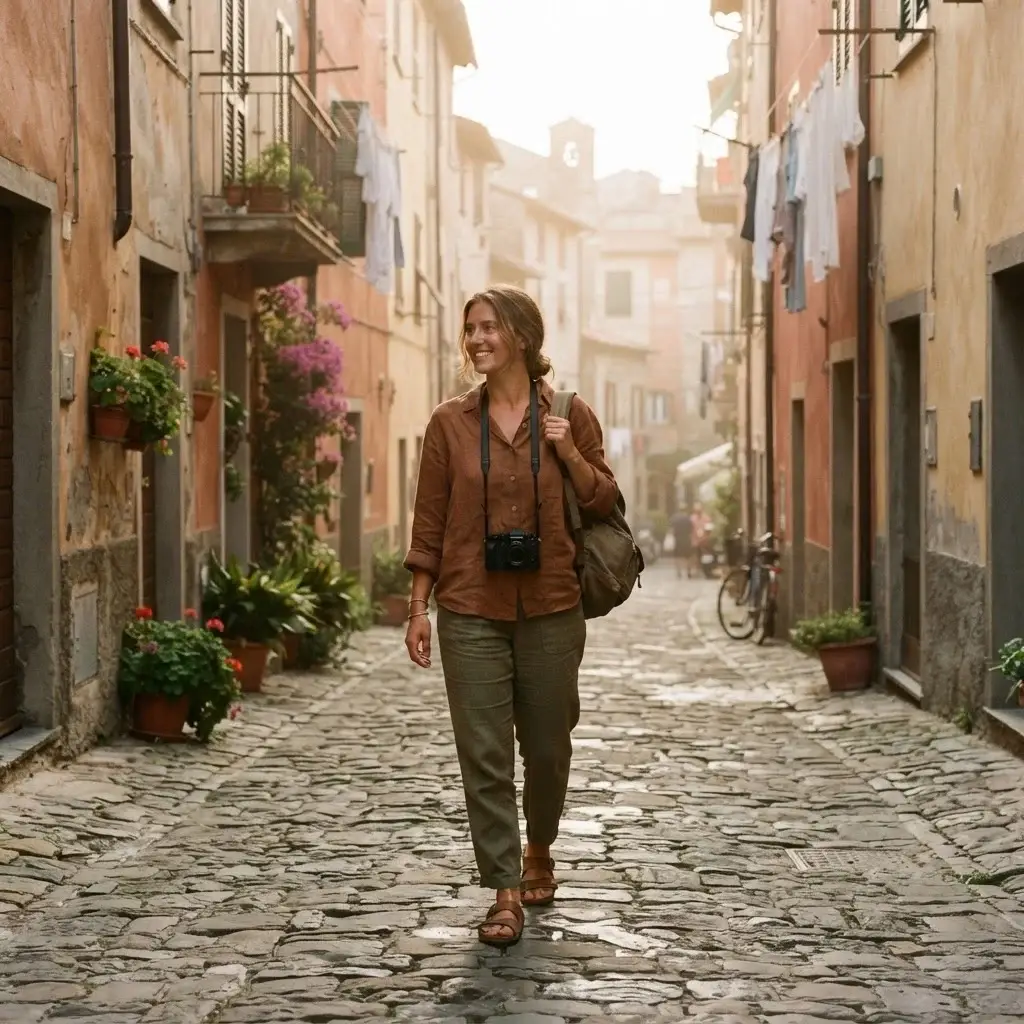
This is where you find the soul of a city. It’s in the quiet interaction with a local shopkeeper or a bench where you sit and write in your journal for an hour.
Managing Health and Safety While Moving Slowly
When you travel slowly, you spend more time eating in local markets and using public transportation, which is brilliant, but it requires a bit more care regarding your health. I never leave home without reviewing the latest updates on the CDC’s Travelers’ Health page to stay proactive about food safety and any necessary health precautions.
The beauty of being in one place for a week or more is that you can build a health routine. You can find a local market with fresh produce, locate a nearby clinic if you need one, and figure out the safest ways to get around. Knowing these things gives you the independence that is the hallmark of the solo traveler.
Practical Tips for Your First Slow City Trip
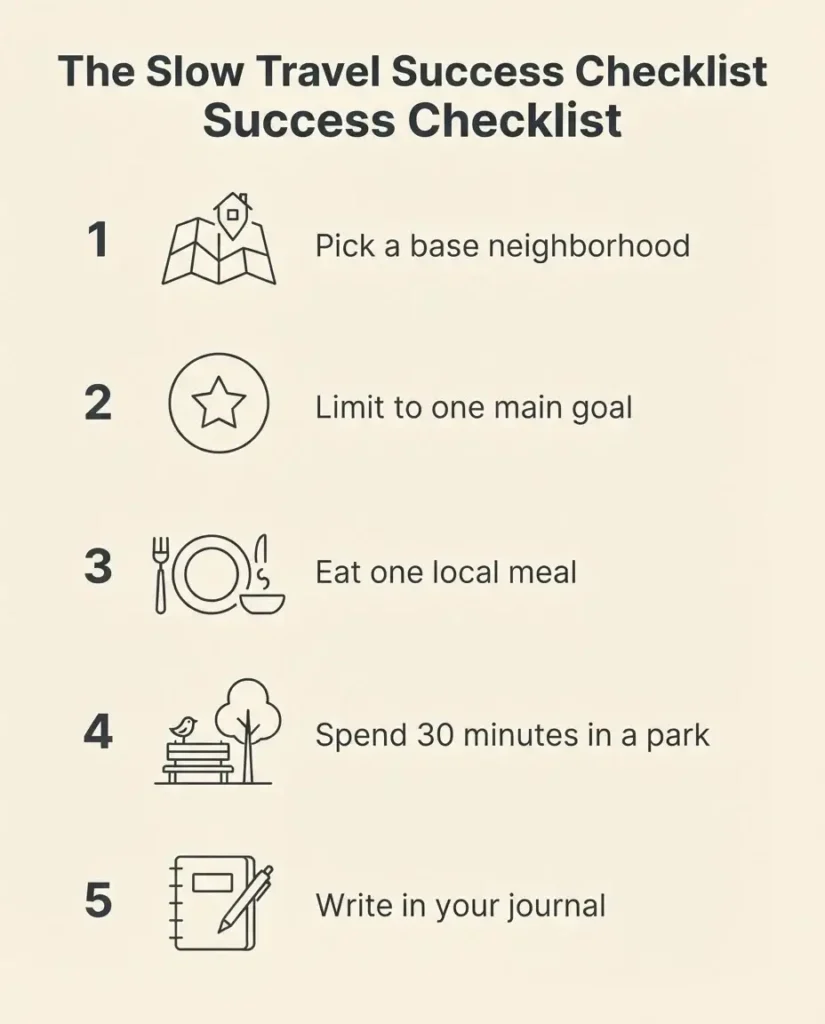
- Pick a neighborhood, not a landmark: Don’t book your stay based on the biggest tourist site. Book it based on where you’d actually want to walk to get a coffee in the morning.
- Learn the local transport: Understanding how to get around without constant taxis makes you feel like a local. In many sprawling cities, using a ride-sharing app can be a lifesaver. You can look at the Grab app guide to understand how to safely navigate local transit systems before you land.
- The “One-Thing” Rule: Give yourself one goal per day. Maybe it’s “Find a bookstore” or “Try the local specialty street food.” If you do that one thing, the day is a success. Everything else is just a bonus.
Finding the World Heritage Gems
I love history, but I prefer to experience it slowly. When you visit a city that hosts a UNESCO World Heritage site, don’t just dash in for the photo. Spend an entire afternoon there. Read about the history, sit on the steps, and watch how the locals treat the space. When I visited historic quarters in China, I would often go back three or four times at different hours of the day to see how the light changed and how the energy shifted from morning to dusk. That level of attention is what transforms a trip into an adventure.
Preparing for the Unexpected
Slow travel is not perfect. You will get lost. You will find that a place you wanted to visit is closed for a holiday. You will have a bad meal. But in my experience as a former sightseeing guide, the “messes” are usually the parts of the trip you’ll talk about for years.
If you are worried about the “what ifs,” it can be helpful to look into travel insurance that covers the realities of longer, more adventurous trips. You can find useful guidance on what to look for at World Nomads’ travel safety and insurance page. It’s not about fear; it’s about having the freedom to handle surprises with a cool head.
Culinary Exploration: Eat Like a Neighbor
The best way to slow down is to eat. When you are rushing, you eat in tourist traps where the menu is in four languages and the food is overpriced. When you are traveling slowly, you find the spot where there’s a line of local office workers waiting for their lunch.
Don’t be afraid to eat alone. In fact, I encourage it. Sitting at a small table with a book or your notebook makes you approachable and lets you observe the flow of the restaurant.
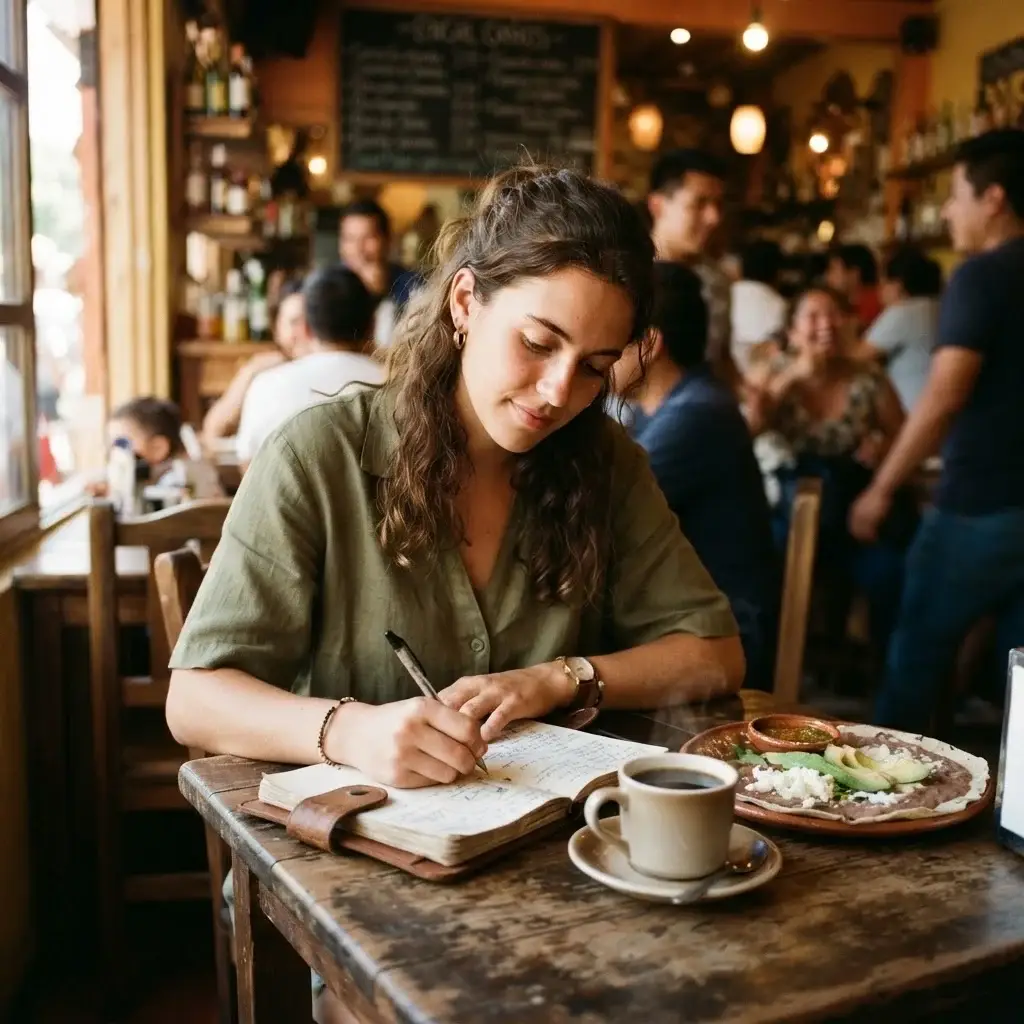
You’ll notice how people greet each other, what they order, and how they take their time. That is culture.
Developing Your Travel Confidence
The biggest hurdle for most people is the fear of being “bored” or “lonely” when they aren’t constantly distracted by attractions. But that boredom is actually the birthplace of curiosity. When you stop looking at your phone and start looking at the city, you see the street art, the hidden alleyways, and the way the city changes at 4:00 PM when the school kids get out.
You don’t need a massive budget to do this. In fact, slow travel is usually cheaper. You aren’t paying for constant transport, expensive tour groups, or premium-priced tourist restaurants. You are living a life, just in a different zip code.
Reflecting on the Journey
As you start to plan your own slow itineraries, remember that you are the architect of your own experience. If a city doesn’t feel right, move on. If you fall in love with a small bakery and want to spend three days straight visiting it, do that. The “right” way to travel is the way that allows you to be the most curious, the most open, and the most you.
I started my journey thinking I had to conquer the world one city at a time. I ended up finding that the world is best enjoyed when you stop trying to conquer it and start trying to understand it.